Chapter 2 public speaking Questions and Answers
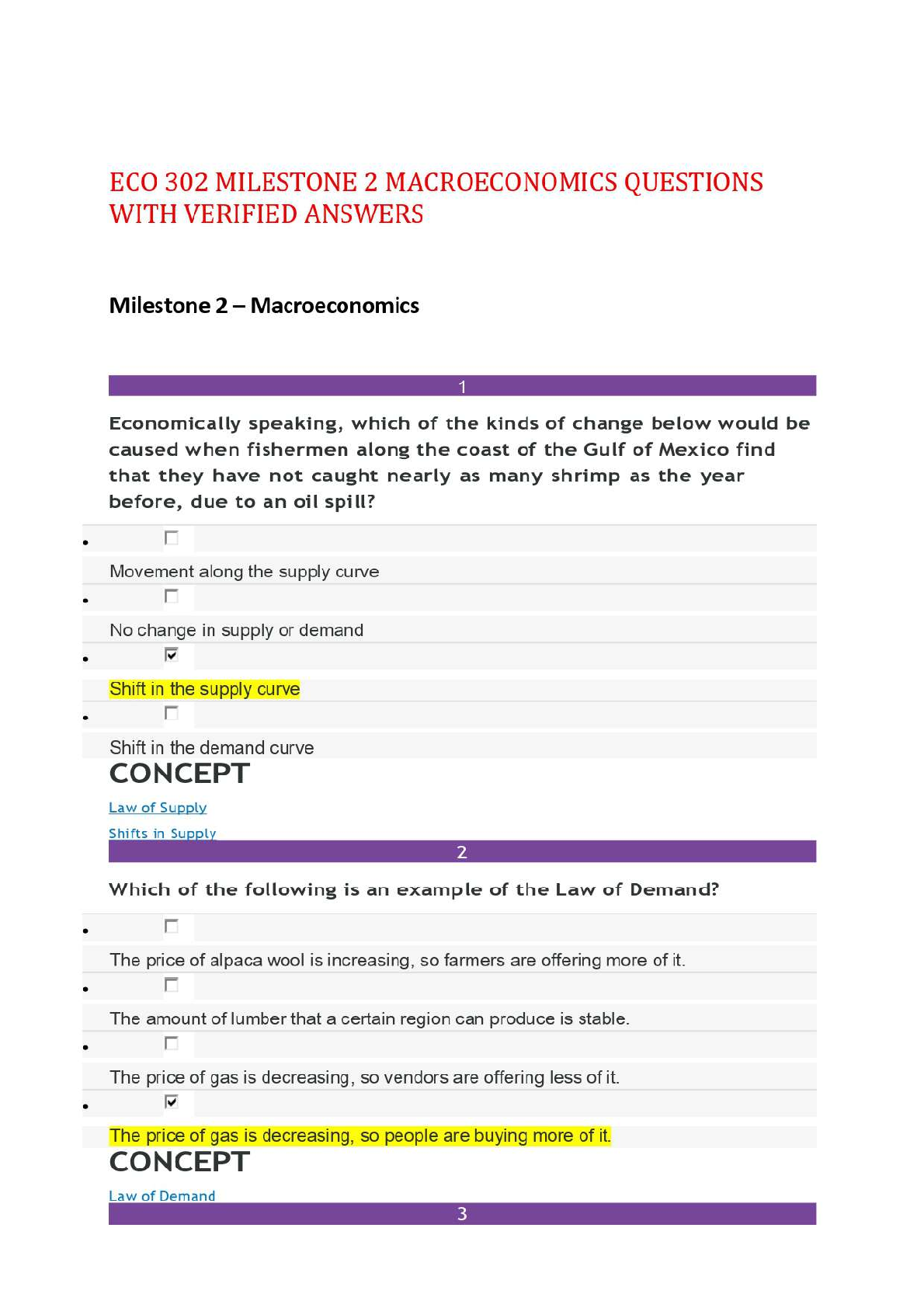
Public Speaking Apprehension gradually as we speak.
Choose one answer.
A. decreases
B. increases
C. stays the same
D. none of the above
Question2
Accord
...
Chapter 2 public speaking Questions and Answers
Public Speaking Apprehension gradually as we speak.
Choose one answer.
A. decreases
B. increases
C. stays the same
D. none of the above
Question2
According to Communication Orientation Motivation (COM) techniques, in performance orientation, the speaker views the audience as .
Choose one answer.
A. good listeners
B. hypercritical judges
C. inferior to the speaker's topic
D. not worthy of hearing the speech
Question3
Jessica has been reducing her public speaking apprehension by using the technique, which involves picturing herself in increasingly more frightening situations and learning how to relax in those situations.
Choose one answer.
A. Communication Orientation Motivation (COM)
B. visualization
C. systematic desensitization
D. cognitive restructuring
Question4
The process of involves tailoring the information in your speech to the needs, interests, and expectations of your listeners.
Choose one answer.
A. audience analysis
B. listener analysis
C. audience adaptation
D. listener respect
Question5
Public Speaking Apprehension is uncommon and only affects a few people.
Answer:
True False
Question6
The "communibiological" theory suggests that .
Choose one answer.
A. public speaking apprehension may be inborn
B. public speaking apprehension has nothing to do with nervousness
C. public speaking apprehension has nothing to do with biology
D. public speaking apprehension may be a result of negative past speaking experience
Question7
Anticipation reaction is .
Choose one answer.
A. the surge in your anxiety as you begin your speech
B. the level of anxiety during your speech
C. the gradual decline of speech anxiety about one-minute into the speech
D. the level of anxiety you experience before your speech
Question8
Public speaking apprehension is most commonly caused by negative self-talk.
Answer:
True False
Question9
Adaptation reaction is .
Choose one answer.
A. the surge in your anxiety as you begin your speech
B. the level of anxiety you experience before your speech
C. the gradual decline of speech anxiety about one-minute into the speech
D. the level of anxiety during your speech
Question10
A narrative/personal experience speech .
Choose one answer.
A. persuades the audience to do something
B. recounts an experience you have had and its significance
C. tells how something is made
D. explains the steps in a process
A narrative/personal experience speech .
Choose one answer.
A. persuades the audience to do something
B. recounts an experience you have had and its significance
C. tells how something is made
D. explains the steps in a process
Question2
The theory that suggests that most of us become apprehensive because we don't know how to plan or prepare effectively for a public presentation is .
Choose one answer.
A. the speech apprehension theory
B. the communibiological theory
C. the skill deficit theory
D. structuration theory
Question3
Organized speeches help audiences to remember the information better.
Answer:
True False
Question4
The "communibiological" theory suggests that .
Choose one answer.
A. public speaking apprehension may be inborn
B. public speaking apprehension has nothing to do with nervousness
C. public speaking apprehension has nothing to do with biology
D. public speaking apprehension may be a result of negative past speaking experience
Question5
What percent of the U.S. population experiences high levels of apprehension?
Choose one answer.
Question6
An audience is unlikely to detect the level of nervousness of a speaker.
Answer:
True False
Question7
Jake has been learning to reduce his public speaking apprehension using the technique. As his instructor taught him, the first step in this process is to identify and write down the negative thoughts he has about making a speech such as "My classmates won't be interested in what I have to say" or "I'll never be able to speak that long".
Choose one answer.
A. Communication Orientation Motivation (COM)
B. visualization
C. systematic desensitization
D. cognitive restructuring
Question8
Public Speaking Apprehension gradually as we speak.
Choose one answer.
A. decreases
B. increases
C. stays the same
D. none of the above
Question9
Public speaking apprehension is .
Choose one answer.
Question10
It helps to be a little nervous to do your best.
Answer:
True False
Confrontation reaction is .
Choose one answer.
A. the surge in your anxiety as you begin your speech
B. the level of anxiety you experience before your speech
C. the level of anxiety during your speech
D. the gradual decline of speech anxiety about one-minute into the speech
Question2
Public speaking apprehension is most commonly caused by negative self-talk.
Answer:
True False
Question3
Anticipation reaction is .
Choose one answer.
A. the surge in your anxiety as you begin your speech
B. the level of anxiety during your speech
C. the gradual decline of speech anxiety about one-minute into the speech
D. the level of anxiety you experience before your speech
Question4
Jessica has been reducing her public speaking apprehension by using the technique, which involves picturing herself in increasingly more frightening situations and learning how to relax in those situations.
Choose one answer.
A. Communication Orientation Motivation (COM)
B. visualization
C. systematic desensitization
D. cognitive restructuring
Question5
Jake has been learning to reduce his public speaking apprehension using the technique. As his instructor taught him, the first step in this process is to identify and write down the negative thoughts he has about making a speech such as "My classmates won't be interested in what I have to say" or "I'll never be able to speak that long".
Choose one answer.
A. Communication Orientation Motivation (COM)
B. visualization
C. systematic desensitization
D. cognitive restructuring
Question6
You should never consider the audience's interests when planning your speech.
Answer:
True False
Question7
You should choose a speech topic that you know nothing about, so that you can learn from your research.
Answer:
True False
Question8
You should choose a topic that you .
Choose one answer.
C. know nothing about so that you can learn something new
D. know something about
Question9
Learning the processes and behaviors associated with effective speech making does not reduce Public Speaking Apprehension.
Answer:
True False
Question10
Using positive-talk before your speech is a good technique to reduce speech anxiety.
Answer:
True False
The three phases of reaction are .
Choose one answer.
A. anticipation, confrontation and adaptation
B. visualization, desensitization and adaptation
C. apprehension, performance orientation and communication orientation
D. confrontation, visualization and apprehension
Question2
The theory that suggests that most of us become apprehensive because we don't know how to plan or prepare effectively for a public presentation is .
Choose one answer.
A. the speech apprehension theory
B. the communibiological theory
C. the skill deficit theory
D. structuration theory
Question3
Public Speaking Apprehension gradually as we speak.
Choose one answer.
A. decreases
B. increases
C. stays the same
D. none of the above
Question4
You should choose a topic that you .
Choose one answer.
A. think is funny
B. do not care about
C. know nothing about so that you can learn something new
D. know something about
Question5
Jake has been learning to reduce his public speaking apprehension using the technique. As his instructor taught him, the first step in this process is to identify and write down the negative thoughts he has about making a speech such as "My classmates won't be interested in what I have to say" or "I'll never be able to speak that long".
Choose one answer.
A. Communication Orientation Motivation (COM)
B. visualization
C. systematic desensitization
D. cognitive restructuring
Question6
"I want my audience to understand the domestic adoption process" is an example of a(n) , which is a statement of what you want your audience to know, believe, or do.
Choose one answer.
B. speech wording
C. audience adaptation
D. speech goal
Question7
According to Communication Orientation Motivation (COM) techniques, in performance orientation, the speaker views the audience as .
Choose one answer.
A. good listeners
B. hypercritical judges
C. inferior to the speaker's topic
D. not worthy of hearing the speech
Question8
Anticipation reaction is .
Choose one answer.
A. the surge in your anxiety as you begin your speech
B. the level of anxiety during your speech
C. the gradual decline of speech anxiety about one-minute into the speech
D. the level of anxiety you experience before your speech
Question9
You should choose a speech topic that you know nothing about, so that you can learn from your research.
Answer:
True False
Question10
A narrative/personal experience speech .
Choose one answer.
A. persuades the audience to do something
B. recounts an experience you have had and its significance
C. tells how something is made
D. explains the steps in a process
In order to reduce public speaking apprehension, Ricardo uses the technique by picturing himself giving a masterful speech.
Choose one answer.
A. Communication Orientation Motivation (COM)
B. visualization
C. systematic desensitization
D. cognitive restructuring
Question2
Public speaking apprehension is .
Choose one answer.
Question3
The three phases of reaction are .
Choose one answer.
A. anticipation, confrontation and adaptation
B. visualization, desensitization and adaptation
C. apprehension, performance orientation and
Question4
Public speaking apprehension is most commonly caused by negative self-talk.
Answer:
True False
Question5
Extroverted people experience levels of public speaking apprehension.
Choose one answer.
A. higher
B. normal
C. above normal
D. lower
Question6
You should choose a speech topic that you know nothing about, so that you can learn from your research.
Answer:
True False
Question7
Organized speeches help audiences to remember the information better.
Answer:
True False
Question8
Adaptation reaction is .
Choose one answer.
C. the gradual decline of speech anxiety about one-minute into the speech
D. the level of anxiety during your speech
Question9
A speech goal states what you want your audience to know, believe or do.
Answer:
True False
Question10
You should choose a topic that you .
Choose one answer.
A. think is funny
B. do not care about
C. know nothing about so that you can learn something new
D. know something about
[Show More]


 Block 1 to 7.png)




.png)

.png)