BUSINESS HU101 Critical thinking Week 3 Quiz. Herzing University - 2025
Document Content and Description Below
Critical thinking Week 3 Quiz
• Question 1
2 out of 2 points
When a key term in an argument is ambiguous and the meaning of the term changes during the course of the argument, ______ occurs.
• Q
...
[Show More]
Last updated: 1 year ago
Preview 1 out of 3 pages
Instant download

Loading document previews ...
Buy this Document to get the Full Access Instantly
Provided by Students Who Aced it
We Verify Document Content to Gurantee Accuracy
Reviews( 0 )
Document information
Connected school, study & course
About the document
Uploaded On
Sep 30, 2019
Number of pages
3
Written in
All

Additional information
This document has been written for:
Uploaded
Sep 30, 2019
Downloads
0
Views
339
Topic Tags
Recommended For You
Get more on EXAM »

$30
500 Pages
SOLUTIONS MANUAL Ordering and Payment Page | SEARCH FOR YOUR S...

$25
176 Pages
Test Bank for Labour Relations 6th Canadian Edition by Larry S...

$24
707 Pages
Test Bank for Byrd & Chen's Canadian Tax Principles (Volume 1...
$20
418 Pages
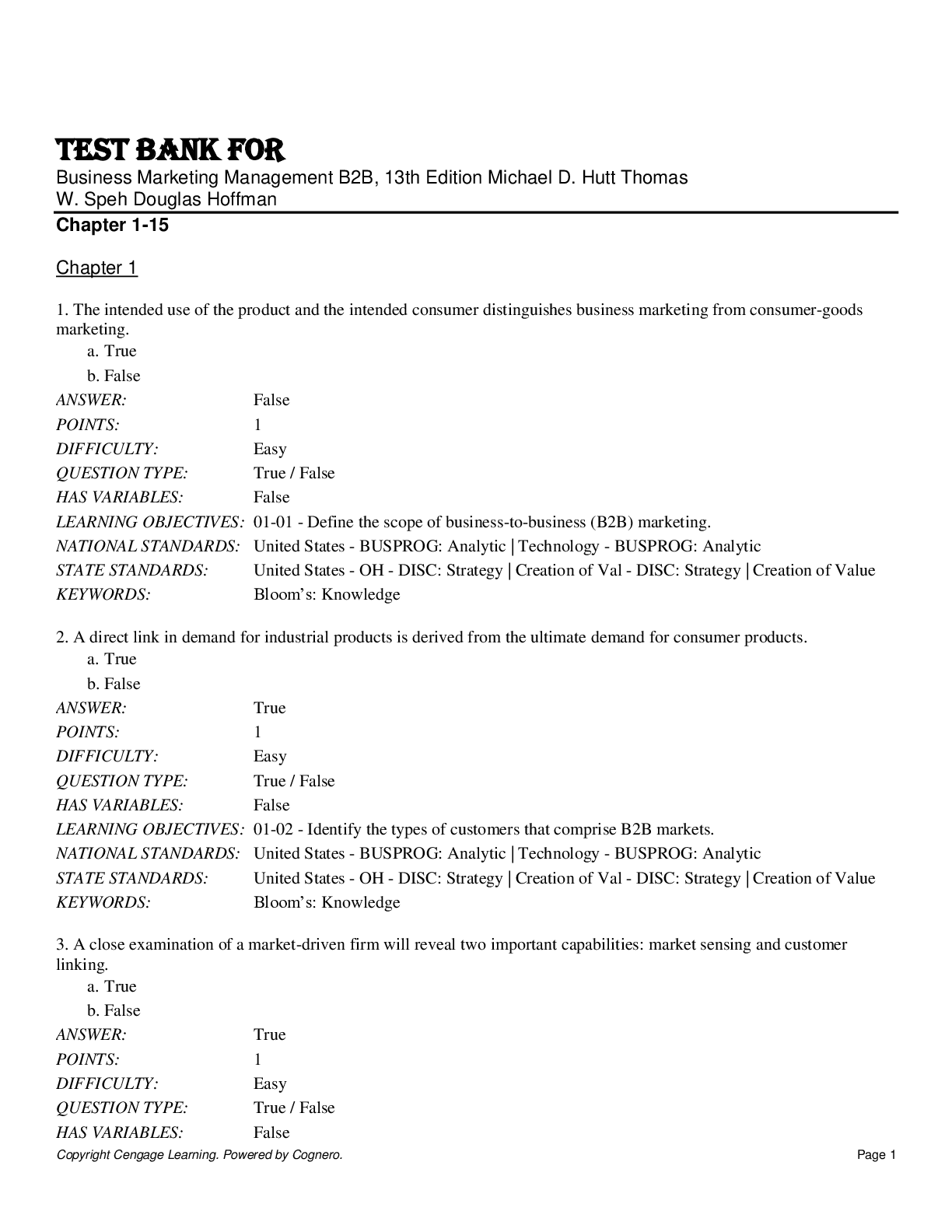
Test Bank For Business Marketing Management: B2B 13th Edition...

$21
45 Pages
Business Marketing Management B2B 13th Edition Michael D. Hutt...
$20
44 Pages
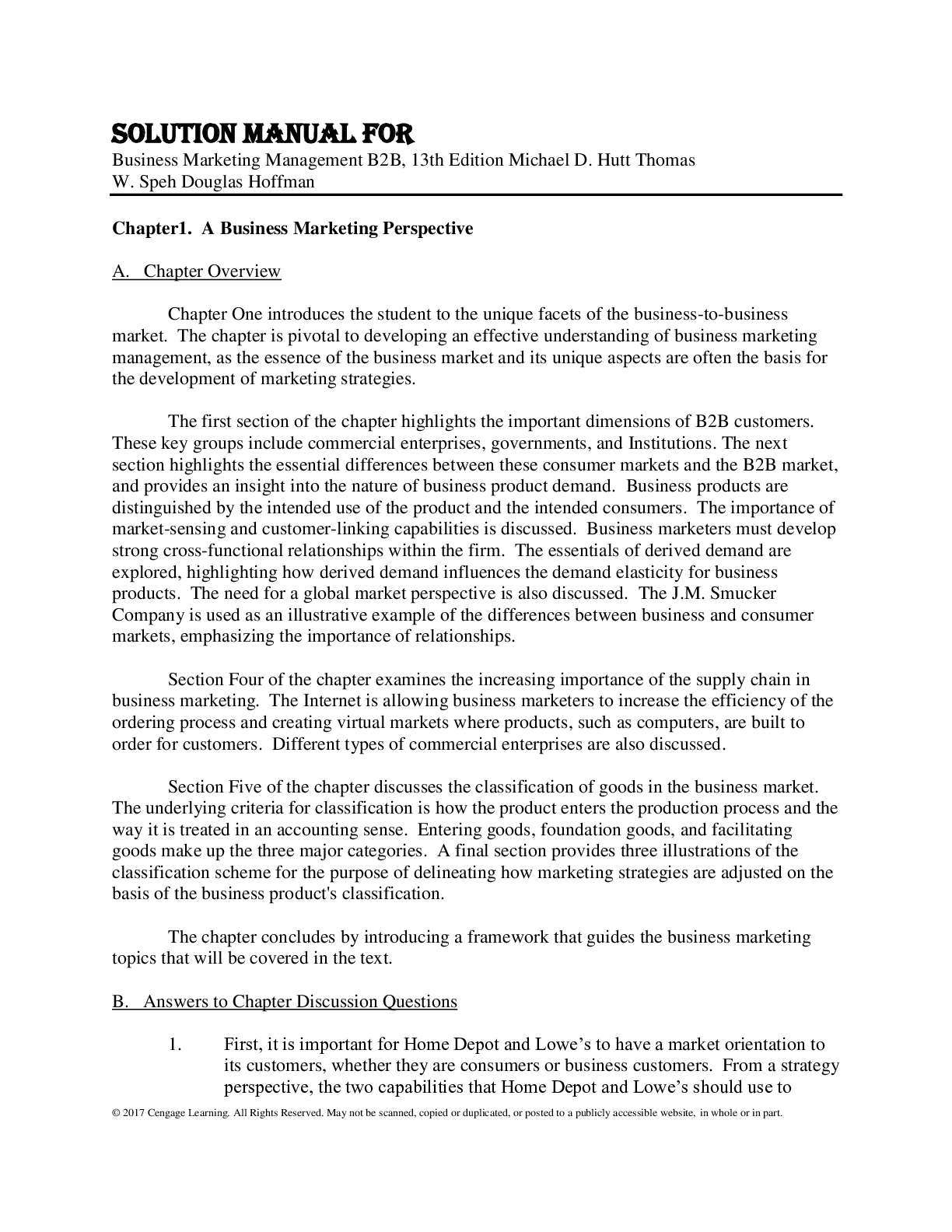
Solutions Manual For Business Marketing Management B2B, 13th E...

$23
45 Pages
Solution Manual For Business Marketing Management B2B, 13th Ed...

$22
419 Pages
Test Bank For Business Marketing Management B2B, 13th Edition...

$28
302 Pages
Instructor Manual M Organizational Behavior 2024 Release By St...
$16
604 Pages
Test Bank for Global Business Competing in the International M...

$27
428 Pages
Business Marketing Management B2B 13th Edition By Michael Hutt...

More related documents below