Mathematics > QUESTIONS & ANSWERS > Georgia Institute Of Technology CS 8803-GA midterm2-solutions (All)
Georgia Institute Of Technology CS 8803-GA midterm2-solutions
Document Content and Description Below
Last updated: 3 years ago
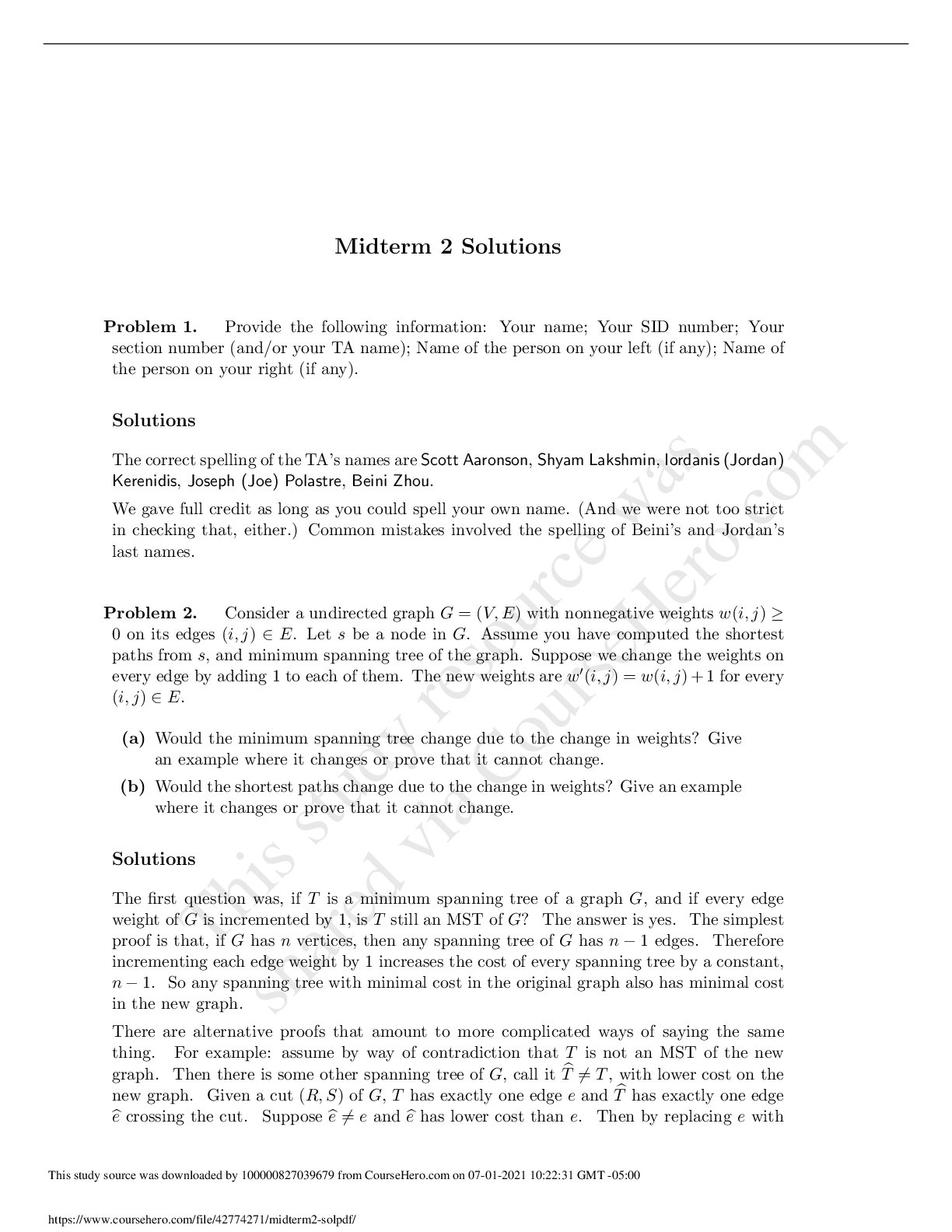
Preview 1 out of 7 pages
Instant download
Buy this Document to get the Full Access Instantly
Provided by Students Who Aced it
We Verify Document Content to Gurantee Accuracy
Reviews( 0 )
Document information
Connected school, study & course
About the document
Uploaded On
Jul 01, 2021
Number of pages
7
Written in
All

Additional information
This document has been written for:
Uploaded
Jul 01, 2021
Downloads
0
Views
141
Topic Tags
Recommended For You
Get more on QUESTIONS & ANSWERS »
Georgia Institute Of Technology CS 8803-GAF17midterm1soln
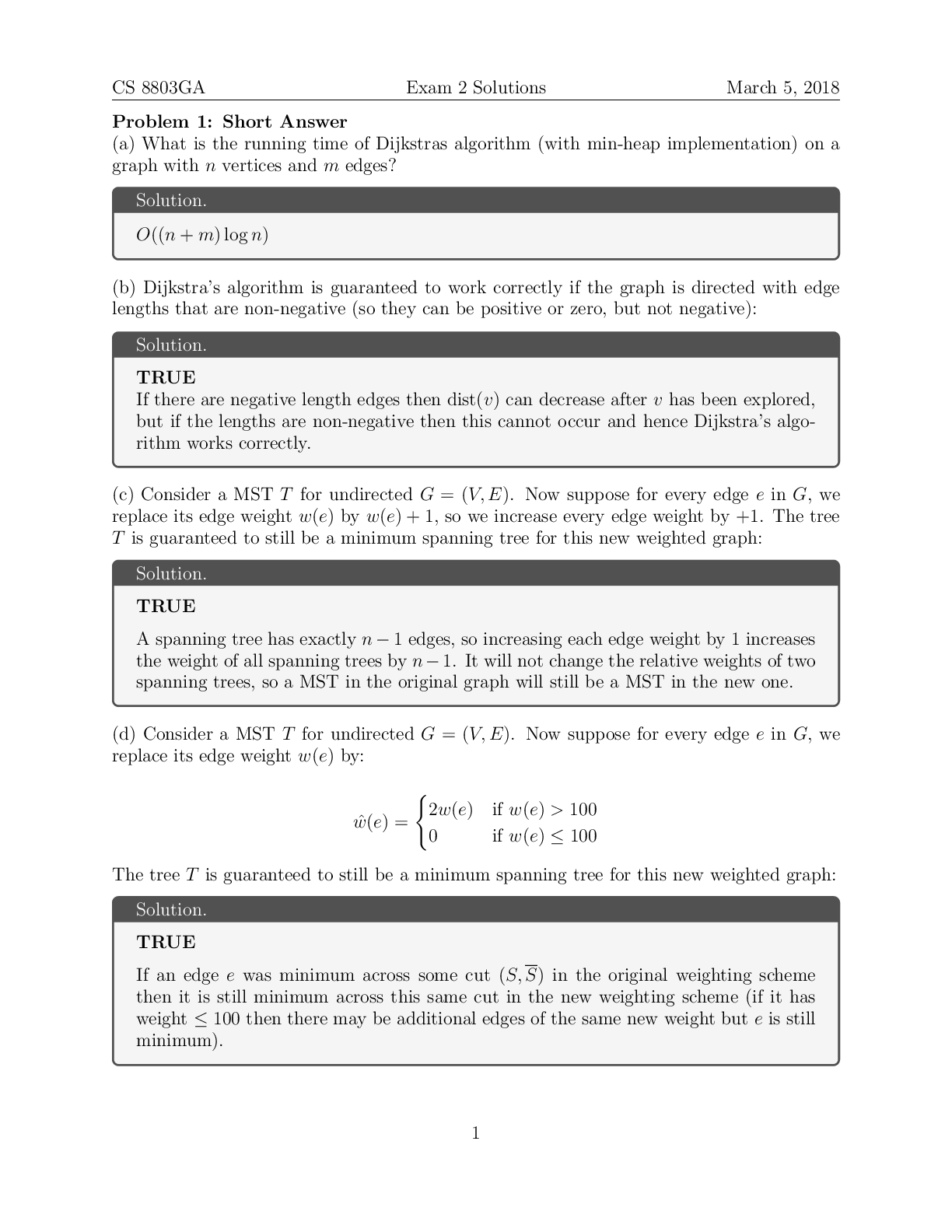
Georgia Institute Of Technology CS 8803 GA Exam 2 Solutions-AL...
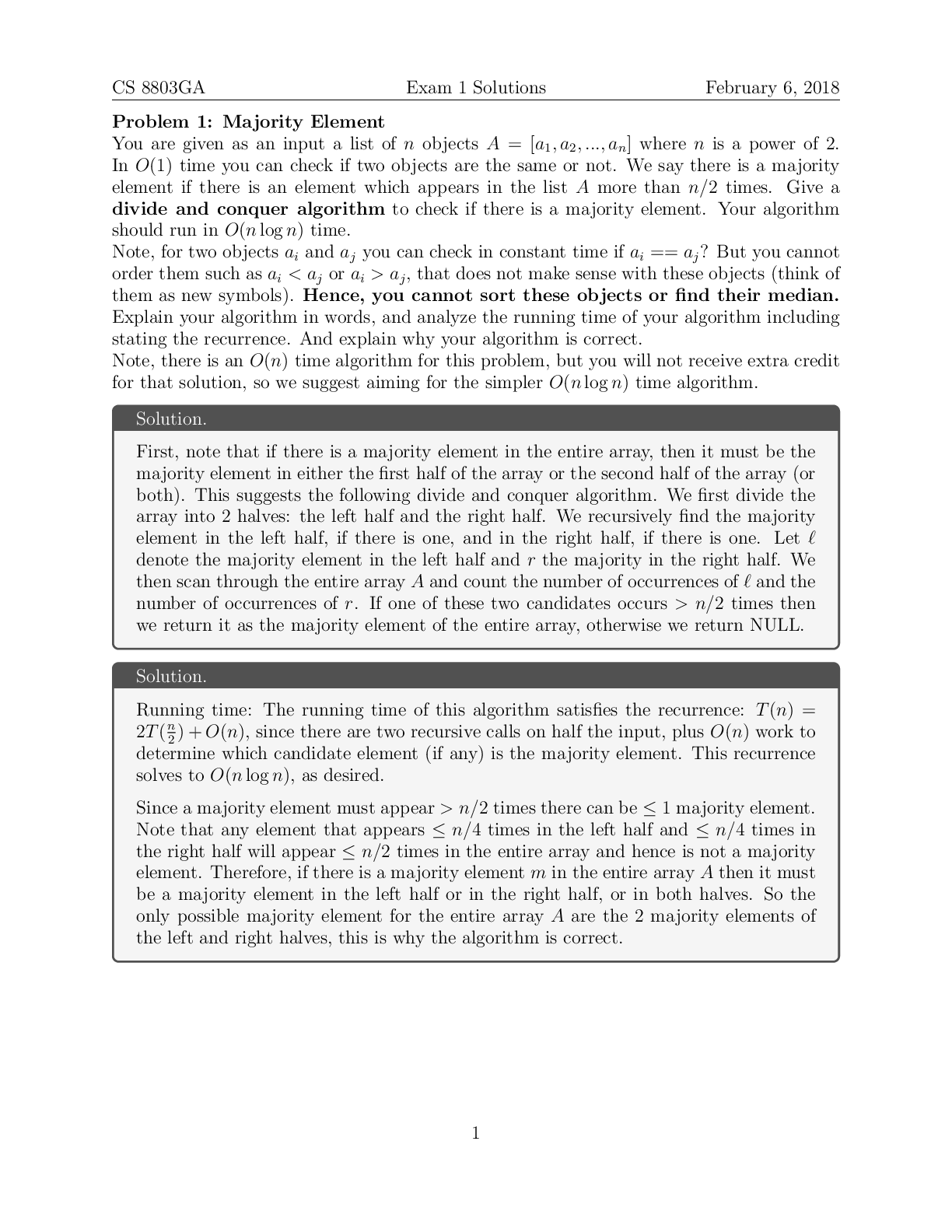
Georgia Institute Of Technology CS 8803 A Exam 1 Solutions-ALL...

Problem_Set_3_Q5 Georgia Institute Of Technology - CS 8803-O01

Georgia Institute Of Technology - CS 8803CS 8803GA HW6 Practic...

Georgia Institute Of Technology - CS 8803-O0103-ParticleFilter...
Discrete Mathematics and Its Applications 8th Edition by Kenne...
Finite Mathematics & Its Applications, 13e Larry Goldstein, Da...
.png)
 2e Peter Olver, Chehrzad Shakiban.png)
Applied Linear Algebra (Undergraduate Texts in Mathematics) 2n...
Student Solutions Manual for Mathematics for Economics, 4th Ed...





.png)

.png)


