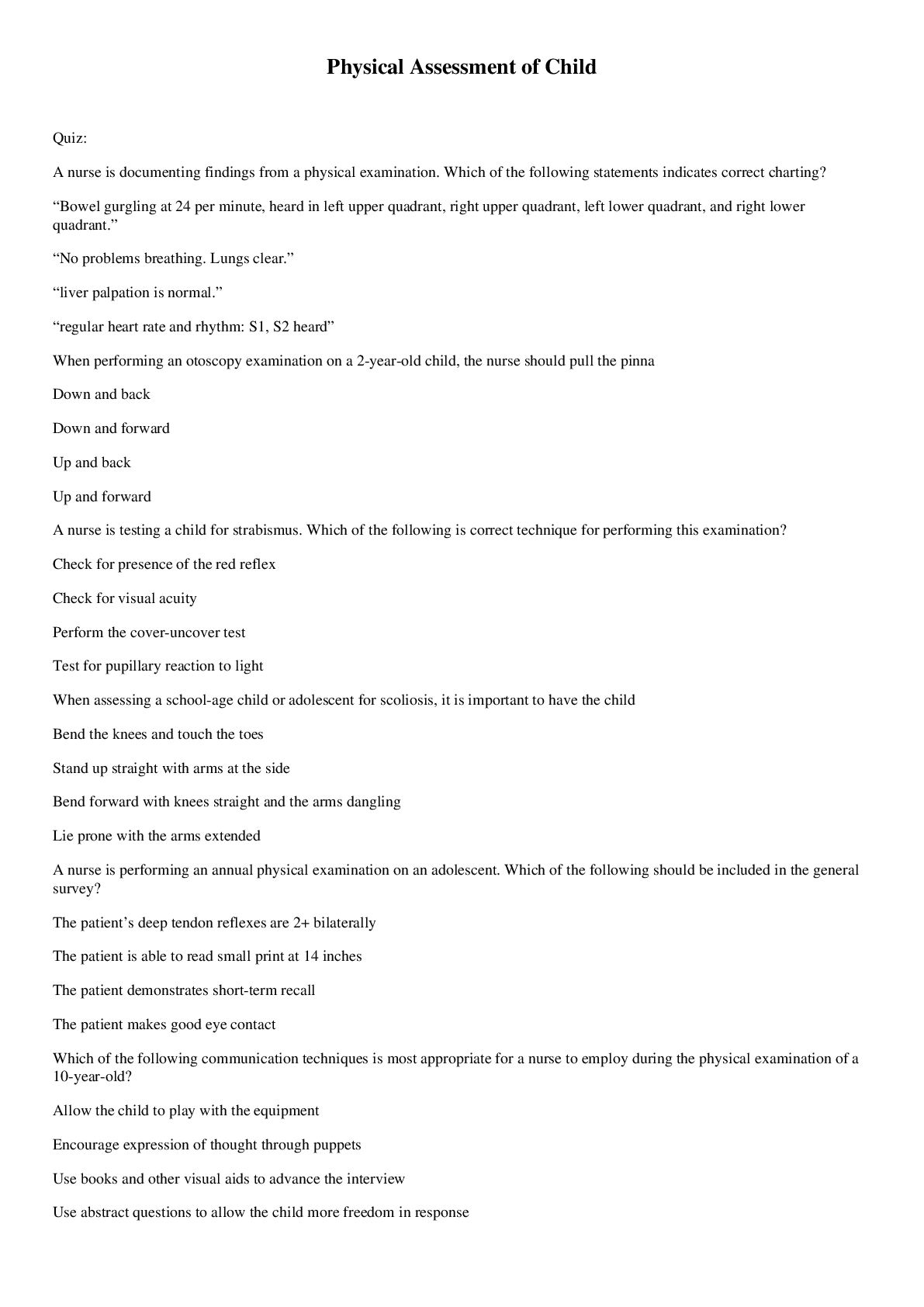
NURSING > STUDY GUIDE > Walden University - NURS 6560 week7ihuman_100% Correct. (All)
Walden University - NURS 6560 week7ihuman_100% Correct.
Document Content and Description Below
Last updated: 3 years ago
Preview 1 out of 3 pages
Instant download
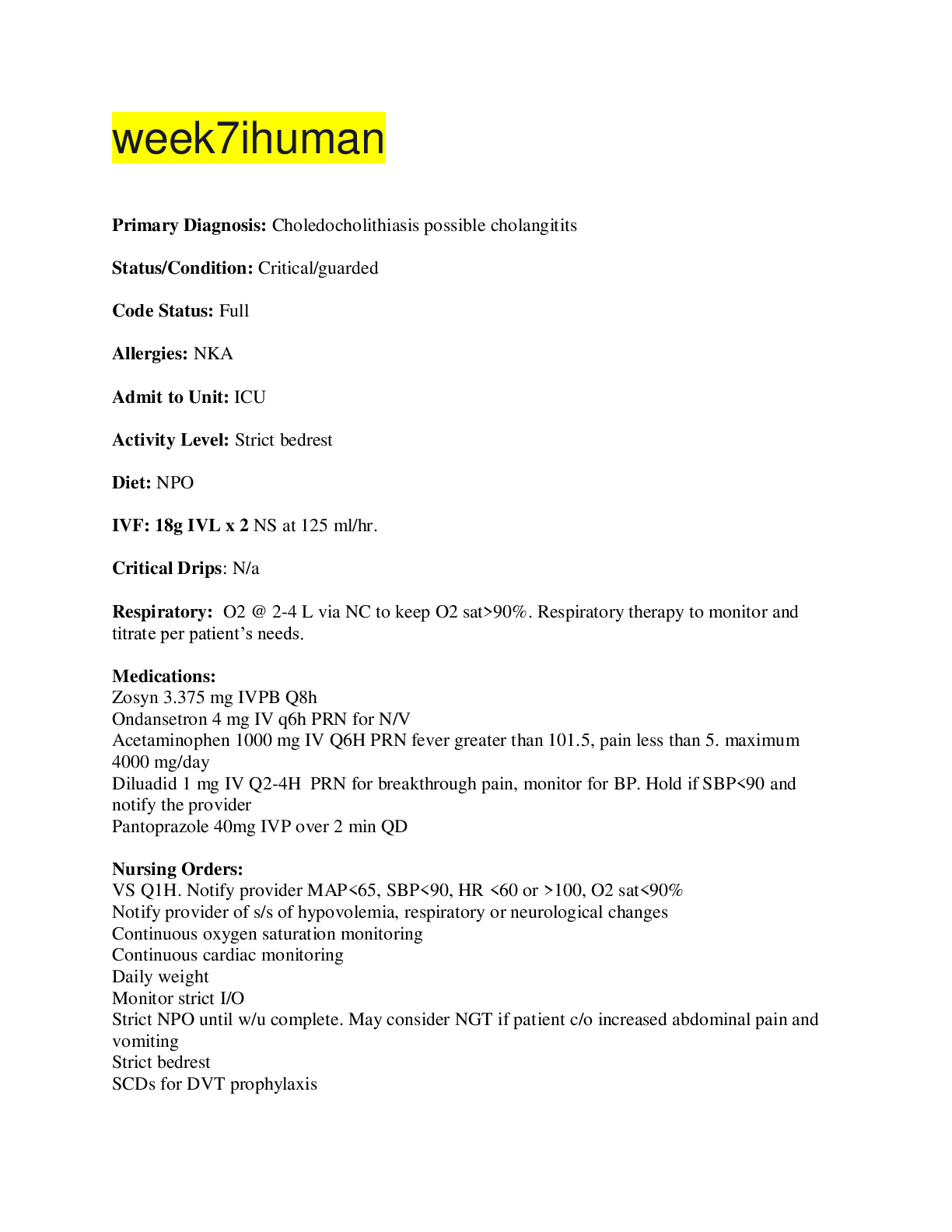
Buy this Document to get the Full Access Instantly
Provided by Students Who Aced it
We Verify Document Content to Gurantee Accuracy
Reviews( 0 )
Document information
Connected school, study & course
About the document
Uploaded On
Aug 03, 2020
Number of pages
3
Written in
All

Additional information
This document has been written for:
Uploaded
Aug 03, 2020
Downloads
0
Views
131
Topic Tags
Related Subjects & Courses
Explore similar study resources and related concepts.
Recommended For You
Get more on STUDY GUIDE »
NURS6560 / NURS 6560 Midterm Exam Study Guide : Advanced Prac...

NURS6560 / NURS 6560 Final Study Guide List : Advanced Practi...

NURS6560 / NURS 6560 Midterm Exam Study Guide : Advanced Prac...
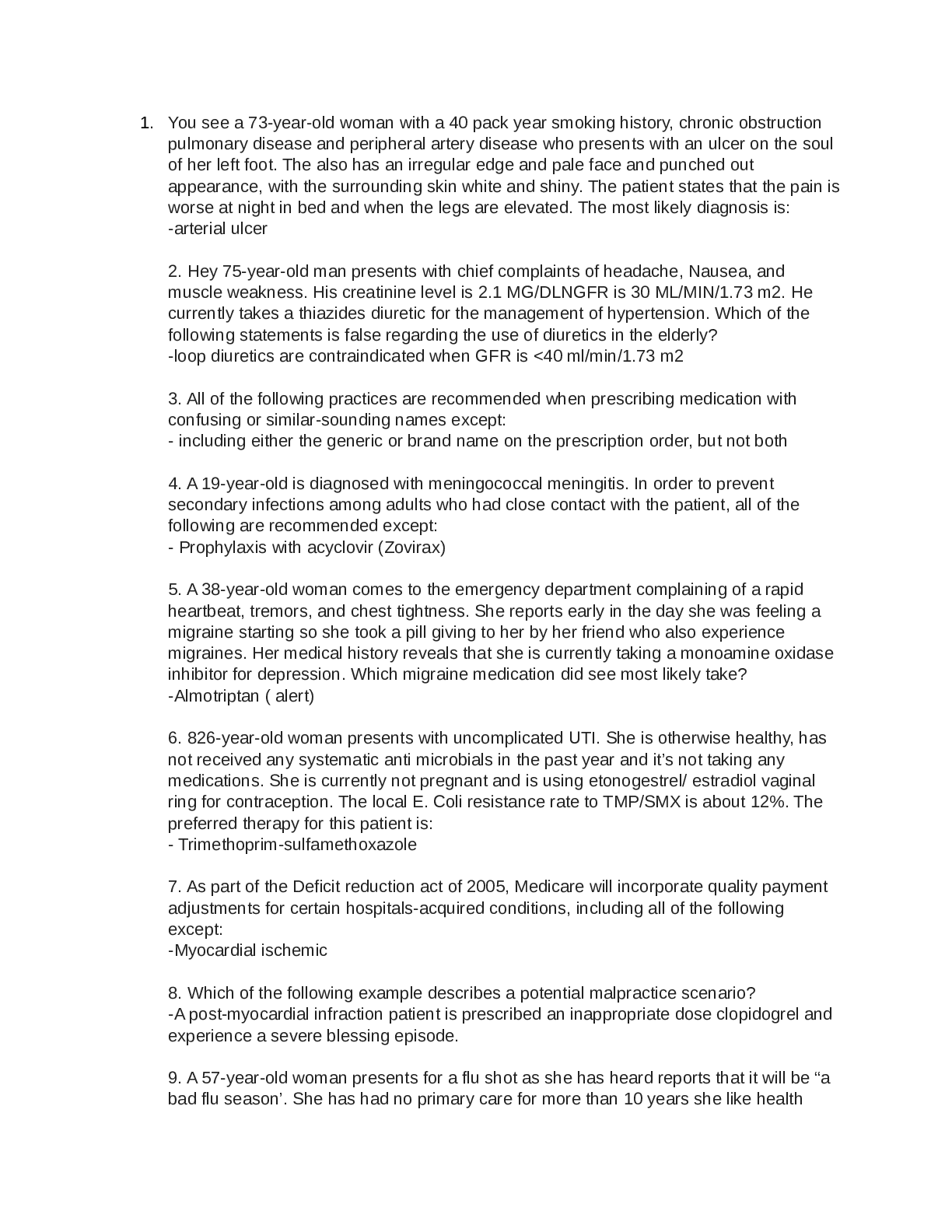
NURS 6560 Exit Exam (Test Bank solution) | NURS6560 exit exam...

NURS 6560 - Week4 iHuman; Primary Diagnosis: Acute Bacterial e...
TEST BANK; NURS 6560 Final, MIDTERM & FINAL JUNE Exam / NURS-...

TEST BANK NURS 6560 Exit Exam | NURS6560 exit exam (2020/2021)

NURS 6560 Week 2 IHuman,Latest (solution 2022) Chamberlain Col...
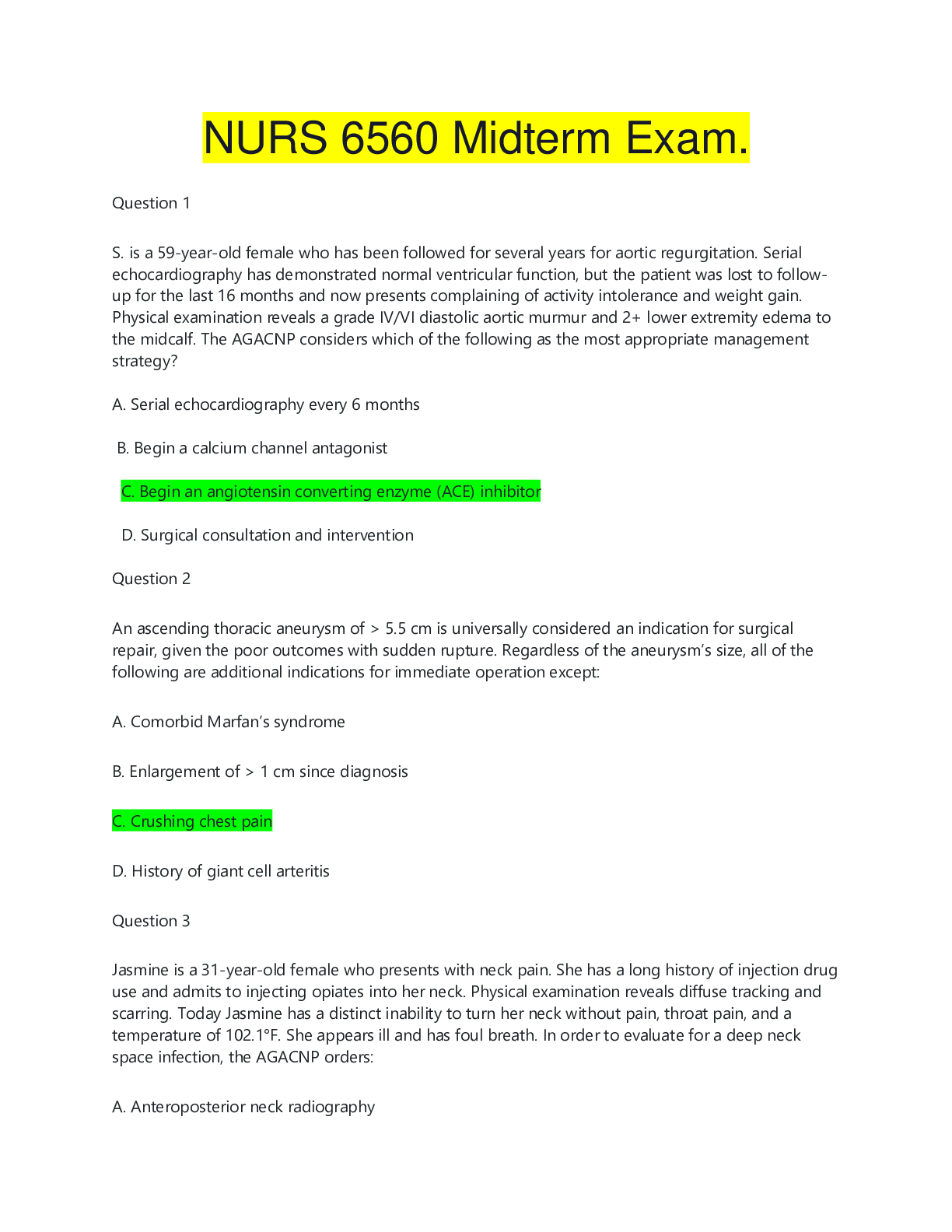
NURS 6560 Midtem Exam. 100 Questions and Answers | NURS 6560...
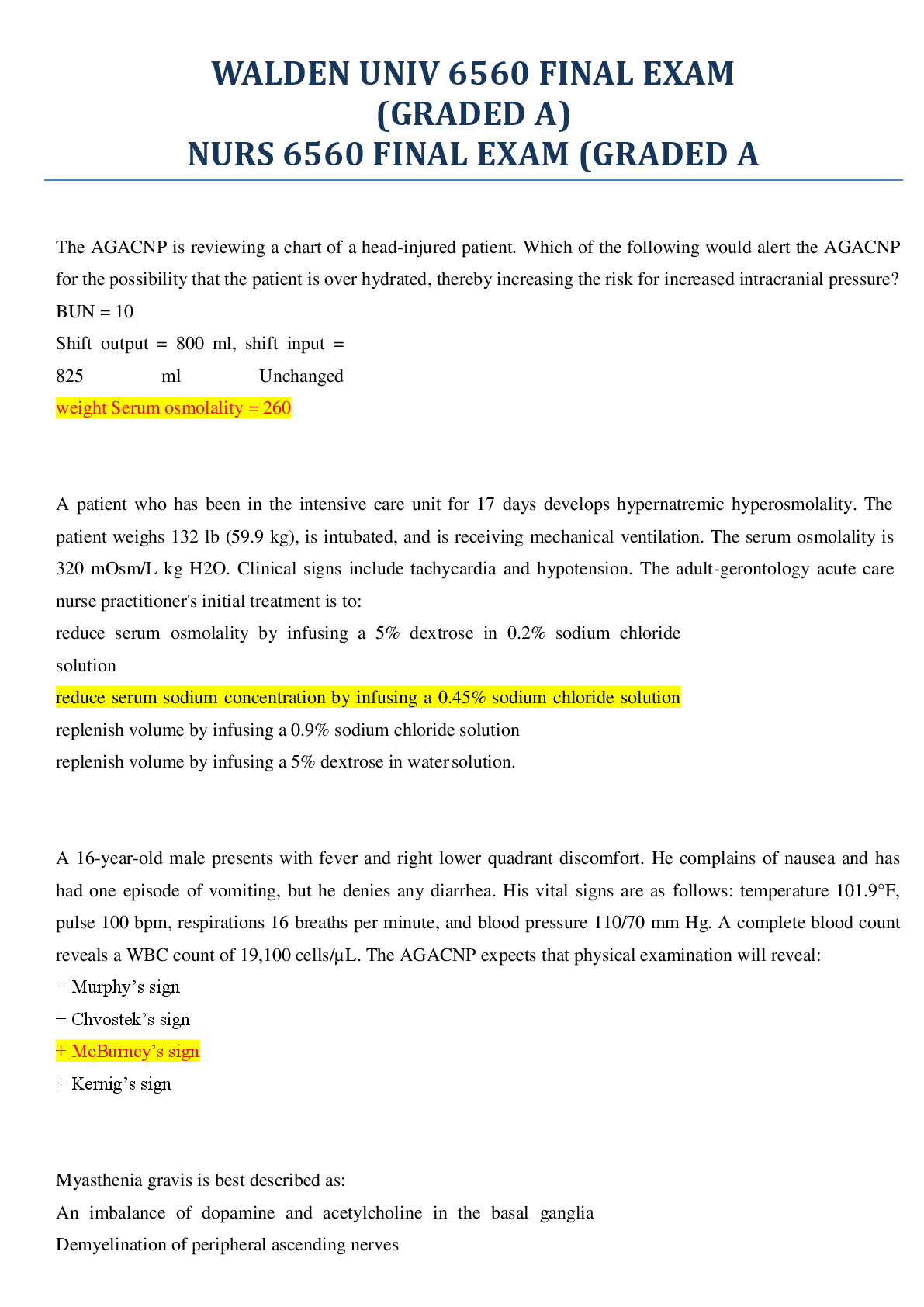
NURS 6560 Advanced Practice Care of Adults in Acute Care Setti...
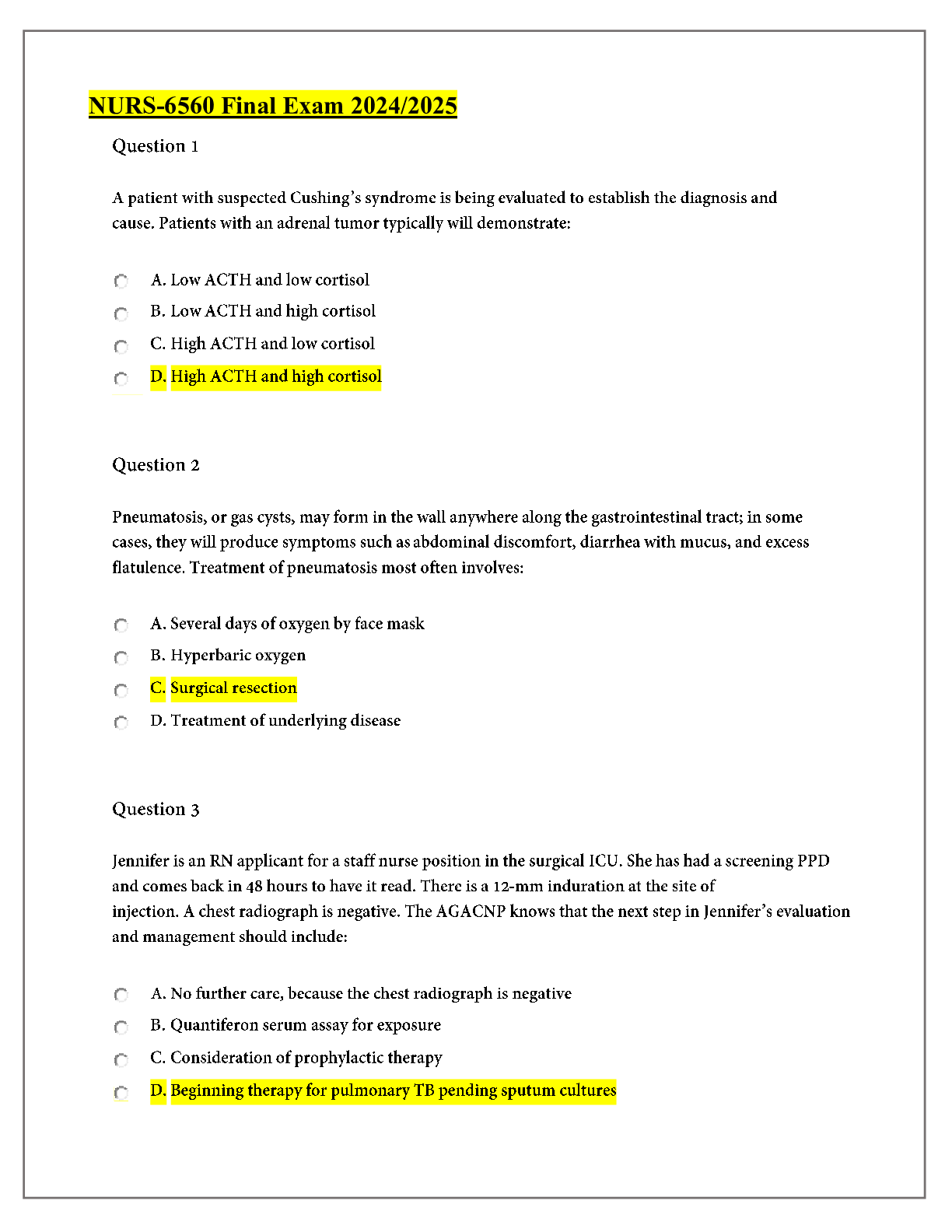
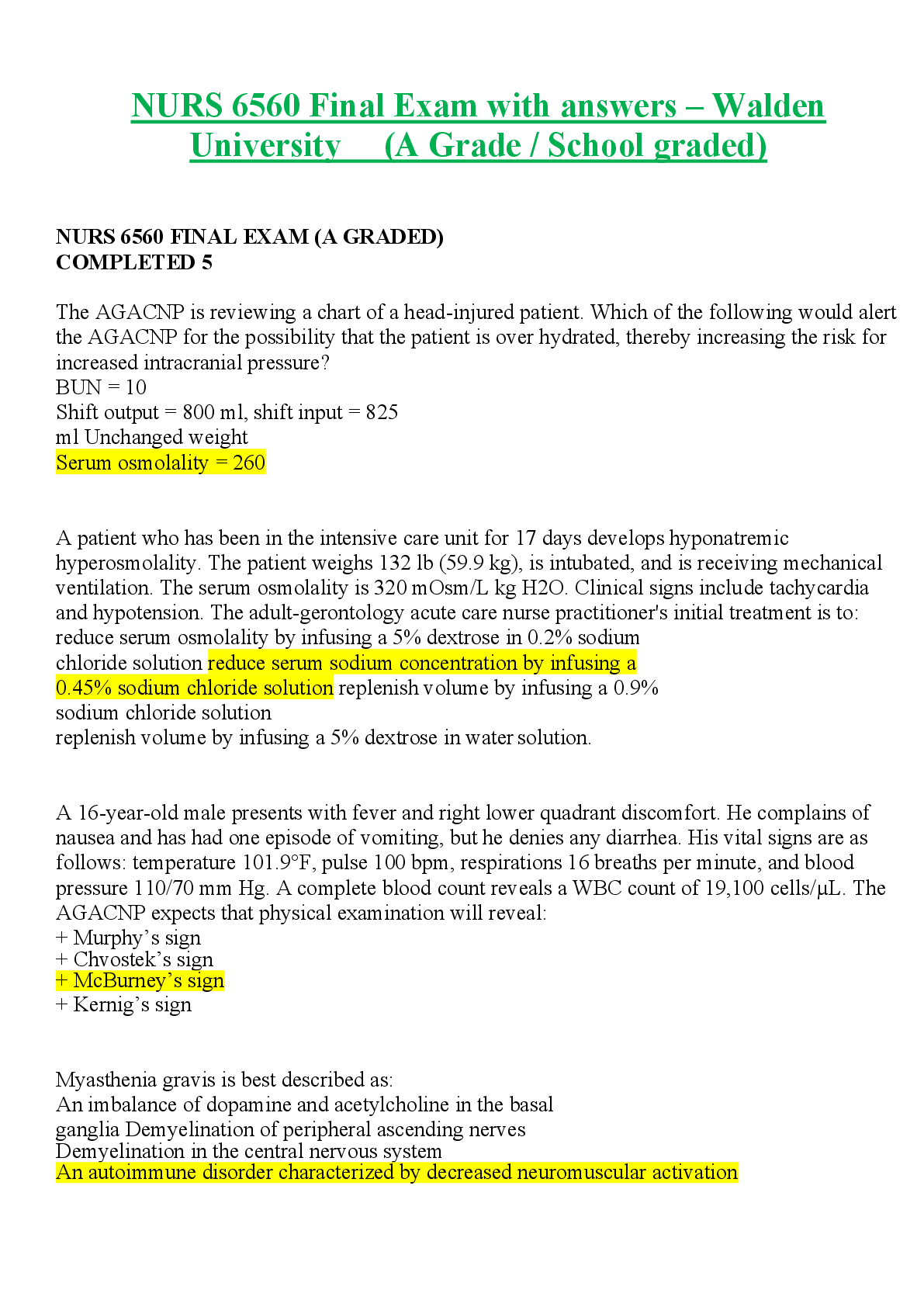
NURS 6560 Final Exam with answers – Walden University (A Grad...
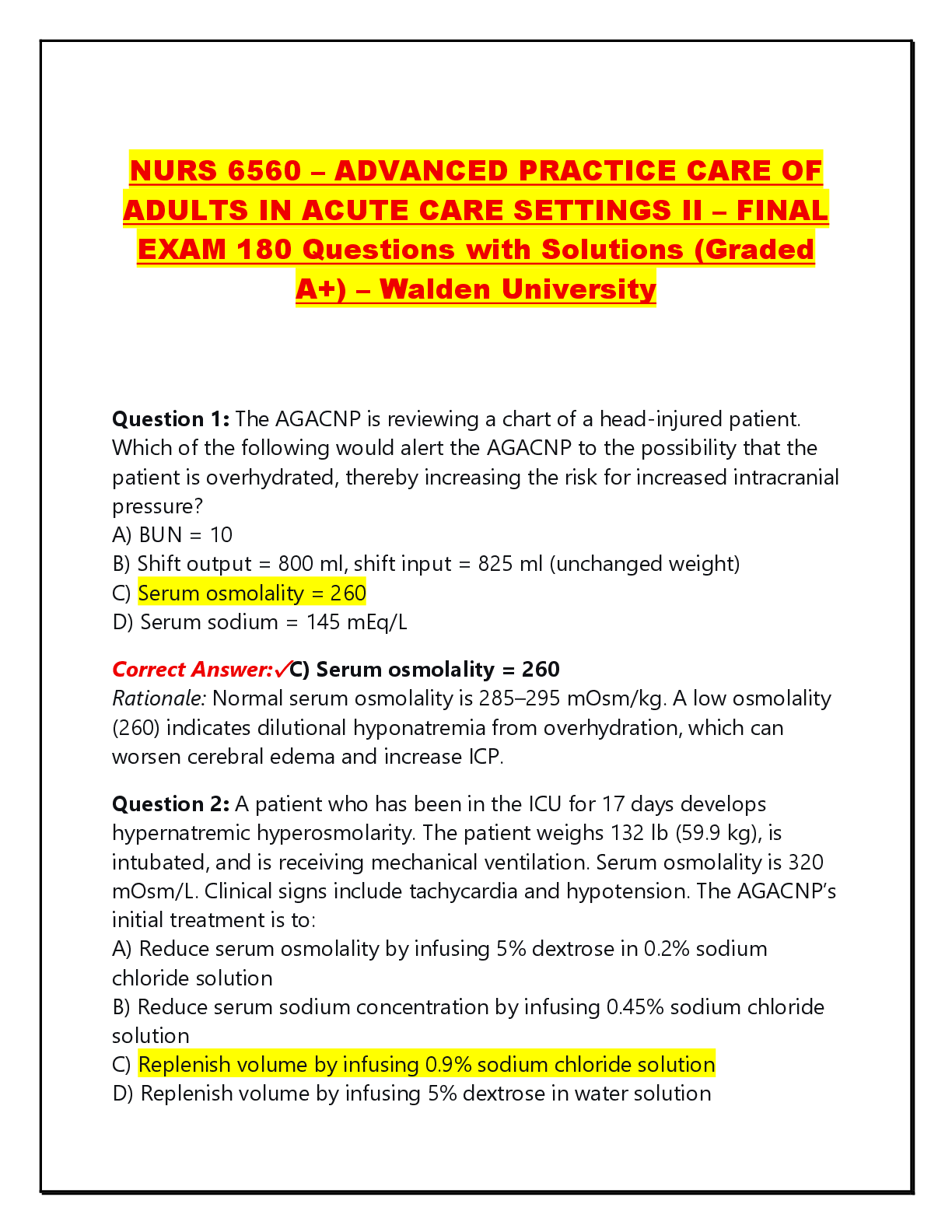
NURS 6560 – ADVANCED PRACTICE CARE OF ADULTS IN ACUTE CARE SE...

NURS 6560-Midterm Exam-Questions With Comprehensive Answers-Gr...
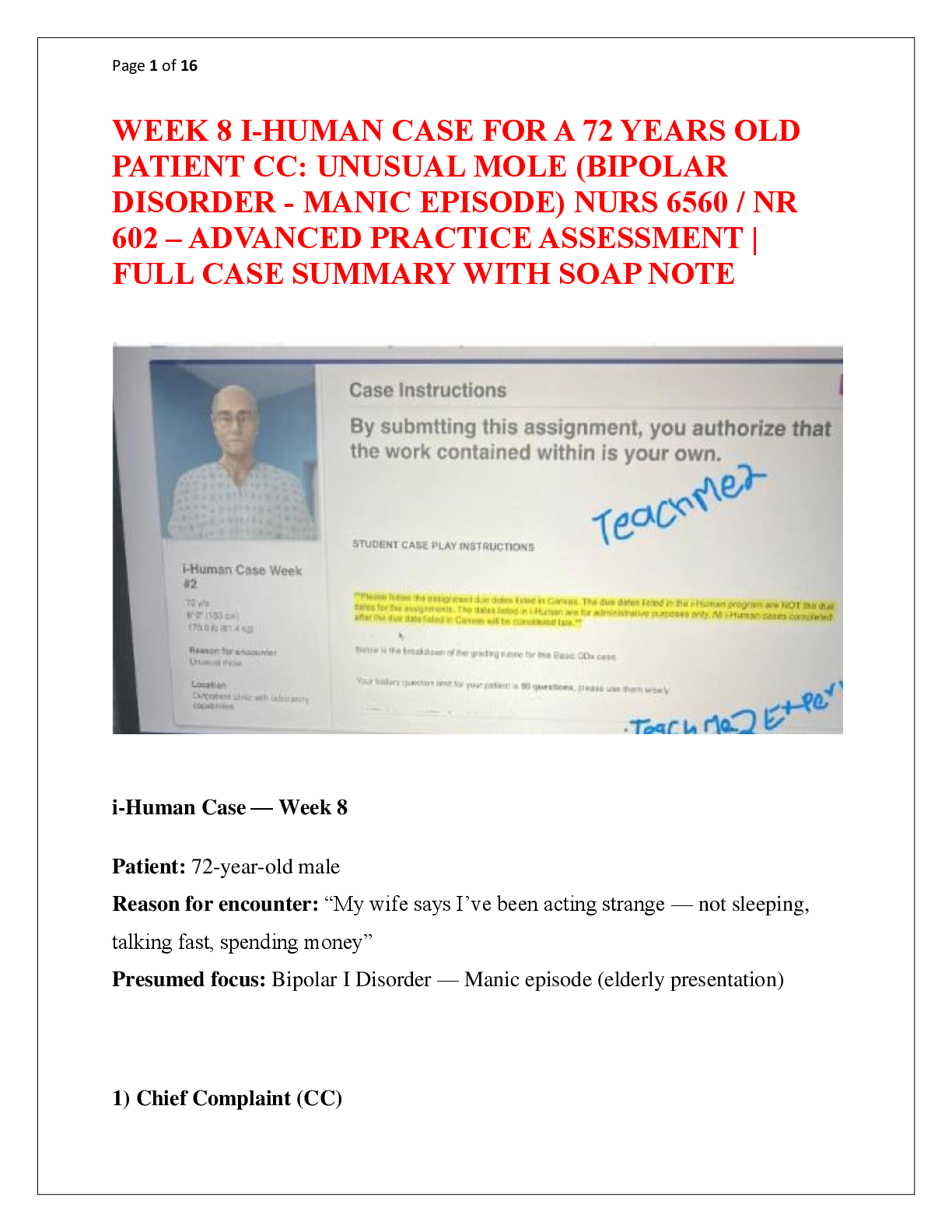
WEEK 8 I-HUMAN CASE FOR A 72 YEARS OLD PATIENT CC: UNUSUAL MO...
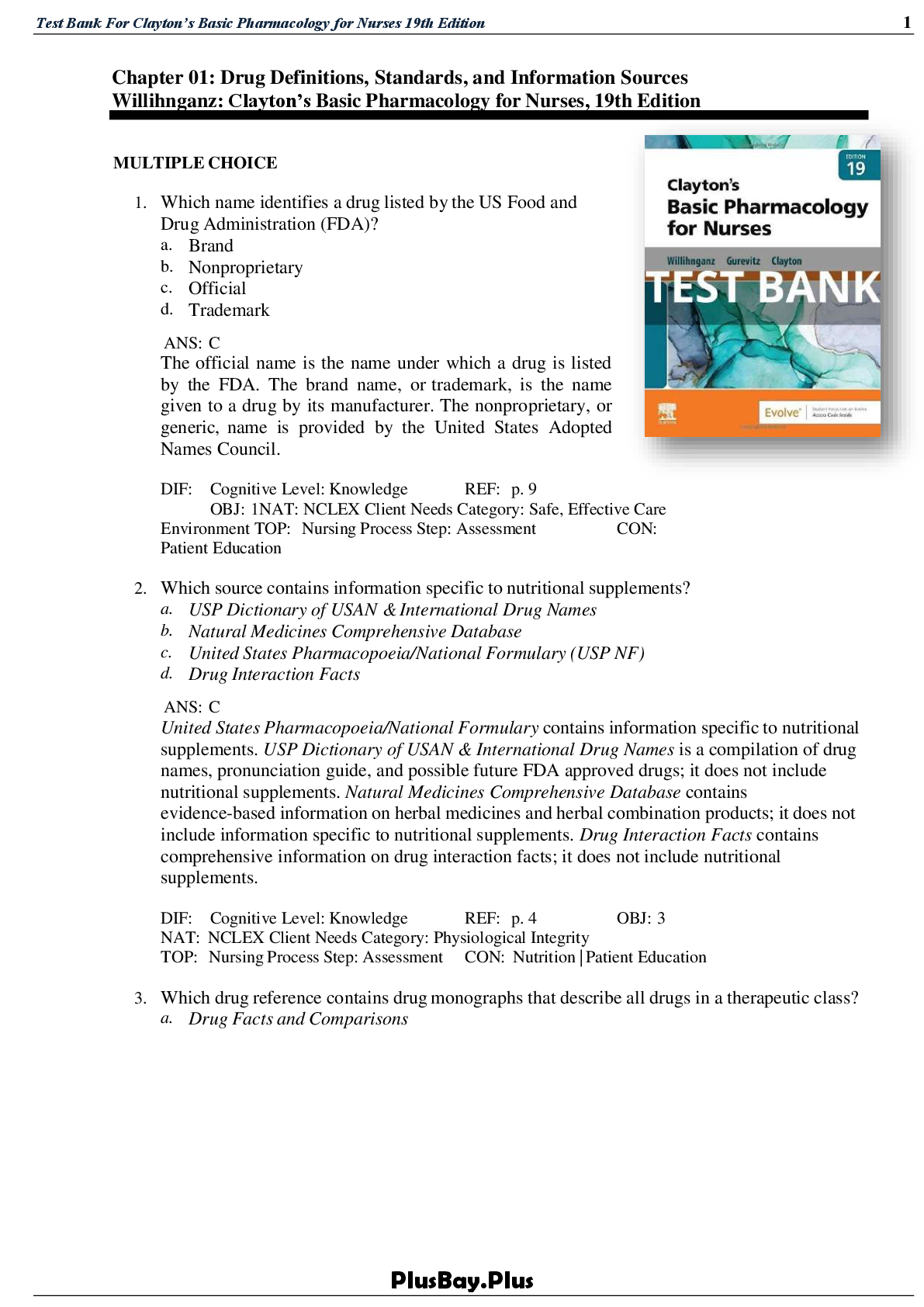
Test Bank For Clayton’s Basic Pharmacology for Nurses, 19th Ed...
Study Guide for Fundamentals of Nursing The Art and Science of...