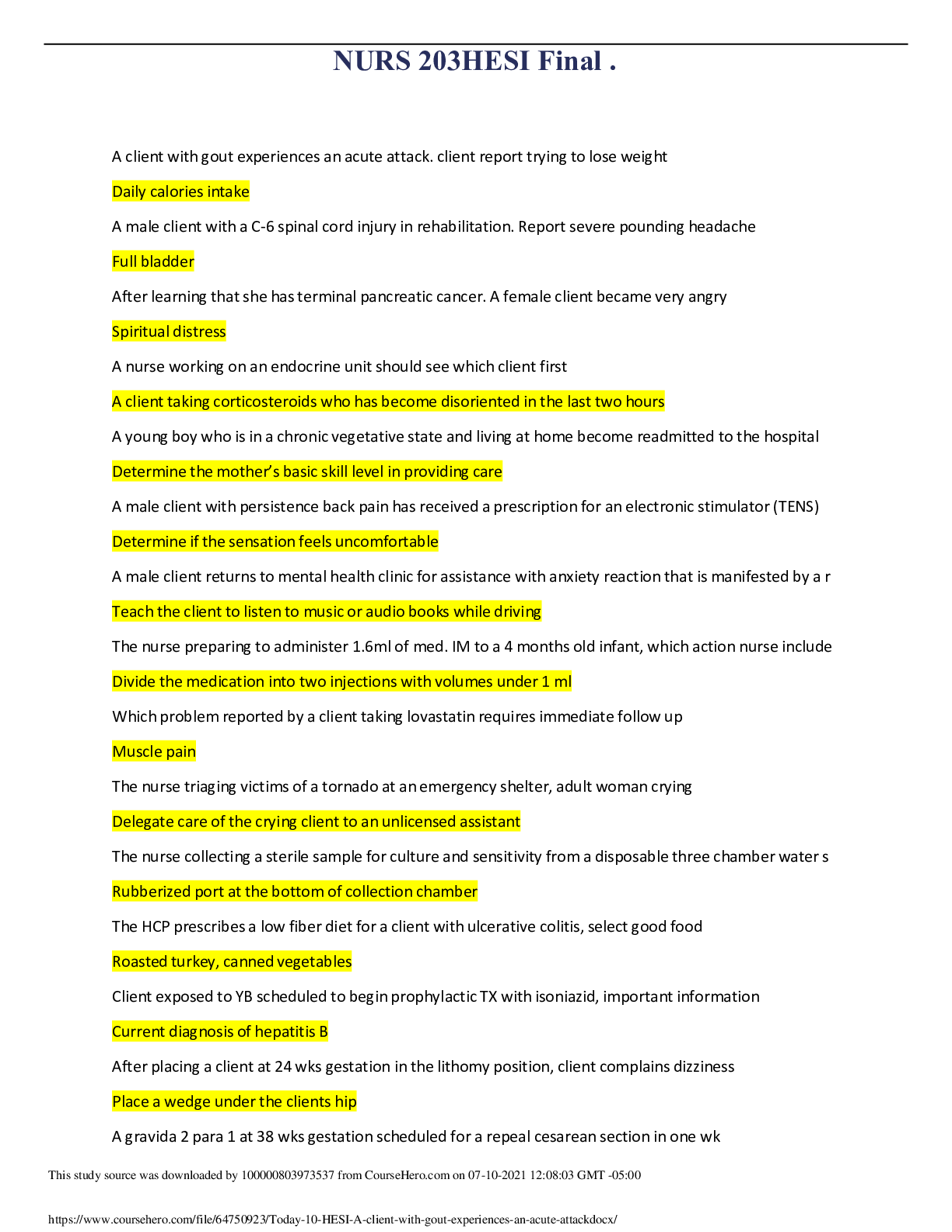
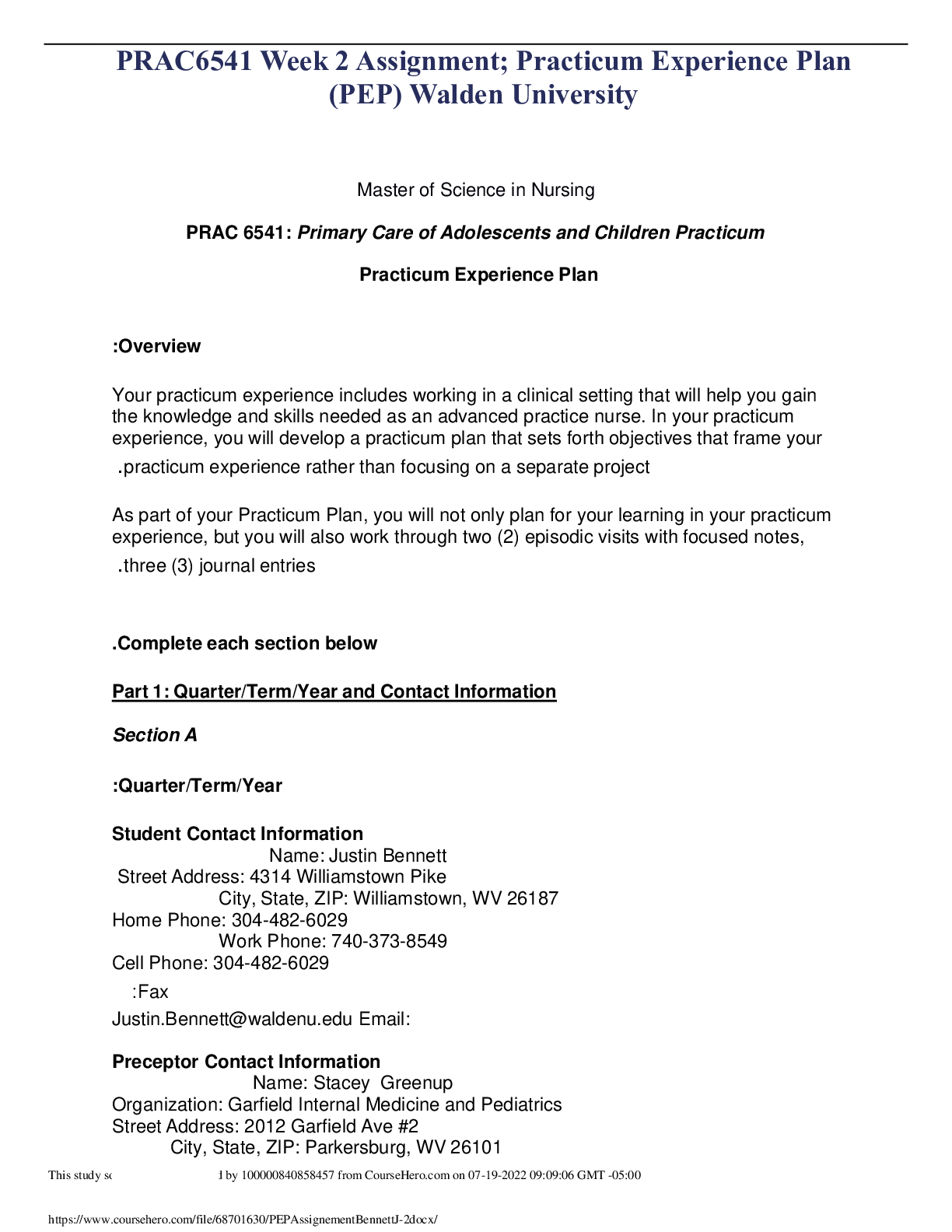
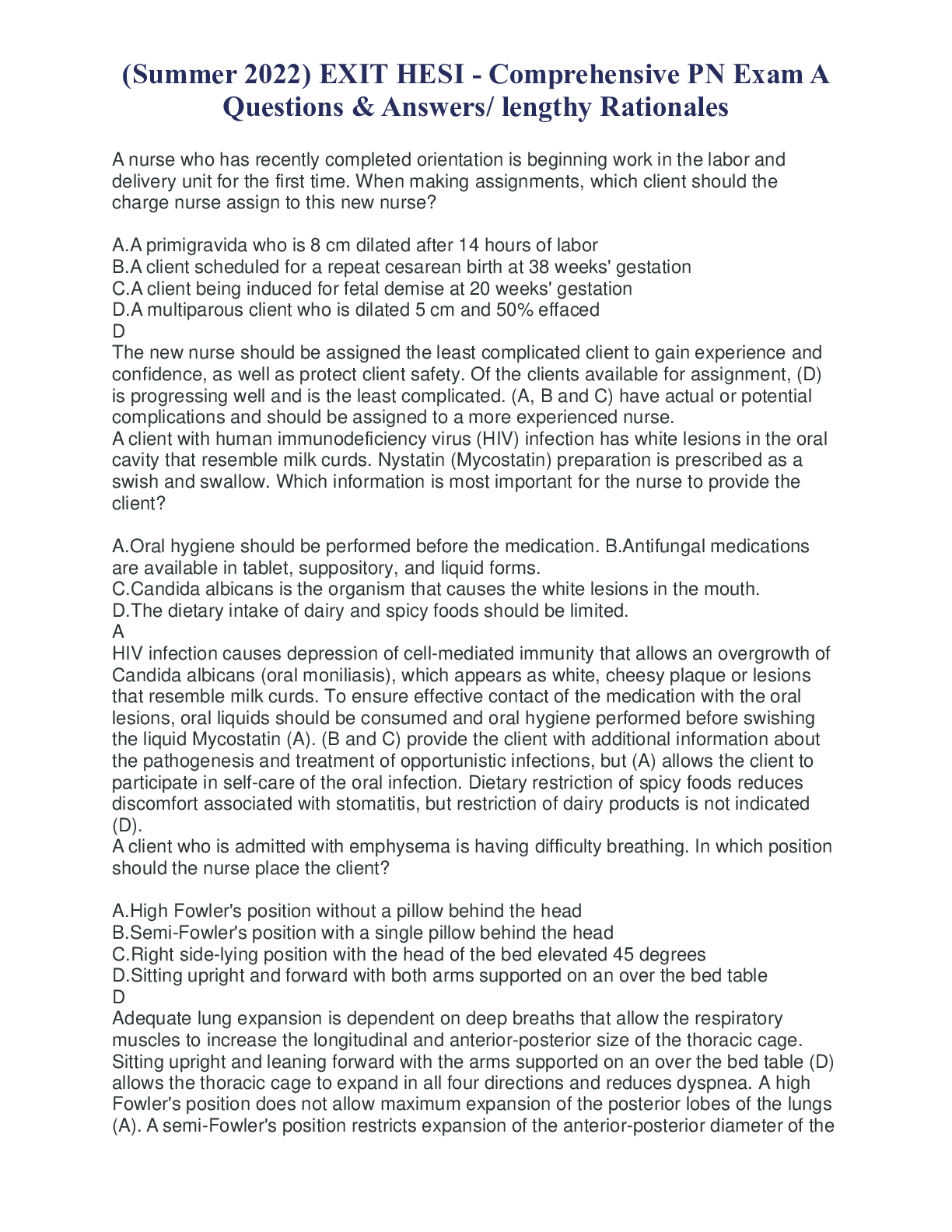
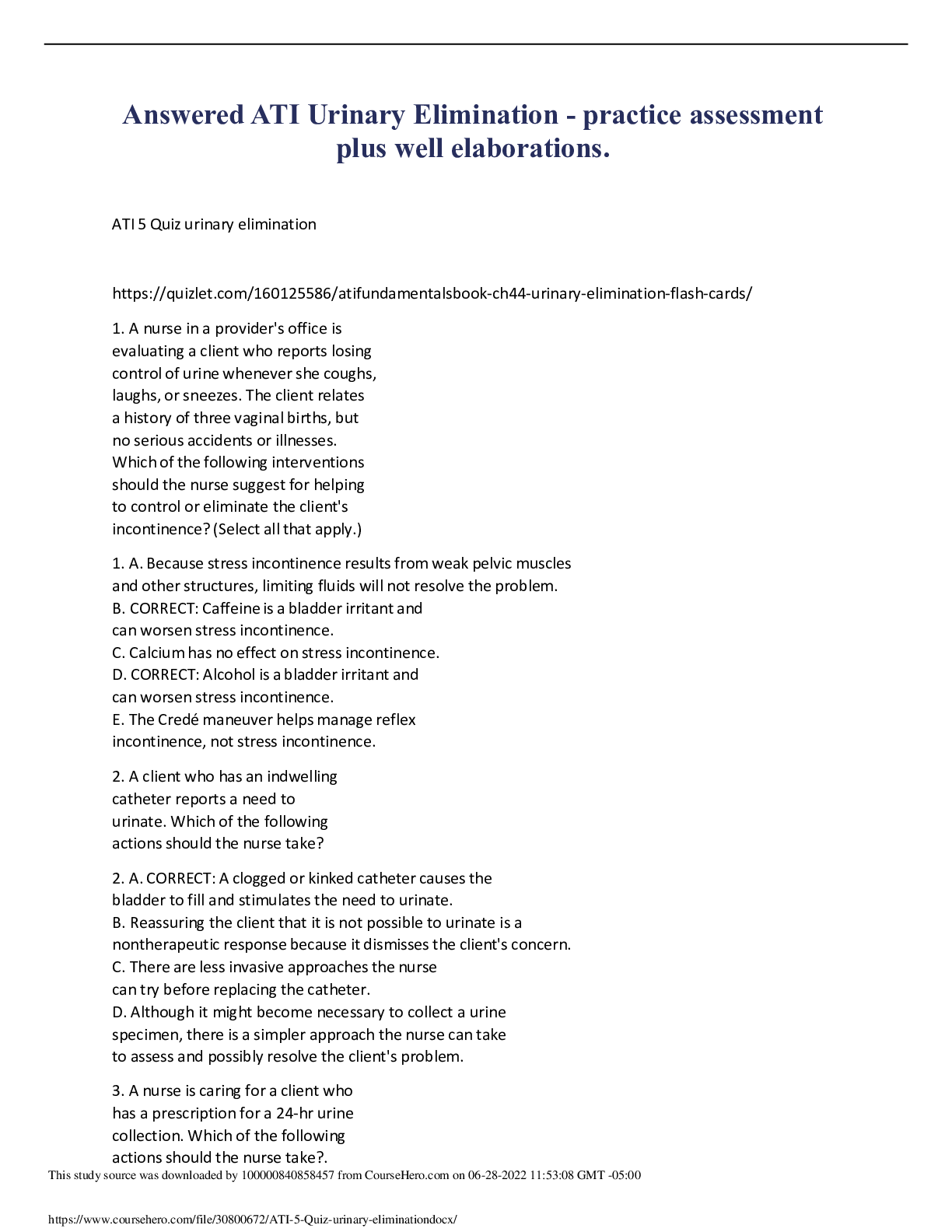
TEST BANK FOR ADVANCED ASSESSMENT 4TH EDITION BY GOOLSBY
Document Content and Description Below
Chapter 2. Genomic Assessment: Interpreting Findings and Formulating Differential Diagnosis MULTIPLE CHOICE 1. The first step in the genomic assessment of a patient is obtaining information regarding: A. Family history B
...
[Show More]
Last updated: 3 years ago
Preview 1 out of 50 pages
Instant download

Buy this Document to get the Full Access Instantly
Provided by Students Who Aced it
We Verify Document Content to Gurantee Accuracy
Reviews( 0 )
Document information
Connected school, study & course
About the document
Uploaded On
Jul 08, 2021
Number of pages
50
Written in
All

Additional information
This document has been written for:
Uploaded
Jul 08, 2021
Downloads
0
Views
108
Document Keyword Tags
Recommended For You
Get more on EXAM »
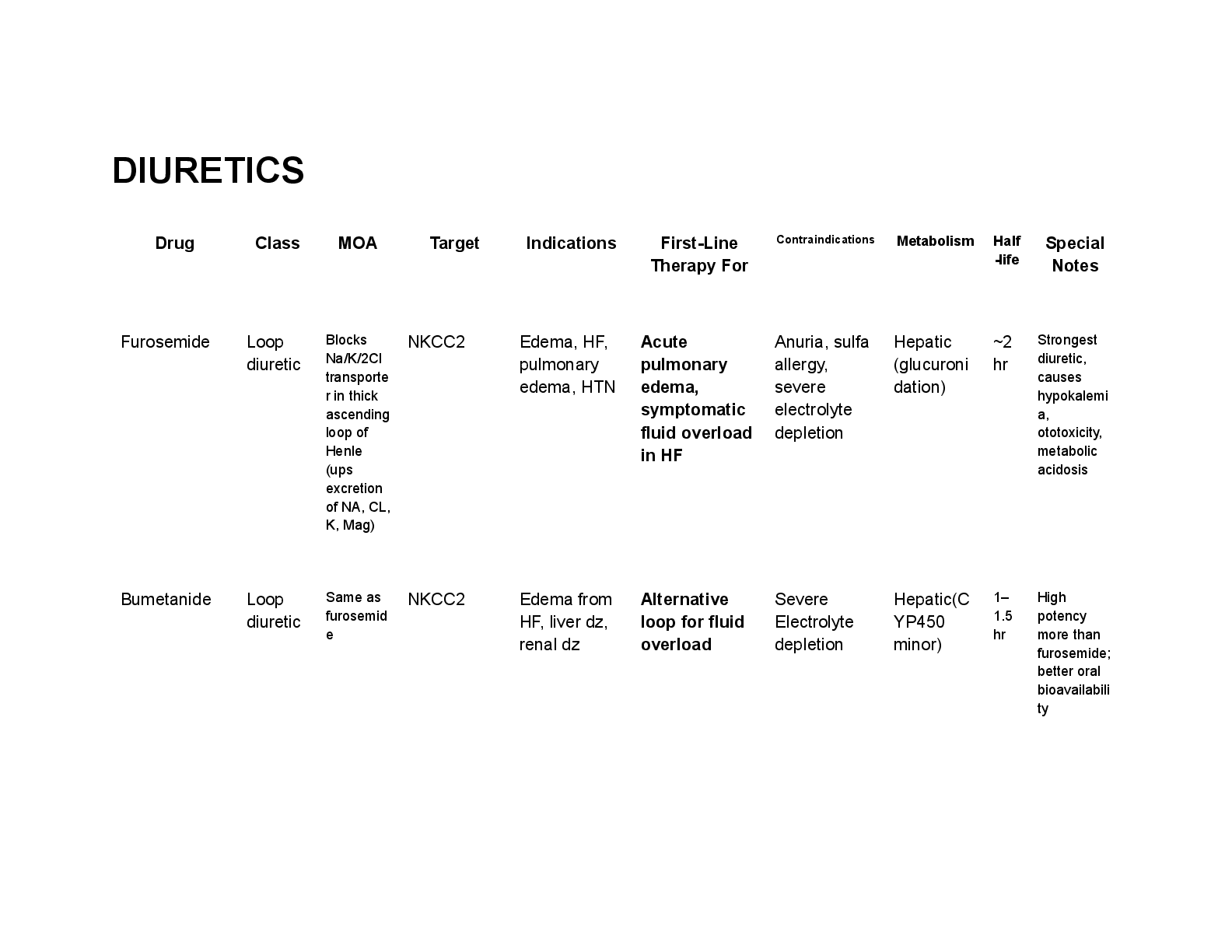


$15
278 Pages
TEST BANK for Saunders Comprehensive Review for the NCLEX-RN®...

$15
347 Pages
TEST BANK For COMMUNITY AND PUBLIC HEALTH NURSING 10TH EDITION...

$15
1061 Pages