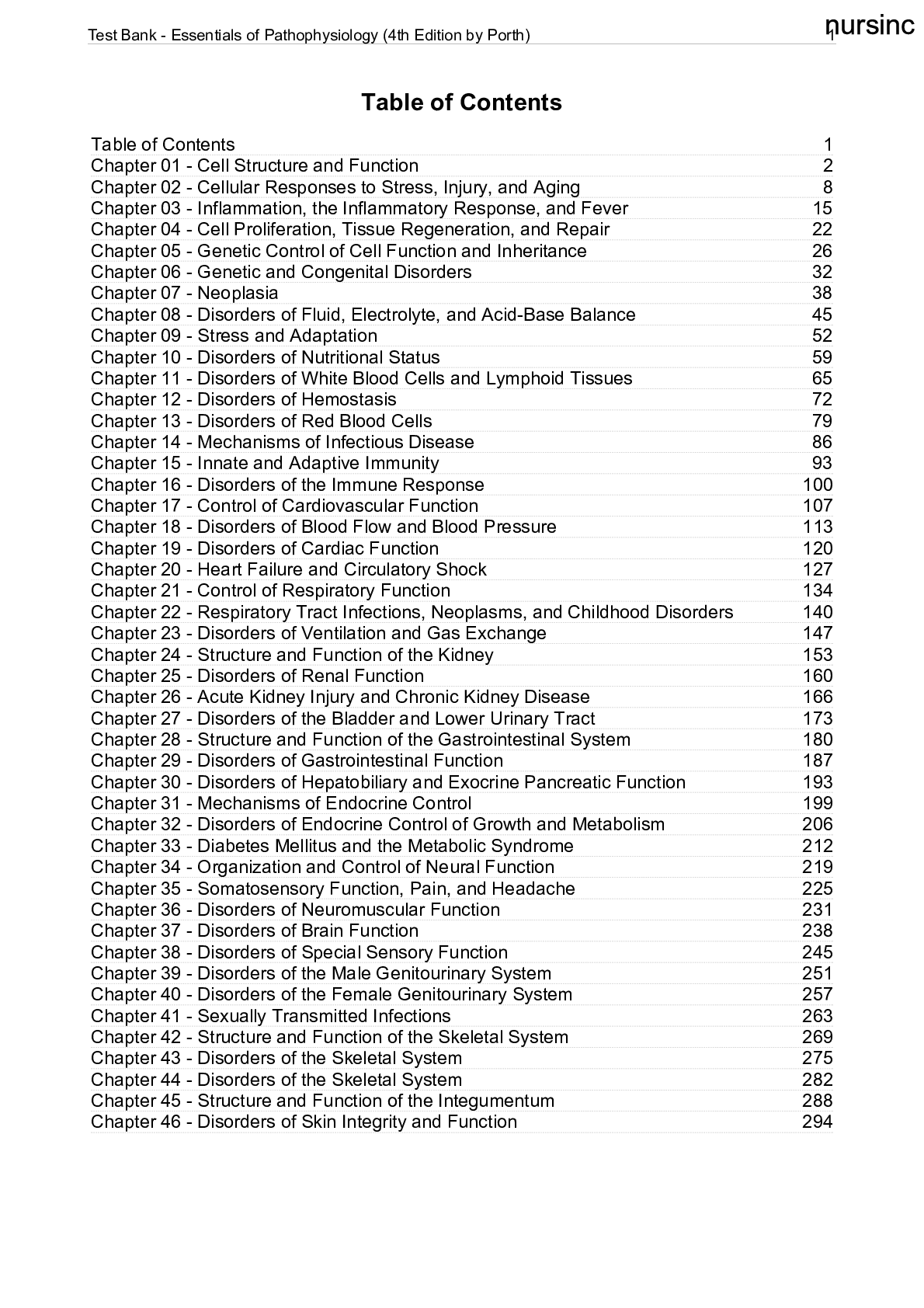
CONTENTS
Acknowledgements X
Introduction 1
Psychiatry 2
1 Delirium tremens 2
2 Hysteria 2
3 Symptoms characteristic of depressive illness 2
4 Increased rate of suicide 4
5 Suicide 4
6 Acute confusion 4
7 Acute
...
CONTENTS
Acknowledgements X
Introduction 1
Psychiatry 2
1 Delirium tremens 2
2 Hysteria 2
3 Symptoms characteristic of depressive illness 2
4 Increased rate of suicide 4
5 Suicide 4
6 Acute confusion 4
7 Acute confusional states 4
8 Significant overdose of tricyclic antidepressants 6
Pharmacology 6
9 Local anaesthetics 6
10 Lignocaine 6
11 Tetanus toxoid 8
12 Benzodiazepines 8
13 Benzodiazepines 8
14 Benzodiazepine overdose 8
15 Diazepam 8
16 Ingestion of corrosives 10
17 Naloxone 10
18 Glue sniffing 10
19 Differences between pethidine and morphine 12
20 Heroin (diamorphine) 12
21 Frusemide 12
22 Phenothiazines 12
23 Beta blockers 12
Accident and emergency 14
24 Deaths notifiable to the coroner 14
25 Treatment by primary suture 14
26 Avulsed teeth 16
27 Anaphylaxis 16
28 Carbon monoxide poisoning 18
29 Upper airways obstruction 20
30 Spontaneous pneumothorax 22
31 Tension pneumothorax 22
32 Pneumothorax 22
33 Scalp lacerations 22
34 Suspected paracetamol overdose 24vi MCOs in ACCIDENT AND EMERGENCY
35 Paronychia 24
36 Bier's block 24
37 Legal issues 26
Medicine 26
38 Bell's palsy 26
39 Bell's palsy 26
40 Features of left ventricular failure on X-ray 28
41 Reiter's disease 28
42 Subarachnoid haemorrhage 28
43 Patients with signs of cerebrovascular disease 30
44 Pulmonary embolus 30
45 Characteristic ECG changes in pulmonary embolus 30
46 Hypoglycaemia 32
47 Hypoglycaemia 32
48 Hypoglycaemia 32
49 Diabetic ketoacidosis 32
50 Diabetic ketoacidosis 32
51 Patient with severe asthma 34
52 Asthma 34
53 Signs of severe asthma 34
54 Management of acute asthma 34
55 Management of acute asthma 34
56 Acute myocardial infarction 36
57 ECG changes characteristic of acute myocardial infarction 36
58 Interpretation of the electrocardiogram 36
59 Waves on the electrocardiogram 36
60 Arterial blood gases 38
61 Aspirin overdose 38
62 Altered sensation 38
63 Transient ischaemic attacks 40
64 Concerning transient ischaemic attacks 40
65 Factors associated with transient ischaemic attacks 40
66 Recognised complications of blood transfusion 40
67 Conditions transmitted by blood transfusion 40
68 Supraventricular tachycardia 42
69 Ventricular tachycardia 42
70 Treatment of ventricular tachycardia 42
71 Factors associated with hypothermia 44
72 Sickle cell crisis 44
73 Treatment of sickle cell crisis 44
Ophthalmology 44
74 Subconjunctival haemorrhage 44
75 Conjunctival haemorrhage 44
76 Concerning the pupils of the eye 46
77 A dilated pupil on the left 46
78 Hyphaema 46
79 Eye problems 46
80 Orbital cellulitis 46
81 Diabetes and the eye 48
82 Concerning diseases of the eye 48
83 Patient with a painful red eye 4884 Causes of painful red eye
85 Blockage of the aqueous drainage of the eye
86 Arc eye
87 Corneal foreign body
88 Herpes simplex infection of the eye
Resuscitation
89 Resuscitation for cardiac arrest
90 Management of cardiac arrest
91 Management of the unconscious patient
92 Tests on the unconscious patient
93 Electromechanical dissociation
94 Ventricular asystole
95 Ventricular fibrillation
96 Fixed dilated pupil
Trauma
97 Triage
98 Head injury
99 Altered consciousness after head injury
100 Fractured base of skull
101 Indications for skull X-ray after head injury
102 Fractures of the skull
103 Intracranial haematoma
104 Hypovolaemic shock
105 Hypovolaemic shock
106 Shock
107 Spinal injury
108 Blunt trauma to the chest
109 High-velocity missile injuries
110 Diagnostic peritoneal lavage
111 Indications for peritoneal lavage after multiple injury
112 The Glasgow coma scale
113 The trauma score
114 Major burns
115 Regarding burns
116 Areas of full thickness burn
117 Areas of partial thickness burn
118 The severely burnt patient
119 A 10-year-old child with 30% burns
120 Blow-out fractures of the orbit
121 Fractures of the maxilla
122 Fractures of the maxilla
123 Trauma
124 Degloving injury to the finger
125 Surgical emphysema at the root of the neck
126 Medical antishock trousers
Microbiology
127 Hepatitis A
128 Concerning hepatitis B
129 Scabies
130 Influenza infection
Contents vii
48
48
50
50
50
52
52
52
52
52
52
54
54
54
54
54
56
56
56
56
56
56
58
58
58
58
60
60
60
60
62
62
64
64
64
64
64
66
66
66
66
68
68
68
70
70
70
70
72
72viii MCOs in ACCIDENT AND EMERGENCY
131 Measles 72
132 Features of measles 72
133 Autoimmune deficiency syndrome (AIDS) 74
134 How the AIDS virus has been transmitted 74
135 How the AIDS virus is inactivated 74
136 High-risk group for AIDS in the UK 74
Paediatrics 76
137 Non-accidental injury 76
138 Suggestive features of non-accidental injury 76
139 Acute epiglottitis 76
140 Initial management of child with acute epiglottitis 76
141 Development of a child aged one 78
142 Bronchiolitis 78
143 Diagnosis of child sexual abuse 80
144 Indications for admission of child who has had a fit 82
145 Childhood fits 82
146 Vomiting in infants 84
147 Pyloric stenosis 84
148 Stridor 84
149 Stridor 84
150 Swallowed foreign bodies in children 86
Orthopaedics 86
151 Fractured lateral malleolus 86
152 Olecranon bursitis 88
153 Compression of L5 nerve root 88
154 Prolapsed intervertebral disc 90
155 Tenosynovitis 92
156 Repetitive strain injury (RSI) 92
157 Barton's fracture of the wrist 92
158 Boutonniere deformity 92
159 Divided extensor tendon of the hand 94
160 Radial nerve injury 94
161 Median nerve injury 94
162 Medium nerve division 94
163 Ulnar nerve division 96
164 Anterior dislocation of the shoulder 96
165 Dislocated shoulder 96
166 A patient with dislocation of the shoulder 96
167 Signs of axillary nerve damage after shoulder dislocation 96
168 Dislocation of the elbow 98
169 Torn medial meniscus of the knee 98
170 Common findings in a patient with damaged meniscus 98
171 A pulled elbow 98
172 Concerning fractures 100
173 Supracondylar fracture of the humerus 100
174 Fractures of the pelvis 100
175 Dislocation of the hip 102
176 Fractured neck of femur 102
177 Fracture of the neck of the femur 102
178 Calles' fracture 104
179 Calles' fracture 104180 Recognised complications of Calles' fracture
181 Smith's fracture
182 Fractured clavicle
183 Ruptured Achilles tendon
184 Acute rupture of the Achilles tendon
Ear, nose and throat
185 Recurrent epistaxis in adults
186 Concerning ulceration of the tongue
187 Subperichondrial haematoma of the ear
188 Causes of vertigo
189 Factors associated with vertigo
190 Meniere's disease
191 Factors associated with Meniere's disease
192 Peritonsillar abscess (quinsy)
Obstetrics and gynaeco/ogy
193 Ruptured ectopic pregnancy
194 Ectopic pregnancy
195 Management of suspected ectopic pregnancy
196 Acute salpingitis
197 Spontaneous abortion
198 Clinical features of severe placental abruption
199 Antepartum haemorrhage
200 Patient with antepartum haemorrhage caused by
placenta praevia
Surgery
201 Raised serum amylase levels
202 Appendicitis
203 Acute appendicitis
204 Acute appendicitis
205 Conditions closely mimicking appendicitis
206 Intermittent claudication
207 Risk factors for peripheral vascular disease
208 Intermittent claudication secondary to peripheral
vascular disease
209 Paraphimosis
210 The acute abdomen
211 Severe acute abdominal pain
212 Strangulated hernia
213 Renal colic
214 Patients with gallstones
215 Gallstones
216 Acute cholecystitis
217 Haemorrhoids
218 Haemorrhoids
Dermatology
219 Impetigo
220 Statements on various dermatological complaints
221 Photosensitive dermatitis
222 Patient with painful area of reddened skin
Contents ix
104
104
104
106
106
106
106
108
108
108
108
110
110
110
112
112
112
112
114
114
116
116
116
118
118
118
118
118
118
120
120
120
120
122
122
122
122
124
124
124
126
126
126
126
128
128
128Acknowledgements
Special thanks are due to Mr A. Wilson, Consultant in Accident and
Emergency Medicine, The Royal London Hospital, London E1, and Mr R.
Touquet, Consultant in Accident and Emergency Medicine, St Mary's
Hospital, London W2, for their help and encouragement.INTRODUCTION
Accident and emergency medicine has emerged as a speciality in its own
right. As such, more emphasis is being placed on education and training
at both undergraduate and postgraduate levels in the acute management
of medical and surgical emergencies. This is reflected in the increasing
importance given to accident and emergency medicine in examinations at
all levels.
This book is primarily intended for both medical students studying for
their final examinations, and medical, surgical and A&E specialists
studying for the MRCP, FRCS or FRCS (A&E) examinations.
All the multiple-choice questions are in standard format, i.e. a stem
question with five answers, each of which may be either true or false.
Using the negative marking system (one mark for a correct answer,
nothing if the question is left out and a mark off for a wrong answer), finalyear medical students achieve average marks of 40-45%.
Each question and answer is accompanied by an explanation on the
opposite page. In many instances, where related questions appear, the
explanation given will apply to the group of related questions. The
questions are of variable difficulty. The explanations are not intended to be
exhaustive, but merely highlight some of the most important aspects of
accident and emergency medicine.2 MCQs in ACCIDENT AND EMERGENCY
PSYCHIATRY
1 Delirium tremens
A Usually occurs after a single heavy drinking binge the night
before presentation
B May include visual, auditory or tactile hallucinations
C Is usually treated with chlorpromazine by intravenous drip
D Thiamine should be given to prevent the precipitation of
Wernicke's encephalopathy
E May be fatal
2 Hysteria
A May cause aphonia
B May lead to paralysis of an arm
C Is associated with complacency in the presence of gross
objective disability
D May be the presenting feature of schizophrenia
E Can cause blindness
3 Symptoms characteristic of depressive illness are
A Loss of energy
B Loss of weight
C Loss of concentration
D Loss of insight
E Loss of memoryBDE
ABCE
ABC
Psychiatry 3
This uncommon condition occurs owing to a sudden
withdrawal of alcohol after a binge lasting at least two weeks.
The patient may be disorientated, and profoundly agitated,
and may present with visual, auditory or tactile hallucinations
and marked tremor. The condition may be complicated by fits,
hyperthermia, dehydration, electrolyte disturbance and
pneumonia, which may prove fatal.
The treatment of choice is chlormethiazole (Heminevrin) via
intravenous infusion in sufficient doses to keep the patient
sleeping lightly. Up to 1000 ml of 0.8% solution are needed in
the first 12 h. Electrolyte imbalance must be corrected. Longterm management of alcohol addiction should be initiated.
[Show More]





.png)