Music > HESI MED SURG > Hesi med-surg Cancer Nursing Management (All)
Hesi med-surg Cancer Nursing Management
Document Content and Description Below
Last updated: 3 years ago
Preview 1 out of 18 pages
Instant download

Buy this Document to get the Full Access Instantly
Provided by Students Who Aced it
We Verify Document Content to Gurantee Accuracy
Reviews( 0 )
Document information
Connected school, study & course
About the document
Uploaded On
Jul 17, 2021
Number of pages
18
Written in
All

Additional information
This document has been written for:
Uploaded
Jul 17, 2021
Downloads
0
Views
184
Topic Tags
Recommended For You
Get more on HESI MED SURG »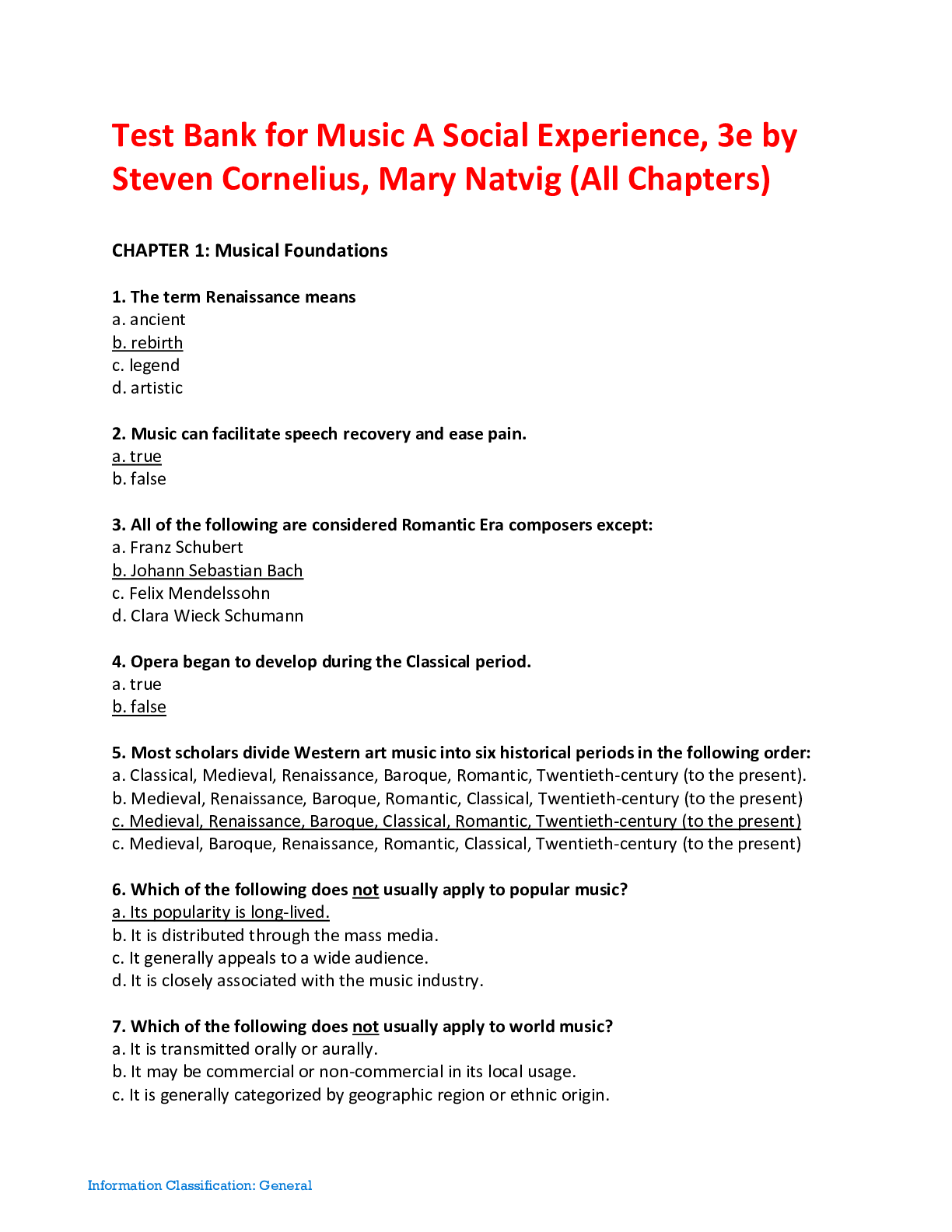
Music A Social Experience, 3rd Edition by Steven Cornelius, Ma...
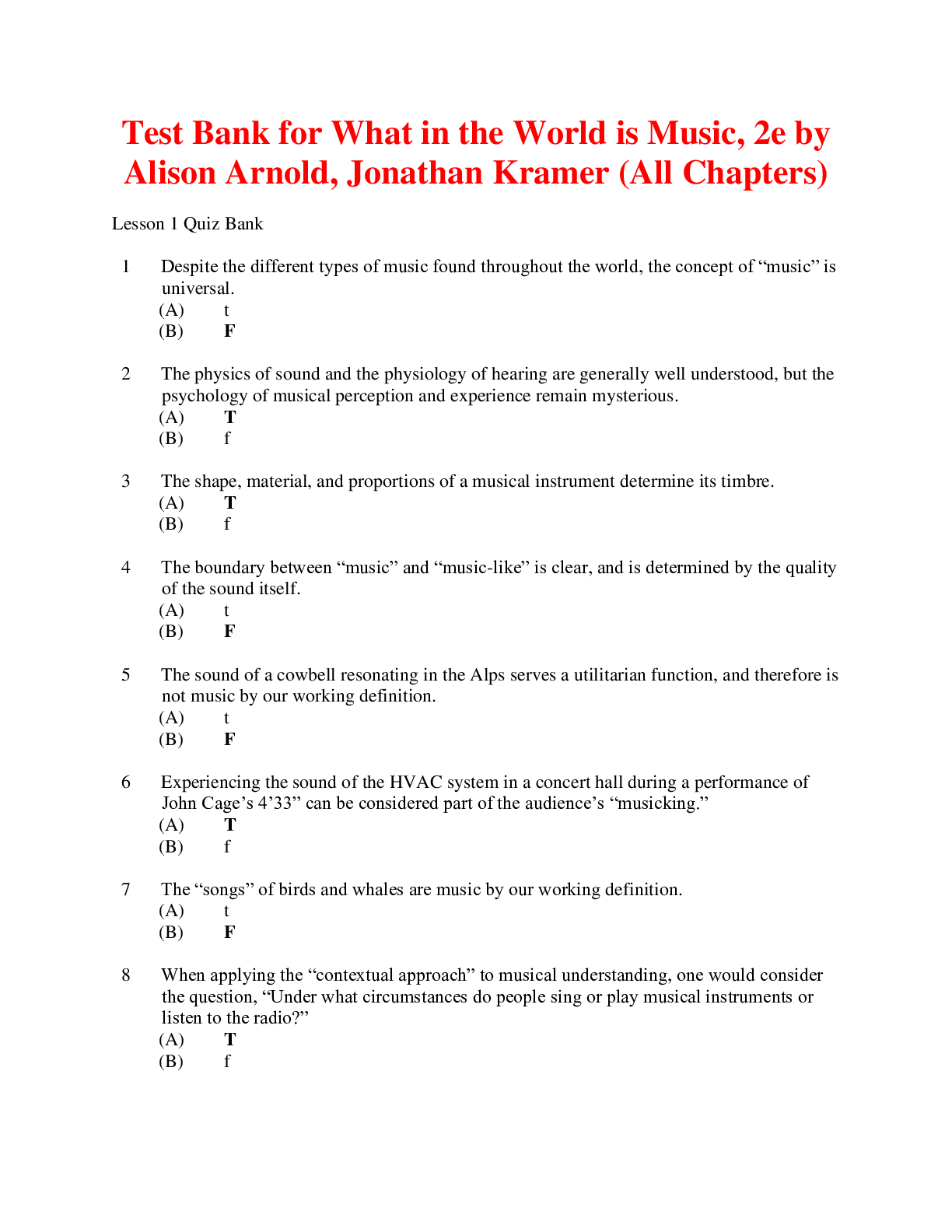
What in the World is Music, 2e by Alison Arnold, Jonathan Kram...

Introduction to Solid Modeling Using SOLIDWORKS 2022 18th Edit...

ADVANCED Med SURG HESI Final RN V2 TEST BANK/ ADVANCED / HESI...

Fundamentals of Music Rudiments Musicianship and Composition 7...

Northern Virginia Community College - MUSIC 121Study Guide - E...

Pennsylvania State University, Harrisburg - MUSI 109Lesson 12...

RN HESI Med-Surg V2 Exam 2025/2026 | Complete Exam with 55 Ver...
RN HESI Med-Surg V1 Exam 2025/2026 | Complete Exam with 55 Ver...


NURS 6660 / NURS6660: Midterm Exam Study Guide . Walden Univer...


.png)