NURSING > Study Notes > A&P 102 Module 3 - Reproductive System (All)
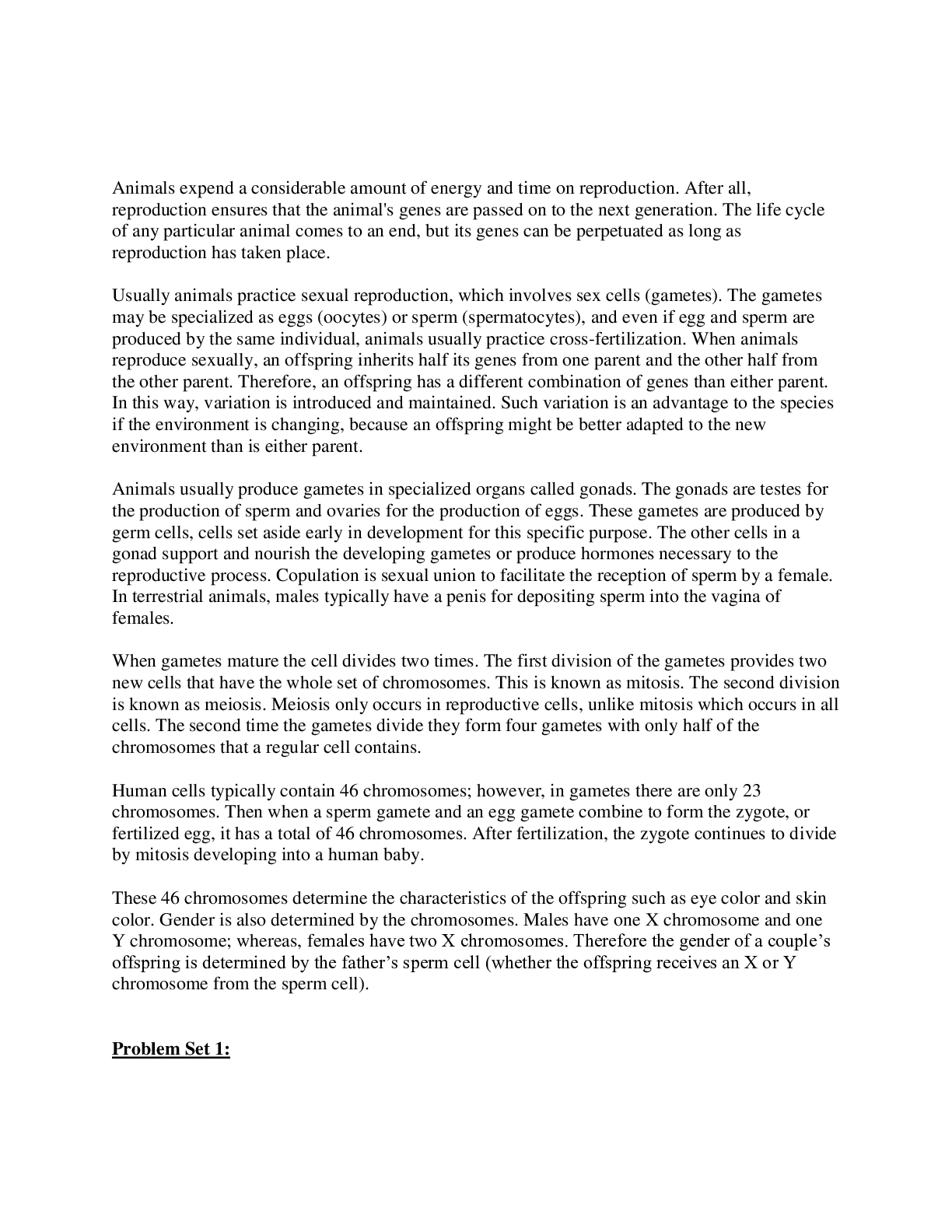
A&P 102 Module 3 - Reproductive System
Document Content and Description Below
Last updated: 3 years ago
Preview 1 out of 36 pages
Instant download
Buy this document to get the full access instantly
Instant Download Access after purchase
Reviews( 0 )
Document information
Connected school, study & course
About the document
Uploaded On
Jul 10, 2021
Number of pages
36
Written in
All

Additional information
This document has been written for:
Uploaded
Jul 10, 2021
Downloads
0
Views
178
Document Keyword Tags
Recommended For You
Get more on Study Notes »

Pearson Edexcel Level 1/Level 2 GCSE (9–1) 1CP1/02 Systems, Pr...
A&P 102 Final Exam – Ivy Tech – Verified Questions and Correct...
Pearson Edexcel Level 1/Level 2 GCSE (9–1) 1CP1/02: Computer S...
.png)
TASK 1 APA Template 1 XAP1-0219 (1).docx Evidence Based Pr...
.png)
Pearson Edexcel GCSE Mark Scheme (Results) November 2021 +ques...

Pearson Edexcel GCSE In Computer Science (1CP1/02) Paper 2: Ap...
Pearson Edexcel Level 1/Level 2 GCSE (9–1) 1CP1/02: Computer S...
Pearson Edexcel GCSE In Systems, Programing & Algorithms (1CP1...
.png)
earson Edexcel Level 1/Level 2 GCSE (9–1) Computer Science PAP...

TEST BANK for Davis Advantage for Psychiatric Mental Health Nu...

NUR2407 / NUR 2407 Midterm / Final Exam Study Guide (Latest):...

NR565 / NR 565: Advanced Pharmacology Fundamentals Week 4 Stud...

Test Bank For Fundamentals of Nursing 11th Edition Potter Perr...