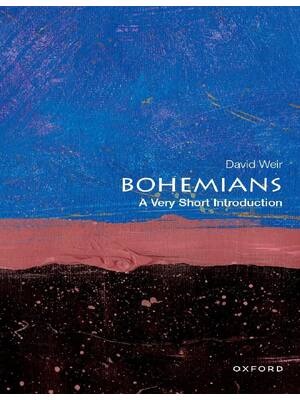
Bohemians
About Bohemians
The Romantic myth of Bohemia originated in the early nineteenth century as a way of describing the new conditions faced by artists and writers when the previous system of aristocratic patronage collapsed in the wake of the Age of Revolution. Without the patron system, the artist was free to move around, to seek an audience wherever fortune beckoned. This marketing model likening the artist's vagabond career to the "gypsy" life helps to explain part of the bohemian myth, but not all of it. Most bohemians have scant interest in commercial gain and are not so itinerant after all, confining their movements to down-market urban neighbourhoods where the rent is cheap and the morals are loose. This Very Short Introduction traces the myth of Bohemia through its various fictional manifestations, from Henry Murger's novel Scenes of Bohemian Life (1851) and Giacomo Puccini's opera La Bohème (1896) to Aki Kaurismäki's film La vie de Bohème (1992), and Jonathan Larson's musical Rent (1996). It goes...
Featured resource for Bohemians
Study resources for Bohemians
Browse 1 document associated with this textbook.

