When Care is Conditional
About When Care is Conditional
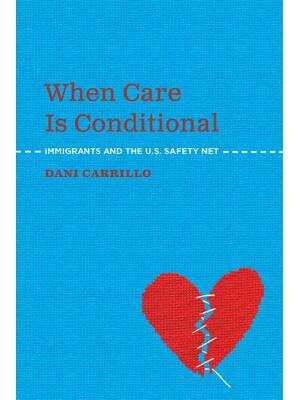
From its inception, the public safety net in the United States has excluded many people because of their race, gendered roles, or other factors. As a result, they must prove their moral worthiness to get resources for themselves and their families. In When Care Is Conditional, sociologist Dani Carrillo reveals the ramifications of this conditional safety net by focusing on one particularly vulnerable population: undocumented immigrants. Through in-depth interviews with Latinx immigrants in northern California, Carrillo examines three circumstances—place, gender, and immigration status—that intersect to influence an individual’s access to health care, food assistance, and other benefits. She demonstrates that place of residence affects undocumented immigrants’ ability to get care since more services are available in urban areas, where many immigrants cannot afford to live, than suburban areas, where public transportation is limited. She also shows that while both men and women who are...
Featured resource for When Care is Conditional
Study resources for When Care is Conditional
Browse 1 document associated with this textbook.

