Economics > SOLUTIONS MANUAL > University of California, BerkeleyECON 100BProblemSet-6-Summer2020-Solutions-v1 (All)
University of California, BerkeleyECON 100BProblemSet-6-Summer2020-Solutions-v1
Document Content and Description Below
Last updated: 7 months ago
Preview 1 out of 6 pages
Instant download

Buy this Document to get the Full Access Instantly
Provided by Students Who Aced it
We Verify Document Content to Gurantee Accuracy
Reviews( 0 )
Document information
Connected school, study & course
About the document
Uploaded On
Aug 05, 2021
Number of pages
6
Written in
All

Additional information
This document has been written for:
Uploaded
Aug 05, 2021
Downloads
0
Views
185
Topic Tags
Recommended For You
Get more on SOLUTIONS MANUAL »
University of California, Berkeley Problem Set-4-Summer2020-So...
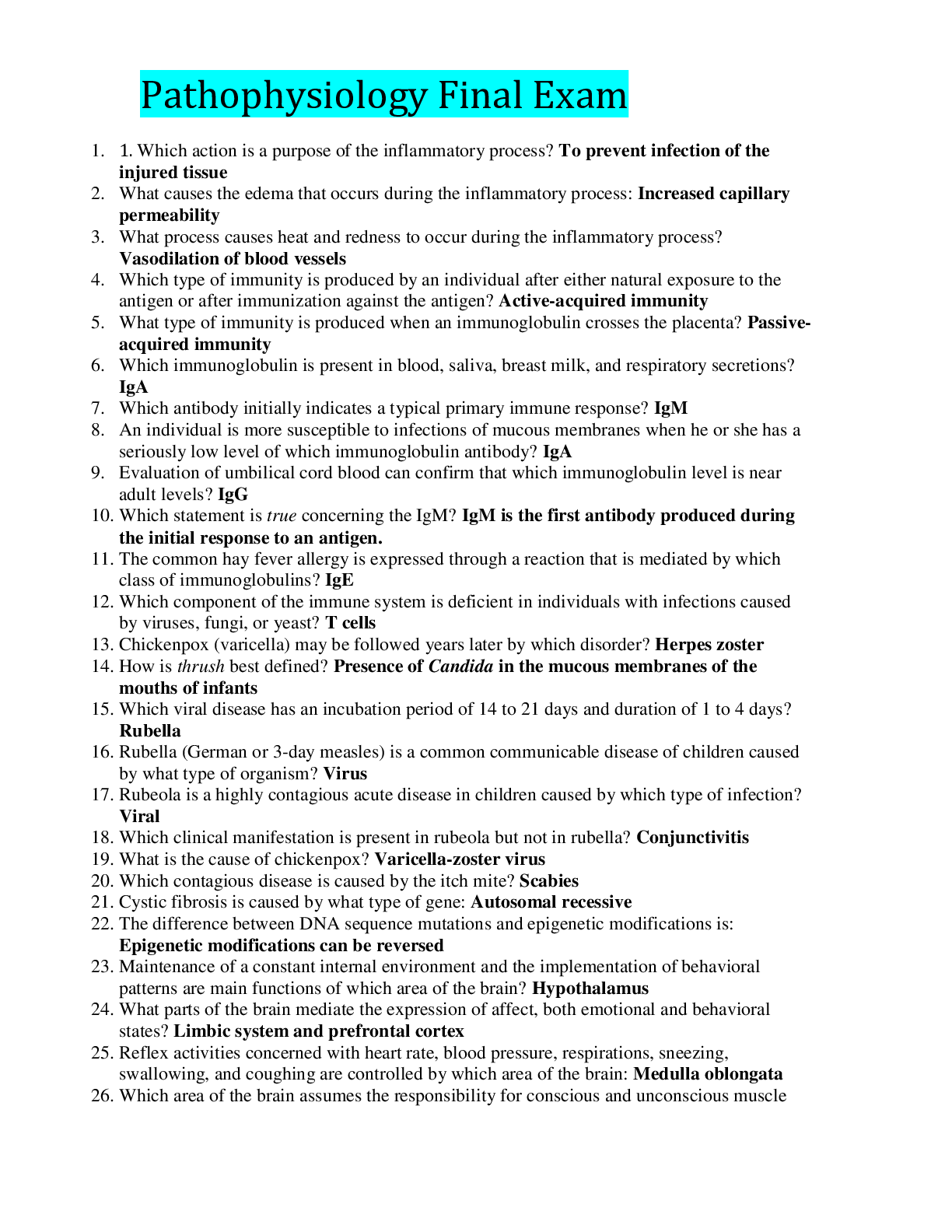
Pathophysiology Final Exam Test Bank, full questions and answe...

University of Southern California CSci 402 - Operating Syste...
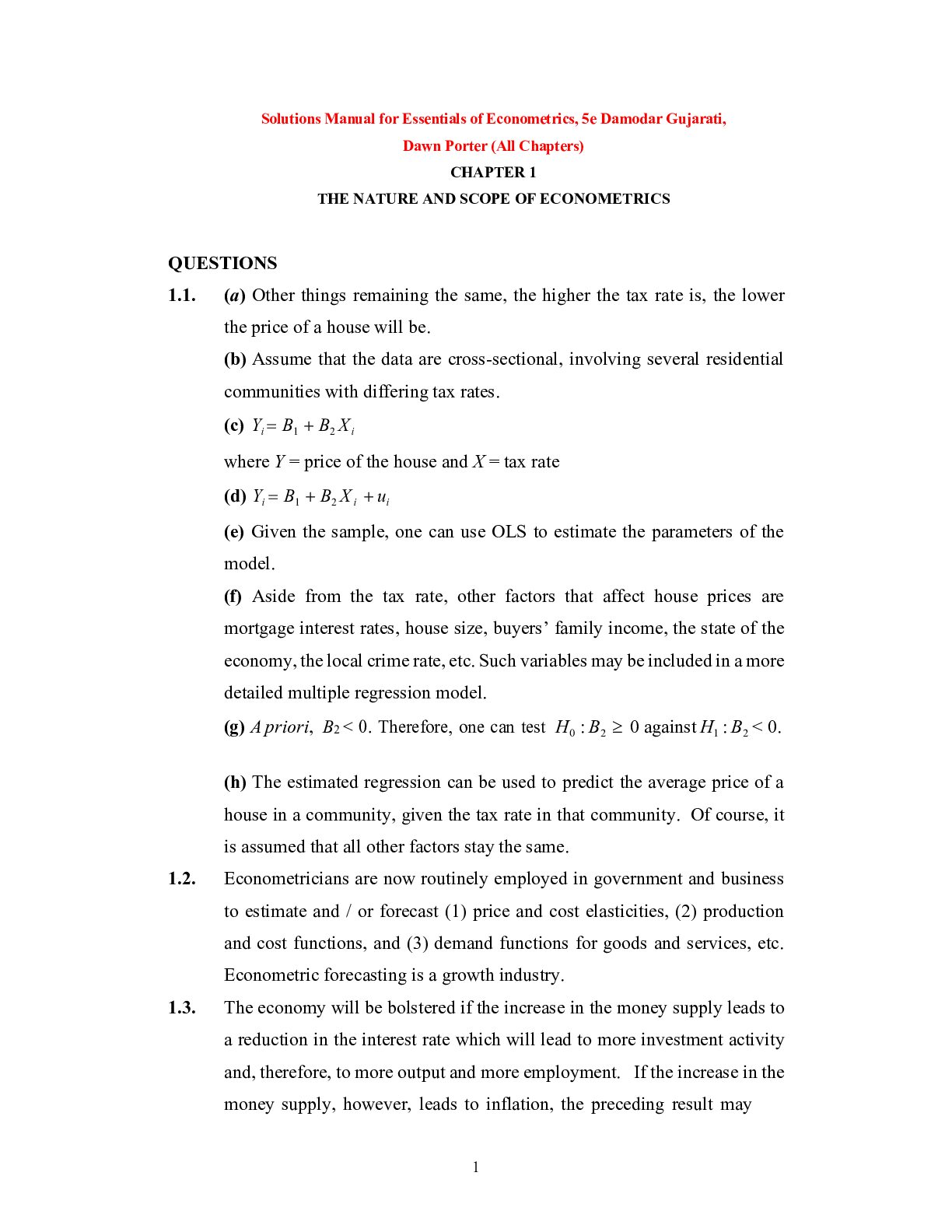
Essentials of Econometrics, 5th Edition by Damodar Gujarati, D...
.png)
Microeconomics Theory and Applications, 13e Edgar Browning, Ma...
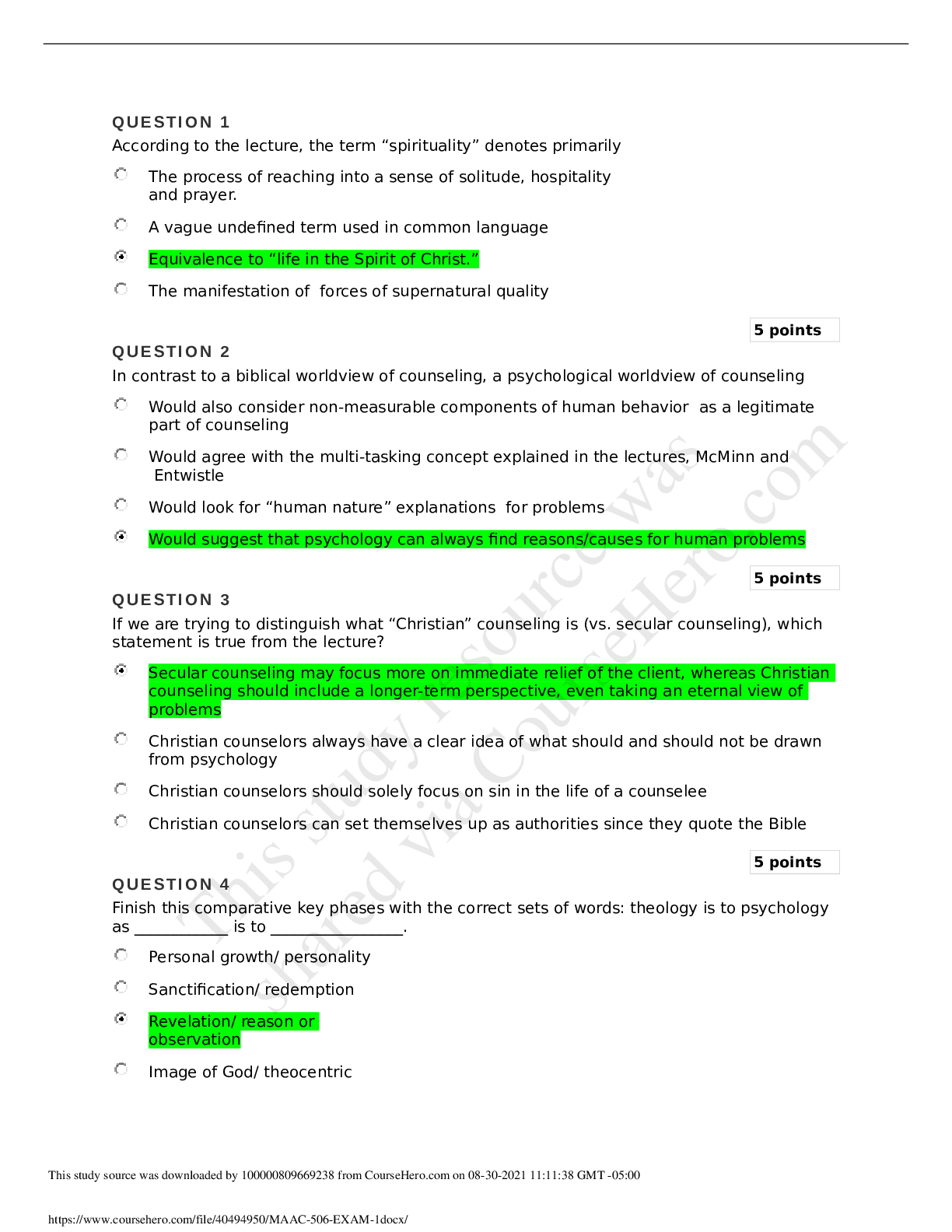
MAAC 506 EXAM 1, all Answers 100% correct (verified Summer 202...

HESI A2 Critical Thinking Questions and Answers (Summer 2020)...
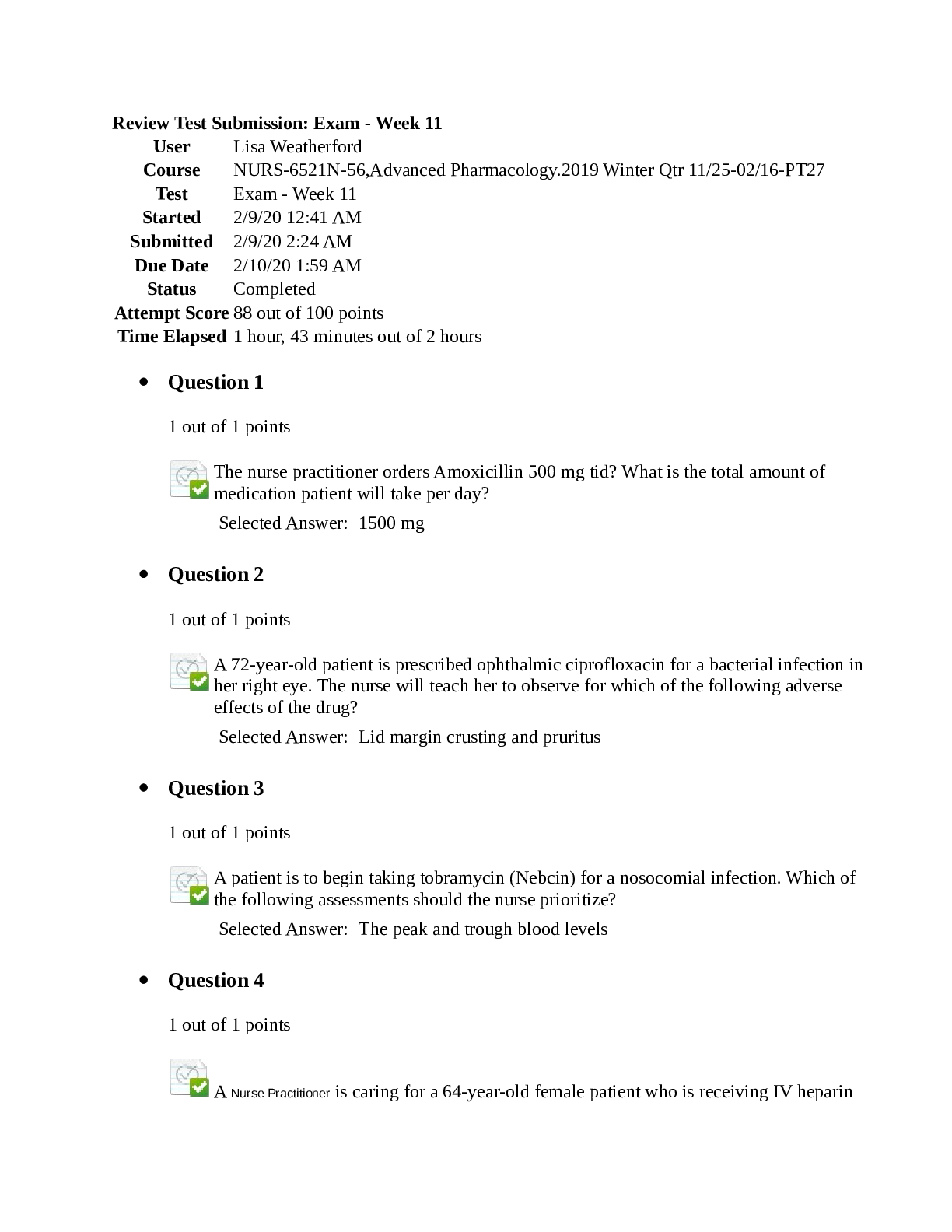
Walden University - NURS 6521 Advanced Pharmacology-Exam - SUM...


Georgia Institute Of TechnologyISYE 6644Homework 8 Week 8 Hom...
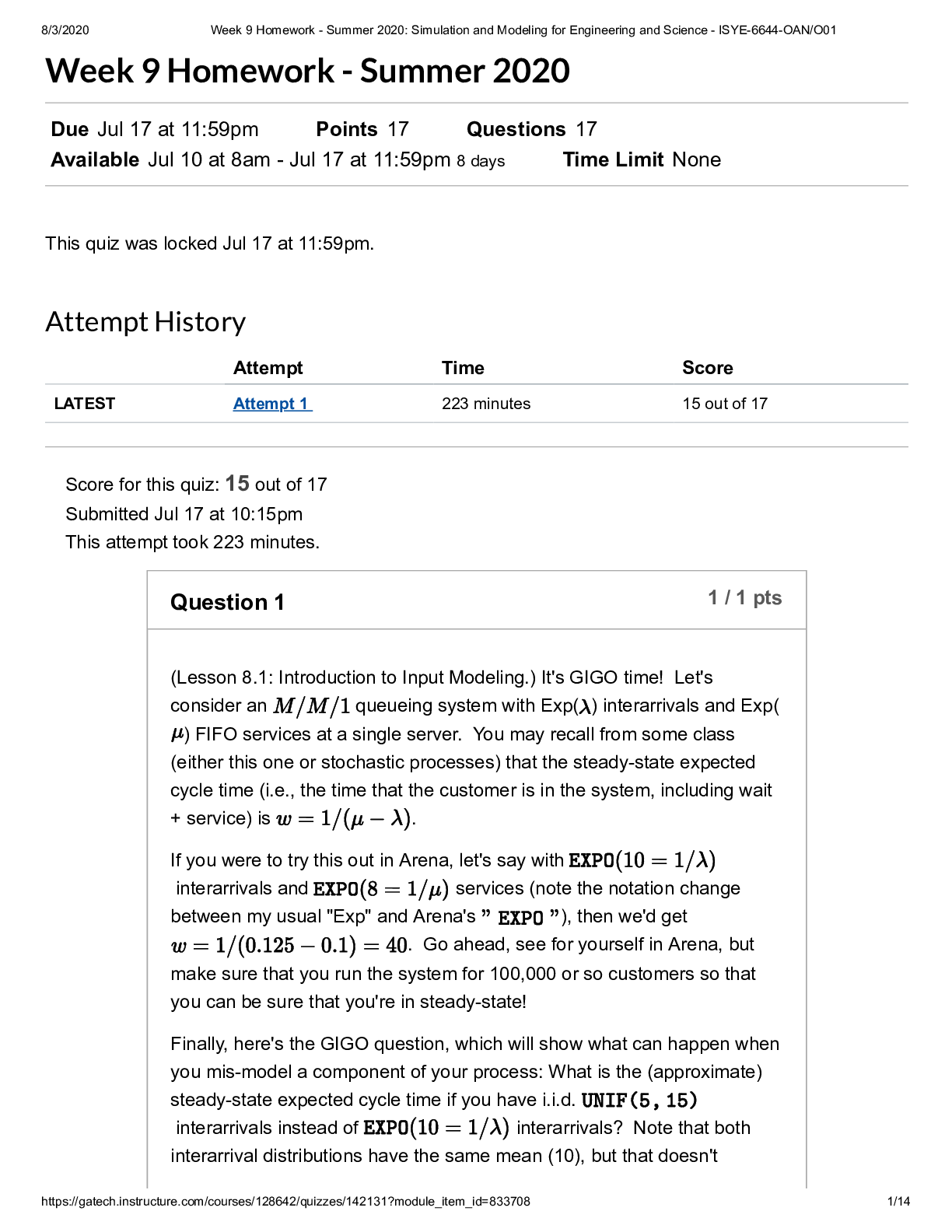
Georgia Institute Of TechnologyISYE 6644Homework 9 Week 9 Hom...
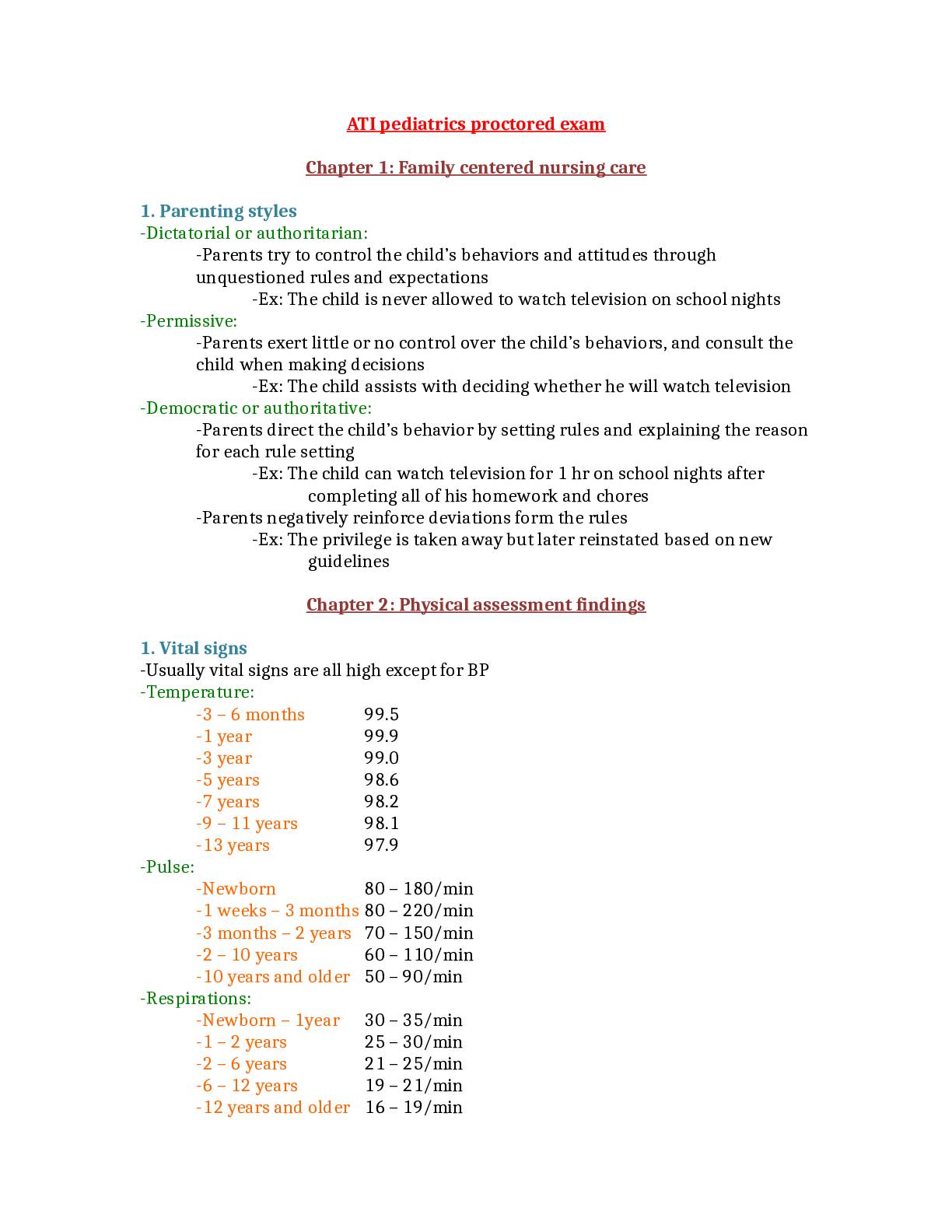
ATI Peds proctored exam complete study guide_Latest (summer 20...

.png)
Microeconomics Theory and Applications, 13e Edgar Browning, Ma...




.png)
.png)

