NURSING > SHADOW HEALTH > NURSE 220 med-surgical: Unguided Intermediate Patient Case Results(ShadowHealth) (All)
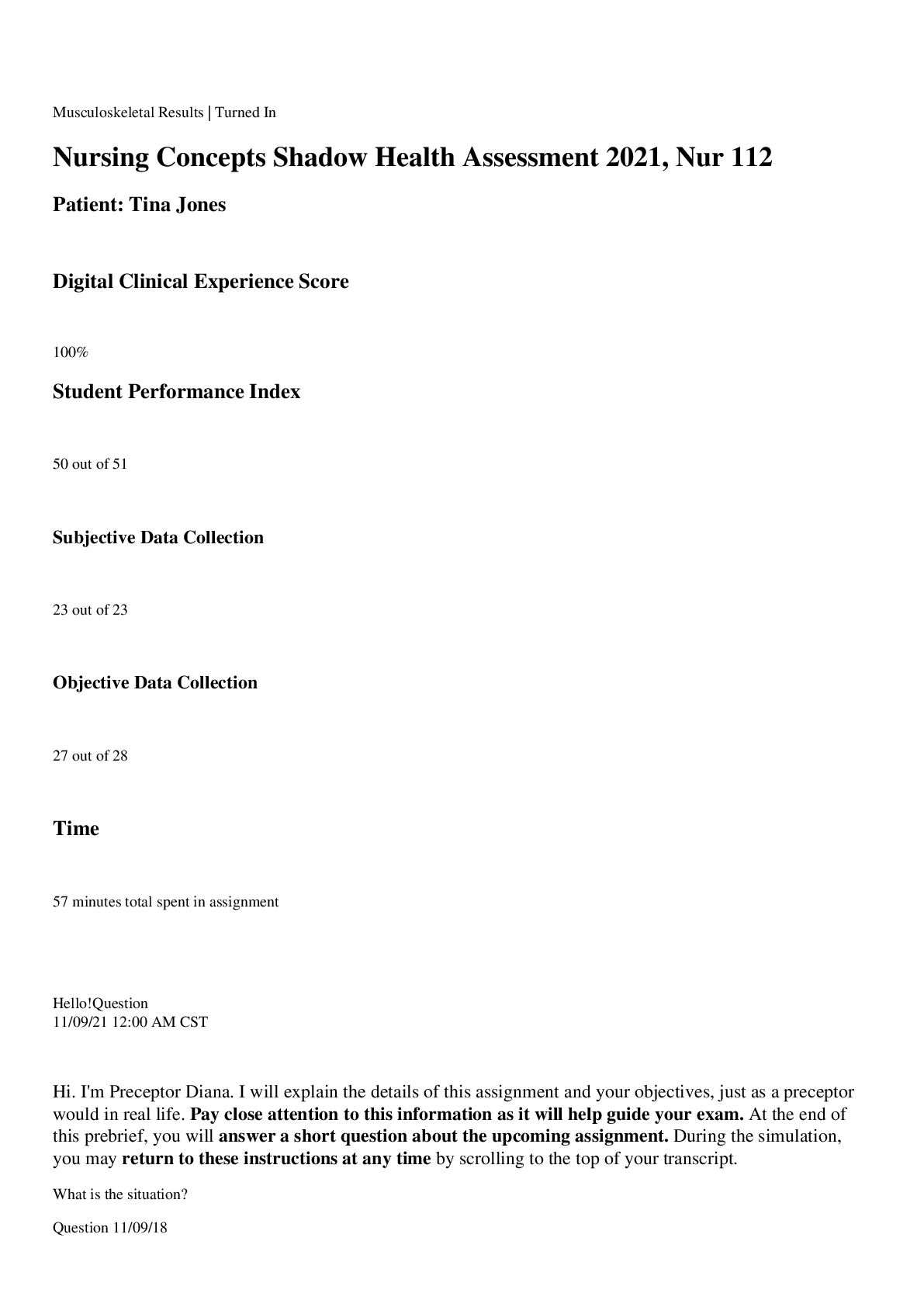
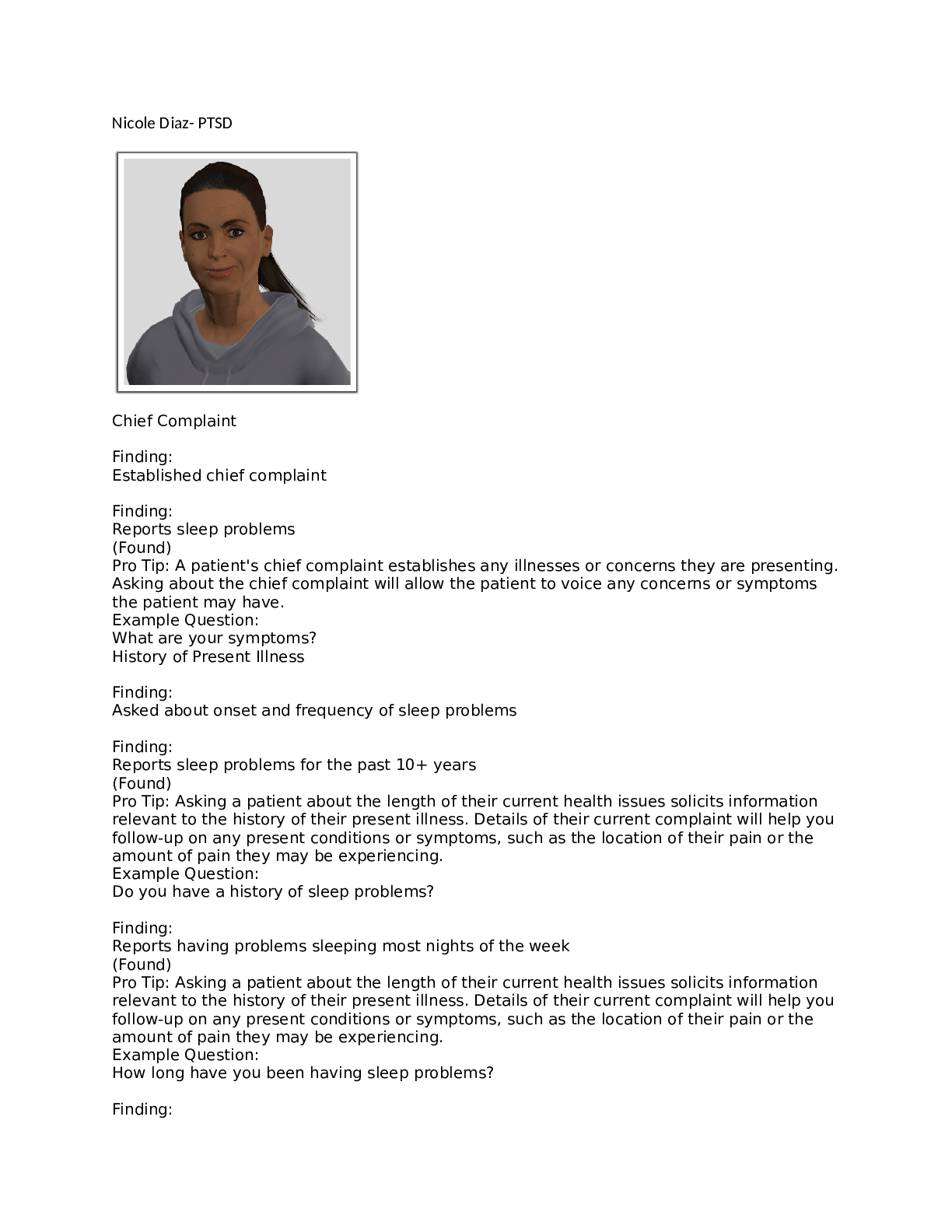
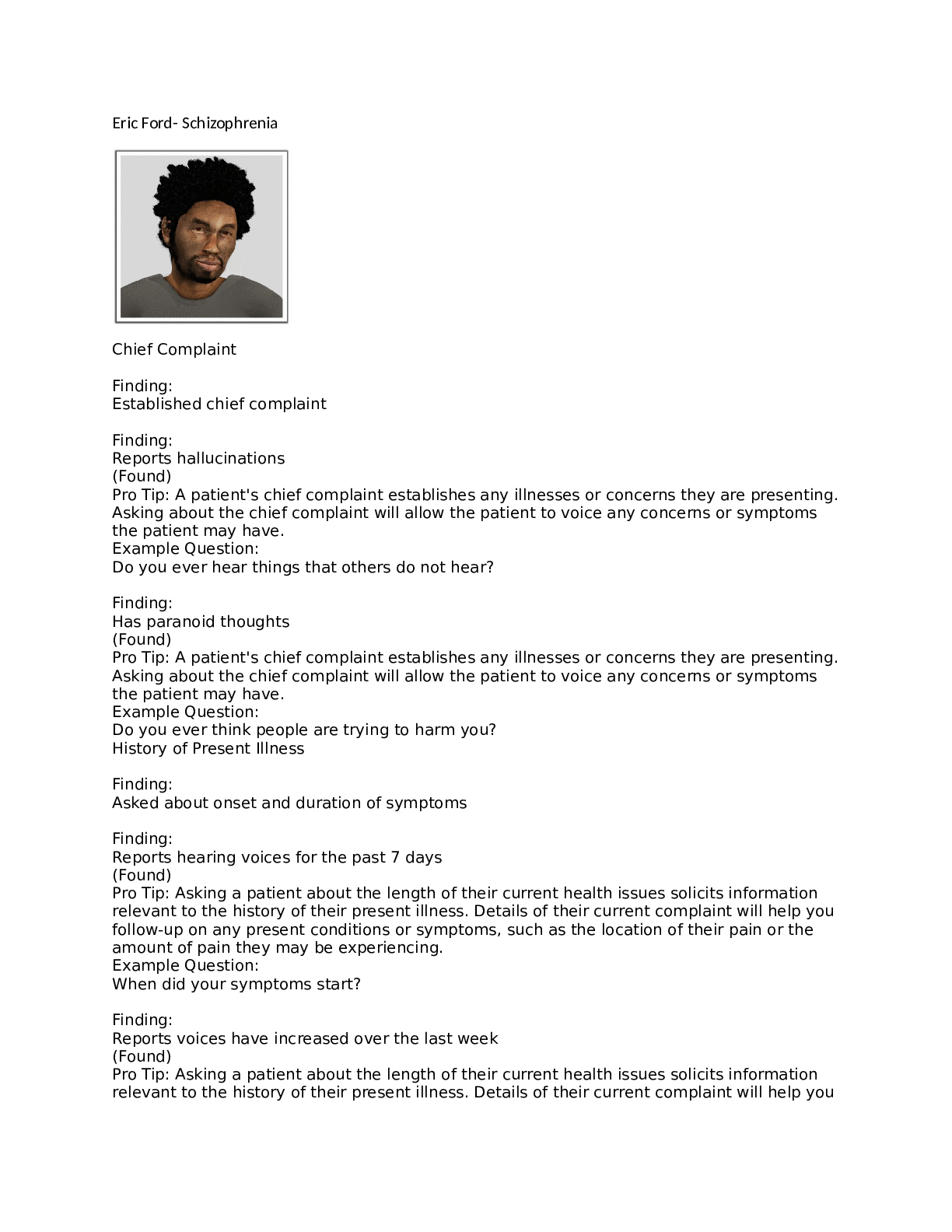
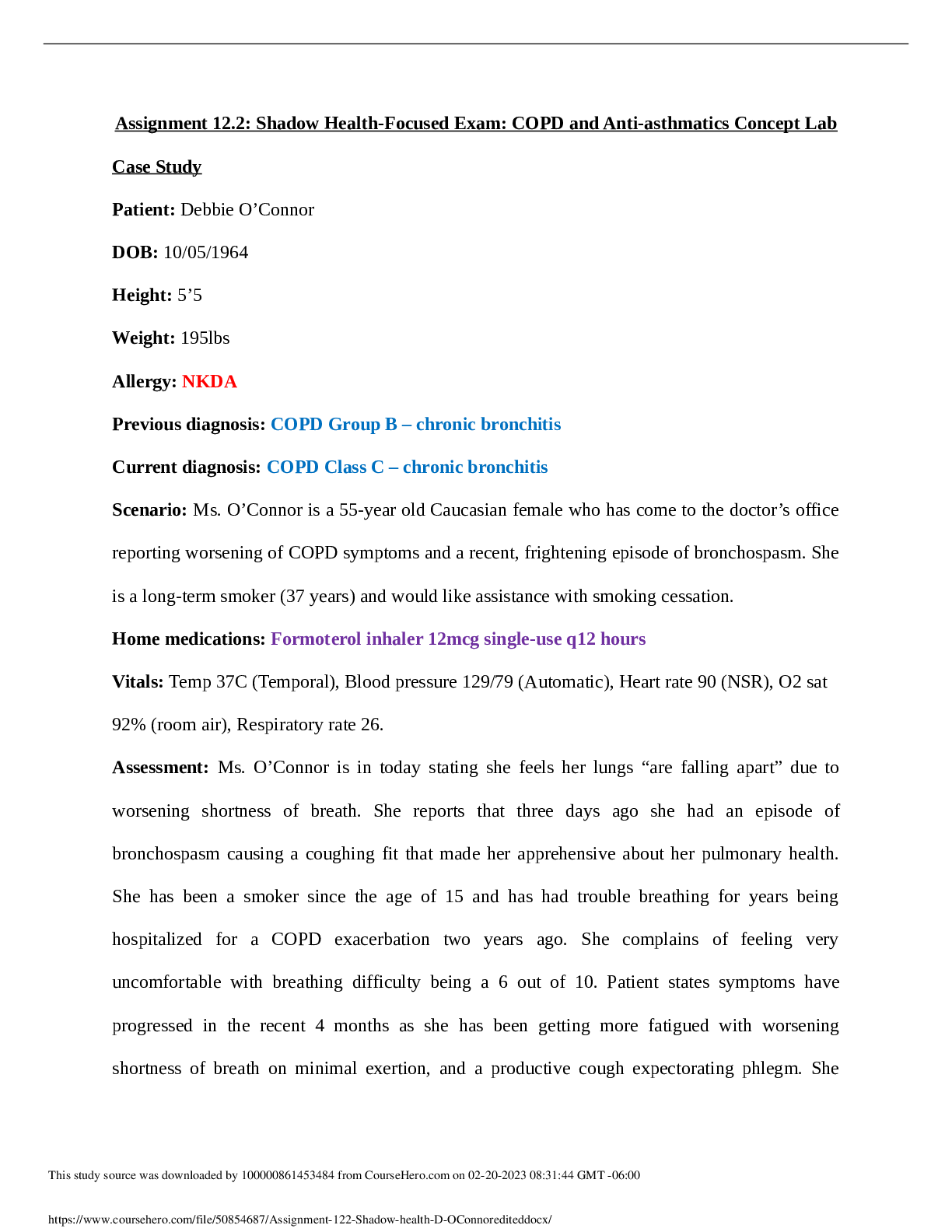
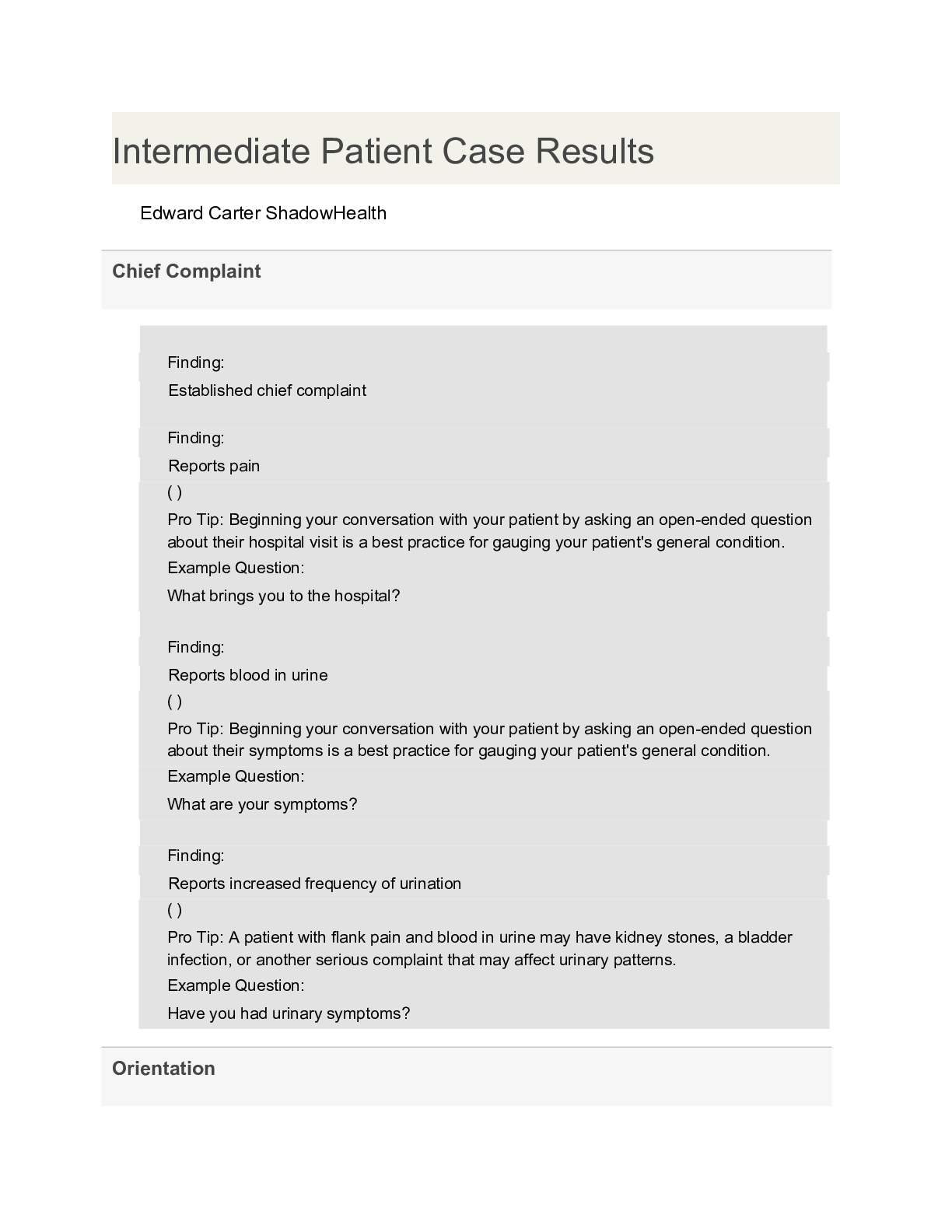
NURSE 220 med-surgical: Unguided Intermediate Patient Case Results(ShadowHealth)
Document Content and Description Below
Last updated: 3 years ago
Preview 1 out of 30 pages
Instant download
Buy this Document to get the Full Access Instantly
Provided by Students Who Aced it
We Verify Document Content to Gurantee Accuracy
Reviews( 0 )
Document information
Connected school, study & course
About the document
Uploaded On
Aug 20, 2021
Number of pages
30
Written in
All

Additional information
This document has been written for:
Uploaded
Aug 20, 2021
Downloads
0
Views
113
Topic Tags
Recommended For You
Get more on SHADOW HEALTH »
NURSE 220 Unguided Intermediate Patient Case Results McHenry C...
Unguided Intermediate Patient Case Results. McHenry County Col...
NURSE 220 Edward Carter Shadow Health-Unguided Intermediate Pa...
NURSE 220 Edward Carter Shadow Health-Unguided Intermediate Pa...
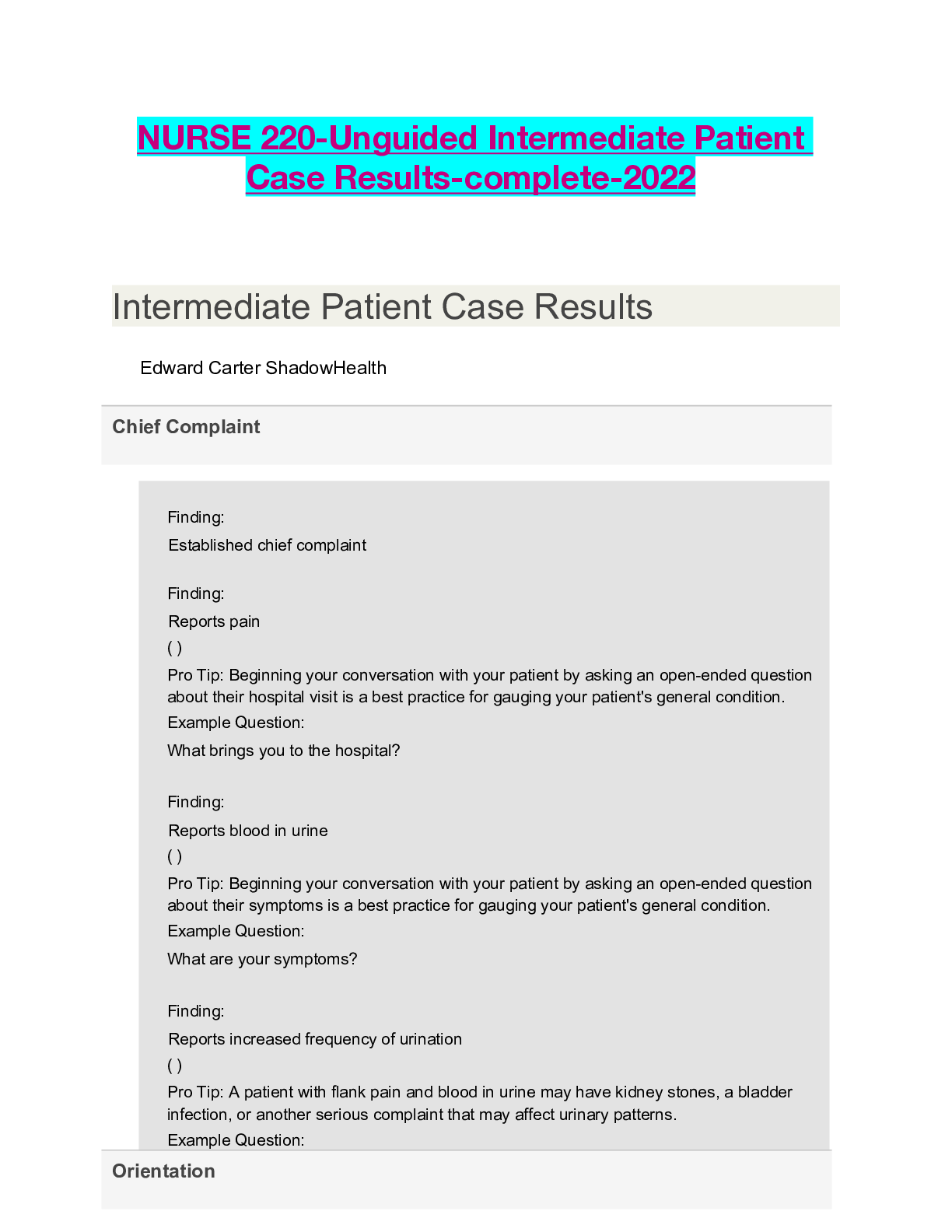
NURSE 220-Unguided Intermediate Patient Case Results-complete-...
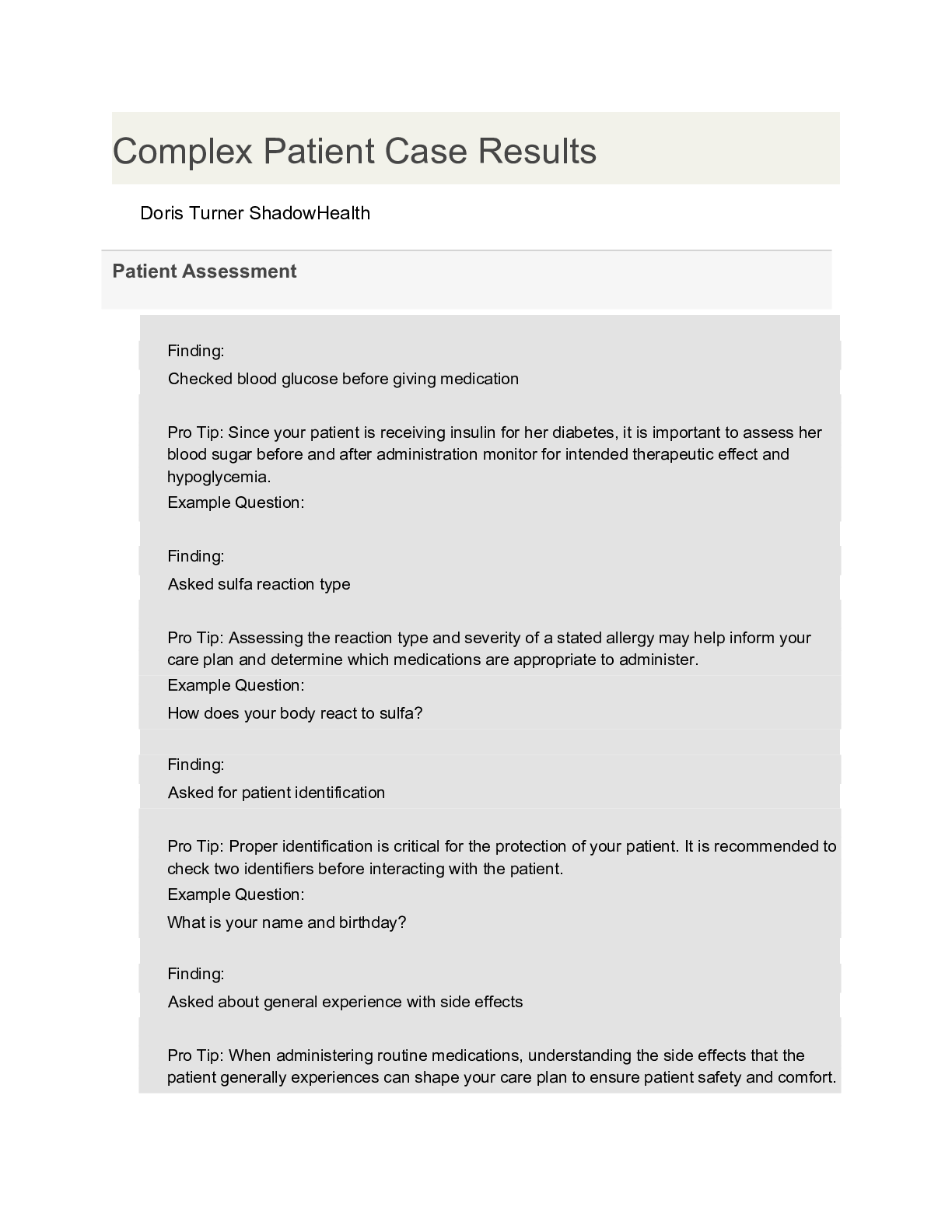
NURSE 220 NURSE 220 Doris Turner Shadow Health -Complex Patien...
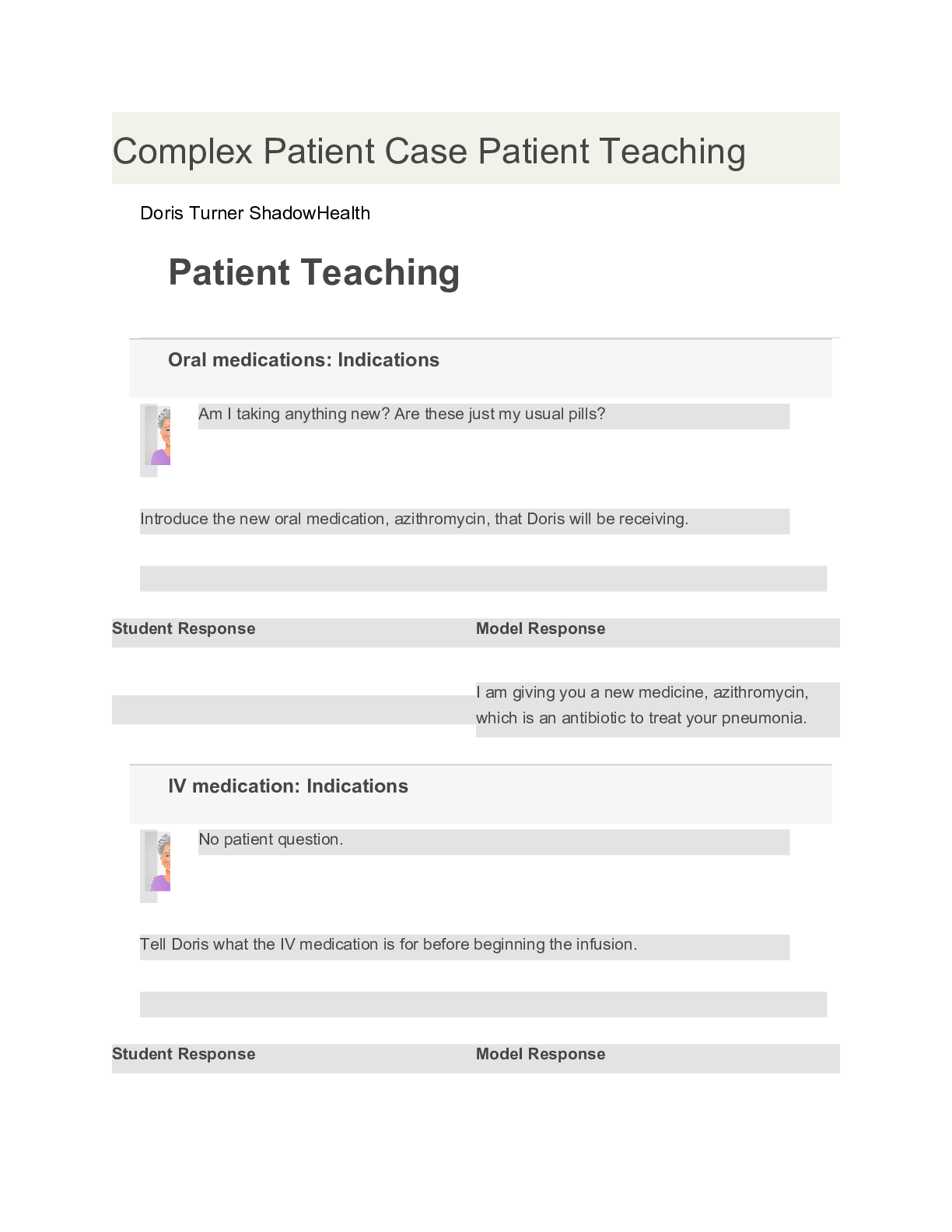

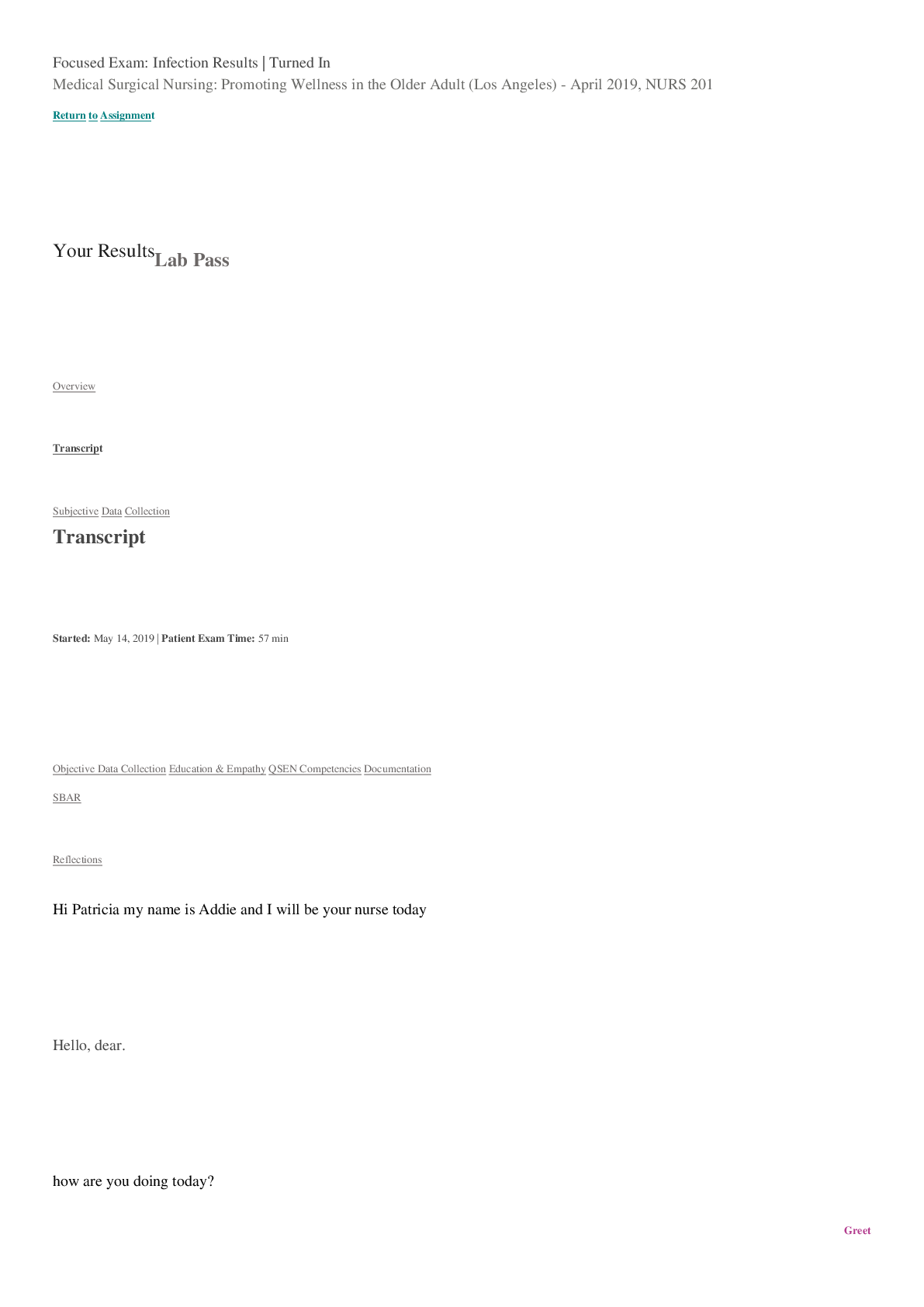
Focused Exam: Infection Results | Turned In Medical Surgical N...
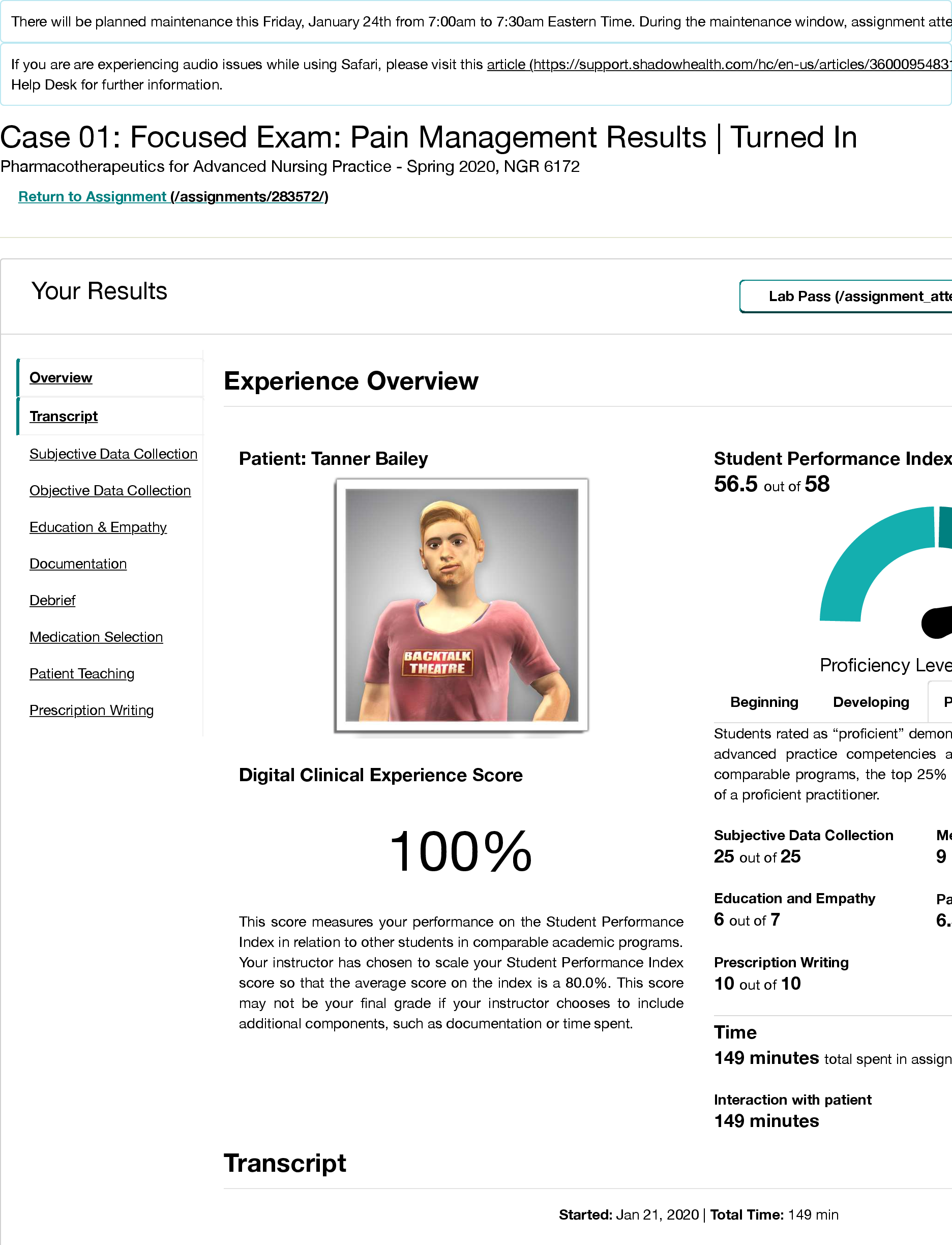
Shadow Health Tanner Bailey Case 01- Focused Exam Pain Managem...
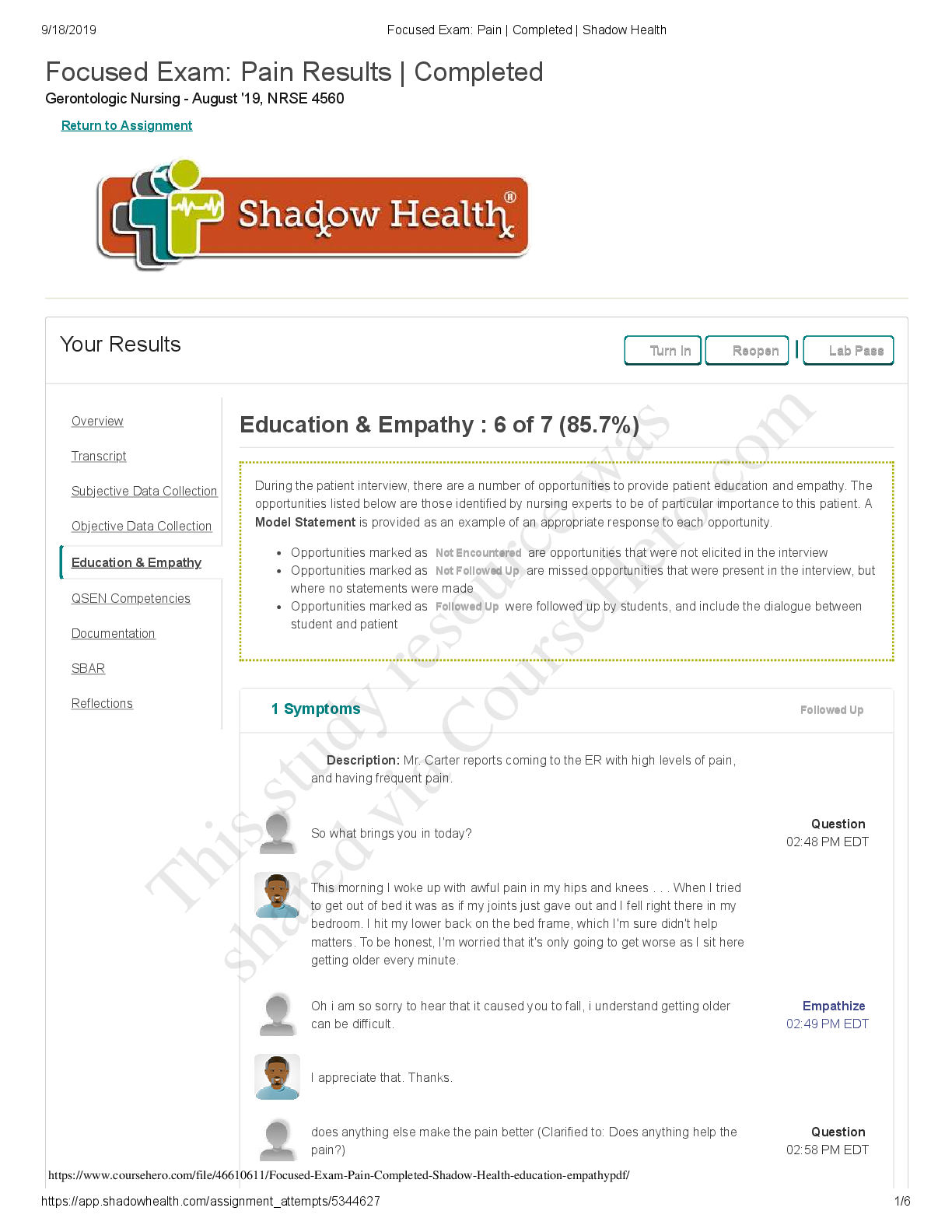
NRSE 4560 Gerontologic Nursing Edward Carter 65 year old Afric...
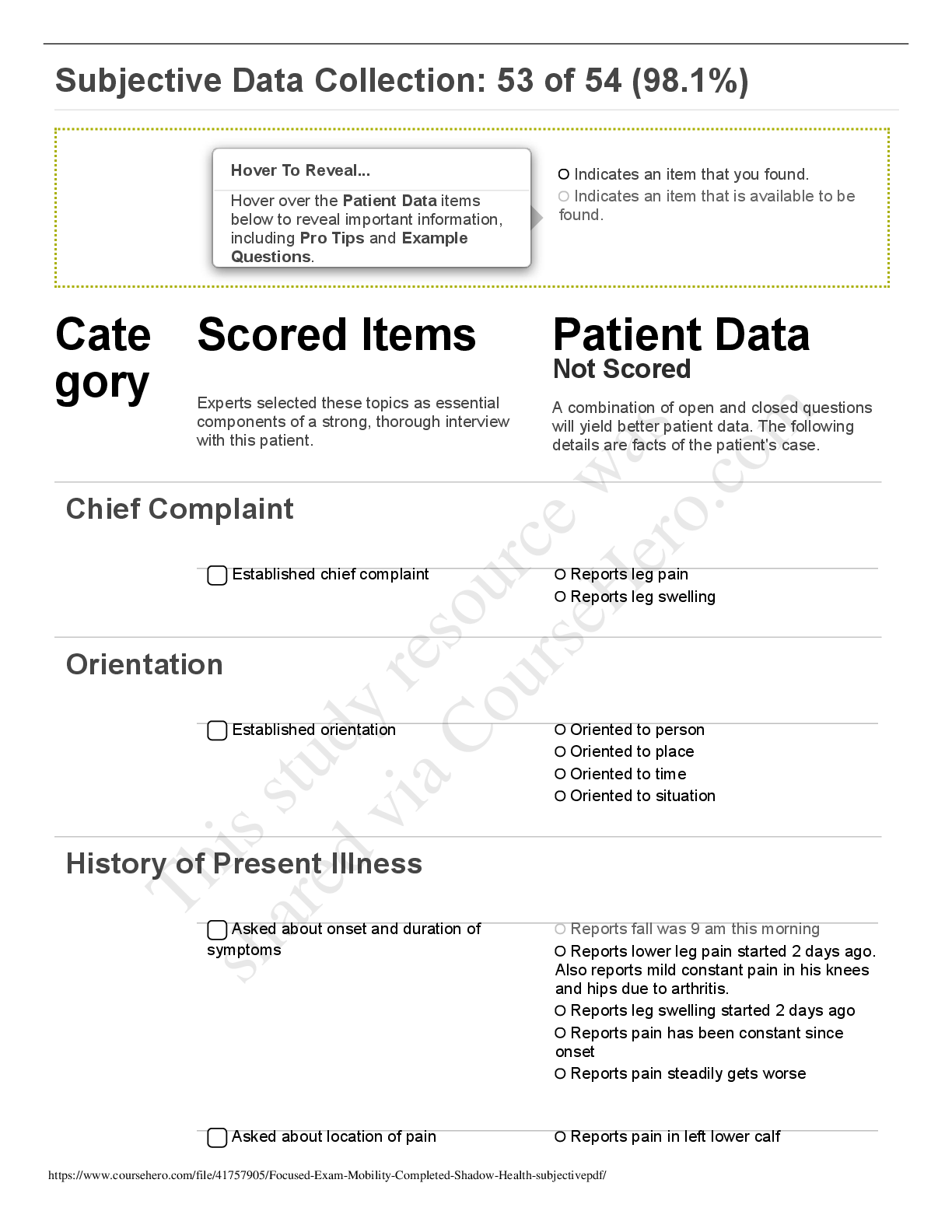
Focused Exam Mobility Completed Shadow Health subjective Subj...


TEST BANK for Davis Advantage for Psychiatric Mental Health Nu...
Test Bank For Fundamentals of Nursing 11th Edition Potter Perr...
TEST BANK for Essentials of Psychiatric Mental Health Nursing:...
Essentials of Psychiatric Nursing 2nd Edition Boyd TEST BANK
TEST BANK for Essentials of Psychiatric Nursing 2nd Edition by...
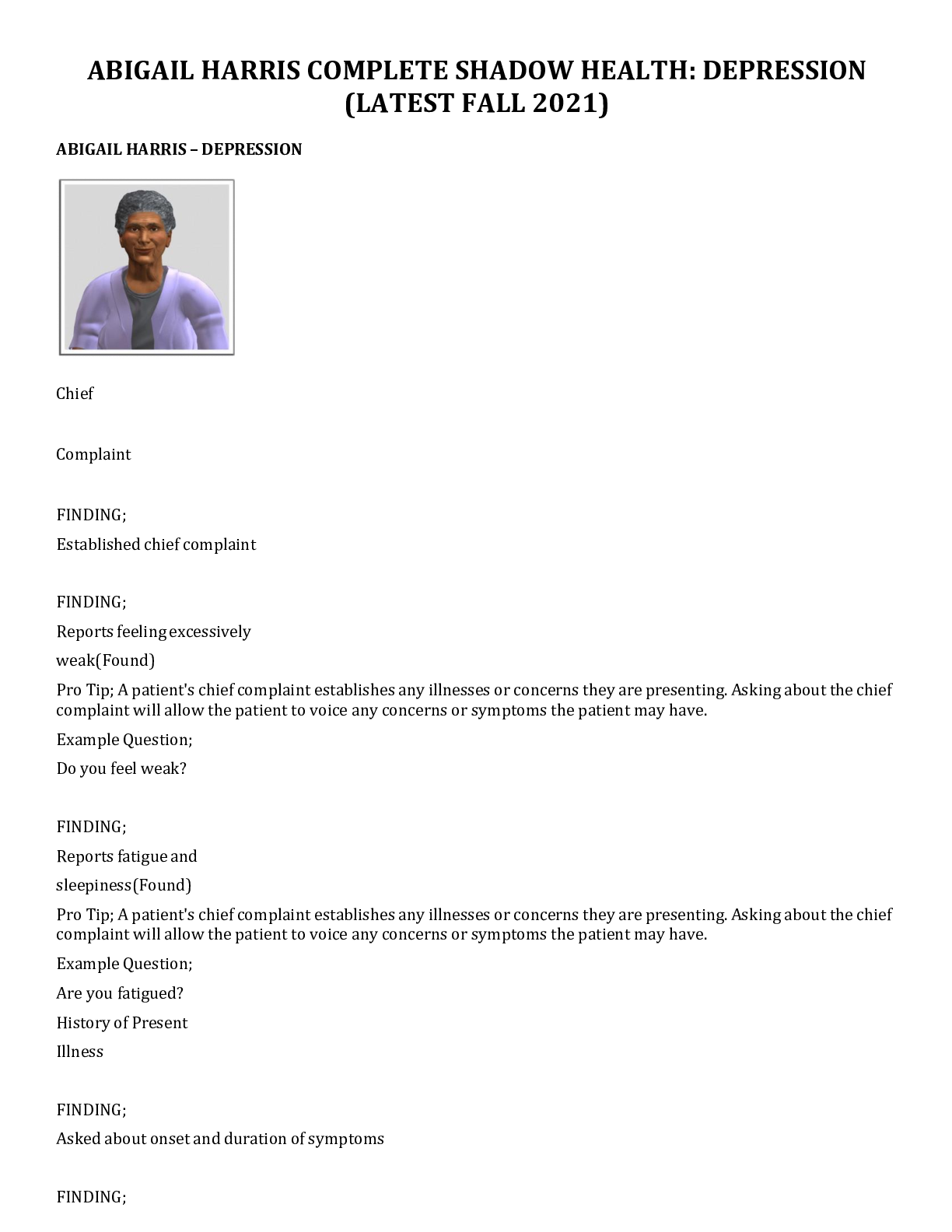
 LATEST QUESTIONS AND COMPLETE SOLUTIONS.png)