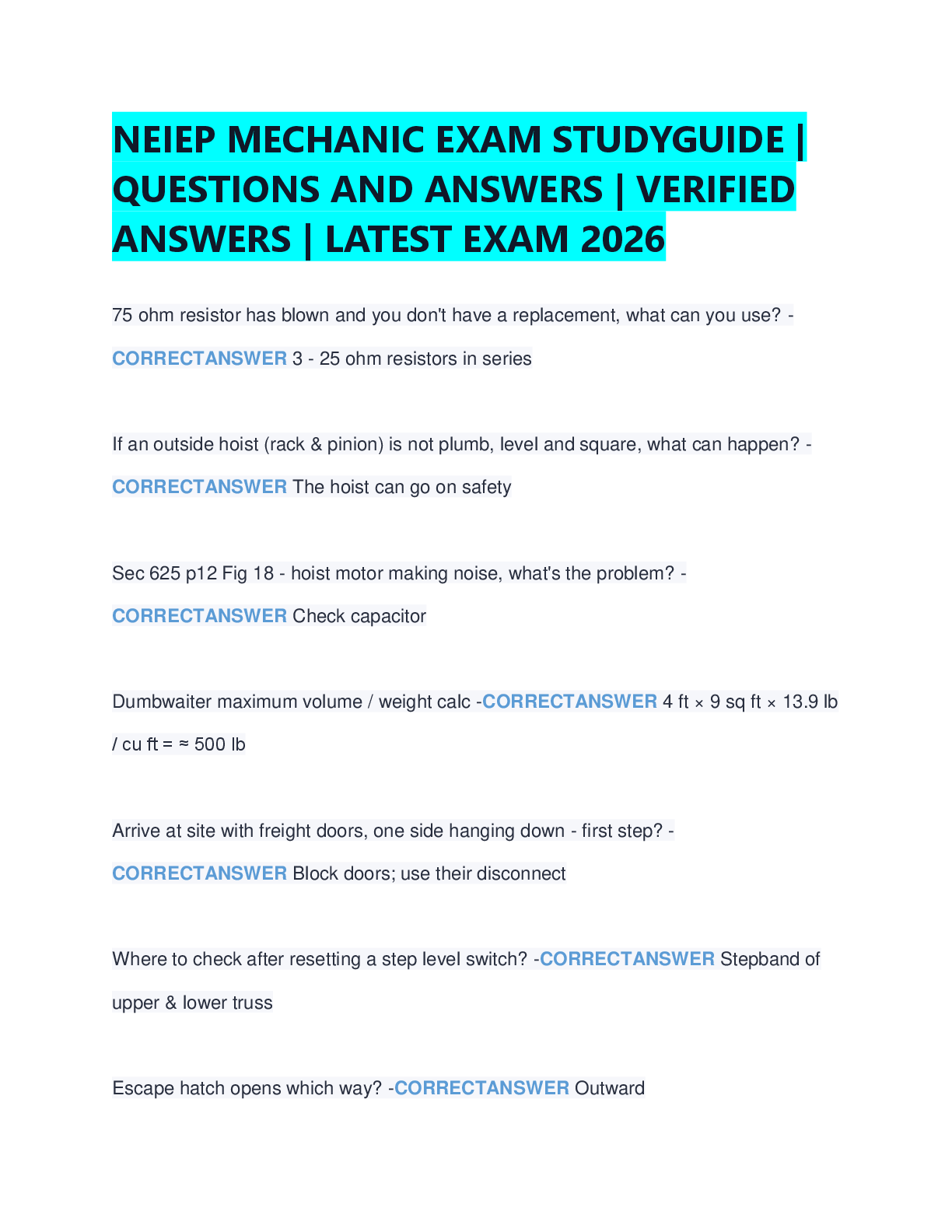
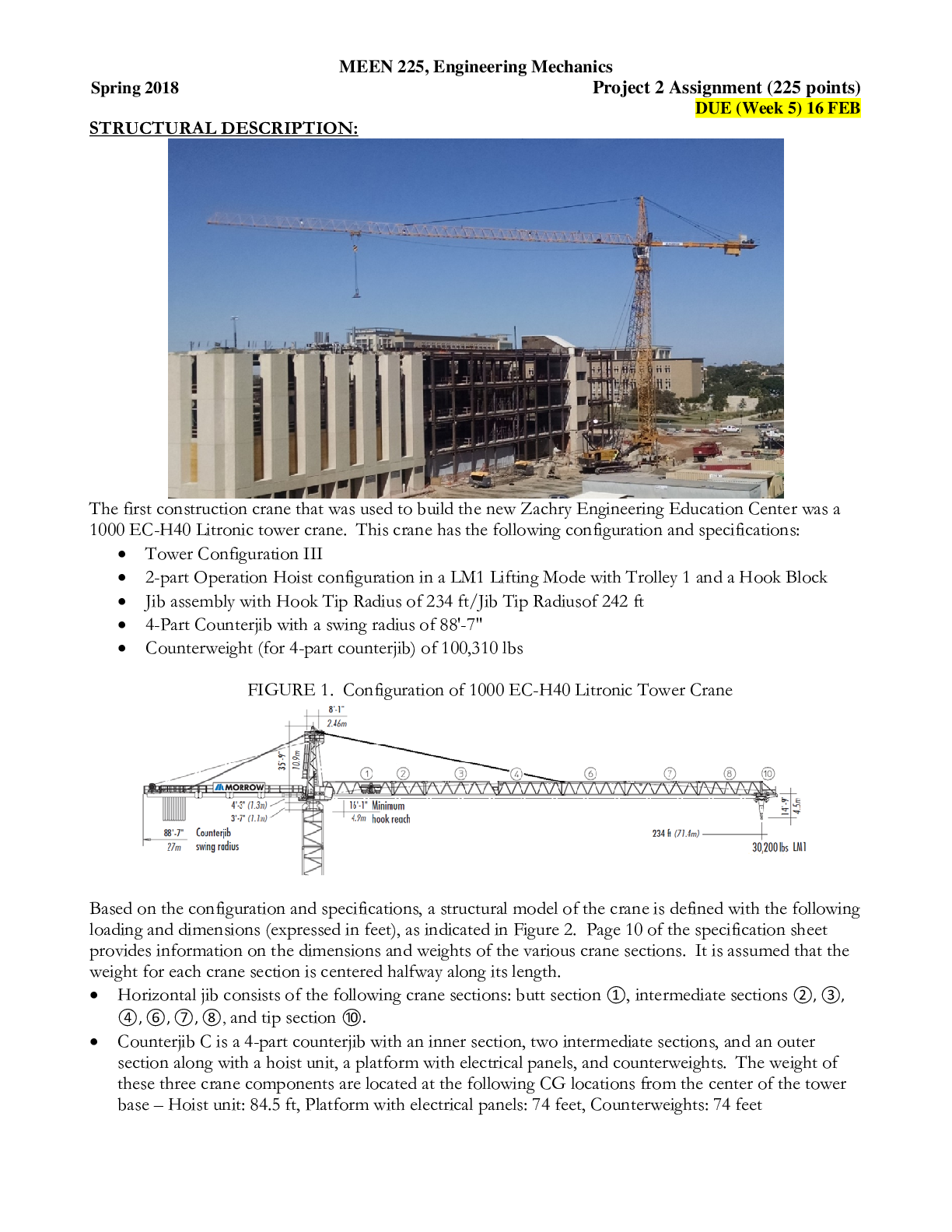
Engineering Mechanics > Experiment > MEEN 225, Engineering MechanicsMEEN 225Project 2-Truss Analysis. (All)
MEEN 225, Engineering MechanicsMEEN 225Project 2-Truss Analysis.
Document Content and Description Below
Last updated: 3 years ago
Preview 1 out of 5 pages
Instant download
Buy this Document to get the Full Access Instantly
Provided by Students Who Aced it
We Verify Document Content to Gurantee Accuracy
Reviews( 0 )
Document information
Connected school, study & course
About the document
Uploaded On
Sep 11, 2020
Number of pages
5
Written in
All

Additional information
This document has been written for:
Uploaded
Sep 11, 2020
Downloads
0
Views
303
Topic Tags
Related Subjects & Courses
Explore similar study resources and related concepts.
Recommended For You
Get more on Experiment »
Project 2 MEEN 225. Engineering Experiment. Analyze the force...
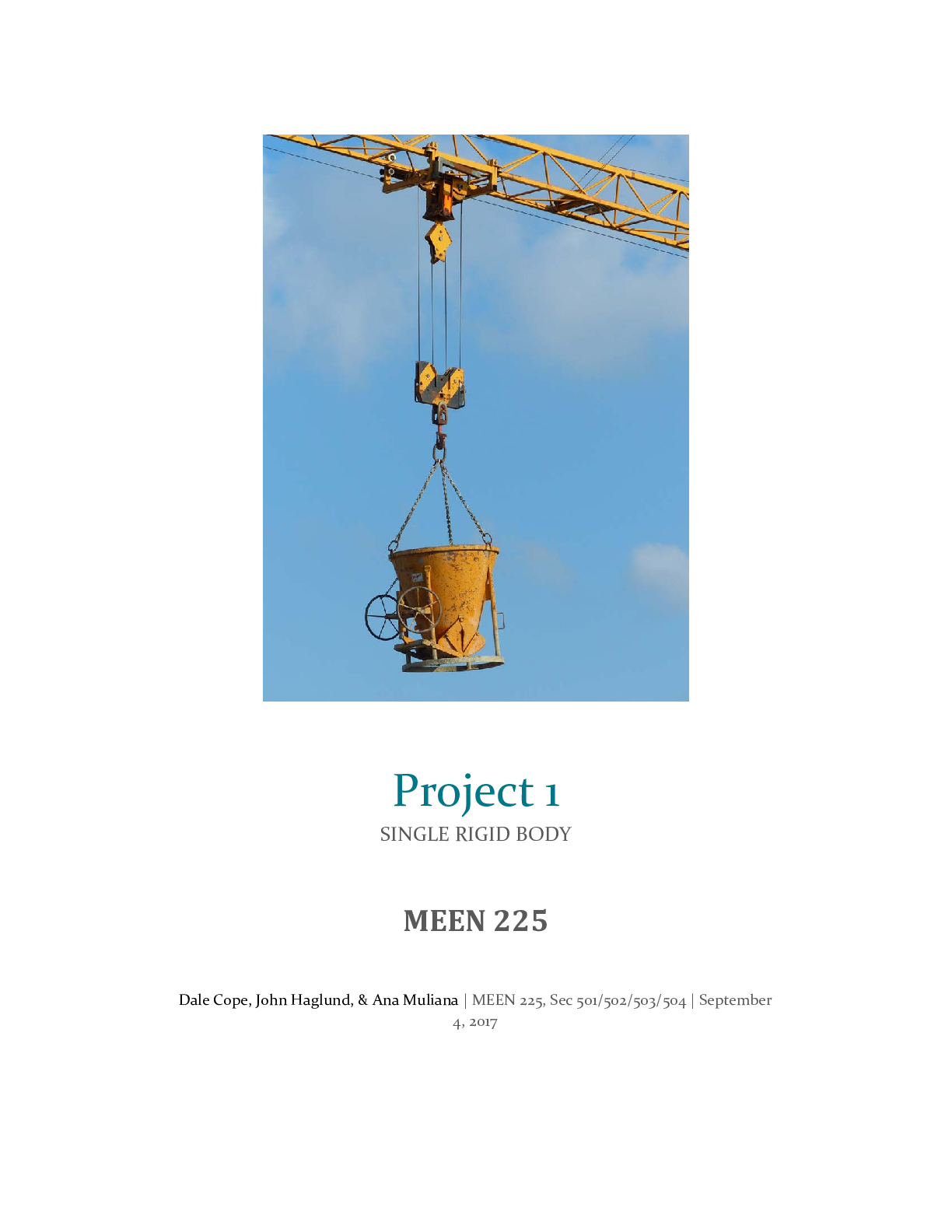
Project 1-Single Rigid Body-MEEN225. SINGLE RIGID BODY. MEEN 2...

Questions & Answers > Texas A&M University - MEEN 225 - Projec...
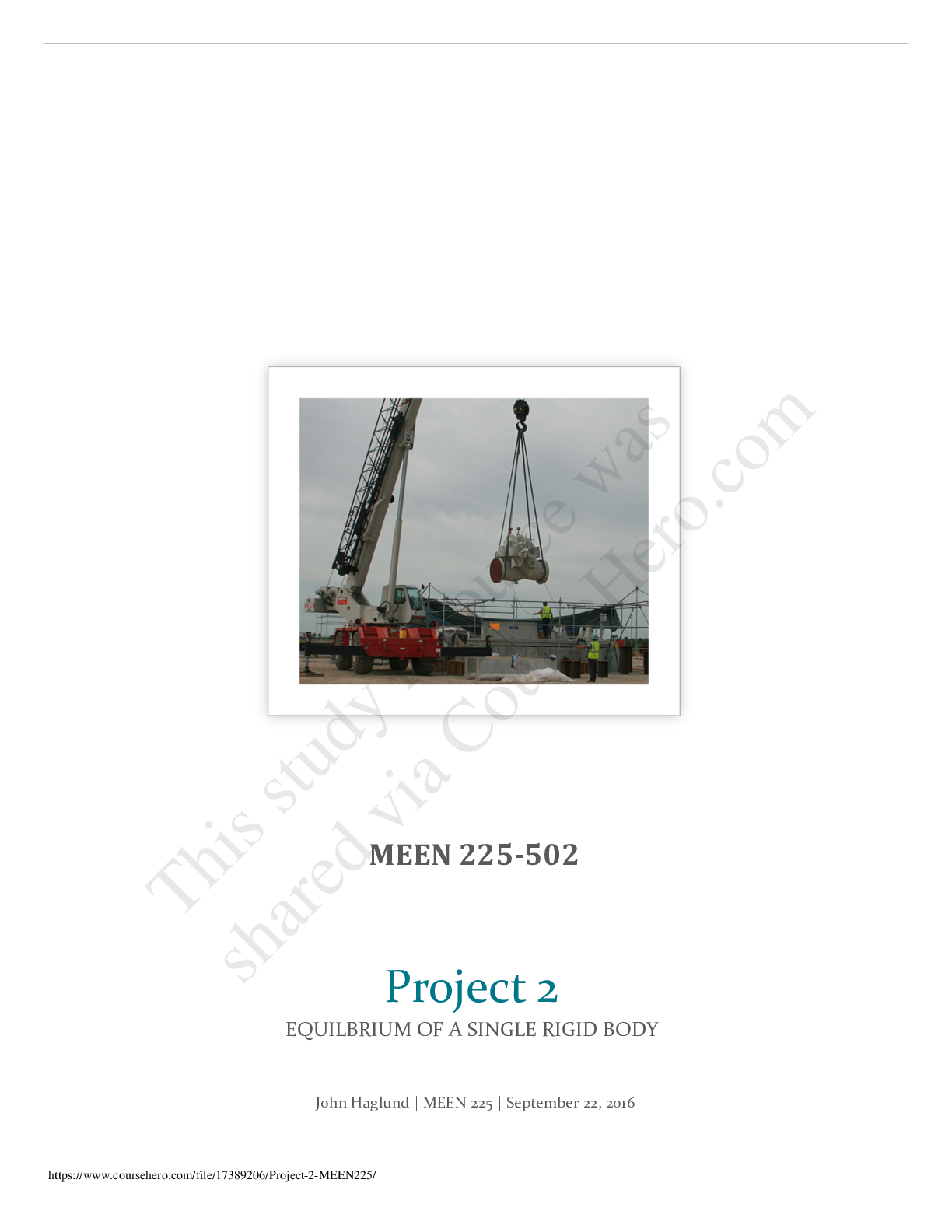
MEEN 225: Project 2-MEEN225: EQUILBRIUM OF A SINGLE RIGID BOD...
Solutions Manual Fundamentals of Chemical Engineering Thermody...

Test Bank Fundamentals of Chemical Engineering Thermodynamics...
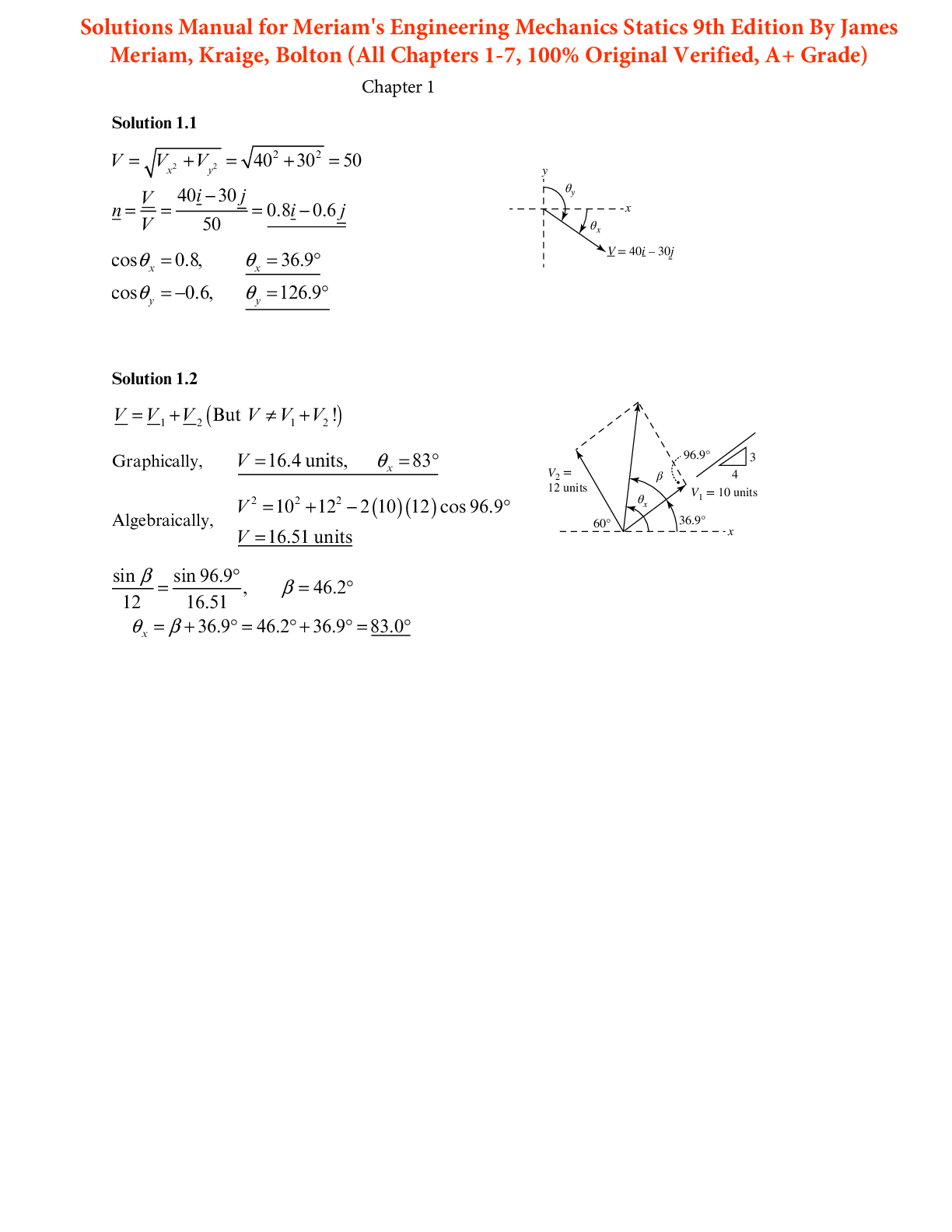
Solutions Manual Meriam's Engineering Mechanics Statics 9th Ed...
Solutions Manual For Advanced Mechanics of Materials and Appli...
Solutions Manual For Aerodynamics for Engineers 5th Edition By...

SOLUTIONS MANUAL for APPLIED STRENGTH OF MATERIALS 7th Edition...
Mechanics of Materials: An Integrated Learning System 2nd edit...
Ch 6 Kinematics / Score 100% / New 2025 Update / Complete Stud...

Test Bank for Numerical Methods for Engineers 8th Edition by S...
eBook Aircraft Performance An Engineering Approach 2nd Edition...
Comprehensive Boiler Construction and Assembly Techniques for...
ASE AUTOMOTIVE SERVICE EXCELLENCE (A1 – ENGINE REPAIR) ACTUAL...