Political Science > Study Notes > Yale University PLSC 118 MoFoPo -- Magic Notes-3 (All)
Yale University PLSC 118 MoFoPo -- Magic Notes-3
Document Content and Description Below
Last updated: 5 months ago
Preview 1 out of 65 pages
Instant download

Buy this Document to get the Full Access Instantly
Provided by Students Who Aced it
We Verify Document Content to Gurantee Accuracy
Reviews( 0 )
Document information
Connected school, study & course
About the document
Uploaded On
Sep 07, 2021
Number of pages
65
Written in
All

Additional information
This document has been written for:
Uploaded
Sep 07, 2021
Downloads
0
Views
220
Topic Tags
Related Subjects & Courses
Explore similar study resources and related concepts.
Recommended For You
Get more on Study Notes »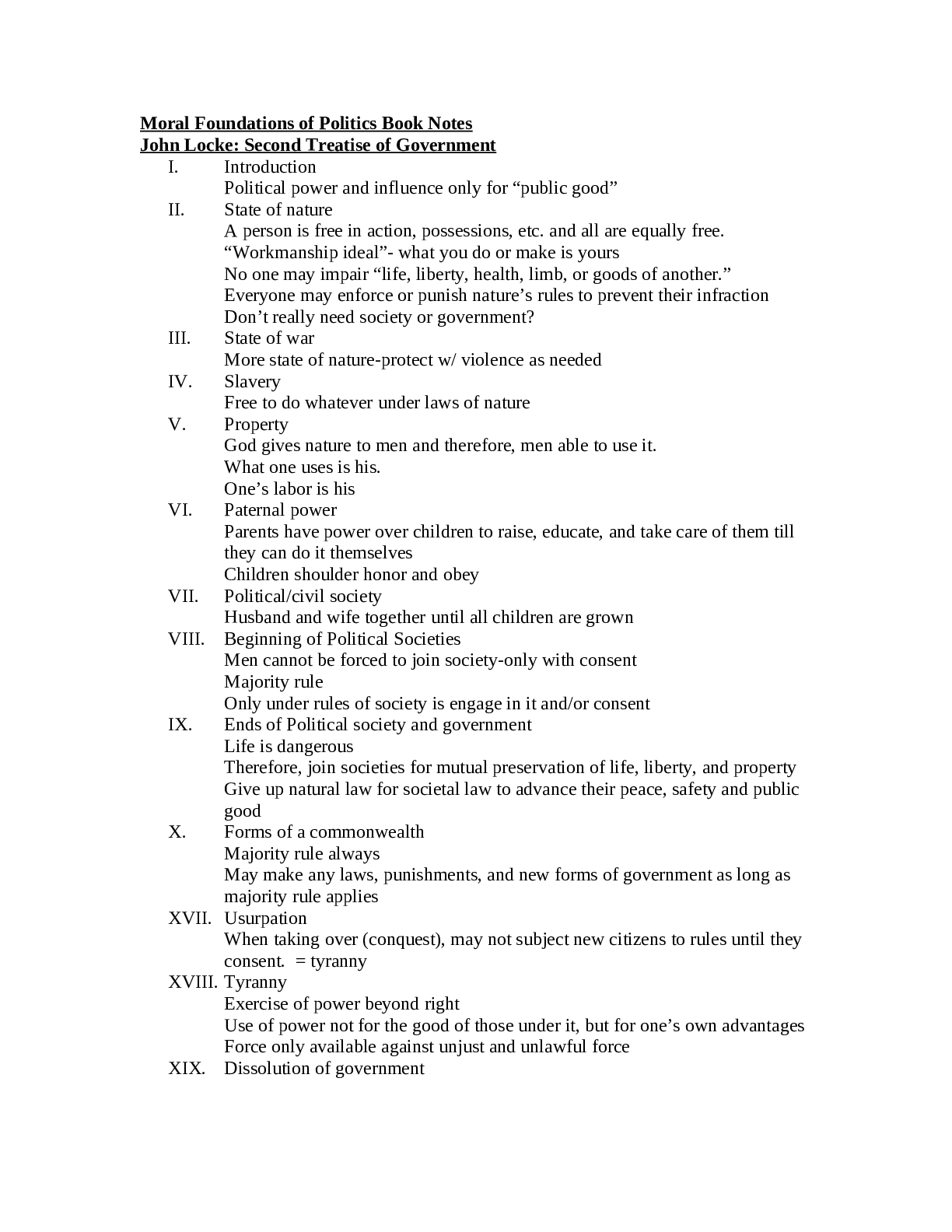
Yale University PLSC 118 Moral Foundations of Politics Book No...
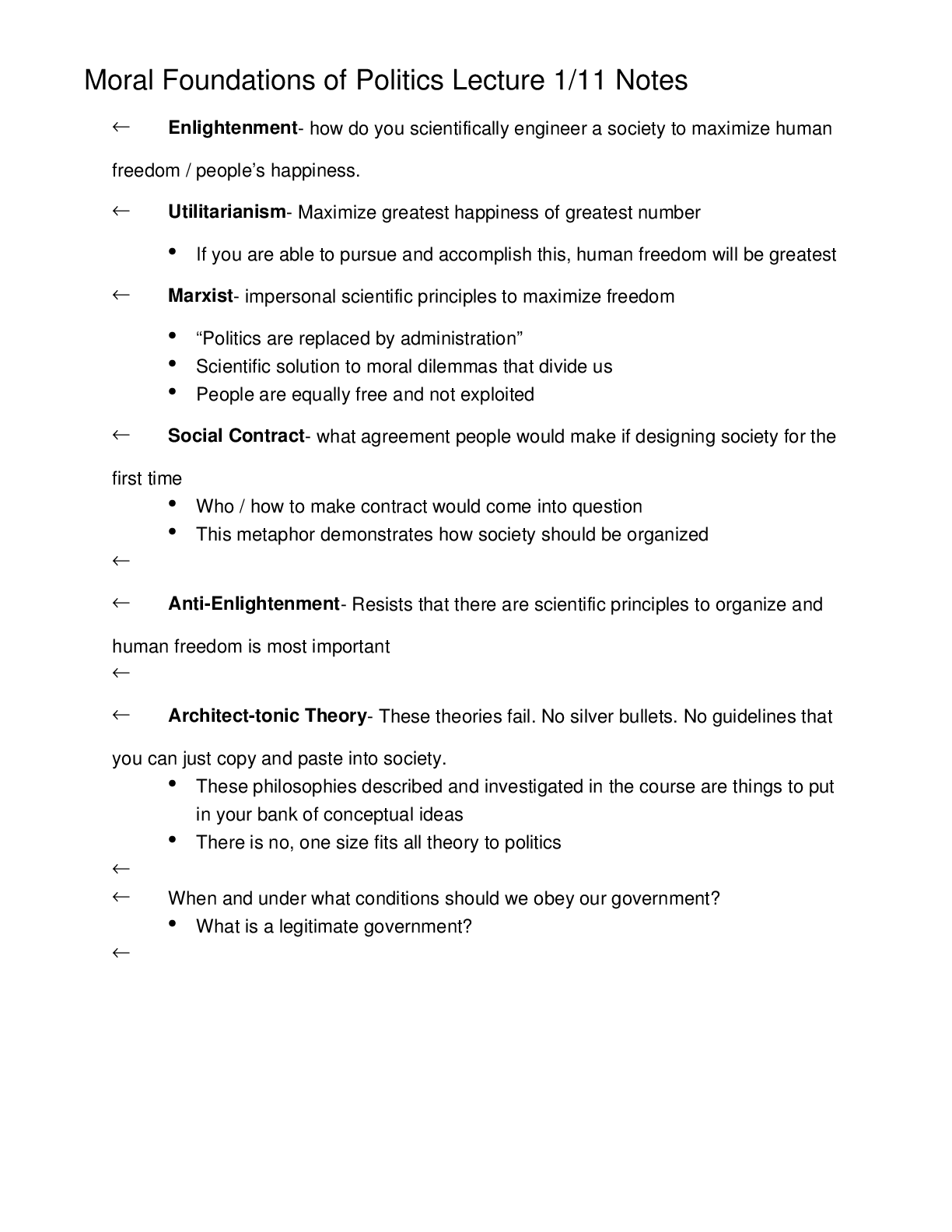
Yale University PLSC 118 Moral Foundations of Politics LECTURE...

Columbia High School, Lake CityPOLS INTERNATIOWorld Politics N...

We The People An introduction to American politics 10th Editio...

Analyzing Politics Rationality, Behavior, and Institutions, 2e...
eBook Why Politics Matters An Introduction to Political Scienc...

POLI 330N Final Exam - Question and Answers 2019 - TEST BANK:...
TEST BANK for Worlds Together, Worlds Apart 5th Edition by Rob...

Test Bank For Political Ideologies and the Democratic Ideal 12...
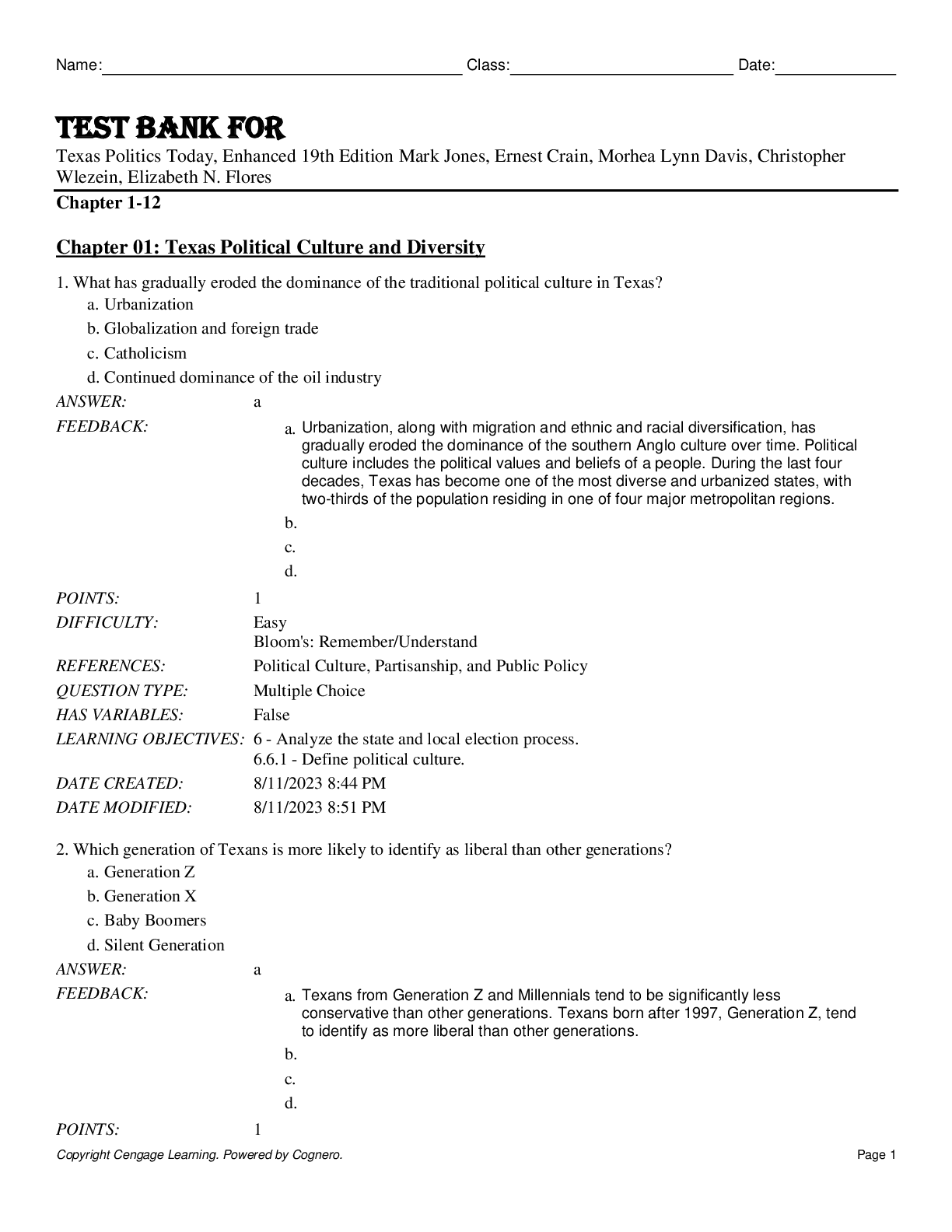
Test Bank For Texas Politics Today, Enhanced 19th Edition by M...
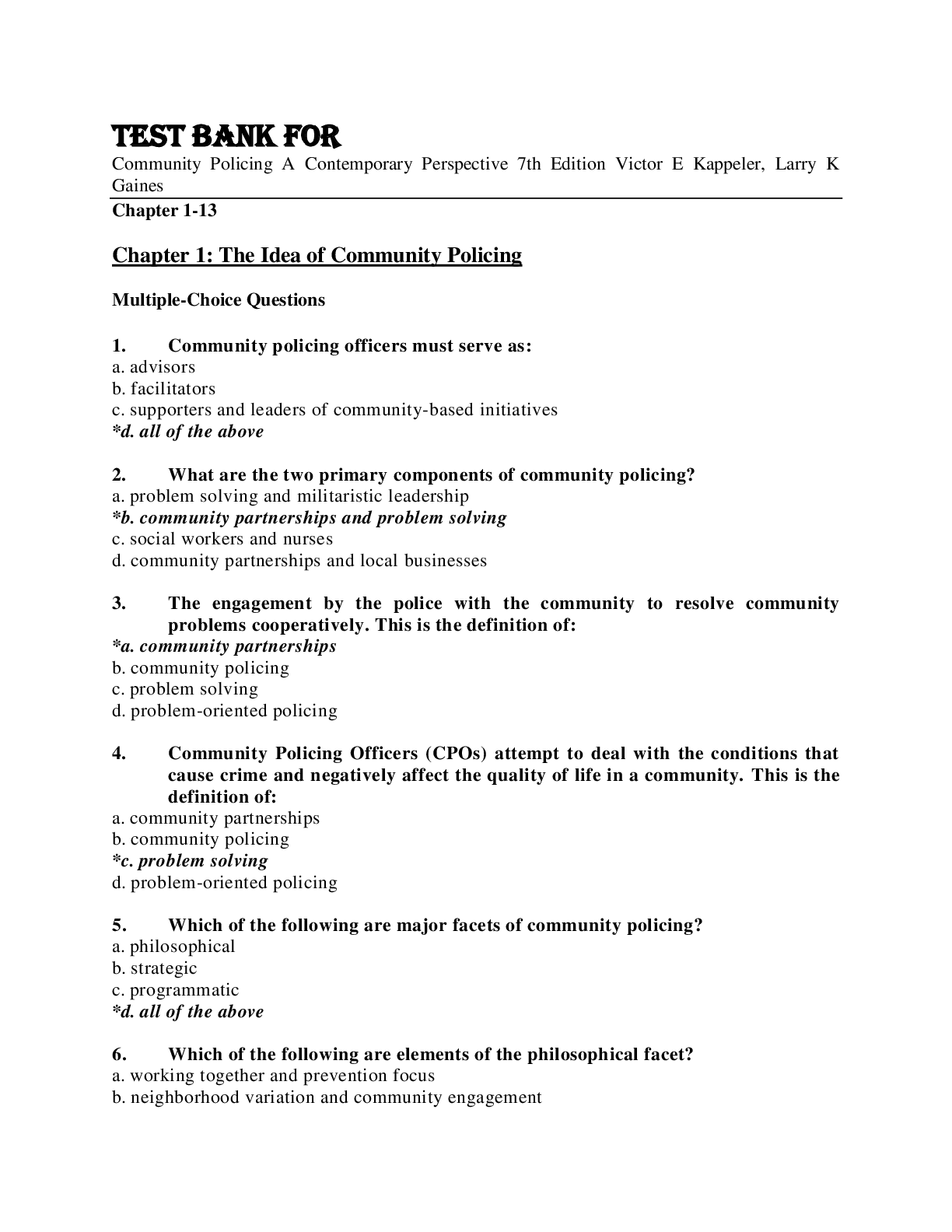
Test Bank For Community Policing A Contemporary Perspective 7t...

PDF Ebook Introducing Public Administration, 10th Edition by...

POS 486 FINAL EXAM_ POS486 Final Exam Questions and Answers(Gr...
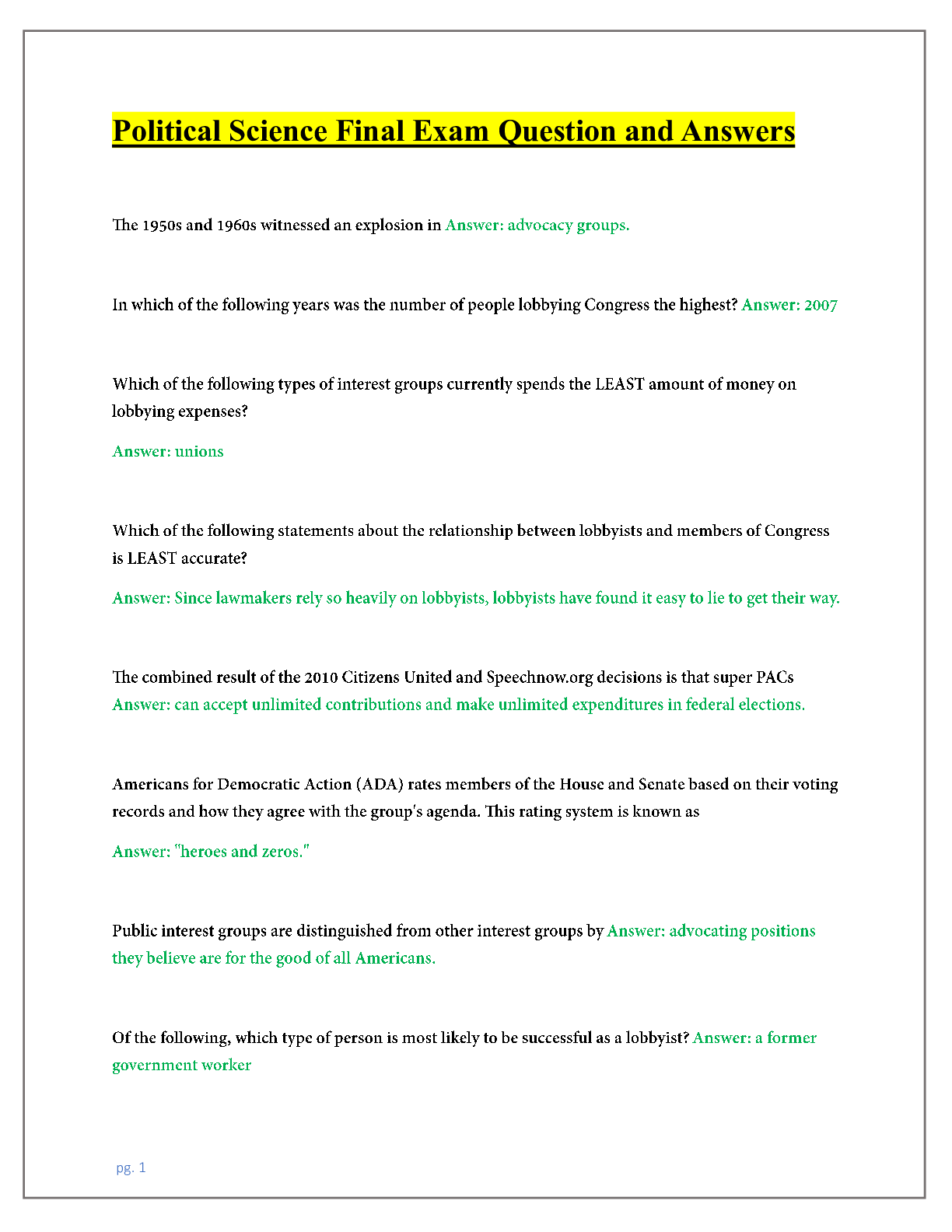
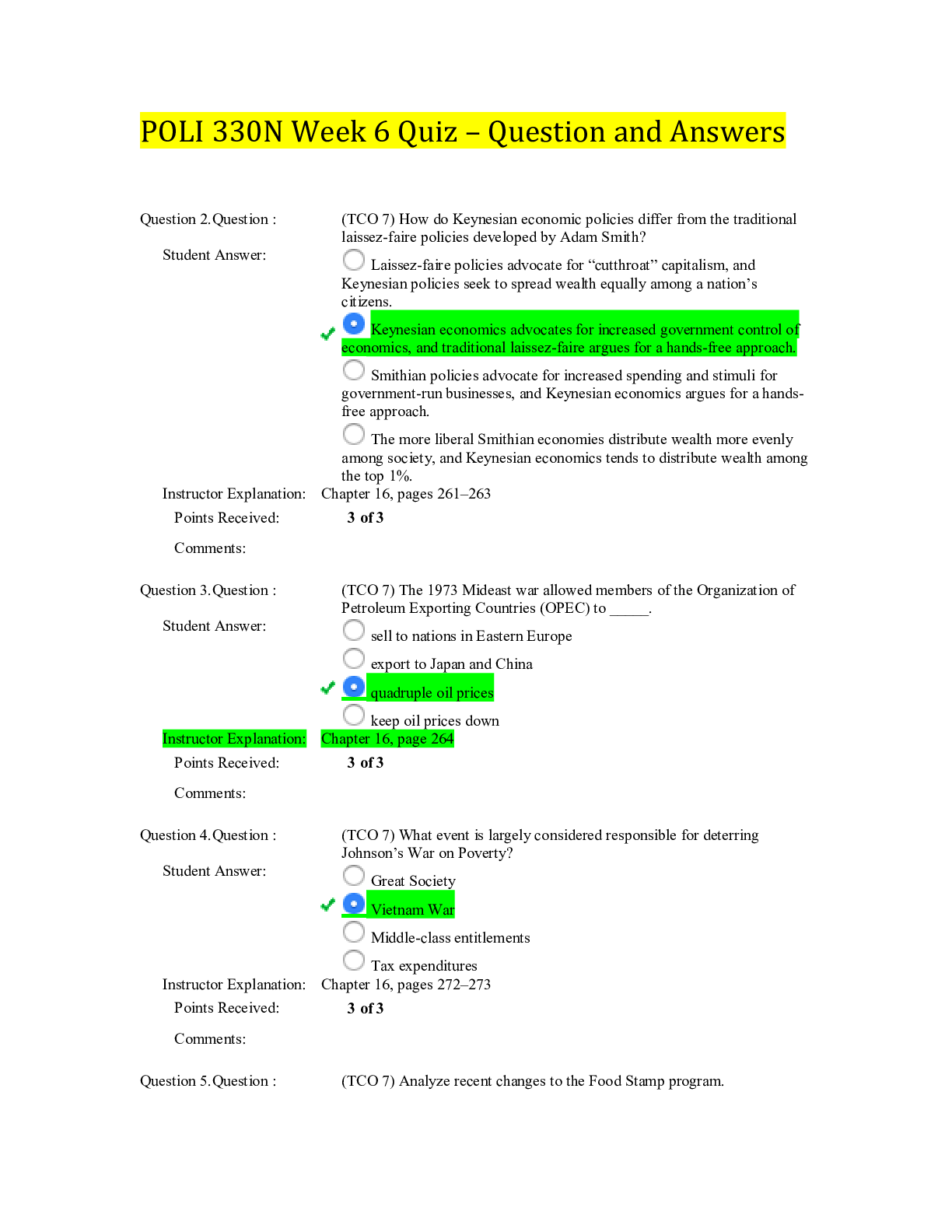
POLI 330N Week 6 Quiz – Question and Answers (Latest SG) ALl A...

POLI 330N Week 4 Quiz 2 – Question and Answers (2019) 100% Cor...

.png)