NR 601 final review.docx
NR 601 Comprehensive Final exam study guide and practice questions
DISCLAIMER- None of this is my original work. The first 11 pages are the completed study guide from a previous class. Pages 11
...
NR 601 final review.docx
NR 601 Comprehensive Final exam study guide and practice questions
DISCLAIMER- None of this is my original work. The first 11 pages are the completed study guide from a previous class. Pages 11 through 13 are the NR 601 course final exam review topics in outline form (Thanks Lisa Trevino!). Page 13-46 includes my notes from class and YouTube videos, Kennedy-Malone text (minimal), lessons, and some external research. When the information came from an external article, I included a link so that you do not use it as a test resource. Hopefully this is helpful for us as both a test and boards review. I kinda sorta (but not really because I’m over it) apologize for any typos.
How to conduct Mini-Cog The Mini-Cog has been demonstrated to have comparable psychometric properties to the MMSE The primary advantage of the Mini-Cog is that it is shorter than the MMSE and measures executive function. It is composed of a three-item recall and the Clock Drawing Test (CDT) and takes about 3 minutes to administer The Mini-Cog is a short dementia assessment that combines three-word recall with clock-drawing capability. Patients are given a total score reflecting accuracy in clock drawing and recollection of the given three words. A score of 0 to 2 is a positive screen for dementia
Causes of delirium in elderly Causes of delirium are numerous and in elderly hospitalized patients there are often multiple etiologies, including metabolic, infection, cardiac, neurological, pulmonary, sensory impairments, medications, and toxins.
Regardless of cause, a consistent finding is significant reduction in regional cerebral perfusion during periods of delirium in comparison with blood flow patterns after recovery.
A possible neurological common pathway may involve acetylcholine and dopamine, and the disruption in the sleep-wake cycle in delirium indicates melatonin as a possible factor. (Kennedy-Malone 59)
Agnosia Loss of ability to identify objects
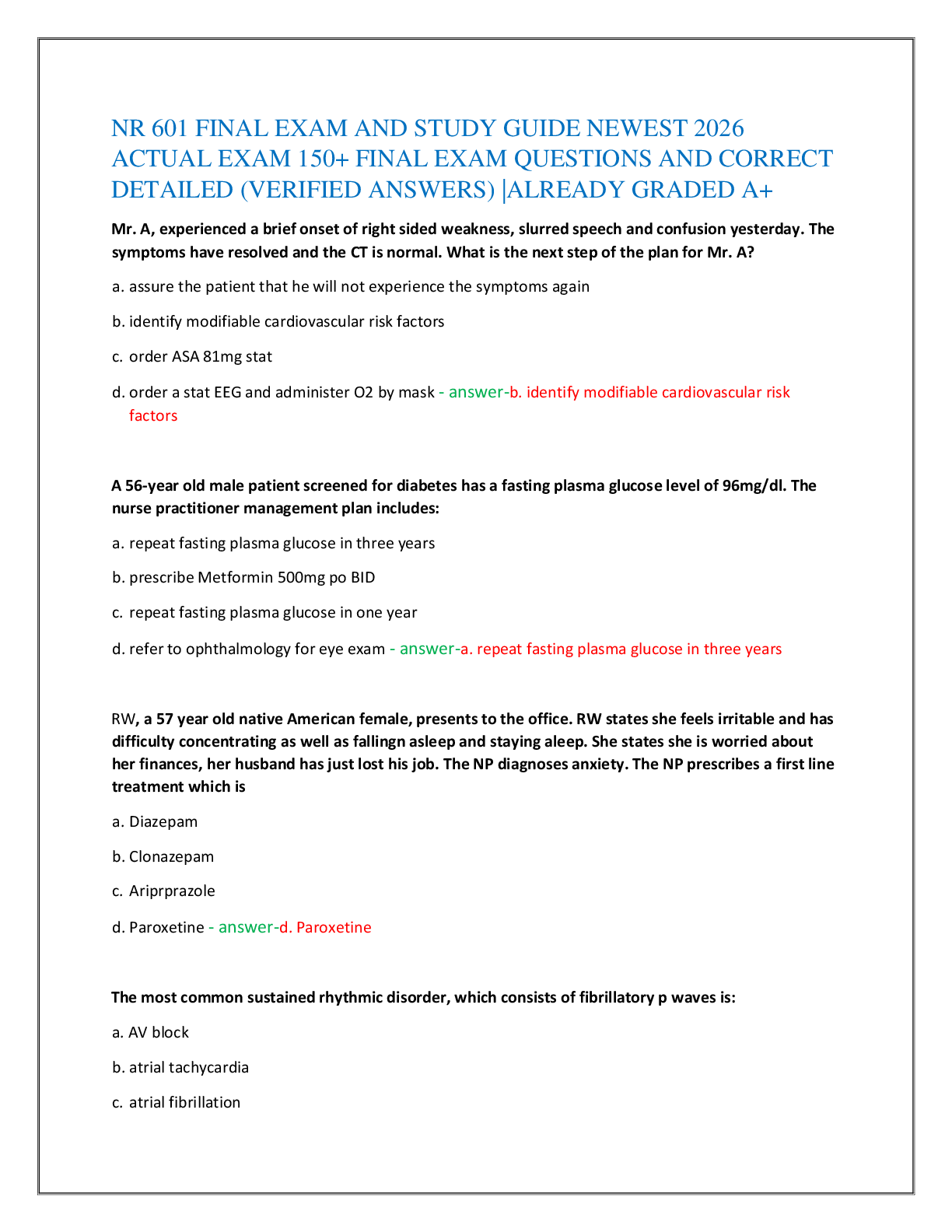
ADA criteria for diagnosing DM FPG ≥126 mg/dL (7.0 mmol/L). Fasting is defined as no caloric intake for at least 8 h.* 2-h PG ≥200 mg/dL (11.1 mmol/L) during OGTT. The test should be performed as described by the WHO, using a glucose load containing the equivalent of 75-g anhydrous glucose dissolved in water.*
A1C ≥6.5% (48 mmol/mol). The test should be performed in a laboratory using a method that is NGSP certified and standardized to the DCCT assay.*
In a patient with classic symptoms of hyperglycemia or hyperglycemic crisis, a random plasma glucose ≥200 mg/dL (11.1 mmol/L).
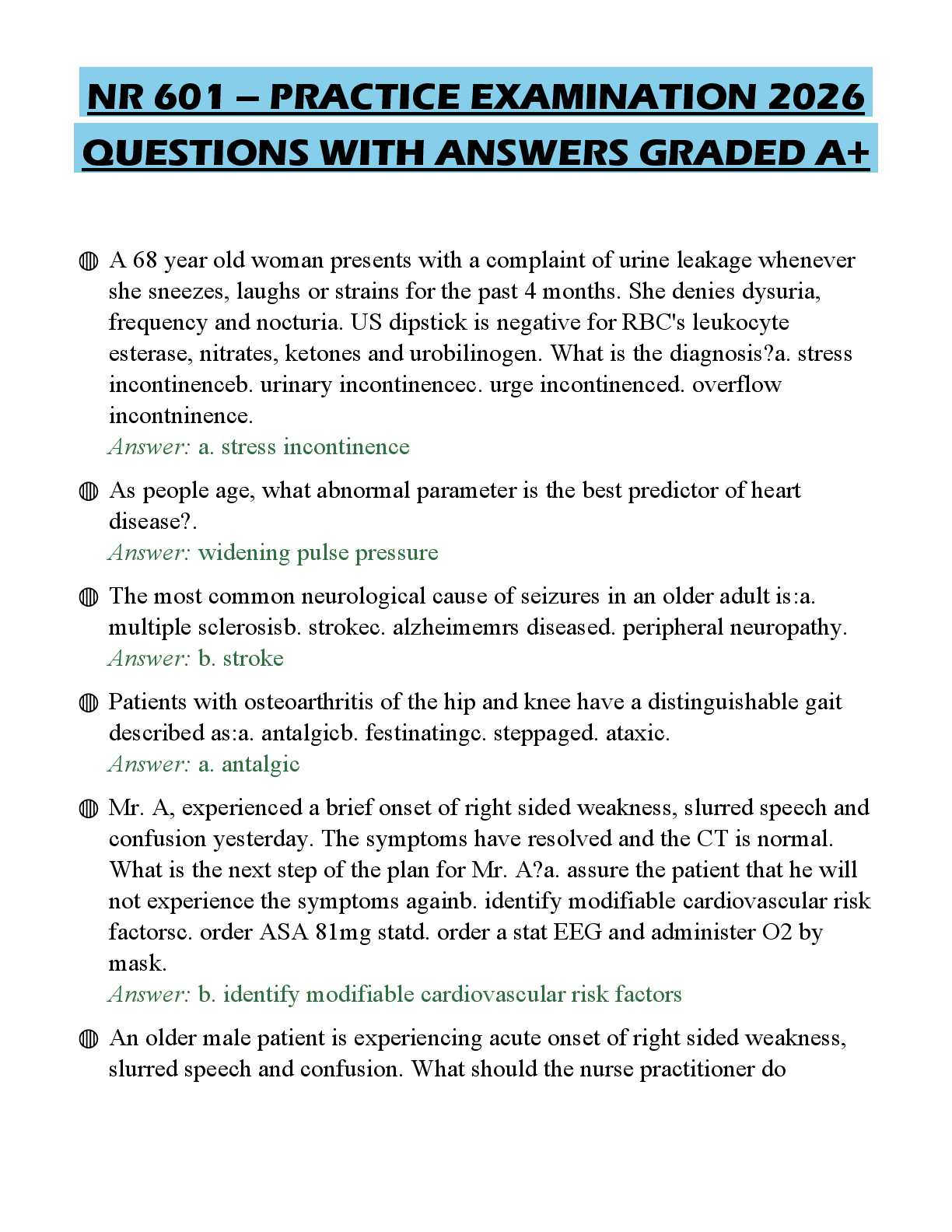
• Urinary incontinence Involuntary loss of urine from the bladder
▪ So common in women many consider it normal ▪ Common in older men w/ enlarged prostate o Can affect quality of life o Significance-One of the most common complains w/ older adults, Distress & embarrassment, Cost burden to pt & society as a whole, Not life-threatening, may effect QOL, PCP essential to educating individuals o Epidemiology- Increased prevalence w/ age in men & women, Nursing home population – 40-70%, Often a factor in placement ▪ URGENCY UI is greater in men ▪ STRESS UI is greater in women o Terminology ▪ UI- Unintentional voiding, loss or leakage of urine ▪ Continuous incontinence-Continuous loss or leak of urine ▪ Increased daytime frequency-More frequent during day than considered normal ▪ Nocturia-Interruption of sleep one or more times due to the need to urinate – increases in frequency after age 50 ▪ Urgency-Sudden, compelling desire to pass urine that’s difficult to prevent ▪ Overactive bladder syndrome- Urgency, frequency, nocturia w/ or w/o incontinence o Risk Factors-Aging,Obesity,Smoking, Caffeine,Uncontrolled DM, Constipation,Use of diuretics o Risk Factors by gender-Women:Aging, obesity, smoking, caffeine intake, DM, pregnancy, multiparity, estrogen deficiency, hx of pelvic surgery, diuretics
1Men:Aging, obesity, smoking, caffeine, DM, prostate dx, hx of prostate surgery, hx of UTIs, diuretics
o Physical changes w/ aging that contribute to UI
▪ Lower urinary tract-Detrusor muscle over activity,Decrease in detrusor contractility, Increase in post void
residual,Decrease in urethral blood flow
▪ Women – decrease in urethral closure pressure,Low estrogen following menopause - leads to atrophy of ureteral mucosal
epithelium & increase in urethral sensation
▪ Men can experience constriction of urethra due to BPH which may result in bladder outlet obstructing symptoms
- Initial clinical workup for UI in Men
o PMH, PE, UA, DRE: Eval of prostate,PSA w/ new onset in men
- UI workup in women:Exclude underlying causes,PMH, PE, UA, Pelvic exam, vaginal exam, perineal, Identify estrogen
status of pt, Pelvic prolapse, fistula,
-Cough test, Integrity of pelvic musculature, leaking of urine
▪ Full bladder
▪ Standing position
▪ Asked to cough
▪ If urine leak is observed, stress incontinence is confirmed
- Red flags in males
o Higher level of suspicion for serious diseases, Refer to urology if Previous pelvic surgery, Pelvic radiation, Pelvic pain,
Severe incontinence, Severe UTI symptoms, Recurrent urologic infection,Abnl Prostate exam,Elevated PSA
o Be alert to these with NEW ONSET UI- Hematuria,Pelvic pain,Abdominal mass, Dysuria, Proteinuria, Glucosuria, CVA
tenderness,Nodular prostate,Any new neuro symptoms
- Goals of treatment: Reduce symptoms, Improve QOL, Increase social activity, Reduce leakage volumes, increase
dryness, use less protection; Increase independence in incontinence management; Decrease caregiver burden
- 1st line management guidelines
o AHRQ guidelines for management of UI in women
▪ Behavioral therapy
▪ Lifestyle modification
▪ Try for 3 months before pharm management
o Weight loss, Smoking cessation(Tobacco is a bladder irritant),Less coughing
o Dietary changes-Alcohol, soda, coffee with or without caffeine, acidic foods and spicy foods
o Maintain adequate fluid balance to reduce constipation, provide adequate flow to kidneys
- Behavioral strategies:Bladder training, Bladder control strategies,Timed voiding,Kegels, Pelvic floor training
- 2nd line management - Medication
o Antimuscarinic medication: 1st line for women
▪ Block the parasympathetic muscarinic receptors
▪ Inhibit involuntary detrusor contractions
▪ Side effects due to the effects on other muscarinic receptors
o Outcomes unpredictable and side effects common
o Common s/e: Dry mouth**, Blurred vision, Constipation,Nausea,Dizziness, Headache
o AntimuscarinicsMechanism of action
● Blocks acetylcholine at muscarinic receptors, relaxes bladder smooth muscle, inhibits involuntary detrusor contractions
(anticholinergic)
● CYP3A4 substrates
▪ Indications: UI and OAB
▪ Contraindications: Untreated/uncontrolled narrow angle glaucoma,Gastric retention, Urinary retention
▪ Precautions:CNS depression,Caution in elderly
● Renal dosing
o CrCl <30
o Beta 3 Adrenergic Agonist – Mirabegron (Myrbetriq)
▪ Also approved for UI and OAB
▪ Clinical trials – significant reduction in incontinence and micturations
● No anticholinergic s/e
▪ Mech of action
● Selectively stimulates beta-3 adrenergic receptors
2● Relaxes smooth muscle – bladder
▪ Contraindications/caution: HTN- Do not use if SBP >180, DBP >100
▪ Avoid severe renal/liver disease
▪ Dose – 25-50mg PO QD
▪ CrCl <30 – max 25mg
- 2nd line of UI in Males – Alpha 1 blockers
o Men, not women!
o Alpha 1 blockers antagonize peripheral alpha 1 adrenergic receptors
o Used in men d/t high incidence of BPH in aging men
o Alpha antagonists
▪ Alpha 1A – prostatic smooth muscle relaxation
▪ 1B – vascular smooth muscle contraction
▪ 1D – bladder muscle contraction and sacral spinal cord innervation
o Meds
▪ Doxazosin SE: Dizziness, dyspnea, edema, fatigue, somnolence
▪ Terazosin SE: Asthenia, dizziness, postural hypotension
▪ Tamsulosin SE:Abnormal ejaculation, asthenia, back pain, dizziness, increased cough
▪ Alfuzosin- CrCl <30 use with caution, SE: Dizziness, URI
▪ Silodosin SE- Retrograde ejaculation
Differentials as cause for erectile dysfunction-
Differential diagnosis:
o Vascular, Endocrine, Neurological, Neurovascular, Substance abuse, End-organ disease, Psychogenic,
Social causes (Kennedy-Malone 376)
Elder abuse
Types-
o Physical, Emotional, Sexual, Neglect, Exploitation, Abandonment, Self-Neglect
Risk Factors-
o Age, Gender, Cognitive Impairment, Living Arrangement, Social Isolation
Signs of abuse-
o bruises, slap marks, unexplained burns, increased accidents, lack of hygiene, failure to meet medical
needs, weight loss, decubiti, changes in personality, decreased interaction, unexplained STD
Provider responsibility in reporting abuse
o If you suspect elder abuse perform a physical exam and order any necessary tests.
o Include a cognitive screen.
o Document your findings. This includes what the patient says and your objective findings.
o You may need to interview your patient and the caregiver separately to see if the stories are the same.
o Be aware of your state laws regarding mandatory reporting of suspected abuse.
Differentials as cause for hematuria- Differentials per class notes
Dietary substances
o Caffeine, spices, Tomatoes, chocolate, alcohol, Citrus, soy sauce, & some herbal meds
Medication
o Beta-lactam antibiotics, sulfonamide, NSAIDs, Cipro, allopurinol, Tagamet, & dilantin
Anticoagulation and papillary necrosis
o Coumadin, Heparin, aspirin, & NSAIDs
Glomerular nephritis
Hydrocarbons (glue, paint) NSAIDs
Urolithiasis
menses
Terazosin use(s)-
Alpha blocker for BPH. 1-10 mg P.O. nightly.
Caution in those with cataracts and in elderly.
Side effects
o hypotension, priapism, dizziness, dyspnea, tachycardia.
3 2nd Line Management of UI in males
***Alpha 1 Blockers
Pharmacologic agents for men with urinary incontinence differ from women;
Alpha 1 blocker antagonize peripheral alpha-1 adrenergic receptors and commonly referred to as alpha 1 blockers
*Lifestyle changes and Behavioral Management are first-line but when not effective alpha 1 blocker is initiated;
*This difference in choice of medication for men is due to the high incidence of BPH associated with aging men
Alpha 1 Adrenergic Receptor antagonists
Alpha 1A- Prosthetic smooth muscle relaxation
Alpha 1B- Vascular smooth muscle contraction
Alpha 1D -Bladder muscle contraction and sacral spinal cord innervation
UTIs in men and women
UTI treatment guidelines
BPH-
Progressive, benign hyperplasia of prostate gland tissue
Etiology/incidence-
o Cause is uncertain, About 50% of men have it by 60, By age 85, 90% have it
o Most common cause of bladder outlet obstruction in men over 50
Symptoms are attributed to mechanical obstruction of the urethra by the enlarged prostate gland
Signs/Symptoms-
o Gradual worsening of the following, Frequency, urgency, urge incontinence, Nocturia, dysuria, Weak
urinary stream, dribbling, hesitancy, Sensation of full bladder even after voiding, Retention
Diff Dx-
o Urethral stricture, Prostate or bladder cancer, Neurogenic bladder, Bladder calculus, Acute or chronic
prostatitis, Bladder neck contractor, Medications that affect micturition
Physical findings-
o Abdomen,May have distended bladder secondary to retention; Prostate,Nontender w/ asymmetric or
symmetrical enlargement, gross enlargement atypical, Consistency is smooth, rubbery (eraser), Nodules
may be present
Differentiation from BPH and CA needs biopsy
Tests/Findings
o UA-No hematuria or UTI, Urinary flow rate, Voided volume and peak urinary flow rate (uroflowmetry)
may detect obstruction flow, Abdominal US – rules out upper tract patho, PSA, Consider PVR urine
volume, Cr to assess renal function, elevated levels suggest urinary retention or underlying renal disease –
refer this patient
Treatment/Management-
o Refer men who have the following,
Refractory urinary retention who have failed one attempt at cath removal,
Recurrent infection, recurrent retention, refractory hematuria, bladder stone, large bladder,
diverticula, or renal insufficiency related to BPH,
Consider referral if complications exist or if patients have severe symptoms
Management-
o Men who have no indications for surgery,
Discuss risks/benefits of all options, Watchful waiting (observation), Behavioral techniques to
reduce symptoms, Limit fluid after dinner,
Avoid medications such as Antidepressants, Antiparkinson drugs, Antipsychotics,
Antispasmodics, Cold meds, Diuretics
Medication Treatments
o Alpha adrenergic blocker – for smaller prostates
o 5-alpha adrenergic blocker – larger prostates
o Combo therapy is an alpha-adrenergic blocker and finasteride is used now for men w/ large prostates
Surgery has the best chance for relief of symptoms, but greater risks
Follow up:
o Teach signs/symptoms of retention and obstruction,
4o If observing for now, recheck every 6-12 months,
o In use of meds, recheck in 4-6 weeks,
o If post surgery follow up is at the discretion of the urologist
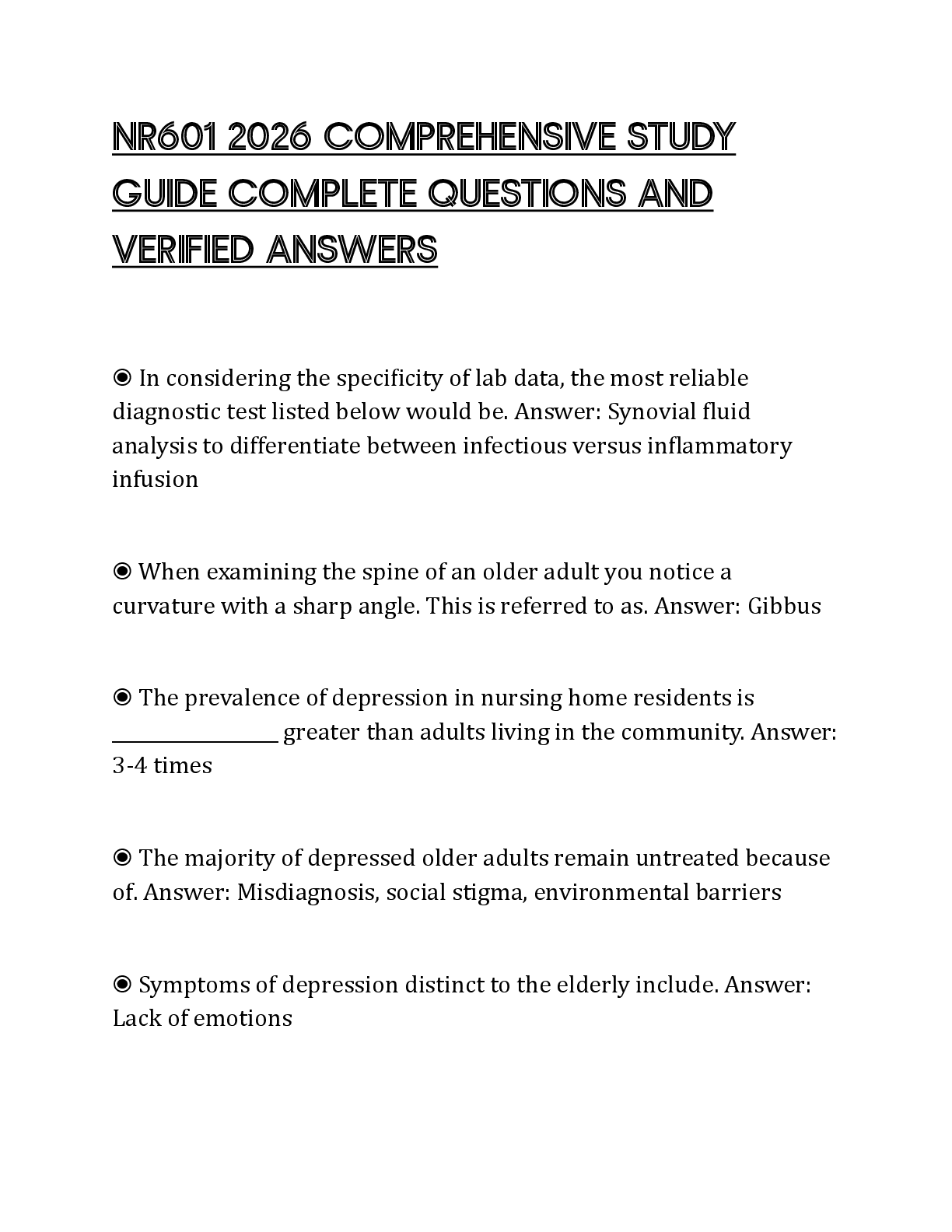
Acanthosis nigricans
A sign of insulin resistance that can be seen in African Americans
associated with colon cancer, obesity and DM
Delirium treatment- (Kennedy p. 560).
Identify causes, prevent delirium though complications of identified disorders. \
Focus on safety.
Frequent reassurance and re-orientation.
First generation --haloperidol.
Second generation (olanazapine, risperidone, ziprasidone and quitiapine) antipsychotics to control behavioral
symptoms.
Essential tremor vs. Parkinson’s Disease
Essential tremor is an action tremor 6 to 8 Hz, Parkinson’s tremor is a resting tremor which is 3 to 6 Hz.
(Kennedy p. 425)
Seizure causes
In older adults stroke is the most common underlying cause of seizures.
Other causes include neurodegenerative disorders, brain tumors and head injuries. (Kennedy p 438)
Hospice & palliative care-
Hospice:
o Last 6 mos of life. Uses palliative care principles to support pt and family. Includes bereavement services.
Covered by Medicare/Medicaid, most private insurance. Interdisciplinary care, medical service, supplies,
drugs
Palliative Care:
o To relieve pain and improve QOL. Used early in dz process. Interdisciplinary Care. Provides care for the
entire dz process, from diagnosis to death, including bereavement services.
Pain-
Pain assessment tools:
o Visual Analogue Scale
o Numerical Analogue Scale
o Wong Baker FACES
o Pain Assessment in Advanced Dementia scale
Types of pain:
o Somatic,
o Visceral,
o Neuropathic
Framework for pharmacological interventions for pain:
The WHO Step Ladder
o 1st step: NSAIDs and Tylenol for mild pain
o 2nd step: Opioids added, usually with APAP for moderate to severe pain with functional impairment and
or decreased QOL
o 3rd step: Opioid pain meds, sometimes around the clock for severe pain
Adjuvant meds:
o Tricyclic antidepressants, Nortriptyline, Desipramine, Duloxetine, Gabapentin, Pregabalin, Lidocaine 5%
patch, Capsaicin cream, Corticosteroids, Calcitonin, Baclofen
Pain management in elderly
Delirium vs. dementia-
Delirium-
o rapid onset (hours to days).
o Poor memory, disorientation, speech disturbance, perceptual disturbance.
o Typically fluctuates over course of day.
5o History may reveal cause-medical condition, intoxication or withdrawal, use of med, toxin exposure or
combination. (Kennedy 558).
Dementia-
o Alz Disease most common.
o An acquired persistent intellectual impairment with compromise in multiple spheres of mental activity.
o Signal symptoms: confusion, impaired short-term memory, cog dysfunction.
o Progression is typically slow.
o Could be reversible (secondary to treatable systemic disorder), or irreversible (primarily caused by
progressive systemic or neuro disorder).
o ***hallmark*** anosognosia- the patient is unaware of impairment and denies illness(kennedy, p.562)
o Alz. ChEIs - cornerstone of pharm therapy as acetylcholine is important for brain cell function.
Steps of the grieving process
Grief is the emotional response to loss, Mourning is the outward social expression of loss
Types of grief:
o Anticipatory-experienced before death, can be experienced by everyone including the patient
o Normal- encompasses the typical emotional, physical, cognitive, and spiritual reactions to a loss
o Complicated-chronic, delayed, exaggerated, masked or disenfranchised
Stages of Grief:
o Notification and shock
o Experiencing the loss emotionally and cognitively
o Reintegration
Tasks of grieving:
o Acknowledging the reality of death
o Sharing in the process of working through the pain of grief
o Reorganizing the family system, restructuring the relationship with the deceased, and reinvesting in other
relationships and life pursuits
Kennedy p. 631
Alzheimer’s treatment
Signs and symptoms-
o Preclinical
can last 2-4+ years, impaired memory (excused or covered), poor judgement, decreased
spontaneity, increased social anxiety, insidious instrumental ADL losses (bill paying, money
handling), preserved basic ADLs
o Mild/Moderate-
lasts 2-10 years, obvious memory impairment, overt instrumental ADL impairment, basic ADL
failing, behavioral difficulties, shortened attention span, language difficulty, variable social skills,
supervision required
o Severe-
last 1-2+ years, memory fragments only, no recognition of familiar people, requires assistance
with basic ADLs, reduced mobility, weight loss, fewer troublesome behaviors, infections,
seizures, dysphagia, incontinence, groaning, moaning, grunting
First line pharmacological treatment-
o Cholinesterase inhibitors donepezil (Aricept)
o Memantine (Namenda) added at the moderate to severe stage
Kennedy p 567-568
Sexuality
sundowning
metformin side effects-
GI side effects take with supper. Most patients adjust to these SE. ADVERSE effect- Lactic acidosis. B12
deficiency
Biguanides (Metformin) has become a cornerstone of drug treatment for type 2 disease, based on its proven
efficacy not only in controlling glucose intolerance but also in significantly reducing risk of important macro- and
microvascular outcomes, especially in overweight and obese patients (as found in the UKPDS study referred to
6earlier and below). In glycemic treatment algorithms for type 2 disease, initiation of metformin is recommended
at the time of diagnosis along with diet and exercise.
Mechanism of Action. Metformin differs from the traditional oral hypoglycemics (i.e., the sulfonylureas) in that
it does not stimulate endogenous insulin secretion; rather, drugs of this class enhance tissue responsiveness to
insulin. Consequently, biguanides are less likely to induce hypoglycemia and are particularly effective in the
treatment of overweight patients with tissue resistance to insulin. Biguanides facilitate insulin uptake by
peripheral tissue, especially muscle and liver, and decrease hepatic gluconeogenesis and basal glucose output,
thereby helping to lower fasting glucose levels. Glucose utilization also improves in adipose and intestinal tissues.
The net result is an improvement in fasting and postprandial hyperglycemia. Insulin demand declines as glucose
utilization improves. Serum lipid abnormalities also improve.
Preparations. Metformin is the only biguanide approved in the United States for the treatment of type 2 diabetes.
The drug is rapidly and well-absorbed in the small intestine, with peak plasma concentrations in 2 hours. It is
rapidly excreted unchanged by the kidneys. Impaired renal function (creatinine >1.5 mg/dL in men and >1.4
mg/dL in women) is a contraindication for use, especially at full doses. The drug is not metabolized by the liver.
The original biguanide, phenformin, is no longer marketed because of its associated risk for lactic acidosis and an
excess cardiovascular mortality (see later discussion).
Dosing. The starting dose of metformin is 500 mg once daily with dinner. After 1 week, the dose is increased to
twice daily, given with the two largest meals of the day (usually breakfast and dinner) to minimize gastrointestinal
upset. The dose can be increased by 500 mg every 1 to 2 weeks until treatment goals are met or the maximum
dose of 2,000 to 2,500 mg/d is reached. An extended-release formulation is also available, which can help to
improve compliance.
Efficacy. When used as monotherapy in an obese person with moderate glucose intolerance, metformin’s efficacy
in terms of glycemic control (i.e., lowering fasting glucose and glycosylated hemoglobin levels) is about the same
as that of a second-generation sulfonylurea. Incidence of monotherapy treatment failure is less for metformin than
for glyburide (21% vs. 34% at 5 years). A synergistic effect is achieved when combined with sulfonylurea therapy
in patients who do not respond well to metformin alone. Unlike the sulfonylureas, metformin is effective even in
severe fasting hyperglycemia (>300 mg/dL), indicative of poor beta-cell responsiveness. Plasma triglycerides and
LDL cholesterol levels are decreased. In the UKPDS trial noted earlier, obese patients (>120% of ideal weight)
with type 2 diabetes treated with metformin and attaining target glycemic control achieved clinically important,
statistically significant, sustained long-term reductions in risks of microvascular disease and macrovascular
complications (i.e., myocardial infarction, stroke, and cardiovascular death); all-cause mortality was also
significantly reduced. These findings make metformin one of the few antihyperglycemic drugs with demonstrated
ability to reduce macrovascular risk, the holy grail of diabetes management.
Adverse Effects. The most common side effect of biguanide therapy is dose-related gastrointestinal upset
(nausea, diarrhea, bloating, abdominal discomfort). The risk for serious prolonged hypoglycemia is minimal.
Lactic acidosis represents the most potentially serious adverse effect. One of the original biguanides—phenformin
—was taken off the market by the U.S. Food and Drug Administration (FDA) in 1977 because of its association
with fatal episodes of lactic acidosis. The risk for lactic acidosis associated with metformin is greatest in the
setting of hypoxemia, hypovolemia, and states with decreased tissue perfusion and in renal insufficiency
(creatinine >1.5 mg/dL). Accumulation of the drug secondary to reduced excretion results in impaired hepatic
metabolism of lactate. Other risk factors include binge drinking, use of intravenous radiologic contrast agents,
hepatic failure (lactate is metabolized by the liver), and serious underlying illness, particularly heart failure.Long-
term data on safety have yet to be accumulated. Because insulin secretion is not increased with metformin use,
weight gain does not occur; some patients may even lose weight. Patients who are to undergo a radiologic
procedure that requires intravenous iodinated contrast should have their metformin therapy held for a few days
prior to the procedure and remain well hydrated.
Patient Selection. Based on the landmark results of the UKPDS, obese patients should be considered especially
good candidates for metformin therapy. The drug helps to reverse their insulin resistance, peripheral
responsiveness to insulin improves, and insulin needs decrease, so hyperinsulinism and its adverse effects,
including weight gain, are minimized. The typical candidate is a moderately obese person with type 2 diabetes
who has persistent moderate hyperglycemia (fasting glucose between 140 and 240 mg/dL, glycosylated
hemoglobin >7.0%) despite a full program of diet and exercise. Early addition of metformin is suggested. Other
candidates for metformin include obese patients who do not achieve tight control while taking a sulfonylurea at
maximal doses. In this setting, metformin is added to the oral hypoglycemic program to improve control through
7its complementary mode of action. The sulfonylurea dose is reduced to lessen the risk for hypoglycemia.
Combination therapy is most effective when initiated before the onset of symptomatic hyperglycemia (fasting
glucose >250 mg/dL). Nonobese patients are also reasonable candidates for metformin. Typically, metformin
lowers fasting blood glucose by approximately 20%.Patients who started drug therapy with a sulfonylurea and
become unresponsive to maximal doses have likely exhausted their beta-cell reserve and can be switched to
metformin or considered for exogenous insulin therapy (sometimes in conjunction with metformin). The same
pertains to the severely hyperglycemic obese patient (fasting glucose >300 mg/dL). Some diabetologists use
metformin to supplement an insulin program in obese type 2 diabetics who require large insulin doses and have
difficulty losing weight. The combined program helps to reduce insulin requirements and the appetite stimulation
and weight gain that accompany hyperinsulinism. Caution and careful patient monitoring are required when a
patient taking exogenous insulin is started on metformin; the insulin requirement may drop considerably, putting
the patient at risk for hypoglycemia. Use in pregnancy is not associated with major congenital malformations.
ACC 2017 Guideline for High Blood Pressure in Adults-
2017 HTN guidelines
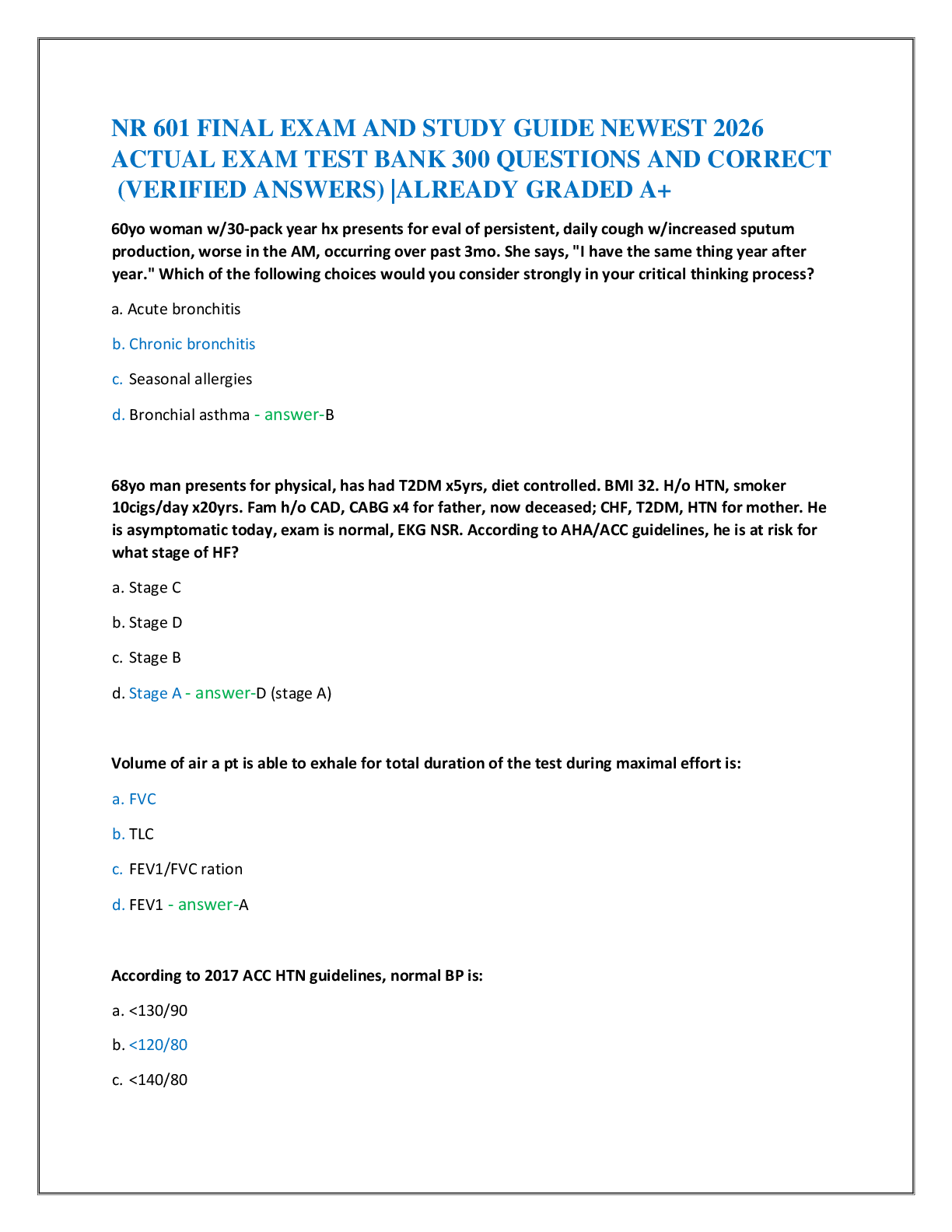
Normal BP is defined as <120/<80 mm Hg
Elevated BP 120-129/<80 mm Hg
Hypertension stage 1 is 130-139 or 80-89 mm Hg
Hypertension stage 2 is ≥140 or ≥90 mm Hg.
Acute prostatitis kennedy 380.
lower urinary tract symptoms-
o frequency, pain on urination or pain increasing with urination.
Acute bacterial prostatitis-
o presence of more than 10 WBC per high power field on mid-stream urine collection.
If acutely ill, hospitalization.
o Treat with Cipro 500mg BID x 10 days or Levaquin 500mg daily x 10 days.
o Choose a fluroquinolone - it penetrates prostate tissue well.
Education
o May need a stool softener. Repeat UA is recommended. Avoid anal intercourse. Use condom to prevent
reintroduction of bacteria into urethra.
Beta blocker side effects in diabetics-
Can mask the symptoms of hypoglycemia
How to diagnosis HF and COPD via CXR findings-
Chest x-ray: for COPD
o This exam can help support the diagnosis of COPD by producing images of the lungs to evaluate
symptoms of shortness of breath or chronic cough.
o While chest x-rays may not show COPD until it is severe, the images may show enlarged lungs, irregular
air pockets (bullae) or a flattened diaphragm.
o A chest x-ray may also be used to determine if another condition may be causing symptoms similar to
COPD. (Malone 207) –
o chest X-ray in advanced COPD with emphysema May reveal hyperinflation bullae or blebs and a flat
hemidiaphragm.
OA
HF stages-
ACCF/AHA STAGES:
o A: At high risk for HF w/o structural heart Dz or Sx
o B: Structural heart dz w/o s/sx of HF
o C: Structural heart dz w/ prior or current sx of HF
o D: Refractory HF requiring specialized interventions
New York Heart Association classes-
o I No limitation of physical activity. Ordinary physical activity does not cause undue fatigue, palpitation,
dyspnea (shortness of breath).
o II Slight limitation of physical activity. Comfortable at rest. Ordinary physical activity results in fatigue,
palpitation, dyspnea (shortness of breath).
8o III Marked limitation of physical activity. Comfortable at rest. Less than ordinary activity causes fatigue,
palpitation, or dyspnea.
o IV Unable to carry on any physical activity without discomfort. Symptoms of heart failure at rest. If any
physical activity is undertaken, discomfort increases.
Causes for insomnia –
Anxiety, stress, and depression are some of the most common causes of chronic insomnia.
Having difficulty sleeping can also make anxiety, stress, and depression symptoms worse.
Other common emotional and psychological causes include anger, worry, grief, bipolar disorder, and trauma.
Prescription for insomnia –
Avoid caffeine for 12 hours before bedtime, d/c alcohol and unnecessary sleep interrupting drugs, OTC melatonin
RX ramelteon can be tried, if ineffective initiate a short acting sedative-hypnotic such as zolpidem (Ambien) or
zaleplon (Sonata) for 1 week or less
If a benzodiazepine is used, temazepam (Restoril) is relatively short acting
Approved pharmacological therapy includes temazepam for sleep onset insomnia, eszopiclone (Lunesta) for sleep
onset and sleep maintenance, zolpidem CR and zolpidem for sleep maintenance, and saleplon and ramelteon for
sleep onset insomnia
Kennedy p 597-588
TABLE 232–4 Effective Drugs for Insomnia
Agent (Brand Name) Onset
Duration Dose
(mg)
Benzodiazepine
receptor agonists
Zaleplon (Sonata)a Rapid
Zolpidem (Ambien)a Rapid
Zolpidem (Ambien
CR)a
Zolpidem
(Intermezzo)
(sublingual)
Zolpidem (Zolpimist)
(oral spray)
Rapid
Rapid
Rapid
Eszopiclone (Lunesta) Rapid
Benzodiazepines
Triazolam (Halcion)a Rapid
Diazepam (Valium)a Rapid
Estazolam
Rapid–
Intermediate
Short
Long
0.124–
0.25
2–5
Intermediate 1–2
Quazepam (Doral)a Intermediate Long
15
9
$ ($$)
$ ($$)
$
$$ ($$$$)
Short
Short–
intermediate
5–10
5–10
Intermediate 6.125–
12.5
Very short
Short
Short–
intermediate
1.75–
3.5
10
1–3
Relative
Cost
(Brand)
May impair AM performance; ?
anterograde amnesia; modest potential for
abuse, withdrawal, dependence; drug–drug
effects
$ ($$$$) May be used for awakenings at night;
possible interaction with inducers of CYP
3A4
$ ($$$$)
Potential interaction with inducers of CYP
3A4
$$$ ($$$$) Intermediate-release preparation; greater
risk of morning sedation
$$$$
$$$$
$$$$$
Sublingual, for middle-of-night awakening
? Faster onset of action; ease of use might
lead to excess dosing
Bad taste, potential interactions with
ketoconazole, nefazodone, and inducers of
CYP 3A4
Potential for dependence, tolerance, abuse,
rebound insomnia, psychomotor retardation
Anterograde amnesia
Generic only
CommentsFlurazepam
(Dalmane)a
Intermediate Long
Lorazepam (Ativan)a Intermediate
Clonazepam
(Klonopin)a
15–30 $ ($$$)
Intermediate 1
$ ($$$)
Intermediate Long
Oxazepam (Serax)a Intermediate–
slow
Temazepam
(Restoril)a
Melatonin Receptor
Agonists
Ramelteon (Rozerem) Rapid
Antidepressants
Doxepin (Silenor)
Short
8
$$
Intermediate–
slow
Short–
intermediate
0.5–1.0 $ ($$)
10–15 $$ ($$$)
Intermediate 15
$ ($$$)
No potential for abuse
Rapid
Long
3–6
$$$
GOLD criteria- Malone 207)
Gold standard = Spirometry for measuring airflow limitation.
o GOLD Classification (post bronchodilator FEV1)
o GOLD1 (mild): FEV1 > 80% predicted
o GOLD2 (Moderate): 50-79% predicted
o GOLD 3 (Severe): 30-49% predicted
o GOLD 4 (Very Severe): FEV1 < 30% predicted
Treatment = individualize according to stages, cormorbidities, and patient goals. Treatment is targeted towards
improvement of health status, And functional status, prevention of disease progression avoidance of exacerbations
or complications prevention of treatment side effects and management of exacerbation. COPD management
program
Risk factor reduction.
Assessment and monitoring.
Stable chronic management.
Management of exacerbation.
Smoking cessation is the most effective cost effective intervention and should be promoted every visit.
No current drug therapy has proven to influence the progressive decline of COPD.
Malone 208 - inhaled bronchodilators maybe useful and stable COPD patients.
Arrhythmia evaluation
SIG-E-CAPS-
S: sleep (insomnia or hypersomnia)
I: interests (diminished interest or pleasure);
G: guilt: (excessive or inappropriate guilt; feeling worthless);
E: energy (loss of or fatigue);
C: concentration (diminished concentration or indecisiveness);
A: appetite (decrease or increase; weight gain or weight loss);
P: psychomotor retardation/agitation (move slow, agitated, restless);
S: suicide (recurrent thoughts of death, ideation, or attempt)
DEXA scan results findings- (Pg 499)
10
Very-low-dose preparation may be helpful
in elderly with chronic insomnia.• BMD measurement is expressed as the number of standard deviations from the mean for normal young adults of
the same sex (T-score) and as the number of standard deviations from the mean for persons of the same sex and
age (Z score).
• The World Health Organization diagnostic criterion for osteoporosis is a T-score of less than -2.5. Osteopenia is
defined as a T-score between -1.0 and -2.5. A Z score of less than -1.5 suggests a secondary cause of osteoporosis
• Osteoporosis: -2.5 or lower
• Osteopenia: -1 to -2.5 (lower than normal bone density w/o full osteoporosis)
Anxiety treatment-
• Treatment for anxiety should reduce symptoms and improve functioning.
• Simply listening, being compassionate, and showing respect are important to improving outcomes. Treat
comorbid depression and medical conditions that cause anxiety.
• There are no large-scale studies of pharmacotherapy for late-life anxiety disorders to guide treatment decisions.
• Start low and go slow with medication dosing to avoid risks from drug interactions, because older adults are more
likely to take many medications and may have side effects from aging changes in absorption, metabolism,
distribution, and excretion of medication.
• Evaluate and manage side effects, because as many as 25% of patients stop taking medication in the first 6 months
due to side effects.
• First-line treatment is the selective serotonin reuptake inhibitors (SSRIs)
o citalopram (Celexa), escitalopram (Lexapro), and sertraline (Zoloft). In older adults, they have the least
risk of drug interactions, side effects, or worsening existing medical conditions.
o Benzodiazepines, including lorazepam (Ativan), alprazolam (Xanax), and clonazepam (Klonopin), are
effective according to research but are not the first choice due to the risk of falls and confusion. Research
supports referral to psychotherapy for older adults, but this recommendation is limited to GAD and no
other anxiety disorders (American Psychiatric Association, n.d.; Cassidy & Rector, 2008; Hollander &
Simeon, 2008; Lenze et al., 2005; Lenze & Wetherell, 2009; Mohlman, 2005; National Institute of Mental
Health, n.d.; Stanley et al., 2003; Wetherell, Lenze, & Stanley, 2005; Wetherell, Sorrell, Thorp, &
Patterson, 2005). (Kennedy-Malone 553-554)
**************************************************************************************************
FINAL EXAM NR 601 (Thanks Lisa Trevino!) The test covers weeks 1-8 content. 25% is weeks 1-4. 75% is weeks 5-8
Week 1 topics include:
Aging (Chapter 1)
Exercise (Chapter 3)
Chest disorders: COPD, bronchitis
Week 1 presentations
In week 1 the required readings included:
The physiologic changes of aging, Exercise, Polypharmacy
Chest disorders were discussed in Kennedy-Malone et al Chapter 8 as well Gorroll
Week 1 presentations
WEEK 2
• Cardiac
• Polypharmacy
• Guidelines:
– 2017 ACC/AHA guidelines for management of heart failure
– 2013 ACC/AHA guideline on the treatment of blood cholesterol to reduce atherosclerotic cardiovascular
risk in adults
– 2017 blood pressure guidelines
– Beers Criteria
Week 2 topics included cardiac concerns
Polypharmacy
112017 ACC/AHA guidelines for management of heart failure
2013 ACC/AHA guideline on the treatment of blood cholesterol to reduce atherosclerotic cardiovascular risk in adults
2017 ACC/AHA HTN guidelines
Beers criteria- its purpose
New York Heart Association functional classifications for heart failure (Gorroll)
WEEK 3
Health Promotion
prevention
education
Mental health
Insomnia
Health promotion is discussed in Kennedy-Malone Chapter 2. Review vaccine recommendations, organisms responsible
for outbreaks and patient education. Know the types of prevention: primary, secondary and tertiary.
Mental health: review required readings and presentation
Anxiety & Depression
Somatic complaints, screening tools, mnemonics, contributing factors, appropriate labs: purpose and rationale and goals
of treatment.
Note symptoms and factors that are distinct to the elderly.
Know first line treatments
Insomnia: know the types of insomnia and recommended first line treatments.
WEEK 4
Osteoporosis
Polymyalgia rheumatica
Rheumatoid arthritis
Osteoarthritis
Pain
Review Chapter 12 of Kennedy –Malone et al
Osteoporosis- review assigned readings and the recorded lecture. Know signs and symptoms, diagnostic tests and
treatment
Polymyalgia rheumatica and Rheumatoid arthritis, osteoarthritis
- signs and symptoms, diagnostic tests and treatment
Review the types of pain, common treatments
WEEK 5
In week 5 the focus was diabetes.
Review the presentation
Know the risk factors – modifiable and nonmodifiable
Physical exam findings
Know the appropriate screening tests- this is based on the ADA guidelines which you reviewed when you completed the
case study.
Interpret screening test results and the appropriate next step.
Appropriate diagnoses: prediabetes, diabetes type 2
Common medications, medication side effects. Education for side effects
Review the complications and which are most common.
Know recommended referrals for diabetic patients.
Review the ACC 2017 Guidelines for assessment and treatment of BP in diabetic patients. This includes BP ranges and
appropriate first line recommendations for diabetic patients.
WEEK 6
12Week 6 GU and GYN Disorders
• Sexuality
– Kennedy Chapter 11- Disorders: Erectile dysfunction, atrophic vaginitis, GSM, BPH
Urinary
UA dip interpretation
Sexuality lecture
Kennedy Chapter 11 covered urological and gynecological disorders
Diagnose and initial treatment for a UTI, treatment for multiple UTIs
These included atrophic vaginitis, BPH, ED, prostate cancer and prostatitis.
Know the pathophysiology, presenting signs and symptoms, physical exam findings, appropriate next step, appropriate
treatments and follow up recommendations
Side effects of medications
Eg: BPH has treatment recommendations based on severity.
Incontinence” types of incontinence
WEEK 7
• Delirium & Dementia
• Stroke, TIA, seizures
• Tremor
Elder Abuse
Kennedy Malone readings and lecture
Delirium and dementia: causes, signs and symptoms. What differentiates between the two. Appropriate screening tools.
Treatment options
Common comorbid condition
Kennedy Malone and other required reading
CVA and TIA, tremor Seizures
Parkinson's including the information within differential diagnoses. Medication classes used for treatment.
Alzheimer’s disease signs and symptoms, first line treatment.
Delirium and dementia: causes, presenting signs and symptoms. Risk factors. What differentiates between the two.
Appropriate screening tools. Treatment options
Common comorbid conditions.
Screenings: best screening test for delirium, MiniCog- know how the test is performed and how to interpret the results
Tremor: differentiate types of tremors
Elder abuse: signs of abuse, provider responsibility in reporting abuse
Week 8
• Palliative Care, Hospice, Pain, Grief
Review the presentation & Chapter 21
Pain: types of pain, pain management, the WHO step ladder
___________________________________________________________________________________________
Week 1 video & lesson notes (taken directly from videos- refer to lesson videos for sources):
Leading causes of death in Older Adults > 65 y/o: Heart disease, cancer, and chronic lower respiratory
disease
Ask older adults specifically about chronic pain; they may not volunteer the info.
Chronic pain is not a normal effect of aging.
Functional assessment, pain assessment, and med review on all patients- especially elderly
COPD is the #1 cause of chronic morbidity & mortality worldwide & the 3rd
leading cause of US death
COPD risk factors- smoking; occupational & environmental exposures; severe childhood lung infections;
GERD, TB, low socioeconomic status
Alpha-1 antitrypsin deficiency- extremely rare COPD cause; mostly of northern European heritage.
13 GOLD criteria- consider COPD in anyone with dyspnea, chronic cough or sputum production or above risks
COPD- expiratory labor
COPD PE: WNL early on then lung hyperinflation, decreased BS, basilar wheezing, distant S1S2 r/t
hyperinflation; cyanosis, clubbing, pursed lip breathing, accessory muscles, posturing (lean forward), JVD
CAT- 8 items; measure COPD health status impairment
CPQ- clinical COPD questionnaire; self-administered; measure clinical control of patients with COPD
MMRC questionnaire (Modified British Medical Research Council) breathlessness measurement- relates to
other health measures & predicts mortality risk for COPDer
CAT, CPQ, MMRC are all adapted from GOLD guidelines
Spirometry is the gold standard for diagnosing COPD – do on anyone with s/s > 40 years old- showing
persistent airflow limitation
Diagnostic aids: CXR, ABG, Alpha-1 angiotrypsin level, high-resolution chest CT, lung volumes and diffusing
capacity, pulse ox, exercise testing, and composite scores
Stage & severity of COPD based on spirometry pre-& post bronchodilator
COPD mgt goals: 1. Id. disease severity (airflow limitation) 2. Id. Health impact of COPD 3. Future event risk
GOLD COPD stage Spirometry classification (2014)
Stage
FEV1:FV
C
Mild
Moderate
Severe
<0.70
<0.70
<0.70
Very severe <0.70
FEV1
> or = 80% of predicted value
50-79% of predicted value
30-49% of predicted value
< 30% of predicted value OR < 50% of predicted value with chronic
respiratory failure
Pulmonary Differential Diagnoses for COPD/ other:
Asthma, Bronchogenic carcinoma, Bronchiectasis, TB, CF, Interstitial lung disease, Bronchiolitis obliterans,
Alpha-1 antitrypsin deficiency, Pleural effusion, Pulmonary edema, Recurrent aspiration,
Tracheobronchomalacia, Recurrent pulmonary emboli, foreign body
Non-Pulmonary Differential Diagnoses for COPD/ other:
HF, hyperventilation syndrome/ panic attacks, vocal cord dysfunction, undx OSA, Aspergillosis, chronic fatigue
syndrome
Med management of COPD:
1. Bronchodilators – don’t slow COPD progression; do increase airflow, decreased WOB, Imp. exercise tol.
2. Bronchodilators
a. Beta 2 agonists (LABA, SABA)
i. MOA- Stimulate Beta2 adrenergic receptors, increasing cyclic AMP & relaxing airway smooth
muscle
ii. Adverse effects- tachycardia, palpitations, tremors, cramping, insomnia, hypokalemia, prolonged
QT, interval hyperglycemia
iii. levalbuterol no advantage over albuterol (per her; in real life levalbuterol has less cardiac effects)
b. Anticholinergic aka antimuscarinic (long-acting , short-acting )
i. MOA- blocks effect of acetylcholine on muscarinic-type 3 receptors; thus, bronchodilation
ii. dry mouth and constipation
c. Combinations – slightly increased bronchodilation than either agent alone
d. Oral bronchodilator- Theophylline- use if symptoms with inhalers or can’t afford inhalers
14i. Concerns re: toxicity (elderly – hallucination, tachycardia, liver disease, HF) & drug interactions
(CYP 1A2, CYP 3A4)
ii. Therapeutic range (5-12 mcg/mL)
iii. Use slow-release (generic available)
3. Oral corticosteroids
a. Poor predictor of long-term response to inhaled steroids in COPD
b. Long-term po steroids not recommended for stable COPD. Add inhaled steroids to inh bronchodilators
with severe COPD or frequent exacerbation.
c. Improve exacerbation frequency, QOL, hospitalization rates- doesn’t slow COPD progression
d. Need to use with a LABA for COPD patients
4. Inhaled corticosteroids (ICS)
a. ICS monotherapy is only FDA approved for treatment of asthma, not COPD
b. Adverse reaction- candidiasis and dysphonia – RINSE after use
c. Systemic absorption with high doses (1,000 mcg/d)- bruising, cataracts, reduced bone mineral density.
d. Increased pneumonia risk & LABA+ICS no real improvement in exacerbation frequency
e. Save ICS for severe COPD - FEV1 of less than 50% predicted
5.
Improve spirometry use, Vaccinations (pneumaVAX <55 if smoker/ 65+ if non-smoker), Pulmonary
rehabilitation, COPD registry, quit smoking, diet/exercise
Agent (Trade name)
Albuterol (ProAir, Ventolin,
Proventil)
Levalbuterol (Xopenex)
Salmeterol (Serevent)
Formoterol (Perforomist)
Arformoterol (Brovana)
Ipratropium (Atrovent)
Titotropium (Spiriva)
Agent class
SABA
SABA
LABA
LABA
LABA
SAMA
LAMA
Albuterol + Ipratropium (DuoNeb) SABA+SAM
A
Fluticasone/ salmeterol (Advair)
Budesonide/ formoterol
(Symbicort)
Mometasone/ formoterol (Dulera)
Inhaler type (mcg/puff)
Dose/frequency
MDI (Metered dose) (90)
1-2 inh Q4-6 hrs PRN
MDI (45)
1-2 inh Q4-6 hrs PRN
DPI (Dry powder) (50)
1 inh BID
DPI (12)
1 inh BID
N/A
MDI (17) 2 puffs q6h
DPI (18) 1 inh (DPI)/2
inhalations (SMI-soft mist)
QD
MDI (90+18) 1 inh QID
ICS + LABA DPI (100/250/500+50) 1 inh
BID
ICS + LABA MDI (80/160 + 4.5) 2 inh BID
ICS + LABA MDI (100/200 + 5)
NOT FDA ap for
COPD (just asthma)
Lesson Link to GOLD guidelines https://goldcopd.org/ and
https://lms.courselearn.net/lms/CourseExport/files/bb47abfc-cc87-411a-8365-
8471f7735d90/Asthma_and_COPD.pdf differentiating asthma and COPD
Great COPD link: https://www.healthquality.va.gov/guidelines/CD/copd/VADoDCOPDPocketCard.pdf
15
Nebulizer Solution
0.63, 1.25 mg/3 mL;
2.5 mg/0.5 mL;
2.5 mg/3mL
0.31, 0.63, 1.25
mg/3mL
N/A
20 mcg/ 2 mL
15 mcg/2 mL
0.5 mg/2.5 mL
N/A
2.5+0.5 mg/3mLSpirometry measures:
Flow loops indicate validity of results, but flow loops WILL NOT be on boards or tests – just included
them because they help make sense of the changes in values
Spirometry- tech enters age, weight, race, sex & height - when looking at results you don’t need this- it’s pre-
calculated in the results
Spirometry Results and GOLD classifications:
Normal values
16
GOLD classifications post bronchodilatorFEV1 (step 2 grade severity)
FEV1
80% to 120%
GOLD 1 mild FEV1 > = 80% predicted
GOLD 2 moderate FEV1 50% to 79%
predicted
GOLD 3 severe FEV1 30% to 49% predicted
GOLD 4 Very severe FEV1 < 30% predicted
FVC
FEV1/FVC ratio
(step 1 = determine if
obstruction)
80% to 120%
> 70% (no
obstruction)
Step 3- Reversibility?
A. Test spirometry pre and post bronchodilator (SABA or SAMA)
B. Post testing is 10-15 minutes after SABA/SAMA
C. ATS criteria: “significant response” is > = 12% FEV1 or FVC improvement and an absolute improvement
of > = 0.2 L
D. : “significant response” indicates asthma (due to reversibility)
Interpreting PFT results
Step 1: Check the ratio to see if obstruction exists. Is FEV1/FVC low? <70 = Obstructive defect or COPD
Step 2: grade severity with FEV1 post bronchodilation to classify by GOLD criteria
GOLD 1 mild FEV1 > = 80% predicted
GOLD 2 moderate FEV1 50% to 79% predicted
GOLD 3 severe FEV1 30% to 49% predicted
GOLD 4 Very severe FEV1 < 30% predicted
Step 3- Reversibility Is there a 12% FEV1 or FVC increase post bronchodilation? Yes = reversible
TYPICAL PNEUMONIA SYNDROME- (see lesson;Hutt & Kramer, 2002; Furman, Rayner, & Tobin, 2004):
Fast fever, cough = new/worse; purulent sputum (rusty, green), pleuritic CP; Lobar infiltrate on chest X-ray (day
2+ - may become infiltrates) indicating pulm consolidation; Consider Streptococcus pneumoniae & other
bacterial pathogens
ATYPICAL PNEUMONIA- (see lesson; Hutt & Kramer, 2002; Furman, Rayner, & Tobin, 2004):
Gradual fever, dry cough, min secretions, HA, malaise, myalgias, pharyngitis, GI distress. crackles (rales);
Abnormal or patchy chest X-ray pattern. Consider mycoplasma or chlamydia, pneumoniae, or oral anerobes.
Viral pneumonia may be atypical in presentation.
Helpful images below from this video (Thanks to Nicole Popovich-Johnson): youtube spirometry video link
17FVC essentially same as VC
FVC essentially same as VC.
In obstructive lung disease, the graph (image above left) shifts to the left due to increased RV (because of air
trapping); VC stays same but TLC increases due to increased FRC and increased RV. line
R upper image below – Dotted line is the normal lung, solid lines (shifted left) are obstructive lung spirometry.
Restrictive lung disease = lungs don’t fully expand; reduced lung volume & TLC (sarcoidosis, pneumoconiosis,
Interstitial lung disease i.e. pulmonary fibrosis; Neuromuscular disease, i.e. MD or ALS); graph shifts to right to
due to decreased TLC; In restrictive FEV1/FVC is not as affected as in obstructive disorders
*******************************************************************************************
18Week 2 notes: BPH and BP: Alpha blockers include doxazosin mesylate (Cardura), prazosin hydrochloride (Minipress), and terazosin hydrochloride (Hytrin); If we start on alpha blocker, they should follow up in 4-6 weeks.
PROSCAR (finasteride): inhibitor of steroid Type II 5α-reductase, an intracellular enzyme that converts the androgen testosterone into 5α- dihydrotestosterone (DHT). For BPH & male pattern baldness.
19
[Show More]





 GRADE A SOLUTION.png)


x.png)