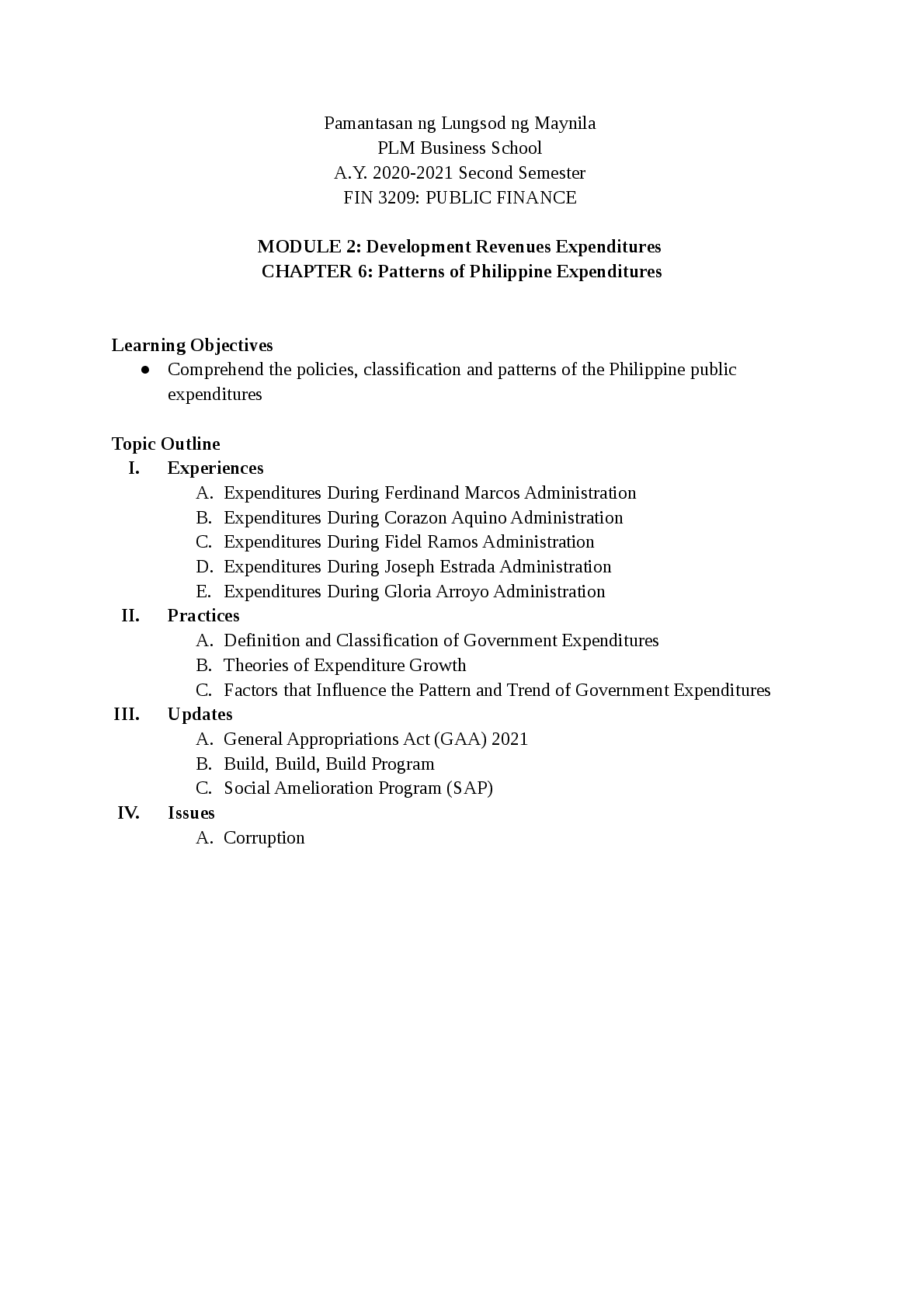
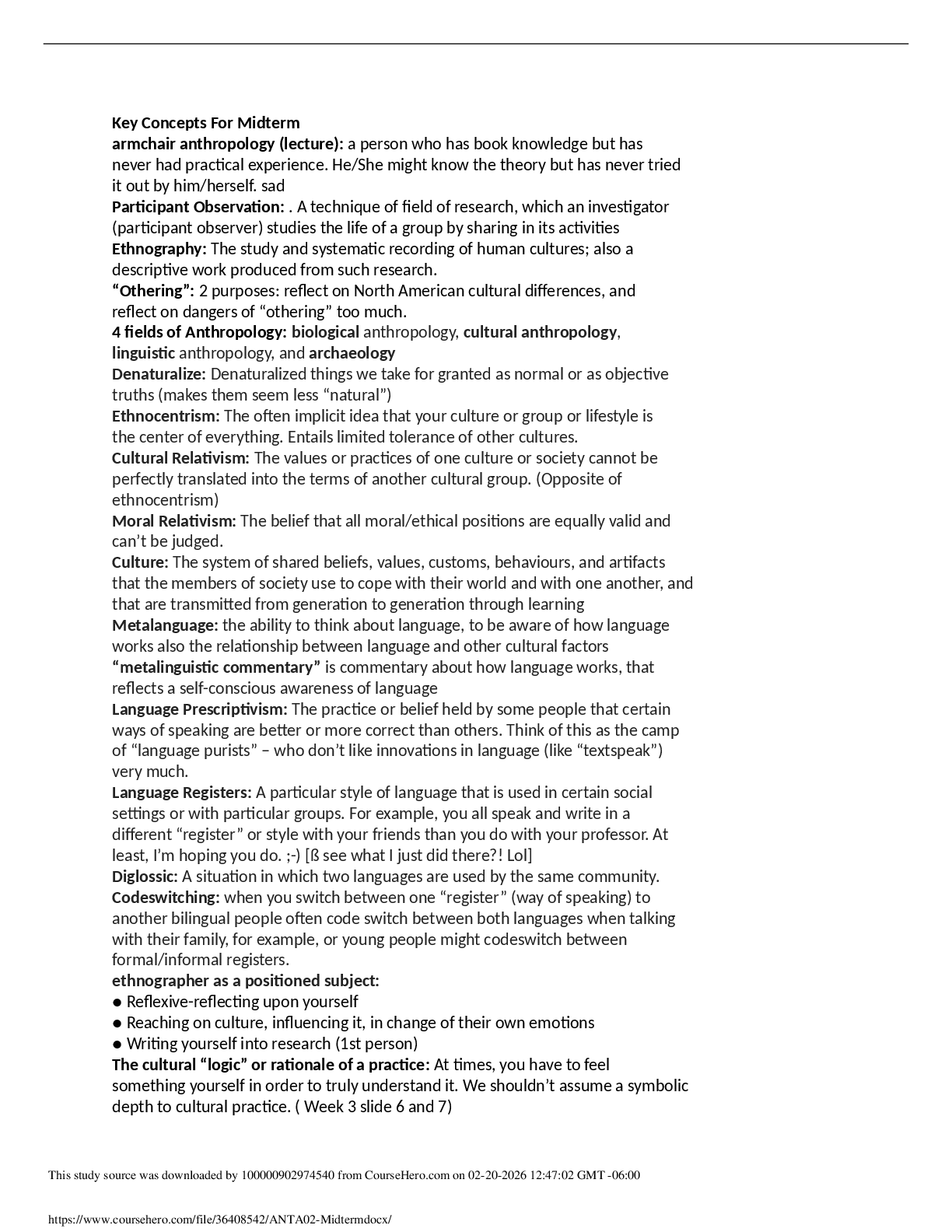
Management > STUDY GUIDE > MGMT 339 Study Outline - Exam 3 - Mngmt 339. The final Exam Study Guide. (All)
MGMT 339 Study Outline - Exam 3 - Mngmt 339. The final Exam Study Guide.
Document Content and Description Below
Last updated: 3 years ago
Preview 1 out of 4 pages
Instant download
Buy this Document to get the Full Access Instantly
Provided by Students Who Aced it
We Verify Document Content to Gurantee Accuracy
Reviews( 0 )
Document information
Connected school, study & course
About the document
Uploaded On
Sep 19, 2020
Number of pages
4
Written in
All

Additional information
This document has been written for:
Uploaded
Sep 19, 2020
Downloads
0
Views
169
Topic Tags
Related Subjects & Courses
Explore similar study resources and related concepts.
Recommended For You
Get more on STUDY GUIDE »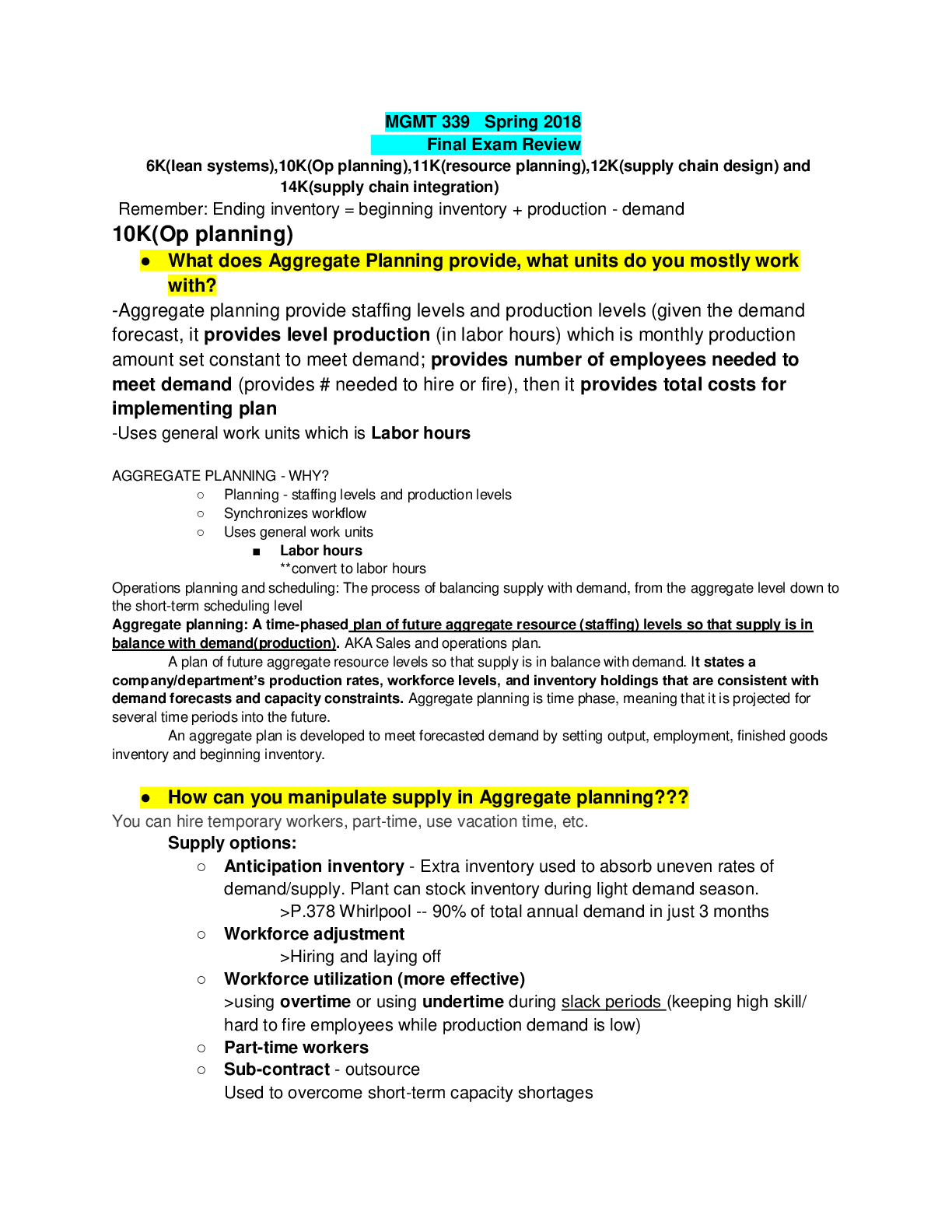
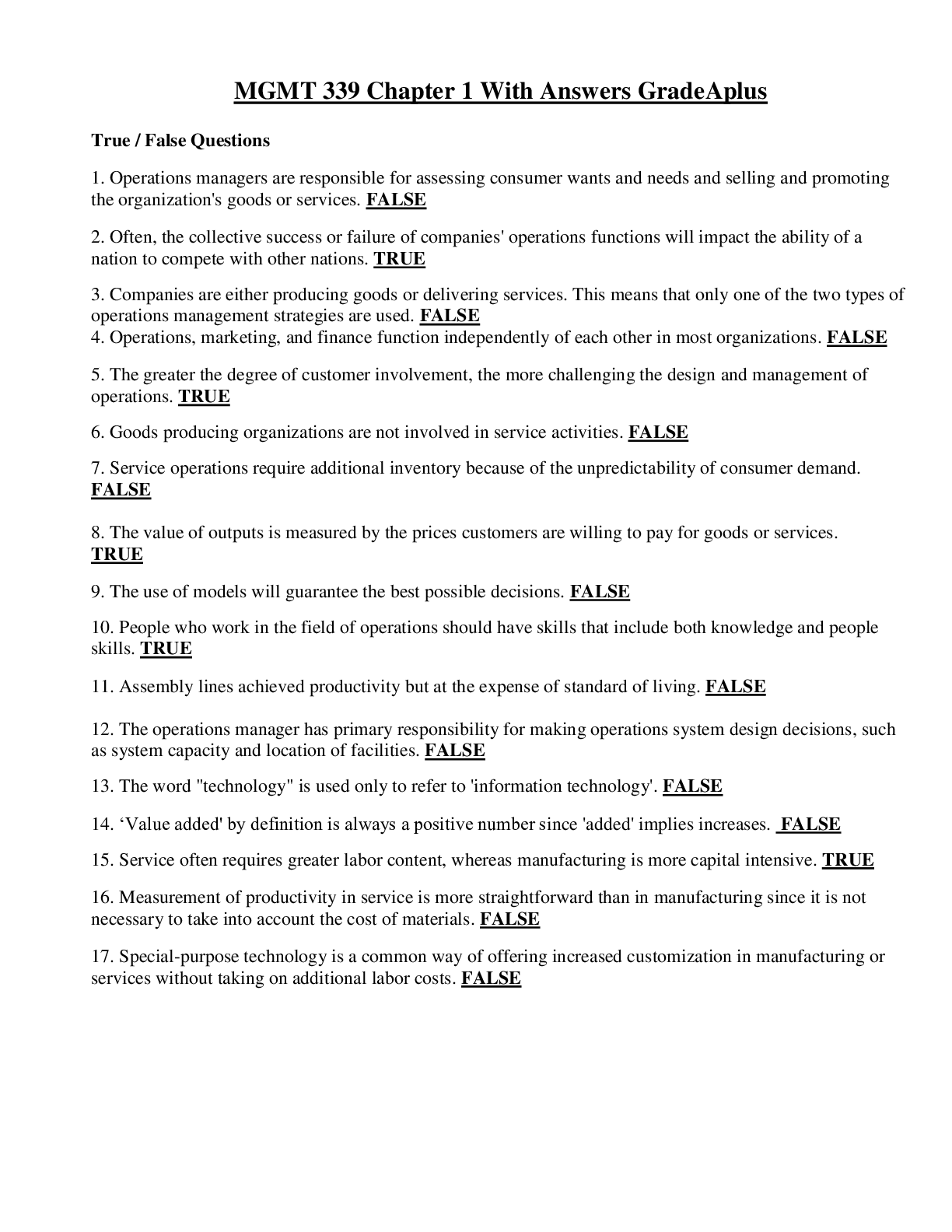
MGMT 339 Spring 2018 -2020 Final Exam Review with complete...

California State University, Fullerton - MGMT 339 FINAL EXAM R...

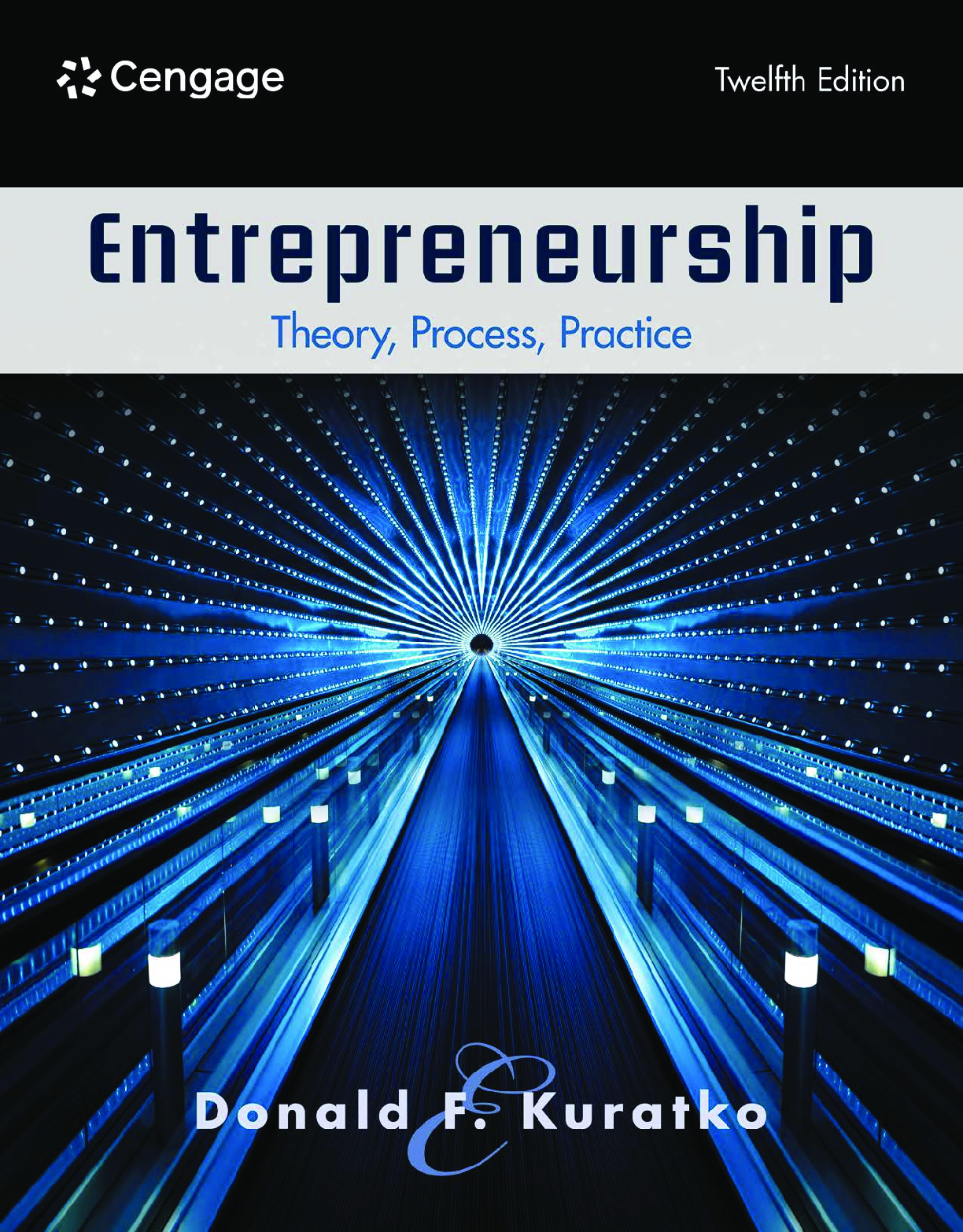
Entrepreneurship Theory Process Practice 12th Edition By Donal...
Test Bank for Strategic Management Concepts and Cases 5th Edit...
Strategic Management 11th Edition By Gregory Dess, Gerry McNam...

Solutions Manual For Foundations of Financial Management 2025...

Test Bank For Foundations of Financial Management 2025 By Stan...

Test Bank For Foundations of Financial Management, 18th Editio...

All Cases For Retailing Management, 11th Edition By Michael Le...