Physics > Lab Report > Florida Atlantic University - PHY 2048LPhysics Lab Report Experiment 6. Collision. 1. Purpose: Verif (All)
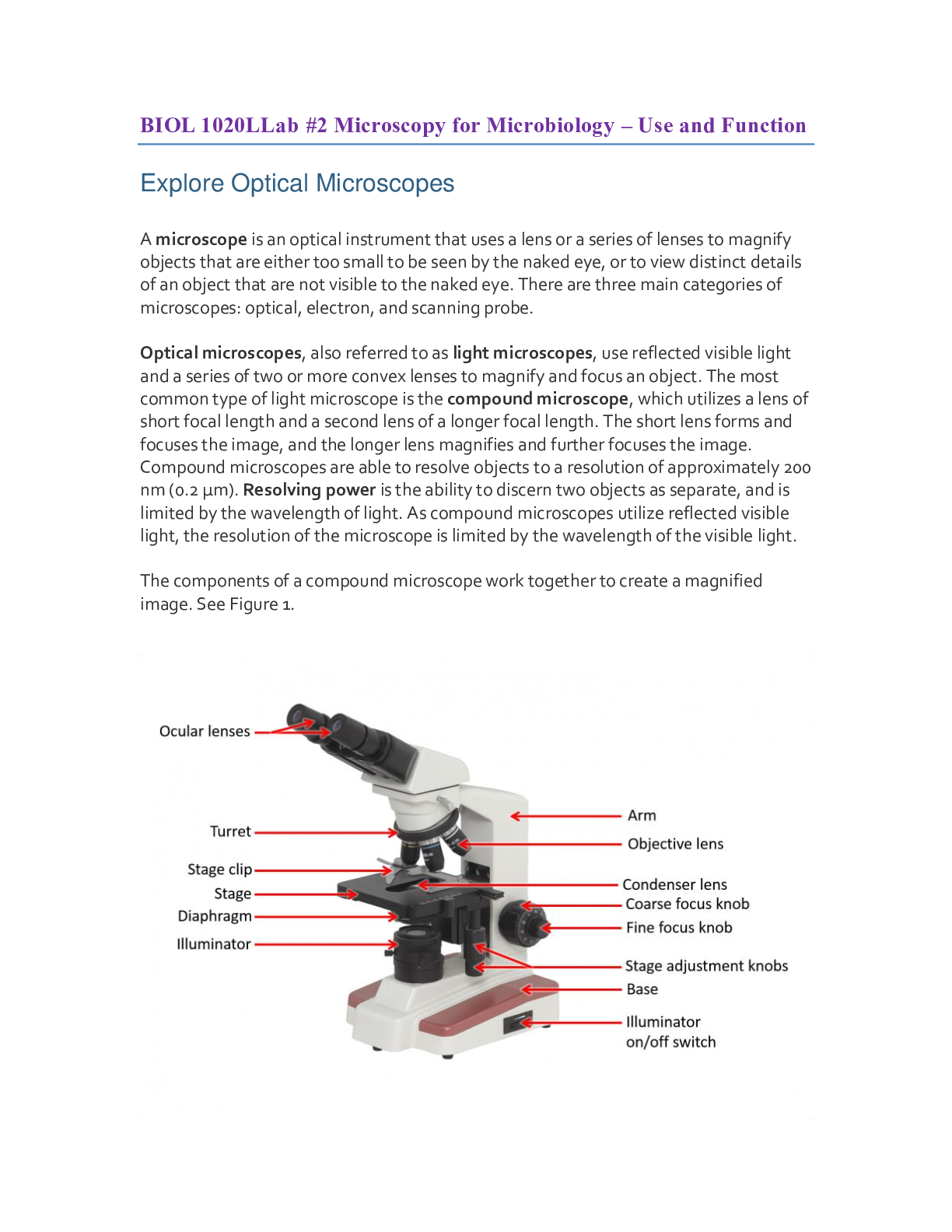
Florida Atlantic University - PHY 2048LPhysics Lab Report Experiment 6. Collision. 1. Purpose: Verify energy conservation law that when the potential energy of a ball is converted to its energy. Study elastic and inelastic collisions between two balls.
Document Content and Description Below
Last updated: 3 years ago
Preview 1 out of 6 pages
Instant download
Buy this Document to get the Full Access Instantly
Provided by Students Who Aced it
We Verify Document Content to Gurantee Accuracy
Reviews( 0 )
Document information
Connected school, study & course
About the document
Uploaded On
Oct 01, 2020
Number of pages
6
Written in
All

Additional information
This document has been written for:
Uploaded
Oct 01, 2020
Downloads
0
Views
452
Topic Tags
Related Subjects & Courses
Explore similar study resources and related concepts.
Recommended For You
Get more on Lab Report »
Florida Atlantic University - PHY 2048LPhysics Lab Report 5. E...
TEST BANK for University Physics with Modern Physics 15th Edit...

eBook College Physics: A Strategic Approach Plus Mastering Phy...
eBook University Physics with Modern Physics 15th Edition By H...
College Physics A Strategic Approach 4th Edition By Knight, Jo...
![Preview of Essential University Physics. Volume 1, 4th Edition By Richard Wolfson [PDF] [eBook]](https://scholarfriends.com/storage/eBook for Essential University Physics.png)
Essential University Physics. Volume 1, 4th Edition By Richard...
E book Introduction to Modern Biophysics 1st Edition by Mohamm...
E book Colloidal Active Matter (Advances in Biochemistry and B...
SOLUTIONS MANUAL for Physics for Scientists & Engineers with M...
SOLUTIONS MANUAL for Physics for Scientists & Engineers with M...
TEST BANK for Inquiry into Physics 8th Edition by Ostdiek All...
University Physics with Modern Physics 15th Edition by Hugh Yo...
SOLUTIONS MANUAL for The Physics of Quantum Mechanics by James...
.png)
LAB Report for Experiment RC Circuits ( well written report )...
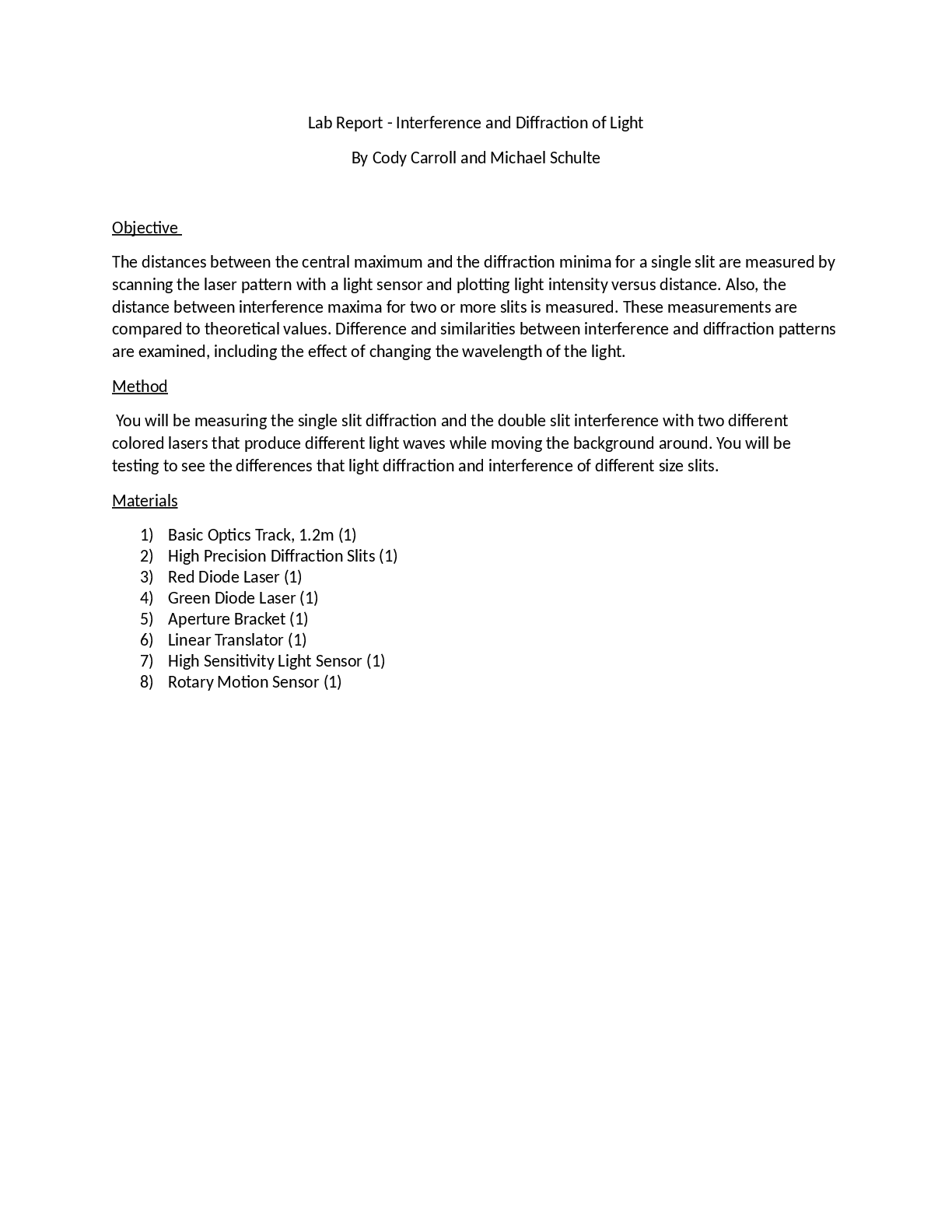
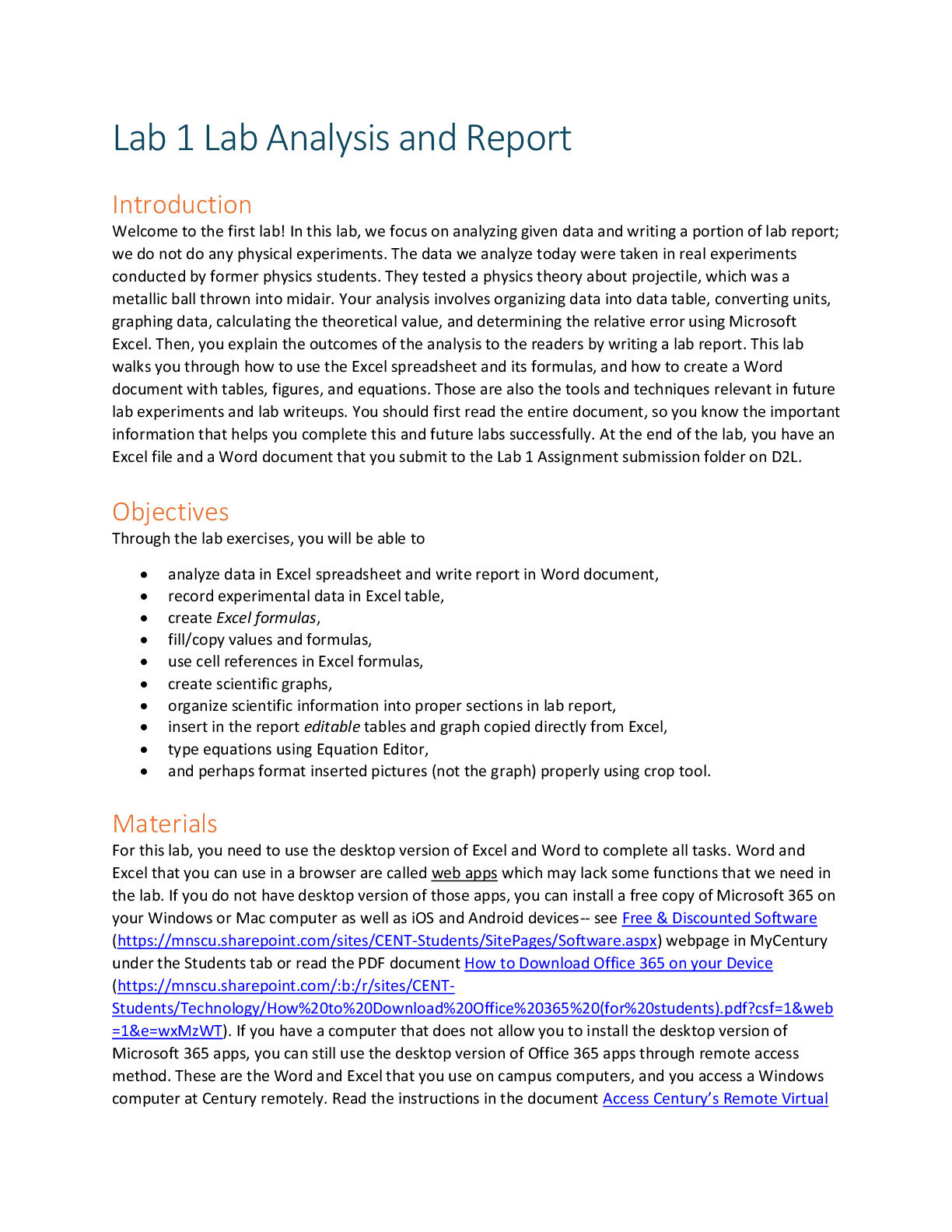
PHYS 1102W Introductory College Physics II Lab 1 Lab Analysis...

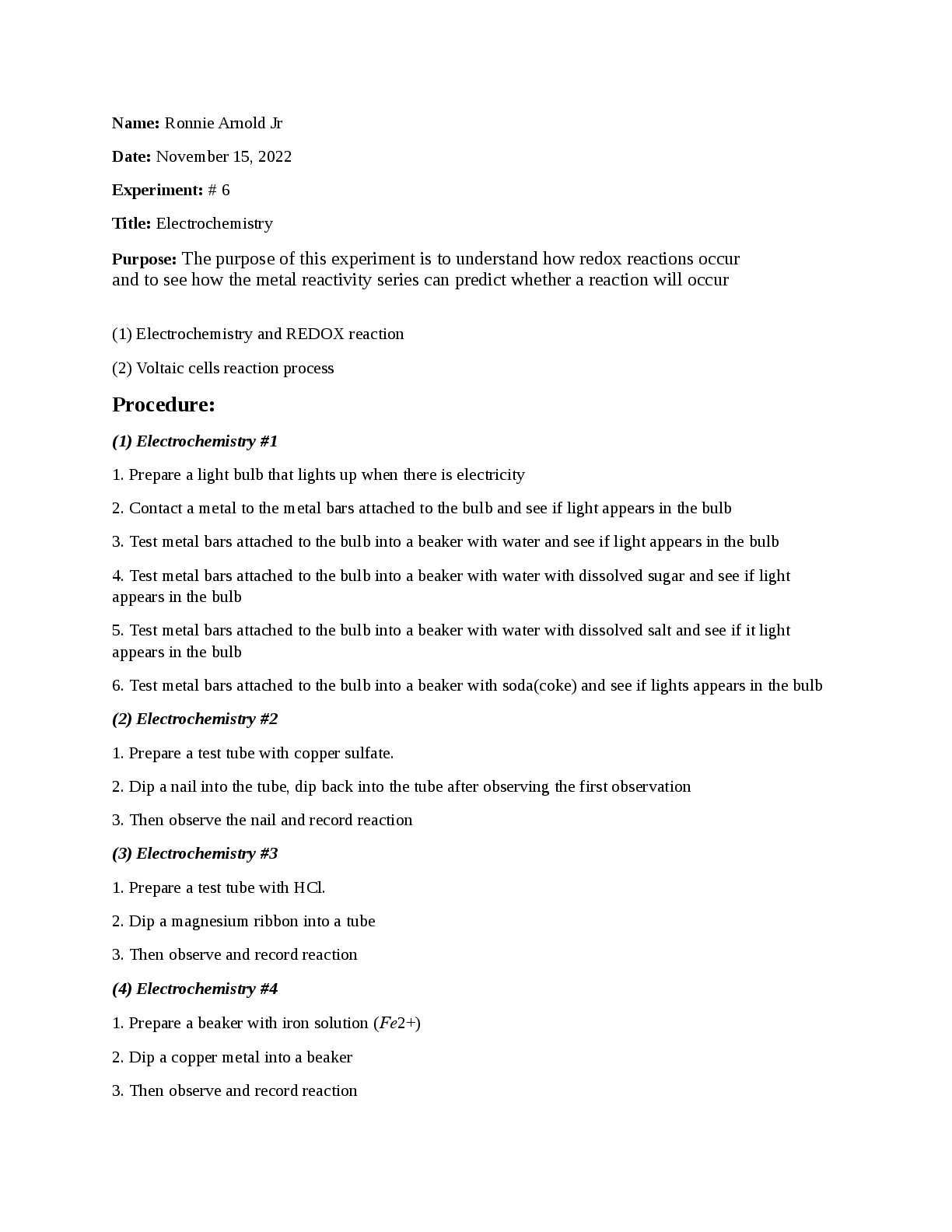


 (1).png)