> STUDY GUIDE > OB CLINICAL 316: WEST COAST UNIVERSITY (GRADED A) (All)
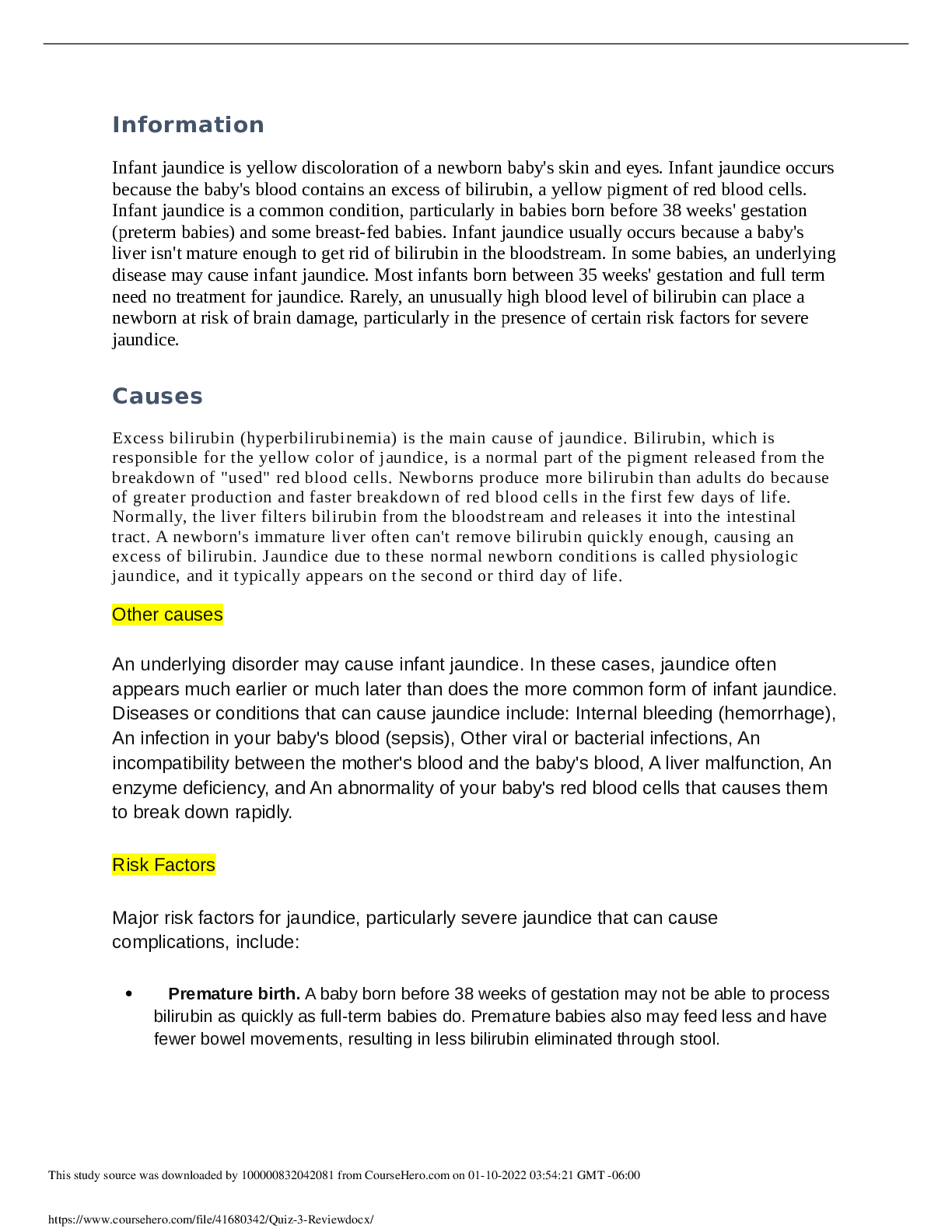
OB CLINICAL 316: WEST COAST UNIVERSITY (GRADED A)
Document Content and Description Below
Last updated: 3 years ago
Preview 1 out of 3 pages
Instant download
Buy this Document to get the Full Access Instantly
Provided by Students Who Aced it
We Verify Document Content to Gurantee Accuracy
Reviews( 0 )
Document information
Connected school, study & course
About the document
Uploaded On
Jan 10, 2022
Number of pages
3
Written in
All

Additional information
This document has been written for:
Uploaded
Jan 10, 2022
Downloads
0
Views
89
Topic Tags
Recommended For You
Get more on STUDY GUIDE »
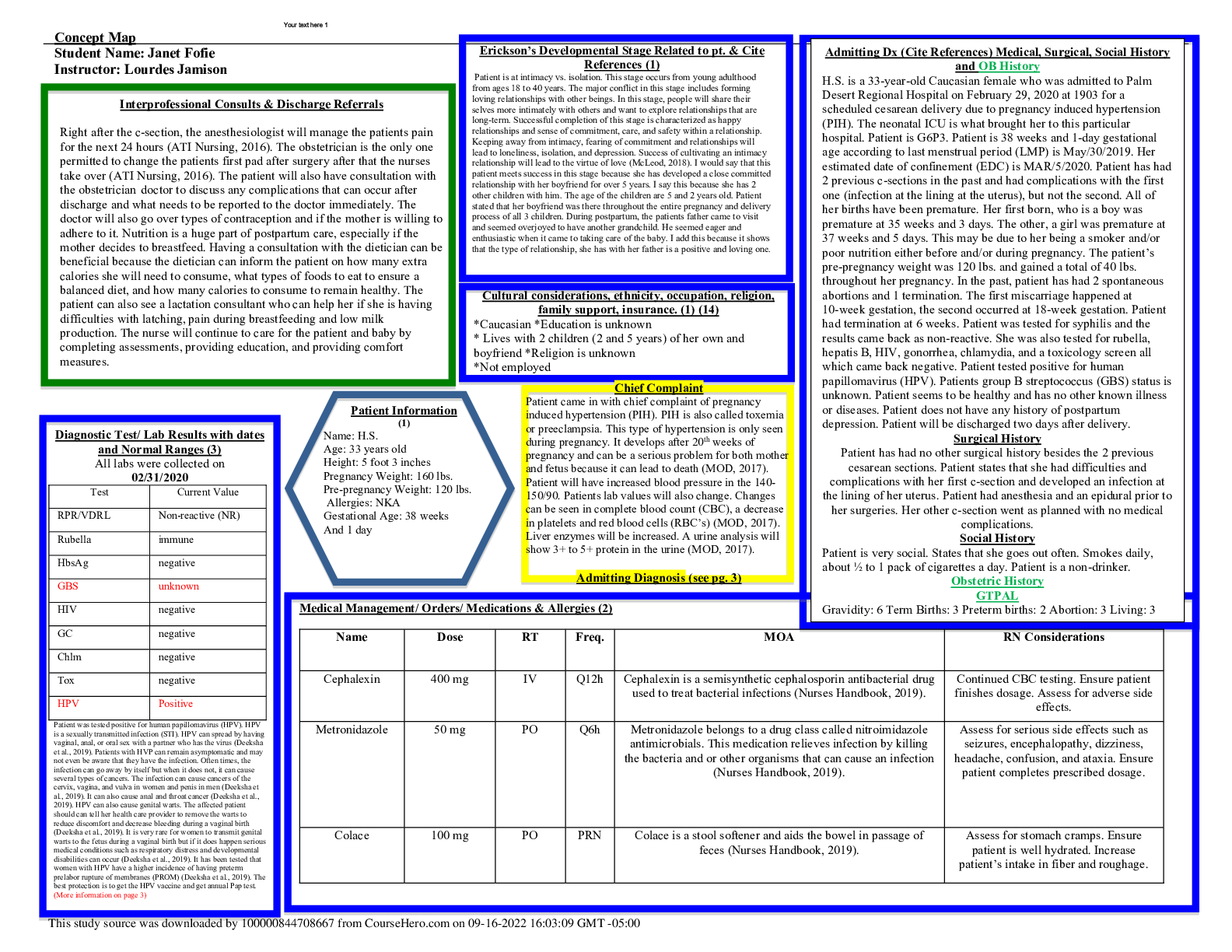
West Coast University, Ontario - OB CLINICAL 316 OB Concept Ma...
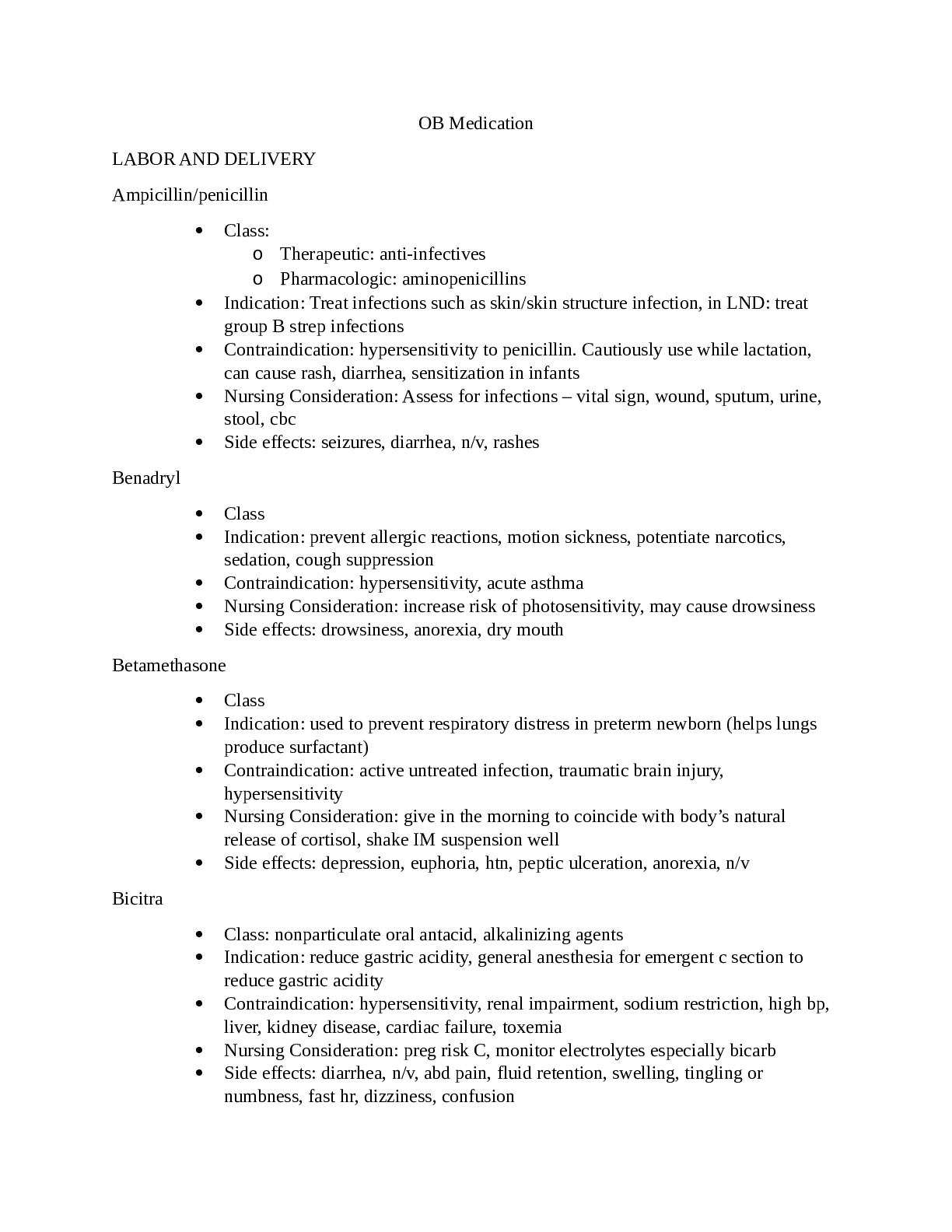
West Coast University, Ontario - OB CLINICAL 316ob meds.
West Coast University, Ontario - OB CLINICAL 316ob meds.


Swift River OB day 1 OB CLINICAL 31 6 OBSTETRICS TRIAGE DEFIN...


5-Minute Clinical Consult 2021, 29th Edition By Frank Domino,...
eBook Clinical Electrocardiography A Textbook, 5th Edition by...


.png)
.png)
.png)





 (1).png)


![Preview of NR 601 Midterm exam test-bank complete questions & answers (2020.2021]](https://scholarfriends.com/storage/midterm_study_guide_sonia.png)

