Computer Science > QUESTIONS & ANSWERS > ITA COMPUTER SCIENCE QUESTIONS AND ANSWERS 2021/22 100% APROVED (All)
ITA COMPUTER SCIENCE QUESTIONS AND ANSWERS 2021/22 100% APROVED
Document Content and Description Below
Last updated: 3 years ago
Preview 1 out of 114 pages
Instant download
.png)
Buy this Document to get the Full Access Instantly
Provided by Students Who Aced it
We Verify Document Content to Gurantee Accuracy
Reviews( 0 )
Document information
Connected school, study & course
About the document
Uploaded On
Jan 18, 2022
Number of pages
114
Written in
All

Additional information
This document has been written for:
Uploaded
Jan 18, 2022
Downloads
0
Views
151
Topic Tags
Recommended For You
Get more on QUESTIONS & ANSWERS »
Computer Science An Overview, (Global Edition) 13e Glenn Brook...
Computer Science An Overview, 13e Glenn Brookshear, Dennis Bry...
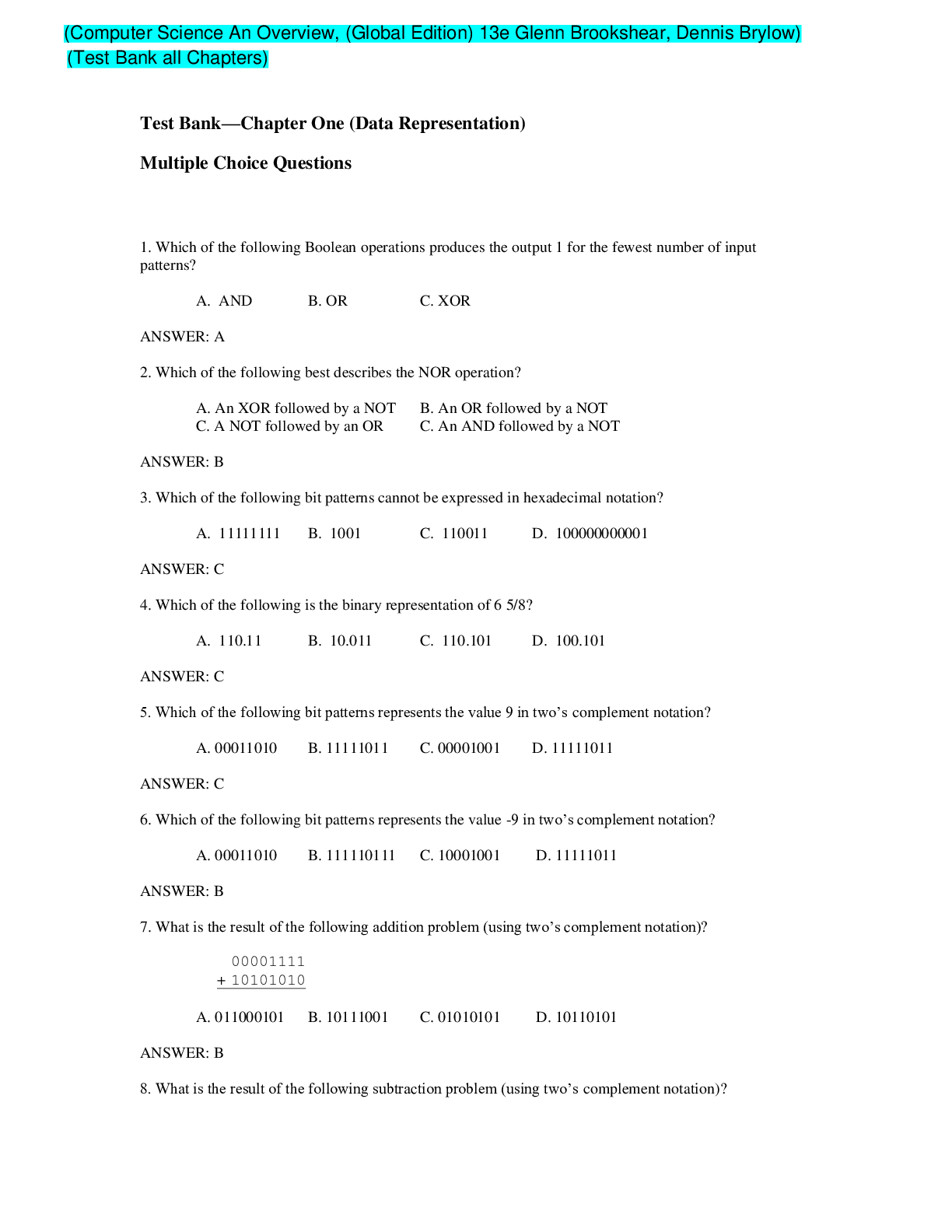
Computer Science An Overview, (Global Edition) 13e Glenn Brook...
.png)
Solution Manual for Artificial Intelligence A Modern Approach,...
Introduction to Programming with Java A Problem Solving Approa...
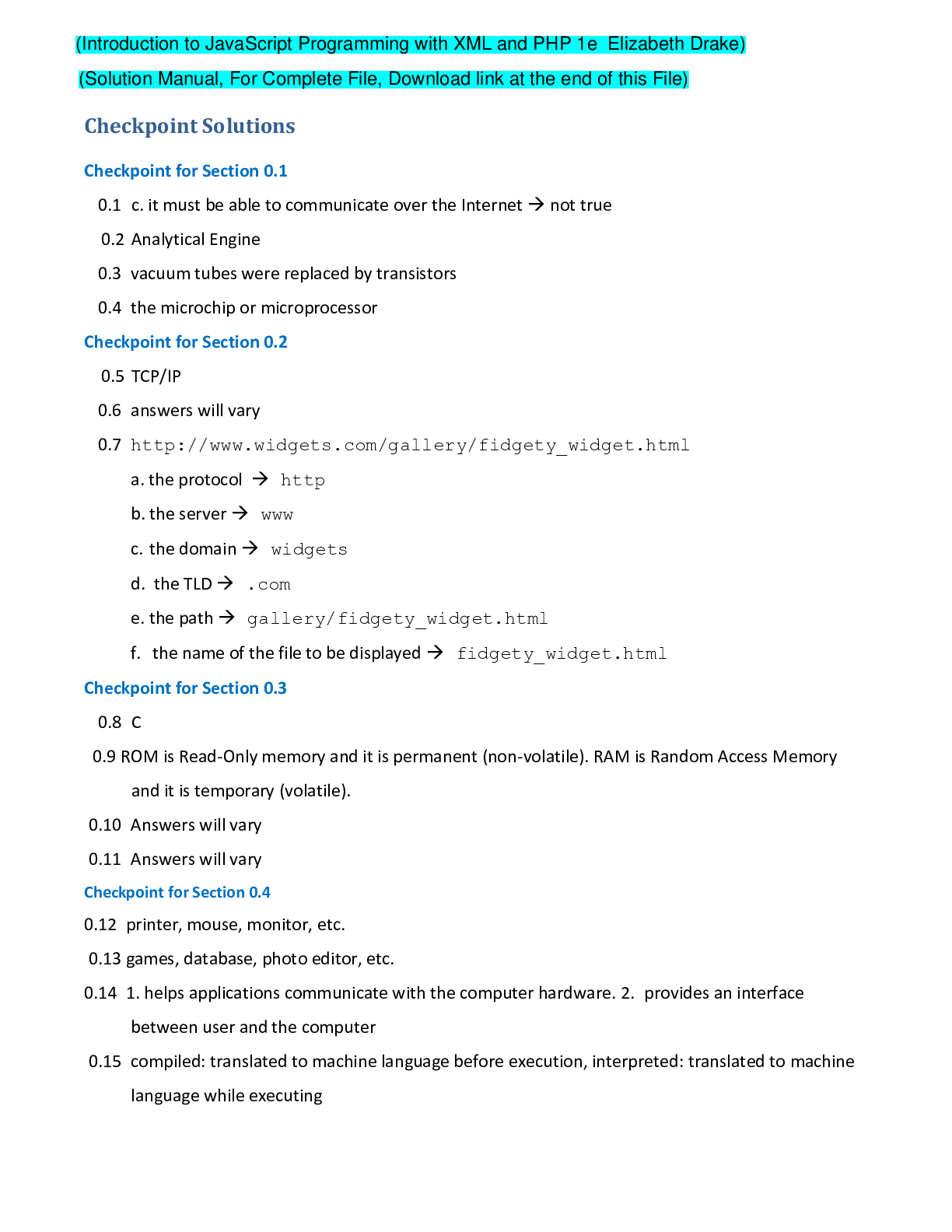
Introduction to JavaScript Programming with XML and PHP 1st Ed...
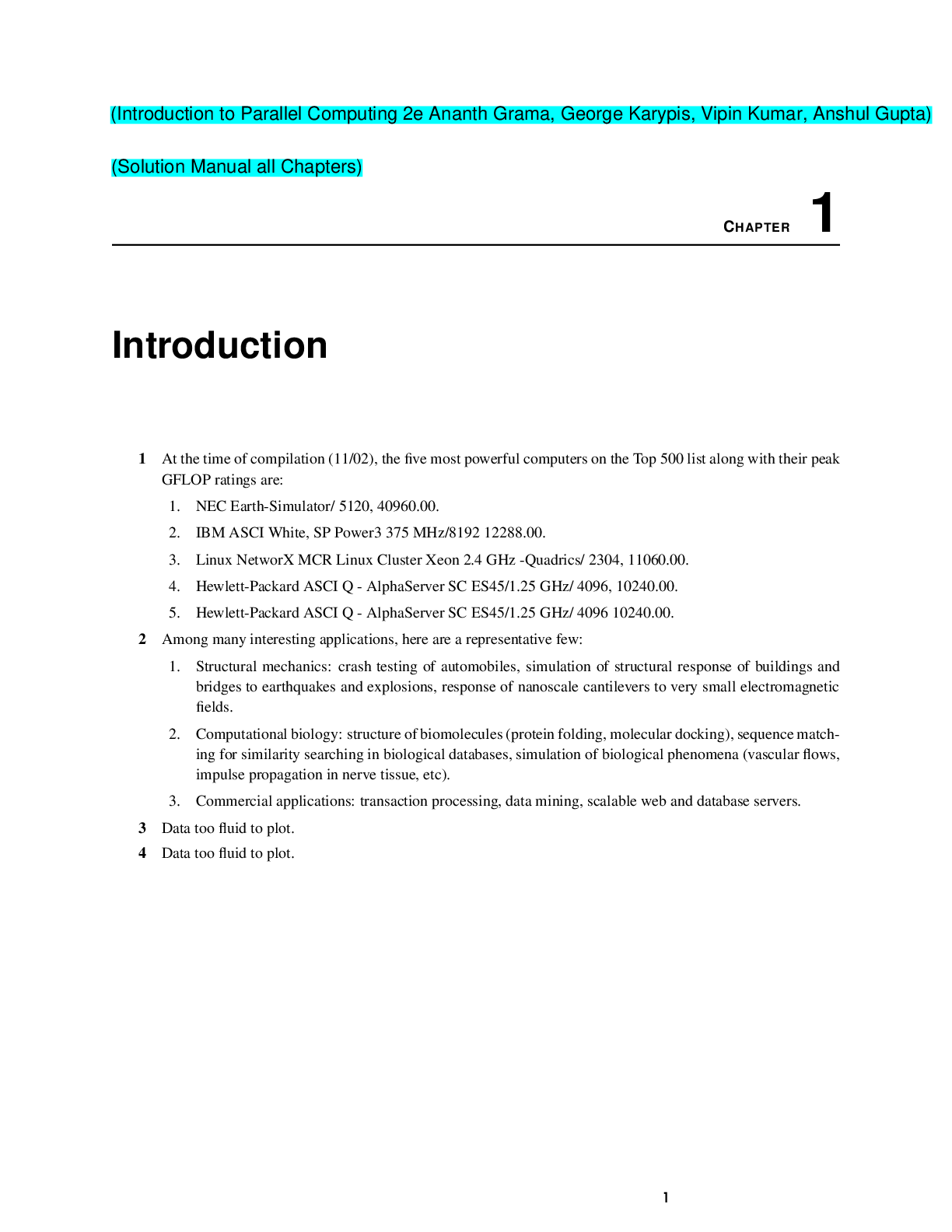
Introduction to Parallel Computing 2nd Edition By Ananth Grama...
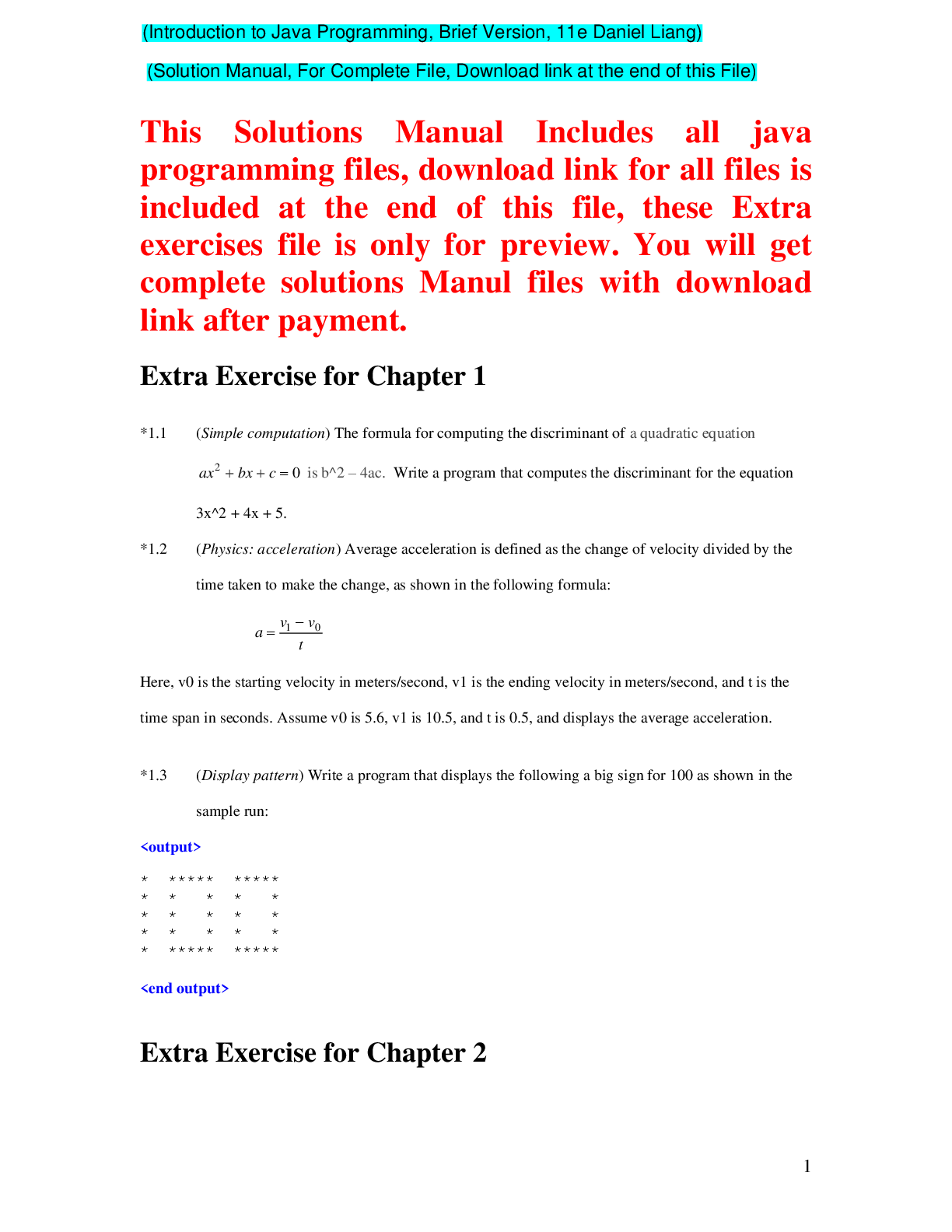
Introduction to Java Programming, Brief Version 11th Edition B...
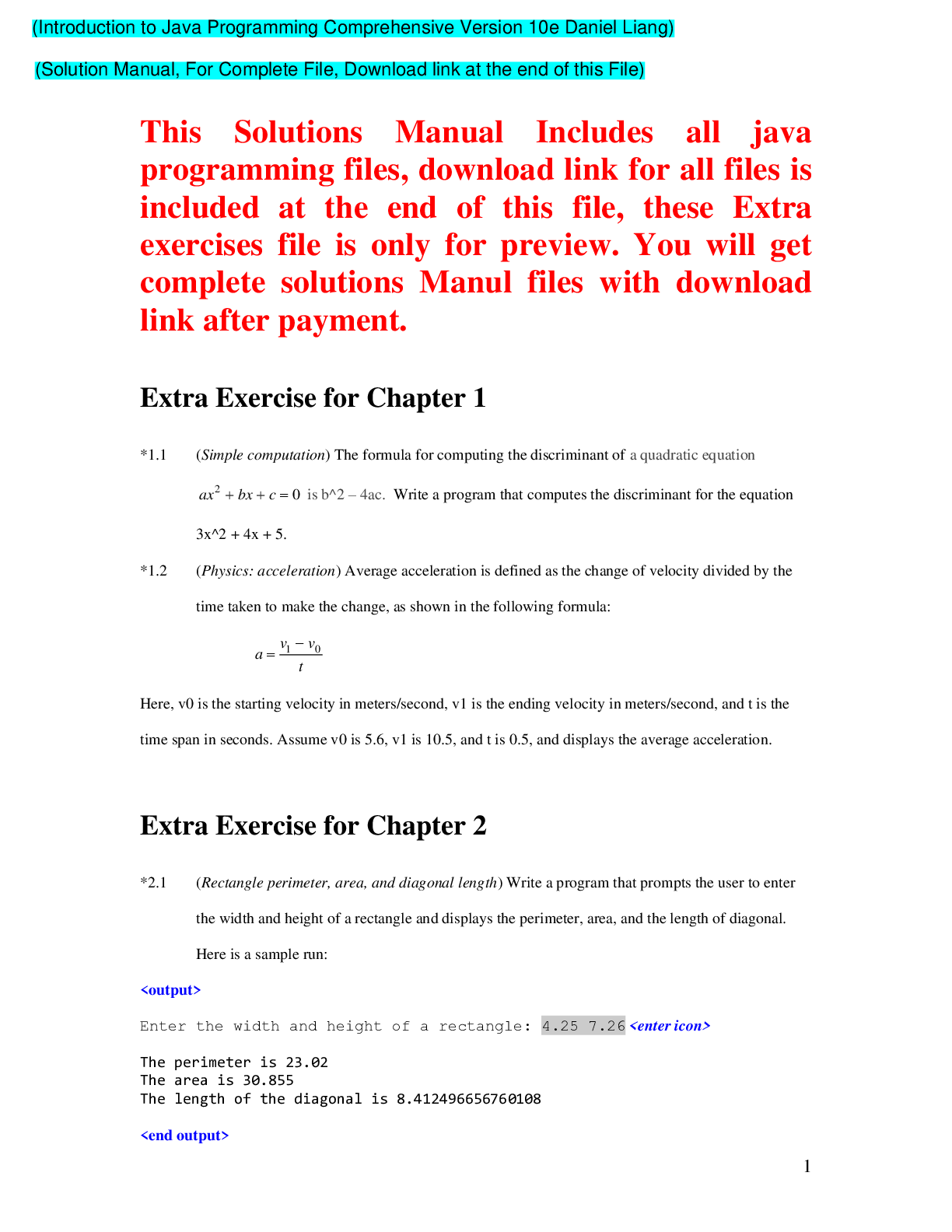
Introduction to Java Programming Comprehensive Version 10th Ed...
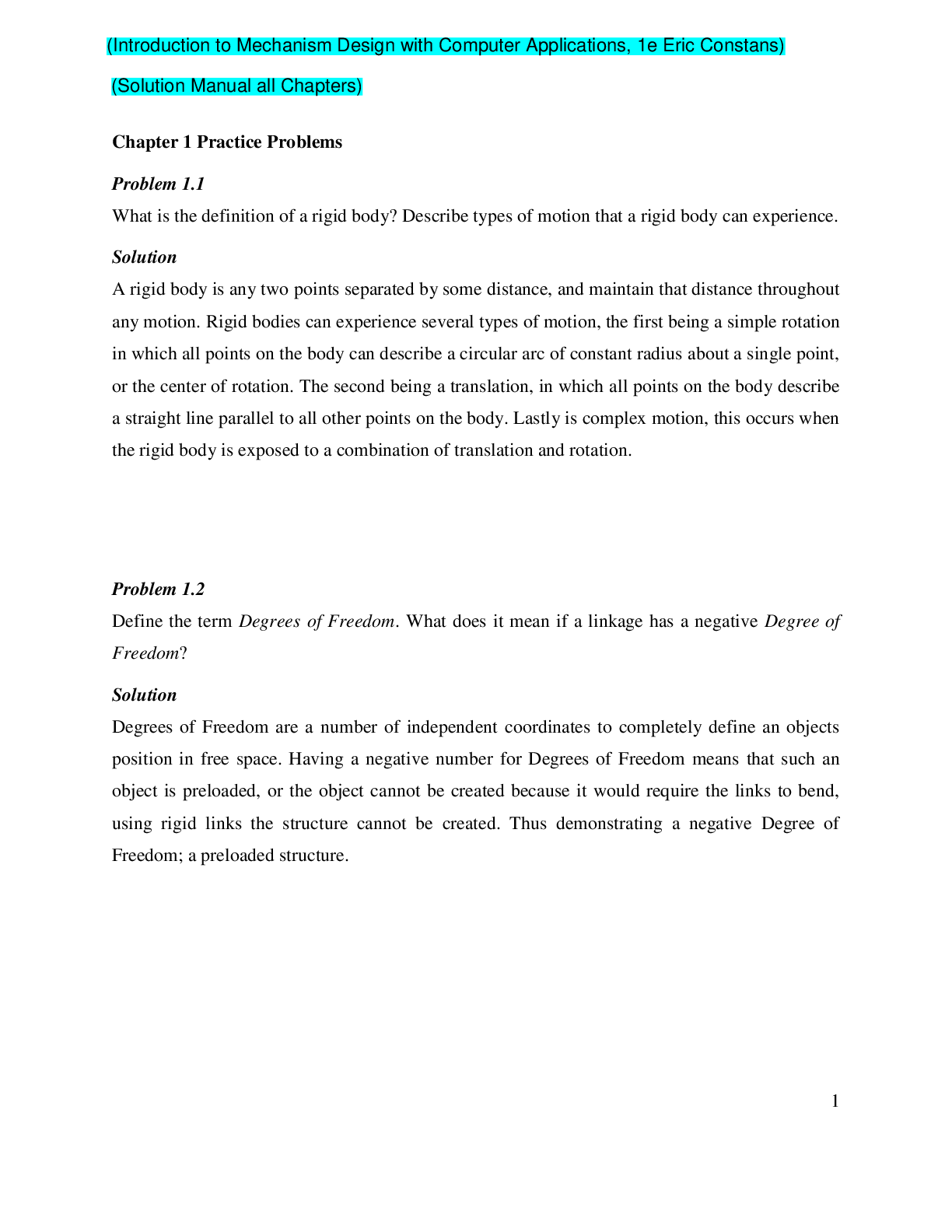
Introduction to Mechanism Design with Computer Applications 1s...
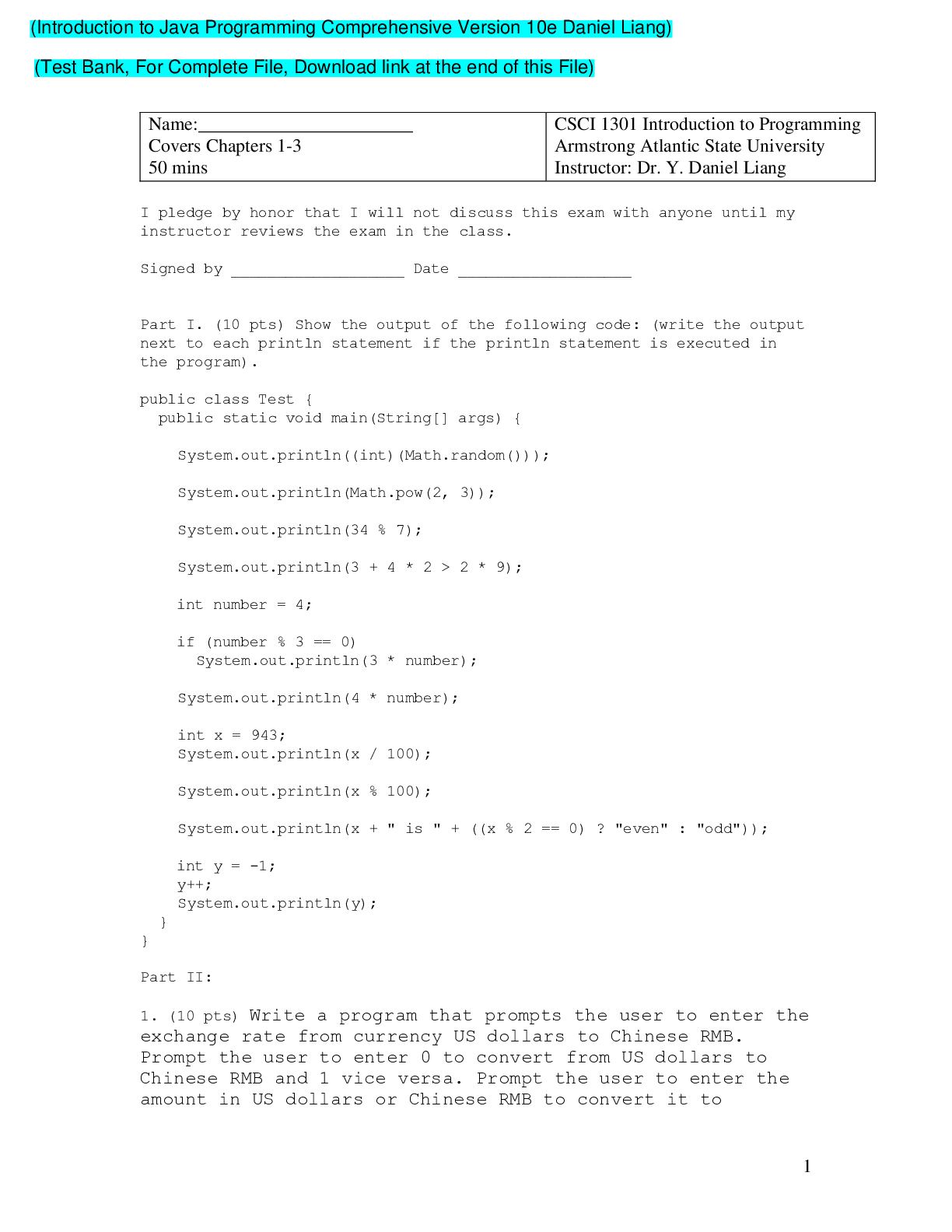
Introduction to Java Programming Comprehensive Version 10th Ed...
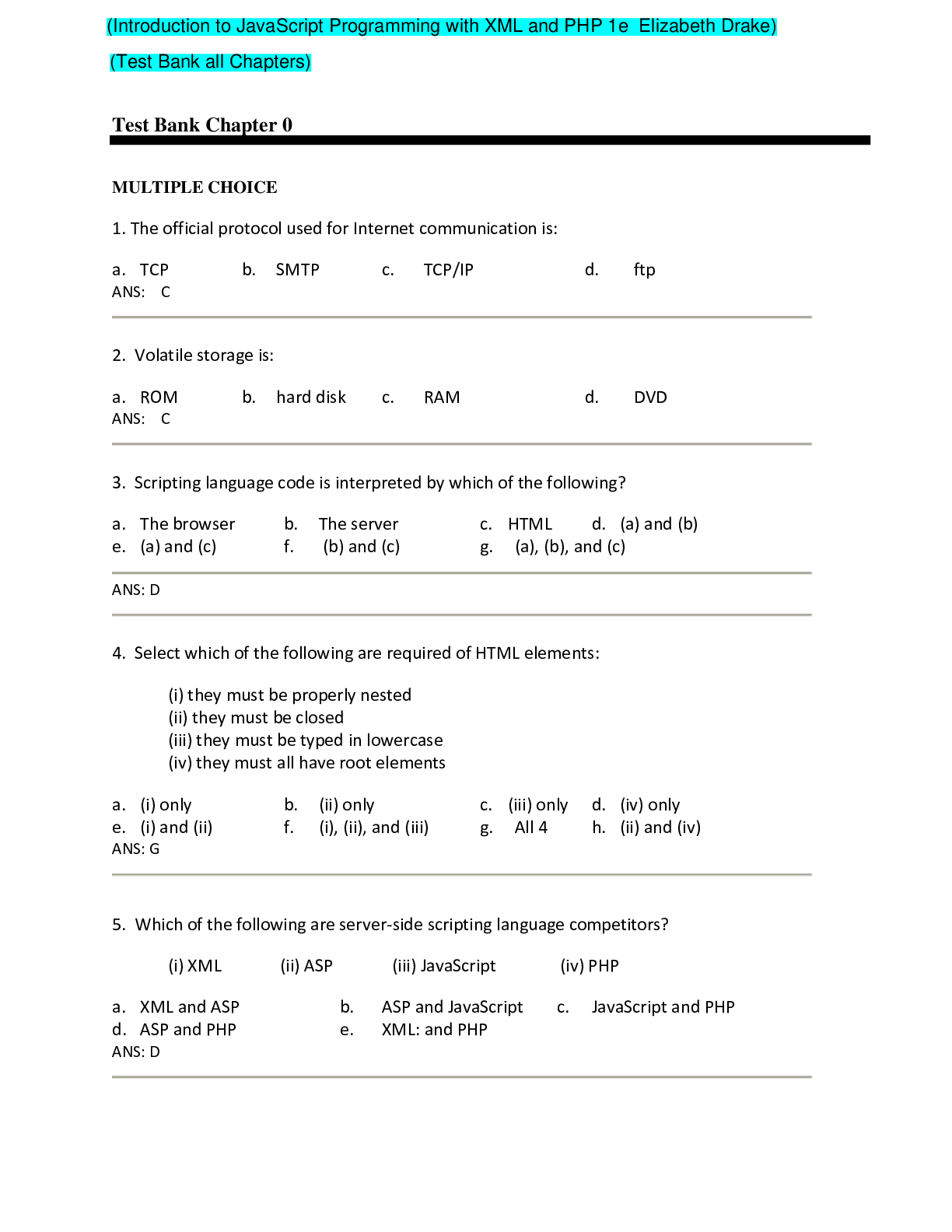
Introduction to JavaScript Programming with XML and PHP 1st Ed...
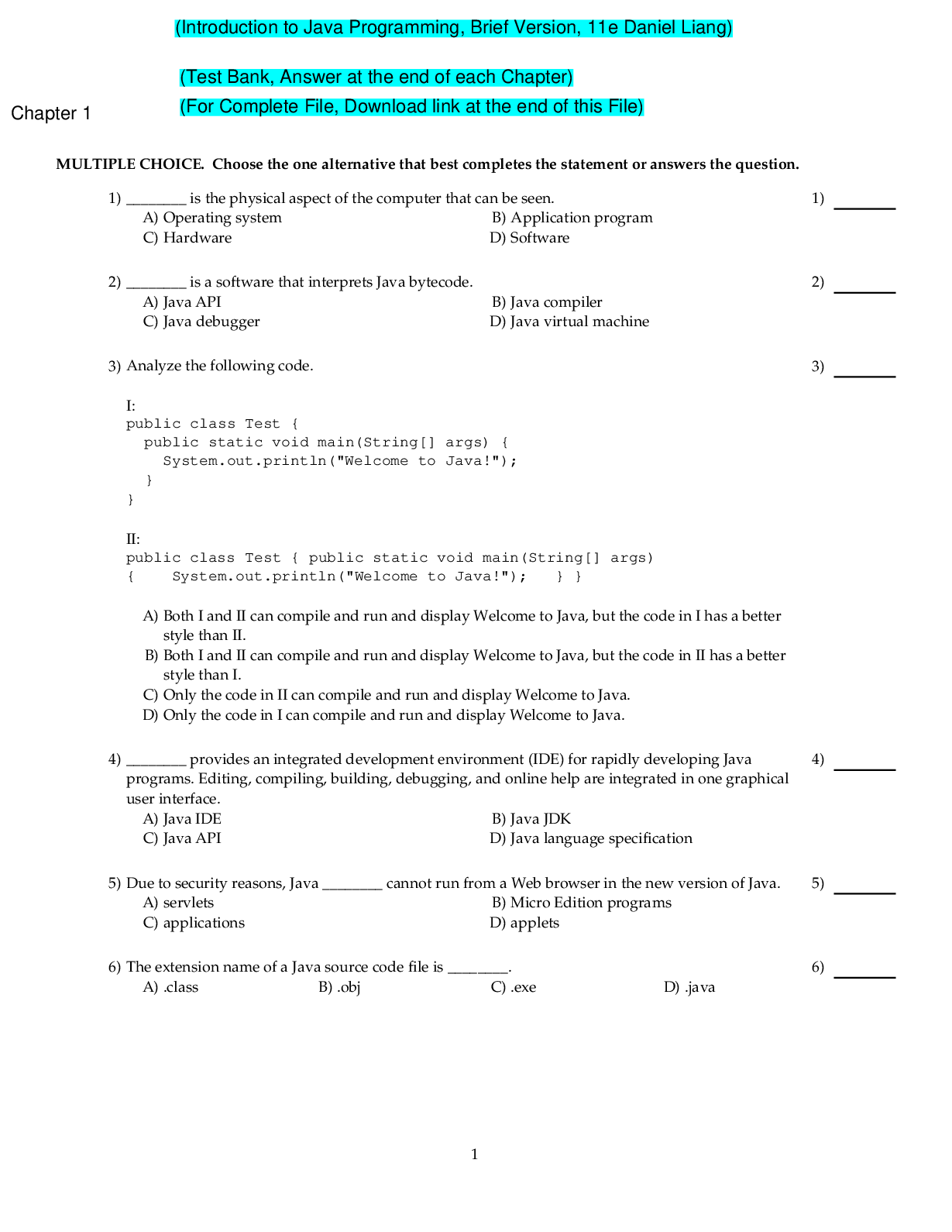
Introduction to Java Programming, Brief Version, 11e Daniel Li...
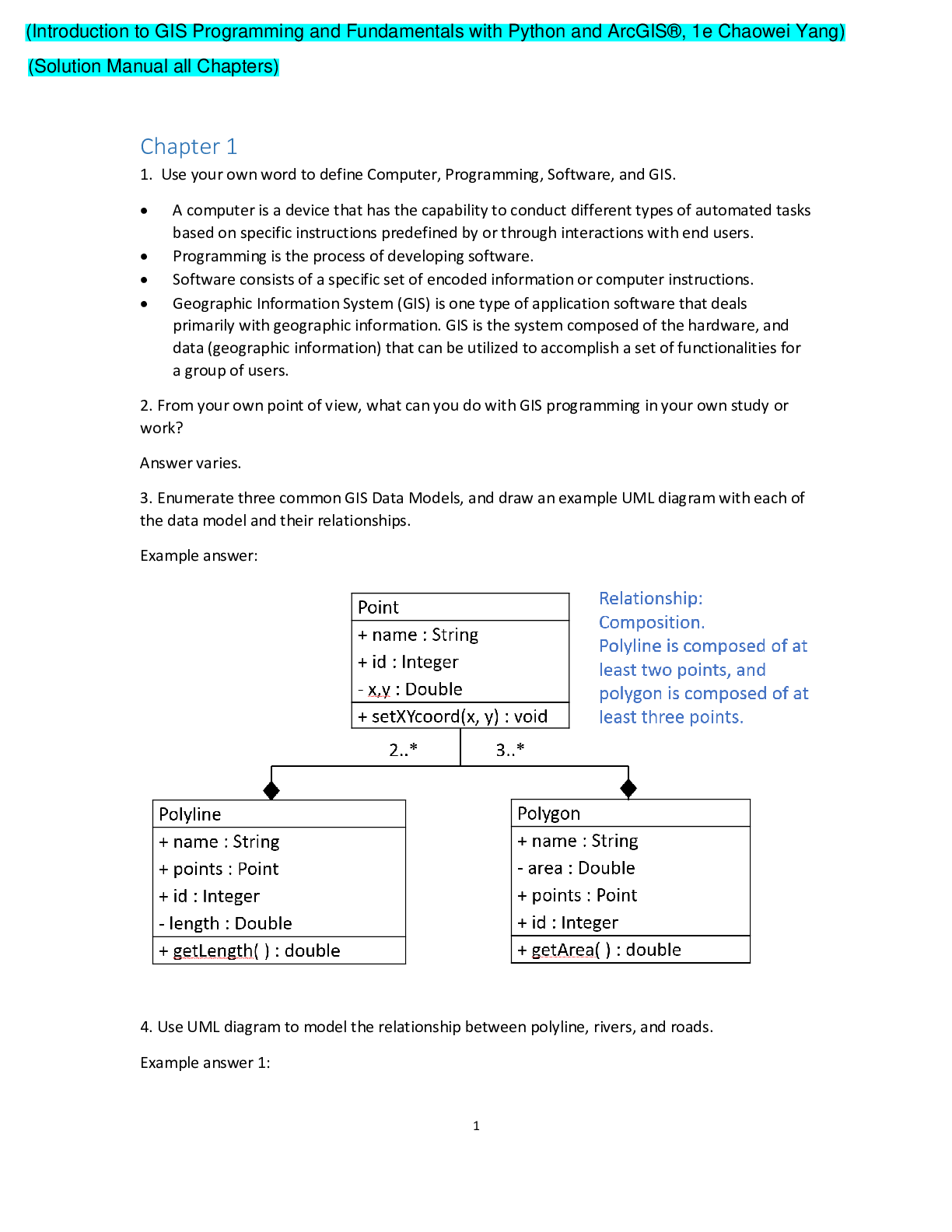
Introduction to GIS Programming and Fundamentals with Python a...
Introduction to Computing Using Python An Application Developm...
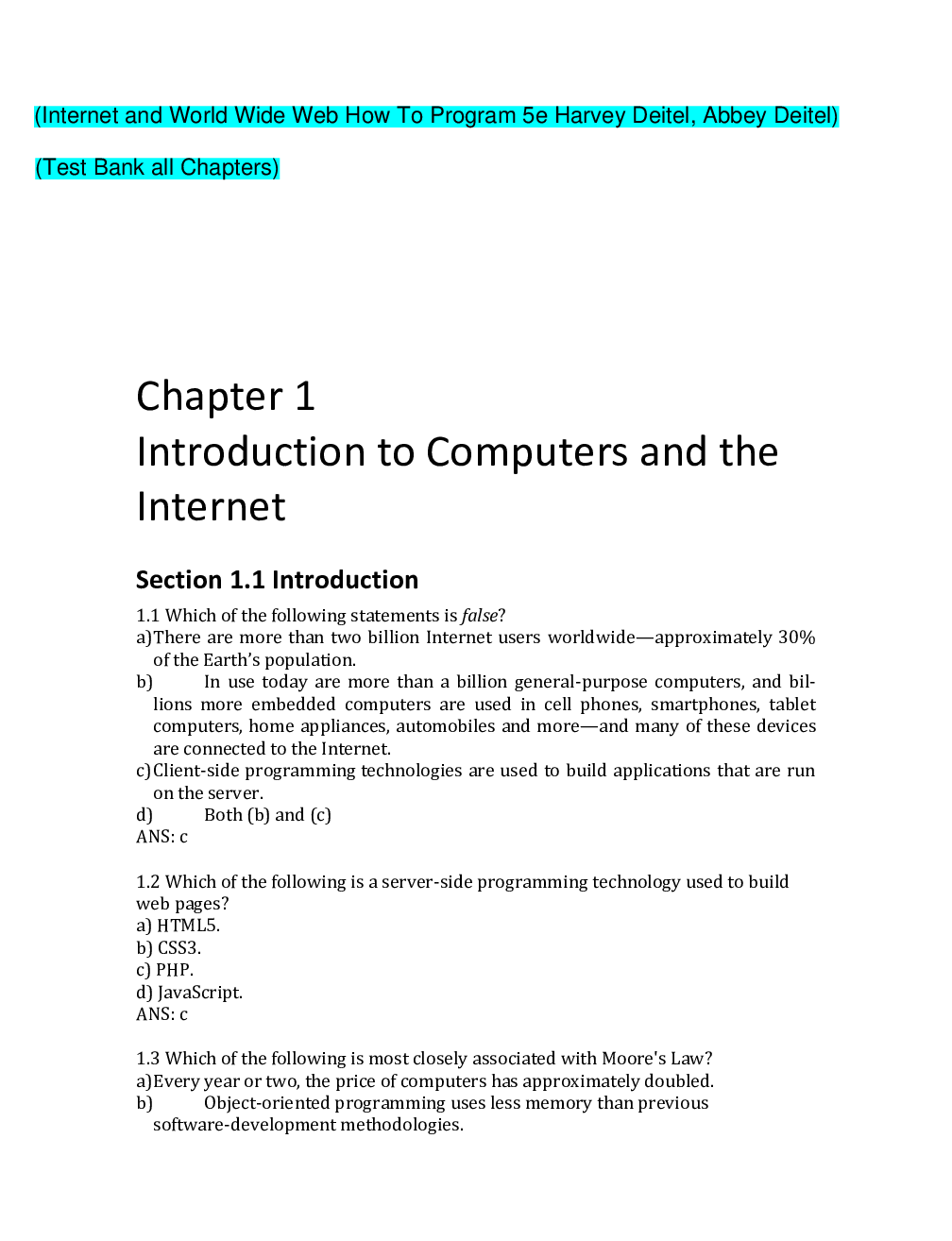
Internet and World Wide Web How To Program 5th Edition By Harv...
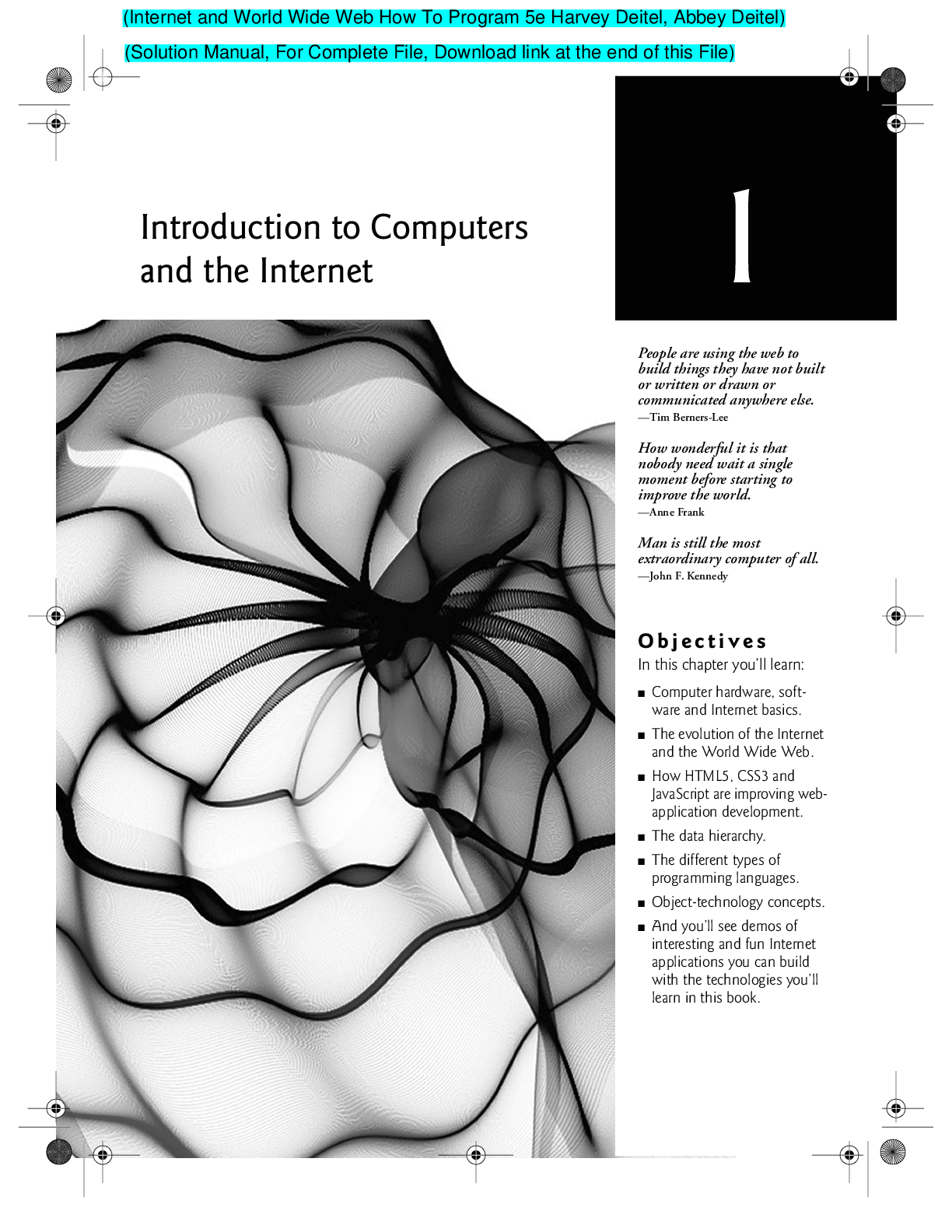
Internet and World Wide Web How To Program 5e Harvey Deitel, A...
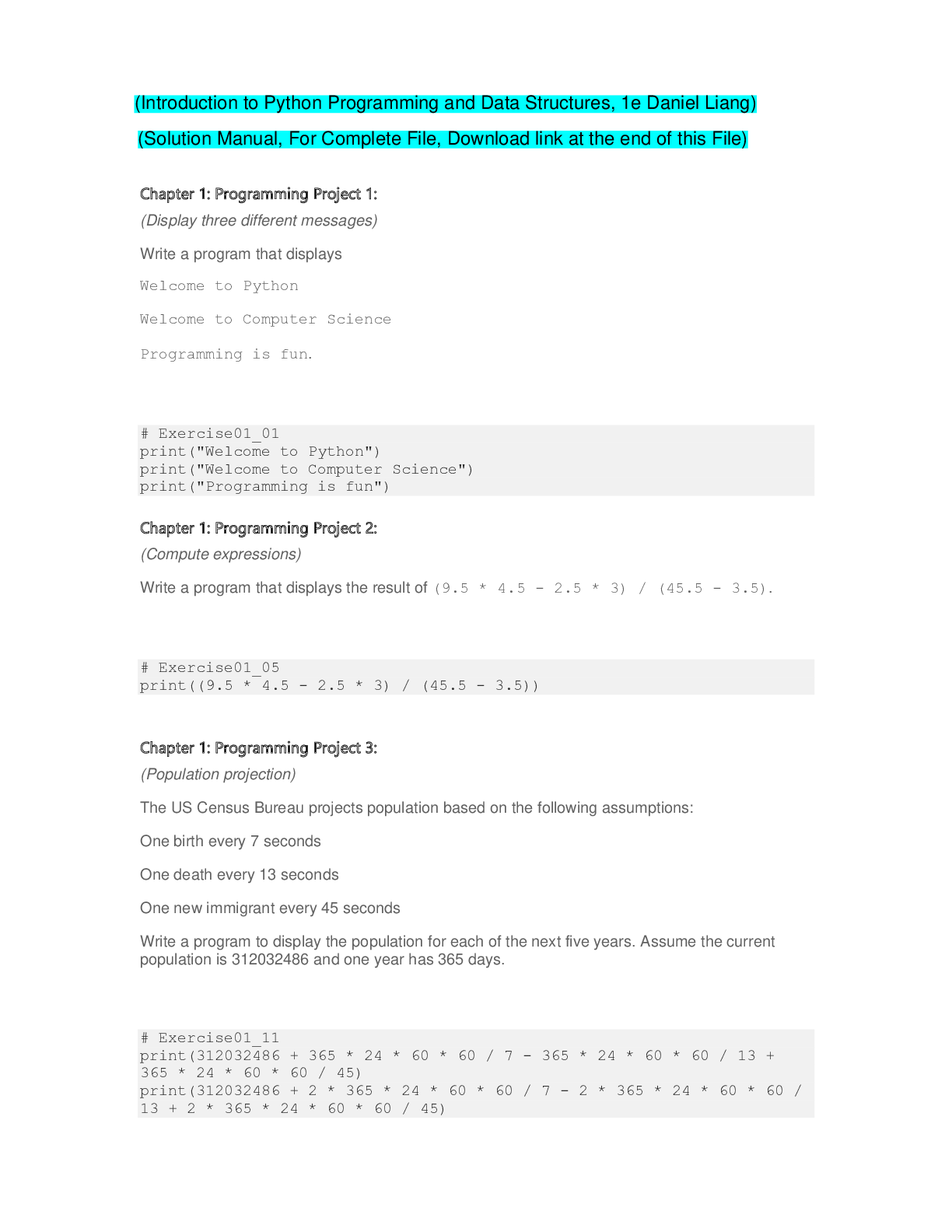
Introduction to Python Programming and Data Structures 1st Edi...
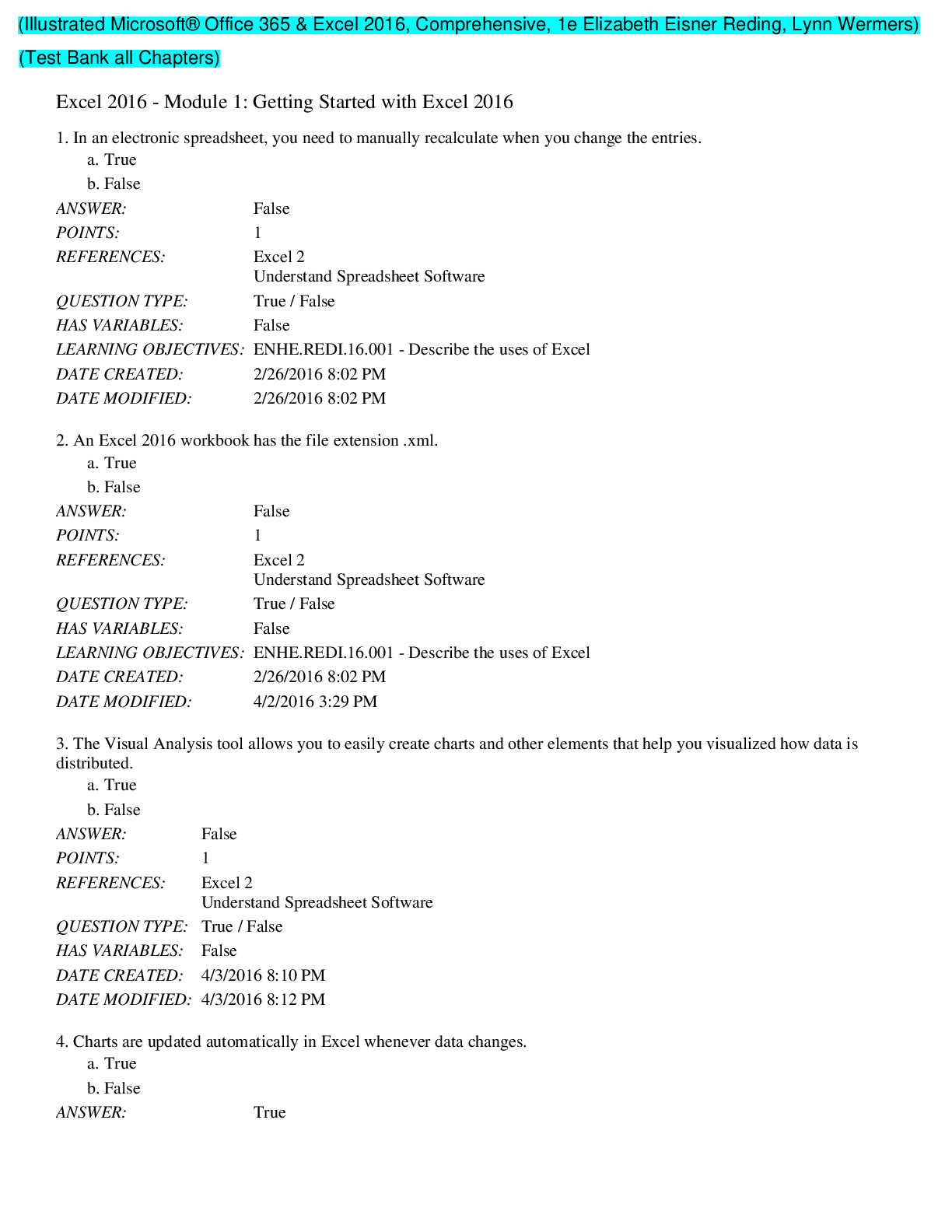
Illustrated Microsoft® Office 365 & Excel 2016, Comprehensive,...