Health Care > QUESTIONS & ANSWERS > NURSING CARE PLAN COPD (COMPLETED) GRADED A; PT PRESENTED AT ED WITH C/O SOB AND DYPSNEA (All)
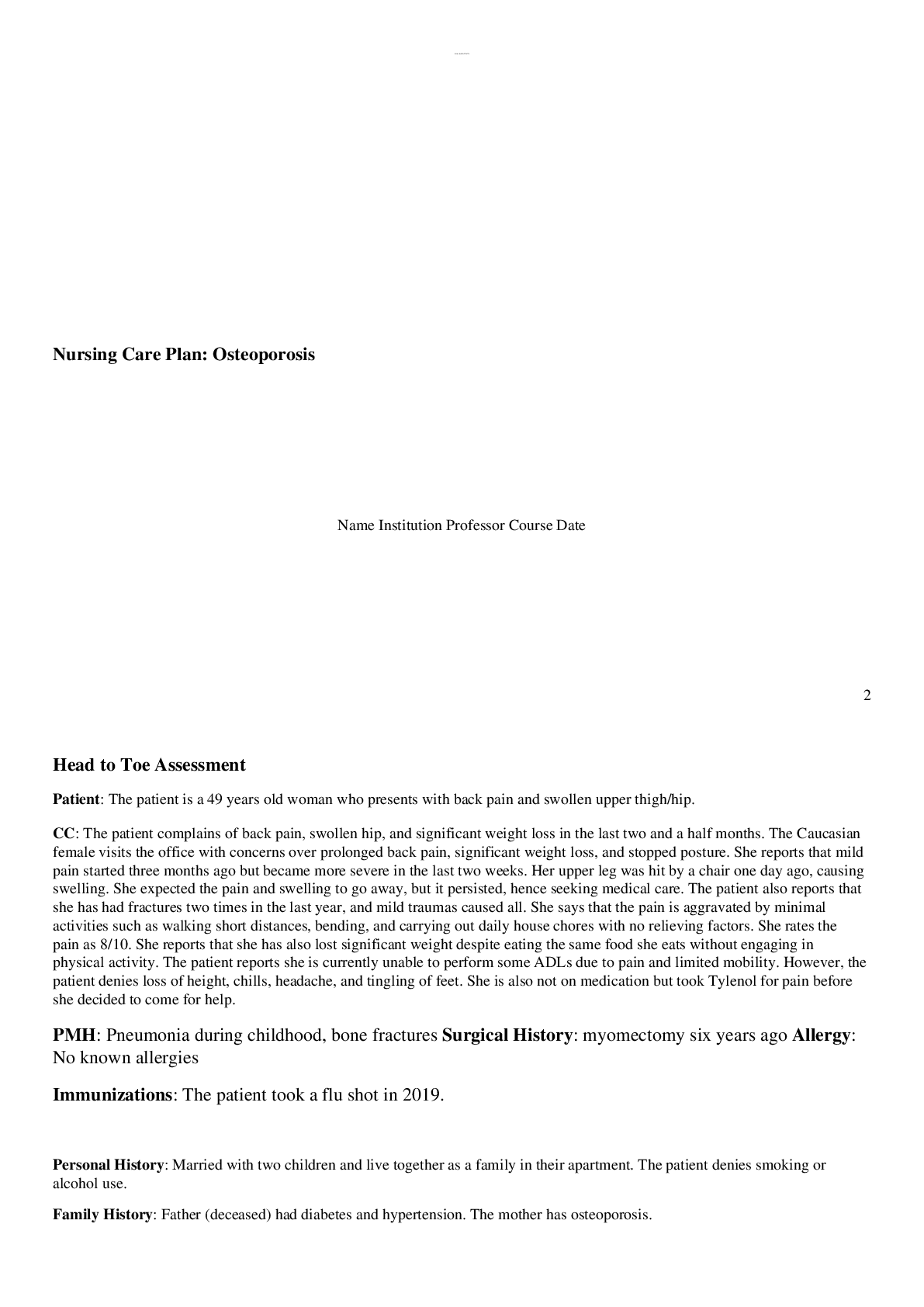
NURSING CARE PLAN COPD (COMPLETED) GRADED A; PT PRESENTED AT ED WITH C/O SOB AND DYPSNEA
Document Content and Description Below
Last updated: 3 years ago
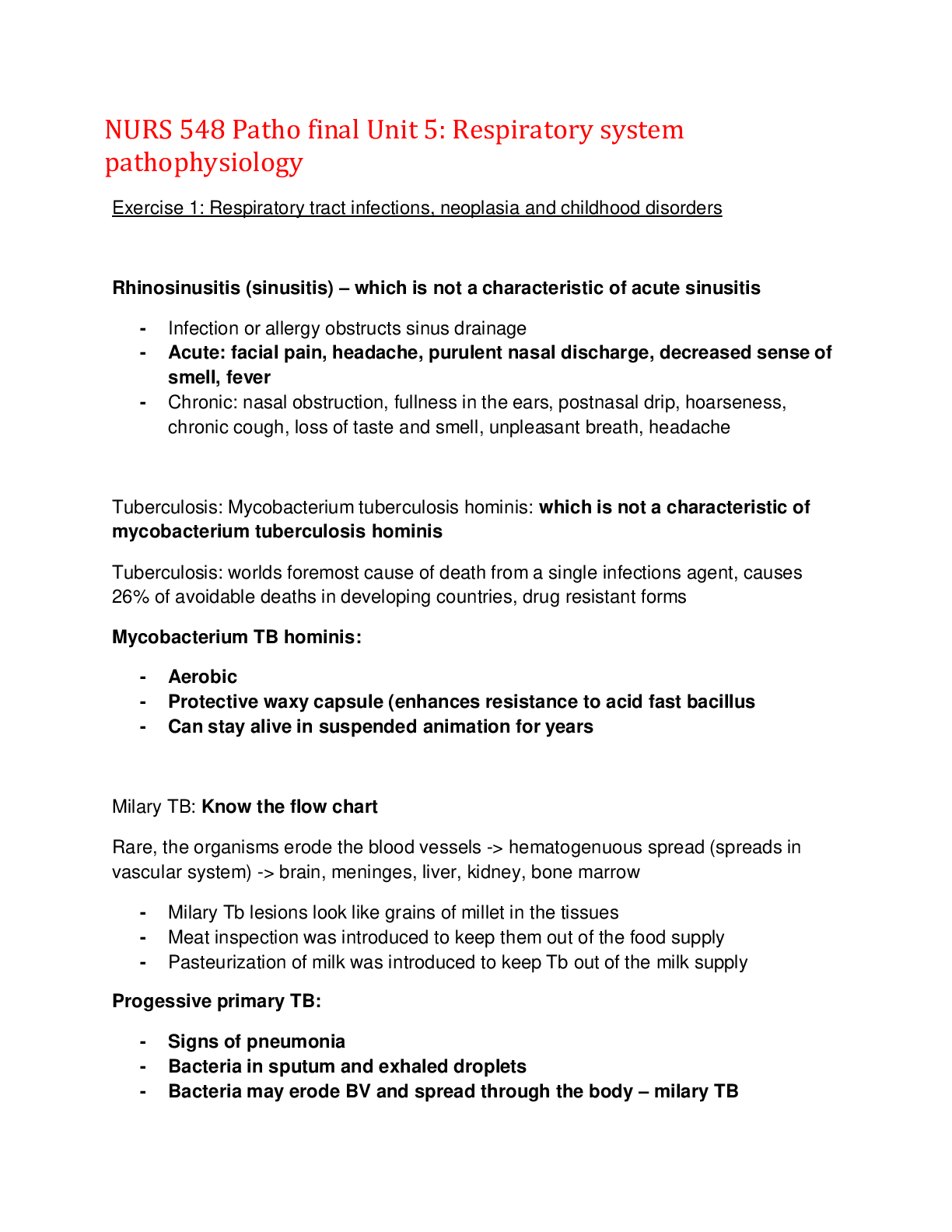
Preview 1 out of 10 pages
Instant download

Buy this Document to get the Full Access Instantly
Provided by Students Who Aced it
We Verify Document Content to Gurantee Accuracy
Reviews( 0 )
Document information
Connected school, study & course
About the document
Uploaded On
Feb 28, 2022
Number of pages
10
Written in
All

Additional information
This document has been written for:
Uploaded
Feb 28, 2022
Downloads
0
Views
87
Topic Tags
Recommended For You
Get more on QUESTIONS & ANSWERS »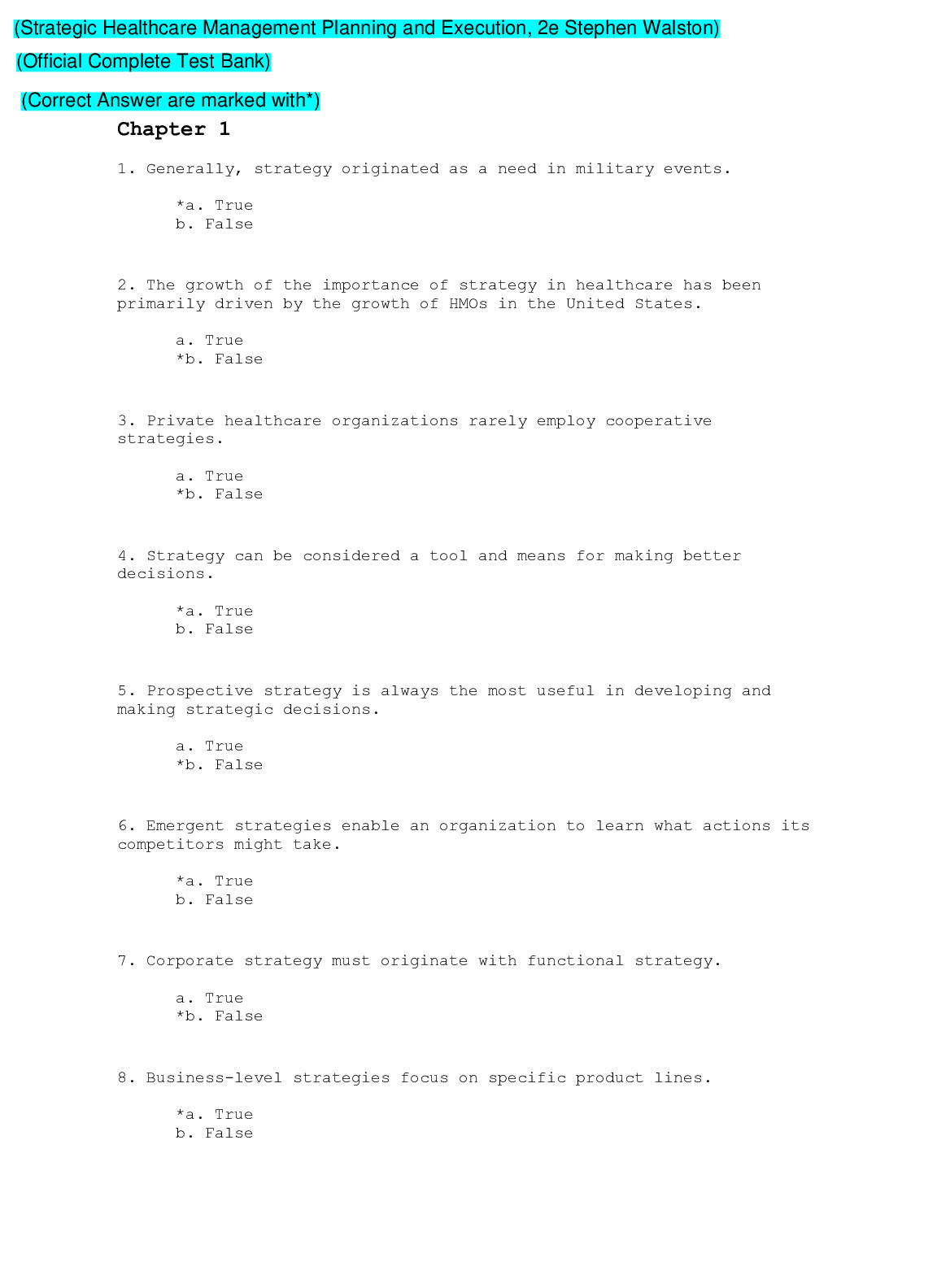
Strategic Healthcare Management Planning and Execution 2nd Edi...
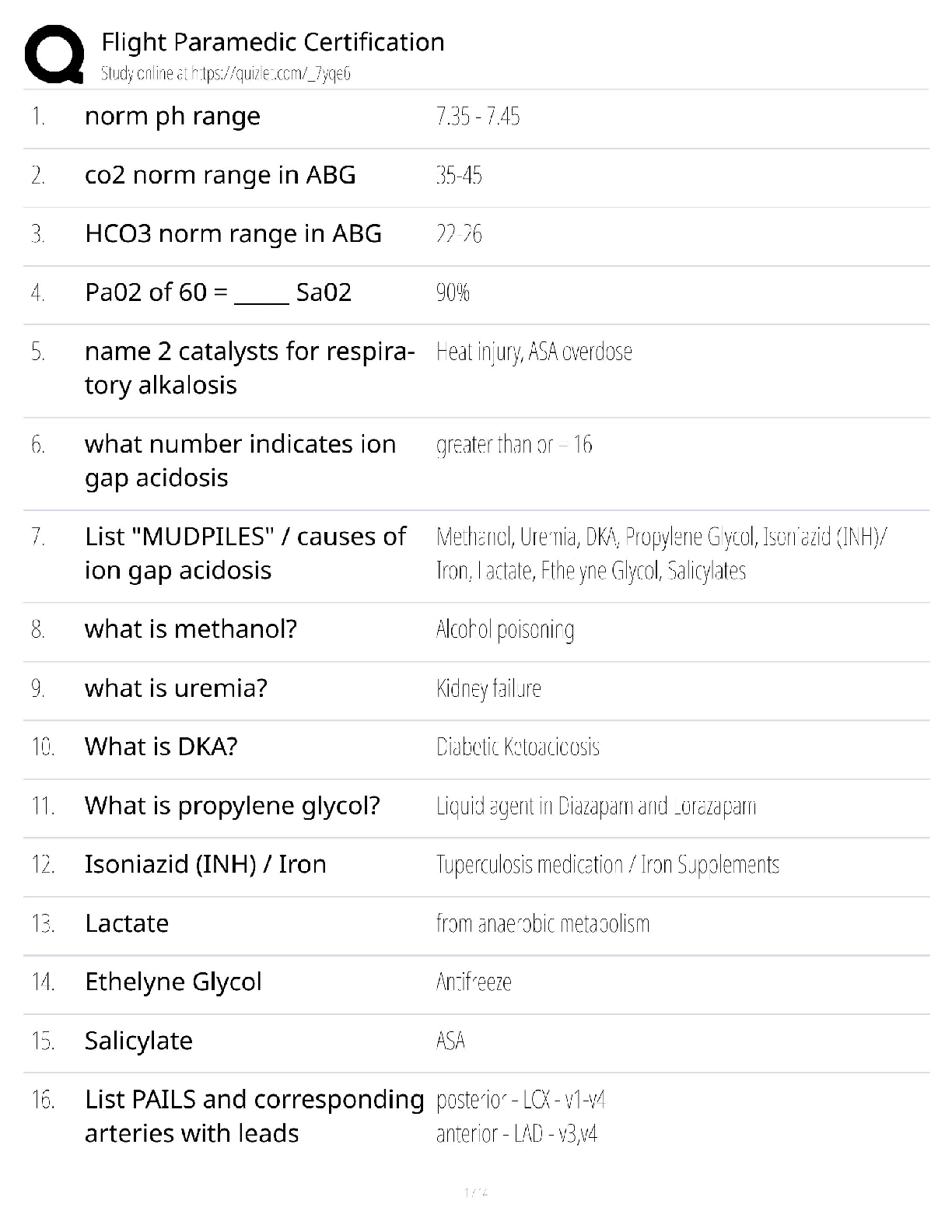
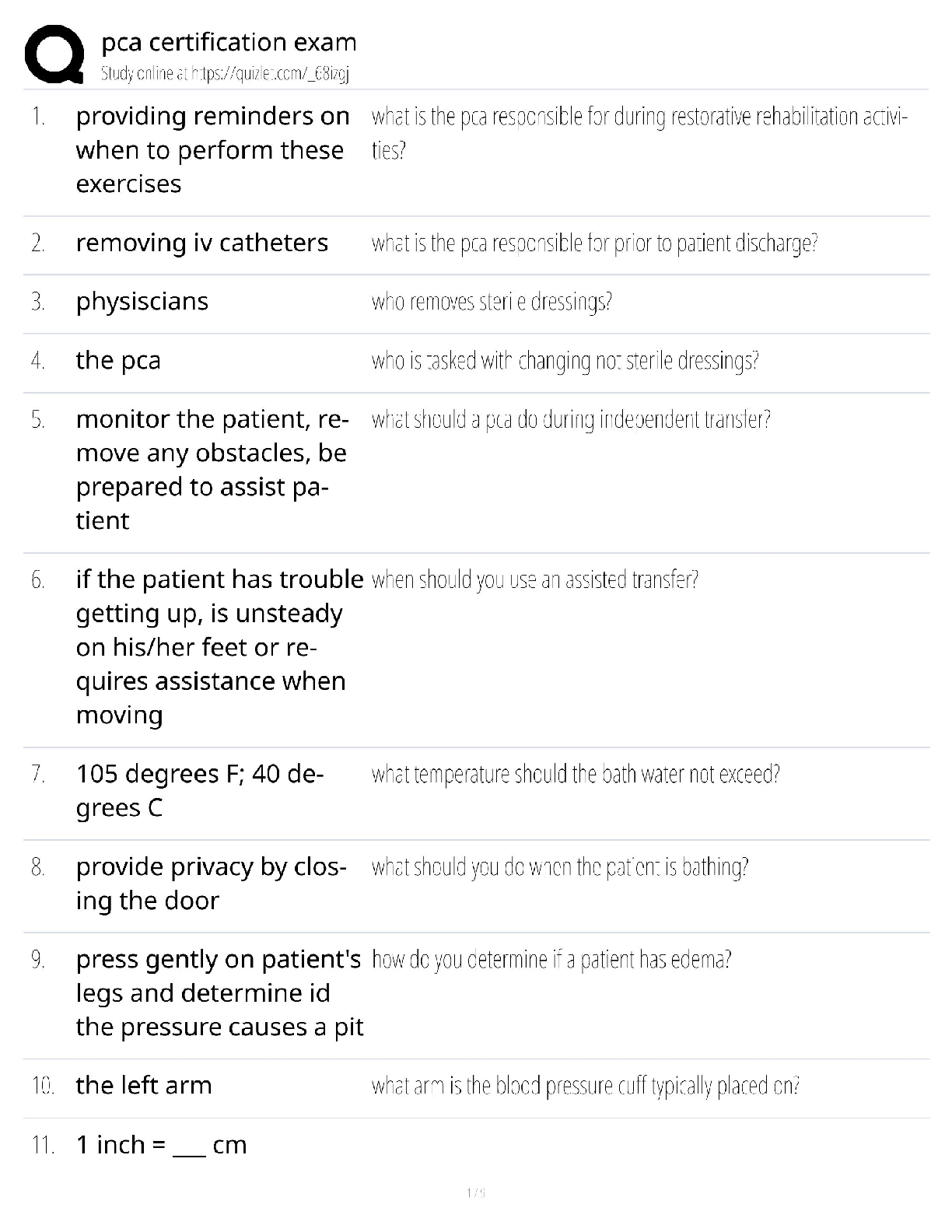
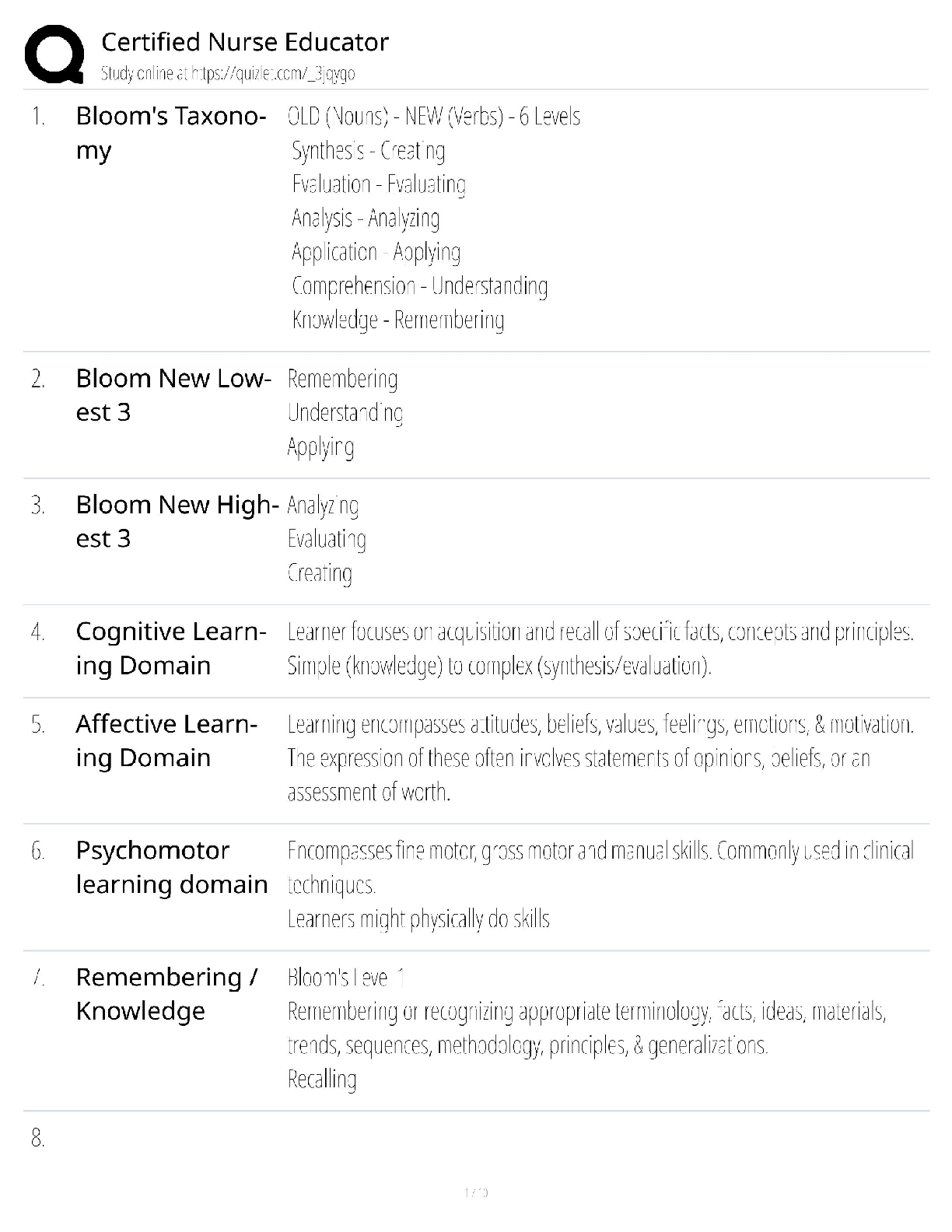
Essentials of Strategic Planning in Healthcare 2nd Edition By...

Test Bank for Shah's Public Health and Preventive Health Care...
Test bank for Medical Emergencies-Essentials for the Dental Pr...
Test Bank for Physical Examination and Health Assessment 9th E...




.png)
.png)
.png)

.png)

