Database Systems Management > ESSAY > Summary D030 Service Plan Brief for the Implementation of Digitally Recorded Discharge Education on (All)
Summary D030 Service Plan Brief for the Implementation of Digitally Recorded Discharge Education on the Postpartum Unit Western Governors University
Document Content and Description Below
Last updated: 3 years ago
Preview 1 out of 20 pages
Instant download
Buy this Document to get the Full Access Instantly
Provided by Students Who Aced it
We Verify Document Content to Gurantee Accuracy
Reviews( 0 )
Document information
Connected school, study & course
About the document
Uploaded On
Mar 06, 2022
Number of pages
20
Written in
All

Additional information
This document has been written for:
Uploaded
Mar 06, 2022
Downloads
0
Views
170
Topic Tags
Recommended For You
Get more on ESSAY »
D030 Service Plan Brief for the Implementation of Digitally Re...

D030 Service Plan Brief for Diabetes Education and Coaching
Summary D030 Service Plan Brief New.docx D030 Service Plan Bri...
D030 AYM1 Service Plan Brief for the Implementation of Digita...
D030 Service Plan Brief.docx D030 Service Plan Brief for the...

D030 Service Plan Brief.docx D030 Service Plan Brief for the...
.png)
Finman4e Test Bank Mod03 050914. Module 3 Accounting Adjustmen...

(NLM)D030 NURS 5207 (Leadership & Management) Comprehensive FA...

(D030-NURS 5207) OA Readiness Exam Q & S - Leadership & Manage...

(WGU D030) NURS 5207 Leadership & Management in Complex Health...

(WGU D030) NURS 5207 Leadership & Management in Complex Health...

(WGU D030) NURS 5207 Leadership & Management in Complex Health...

(WGU D030) NURS 5207 Leadership & Management Comprehensive Exa...
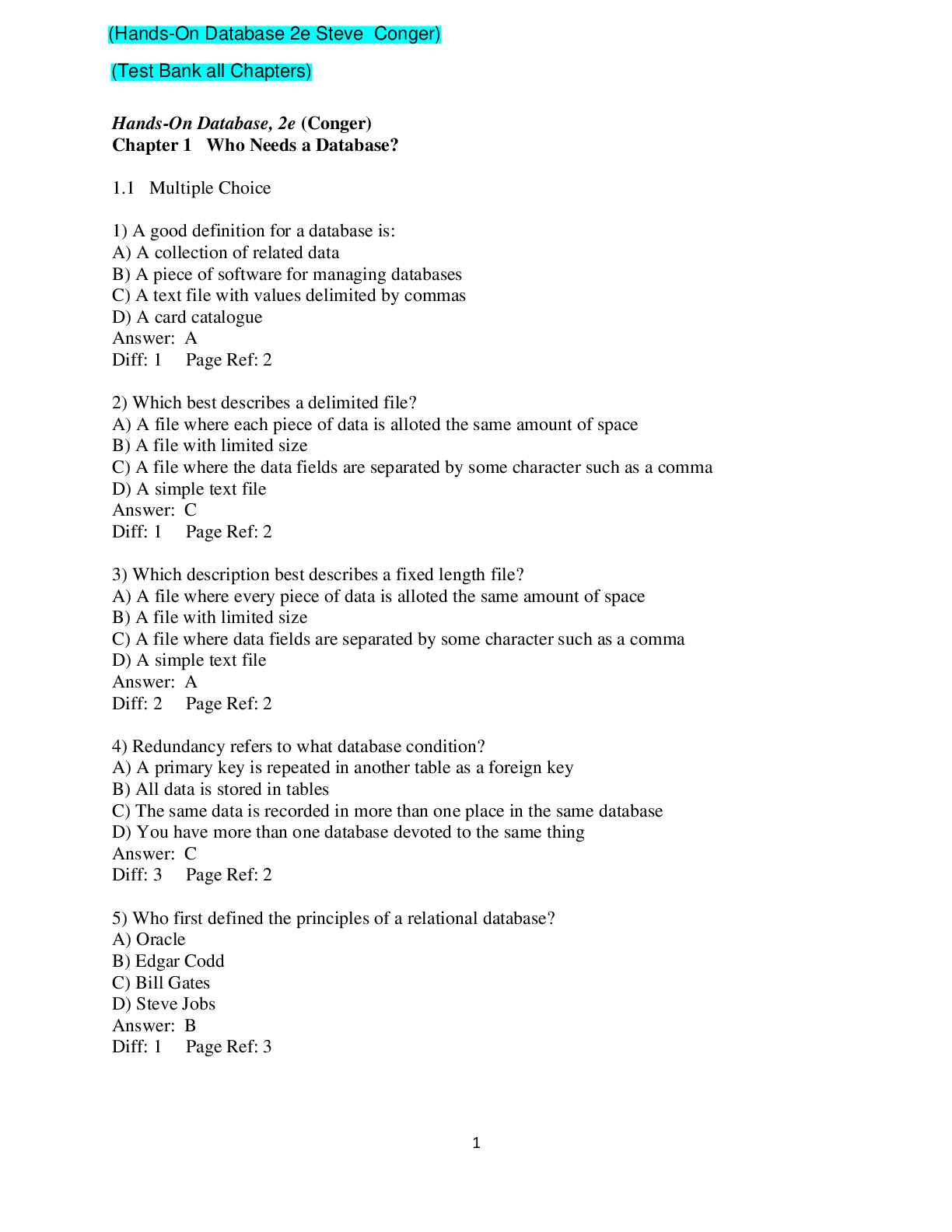
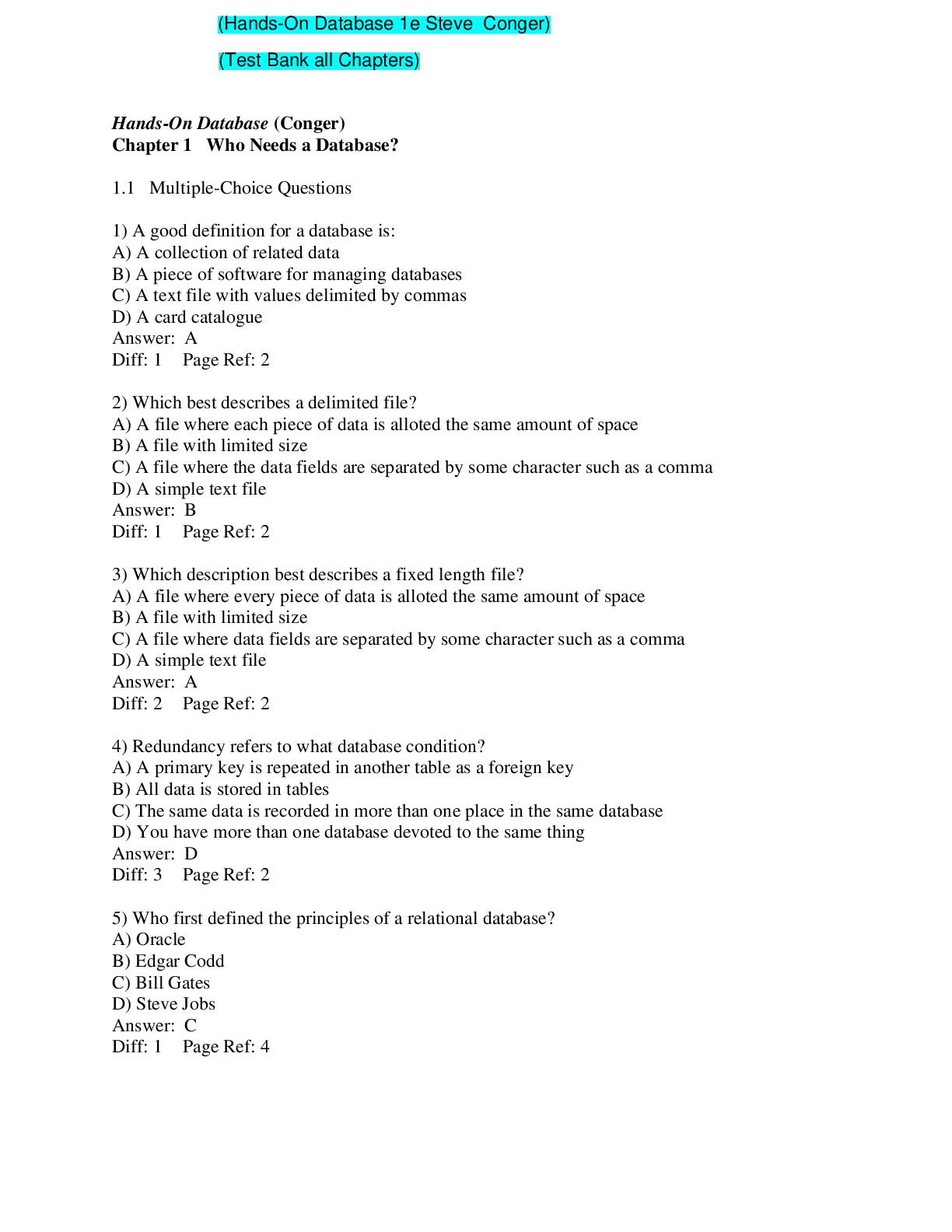
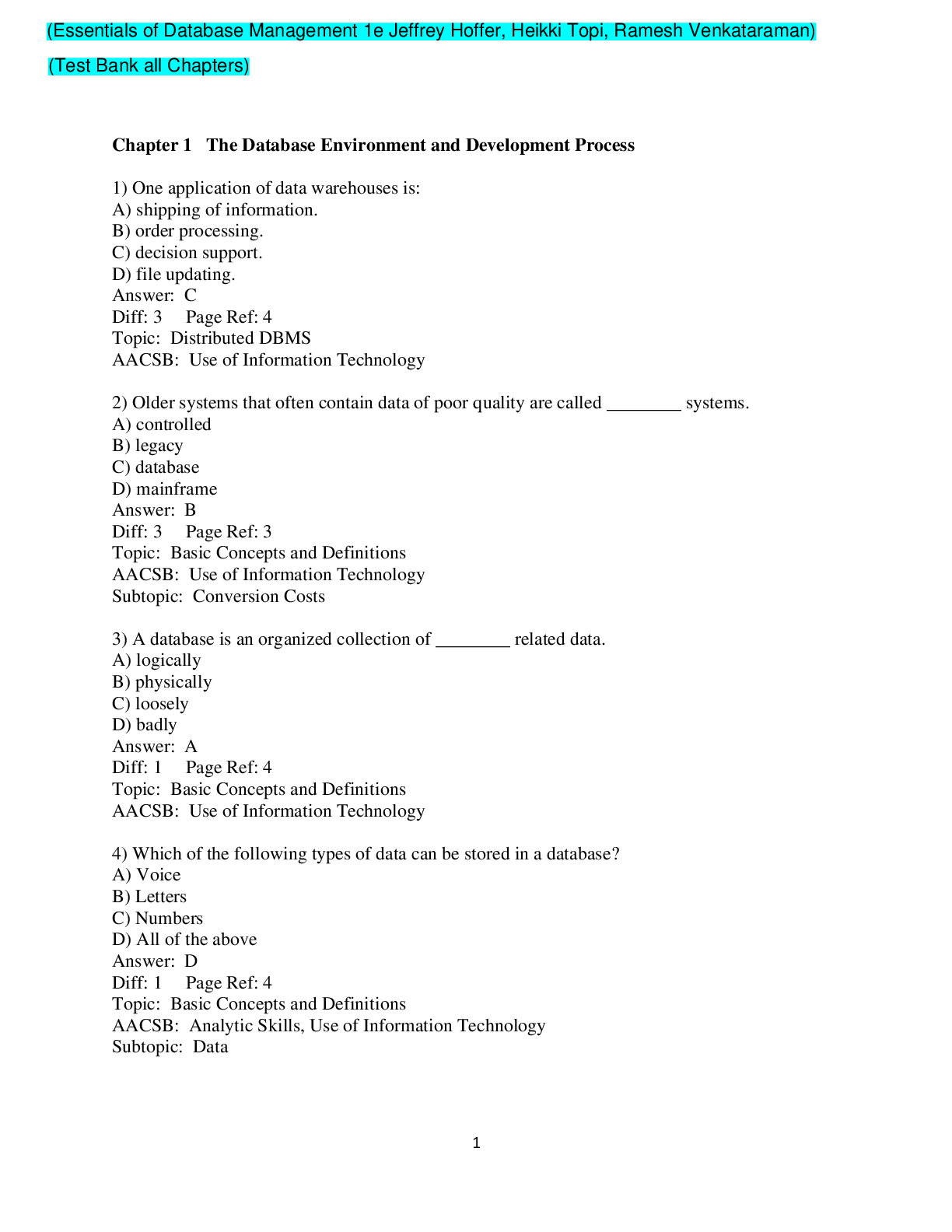
Essentials of Database Management 1e Jeffrey Hoffer, Heikki To...
Guide to Computer Forensics and Investigations, 6th Edition by...

Solution Manual for Database Systems a Practical Approach to D...