SCIENCE 101 > QUESTIONS & ANSWERS > Science 101. 2.3.5 Practice: Equilibrium and Kinetics Practice Assignment Chemistry Sem 2. Questions (All)
Science 101. 2.3.5 Practice: Equilibrium and Kinetics Practice Assignment Chemistry Sem 2. Questions and Answers.
Document Content and Description Below
Last updated: 3 years ago
Preview 1 out of 6 pages
Instant download

Buy this Document to get the Full Access Instantly
Provided by Students Who Aced it
We Verify Document Content to Gurantee Accuracy
Reviews( 0 )
Document information
Connected school, study & course
About the document
Uploaded On
Mar 17, 2022
Number of pages
6
Written in
All

Additional information
This document has been written for:
Uploaded
Mar 17, 2022
Downloads
0
Views
285
Topic Tags
Related Subjects & Courses
Explore similar study resources and related concepts.
Recommended For You
Get more on QUESTIONS & ANSWERS »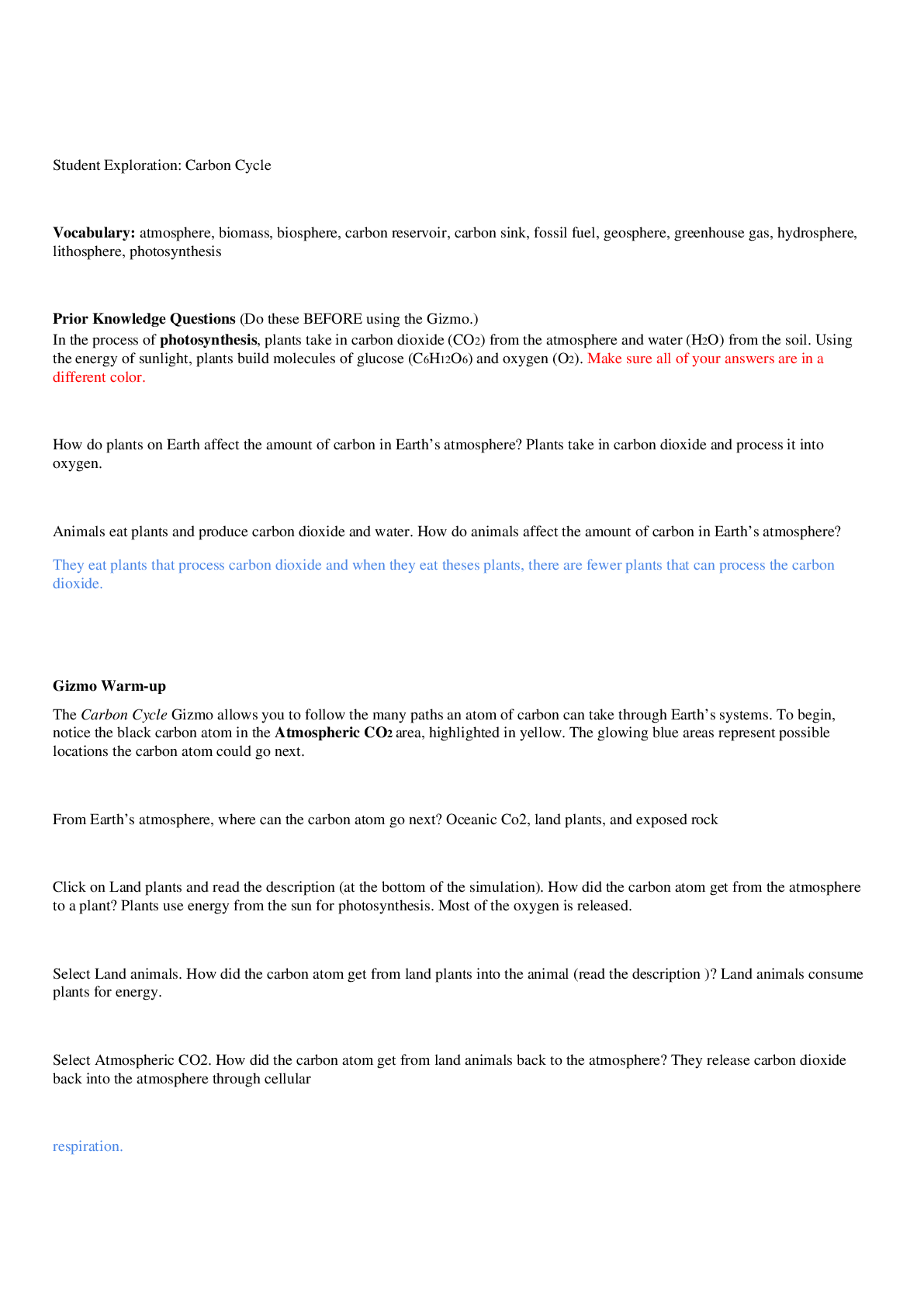
Questions and Answers > SCIENCE 101Stephani DeBise - Carbon Cy...
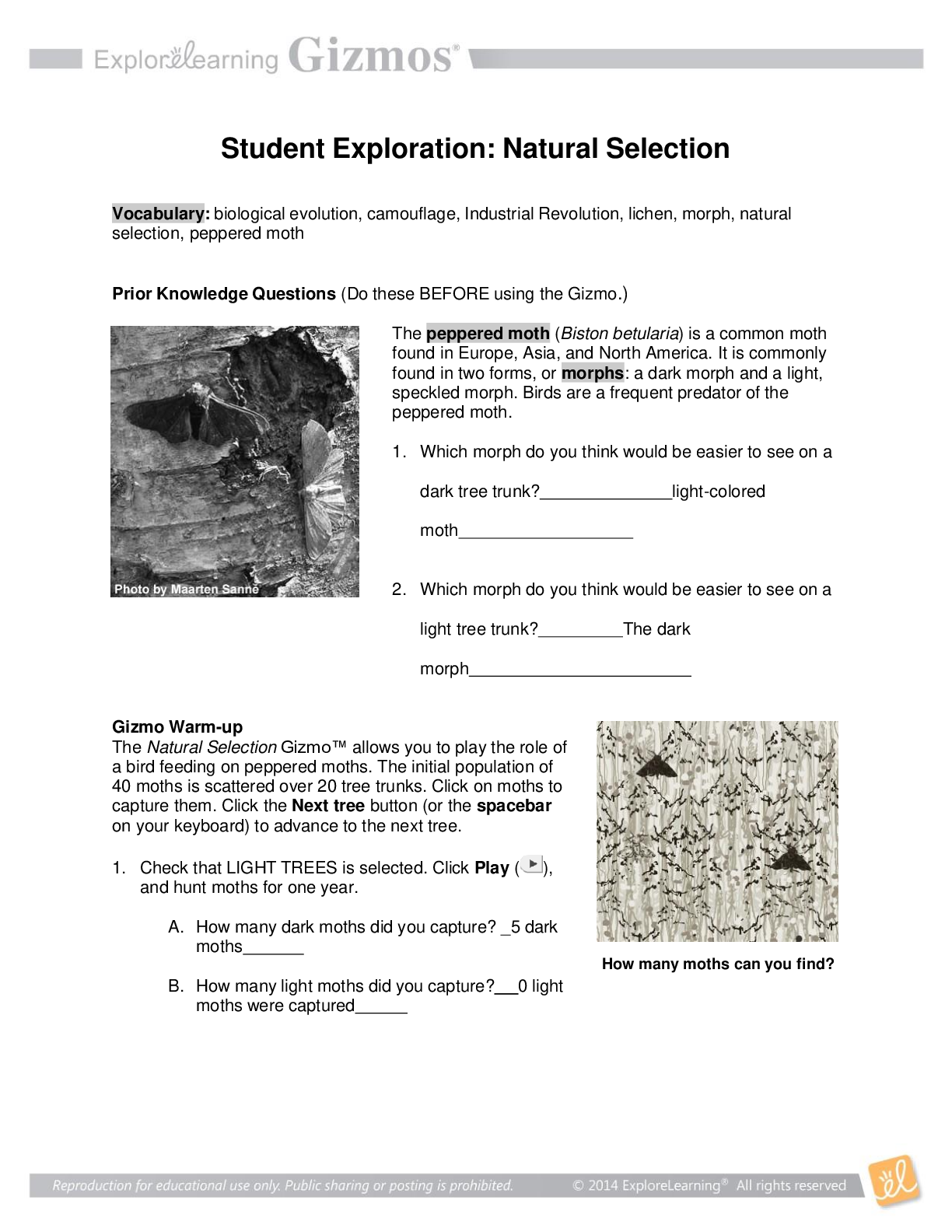
SCIENCE 101: natural selection gizmo (QUESTIONS AND CORRECT AN...
SCIENCE 101: Stephani DeBise - Carbon Cycling GIZMO (QUESTION...
 Graded A.png)
SCIENCE 101_ CARBON CYCLE GIZMO (Complete Questions and Full A...

Kennesaw Mountain High SchoolSCIENCE 101Graphing Practice
.png)
NATIONAL CENTER FOR CASE STUDY TEACHING IN SCIENCE A Trip to t...
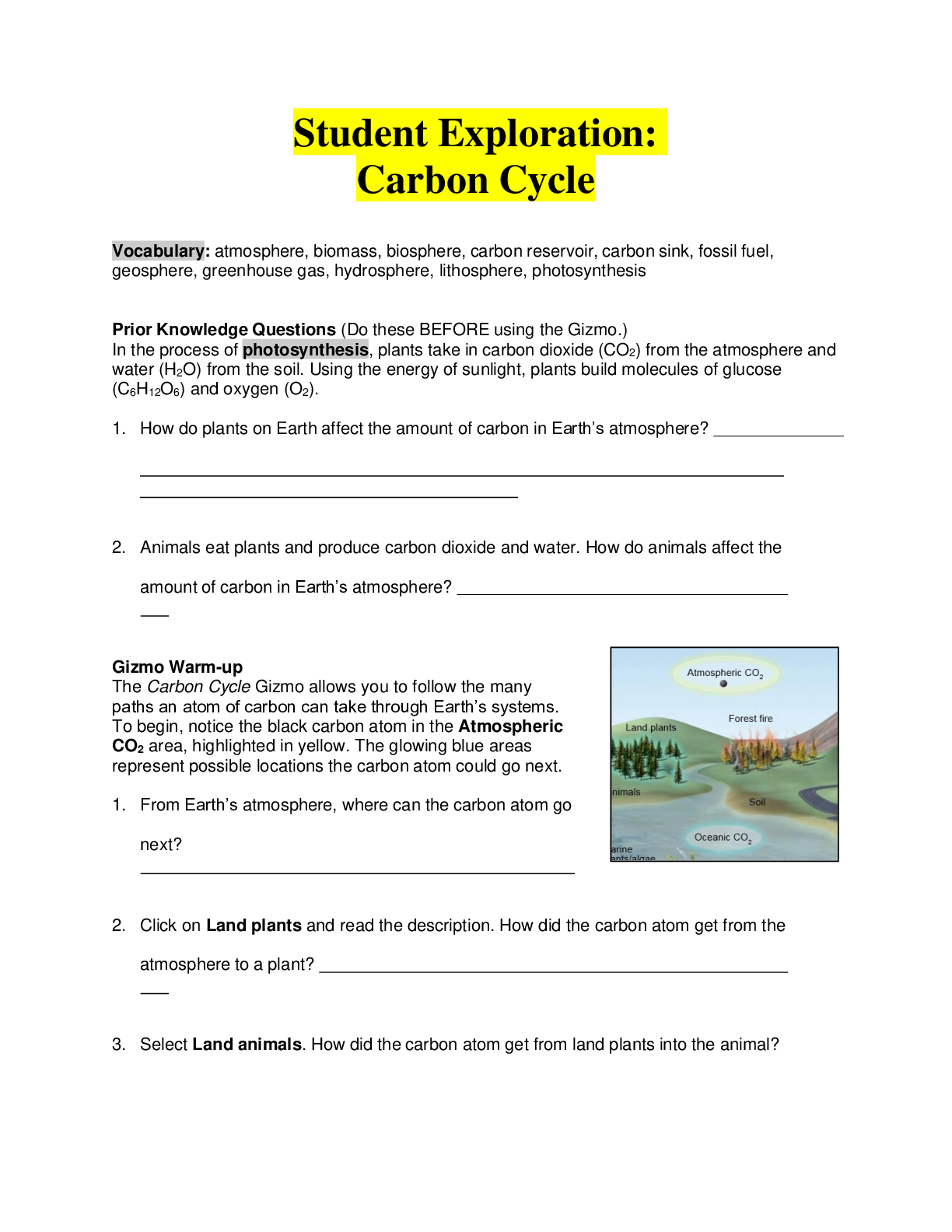
Questions and Answers > SCIENCE 101 - Carbon Cycling GIZMO


SCIENCE 101806DNAProfilingSE COMPLETED.Student Exploration: DN...
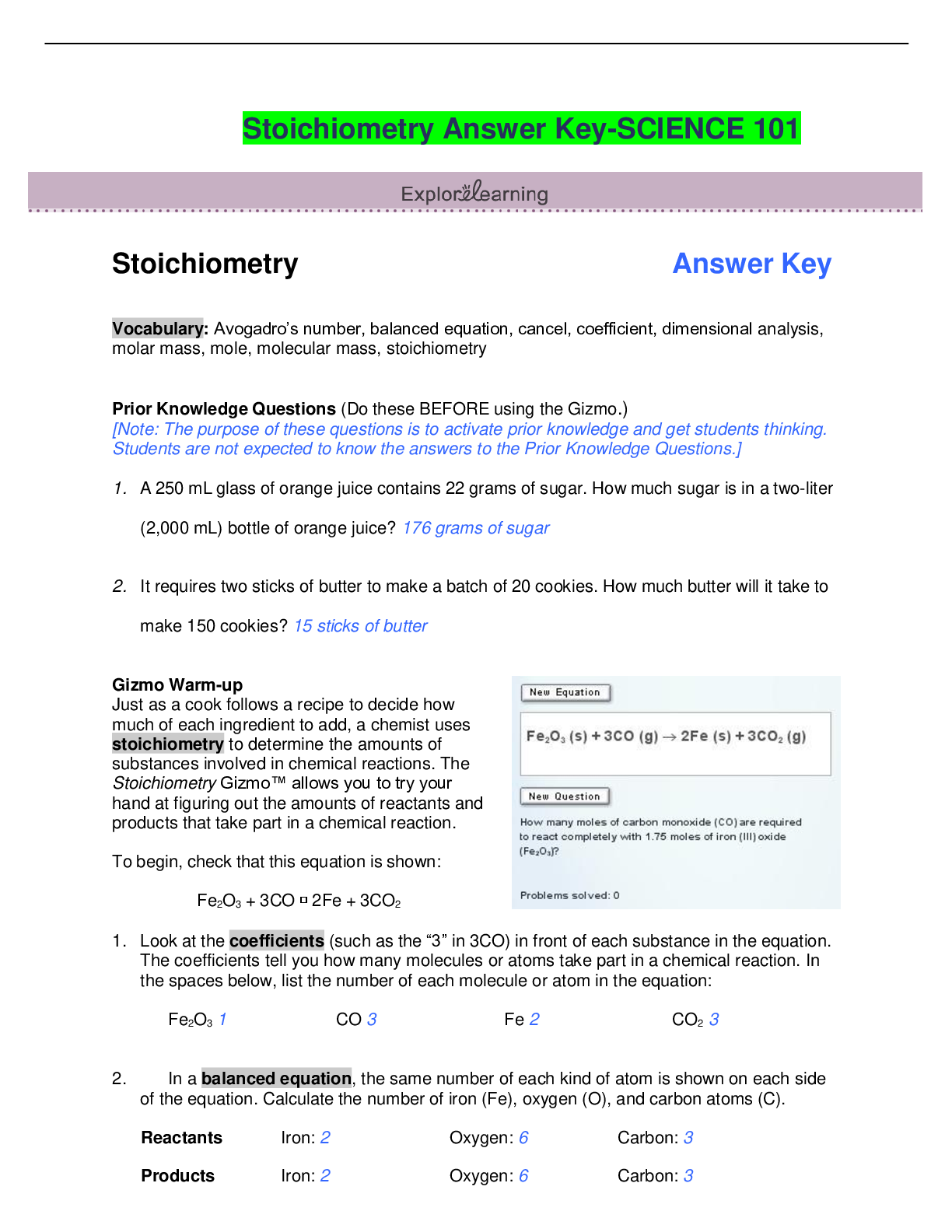

SCIENCE 101_ CARBON CYCLE GIZMO (Complete and Full Answers to...
Test Bank for The Cell A Molecular Approach 8th Edition By Geo...
Exploring Psychology, 12th Edition by David Myers, Nathan DeWa...
WGU Integrated Physical Sciences – C165 Study Guide for OA – A...

Test Bank (Downloadable Product) for The Sciences: An Integrat...
Solutions Manual for Complexity Science The Study of Emergence...