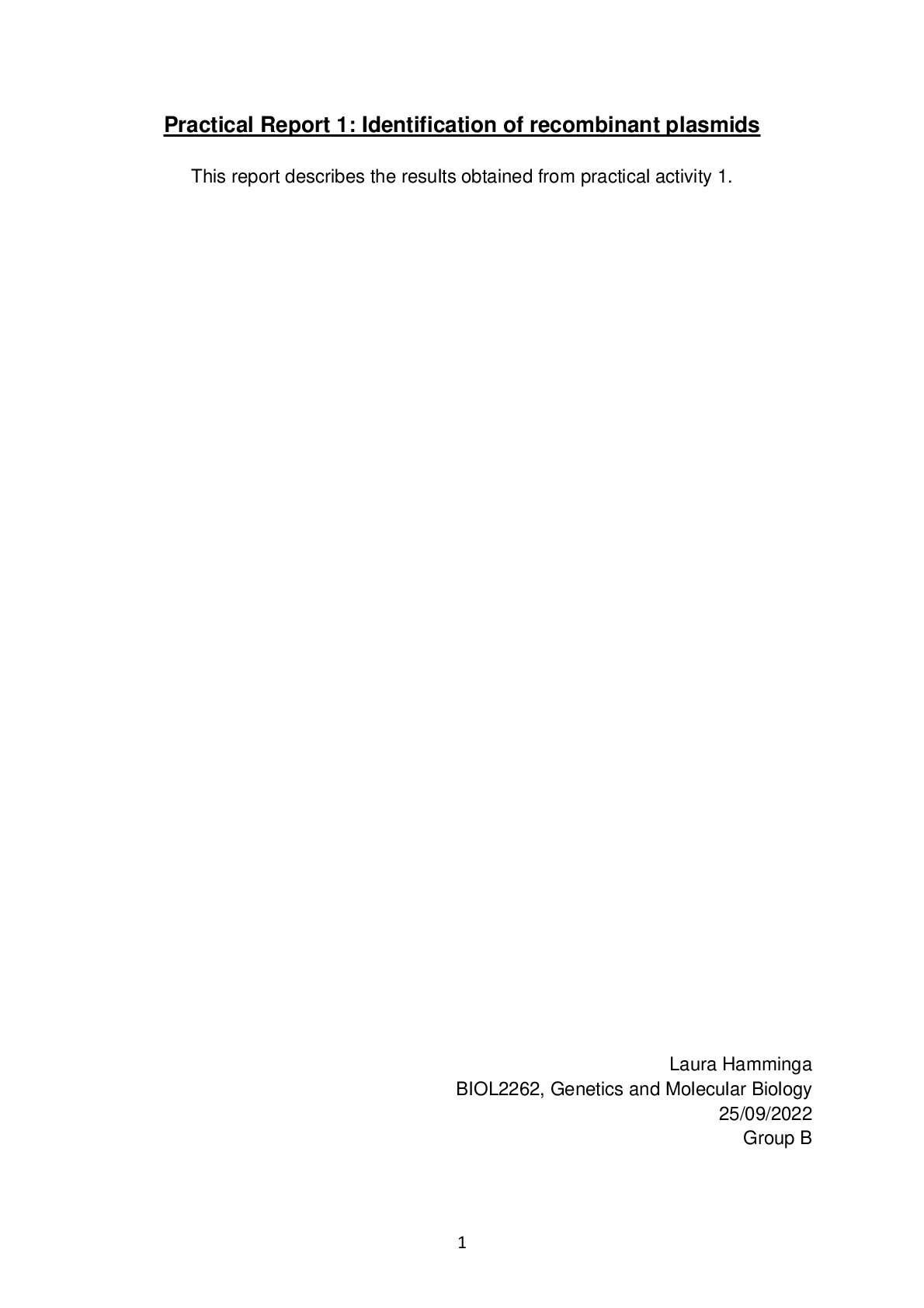
Biology > eBook[PDF] > AP Biology 2020 Practice Exam 3 and Notes(Latest 2022 Review) (All)
AP Biology 2020 Practice Exam 3 and Notes(Latest 2022 Review)
Document Content and Description Below
Last updated: 3 years ago
Preview 1 out of 113 pages
Instant download

Buy this Document to get the Full Access Instantly
Provided by Students Who Aced it
We Verify Document Content to Gurantee Accuracy
Reviews( 0 )
Document information
Connected school, study & course
About the document
Uploaded On
Mar 18, 2022
Number of pages
113
Written in
All

Additional information
This document has been written for:
Uploaded
Mar 18, 2022
Downloads
0
Views
552
Topic Tags
Recommended For You
Get more on eBook[PDF] »
eBook Ordering and Payment Page | SEARCH your EBOOK TITLE on T...

Ross and Wilson Anatomy and Physiology in Health and Illness:...
 (z-lib.png)
Ross and Wilson's Anatomy and Physiology in Health and Illness...
Ross and Wilson's Anatomy and Physiology in Health and Illness...
The Well-Managed Healthcare Organization 9th Edition by Griffi...

Landscape Composition 1 - 3nd edition - An eBook on Compositio...