Earth Science > QUESTIONS & ANSWERS > PHSC 211 Elements of Earth Science Chapter 16 Quiz – Liberty University (A grade) | (All)
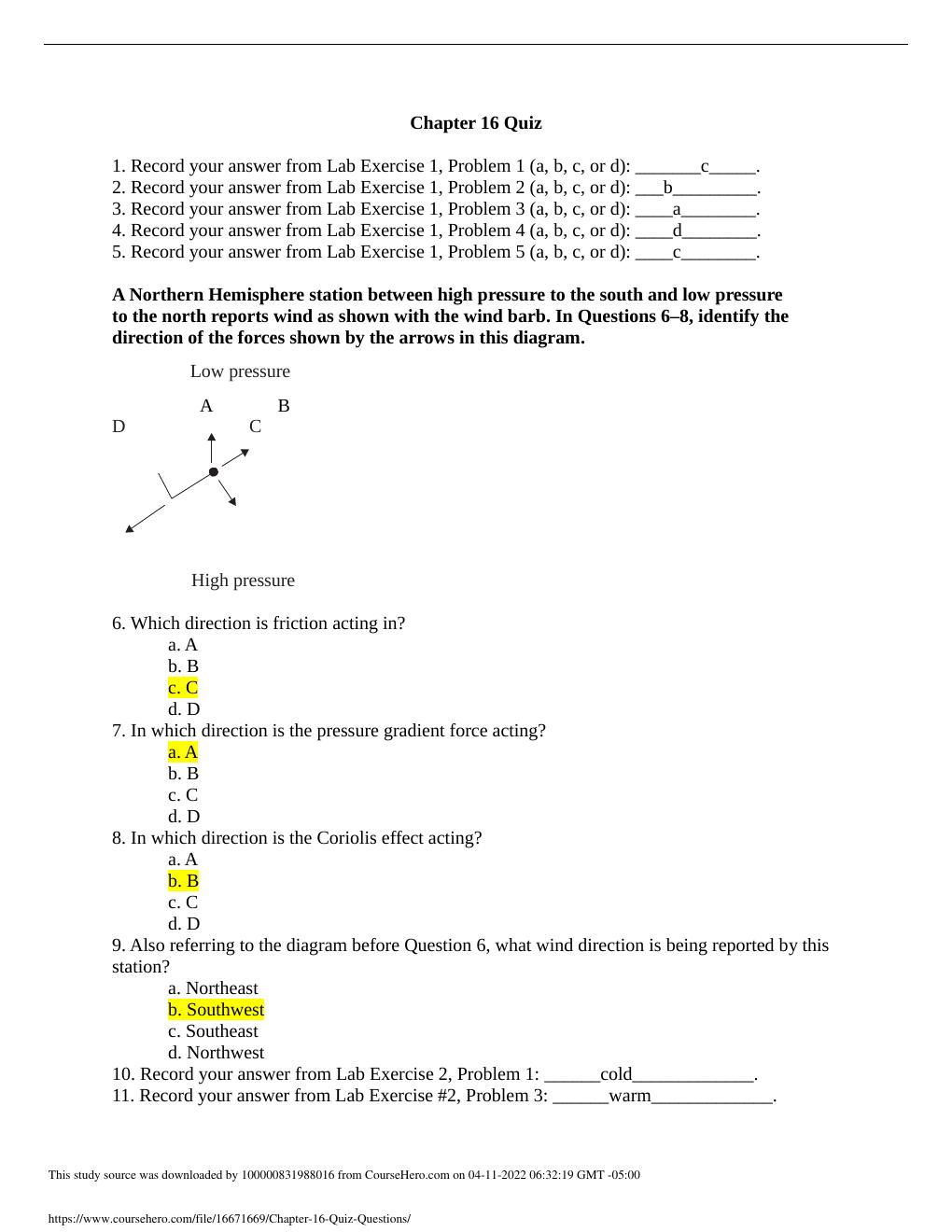
PHSC 211 Elements of Earth Science Chapter 16 Quiz – Liberty University (A grade) |
Document Content and Description Below
Last updated: 2 months ago
Preview 1 out of 2 pages
Instant download
Buy this Document to get the Full Access Instantly
Provided by Students Who Aced it
We Verify Document Content to Gurantee Accuracy
Also available in bundle (1)
Click Below to Access Bundle(s)
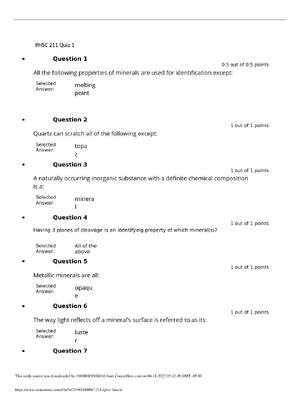
PHSC 211 Elements of Earth Science Chapters 1 - 16 Quiz – Liberty University (A grade)
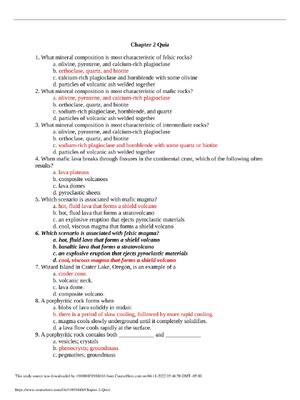
PHSC 211 Chapter 2 Quiz (Fall 2020)– Liberty University (A grade) 1. What mineral composition is most characteristic of felsic rocks? a. olivine, pyroxene, and calcium-rich plagioclase b. orthoclase,...
By Nutmegs 4 years ago
$55
13
Associated Textbook
Reviews( 0 )
Document information
Connected school, study & course
About the document
Uploaded On
Apr 11, 2022
Number of pages
2
Written in
All

Additional information
This document has been written for:
Uploaded
Apr 11, 2022
Downloads
0
Views
217
Topic Tags
Recommended For You
Get more on QUESTIONS & ANSWERS »
PHSC 211 Elements of Earth Science Chapter 15 Quiz – Liberty U...

PHSC 211 Elements of Earth Science Chapter 13 Quiz – Liberty U...
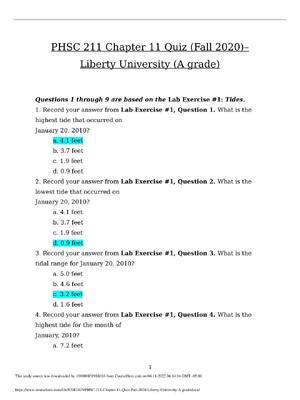
PHSC 211 Elements of Earth Science Chapter 11 Quiz – Liberty U...
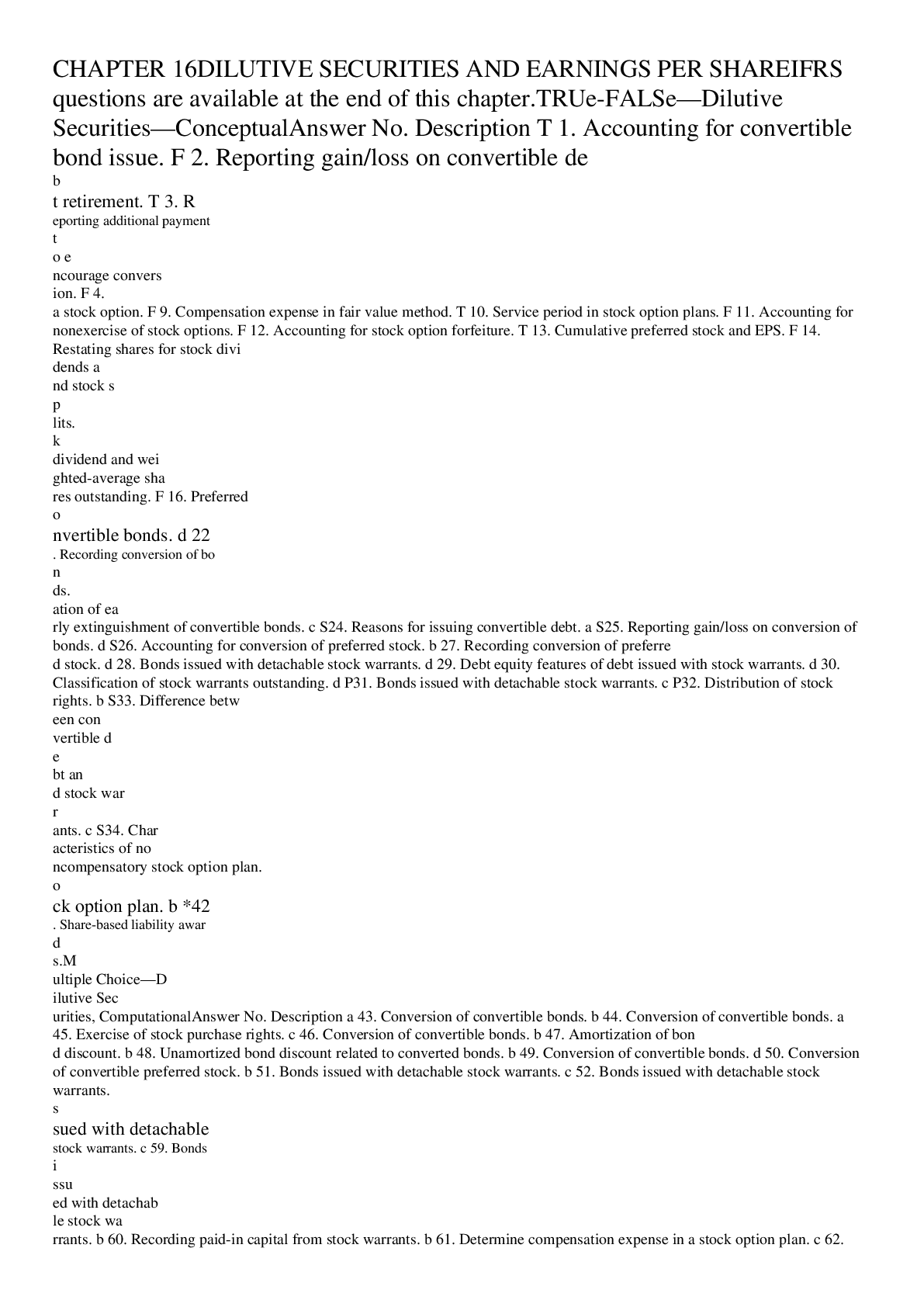
Test Bank Chapter 16 Dilutive Securities and Earnings Per Shar...
Test Bank Chapter 16 Dilutive Securities and Earnings Per Shar...
.png)
Operations Management: Processes and Supply Chains, 10e (Kraje...
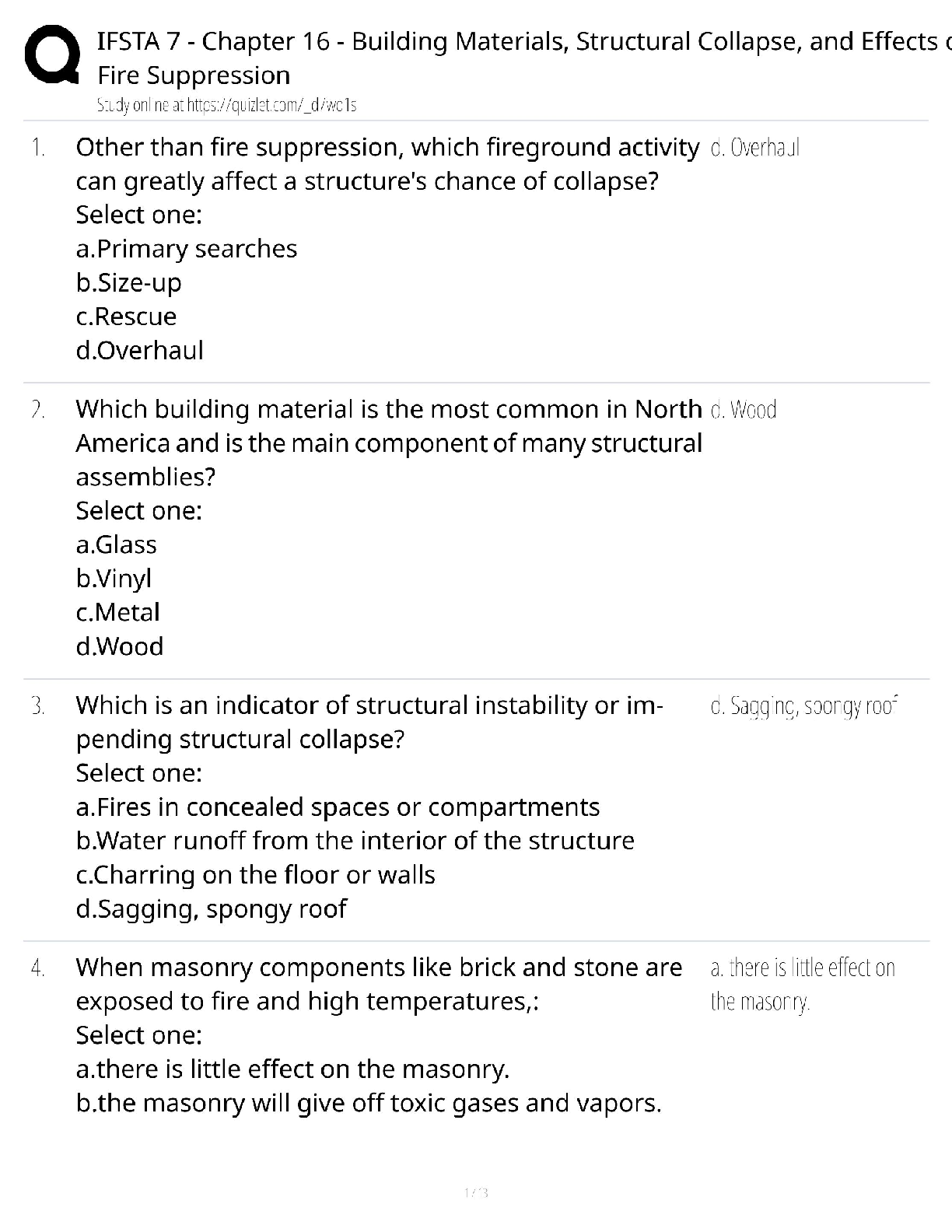
IFSTA 7 Chapter 16 / Building Materials & Structural Collapse...
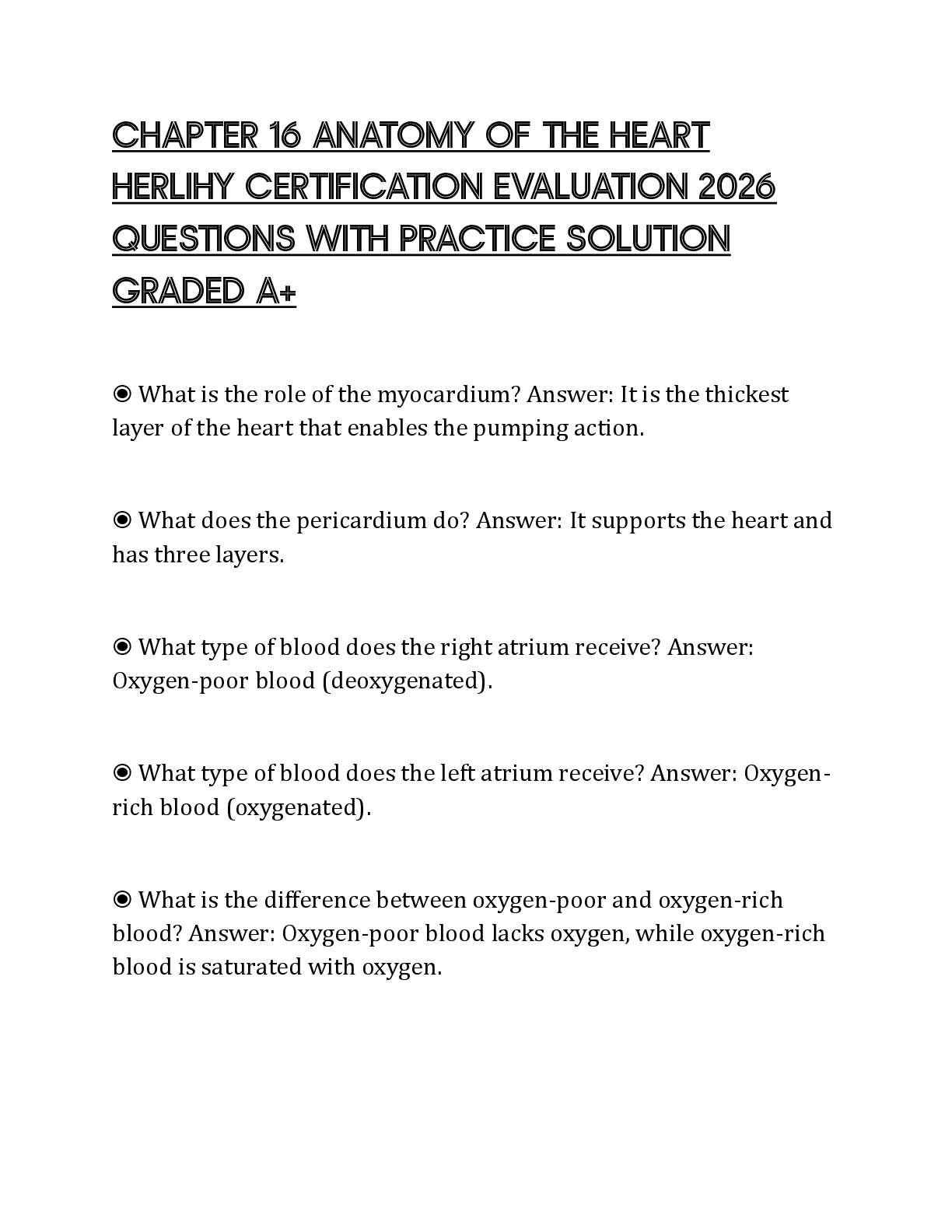
CHAPTER 16 ANATOMY OF THE HEART HERLIHY CERTIFICATION EVALUATI...
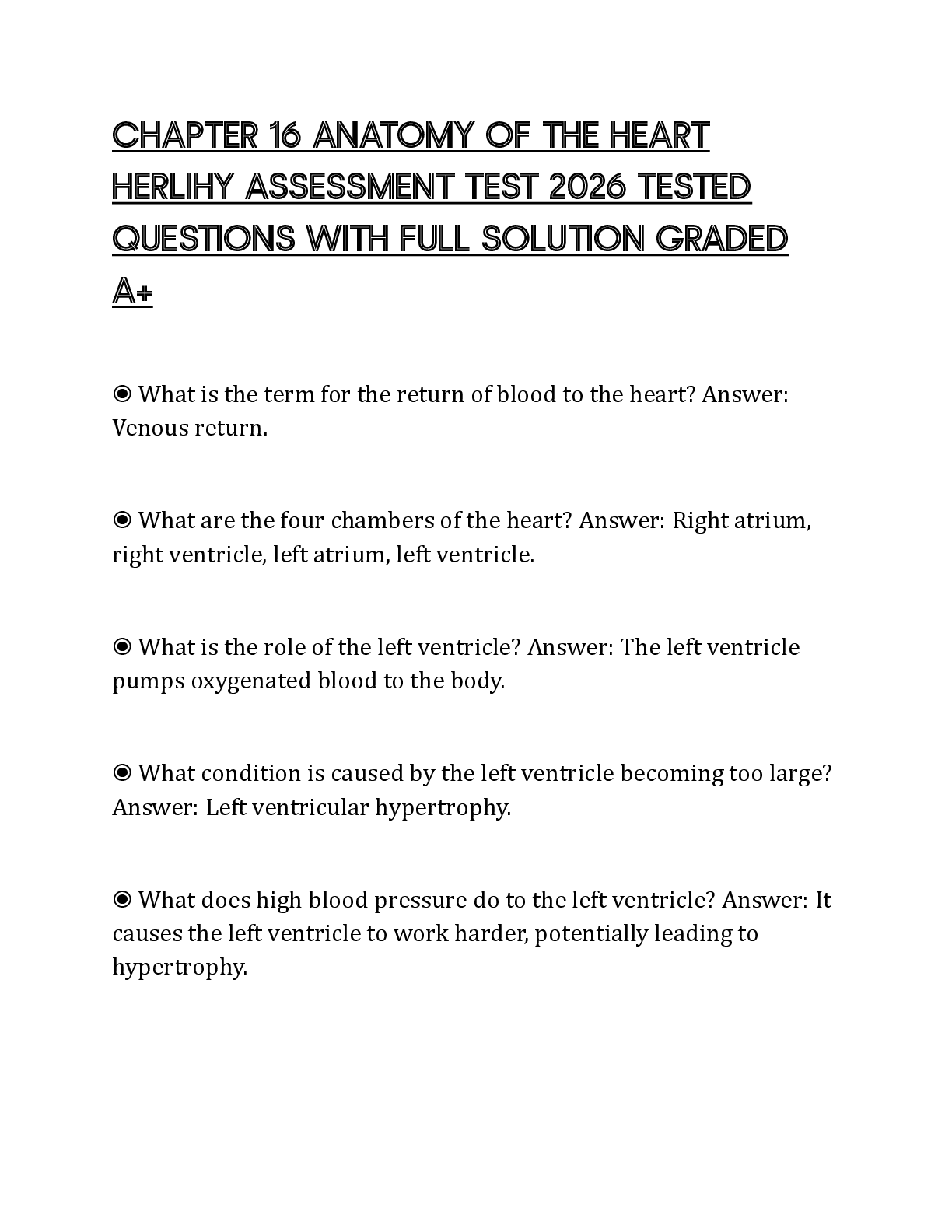
CHAPTER 16 ANATOMY OF THE HEART HERLIHY ASSESSMENT TEST 2026 T...
Test Bank For Lewis's Medical-Surgical Nursing, 12th Edition b...

Instructor Manual For Business Foundations A Changing World 13...
.png)
ESSENTIAL CELL BIOLOGY, FOURTH EDITION CHAPTER 16: CELL SIGNAL...
.png)
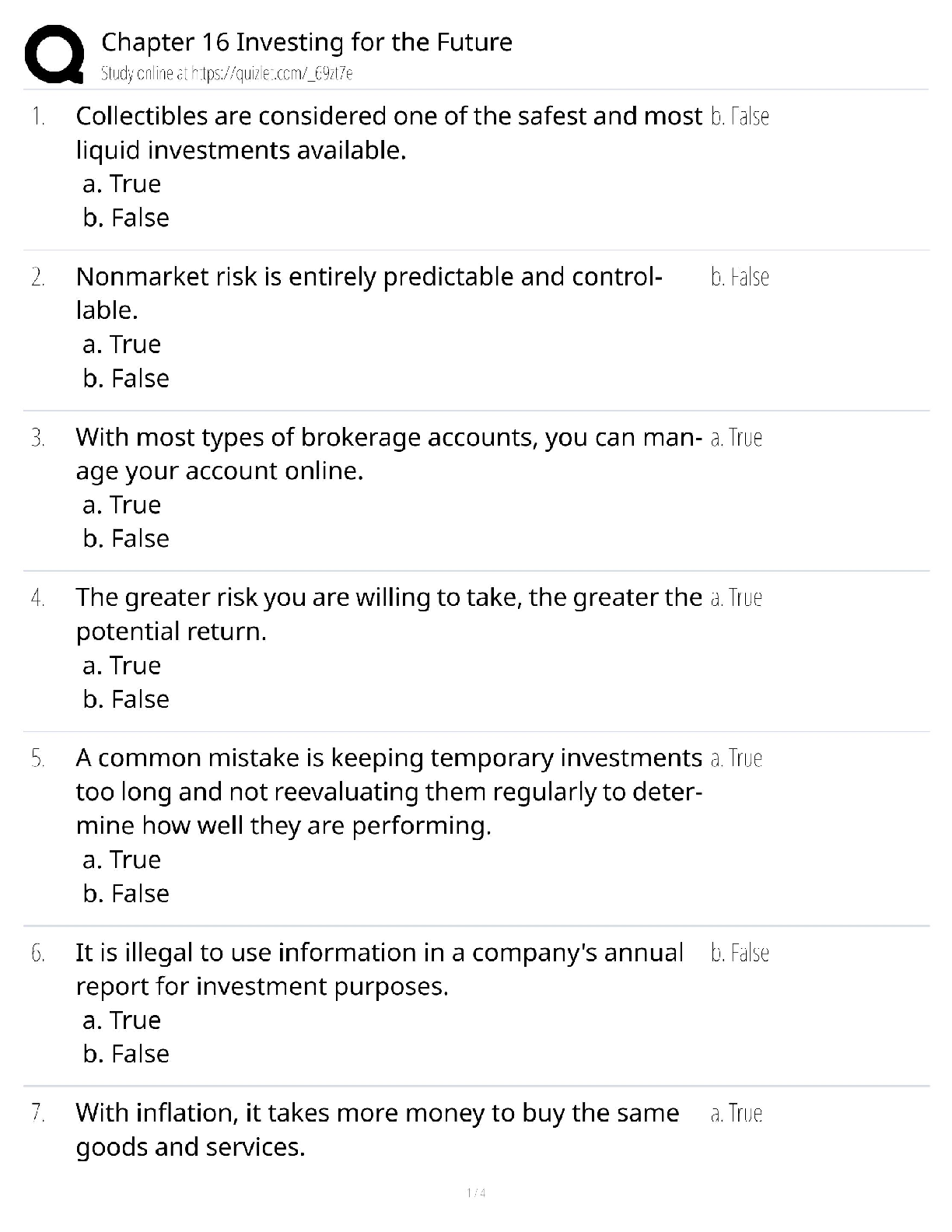
Chapter 16 Investing for the Future / Score 100% / 2025 New Ve...
CHAPTER 16 ANATOMY OF THE HEART HERLIHY STUDY GUIDE 2026 SOLVE...
NURS 6501 / NURS6501: Advanced Pathophysiology - Chapter 16 St...