Philosophy > QUESTIONS & ANSWERS > PHI 103 Week 3 Quiz Latest Updated (All)
PHI 103 Week 3 Quiz Latest Updated
Document Content and Description Below
Last updated: 1 month ago
Preview 1 out of 15 pages
Instant download
Buy this document to get the full access instantly
Instant Download Access after purchase
Also available in bundle (1)
Click Below to Access Bundle(s)

PHI 103 Week 1 Quiz, Week 2 Quiz, Week 3 Quiz, Week 4 Quiz, Week 5 Quiz & FINAL EXAM PHI 103 QUESTIONS AND ANSWERS ALREADY PASSED
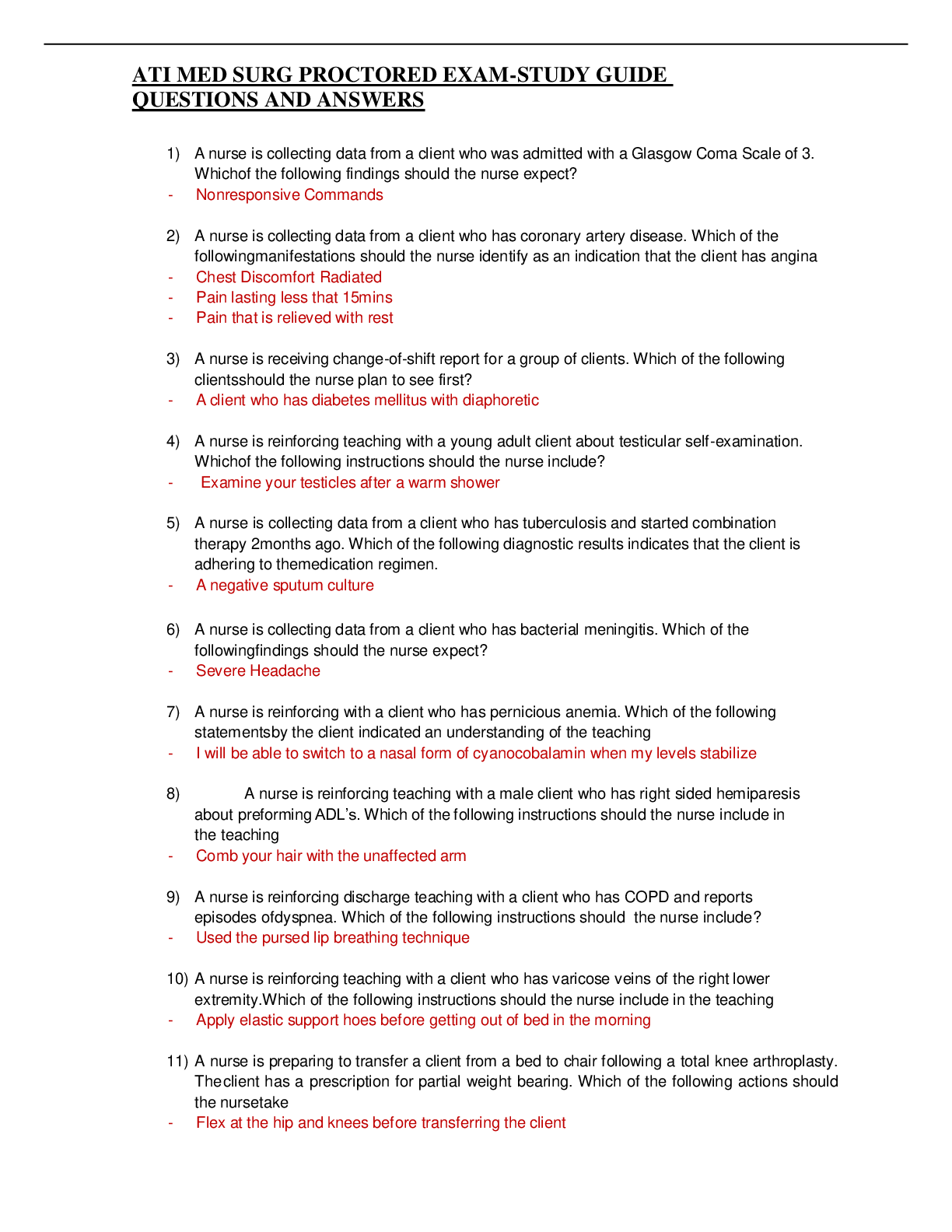
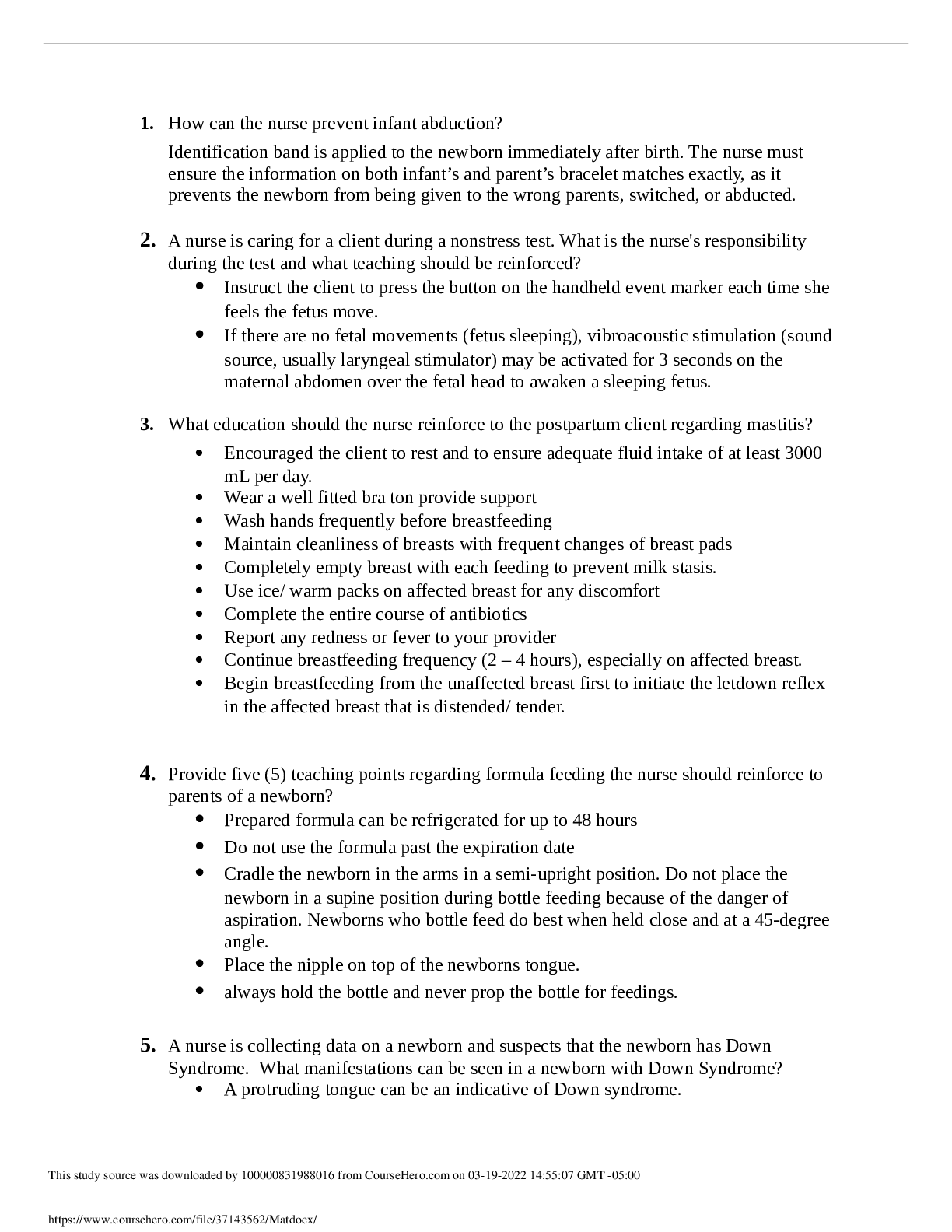
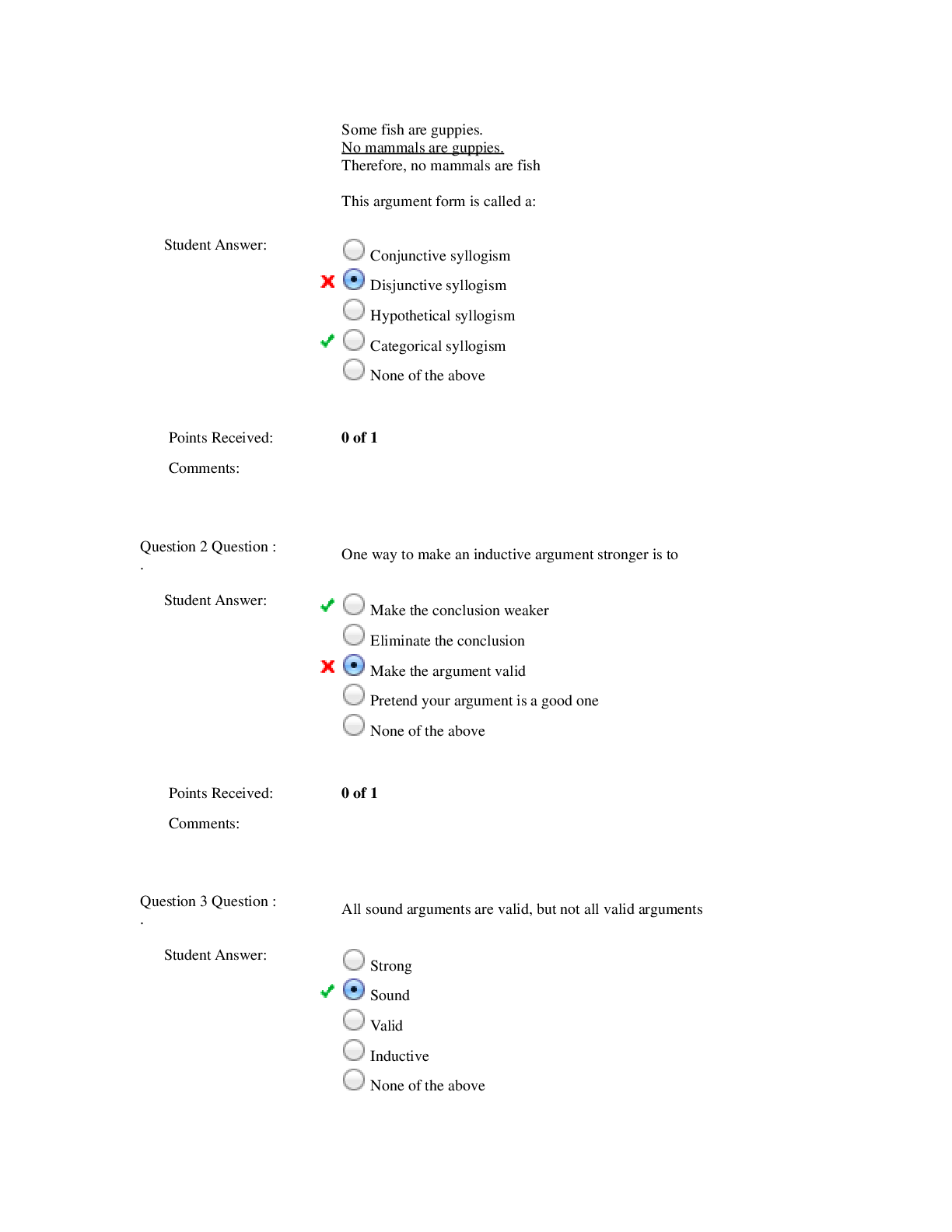
1. Question : Which of the following standards of thinking relates to how one can verify if the answer to a question or problem is on topic? Student Answer: Clarity Relevance Depth Logic Fair...
By Nutmegs 4 years ago
$39.5
6
Reviews( 0 )
$13.00
Document information
Connected school, study & course
About the document
Uploaded On
Apr 28, 2022
Number of pages
15
Written in
All

Additional information
This document has been written for:
Uploaded
Apr 28, 2022
Downloads
0
Views
233
Document Keyword Tags
Recommended For You
Get more on QUESTIONS & ANSWERS »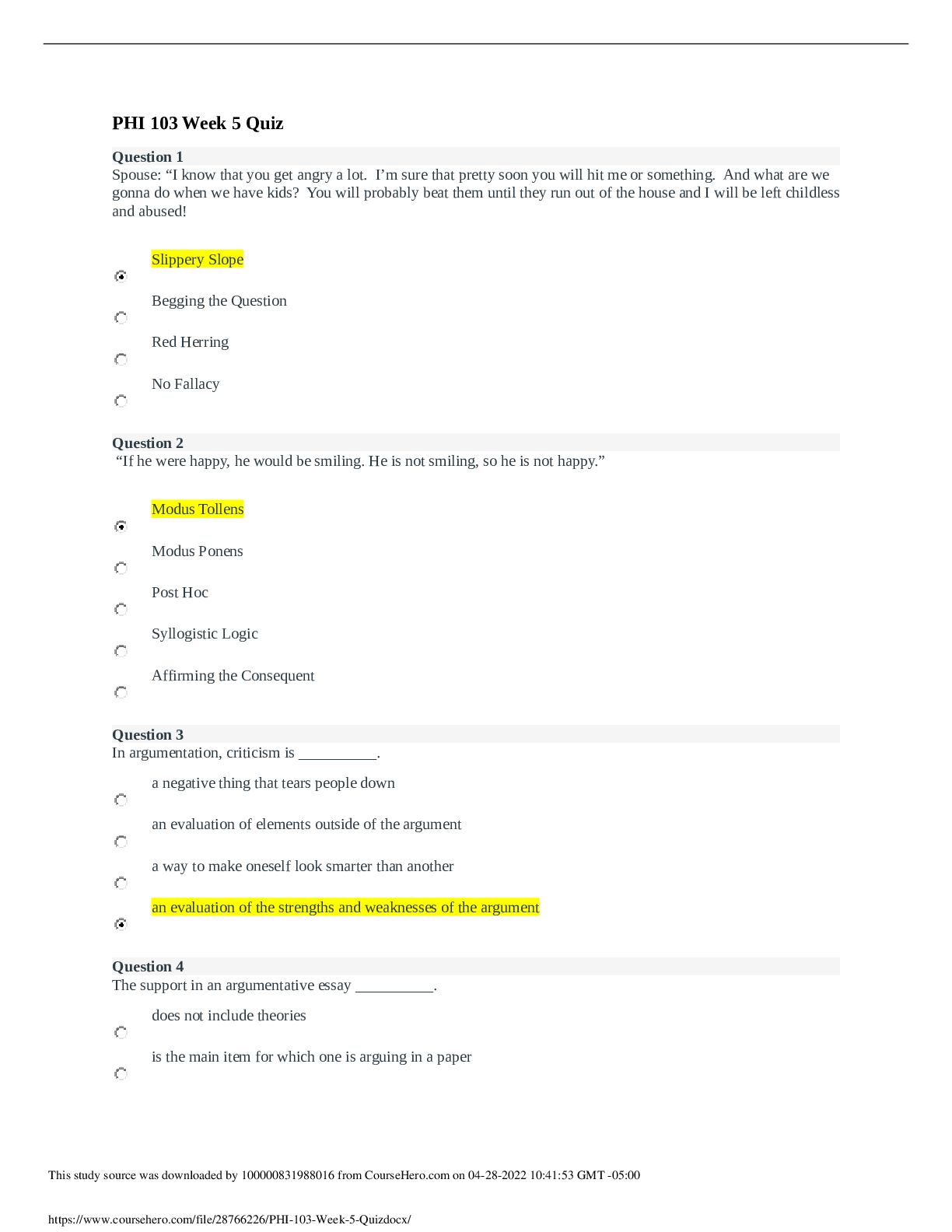
Ashford University PHI 103 Week 4 Quiz Latest Updated Score 10...

Ashford University PHI 103 Week 5 Quiz Latest Updated Score 10...

.png)
Quiz_ PHI103_ Informal Logic (ACL2031D).DONE ON 2020 --A GOOD...
GCU PHI 103 Exam 2 | 60 Questions with 100% Correct Answers |...

Ashford University PHI 103informal logic critical think quizz

whatismindhc.docx Benchmark- What is Mind Grand Canyon Uni...


PHI 2000 Introduction to Ethics Final Exam Sophia Course/PHI 2...

Test Bank for Archetypes of Wisdom An Introduction to Philosop...


PHI 2000 Introduction to Ethics Final Exam Sophia Course/PHI 2...
Our Origins Discovering Physical Anthropology 4th Edition By C...

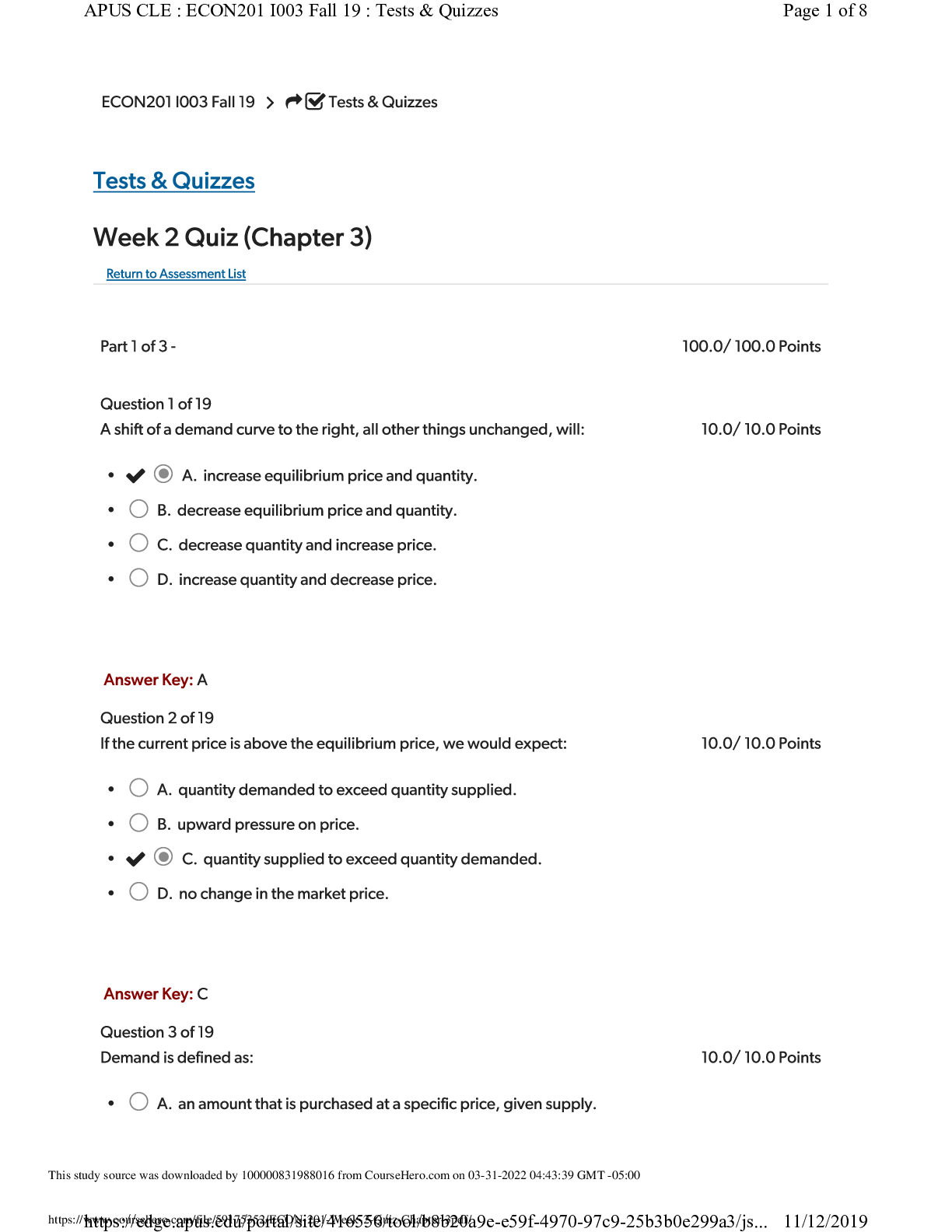
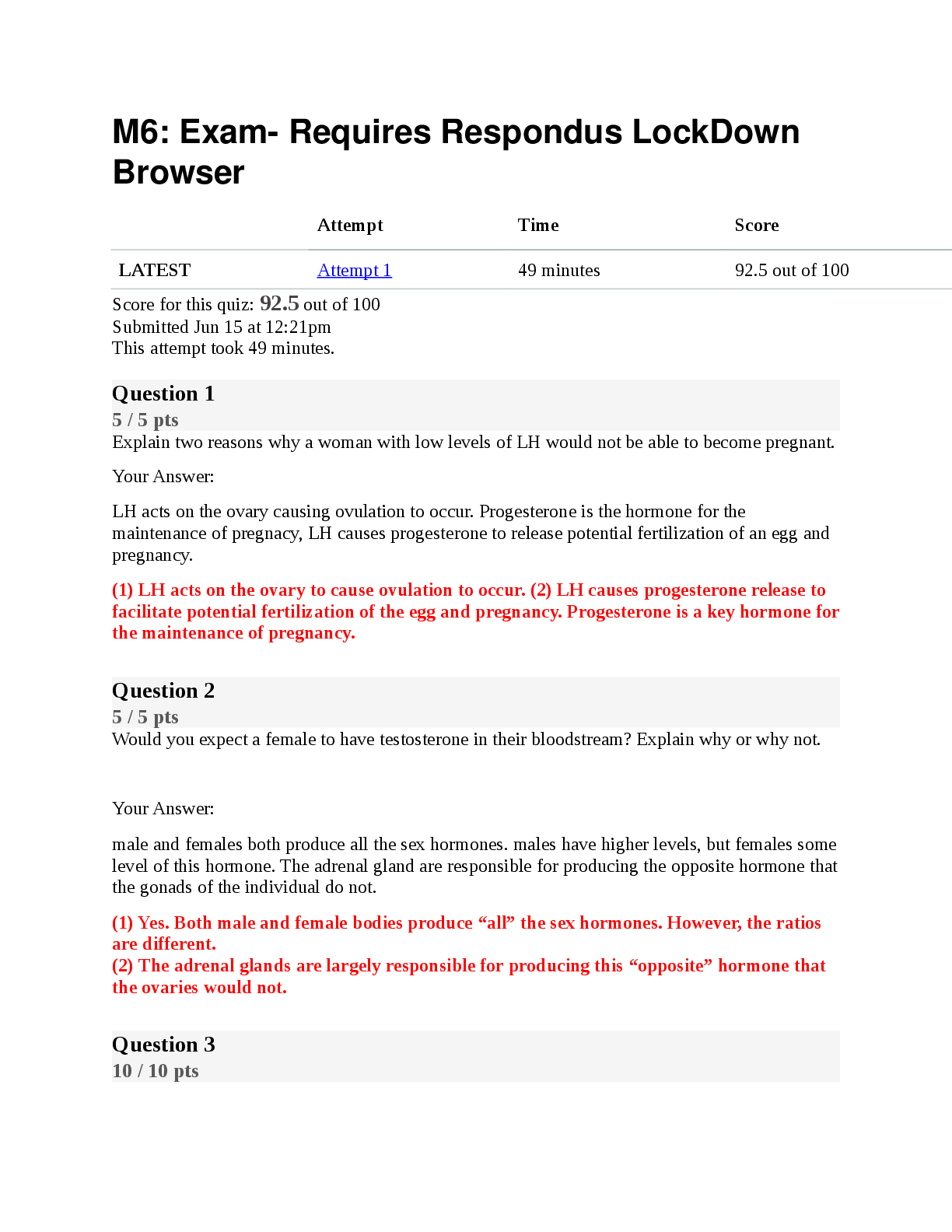

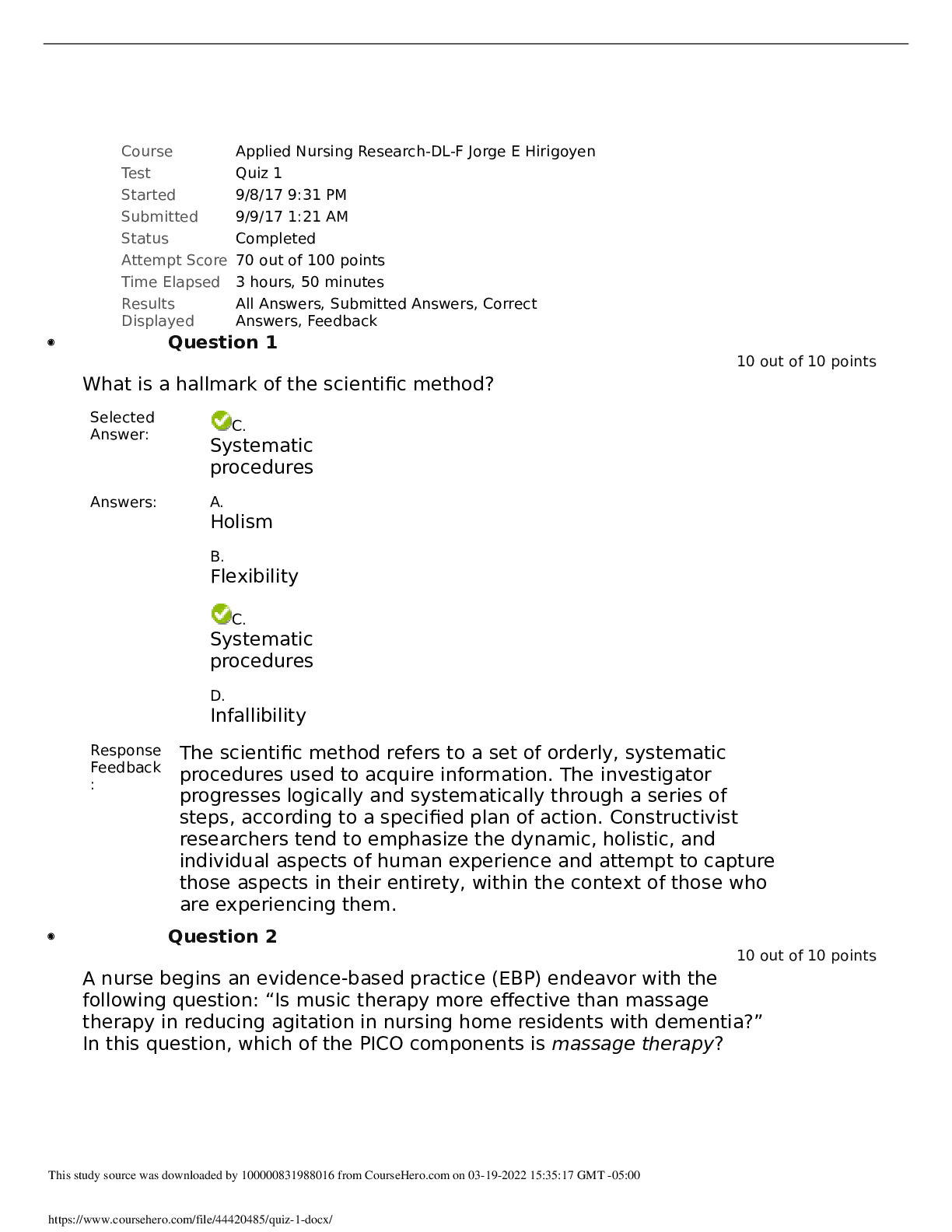

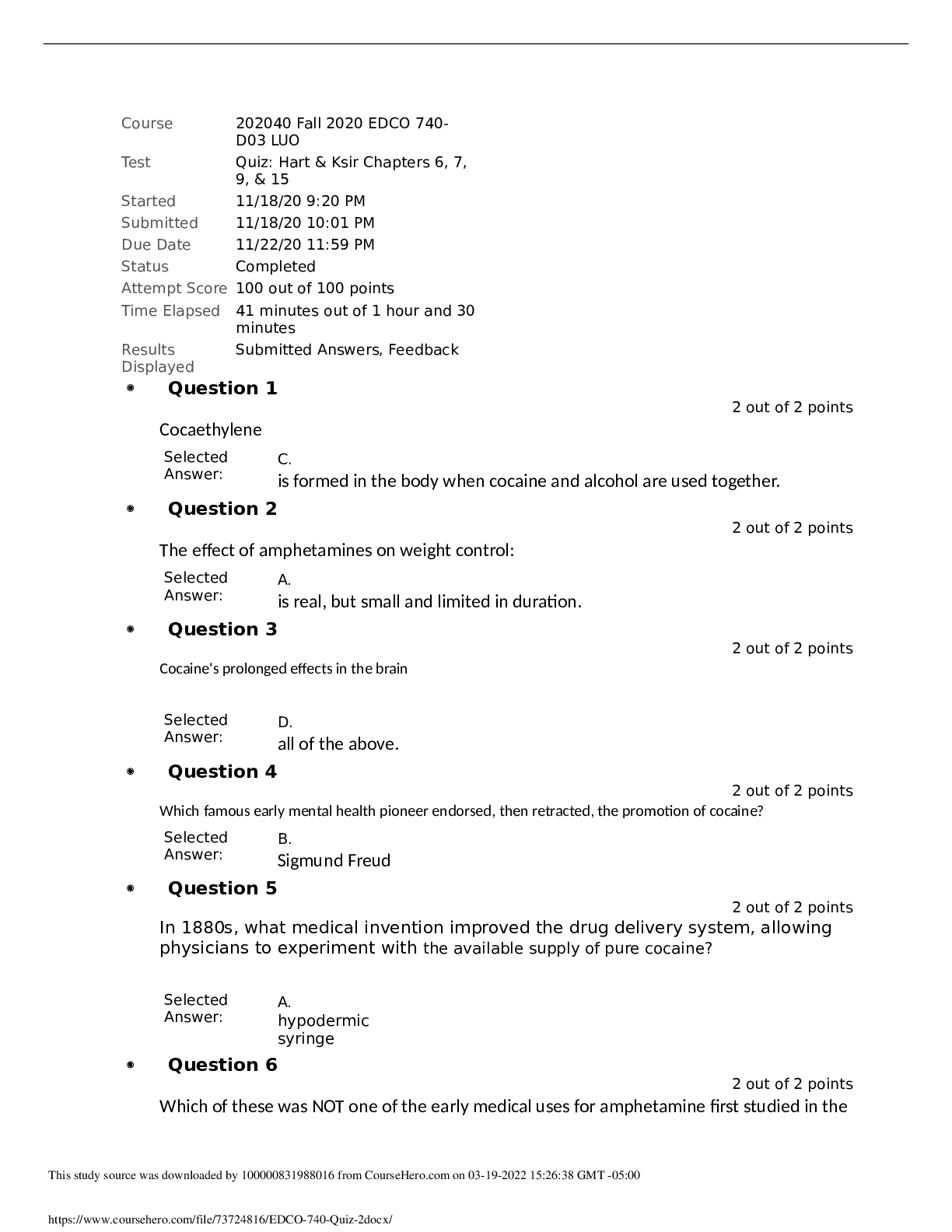
![Preview of [SOLVED] EDCO 740 / EDCO740 Quiz 1 (LATES 2021/2022 Graded A)](https://scholarfriends.com/storage/EDCO_740_Quiz_1.png)