NURSING > ATI Study Resources. > 1600 Quiz 5 Practice Questions With Rationales . (All)
1600 Quiz 5 Practice Questions With Rationales .
Document Content and Description Below
Last updated: 3 years ago
Preview 1 out of 92 pages
Instant download

Buy this Document to get the Full Access Instantly
Provided by Students Who Aced it
We Verify Document Content to Gurantee Accuracy
Reviews( 0 )
Document information
Connected school, study & course
About the document
Uploaded On
Apr 30, 2022
Number of pages
92
Written in
All

Additional information
This document has been written for:
Uploaded
Apr 30, 2022
Downloads
0
Views
112
Topic Tags
Related Subjects & Courses
Explore similar study resources and related concepts.
Recommended For You
Get more on ATI Study Resources. »
ATI TEAS 7 – Practice Exam Questions (2024/2025) | 150 Questio...

ATI MATERNAL NEWBORN PROCTORED EXAM | 33 VERSIONS Contains 260...
.png)
ATI MENTAL HEALTH EXAM A, B and C I Grade A+ Answers and C...

ATI Fundamentals Proctored Exam Questions and Answers | Pages...

ATI TEAS 7 All Subjects Exam Pack 2025/2026 | Verified Questio...

ATI TEAS 7 Exam Test Bank – 300 Questions with Answers Latest...

ATI MATERNAL NEWBORN PROCTORED EXAM WITH RATIONALES Version...

Test Bank For Fundamentals of Nursing 11th Edition Potter Perr...

Test Bank for Sociology of Sport Paperback 12Ed. by George H....
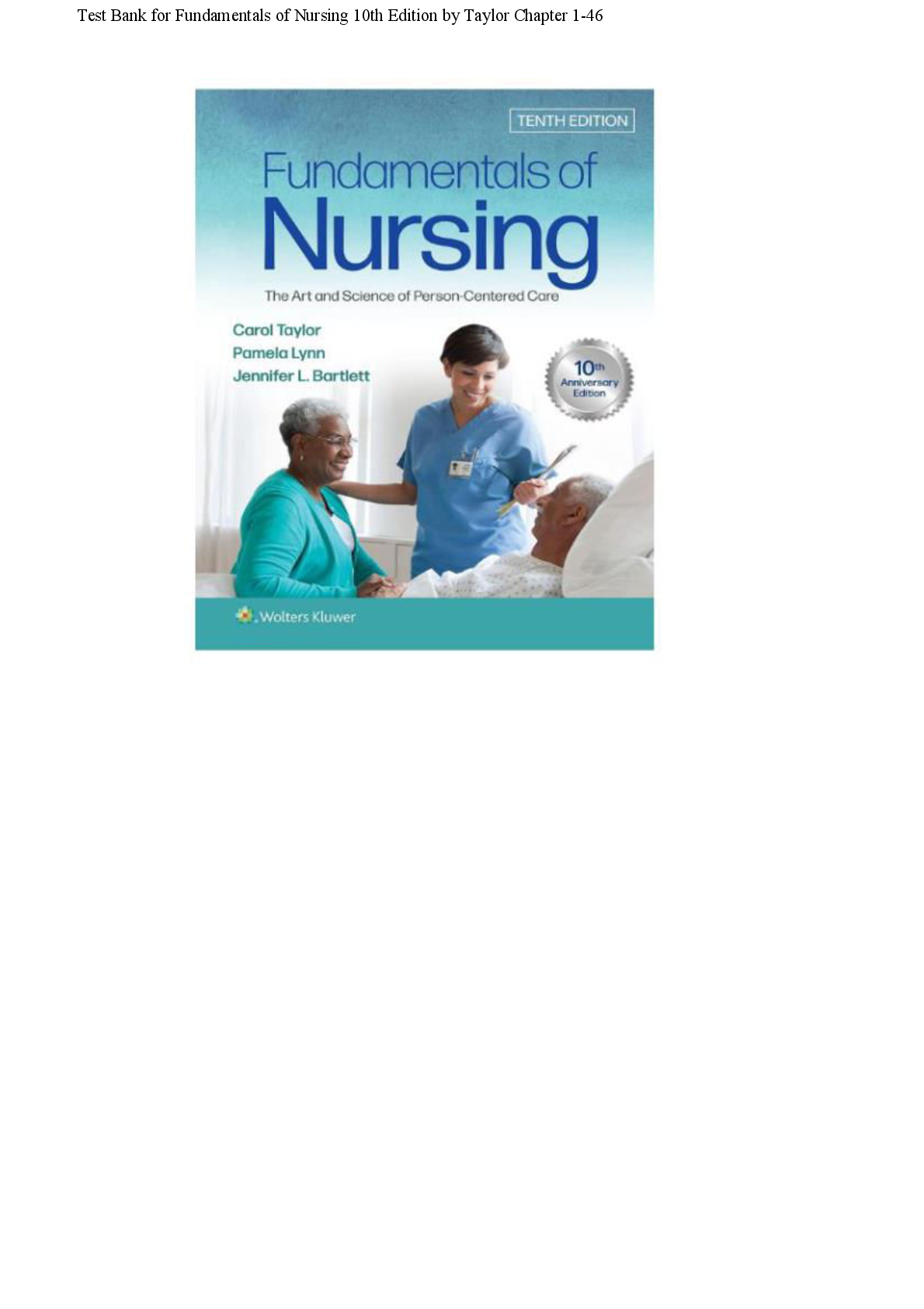
Test Bank for Fundamentals of Nursing 10th Edition by Taylor C...

TEST BANK for Pharmacology and the Nursing Process 10th Editio...
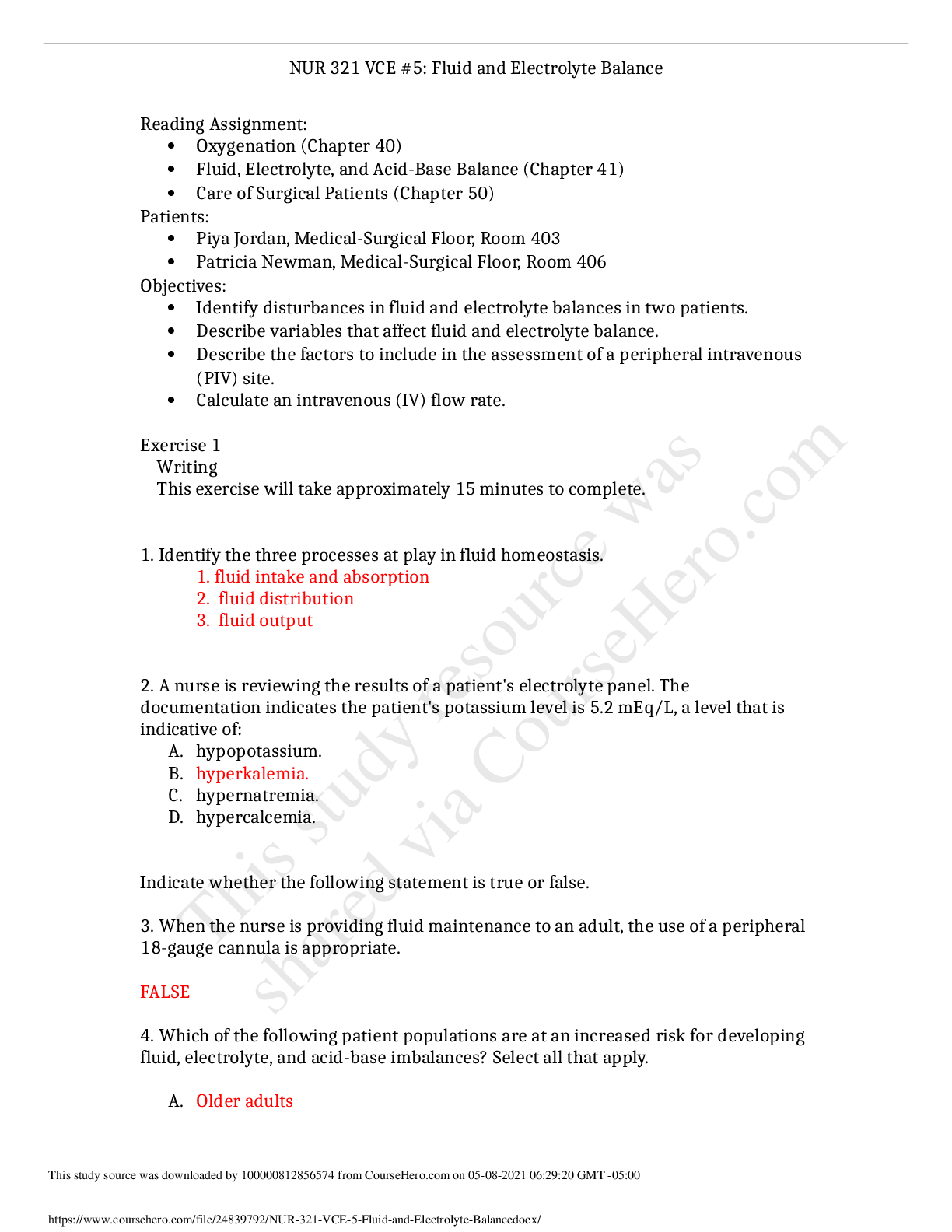
NUR 321 VCE #5 Fluid and Electrolyte Balance QUESTIONS AND ANS...

NUR 321 VCE # 1 Lesson 3- Critical Thinking in Nursing Practic...
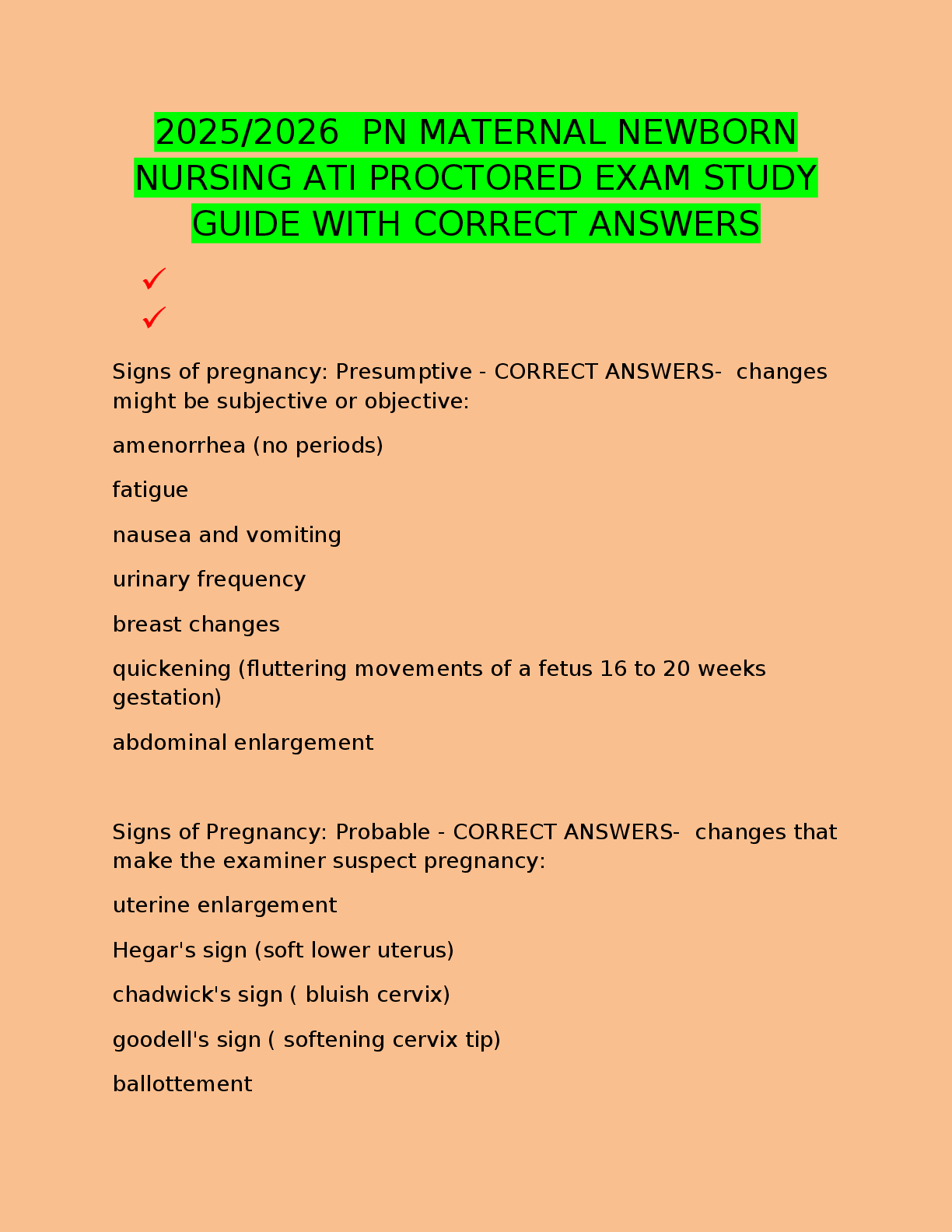

NUR 321 VCE #2 Lesson 19- Wound Care QUESTIONS AND ANSWERS GRA...