Psychology > QUESTIONS & ANSWERS > Morgan State University - PSYC 101 Chapter 12: Sexual Disorders Multiple Choice Questions With Selec (All)
Morgan State University - PSYC 101 Chapter 12: Sexual Disorders Multiple Choice Questions With Selected Correct Answers.
Document Content and Description Below
Last updated: 4 years ago
Preview 1 out of 32 pages
Instant download

Buy this Document to get the Full Access Instantly
Provided by Students Who Aced it
We Verify Document Content to Gurantee Accuracy
Reviews( 0 )
Document information
Connected school, study & course
About the document
Uploaded On
Nov 06, 2020
Number of pages
32
Written in
All

Additional information
This document has been written for:
Uploaded
Nov 06, 2020
Downloads
0
Views
200
Topic Tags
Recommended For You
Get more on QUESTIONS & ANSWERS »
Test Bank for Primary Care Interprofessional Collaborative Pra...
Test Bank For Macroeconomics 11th Edition by N. Gregory Mankiw...
TEST BANK For Connect Core Concepts in Health, BIG, BOUND Edit...

TESTBANK FOR Cornerstones of Cost Management by Hansen And Mow...
Instructor Manual For Economics, 2025 9th Edition by Glenn Hub...
Test Bank for Introduction To Marine Biology 4th Edition Karle...
Solutions Manual for Byrd & Chen’s Canadian Tax Principles, 20...
Test Bank For Connect Core Concepts in Health, BIG, BOUND Edit...
SOLUTIONS MANUAL for OPERATIONS AND SUPPLY CHAIN MANAGEMENT 16...
Solutions Manual For Auditing & Assurance Services A Systemati...
Solution Manual For Management by Ricky W. Griffin 14th Editi...
Solution Manual For Basic Marketing Research 10th Edition Tom...
Solution Manual For Anesthesia, Analgesia, and Pain Management...
Essential Social Psychology 5th Edition By Richard Crisp, Rhia...
eBook Advanced and Multivariate Statistical Methods: Practical...
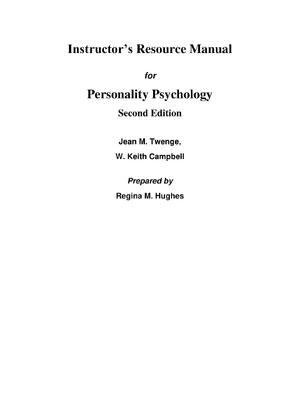
Instructor Manual For Personality Psychology Understanding You...
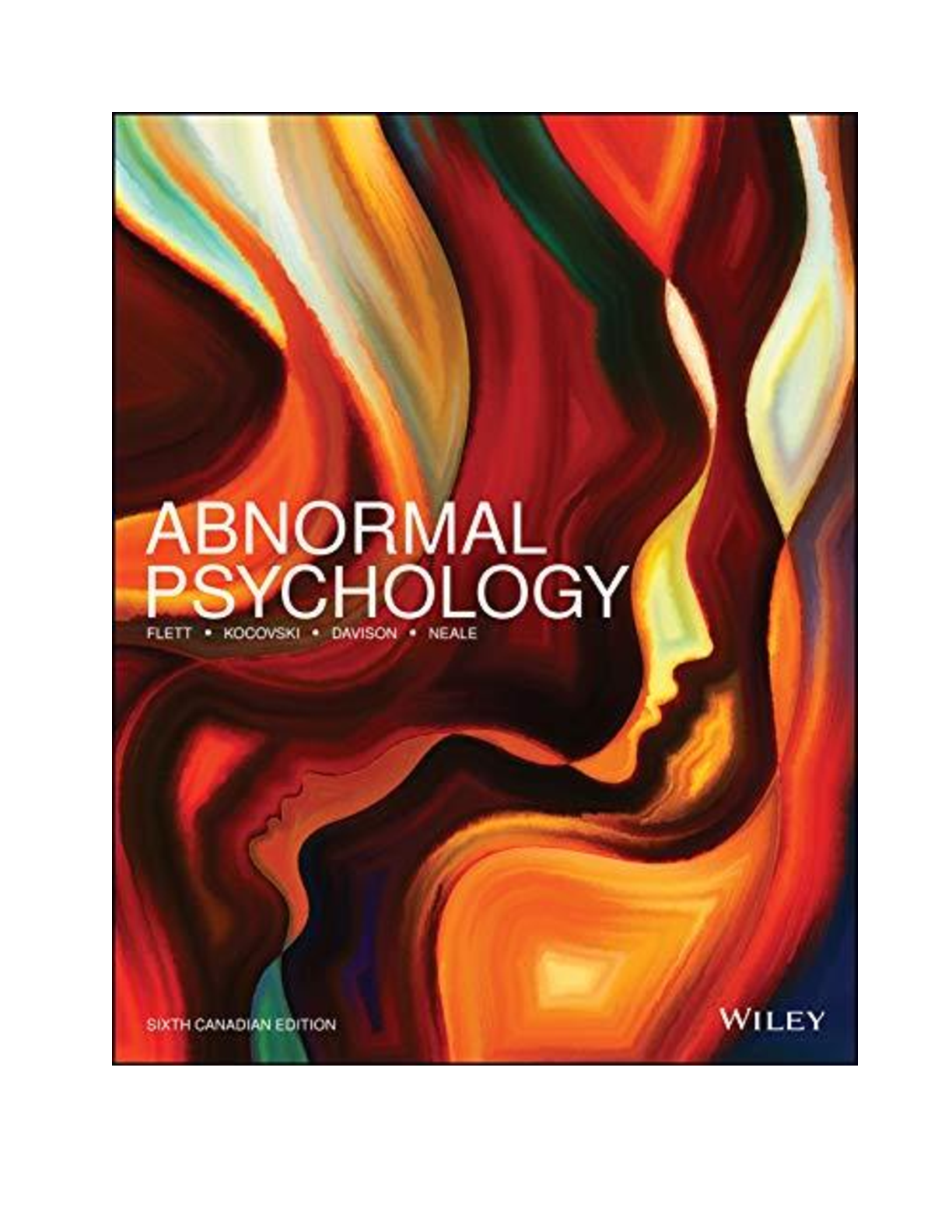
eBook [PDF] Abnormal Psychology 6th Edition By Gordon L. Flett...
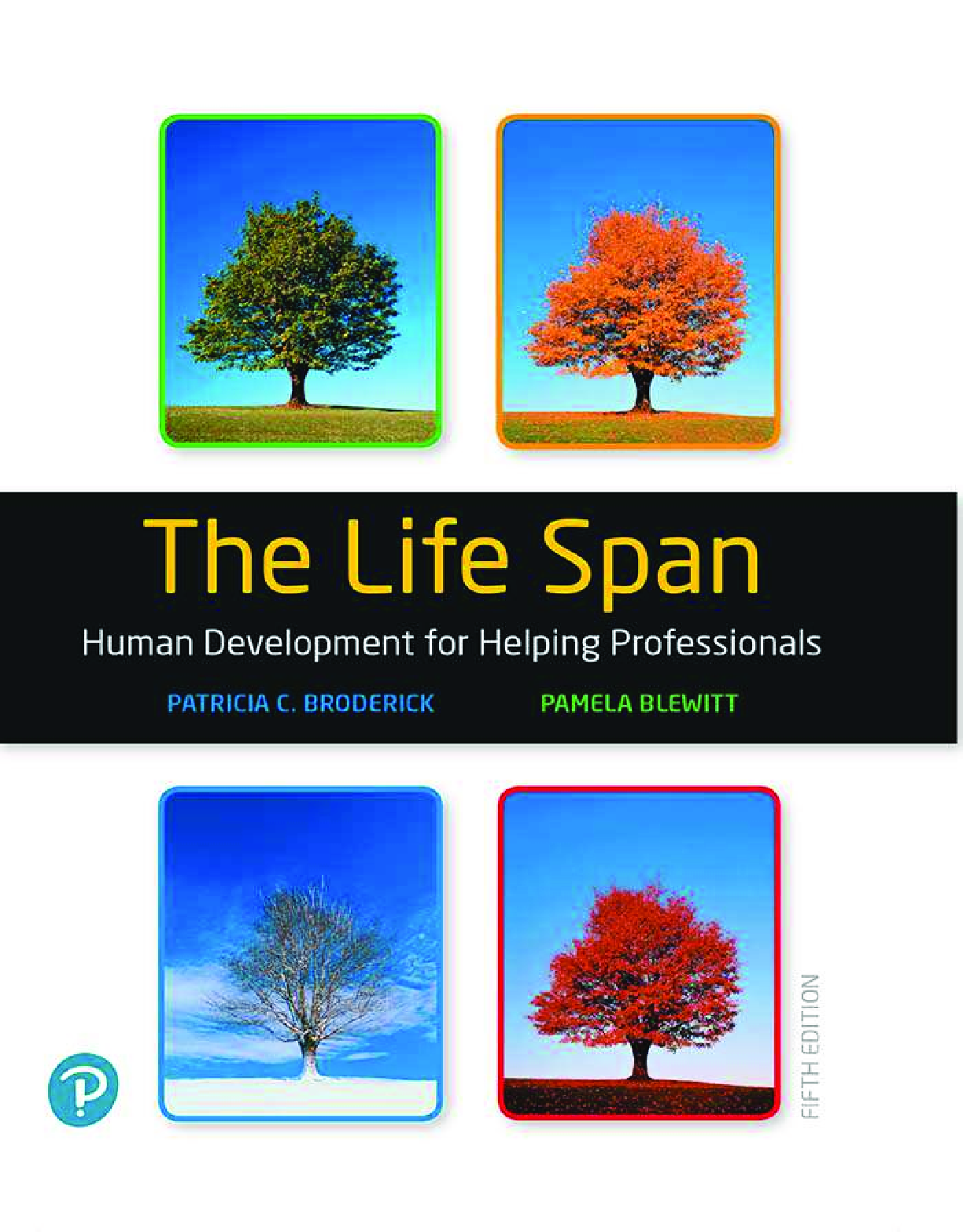
eBook Life Span, The Human Development for Helping Professiona...