Exam 3 Questions
Chapter 25. Drugs Used in Treating Inflammatory Processes
____ 1. Henry presents to clinic with a significantly swollen, painful great toe and is diagnosed with gout. Of the
following, which would be
...
Exam 3 Questions
Chapter 25. Drugs Used in Treating Inflammatory Processes
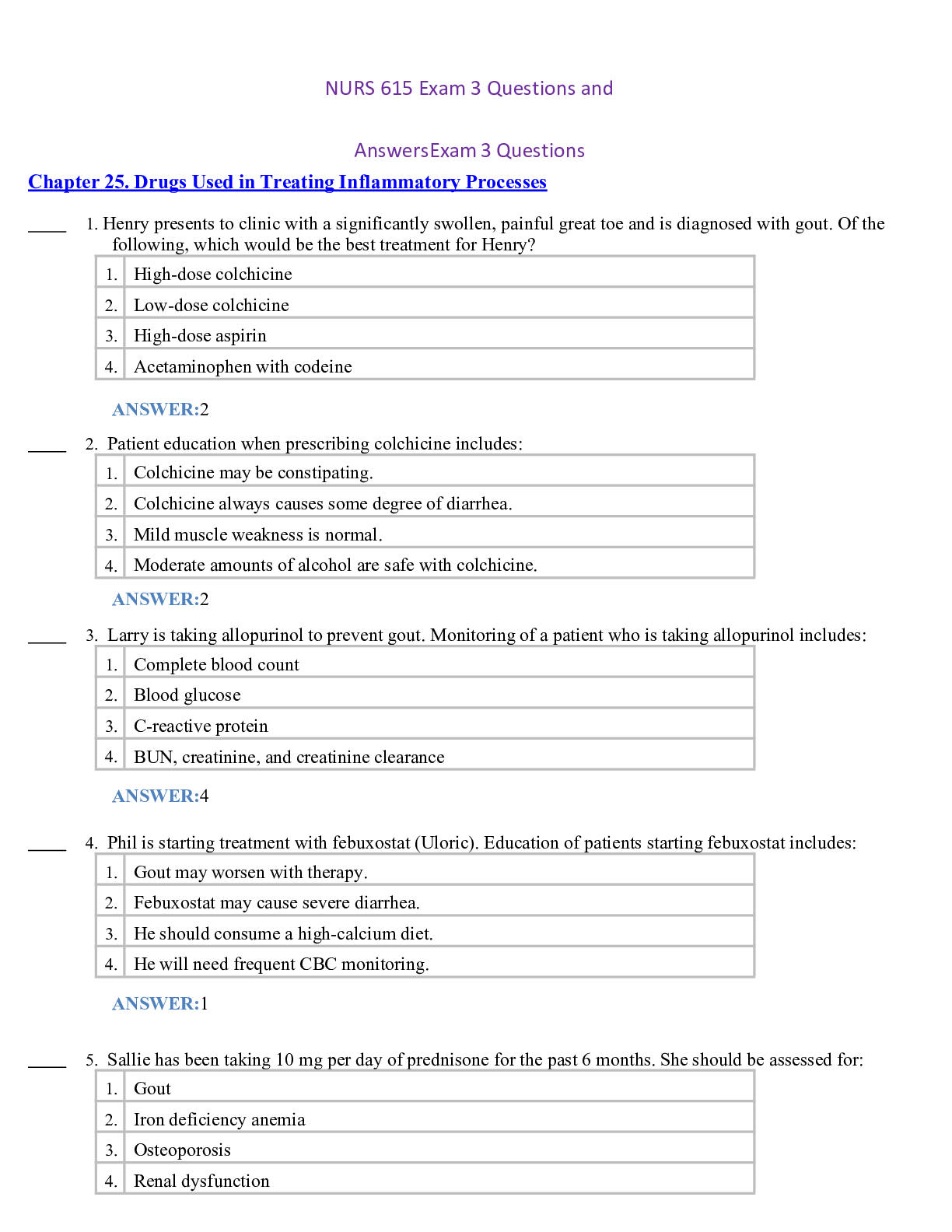
____ 1. Henry presents to clinic with a significantly swollen, painful great toe and is diagnosed with gout. Of the
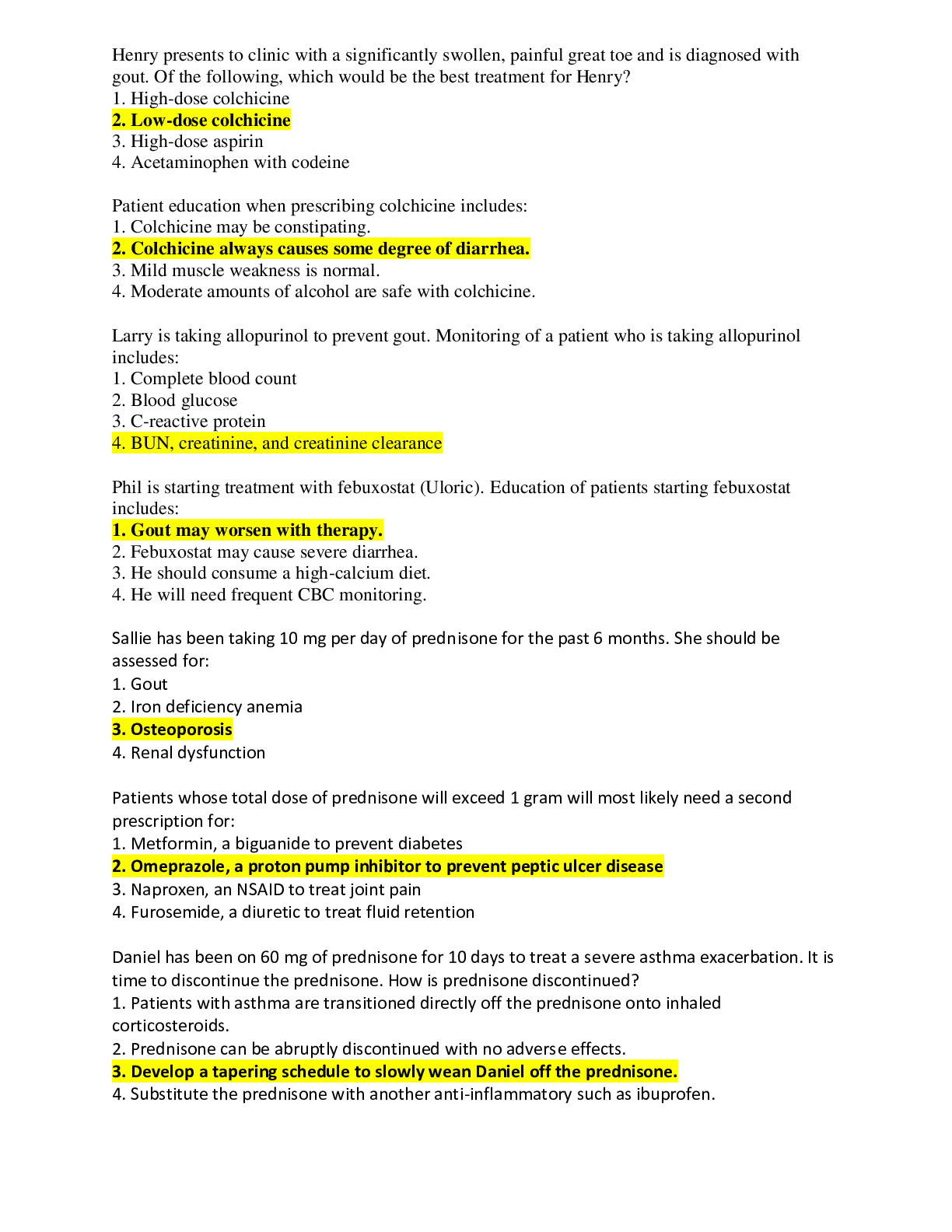
following, which would be the best treatment for Henry?
1. High-dose colchicine
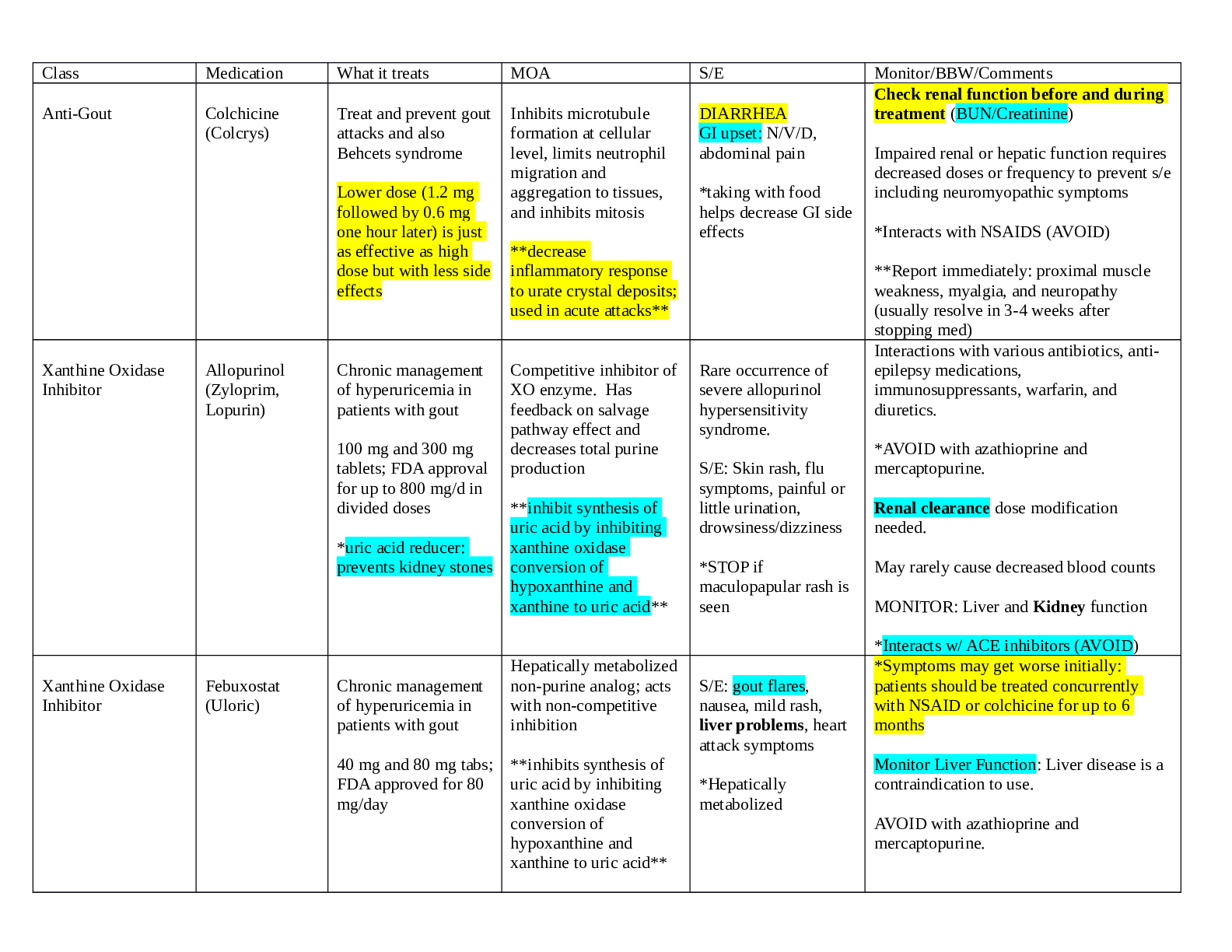
2. Low-dose colchicine
3. High-dose aspirin
4. Acetaminophen with codeine
Ans: 2
____ 2. Patient education when prescribing colchicine includes:
1. Colchicine may be constipating.
2. Colchicine always causes some degree of diarrhea.
3. Mild muscle weakness is normal.
4. Moderate amounts of alcohol are safe with colchicine.
Ans: 2
____ 3. Larry is taking allopurinol to prevent gout. Monitoring of a patient who is taking allopurinol includes:
1. Complete blood count
2. Blood glucose
3. C-reactive protein
4. BUN, creatinine, and creatinine clearance
Ans: 4
____ 4. Phil is starting treatment with febuxostat (Uloric). Education of patients starting febuxostat includes:
1. Gout may worsen with therapy.
2. Febuxostat may cause severe diarrhea.
3. He should consume a high-calcium diet.
4. He will need frequent CBC monitoring.
Ans: 1
____ 5. Sallie has been taking 10 mg per day of prednisone for the past 6 months. She should be assessed for:
1. Gout
2. Iron deficiency anemia
3. Osteoporosis
4. Renal dysfunction
Ans: 3
____ 6. Patients whose total dose of prednisone will exceed 1 gram will most likely need a second prescription for:
1. Metformin, a biguanide to prevent diabetes
2. Omeprazole, a proton pump inhibitor to prevent peptic ulcer disease
3. Naproxen, an NSAID to treat joint pain
4. Furosemide, a diuretic to treat fluid retention
Ans: 2
____ 7. Daniel has been on 60 mg of prednisone for 10 days to treat a severe asthma exacerbation. It is time to
discontinue the prednisone. How is prednisone discontinued?
1. Patients with asthma are transitioned directly off the prednisone onto inhaled corticosteroids.
2. Prednisone can be abruptly discontinued with no adverse effects.
3. Develop a tapering schedule to slowly wean Daniel off the prednisone.
4. Substitute the prednisone with another anti-inflammatory such as ibuprofen.
Ans: 3
____ 8. Patients with rheumatoid arthritis who are on chronic low-dose prednisone will need co-treatment with
which medications to prevent further adverse effects?
1. A bisphosphonate
2. Calcium supplementation
3. Vitamin D
4. All of the above
Ans: 4
____ 9. Patients who are on or who will be starting chronic corticosteroid therapy need monitoring of:
1. Serum glucose
2. Stool culture
3. Folate levels
4. Vitamin B12
Ans: 1
____ 10. Patients who are on chronic long-term corticosteroid therapy need education regarding:
1. Receiving all vaccinations, especially the live flu vaccine
2. Reporting black tarry stools or abdominal pain
3. Eating a high carbohydrate diet with plenty of fluids
4. Small amounts of alcohol are generally tolerated.
Ans: 2
____ 11. All nonsteroidal anti-inflammatory drugs (NSAIDS) have an FDA Black Box Warning regarding:
1. Potential for causing life-threatening GI bleeds
2. Increased risk of developing systemic arthritis with prolonged use
3. Risk of life-threatening rashes, including Stevens-Johnson
4. Potential for transient changes in serum glucose
Ans: 1
____ 12. Jamie has fractured his ankle and has received a prescription for acetaminophen and hydrocodone (Vicodin).
Education when prescribing Vicodin includes:
1. It is okay to double the dose of Vicodin if the pain is severe.
2. Vicodin is not habit-forming.
3. He should not take any other acetaminophen-containing medications.
4. Vicodin may cause diarrhea; increase his fluid intake.
Ans: 3
____ 13. When prescribing NSAIDS, a complete drug history should be conducted as NSAIDs interact with these
drugs:
1. Omeprazole, a proton pump inhibitor
2. Combined oral contraceptives
3. Diphenhydramine, an antihistamine
4. Warfarin, an anticoagulant
Ans: 4
____ 14. Josefina is a 2-year-old child with acute otitis media and an upper respiratory infection. Along with an
antibiotic she receives a recommendation to treat the ear pain with ibuprofen. What education would her
parent need regarding ibuprofen?
1. They can cut an adult ibuprofen tablet in half to give Josefina.
2. The ibuprofen dose can be doubled for severe pain.
3. Josefina needs to be well-hydrated while taking ibuprofen.
4. Ibuprofen is completely safe in children with no known adverse effects.
Ans: 3
____ 15. Henry is 82 years old and takes two aspirin every morning to treat the arthritis pain in his back. He states the
aspirin helps him to “get going” each day. Lately he has had some heartburn from the aspirin. After ruling
out an acute GI bleed, what would be an appropriate course of treatment for Henry?
1. Add an H2 blocker such as ranitidine to his therapy.
2. Discontinue the aspirin and switch him to Vicodin for the pain.
3. Decrease the aspirin dose to one tablet daily.
4. Have Henry take an antacid 15 minutes before taking the aspirin each day.
Ans: 1
____ 16. The trial period to determine effective anti-inflammatory activity when starting a patient on aspirin for
rheumatoid arthritis is:
1. 48 hours
2. 4 to 6 days
3. 4 weeks
4. 2 months
Ans: 2
____ 17. Patients prescribed aspirin therapy require education regarding the signs of aspirin toxicity. An early sign of
aspirin toxicity is:
1. Black tarry stools
2. Vomiting
3. Tremors
4. Tinnitus
Ans: 4
____ 18. Monitoring a patient on a high-dose aspirin level includes:
1. Salicylate level
2. Complete blood count
3. Urine pH
4. All of the above
Ans: 4
____ 19. Patients who are on long-term aspirin therapy should have ______ annually.
1. Complete blood count
2. Salicylate level
3. Amylase
4. Urine analysis
Ans: 1
Chapter 21. Drugs Affecting the Endocrine System
____ 1. Both men and women experience bone loss with aging. The bones most likely to demonstrate significant
loss are:
1. Cortical bones
2. Femoral neck bones
3. Cervical vertebrae
4. Pelvic bones
Ans: 2
____ 2. Bisphosphonates treat or prevent osteoporosis by:
1. Inhibiting osteoclastic activity
2. Fostering bone resorption
3. Enhancing calcium uptake in the bone
4. Strengthening the osteoclastic proton pump
Ans: 1
____ 3. Prophylactic use of bisphosphonates is recommended for patients with early osteopenia related to long-term
use of which of the following drugs?
1. Selective estrogen receptor modulators
2. Aspirin
3. Glucocorticoids
4. Calcium supplements
Ans: 3
____ 4. Patients with cystic fibrosis are often prescribed enzyme replacement for pancreatic secretions. Each
replacement drug has lipase, protease, and amylase components, but the drug is prescribed in units of:
1. Lipase
2. Protease
3. Amylase
4. Pancreatin
Ans: 1
____ 5. Brands of pancreatic enzyme replacement drugs are:
1. Bioequivalent
2. About the same in cost per unit of lipase across brands
3. Able to be interchanged between generic and brand-name products to reduce cost
4. None of the above
Ans: 2
____ 6. When given subcutaneously, how long until neutral protamine Hagedorn insulin begins to take effect (onset
of action) after administration?
1. 15 to 30 minutes
2. 60 to 90 minutes
3. 3 to 4 hours
4. 6 to 8 hours
Ans: 2
____ 7. Hypoglycemia can result from the action of either insulin or an oral hypoglycemic. Signs and symptoms of
hypoglycemia include:
1. “Fruity” breath odor and rapid respiration -HYPER
2. Diarrhea, abdominal pain, weight loss, and hypertension
3. Dizziness, confusion, diaphoresis, and tachycardia
4. Easy bruising, palpitations, cardiac dysrhythmias, and coma
Ans: 3
____ 8. Nonselective beta blockers and alcohol create serious drug interactions with insulin because they:
1. Increase blood glucose levels
2. Produce unexplained diaphoresis
3. Interfere with the ability of the body to metabolize glucose
4. Mask the signs and symptoms of altered glucose levels
Ans: 4
____ 9. Lispro is an insulin analogue produced by recombinant DNA technology. Which of the following statements
about this form of insulin is NOT true?
1. Optimal time of preprandial injection is 15 minutes.
2. Duration of action is increased when the dose is increased.
3. It is compatible with neutral protamine Hagedorn insulin.
4. It has no pronounced peak.
Ans: 2
____ 10. The decision may be made to switch from twice daily neutral protamine Hagedorn (NPH) insulin to insulin
glargine to improve glycemia control throughout the day. If this is done:
1. The initial dose of glargine is reduced by 20% to avoid hypoglycemia.
2. The initial dose of glargine is 2 to 10 units per day.
3. Patients who have been on high doses of NPH will need tests for insulin antibodies.
4. Obese patients may require more than 100 units per day.
Ans: 1
____ 11. When blood glucose levels are difficult to control in type 2 diabetes some form of insulin may be added to
the treatment regimen to control blood glucose and limit complication risks. Which of the following
statements is accurate based on research?
1. Premixed insulin analogues are better at lowering HbA1C and have less risk for
hypoglycemia.
2. Premixed insulin analogues and the newer premixed insulins are associated with more
weight gain than the oral antidiabetic agents.
3. Newer premixed insulins are better at lowering HbA1C and postprandial glucose levels than
long-acting insulins.
4. Patients who are not controlled on oral agents and have postprandial hyperglycemia can have
neutral protamine Hagedorn insulin added at bedtime.
Ans: 3
____ 12. Metformin is a primary choice of drug to treat hyperglycemia in type 2 diabetes because it:
1. Substitutes for insulin usually secreted by the pancreas
2. Decreases glycogenolysis by the liver
3. Increases the release of insulin from beta cells
4. Decreases peripheral glucose utilization
Ans: 2
____ 13. Prior to prescribing metformin, the provider should:
1. Draw a serum creatinine to assess renal function
2. Try the patient on insulin
3. Tell the patient to increase iodine intake
4. Have the patient stop taking any sulfonylurea to avoid dangerous drug interactions
Ans: 1
____ 14. The action of “gliptins” is different from other antidiabetic agents because they:
1. Have a low risk for hypoglycemia
2. Are not associated with weight gain
3. Close ATP-dependent potassium channels in the beta cell
4. Act on the incretin system to indirectly increase insulin production
Ans: 4
____ 15. Sitagliptin has been approved for:
1. Monotherapy in once-daily doses
2. Combination therapy with metformin
3. Both 1 and 2
4. Neither 1 nor 2
Ans: 3
____ 16. GLP-1 agonists:
1. Directly bind to a receptor in the pancreatic beta cell
2. Have been approved for monotherapy
3. Speed gastric emptying to decrease appetite
4. Can be given orally once daily
Ans: 1
____ 17. Avoid concurrent administration of exenatide with which of the following drugs?
1. Digoxin
2. Warfarin
3. Lovastatin
4. All of the above
Ans: 4
____ 18. Administration of exenatide is by subcutaneous injection:
1. 30 minutes prior to the morning meal
2. 60 minutes prior to the morning and evening meal
3. 15 minutes after the evening meal
4. 60 minutes before each meal daily
Ans: 2
____ 19. Potentially fatal granulocytopenia has been associated with treatment of hyperthyroidism with
propylthiouracil. Patients should be taught to report:
1. Tinnitus and decreased salivation
2. Fever and sore throat
3. Hypocalcemia and osteoporosis
4. Laryngeal edema and difficulty swallowing
Ans: 2
____ 20. Elderly patients who are started on levothyroxine for thyroid replacement should be monitored for:
1. Excessive sedation
2. Tachycardia and angina
3. Weight gain
4. Cold intolerance
Ans: 2
____ 21. Which of the following is not an indication that growth hormone supplements should be discontinued?
1. Imaging indication of epiphyseal closure
2. Growth curve increases have plateaued
3. Complaints of mild bone pain
4. Achievement of anticipated height goals
Ans: 3
____ 22. Besides osteoporosis, IV bisphosphonates are also indicated for:
1. Paget’s Disease
2. Early osteopenia
3. Renal cancer
4. Early closure of cranial sutures
Ans: 1
____ 23. What is the role of calcium supplements when patients take bisphosphonates?
1. They must be restricted to allow the medication to work.
2. They must be taken in sufficient amounts to provide foundational elements for bone growth.
3. They must be taken at the same time as the bisphosphonates.
4. They only work with bisphosphonates if daily intake is restricted.
Ans: 2
____ 24. Which of the following statements about pancreatic enzymes is true?
1. Dosing may be titrated according to the decrease of steatorrhea.
2. The amount of carbohydrates in the meal drives the amount of enzyme used.
3. The amount of medication used is increased with a cystic fibrosis pulmonary flare.
4. The FDA and Internet-available formulations are bioequivalent.
Ans: 1
____ 25. Besides cystic fibrosis, which other medical state may trigger the need for pancreatic enzymes?
1. Paget’s disease
2. Pulmonary cancers
3. Gallbladder surgery
4. Some bariatric surgeries
Ans: 4
Chapter 41. Hyperthyroidism and Hypothyroidism
____ 1. When methimazole is started for hyperthyroidism it may take ________ to see a total reversal of
hyperthyroid symptoms.
1. 2 to 4 weeks
2. 1 to 2 months
3. 3 to 4 months
4. 6 to 12 months
ANS: 4
____ 2. In addition to methimazole, a symptomatic patient with hyperthyroidism may need a prescription
for:
1. A calcium channel blocker
2. A beta blocker
3. Liothyronine
4. An alpha blocker
ANS: 2
____ 3. After starting a patient with Grave’s disease on an antithyroid agent such as methimazole, patient
monitoring includes TSH and free T4 every:
1. 1 to 2 weeks
2. 3 to 4 weeks
3. 2 to 3 months
4. 6 to 9 months
ANS: 2
____ 4. A woman who is pregnant and has hyperthyroidism is best managed by a specialty team who will
most likely treat her with:
1. Methimazole
2. Propylthiouracil (PTU)
3. Radioactive iodine
4. Nothing, treatment is best delayed until after her pregnancy ends
ANS: 2
____ 5. Goals when treating hypothyroidism with thyroid replacement include:
1. Normal TSH and free T4 levels
2. Resolution of fatigue
3. Weight loss to baseline
4. All of the above
ANS: 4
____ 6. When starting a patient on levothyroxine for hypothyroidism the patient will need follow-up
measurement of thyroid function in:
1. 2 weeks
2. 4 weeks
3. 2 months
4. 6 months
ANS: 2
____ 7. Once a patient who is being treated for hypothyroidism returns to euthyroid with normal TSH
levels, he or she should be monitored with TSH and free T4 levels every:
1. 2 weeks
2. 4 weeks
3. 2 months
4. 6 months
ANS: 4
____ 8. Treatment of a patient with hypothyroidism and cardiovascular disease consists of:
1. Levothyroxine
2. Liothyronine
3. Liotrix
4. Methimazole
ANS: 1
____ 9. Infants with congenital hypothyroidism are treated with:
1. Levothyroxine
2. Liothyronine
3. Liotrix
4. Methimazole
ANS: 1
____ 10. When starting a patient with hypothyroidism on thyroid replacement hormones patient education
would include:
1. They should feel symptomatic improvement in 1 to 2 weeks.
2. Drug adverse effects such as lethargy and dry skin may occur.
3. It may take 4 to 8 weeks to get to euthyroid symptomatically and by laboratory
testing.
4. Because of its short half-life, levothyroxine doses should not be missed.
ANS: 3
____ 11. In hyperthyroid states, what organ system other than CV must be evaluated to establish potential
adverse issues?
1. The liver
2. The nails and skin
3. The eye
4. The ear
ANS: 3
____ 12. Why are “natural” thyroid products not readily prescribed for most patients?
1. There is no reliability for the amount of hormone per dose.
2. There is higher incidence of allergic reactions.
3. There is a more reliable dose of T3 to T4 per batch.
4. All of the above
ANS: 4
____ 13. What is the desired mixed of T3 to T4 drug levels in newly diagnosed endocrine patients?
1. 99% of T3 and the rest is T4 to get rapid resolution.
2. Most needs to be T4 to mimic natural ratios of hormone.
3. The ratio is unimportant.
4. The mix needs to be 50-50 at first.
ANS: 2
____ 14. Laboratory values are actually different for TSH when screening for thyroid issues and when
used for medication management. Which of the follow holds true?
1. Screening TSH has a wider range of normal values 0.02-5.0; therapeutic levels
need to remain above 5.0.
2. Screening values are much narrower than the acceptable range used to keep a
person stable on hormone replacement.
3. Therapeutic values are kept between 0.05 and 3.0 ideally. Screening values are
considered acceptable up to 10.
4. Screening values are between 5 and 10, and therapeutic values are greater than 10.
ANS: 3
____ 15. What happens to the typical hormone replacement dose when a woman becomes pregnant?
1. Most women need less medication.
2. Most women do not require a dose change.
3. The average woman needs more medication during pregnancy.
4. The average woman needs more medication only if carrying multiples.
ANS: 3
Chapter 16: Drugs Affecting the Cardiovascular and Renal Systems
____ 1. Ray has been diagnosed with hypertension and an ACE inhibitor is determined to be needed.
Prior to prescribing this drug, the NP should assess for:
A. Hypokalemia
B. Impotence
C. Decreased renal function
D. Inability to concentrate
ANS: C
____ 2. ACE inhibitors are the drug of choice in treating hypertension in diabetic patients because they:
A. Improve insulin sensitivity
B. Improve renal hemodynamics
C. Reduce the production of angiotensin II
D. All of the above
ANS: D
____ 3. A potentially life-threatening adverse response to ACE inhibitors is angioedema. Which of the
following statements is true about this adverse response?
A. Swelling of the tongue or hoarseness are
the most common symptoms.
B. It appears to be related to the decrease in
aldosterone production.
C. Presence of a dry, hacky cough indicates a
high risk for this adverse response.
D. Because it takes time to build up a blood
level, it occurs after being on the drug for
about 1 week.
ANS: A
____ 4. ACE inhibitors are useful in a variety of disorders. Which of the following statements are true
about both its usefulness in the disorder and the reason for its use?
A. Stable angina because it decreases the
thickening of vascular walls to decreased
MOD.
B. Heart failure because it reduces
remodeling of injured myocardial tissues.
C. Both A and B are true and the reasons are
correct
D. Both A and B are true but the reasons are
wrong
E. Neither A nor B are true
ANS: C
____ 5. Despite good blood pressure control, a NP might change a patient’s drug from an ACEI to an
angiotensin II receptor blocker (ARB) because the ARB:
A. Is stronger than the ACEI
B. Does not produce a dry, hacky cough
C. Has no effect on the renal system
D. Reduces sodium and water retention
ANS: B
____ 6. While taken an ARB, patients need to avoid certain over-the-counter drugs without first
consulting the provider because:
A. Cimetidine is metabolized by the CYP
3A4 isoenzymes
B. Nonsteroidal anti-inflammatory drugs
reduce prostaglandin levels
C. Both A and B
D. Neither A nor B
ANS: C
____ 7. Laboratory monitoring for patients on ACEIs or ARBs should include:
A. White blood cells counts with the drug
dose increased for elevations above
10,000
B. Liver function tests with the drug dose
stopped for ALT values 2 normal
C. Serum creatinine levels with the drug dose
reduced for values above 2.5 mg/dL
D. Serum glucose levels with the drug dose
increased for levels above 120 mg/dL
ANS: C
____ 8. Jacob has hypertension for which a calcium channel blocker has been prescribed. This drug helps
control blood pressure because it:
A. Decreases the amount of calcium inside
the cell
B. Reduces stroke volume
C. Increases the activity of the
Na+/K+/ATPase pump indirectly
D. Decreases heart rate
ANS: A
____ 9. Which of the following adverse effects may occur due to a dihydropyridine-type calcium channel
blocker?
A. Bradycardia
B. Hepatic impairment
C. Increased contractility
D. Edema of the hands and feet
ANS: D
____ 10. Patient teaching related to amlodipine includes:
A. Increase calcium intake to prevent
osteoporosis from calcium blockade.
B. Do not crush the tablet; it must be given in
liquid form if the patient has trouble
swallowing it.
C. Avoid grapefruit juice as it affects the
metabolism of this drug.
D. Rise slowly from a supine position to
reduce orthostatic hypotension.
ANS: C
____ 11. Vera, age 70, has isolated systolic hypertension. Calcium channel blocker doses for her should
be:
A. Started at about half the usual dose
B. Not raised above the usual dose for an
adult
C. Given once daily due to memory issues in
the older adult
D. Withheld if she experiences
gastroesophageal reflux
ANS: A
____ 12. Larry has heart failure which is being treated with digoxin because it exhibits:
A. Negative inotropism
B. Positive chronotropism
C. Both A and B
D. Neither A nor B
ANS: D
____ 13. Furosemide is added to a treatment regimen for heart failure which includes digoxin. Monitoring
for this combination includes:
A. Hemoglobin
B. Serum potassium
C. Blood urea nitrogen
D. Serum glucose
ANS: B
____ 14. Which of the following create higher risk for digoxin toxicity? Both the cause and the reason for
it must be correct.
A. Older adults due to reduced renal function
B. Administration of aldosterone antagonist
diuretics due to decreased potassium
levels
C. Taking an antacid for GERD because it
increases the absorption of digoxin
D. Doses between 0.25 and 0.5 mg/day
ANS: A
____ 15. Serum digoxin levels are monitored for potential toxicity. Monitoring should occur:
A. Within 6 hours of the last dose
B. Because a reference point is needed in
adjusting a dose
C. After three half-lives from the starting of
the drug
D. When a patient has stable renal function
ANS: B
____ 16. Rodrigo has been prescribed procainamide after a myocardial infarction. He is monitored for
dyspnea, jugular venous distention, and peripheral edema because they may indicate:
A. Widening of the area of infarction
B. Onset of congestive heart failure
C. An electrolyte imbalance involving
potassium
D. Renal dysfunction
ANS: B
____ 17. Which of the following is true about procainamide and its dosing schedule?
A. It produces bradycardia and should be
used cautiously in patients with cardiac
conditions that a slower heart rate might
worsen.
B. Gastrointestinal adverse effects are
common so the drug should be taken with
food.
C. Adherence can be improved by using a
sustained release formulation that can be
given once daily.
D. Doses of this drug should be taken evenly
spaced around the clock to keep an even
blood level.
ANS: D
____ 18. Amiodarone has been prescribed in a patient with a supraventricular dysrhythmia. Patient
teaching should include all of the following EXCEPT:
A. Notify your health-care provider
immediately if you have visual change
B. Monitor your own blood pressure and
pulse daily
C. Take a hot shower or bath if you feel dizzy
D. Use a sunscreen on exposed body surfaces
ANS: C
____ 19. The NP orders a thyroid panel for a patient on amiodarone. The patient tells the NP that he does
not have thyroid disease and wants to know why the test is ordered. Which is a correct response?
A. “Amiodarone inhibits an enzyme that is
important in making thyroid hormone and
can cause hypothyroidism.”
B. “Amiodarone damages the thyroid gland
and can result in inflammation of that
gland causing hyperthyroidism.”
C. “Amiodarone is a broad spectrum drug
with many adverse effects. Many different
tests need to be done before it is given.”
D. “Amiodarone can cause corneal deposits
in up to 25% of patients.”
ANS: A
____ 20. Isosorbide dinitrate is prescribed for a patient with chronic stable angina. This drug is
administered twice daily, but the schedule is 7 AM and 2 PM because:
A. It is a long-acting drug with potential for
toxicity
B. Nitrate tolerance can develop
C. Orthostatic hypotension is a common
adverse effect
D. It must be taken with milk or food
ANS: B
____ 21. Art is a 55-year-old smoker who has been diagnosed with angina and placed on nitrates. He
complains of headaches after using his nitrate. An appropriate reply might be:
A. “This is a parasympathetic response to the
vasodilating effects of the drug.”
B. “Headaches are common side effects with
these drugs. How severe are they?”
C. “This is associated with your smoking.
Let’s work on having you stop smoking.”
D. “This is not related to your medication.
Are you under a lot of stress?”
ANS: B
____ 22. In teaching about the use of sublingual nitroglycerine, the patient should be instructed:
A. To swallow the tablet with a full glass of
water
B. To place one tablet under the tongue if
chest pain occurs and allow it to dissolve
C. To take one tablet every 5 minutes until
the chest pain goes away
D. That it should “burn” when placed under
the tongue or it is no longer effective
ANS: B
____ 23. Donald has been diagnosed with hyperlipidemia. Based on his lipid profile, atorvastatin is
prescribed. Rhabdomyolysis is a rare but serious adverse response to this drug. Donald should be
told to:
A. Become a vegetarian since this disorder is
associated with eating red meat
B. Stop taking the drug if abdominal cramps
and diarrhea develop
C. Report muscle weakness or tenderness and
dark urine to his provider immediately
D. Expect “hot flash” sensations during the
first 2 weeks of therapy
ANS: C
____ 24. Which of the following diagnostic studies would NOT indicate a problem related to a reductase
inhibitor?
A. Elevated serum transaminase
B. Increased serum creatinine
C. Elevated creatinine kinase
D. Increased white blood cells counts
ANS: D
____ 25. Because of the pattern of cholesterol synthesis, reductase inhibitors are given:
A. In the evening in a single daily dose
B. Twice daily in the morning and the
evening
C. With each meal and at bedtime
D. In the morning before eating
ANS: A
____ 26. Janice has elevated LDL, VLDL, and triglyceride levels. Niaspan, an extended-release form of
niacin, is chosen to treat her hyperlipidemia. Due to its metabolism and excretion, which of the
following labs should be monitored?
A. Serum alanine aminotransferase
B. Serum amylase
C. Serum creatinine
D. Phenylketonuria
ANS: C
____ 27. Niaspan is less likely to cause which side effect that is common to niacin?
A. Gastrointestinal irritation
B. Cutaneous flushing
C. Dehydration
D. Headaches
ANS: B
____ 28. Which of the following statements is true?
A. Niacin is a B-complex vitamin and taking
double the dose of the over-the-counter
vitamin will lower LDL and save money.
B. Niacin has been shown to reduce all-cause
mortality for patients with CAD if taken in
prescription strength.
C. Niacin should be given on an empty
stomach to avoid GI irritation.
D. All of the above
ANS: B
____ 29. Dulcea has type 2 diabetes and a high triglyceride level. She has gemfibrozil prescribed to treat
her hypertriglyceridemia. A history of which of the following might contraindicate the use of this
drug?
A. Reactive airway disease/asthma
B. Inflammatory bowel disease
C. Allergy to aspirin
D. Gallbladder disease
ANS: D
____ 30. Many patients with hyperlipidemia are treated with more than one drug. Combining a fibric acid
derivative such as gemfibrozil with which of the following is not recommended? The drug and
the reason must both be correct for the answer to be correct.
A. Reductase inhibitors, due to an increased
risk for rhabdomyolysis
B. Bile-acid sequestering resins, due to
interference with folic acid absorption
C. Grapefruit juice, due to interference with
metabolism
D. Niacin, due to decreased gemfibrozil
activity
ANS: A
____ 31. Felicity has been prescribed colestipol to treat her hyperlipidemia. Unlike other anti-lipidemics,
this drug:
A. Blocks synthesis of cholesterol in the liver
B. Exchanges chloride ions for negatively
charged acids in the bowel
C. Increases HDL levels the most among the
classes
D. Blocks the lipoprotein lipase pathway
ANS: B
____ 32. Because of their site of action, bile acid sequestering resins:
A. Should be administered separated from
other drugs by at least 4 hours
B. May increase the risk for bleeding
C. Both A and B
D. Neither A nor B
ANS: A
____ 33. Colestipol comes in a powdered form. The patient is taught to:
A. Take the powder dry and follow it with at
least 8 ounces of water
B. Take it with a meal to enhance its action
on fatty food
C. Mix the powder with 4 to 6 ounces of milk
or fruit juice
D. Take after the evening meal to coincide
with cholesterol synthesis
ANS: C
____ 34. The choice of diuretic to use in treating hypertension is based on:
A. Presence of diabetes with loop diuretics
being used for these patients
B. Level of kidney function with a thiazide
diuretic being used for an estimated
glomerular filtration rate higher than the
mid-40 mL/min range
C. Ethnicity with aldosterone antagonists
best for African Americans and older
adults
D. Presence of hyperlipidemia with higher
doses needed for patients with LDL above
130 mg/dL
ANS: B
Chapter 33. Diabetes Mellitus
____ 1. Type 1 diabetes results from autoimmune destruction of the beta cells. Eighty-five to 90% of type 1
diabetics have:
1. Autoantibodies to two tyrosine phosphatases
2. Mutation of the hepatic transcription factor on chromosome 12
3. A defective glucokinase molecule due to a defective gene on chromosome 7p
4. Mutation of the insulin promoter factor
ANS: 1
____ 2. Type 2 diabetes is a complex disorder involving:
1. Absence of insulin production by the beta cells
2. A suboptimal response of insulin-sensitive tissues in the liver
3. Increased levels of glucagon-like peptide in the postprandial period
4. Too much fat uptake in the intestine
ANS: 2
____ 3. Diagnostic criteria for diabetes include:
1. Fasting blood glucose greater than 140 mg/dl on two occasions
2. Postprandial blood glucose greater than 140 mg/dl
3. Fasting blood glucose 100 to 125 mg/dl on two occasions
4. Symptoms of diabetes plus a casual blood glucose greater than 200 mg/dl
ANS: 4
____ 4. Routine screening of asymptomatic adults for diabetes is appropriate for:
1. Individuals who are older than 45 and have a BMI of less than 25 kg/m2
2. Native Americans, African Americans, and Hispanics
3. Persons with HDL cholesterol greater than 100 mg/dl
4. Persons with prediabetes confirmed on at least two occasions
ANS: 2
____ 5. Screening for children who meet the following criteria should begin at age 10 and occur every 3 years
thereafter:
1. BMI above the 85th percentile for age and sex
2. Family history of diabetes in first- or second-degree relative
3. Hypertension based on criteria for children
4. Any of the above
ANS: 4
____ 6. Insulin is used to treat both types of diabetes. It acts by:
1. Increasing beta cell response to low blood-glucose levels
2. Stimulating hepatic glucose production
3. Increasing peripheral glucose uptake by skeletal muscle and fat
4. Improving the circulation of free fatty acids
ANS: 3
____ 7. Adam has type 1 diabetes and plays tennis for his university. He exhibits a knowledge deficit about his
insulin and his diagnosis. He should be taught that:
1. He should increase his carbohydrate intake during times of exercise.
2. Each brand of insulin is equal in bioavailability, so buy the least expensive.
3. Alcohol produces hypoglycemia and can help control his diabetes when taken in small
amounts.
4. If he does not want to learn to give himself injections, he may substitute an oral
hypoglycemic to control his diabetes.
ANS: 1
____ 8. Insulin preparations are divided into categories based on onset, duration, and intensity of action following
subcutaneous injection. Which of the following insulin preparations has the shortest onset and duration of
action?
1. Lispro - rapid
2. Glulisine
3. Glargine -long acting
4. Detemir -long acting
ANS: 2
____ 9. The drug of choice for type 2 diabetics is metformin. Metformin:
1. Decreases glycogenolysis by the liver
2. Increases the release of insulin from beta cells *sulfonylurea?
3. Increases intestinal uptake of glucose
4. Prevents weight gain associated with hyperglycemia
ANS: 1
____ 10. Before prescribing metformin, the provider should:
1. Draw a serum creatinine level to assess renal function.
2. Try the patient on insulin.
3. Prescribe a thyroid preparation if the patient needs to lose weight.
4. All of the above
ANS: 1
____ 11. Sulfonylureas may be added to a treatment regimen for type 2 diabetics when lifestyle modifications and
metformin are insufficient to achieve target glucose levels. Sulfonylureas have been moved to Step 2
therapy because they:
1. Increase endogenous insulin secretion
2. Have a significant risk for hypoglycemia
3. Address the insulin resistance found in type 2 diabetics
4. Improve insulin binding to receptors
ANS: 2
____ 12. Dipeptidyl peptidase-4 inhibitors (gliptins) act on the incretin system to improve glycemic control.
Advantages of these drugs include:
1. Better reduction in glucose levels than other classes
2. Less weight gain than sulfonylureas
3. Low risk for hypoglycemia
4. Can be given twice daily
ANS: 3
____ 13. Control targets for patients with diabetes include:
1. HbA1C between 7 and 8
2. Fasting blood glucose levels between 100 and 120 mg/dl
3. Blood pressure less than 130/80 mm Hg
4. LDL lipids less than 130 mg/dl. **LDL <100 mg/dl for diabetics
ANS: 3
____ 14. Establishing glycemic targets is the first step in treatment of both types of diabetes. For type 1 diabetes:
1. Tight control/intensive therapy can be given to adults who are willing to test their blood glucose
at least twice daily.
2. Tight control is acceptable for older adults if they are without complications.
3. Plasma glucose levels are the same for children as adults.
4. Conventional therapy has a fasting plasma glucose target between 120 and
150 mg/dl.
ANS: 4
____ 15. Treatment with insulin for type 1 diabetics:
1. Starts with a total daily dose of 0.2 to 0.4 units per kg of body weight
2x day, Combined administration of intermediate and short acting
2. Divides the total doses into three injections based on meal size
3. Uses a total daily dose of insulin glargine given once daily with no other insulin required
4. Is based on the level of blood glucose
ANS: 1
____ 16. When the total daily insulin dose is split and given twice daily, which of the following rules may be
followed?
1. Give two-thirds of the total dose in the morning and one-third in the evening.
2. Give 0.3 units per kg of premixed 70/30 insulin with one-third in the morning and two-thirds
in the evening.
3. Give 50% of an insulin glargine dose in the morning and 50% in the evening.
4. Give long-acting insulin in the morning and short-acting insulin at bedtime.
ANS: 1
____ 17. Studies have shown that control targets that reduce the HbA1C to less than 7% are associated with fewer
long-term complications of diabetes. Patients who should have such a target include:
1. Those with long-standing diabetes
2. Older adults
3. Those with no significant cardiovascular disease
4. Young children who are early in their disease
ANS: 3
____ 18. Prevention of conversion from prediabetes to diabetes in young children must take highest priority and
should focus on:
1. Aggressive dietary manipulation to prevent obesity
2. Fostering LDL levels less than 100 mg/dl and total cholesterol less than 170 mg/dl to prevent
cardiovascular disease
3. Maintaining a blood pressure that is less than 80% based on weight and height to prevent
hypertension
4. All of the above
ANS: 2
____ 19. The drugs recommended by the American Academy of Pediatrics for use in children with diabetes
(depending upon type of diabetes) are:
1. Metformin and insulin
2. Sulfonylureas and insulin glargine
3. Split-mixed dose insulin and GPL-1 agonists
4. Biguanides and insulin lispro
ANS: 1
____ 20. Unlike most type 2 diabetics where obesity is a major issue, older adults with low body weight have higher
risks for morbidity and mortality. The most reliable indicator of poor nutritional status in older adults is:
1. Weight loss in previously overweight persons
2. Involuntary loss of 10% of body weight in less than 6 months
3. Decline in lean body mass over a 12-month period
4. Increase in central versus peripheral body adiposity
ANS: 2
____ 21. The drugs recommended for older adults with type 2 diabetes include:
1. Second-generation sulfonylureas
2. Metformin
3. Pioglitazone
4. Third-generation sulfonylureas
ANS: 4
____ 22. Ethnic groups differ in their risk for and presentation of diabetes. Hispanics:
1. Have a high incidence of obesity, elevated triglycerides, and hypertension
2. Do best with drugs that foster weight loss, such as metformin
3. Both 1 and 2
4. Neither 1 nor 2
ANS: 3
____ 23. The American Heart Association states that people with diabetes have a 2- to 4-fold increase in the risk of
dying from cardiovascular disease. Treatments and targets that do not appear to decrease risk for micro- and
macro-vascular complications include:
1. Glycemic targets between 7% and 7.5%
2. Use of insulin in type 2 diabetics
3. Control of hypertension and hyperlipidemia
4. Stopping smoking
ANS: 1
____ 24. All diabetic patients with known cardiovascular disease should be treated with:
1. Beta blockers to prevent MIs
2. Angiotensin-converting enzyme inhibitors and aspirin to reduce risk of cardiovascular events
3. Sulfonylureas to decrease cardiovascular mortality
4. Pioglitazone to decrease atherosclerotic plaque buildup
ANS: 2
____ 25. All diabetic patients with hyperlipidemia should be treated with:
1. HMG-CoA reductase inhibitors
2. Fibric acid derivatives
3. Nicotinic acid
4. Colestipol
ANS: 1
____ 26. Both angiotensin converting enzyme inhibitors and some angiotensin II receptor blockers have been
approved in treating:
1. Hypertension in diabetic patients
2. Diabetic nephropathy
3. Both 1 and 2
4. Neither 1 nor 2
ANS: 3
____ 27. Protein restriction helps slow the progression of albuminuria, glomerular filtration rate, decline, and end
stage renal disease in some patients with diabetes. It is useful for patients who:
1. Cannot tolerate angiotensin converting enzyme inhibitors or angiotensin receptor blockers
2. Have uncontrolled hypertension
3. Have HbA1C levels above 7%
4. Show progression of diabetic nephropathy despite optimal glucose and blood
pressure control
ANS: 4
____ 28. Diabetic autonomic neuropathy (DAN) is the earliest and most common complication of diabetes.
Symptoms associated with DAN include:
1. Resting tachycardia, exercise intolerance, and orthostatic hypotension
2. Gastroparesis, cold intolerance, and moist skin
3. Hyperglycemia, erectile dysfunction, and deficiency of free fatty acids
4. Pain, loss of sensation, and muscle weakness
ANS: 1
____ 29. Drugs used to treat diabetic peripheral neuropathy include:
1. Metoclopramide
2. Cholinergic agonists
3. Cardioselective beta blockers
4. Gabapentin
ANS: 4
____ 30. The American Diabetic Association has recommended which of the following tests for ongoing management
of diabetes?
1. Fasting blood glucose
2. HbA1C
3. Thyroid function tests
4. Electrocardiograms
ANS: 2
____ 31. Allison is an 18-year-old college student with type 1 diabetes. She is on NPH twice daily and Novolog
(rapid) before meals. She usually walks for 40 minutes each evening as part of her exercise regimen. She is
beginning a 30-minute swimming class three times a week at 1 p.m. What is important for her to do with
this change in routine?
1. Delay eating the midday meal until after the swimming class.
2. Increase the morning dose of NPH insulin on days of the swimming class.
3. Adjust the morning insulin injection so that the peak occurs while swimming.
4. Check glucose level before, during, and after swimming.
ANS: 4
____ 32. Allison is an 18-year-old college student with type 1 diabetes. Allison’s pre-meal BG at 11:30 a.m. is 130.
She eats an apple and has a sugar-free soft drink. At 1 p.m. before swimming her BG is 80. What should she
do?
1. Proceed with the swimming class.
2. Recheck her BG immediately.
3. Eat a granola bar or other snack with CHO.
4. Take an additional dose of insulin.
ANS: 3
____ 33. Bart is a patient is a 67-year-old male with T2 DM. He is on glipizide and metformin. He presents to the
clinic with confusion, sluggishness, and extreme thirst. His wife tells you Bart does not follow his meal plan
or exercise regularly, and hasn’t checked his BG for 1 week. A random glucose is drawn and it is 500. What
is a likely diagnosis based on preliminary assessment?
1. Diabetic keto acidosis (DKA)
2. Hyperglycemic hyperosmolar syndrome (HHS)
3. Infection
4. Hypoglycemia
ANS: 2
____ 34. What would one expected assessment finding be for hyperglycemic hyperosmolar syndrome?
1. Low hemoglobin
2. NO Ketones in the urine (Ketones in DKA)
3. Deep, labored breathing
4. pH of 7.35
ANS: 2
____ 35. A patient on metformin and glipizide arrives at her 11:30 a.m. clinic appointment diaphoretic and dizzy. She
reports taking her medication this morning and ate a bagel and coffee for breakfast. BP is 110/70 and
random finger-stick glucose is 64. How should this patient be treated?
1. 12 oz apple juice with 1 tsp sugar
2. 10 oz diet soda
3. 8 oz milk or 4 oz orange juice
4. 4 cookies and 8 oz chocolate milk
ANS: 3
Chapter 39. Hyperlipidemia
____ 1. The overall goal of treating hyperlipidemia is:
1. Maintain an LDL level of less than 160 mg/dL
2. To reduce atherogenesis
3. Lowering apo B, one of the apoliproteins
4. All of the above
ANS:2
____ 2. When considering which cholesterol-lowering drug to prescribe, which factor determines the
type and intensity of treatment?
1. Total LDL
2. Fasting HDL
3. Coronary artery disease risk level
4. Fasting total cholesterol
ANS: 3
____ 3. First-line therapy for hyperlipidemia is:
1. Statins
2. Niacin
3. Lifestyle changes
4. Bile acid-binding resins
ANS: 3
____ 4. James is a 45-year-old patient with an LDL level of 120 and normal triglycerides. Appropriate
first-line therapy for James may include diet counseling, increased physical activity, and:
1. A statin
2. Niacin
3. Sterols
4. A fibric acid derivative
ANS: 3
____ 5. Joanne is a 60-year-old patient with an LDL of 132 and a family history of coronary artery
disease. She has already tried diet changes (increased fiber and plant sterols) to lower her LDL
and after 6 months her LDL is slightly higher. The next step in her treatment would be:
1. A statin
2. Niacin
3. Sterols
4. A fibric acid derivative
ANS: 1
____ 6. Sharlene is a 65-year-old patient who has been on a lipid-lowering diet and using plant sterol
margarine daily for the past 3 months. Her LDL is 135 mg/dL. An appropriate treatment for her
would be:
1. A statin
2. Niacin
3. A fibric acid derivative
4. Determined by her risk factors
ANS: 4
____ 7. Phil is a 54-year-old male with multiple risk factors who has been on a high-dose statin for 3
months to treat his high LDL level. His LDL is 135 mg/dL and his triglycerides are elevated. A
reasonable change in therapy would be to:
1. Discontinue the statin and change to a fibric acid derivative.
2. Discontinue the statin and change to ezetimibe.
3. Continue the statin and add in ezetimibe.
4. Refer him to a specialist in managing patients with recalcitrant hyperlipidemia.
ANS: 3
____ 8. Jamie is a 34-year-old pregnant woman with familial hyperlipidemia and elevated LDL levels.
What is the appropriate treatment for a pregnant woman?
1. A statin
2. Niacin
3. Fibric acid derivative
4. Bile acid-binding resins
ANS: 4
____ 9. Han is a 48-year-old diabetic with hyperlipidemia and high triglycerides. His LDL is 112 mg/dL
and he has not tolerated statins. He warrants a trial of a:
1. Sterol
2. Niacin
3. Fibric acid derivative
4. Bile acid-binding resin
ANS: 3
____ 10. Jose is a 12-year-old overweight child with a total cholesterol of 180 mg/dL and LDL of 125
mg/dL. Along with diet education and recommending increased physical activity, a treatment
plan for Jose would include ____________ with a reevaluation in 6 months.
1. Statins
2. Niacin
3. Sterols
4. Bile acid-binding resins
ANS: 3
____ 11. Monitoring of a patient who is on a lipid-lowering drug includes:
1. Fasting total cholesterol every 6 months
2. Lipid profile with attention to serum LDL 6 to 8 weeks after starting therapy, then
again in 6 weeks
3. Complete blood count, C-reactive protein, and erythrocyte sedimentation rate after
6 weeks of therapy
4. All of the above
ANS: 2
____ 12. Before starting therapy with a statin, the following baseline laboratory values should be
evaluated:
1. Complete blood count
2. Liver function (ALT/AST) and creatine kinase
3. C-reactive protein
4. All of the above
ANS: 2
____ 13. When starting a patient on a statin, education would include:
1. If they stop the medication their lipid levels will return to pretreatment levels.
2. Medication is a supplement to diet therapy and exercise.
3. If they have any muscle aches or pain, they should contact their provider.
4. All of the above
ANS: 4
____ 14. Omega 3 fatty acids are best used to help treat:
1. High HDL
2. Low LDL
3. High triglycerides
4. Any high lipid value
ANS: 3
____ 15. When are statins traditionally ordered to be taken?
1. At bedtime
2. At noon
3. At breakfast
4. With the evening meal
ANS: 4
____ 16. Which the following persons should not have a statin medication ordered?
1. Someone with 3 first- or second-degree family members with history of muscle
issues when started on statins
2. Someone with high lipids, but low BMI
3. Premenopausal woman with recent history of hysterectomy
4. Prediabetic male with known metabolic syndrome
ANS: 1
____ 17. Fiber supplements are great options for elderly patients who have the concurrent problem of:
1. End-stage renal failure on fluid restriction
2. Recurrent episodes of diarrhea several times a day
3. Long-term issues of constipation
4. Needing to take multiple medications around the clock every 2 hours
ANS: 3
____ 18. What is considered the order of statin strength from lowest effect to highest?
1. Lovastatin, Simvastatin, Rosuvastatin
2. Rosuvastatin, Lovastatin, Atorvastatin
3. Atorvastatin, Rosuvastatin, Simvastatin
4. Simvastatin, Atorvastatin, Lovastatin
ANS: 1
Chapter 40. Hypertension
____ 1. Because primary hypertension has no identifiable cause, treatment is based on interfering with the
physiological mechanisms that regulate blood pressure. Thiazide diuretics treat hypertension because they:
1. Increase renin secretion
2. Decrease the production of aldosterone
3. Deplete body sodium and reduce fluid volume
4. Decrease blood viscosity
ANS: 3
____ 2. Because of its action on various body systems, the patient taking a thiazide or loop diuretic may also need to
receive the following supplement:
1. Potassium
2. Calcium
3. Magnesium
4. Phosphates
ANS: 1
____ 3. All patients with hypertension benefit from diuretic therapy, but those who benefit the most are:
1. Those with orthostatic hypertension
2. African Americans
3. Those with stable angina
4. Diabetics
ANS: 2
____ 4. Beta blockers treat hypertension because they:
1. Reduce peripheral resistance
2. Vasoconstrict coronary arteries
3. Reduce norepinephrine
4. Reduce angiotensin II production
ANS: 1
____ 5. Which of the following disease processes could be made worse by taking a nonselective beta blocker?
1. Asthma
2. Diabetes
3. Both might worsen
4. Beta blockade does not affect these disorders
ANS: 3
____ 6. Disease states in addition to hypertension in which beta blockade is a compelling indication for the use of
beta blockers include:
1. Heart failure
2. Angina
3. Myocardial infarction
4. Dyslipidemia
ANS: 3
____ 7. Angiotensin-converting enzyme (ACE) inhibitors treat hypertension because they:
1. Reduce sodium and water retention
2. Decrease vasoconstriction
3. Increase vasodilation
4. All of the above
ANS: 4
____ 8. Compelling indications for an ACE inhibitor as treatment for hypertension based on clinical trials includes:
1. Pregnancy
2. Renal parenchymal disease
3. Stable angina
4. Dyslipidemia
ANS: 2
____ 9. An ACE inhibitor and what other class of drug may reduce proteinuria in patients with diabetes better than
either drug alone?
1. Beta blockers
2. Diuretics
3. Nondihydropyridine calcium channel blockers
4. Angiotensin II receptor blockers
ANS: 3
____ 10. If not chosen as the first drug in hypertension treatment, which drug class should be added as a second step
because it will enhance the effects of most other agents?
1. ACE inhibitors
2. Beta blockers
3. Calcium channel blockers
4. Diuretics
ANS: 4
____ 11. Treatment costs are important for patients with hypertension. Which of the following statements about cost
is NOT true?
1. Hypertension is a chronic disease where patients may be taking drugs for a long time.
2. Most patients will require more than one drug to treat the hypertension.
3. The cost includes the price of any routine or special laboratory tests that a specific drug may
require.
4. Few antihypertensive drugs come in generic formulations.
ANS: 4
____ 12. Caffeine, exercise, and smoking should be avoided for at least how many minutes before blood pressure
measurement?
1. 15
2. 30
3. 60
4. 90
ANS: 2
____ 13. Blood pressure checks in children:
1. Should occur with their annual physical examinations after 6 years of age
2. Require a blood pressure cuff that is one-third the diameter of the child’s arm
3. Should be done during every health-care visit after 3 years of age
4. Require additional laboratory tests such as serum creatinine
ANS: 3
____ 14. Lack of adherence to blood pressure management is very common. Reasons for this lack of adherence
include:
1. Lifestyle changes are difficult to achieve and maintain.
2. Adverse drug reactions are common and often fall into the categories more associated with
nonadherence.
3. Costs of drugs and monitoring with laboratory tests can be expensive.
4. All of the above
ANS: 4
____ 15. Lifestyle modifications for patients with prehypertension or hypertension include:
1. Diet and increase exercise to achieve a BMI greater than 25.
2. Drink 4 ounces of red wine at least once per week.
3. Adopt the dietary approaches to stop hypertension (DASH) diet.
4. Increase potassium intake.
ANS: 3
____ 16. Which diuretic agents typically do not need potassium supplementation?
1. The loop diuretics
2. The thiazide diuretics
3. The aldosterone inhibitors
4. They all need supplementation
ANS: 3
____ 17. Aldactone family medications are frequently used when the hypertensive patient also has:
1. Hyperkalemia
2. Advancing liver dysfunction
3. The need for birth control
4. Rheumatoid arthritis
ANS: 2
____ 18. Hypertensive African Americans are typically listed as not being as responsive to which drug groups?
1. ACE inhibitors
2. Calcium channel blockers
3. Diuretics
4. Bidil (hydralazine family of medications)
ANS: 1
____ 19. What educational points concerning fluid intake must be covered with diuretic prescriptions?
1. Fluid should be restricted when on them.
2. Fluids should contain at least one salty item daily.
3. Fluid intake should remain near normal for optimal performance.
4. Avoidance of potassium-rich fluids is encouraged.
ANS: 3
____ 20. What is a common side effect concern with hypertensive medications and all individuals, but especially the
elderly?
1. Risk of falls
2. Triggering of a hypertensive crisis
3. Erectile priapism
4. Risk for bladder cancer development
ANS: 1
Chapter 36. Heart Failure
____ 1. Angiotensin-converting-enzyme (ACE) inhibitors are a central part of the treatment of heart failure because
they have more than one action to address the pathological changes in this disorder. Which of the following
pathological changes in heart failure is NOT addressed by ACE inhibitors?
1. Changes in the structure of the left ventricle so that it dilates, hypertrophies, and uses energy
less efficiently.
2. Reduced formation of cross-bridges so that contractile force decreases.
3. Activation of the sympathetic nervous system that increases heart rate and preload.
4. Decreased renal blood flow that decreases oxygen supply to the kidneys.
ANS: 3
____ 2. One of the three types of heart failure involves systolic dysfunction. Potential causes of this most common
form of heart failure include:
1. Myocardial ischemia and injury secondary to myocardial infarction
2. Inadequate relaxation and loss of muscle fiber secondary to valvular dysfunction
3. Increased demands of the heart beyond its ability to adapt secondary to anemia
4. Slower filling rate and elevated systolic pressures secondary to uncontrolled hypertension
ANS: 1
____ 3. The American Heart Association and the American College of Cardiology have devised a classification
system for heart failure that can be used to direct treatment. Patients with symptoms and underlying disease
are classified as stage:
1. A
2. B
3. C
4. D
ANS: 3
____ 4. Diagnosis of heart failure cannot be made by symptoms alone because many disorders share the same
symptoms. The most specific and sensitive diagnostic test for heart failure is:
1. Chest x-rays that show cephalization and measure heart size
2. Two-dimensional echocardiograms that identify structural anomalies and cardiac dysfunction
3. Complete blood count, blood urea nitrogen, and serum electrolytes that facilitate staging for
end-organ damage
4. Measurement of brain natriuretic peptide to distinguish between systolic and diastolic
dysfunction
ANS: 2
____ 5. Treatments for heart failure, including drug therapy, are based on the stages developed
by the ACC/AHA. Stage A patients are treated with:
1. Drugs for hypertension and hyperlipidemia, if they exist
2. Lifestyle management including diet, exercise, and smoking cessation only
3. Angiotensin-converting enzyme (ACE) inhibitors to directly affect the heart failure only
4. No drugs are used in this early stage
ANS: 1
____ 6. Class I recommendations for stage A heart failure include:
1. Aerobic exercise within tolerance levels to prevent the development of heart failure
2. Reduction of sodium intake to less than 2,000 mg/day to prevent fluid retention
3. Beta blockers for all patients regardless of cardiac history
4. Treatment of thyroid disorders, especially if they are associated with tachyarrhythmias
ANS: 4
____ 7. Stage B patients should have beta blockers added to their heart failure treatment regimen when:
1. They have an ejection fraction less than 40%
2. They have had a recent MI
3. Both 1 and 2
4. Neither 1 nor 2
ANS: 3
____ 8. Increased life expectancy for patients with heart failure has been associated with the use of:
1. ACE inhibitors, especially when started early in the disease process
2. All beta blockers regardless of selectivity
3. Thiazide and loop diuretics
4. Cardiac glycosides
ANS: 1
____ 9. Stage C patients usually require a combination of three to four drugs to manage their heart failure. In
addition to ACE inhibitors and beta blockers, diuretics may be added. Which of the following statements
about diuretics is NOT true?
1. Diuretics reduce preload associated with fluid retention.
2. Diuretics can be used earlier than stage C when the goal is control of hypertension.
3. Diuretics may produce problems with electrolyte imbalances and abnormal glucose and lipid
metabolism.
4. Diuretics from the potassium-sparing class should be used when using an angiotensin
receptor blocker (ARB).
ANS: 4
____ 10. Digoxin has a very limited role in treatment of heart failure. It is used mainly for patients with:
1. Ejection fractions above 40%
2. An audible S3
3. Mitral stenosis as a primary cause for heart failure
4. Renal insufficiency
ANS: 2
____ 11. Which of the following classes of drugs is contraindicated in heart failure?
1. Nitrates
2. Long-acting dihydropyridines
3. Calcium channel blockers
4. Alpha-beta blockers
ANS: 3
____ 12. Heart failure is a leading cause of death and hospitalization in older adults (greater than 65 years old). The
drug of choice for this population is:
1. Aldosterone antagonists
2. Eplerenone
3. ACE inhibitors
4. ARBs
ANS: 3
____ 13. ACE inhibitors are contraindicated in pregnancy. While treatment of heart failure during pregnancy is best
done by a specialist, which of the following drug classes is considered to be safe, at least in the later parts
of pregnancy?
1. Diuretics
2. ARBs
3. Beta blockers
4. Nitrates
ANS: 3
____ 14. Heart failure is a chronic condition that can be adequately managed in primary care. However, consultation
with or referral to a cardiologist is appropriate when:
1. Symptoms markedly worsen or the patient becomes hypotensive and has syncope
2. There is evidence of progressive renal insufficiency or failure
3. The patient remains symptomatic on optimal doses of an ACE inhibitor, a beta blocker, and a
diuretic
4. Any of the above
ANS: 4
____ 15. ACE inhibitors are a foundational medication in HF. Which group of patients cannot take them safely?
1. Elderly patients with reduced renal clearance
2. Pregnant women
3. Women under age 30
4. 1 and 2
ANS: 4
____ 16. What assessment that can be done at home is the most reliable for making decisions to change HF
medications?
1. Weight
2. BP
3. Heart rate
4. Serum Glucose
ANS: 1
____ 17. Evidence is strong that the timing of HF interventions are best initiated when:
1. The person enters stage C
2. The person has functional disabilities
3. At the earliest indication
4. When stage IV is determined
ANS: 3
____ 18. HF patients frequently take more than one drug. When are anticoagulants typically used?
1. When the patient enters stage III
2. Only in cases of diastolic failure
3. When there is concurrent A Fib
4. In all cases
ANS: 3
____ 19. What can chest x-rays contribute to the diagnosis and management of HF?
1. They have no role.
2. They can give very precise pictures of pulmonary fluid status.
3. They provide an idea of general cardiac size and pulmonary great vessel distribution.
4. They can confirm the diagnosis.
ANS: 3
[Show More]





![Preview of [Essay] NURS 615 - Advanced Pharmacotherapeutics Assignment 2: Herbal Supplement Review](https://scholarfriends.com/storage/NURS615Assignment2.png)
 latest spring 2021.png)
.png)




.png)


