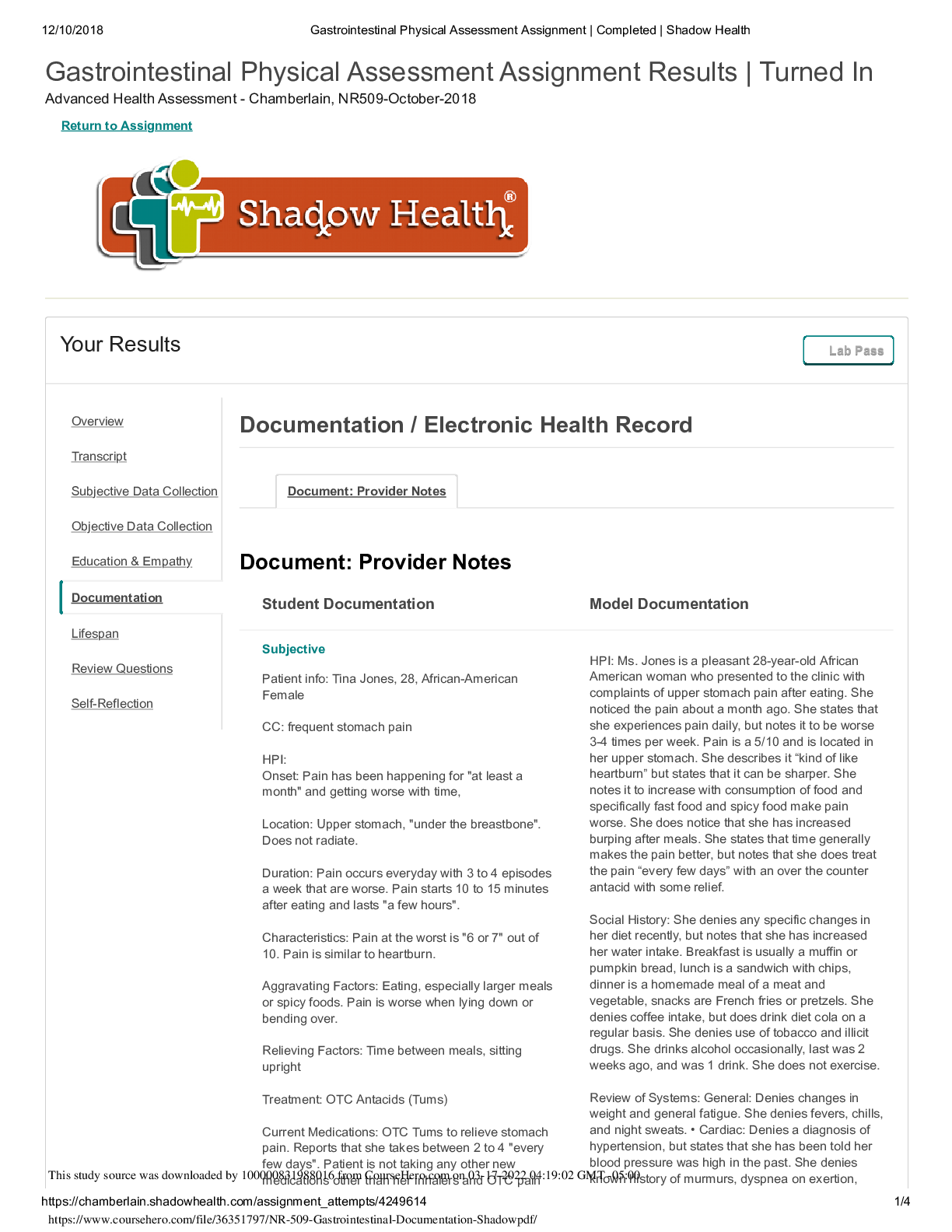
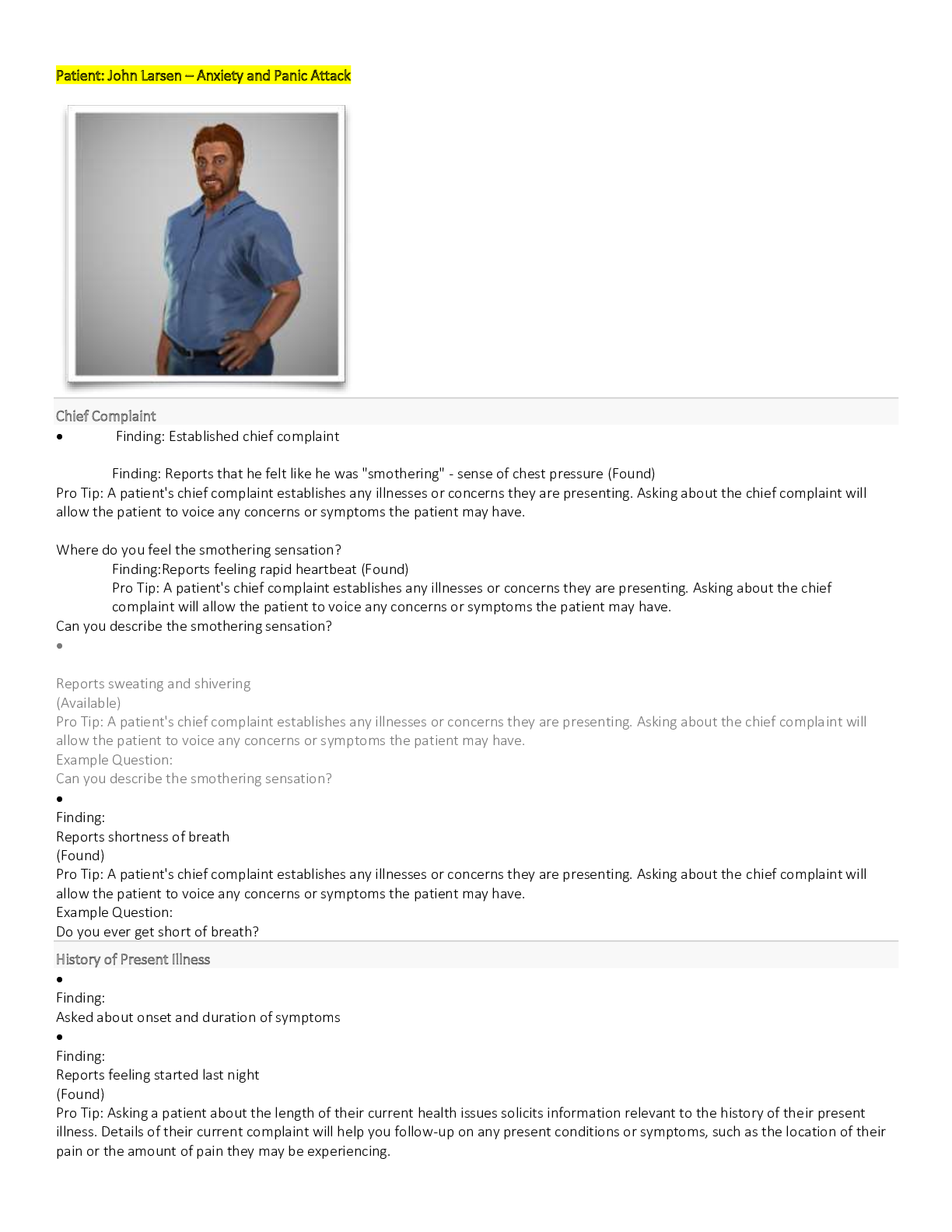
Patient: John Larsen – Anxiety and Panic Attack
Chief Complaint
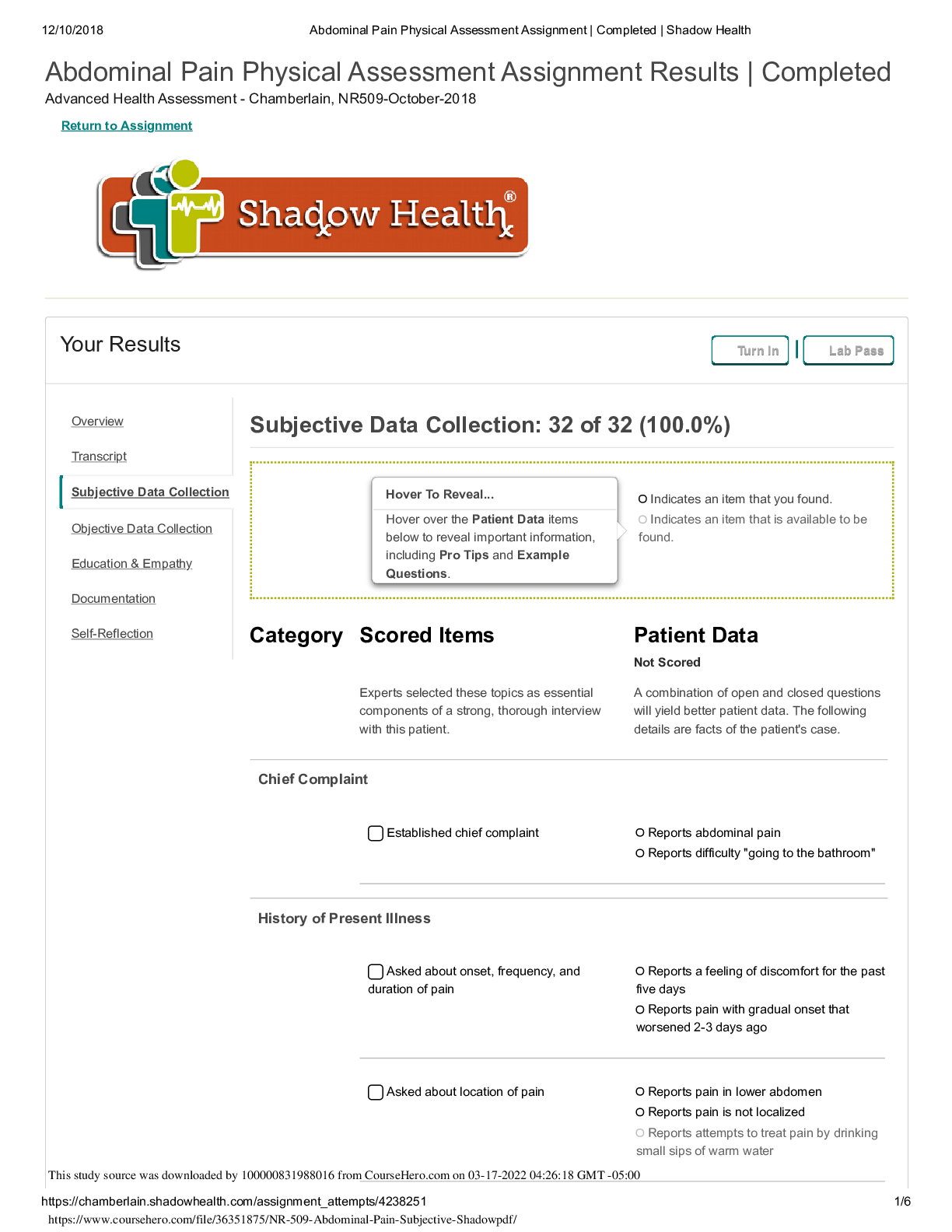
Finding: Established chief complaint
Finding: Reports that he felt like he was "smothering" - sense of chest pressure (Found)
Pro Tip: A patient's chi
...
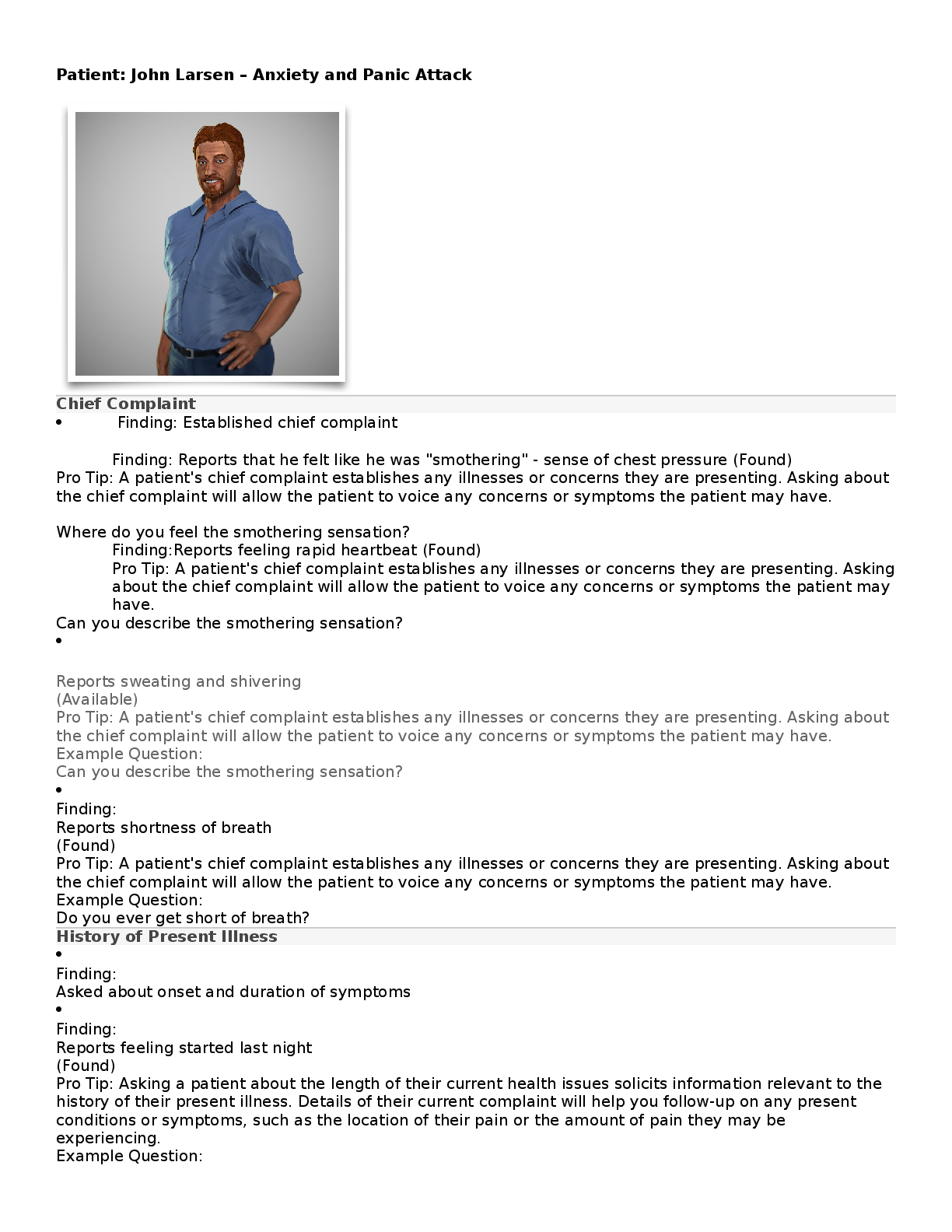
Patient: John Larsen – Anxiety and Panic Attack
Chief Complaint
Finding: Established chief complaint
Finding: Reports that he felt like he was "smothering" - sense of chest pressure (Found)
Pro Tip: A patient's chief complaint establishes any illnesses or concerns they are presenting. Asking about
the chief complaint will allow the patient to voice any concerns or symptoms the patient may have.
Where do you feel the smothering sensation?
Finding:Reports feeling rapid heartbeat (Found)
Pro Tip: A patient's chief complaint establishes any illnesses or concerns they are presenting. Asking
about the chief complaint will allow the patient to voice any concerns or symptoms the patient may
have.
Can you describe the smothering sensation?
Reports sweating and shivering
(Available)
Pro Tip: A patient's chief complaint establishes any illnesses or concerns they are presenting. Asking about
the chief complaint will allow the patient to voice any concerns or symptoms the patient may have.
Example Question:
Can you describe the smothering sensation?
Finding:
Reports shortness of breath
(Found)
Pro Tip: A patient's chief complaint establishes any illnesses or concerns they are presenting. Asking about
the chief complaint will allow the patient to voice any concerns or symptoms the patient may have.
Example Question:
Do you ever get short of breath?
History of Present Illness
Finding:
Asked about onset and duration of symptoms
Finding:
Reports feeling started last night
(Found)
Pro Tip: Asking a patient about the length of their current health issues solicits information relevant to the
history of their present illness. Details of their current complaint will help you follow-up on any present
conditions or symptoms, such as the location of their pain or the amount of pain they may be
experiencing.
Example Question:
When did the smothering sensation start?
Finding:
Reports feeling began at 3 am
(Found)
Pro Tip: Asking a patient about the length of their current health issues solicits information relevant to the
history of their present illness. Details of their current complaint will help you follow-up on any present
conditions or symptoms, such as the location of their pain or the amount of pain they may be
experiencing.
Example Question:
When did the smothering sensation start?
Finding:
Reports that feeling has been constant since onset
(Found)
Pro Tip: Asking a patient about the length of their current health issues solicits information relevant to the
history of their present illness. Details of their current complaint will help you follow-up on any present
conditions or symptoms, such as the location of their pain or the amount of pain they may be
experiencing.
Example Question:
Has the smothering sensation been constant?
Finding:
Asked about aggravating factors of symptoms
Finding:
Reports that movement or anything besides resting seems to make the symptoms worse
(Found)
Pro Tip: Asking a patient about the length of their current health issues solicits information relevant to the
history of their present illness. Details of their current complaint will help you follow-up on any present
conditions or symptoms, such as the location of their pain or the amount of pain they may be
experiencing.
Example Question:
What makes the smothering sensation worse?
Finding:
Asked about relieving factors of symptoms
Finding:
Reports trying to take deep breaths
(Found)
Pro Tip: Asking a patient about the length of their current health issues solicits information relevant to the
history of their present illness. Details of their current complaint will help you follow-up on any present
conditions or symptoms, such as the location of their pain or the amount of pain they may be
experiencing.
Example Question:
What makes the smothering sensation better?
Finding:
Reports resting to try to feel calmer
(Available)
Pro Tip: Asking a patient about the length of their current health issues solicits information relevant to the
history of their present illness. Details of their current complaint will help you follow-up on any present
conditions or symptoms, such as the location of their pain or the amount of pain they may be
experiencing.
Example Question:
How do you treat your symptoms?
Anxiety Screening
Finding:
Asked about anxiety
Finding:
Reports excessive worry
(Available)
Pro Tip: An anxiety screening succinctly reviews a patient's relationship to stress, worry, and fear, and can
indicate whether these feelings are symptoms of larger psychological issues. This will provide information
that should contextualize a more in-depth conversation on mental health.
Example Question:
Have you been unreasonably worried?
Finding:
Reports worry frequency as occurring more days that not
(Available)
Pro Tip: An anxiety screening succinctly reviews a patient's relationship to stress, worry, and fear, and can
indicate whether these feelings are symptoms of larger psychological issues. This will provide information
that should contextualize a more in-depth conversation on mental health.
Example Question:
Do you experience excessive worry more days than not?
Finding:
Reports excessive worry has happened for at least the last 6 months
(Found)
Pro Tip: An anxiety screening succinctly reviews a patient's relationship to stress, worry, and fear, and can
indicate whether these feelings are symptoms of larger psychological issues. This will provide information
that should contextualize a more in-depth conversation on mental health.
Example Question:
Have you been troubled by excessive worry for the last six months?
Finding:
Reports unreasonable worry about work
(Found)
Pro Tip: An anxiety screening succinctly reviews a patient's relationship to stress, worry, and fear, and can
indicate whether these feelings are symptoms of larger psychological issues. This will provide information
that should contextualize a more in-depth conversation on mental health.
Example Question:
Are you unreasonably troubled by work?
Finding:
Reports unreasonable worry about health
(Found)
Pro Tip: An anxiety screening succinctly reviews a patient's relationship to stress, worry, and fear, and can
indicate whether these feelings are symptoms of larger psychological issues. This will provide information
that should contextualize a more in-depth conversation on mental health.
Example Question:
Are you troubled by unreasonable worry about your health?
Finding:
Reports occasionally feeling unable to control worry
(Available)
Pro Tip: An anxiety screening succinctly reviews a patient's relationship to stress, worry, and fear, and can
indicate whether these feelings are symptoms of larger psychological issues. This will provide information
that should contextualize a more in-depth conversation on mental health.
Example Question:
Are you feeling troubled by worrying uncontrollably?
Finding:
Asked about restlessness
Finding:
Reports occasional restlessness
(Found)
Pro Tip: An anxiety screening succinctly reviews a patient's relationship to stress, worry, and fear, and can
indicate whether these feelings are symptoms of larger psychological issues. This will provide information
that should contextualize a more in-depth conversation on mental health.
Example Question:
Are you bothered by restlessness?
Finding:
Reports occasionally feeling "keyed up" or "on edge"
(Found)
Pro Tip: An anxiety screening succinctly reviews a patient's relationship to stress, worry, and fear, and can
indicate whether these feelings are symptoms of larger psychological issues. This will provide information
that should contextualize a more in-depth conversation on mental health.
Example Question:
Have you been feeling on edge lately?
Finding:
Denies feeling easily tired
(Available)
Pro Tip: An anxiety screening succinctly reviews a patient's relationship to stress, worry, and fear, and can
indicate whether these feelings are symptoms of larger psychological issues. This will provide information
that should contextualize a more in-depth conversation on mental health.
Example Question:
Do you tire easily?
Finding:
Denies problems concentrating
(Available)
Pro Tip: An anxiety screening succinctly reviews a patient's relationship to stress, worry, and fear, and can
indicate whether these feelings are symptoms of larger psychological issues. This will provide information
that should contextualize a more in-depth conversation on mental health.
Example Question:
Have you been having trouble concentrating?
Finding:
Reports occasional irritability
(Found)
Pro Tip: An anxiety screening succinctly reviews a patient's relationship to stress, worry, and fear, and can
indicate whether these feelings are symptoms of larger psychological issues. This will provide information
that should contextualize a more in-depth conversation on mental health.
Example Question:
Have you felt more irritable lately?
Finding:
Denies muscle tension
(Available)
Pro Tip: An anxiety screening succinctly reviews a patient's relationship to stress, worry, and fear, and can
indicate whether these feelings are symptoms of larger psychological issues. This will provide information
that should contextualize a more in-depth conversation on mental health.
Example Question:
Are your muscles ever tense?
Finding:
Denies anxiety interferes with daily life
(Available)
Pro Tip: An anxiety screening succinctly reviews a patient's relationship to stress, worry, and fear, and can
indicate whether these feelings are symptoms of larger psychological issues. This will provide information
that should contextualize a more in-depth conversation on mental health.
Example Question:
Does your anxiety interfere with your daily life?
Finding:
Asked about changes in sleeping habits
Finding:
Reports trouble getting to sleep (due to worry)
(Found)
Pro Tip: An anxiety screening succinctly reviews a patient's relationship to stress, worry, and fear, and can
indicate whether these feelings are symptoms of larger psychological issues. This will provide information
that should contextualize a more in-depth conversation on mental health.
Example Question:
Do you find it hard to go to sleep?
Finding:
Reports unsatisfying sleep
(Available)
Pro Tip: An anxiety screening succinctly reviews a patient's relationship to stress, worry, and fear, and can
indicate whether these feelings are symptoms of larger psychological issues. This will provide information
that should contextualize a more in-depth conversation on mental health.
Example Question:
Do you have unsatisfying sleep?
Finding:
Followed up on changes in sleep habits
(Available)
Pro Tip: An anxiety screening succinctly reviews a patient's relationship to stress, worry, and fear, and can
indicate whether these feelings are symptoms of larger psychological issues. This will provide information
that should contextualize a more in-depth conversation on mental health.
Example Question:
How long have you been having sleep problems?
Finding:
Denies taking sleep aids
(Available)
Pro Tip: An anxiety screening succinctly reviews a patient's relationship to stress, worry, and fear, and can
indicate whether these feelings are symptoms of larger psychological issues. This will provide information
that should contextualize a more in-depth conversation on mental health.
Example Question:
Have you ever taken medication to help you sleep?
Finding:
Reports 5 - 6 hours of sleep per night
(Available)
Pro Tip: An anxiety screening succinctly reviews a patient's relationship to stress, worry, and fear, and can
indicate whether these feelings are symptoms of larger psychological issues. This will provide information
that should contextualize a more in-depth conversation on mental health.
Example Question:
How much sleep do you get a night?
Finding:
Reports taking 2 - 3 hours to fall asleep
(Available)
Pro Tip: An anxiety screening succinctly revi
[Show More]







.png)