RELI 367: YOGA Fall 2020
Question 1 (1 point)
Saved
“There is no right to [practice] yoga without initiation.”
According to this verse in the Mālinīvijayottara, which of the following is necessary for yoga practic
...
RELI 367: YOGA Fall 2020
Question 1 (1 point)
Saved
“There is no right to [practice] yoga without initiation.”
According to this verse in the Mālinīvijayottara, which of the following is necessary for yoga practice?
Question 1 options:
deity
manual
guru
mantra
Question 2 (1 point)
Saved
“Enthusiasm, boldness, patience, knowledge of the levels of reality, resoluteness and renunciation of contact with people”
In the Haṭhayogapradīpikā, these are considered hindrances to yoga practice.
Question 2 options:
True
False
Question 3 (1 point)
Saved
“The afflictions are ignorance, egoism, passion, aversion, and clinging to life”
This passage from Patañjalayogaśāstra is similar to Kṛṣṇa’s description of the causes of saṃsāra in the Gītā.
Question 3 options:
True
False
Question 4 (1 point)
Saved
Classical yoga texts are female-centric.
Question 4 options:
True
False
Question 5 (1 point)
Saved
“One should shun those who wear religious garb. These people are always obstacles to your yoga practice.”
According to the Dattatreyayogaśāstra, institutional religion is a good thing for yoga practice.
Question 5 options:
True
False
Question 1 (1 point)
Saved
In early yoga texts, āsanas (postures) were ________________.
Question 1 options:
Complex
Simple and seated
Question 2 (1 point)
Saved
Postural yogic sequences were first associated with which of the following groups when encountered by Europeans?
Question 2 options:
priests
Americans
street performers
holy people
Question 3 (1 point)
Saved
What major change can be associated with Hemacandra?
Question 3 options:
Banning yoga in temples
Naming postures
Associating yoga with god
Introducing yoga to non-ascetics
Question 4 (1 point)
Saved
Postural yoga has been part of which of the following religious traditions?
Question 4 options:
Hinduism
Jainism
Buddhism
All of the above
Question 5 (1 point)
Saved
There are no examples of early yoga outside of yoga texts.
Question 5 options:
True
False
Question 1 (1 point)
Saved
Prāṇāyāma seems to have always been central in yoga practice, especially haṭha yoga.
Question 1 options:
True
False
Question 2 (1 point)
Saved
Some texts argue that breath control leads to liberation.
Question 2 options:
True
False
Question 3 (1 point)
Saved
There is no relationship between the mind and breath.
Question 3 options:
True
False
Question 4 (1 point)
Saved
What is prāṇāyāma?
Question 4 options:
lotus position
devotion
Krishna's true form
breath control
Question 5 (1 point)
Saved
Prāṇāyāma is said to be a purifying process.
Question 5 options:
True
False
Question 1 (1 point)
Saved
What is a nāḍī?
Question 1 options:
conduit of energy
rounded pot
means of perfection
form of purification
Question 2 (1 point)
Saved
What is a cakra in the yogic body?
Question 2 options:
difficult posture
left big toe
mental awakening
hub of different energy conduits
Question 3 (1 point)
Saved
What does Kuṇḍalinī literally mean?
Question 3 options:
she who gives awakening through meditation
movement of vital energy
true liberation
she who is coiled
Question 4 (1 point)
Saved
Modern yoga emphasizes the __________ body, but classical yoga emphasized the _______body.
Question 4 options:
beautiful; smart
flexible; strong
anatomical; metaphysical
metaphysical; anatomical
Question 5 (1 point)
Saved
Where does bindu reside in the yogic body?
Question 5 options:
genitals
left big toe
heart
head
Question 1 (1 point)
Saved
What is a mudra in the context of classical yoga?
Question 1 options:
seal
hand gesture
monkey pose
amulet
Question 2 (1 point)
Saved
What is the purpose of a mudra in classical yoga?
Question 2 options:
to mimic the gods
to speak without using verbal language
to gain greater flexibility
to lock in vital energy
Question 3 (1 point)
Saved
In which context are mudras most common?
Question 3 options:
Shakta
Shaiva
Tantric
Vaishnava
Question 4 (1 point)
Saved
During which period were mudras incorporated into asana (postural) practice?
Question 4 options:
They were never incorporated into asana practice.
ancient
modern
medieval
Question 5 (1 point)
Saved
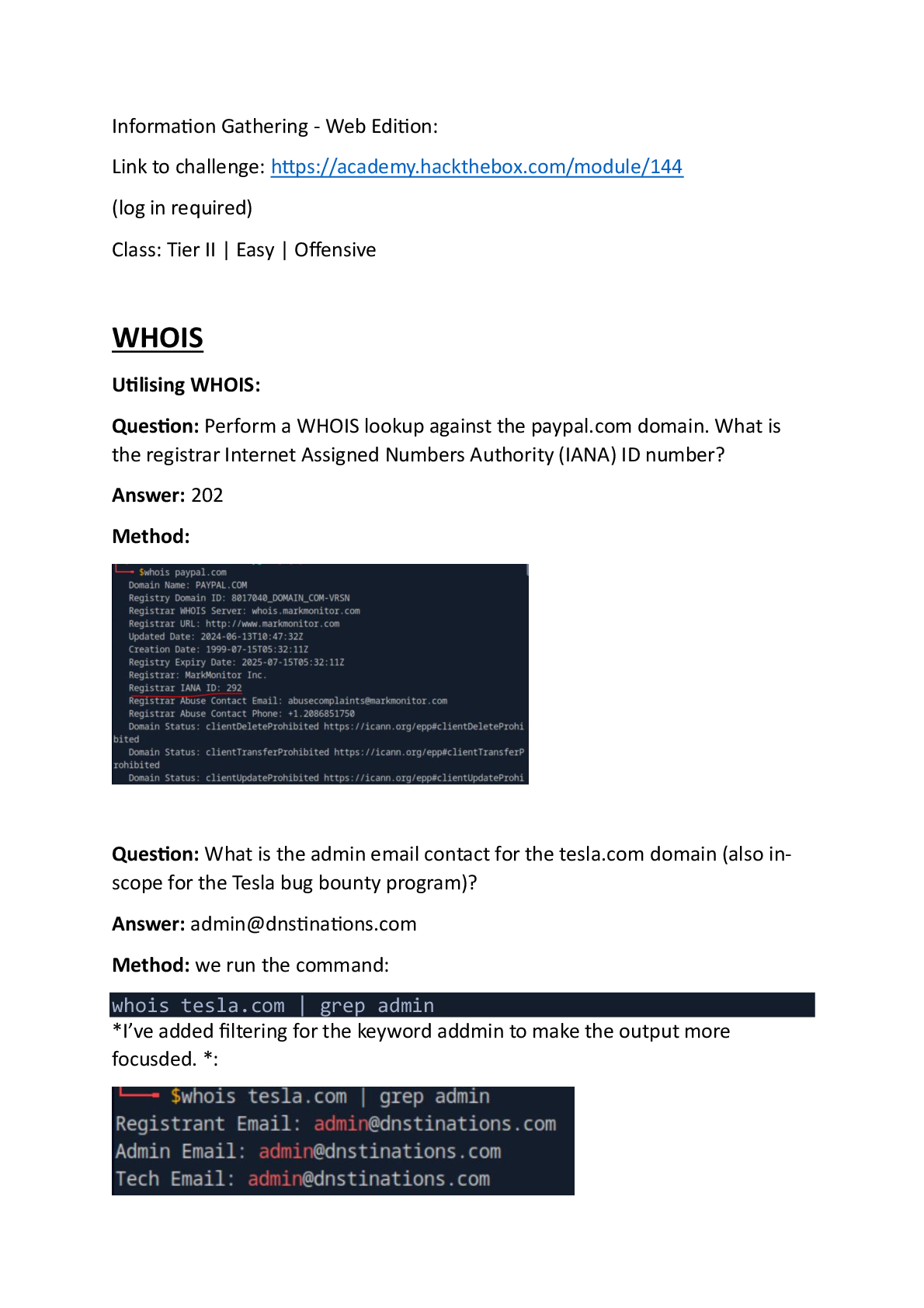
What is pictured above
Question 5 options:
lotus position
mahamudra/great seal
monkey pose
sun salutation
Question 1 (1 point)
Saved
What is the literal meaning of the word "mantra?"
Question 1 options:
instrument of thought
word to live by
You only live once
magic
Question 2 (1 point)
Saved
__________ is often called "mantra marga" or the "path of mantras."
Question 2 options:
Shaktism
Vaishnavism
Shaivism
Tantra
Question 3 (1 point)
Saved
The chant "OM" is an example of which of the following?
Question 3 options:
mudra
prana
asana
mantra
Question 4 (1 point)
Saved
Mantra has never been associated with breath control
Question 4 options:
True
False
Question 5 (1 point)
Saved
Hathayoga traditionally dismisses mantras as a lower form of practice.
Question 5 options:
True
False
Question 1 (1 point)
Saved
What is the pivotal practice between inner and outer yogic practice?
Question 1 options:
pratyāhāra
intellect
śramaṇa
praṇāyama
Question 2 (1 point)
Saved
What is the practice of dhāraṇā?
Question 2 options:
cultivation of advanced mental and ontological states
wanting something really badly
concentration and placement of the mind
retraction of the mind from phenomenal objects
Question 3 (1 point)
Saved
What is the practice of pratyāhāra?
Question 3 options:
concentration and placement of the mind
retraction of the mind from phenomenal objects
wanting something really badly
cultivation of advanced mental and ontological states
Question 4 (1 point)
Saved
What is the practice of dhyāna?
Question 4 options:
retraction of the mind from phenomenal objects
cultivation of advanced mental and ontological states
concentration and placement of the mind
wanting something really badly
Question 5 (1 point)
Saved
What is the meaning of dhyāna?
Question 5 options:
withdrawal
cognition
fixation
meditation
Question 1 (1 point)
Saved
What is the last limb of the 8-limbs of yoga?
Question 1 options:
samadhi
dharana
dhyana
asana
Question 2 (1 point)
Saved
Yogic powers or siddhis are accepted by all classical yoga traditions.
Question 2 options:
True
False
Question 3 (1 point)
Saved
What is the literal meaning of samadhi?
Question 3 options:
some idea
joining/combining
difficult posture
enlightenment
Question 4 (1 point)
Saved
What is the ultimate goal of classical yoga?
Question 4 options:
Ripped body
Making friends
Flexibility
Liberation
Question 5 (1 point)
Saved
The ultimate goal in classical yoga was always theistic.
Question 5 options:
True
False
[Show More]