Mathematics > QUESTION PAPER & MARK SCHEME > Pearson Edexcel Level 3 GCE Further Mathematics Advanced Subsidiary Further Mathematics options 23: (All)
Pearson Edexcel Level 3 GCE Further Mathematics Advanced Subsidiary Further Mathematics options 23: Further Statistics 1 (Part of options B, E, F and G). question booklet and mark scheme results November 2021
Document Content and Description Below
Last updated: 3 years ago
Preview 1 out of 25 pages
Instant download

Buy this Document to get the Full Access Instantly
Provided by Students Who Aced it
We Verify Document Content to Gurantee Accuracy
Reviews( 0 )
Document information
Connected school, study & course
About the document
Uploaded On
May 21, 2022
Number of pages
25
Written in
All

Additional information
This document has been written for:
Uploaded
May 21, 2022
Downloads
0
Views
279
Topic Tags
Recommended For You
Get more on QUESTION PAPER & MARK SCHEME ».png)
Pearson Edexcel GCE Question Booklet + Mark Scheme (Results) N...
.png)
Pearson Edexcel GCE Question Booklet + Mark Scheme (Results) N...
.png)
Pearson Edexcel GCE Question Booklet + Mark Scheme (Results) N...
2025 Pearson Edexcel Level 3 GCE: 9FM0/02 Further Mathematics...

Solutions Manual for Advanced Engineering Mathematics, SI Edit...
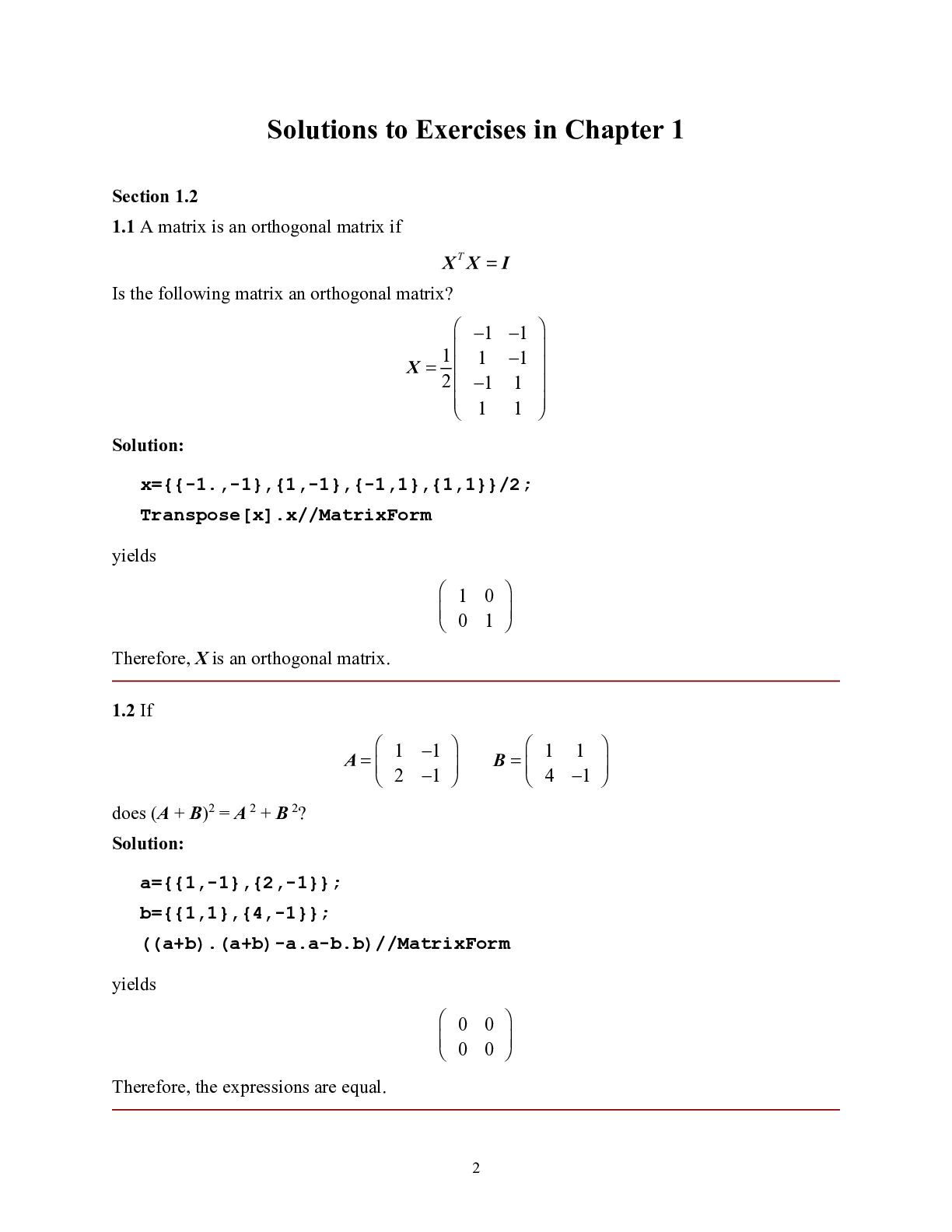
Solutions Manual for Advanced Engineering Mathematics with Mat...
.png)
Advanced Engineering Mathematics 10th Edition by Erwin Kreyszi...
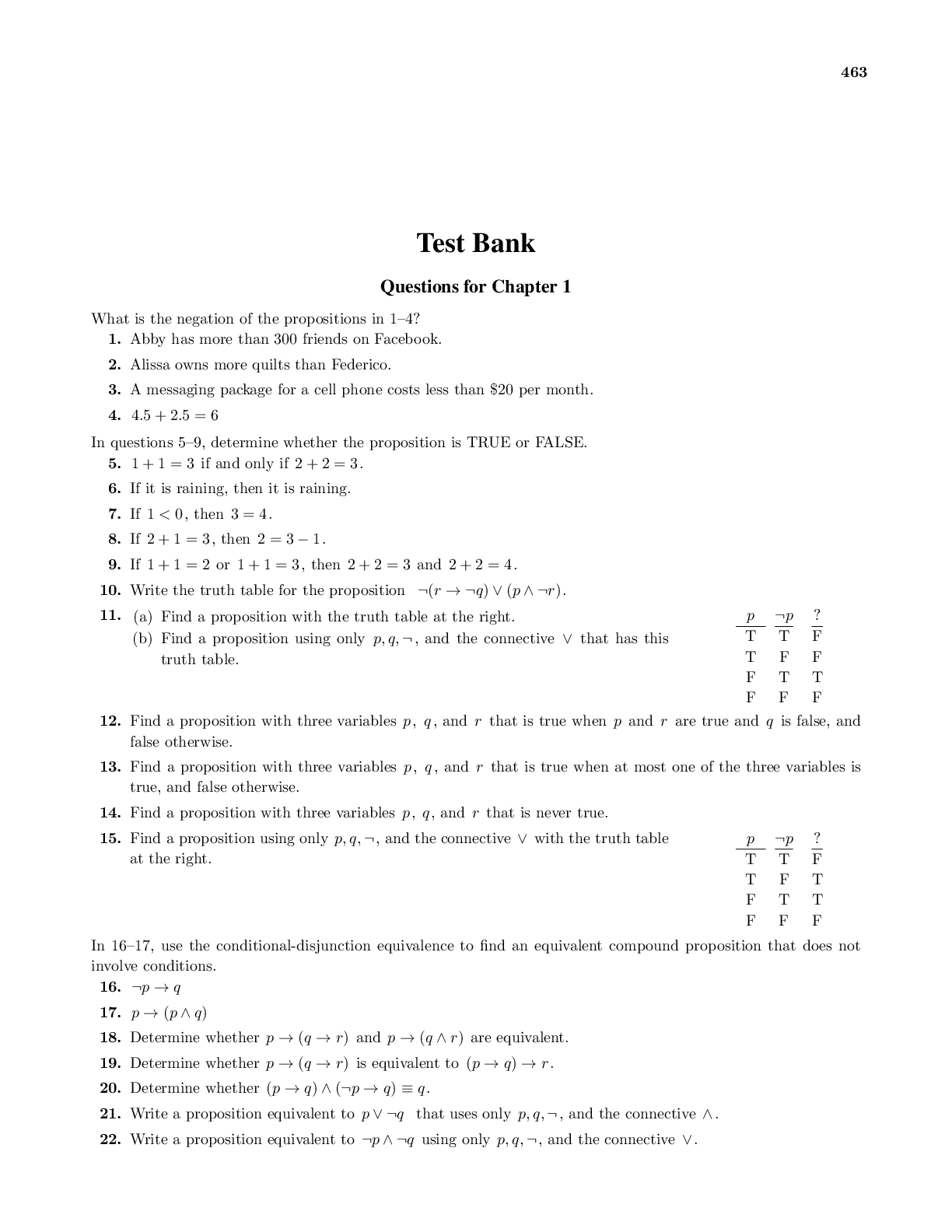
Discrete Mathematics and Its Applications 8th Edition by Kenne...
Student Solutions Manual for Mathematics for Economics, 4th Ed...

Probability & Statistics Homework 2: Theoretical Probability:...

Edexcel Level 3 GCE 9CH0/02 Chemistry Advanced PAPER 2_ Advanc...