Education > EXAM > C468 Information Management and the Application of Technology WGU 2022 Graded A (All)
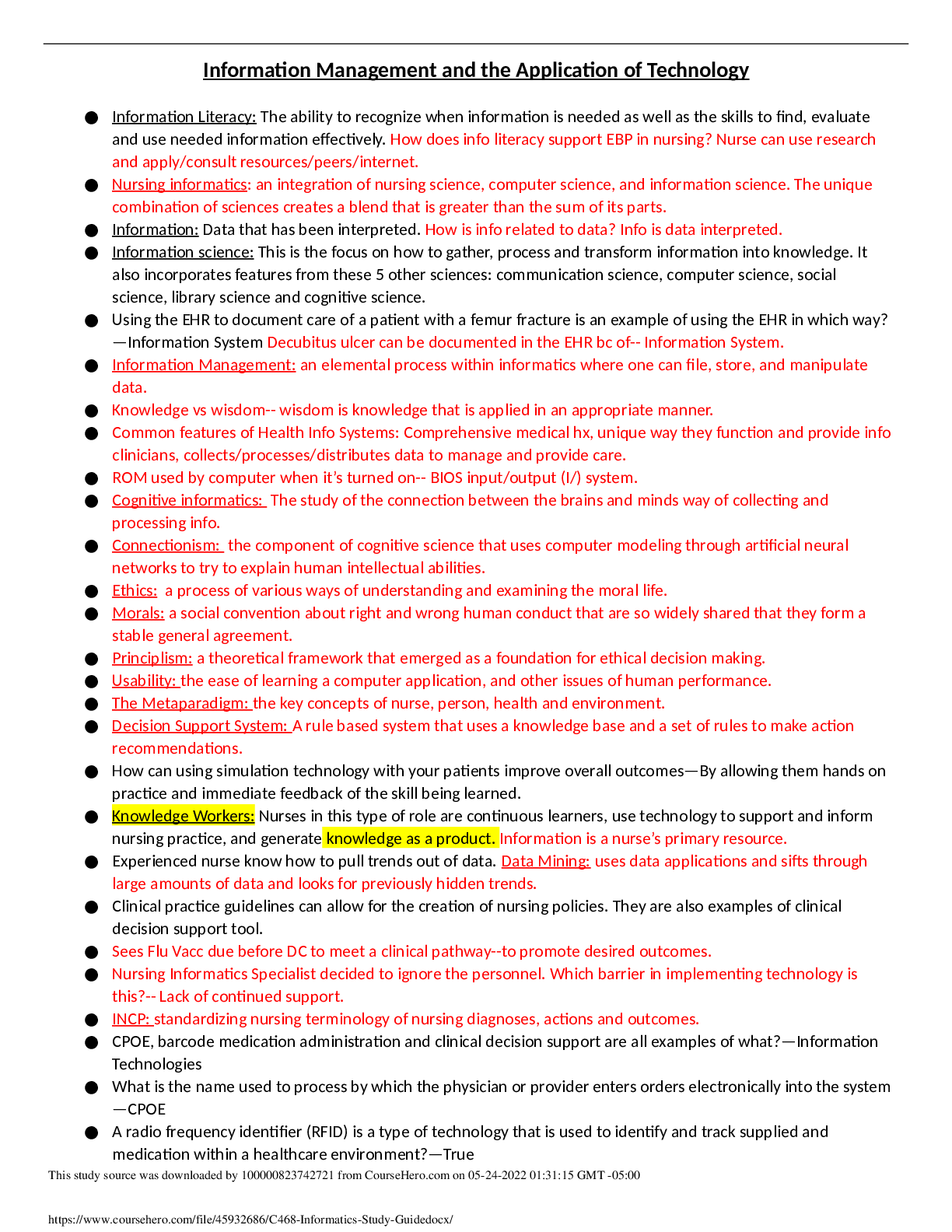
C468 Information Management and the Application of Technology WGU 2022 Graded A
Document Content and Description Below
Last updated: 4 years ago
Preview 1 out of 8 pages
Instant download

Buy this Document to get the Full Access Instantly
Provided by Students Who Aced it
We Verify Document Content to Gurantee Accuracy
Reviews( 0 )
Document information
Connected school, study & course
About the document
Uploaded On
May 26, 2022
Number of pages
8
Written in
All

Additional information
This document has been written for:
Uploaded
May 26, 2022
Downloads
0
Views
111
Topic Tags
Recommended For You
Get more on EXAM ».png)
WGU - C468 Information Management and the Application of Techn...

WGU - C468 Information Management and the Application of Techn...
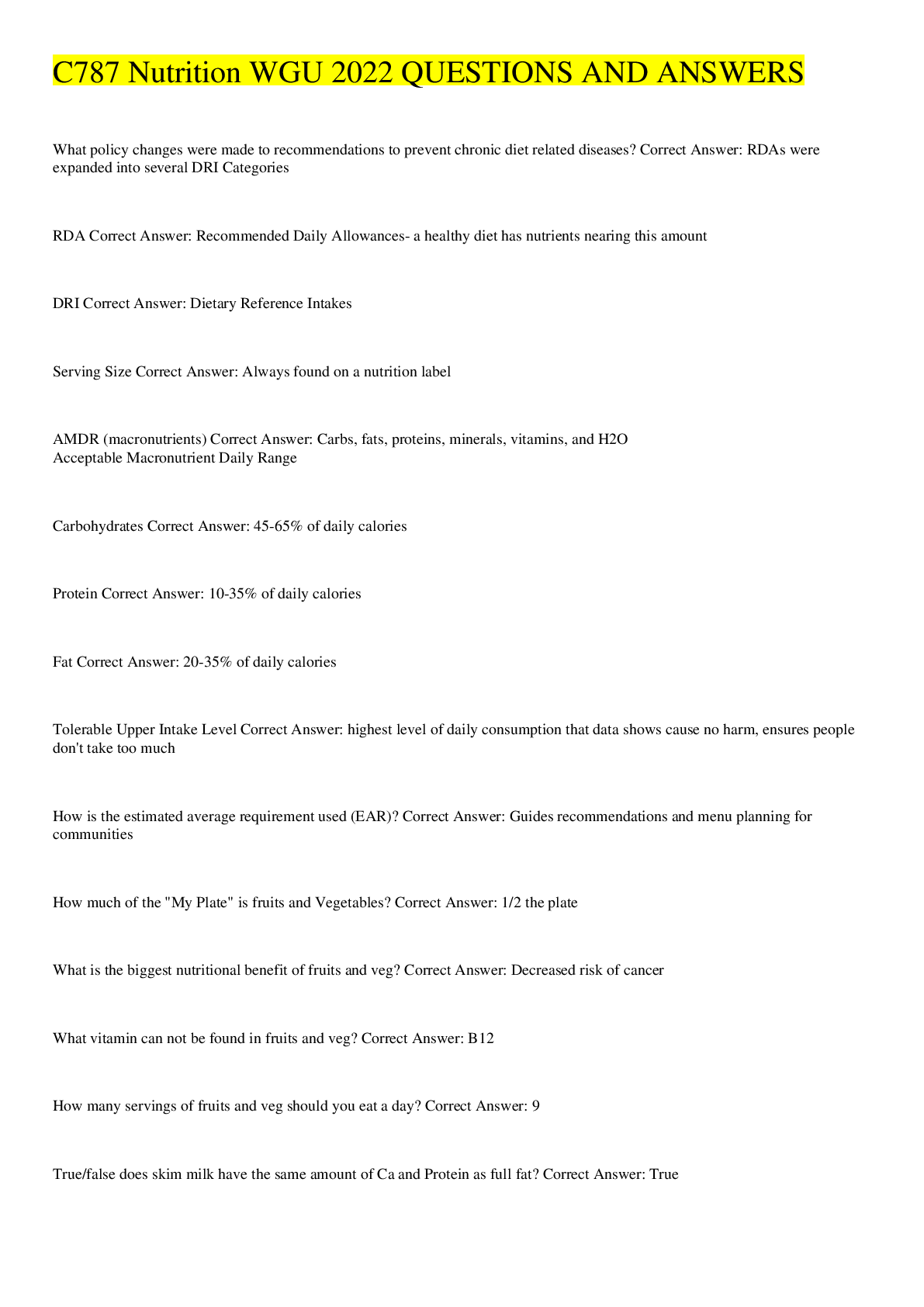

WGU Information Management and the Application of Technology -...

C468 WGU Information Management Questions And Answers;Best sco...

WGU C468\WGU C468 Health Computing / Nursing Informatics 2022...

C468 Information Management and the Application of Technology...
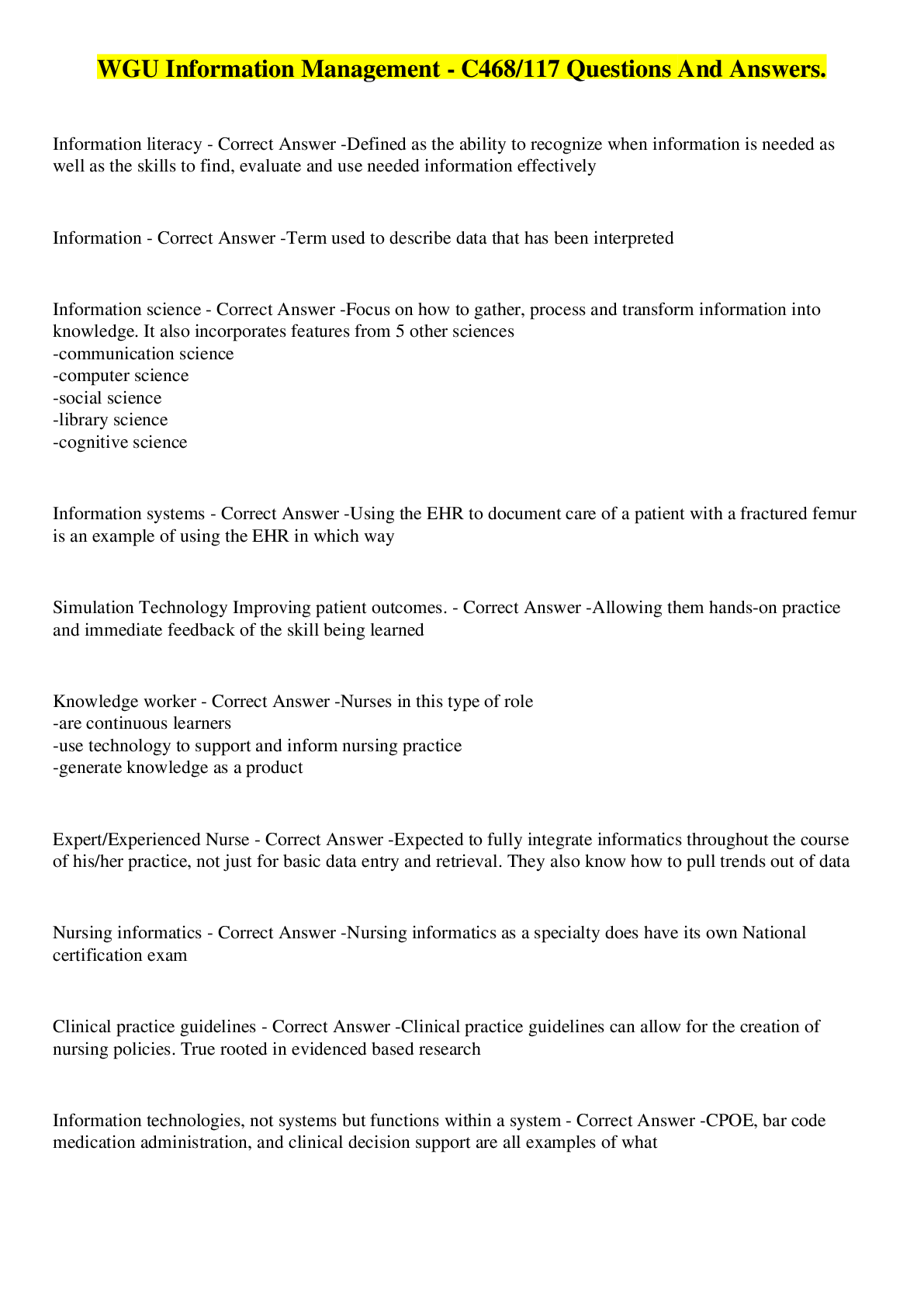
WGU Information Management - C468 Questions and Answers 2022

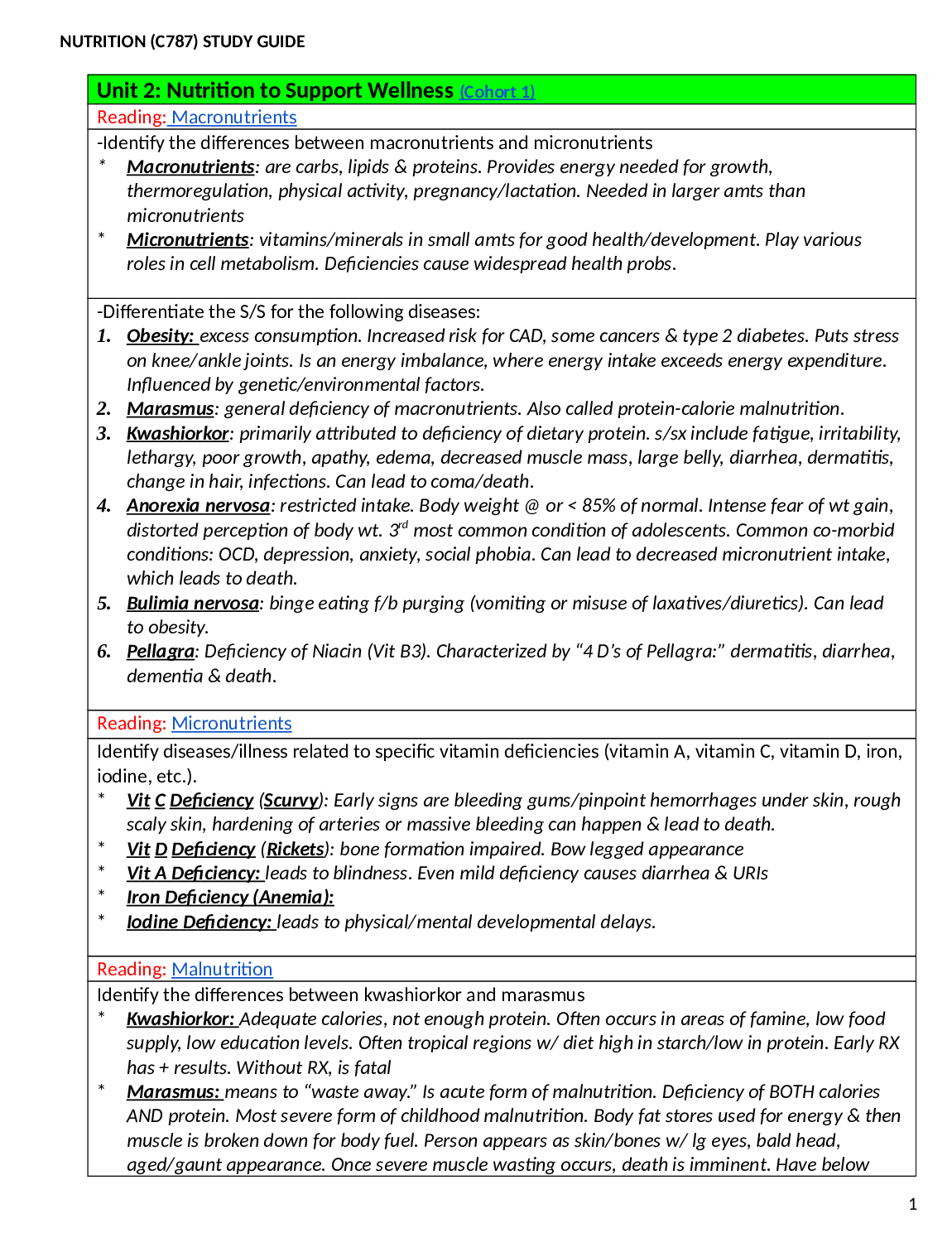
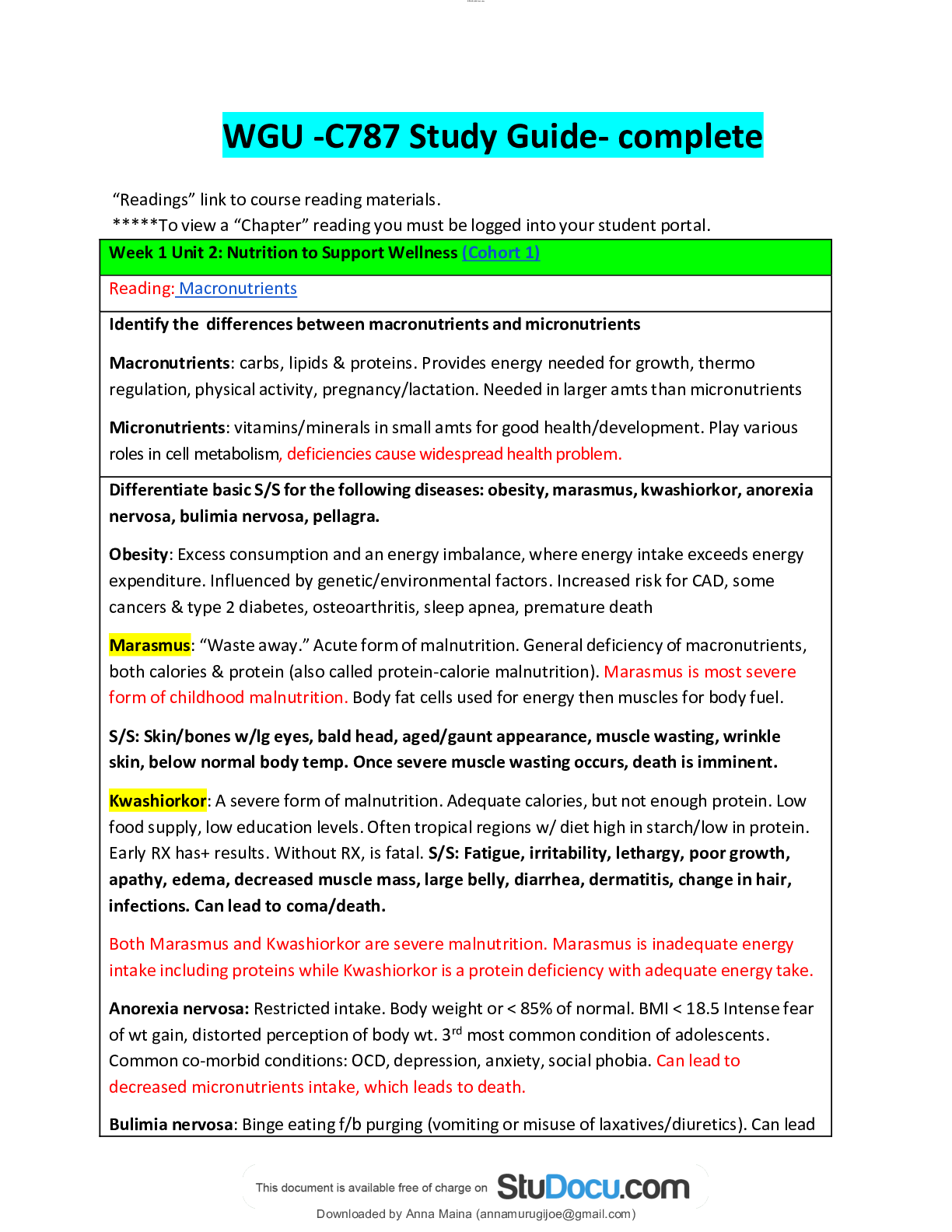


C468 Study Guide - Information Management and the Application...

C468 IT study guide. Information Management and the Applicatio...