USMLE STEP 1 Pharmacology
Organophosphates Correct Answer: anticholinesterase poisoning
Atropine, pralodoxime Correct Answer: anticholinesterase poisoning treatment
bethachol Correct Answer: muscarinic direct
...
USMLE STEP 1 Pharmacology
Organophosphates Correct Answer: anticholinesterase poisoning
Atropine, pralodoxime Correct Answer: anticholinesterase poisoning treatment
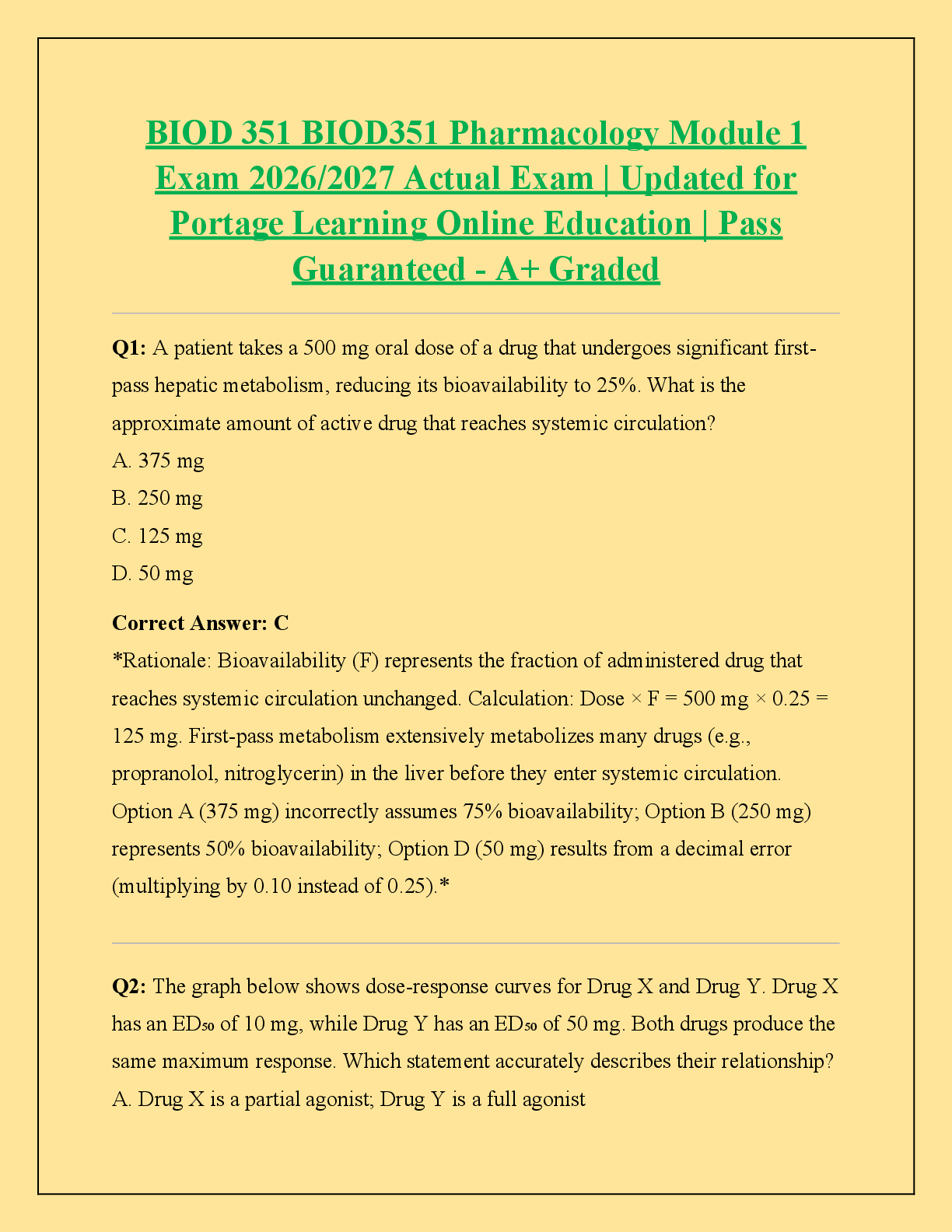
bethachol Correct Answer: muscarinic direct agonist; post-op ileus, urinary retention
carbechol Correct Answer: muscarinic direct agonist; glaucoma
pilocarpine Correct Answer: muscarinic direct agonist; stimulates sweat, tears, saliva
methacholine Correct Answer: muscarinic direct agonist; asthma diagnositic test
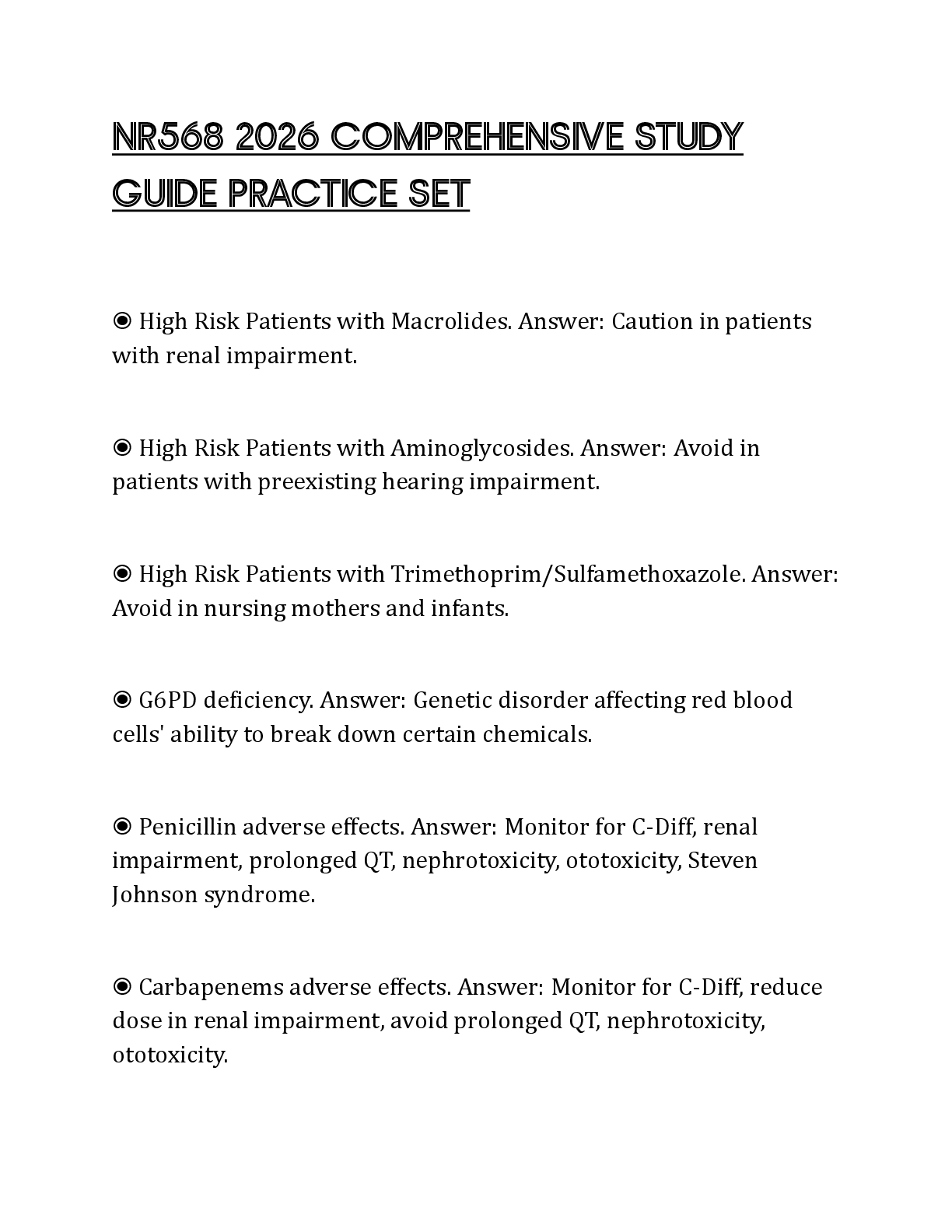
neostigmine Correct Answer: anti-acetylcholinesterase; post-op and neurogenic ileus, urinary retention and neurogenic bladder, MG, NMJ blocker
pyridostigmine Correct Answer: anti-acetylcholinesterase; MG longterm treatment
echothiophate Correct Answer: anti-acetylcholinesterase; glaucoma
edrophonium Correct Answer: anti-acetylcholinesterase; MG diagnostic test, differentiates myasthenic crisis (+ test) from cholinergic crisis (- test)
physostigmine Correct Answer: anti-acetylcholinesterase; crosses BBB, anticholinergic/atropine toxicity
Donepazil Correct Answer: anti-acetylcholinesterase; alzheimer's
Galantamine Correct Answer: anti-acetylcholinesterase; alzheimer's
Rivastigmine Correct Answer: anti-acetylcholinesterase; alzheimer's
Homatropine Correct Answer: muscarninic antag; pupil dilation
Tropicamide Correct Answer: muscarninic antag; pupil dilation
Cyclopentoate Correct Answer: muscarninic antag; pupil dilation
Glycopyrrylate Correct Answer: muscarninic antag; reduces respiratory/GI secretions, useful during surgery (anesthetic aid)
Benzotropine Correct Answer: muscarninic antag; parkinson's, parkinsonism from antipsychotics
Scopolamine Correct Answer: muscarninic antag; motion sickness
Ipratropium Correct Answer: muscarninic antag; COPD, asthma
Tiotropium Correct Answer: muscarninic antag; COPD, asthma
Oxybutynin Correct Answer: muscarninic antag; urge urinary incontinence
Tolterodine Correct Answer: muscarninic antag; urge urinary incontinence
Darifenacin Correct Answer: muscarninic antag; urge urinary incontinence
Trospium Correct Answer: muscarninic antag; urge urinary incontinence
Solifenacin Correct Answer: muscarninic antag; urge urinary incontinence
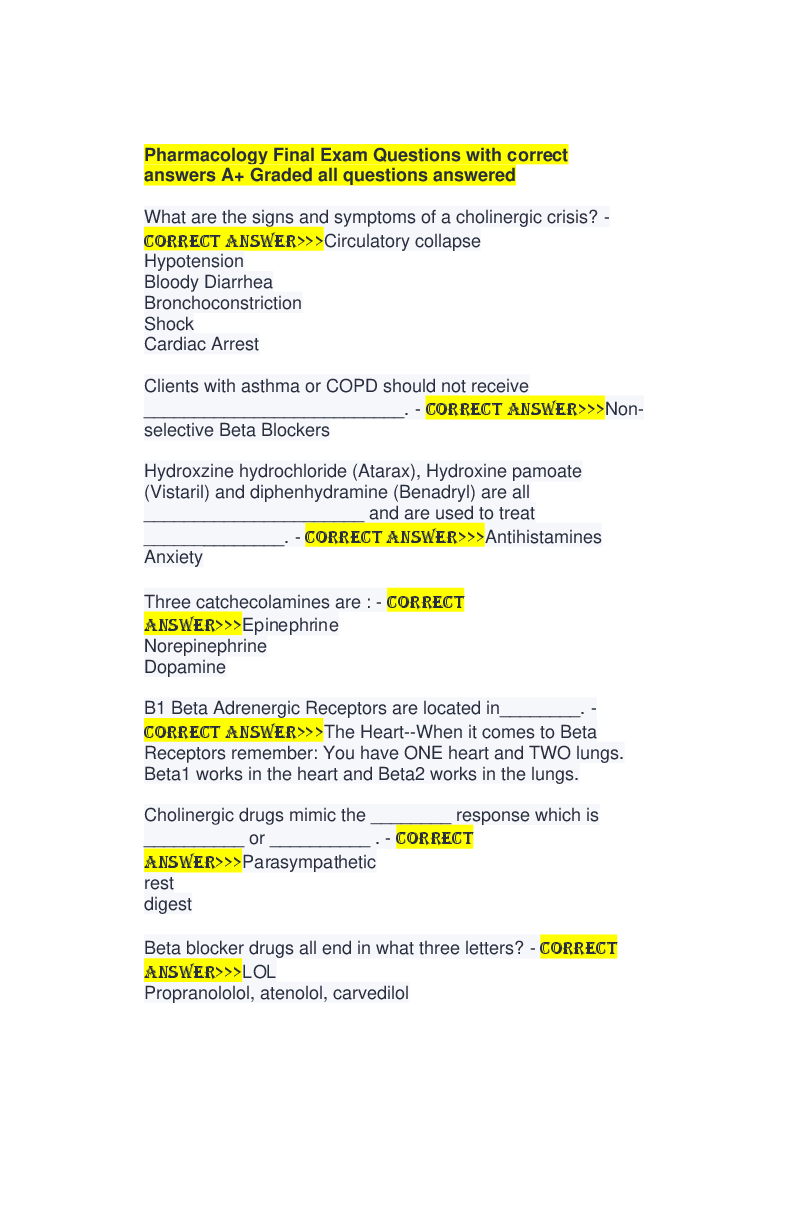
Epinepherine Correct Answer: Beta>alpha; endogenous
Norepinephrine Correct Answer: alpha>beta; endogenous
Clonidine Correct Answer: alpha2 agonist; hypertensive med
Dopamine Correct Answer: beta agonist at medium concentrations, alpha at high
Phenephrine Correct Answer: alpha1>alpha2; nasal decongestant
Albuterol Correct Answer: Beta2>beta1; rescue inhaler
Isoproterenol Correct Answer: beta1>beta2; anesthetic aid
dobutamine Correct Answer: beta1>beta2; used for cardiac stress test
terbutaline Correct Answer: beta2>beta1; subq for asthma, tocolytic
amphetamine, ephedrine, tyramine Correct Answer: releases stored catechols (3)
cocaine, TCAs, SNRIs Correct Answer: NE reuptake inhibitor (3)
guanethidine, bretylium Correct Answer: inhibits catechol release (2)
propanolol Correct Answer: non-selective Beta blocker
atenolol, esmolol, metopropolol Correct Answer: selective B1 blockers (3)
Timolol, Nadolol Correct Answer: glaucoma treatment, non-selective BBs
acebutolol, pindolol Correct Answer: partial Beta agonists; useful for HTN treatment in those with bradycardia
labetalol, caredilol Correct Answer: alpha/beta blocker; CHF treatment
Nebivolol Correct Answer: beta1 blocker that releases NO
-zosins Correct Answer: alpha1 antagonists; treats BPH
tamsulosin Correct Answer: specific for alpha1A,D receptor in prostatic urethra
phentolamine Correct Answer: MAOI + tyramine consumption antidote
phenoxybenzamine Correct Answer: pheochromocytoma medical treatment
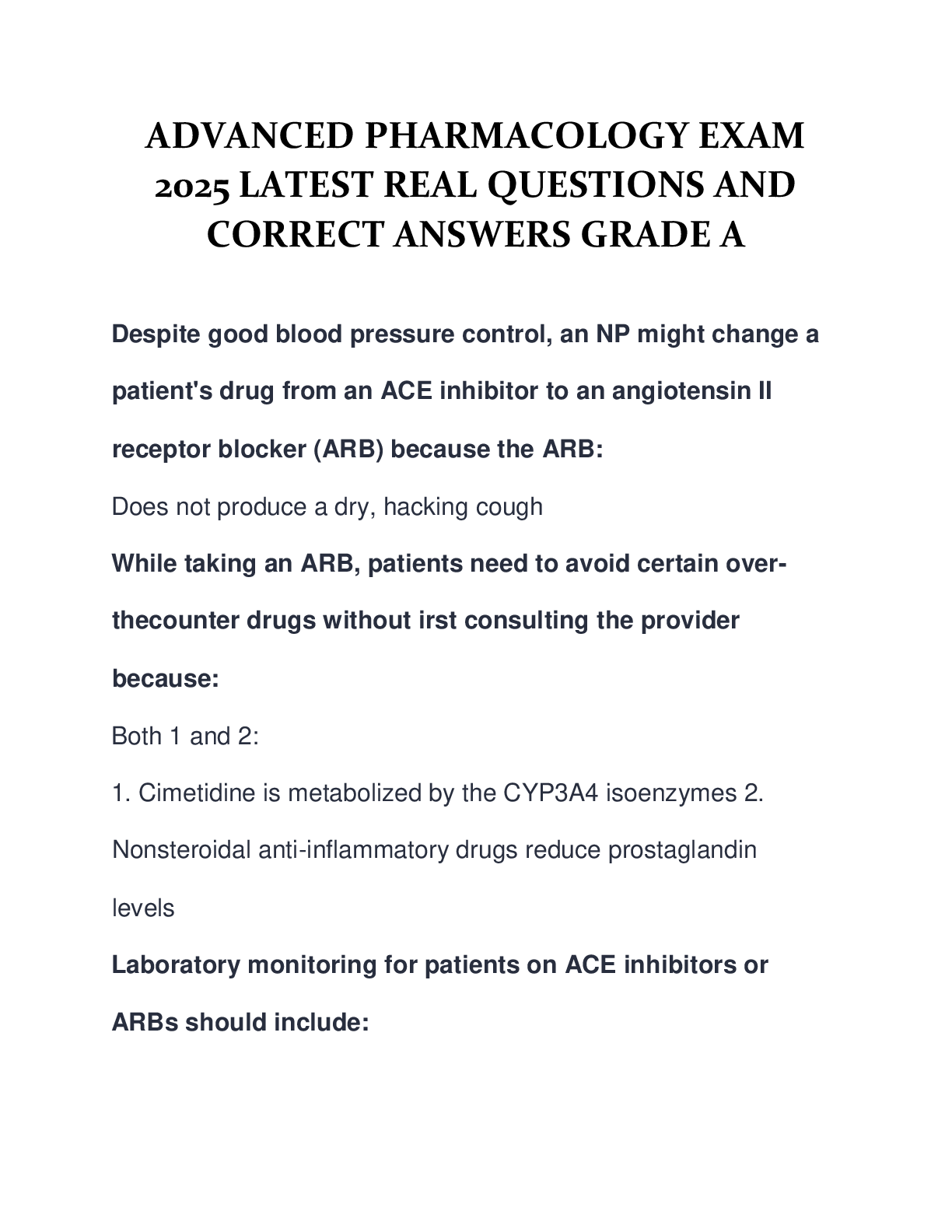
What are the major functions of the α1 receptor? Correct Answer: Increase vascular smooth muscle contraction, increase pupillary dilator muscle contraction (mydriasis), increase intestinal and bladder sphincter muscle contraction
What are the major functions of the α2 receptor? Correct Answer: Decrease sympathetic outflow, decrease insulin release, decrease lipolysis, increase platelet aggregation, decrease aqueous humor production
What are the major functions of the β1 receptor? Correct Answer: Increase heart rate, increase contractility, increase renin release, increase lipolysis
What are the major functions of the β2 receptor? Correct Answer: Vasodilation, bronchodilation, increase lipolysis, increase insulin release, decrease uterine tone (tocolysis), ciliary muscle relaxation, increase aqueous humor production
What are the major functions of the M1 receptor? Correct Answer: CNS, enteric nervous system
What are the major functions of the M2 receptor? Correct Answer: Decrease heart rate and contractility of atria
What are the major functions of the M3 receptor? Correct Answer: Increase exocrine gland secretions (e.g., lacrimal, salivary, gastric acid), increase gut peristalsis, increase bladder contraction, increase bronchoconstriction, pupillary sphincter muscle contraction (miosis), ciliary muscle contraction (accommodation)
What are the major functions of the D1 receptor? Correct Answer: Relaxes renal vascular smooth muscle
What are the major functions of the D2 receptor? Correct Answer: Modulates transmitter release,
[Show More]