Business > QUESTIONS & ANSWERS > University Of Phoenix-BCOM 275 Final Exam !! questions answered !! (GRADED A) (All)
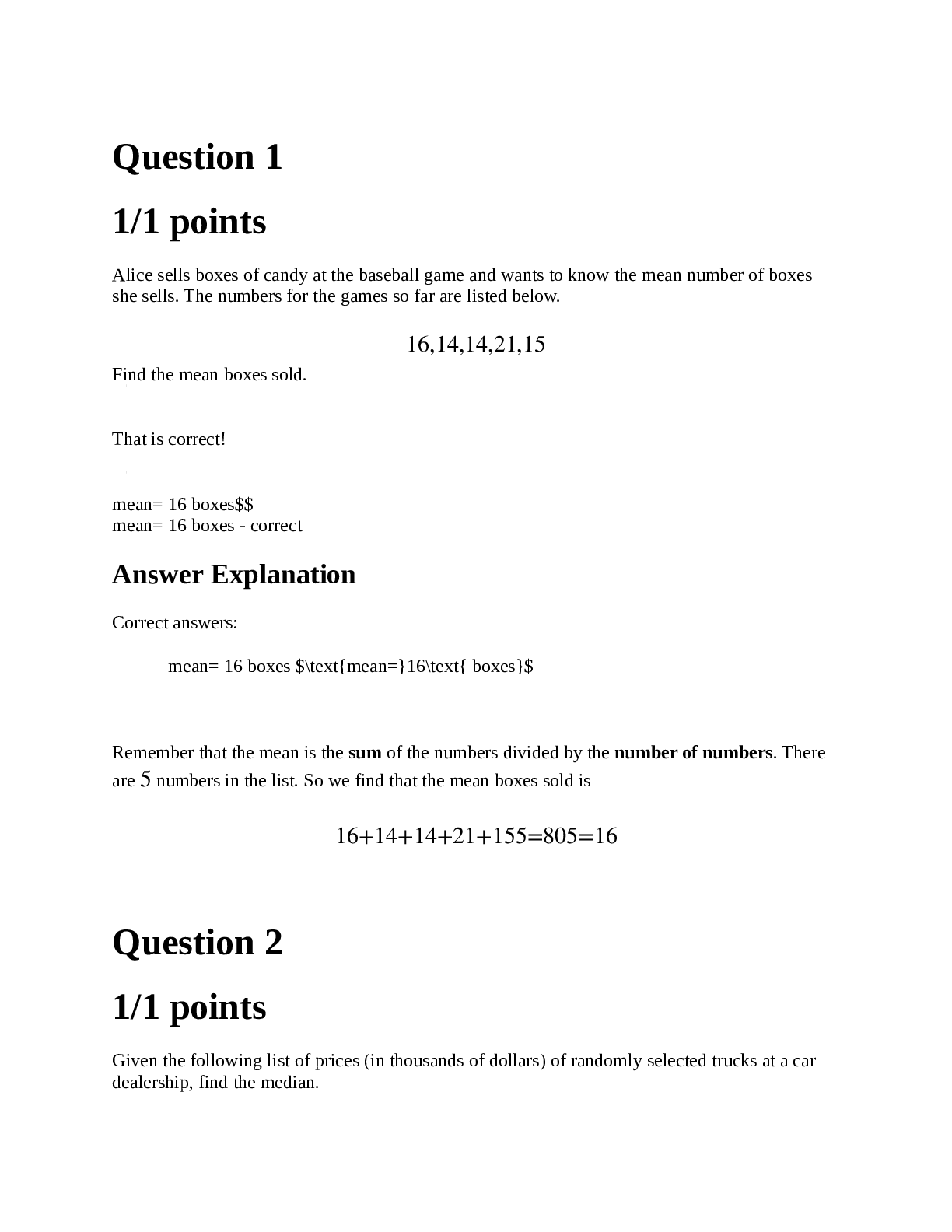
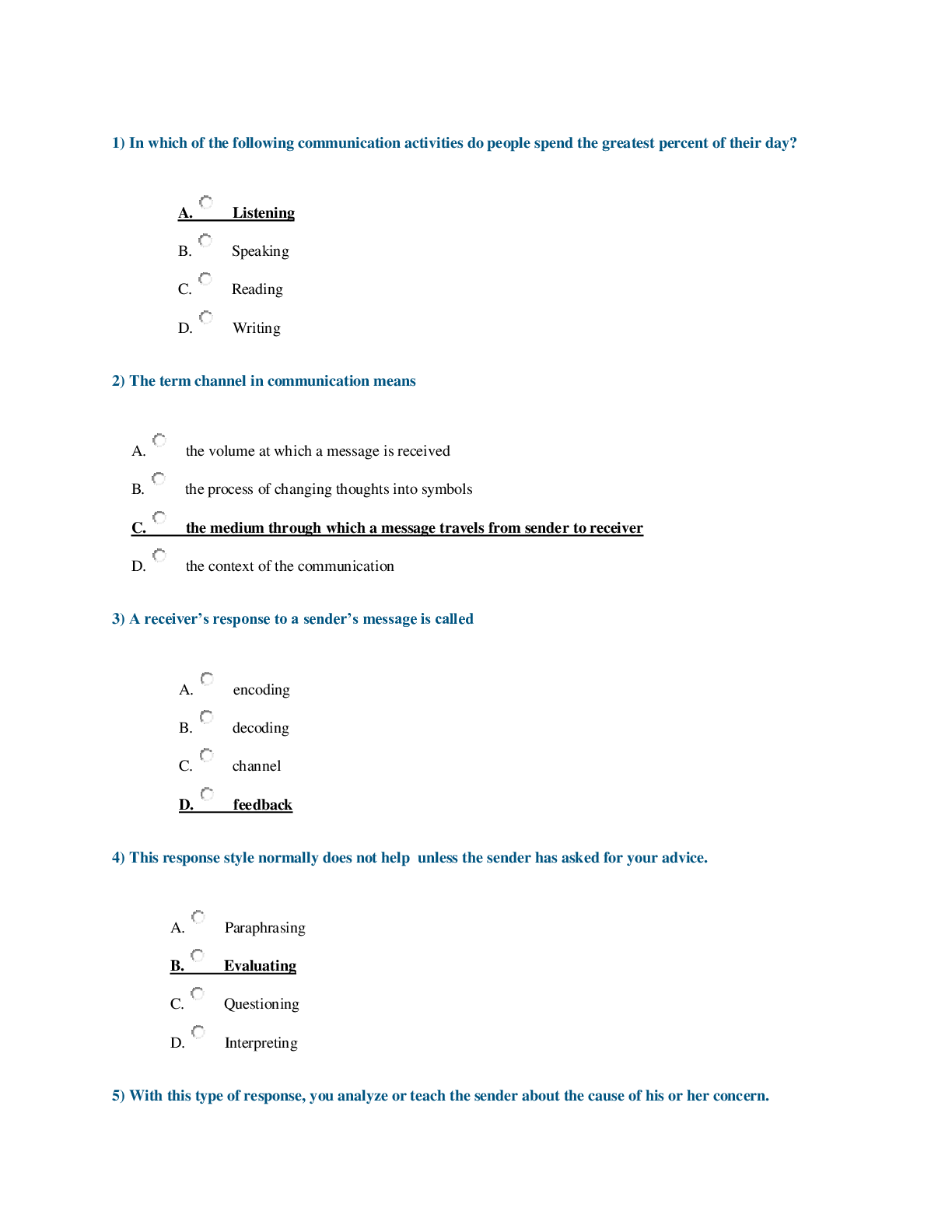
University Of Phoenix-BCOM 275 Final Exam !! questions answered !! (GRADED A)
Document Content and Description Below
Last updated: 4 years ago
Preview 1 out of 12 pages
Instant download
Buy this Document to get the Full Access Instantly
Provided by Students Who Aced it
We Verify Document Content to Gurantee Accuracy
Reviews( 0 )
Document information
Connected school, study & course
About the document
Uploaded On
Dec 07, 2020
Number of pages
12
Written in
All

Additional information
This document has been written for:
Uploaded
Dec 07, 2020
Downloads
0
Views
104
Topic Tags
Recommended For You
Get more on QUESTIONS & ANSWERS »
SOLUTIONS MANUAL Ordering and Payment Page | SEARCH FOR YOUR S...

Test Bank for Labour Relations 6th Canadian Edition by Larry S...

Test Bank for Byrd & Chen's Canadian Tax Principles (Volume 1...
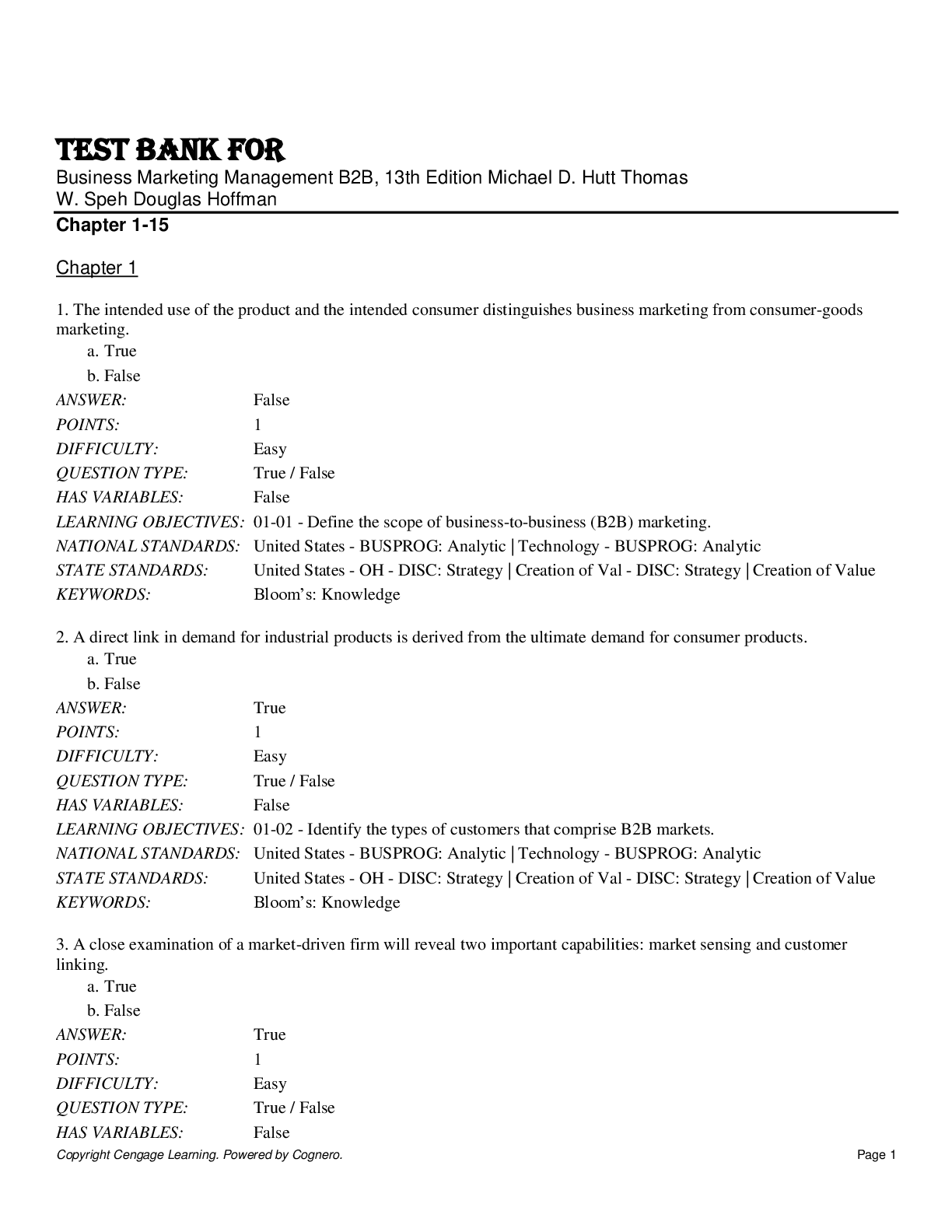
Test Bank For Business Marketing Management: B2B 13th Edition...

Business Marketing Management B2B 13th Edition Michael D. Hutt...
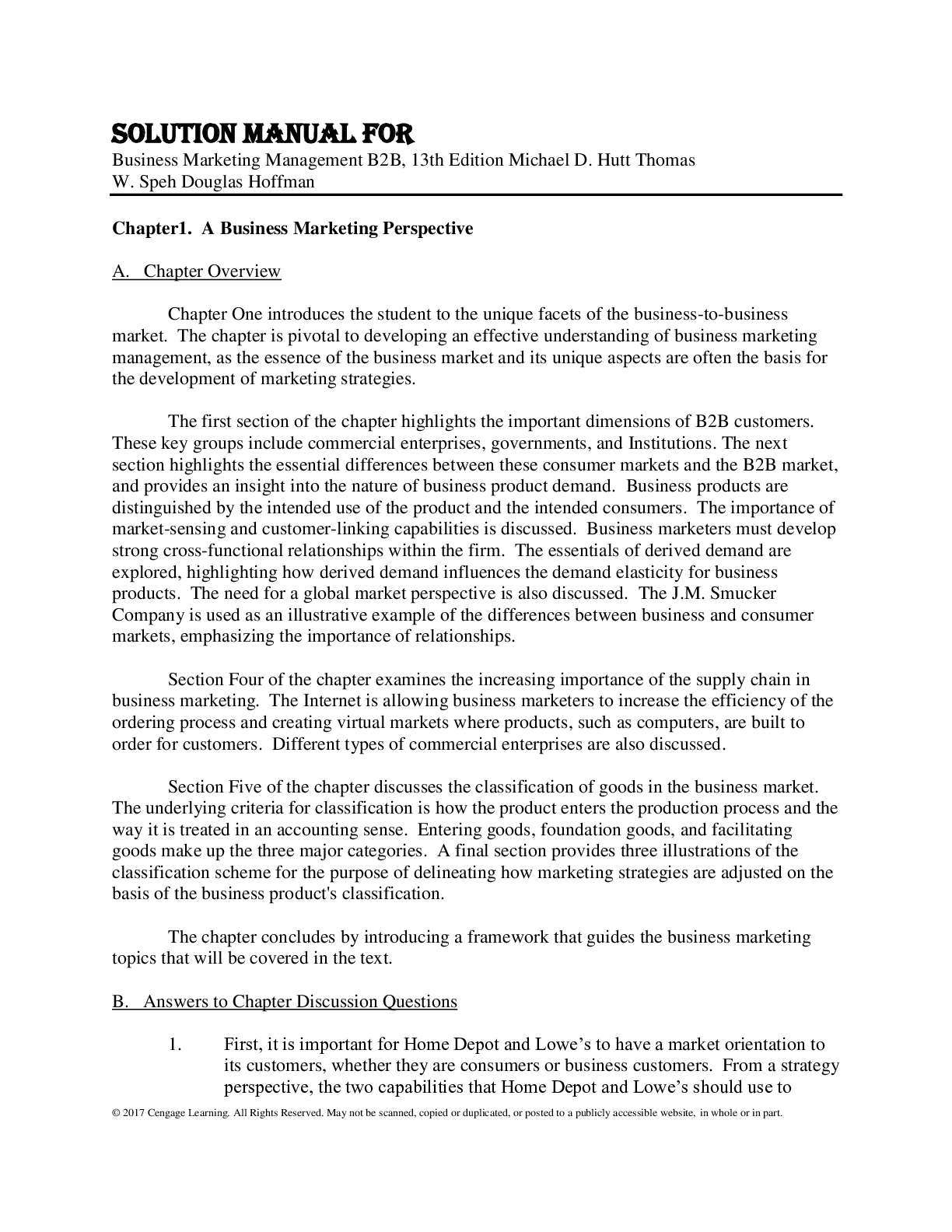
Solutions Manual For Business Marketing Management B2B, 13th E...

Solution Manual For Business Marketing Management B2B, 13th Ed...

Test Bank For Business Marketing Management B2B, 13th Edition...

Instructor Manual M Organizational Behavior 2024 Release By St...
Test Bank for Global Business Competing in the International M...
BUSINESS 520 Directed Study 3 Chapter 1-9 Strayer University,...
ECONOMICS MISC Markets, Demand and Supply Linear Demand and Su...
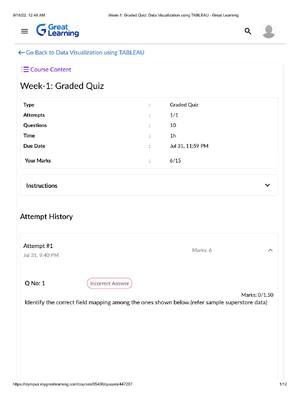
Data Visualization using TABLEAU - Great Learning Week-1: Grad...