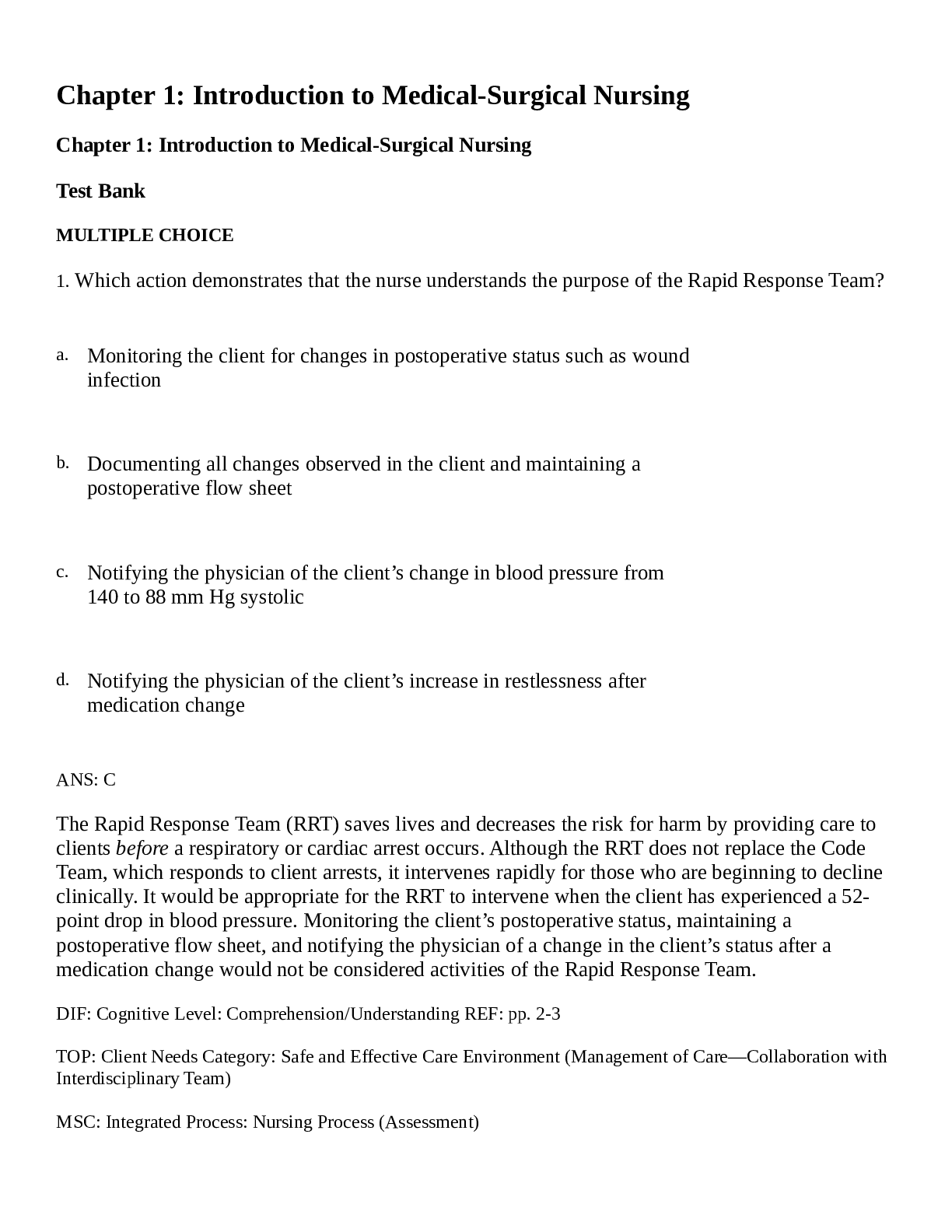
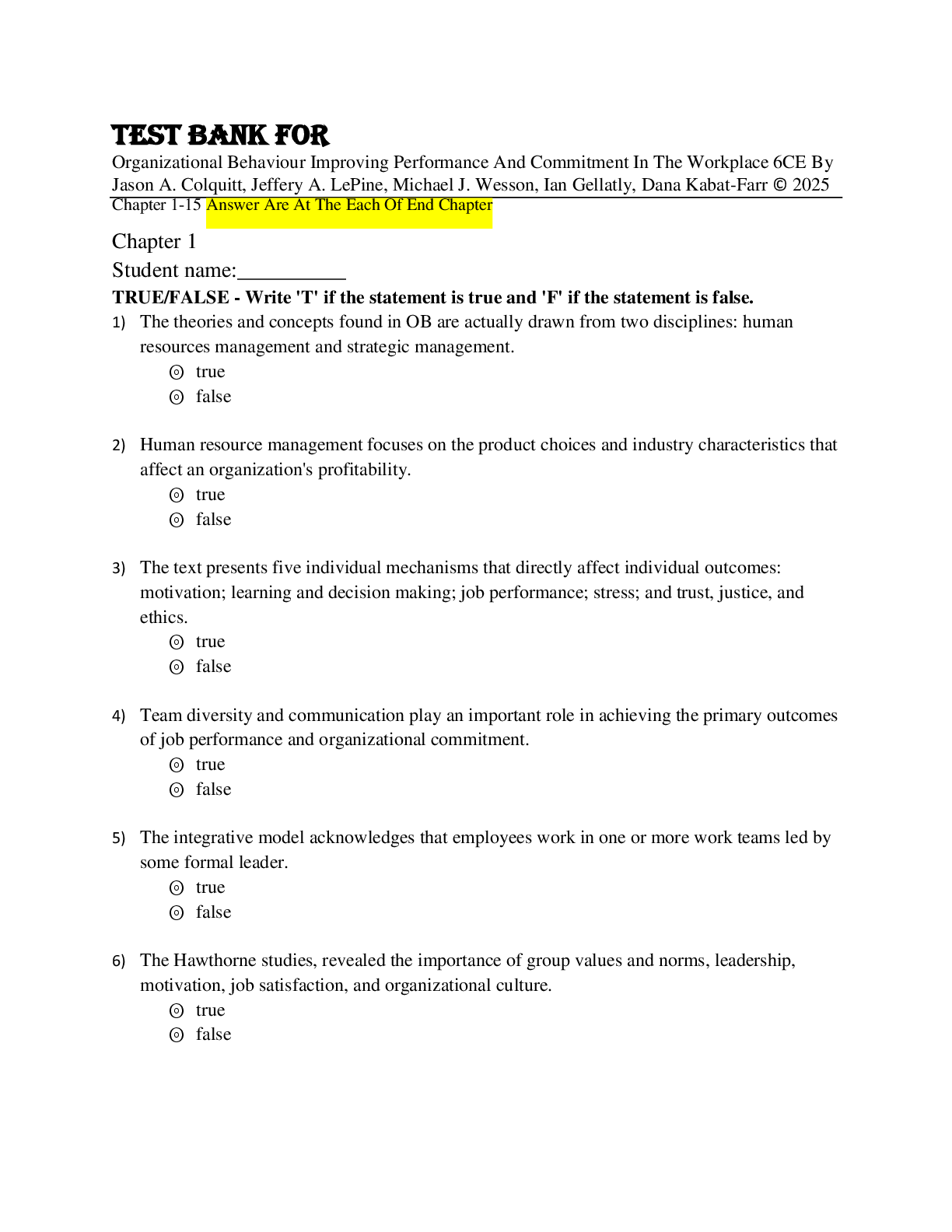
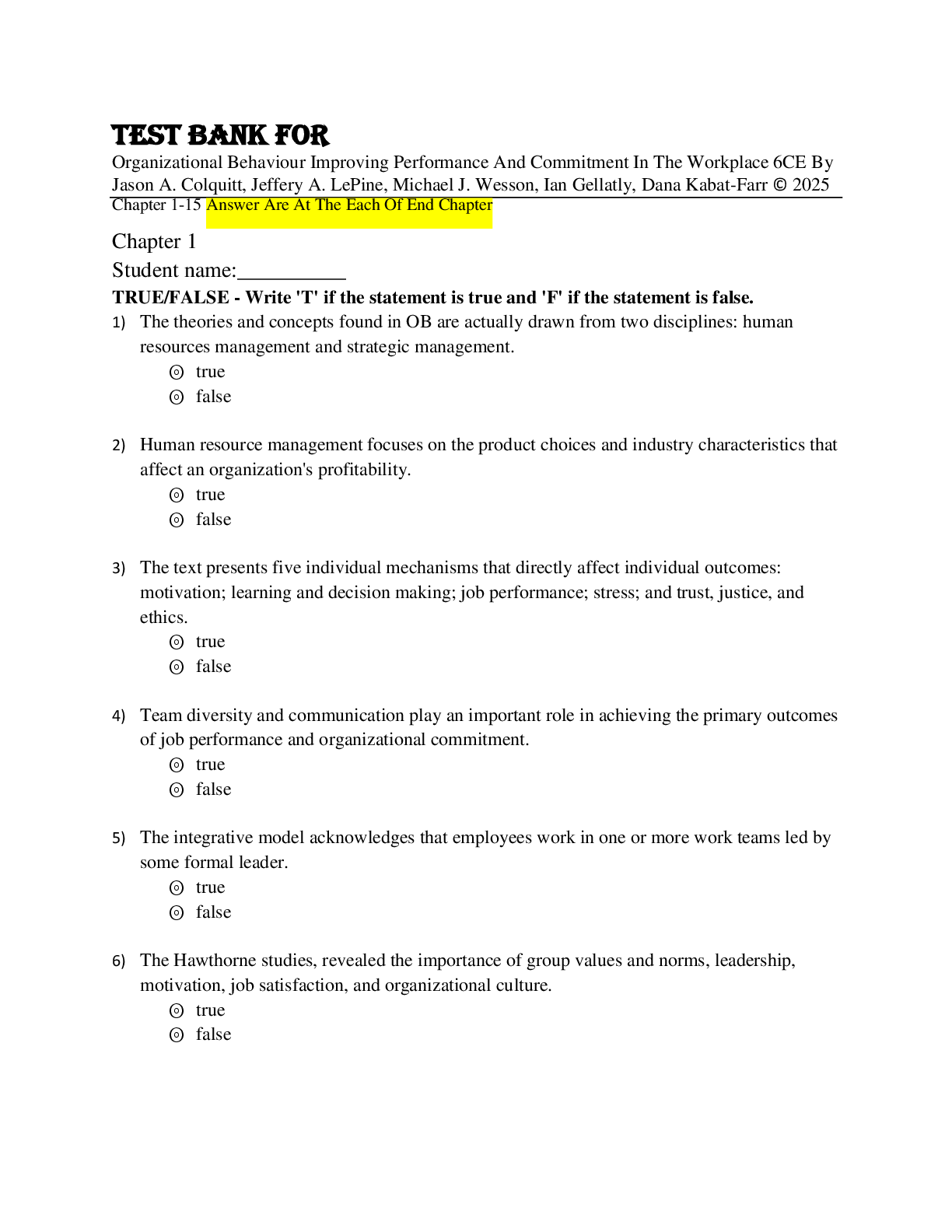
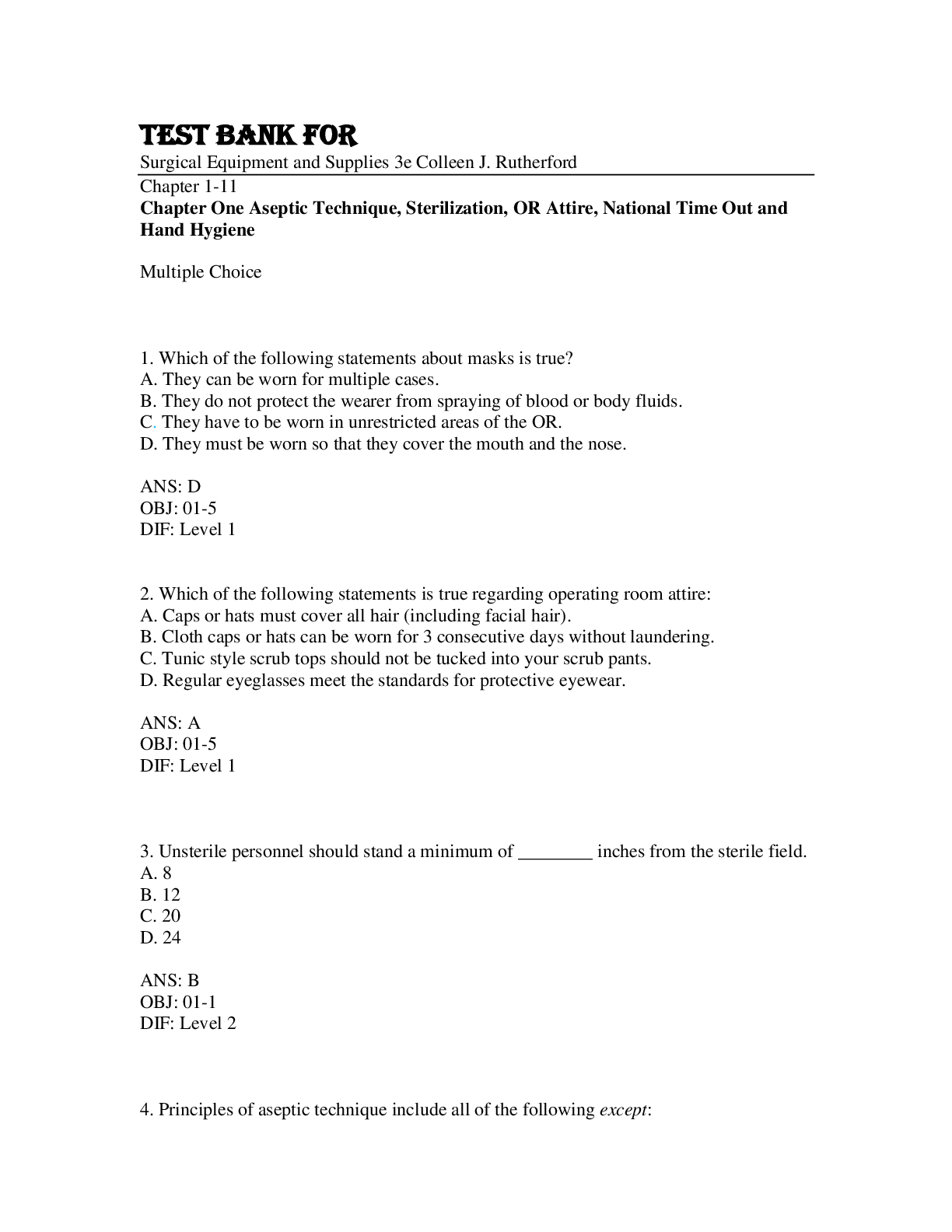
*NURSING > TEST BANKS > NCLEX-RN Practice Quizzes Test Bank #1 to #12 Compilation (75 Questions Each) UPDATED BSN, R.N. NCLE (All)
NCLEX-RN Practice Quizzes Test Bank #1 to #12 Compilation (75 Questions Each) UPDATED BSN, R.N. NCLEXRN-01-001 | 100% Accurate answers
Document Content and Description Below
NCLEX-RN Practice Quiz Test Bank #1 to #12 (75 Questions Each) UPDATED ON MARCH 19, 2022, BSN, R.N. NCLEXRN-01-001 Question Tag: hypertension Question Category: Physiological Integrity, Reduction ... of Risk Potential Which individual is at greatest risk for developing hypertension? A. 45-year-old African-American attorney B. 60-year-old Asian-American shop owner C. 40-year-old Caucasian nurse D. 55-year-old Hispanic teacher Correct Answer: A: 45-year-old African American attorney Option A: African-Americans develop high blood pressure at younger ages than other groups in the US. Researchers have uncovered that African-Americans respond differently to hypertensive drugs than other groups of people. They are also found out to be more sensitive to salt, which increases the risk of developing hypertension. Option B: The incidence of hypertension in Asian-Americans does not appear to be significantly higher than the general population, according to limited US data. Option C: The racial disparity in hypertension and hypertension-related outcomes has been recognized for decades with African-Americans with greater risks than Caucasians. Option D: Hypertension prevalence rates in Hispanics may vary by gender and country of origin. Hispanic Americans overall have relatively low levels of hypertension, despite elevated levels of diabetes and obesity. NCLEXRN-01-002 Question Tag: acetaminophen Question Category: Physiological Integrity, Pharmacological and Parenteral Therapies A 15-year-old female who ingested 15 tablets of maximum strength acetaminophen 45 minutes ago is rushed to the emergency department. Which of these orders should the nurse do first? A. Gastric lavage B. Administer acetylcysteine (Mucomyst) orally C. Start an IV Dextrose 5% with 0.33% normal saline to keep the vein open D. Have the patient drink activated charcoal mixed with water Correct Answer: A. Gastric lavage Option A: Acetaminophen overdose is extremely toxic to the liver causing hepatotoxicity. Early symptoms of hepatic damage include nausea, vomiting, abdominal pain, and diarrhea. If not treated immediately, hepatic necrosis occurs and may lead todeath. Removing as much of the drug as possible is the first step in treatment for acetaminophen overdose, this is best done through gastric lavage. Gastric lavage (irrigation) and aspiration consist of flushing the stomach with fluids and then aspirating the fluid back out. This procedure is done in life-threatening cases such as acetaminophen toxicity and only if less than one (1) hour has occurred after ingestion. Option B: The oral formulation of acetylcysteine is the drug of choice for the treatment of acetaminophen overdose but should be done after GI decontamination with activated charcoal. Liver damage is minimized by giving acetylcysteine (Mucomyst), the antidote for acetaminophen. Acetylcysteine reduces injury by substituting for depleted glutathione in the reaction that converts the toxic metabolite of acetaminophen to its nontoxic form. When given within 8 hours of acetaminophen toxicity, acetylcysteine is effective in preventing severe liver injury. It is administered orally or intravenously. Option C: Intermittent IV infusion with Dextrose 5% may be considered for latepresenting or chronic ingestion. Option D: Oral activated charcoal (AC) avidly adsorbs acetaminophen and may be administered if the patient presents within 1 hour after ingesting a potentially toxic dose. Charcoal should not be administered immediately before or with antidotes since it can effectively adsorb it and neutralize the benefits. NCLEXRN-01-003 Question Tag: cardiac catheterization Question Category: Safe and Effective Care Environment, Management of Care Which complication of cardiac catheterization should the nurse monitor for in the initial 24 hours after the procedure? A. Angina at rest B. Thrombus formation C. Dizziness D. Falling blood pressure Correct Answer: B. Thrombus formation A thrombus formation may prevent blood from flowing normally through the circulatory system, which may become an embolism, and block the flow of blood towards major organs in the body. Option A: The reported incidence of myocardial infarction with angina at rest is less than 0.1%, and is mostly influenced by patient-related factors like the extent and severity of underlying cardiovascular-related diseases and technique-related factors. Options C & D: A falling BP and dizziness occur along with hemorrhage of the insertion site which is associated with the first 12 hours after the procedure. NCLEXRN-01-004 Question Tag: renal calculi, flank pain Question Category: Physiological Integrity, Basic Care and ComfortA client is admitted to the emergency room with renal calculi and is complaining of moderate to severe flank pain and nausea. The client’s temperature is 100.8 degrees Fahrenheit. The priority nursing goal for this client is: A. Maintain fluid and electrolyte balance B. Control nausea C. Manage pain D. Prevent urinary tract infection Correct Answer: C. Manage pain Managing pain is always a priority because it ultimately improves the quality of life. The cornerstone of ureteral colic management is analgesia, which can be achieved most expediently with parenteral narcotics or nonsteroidal anti-inflammatory drugs (NSAIDs). Option A: IV hydration in the setting of acute renal colic is controversial. Whereas some authorities believe that IV fluids hasten the passage of the stone through the urogenital system, others express concern that additional hydrostatic pressure exacerbates the pain of renal colic. Option B: Because nausea and vomiting frequently accompany acute renal colic, antiemetics often play a role in renal colic therapy. Several antiemetics have a sedating effect that is often helpful. Option D: Overuse of the more effective antibiotic agents leaves only highly resistant bacteria, but failure to adequately treat a UTI complicated by an obstructing calculus can result in potentially life-threatening urosepsis and pyonephrosis. NCLEXRN-01-005 Question Tag: growth, school age Question Category: Health Promotion and Maintenance What would the nurse expect to see while assessing the growth of children during their school age years? A. Decreasing amounts of body fat and muscle mass B. Little change in body appearance from year to year C. Progressive height increase of 4 inches each year D. Yearly weight gain of about 5.5 pounds per year Correct Answer: D. Yearly weight gain of about 5.5 pounds per year School age children gain about 5.5 pounds each year and increase about 2 inches in height. Between ages 2 to 10 years, a child will grow at a steady pace. Option A: Decreasing amounts of body fat and muscle mass are common in toddlers. Option B: A decrease in the change in body appearance occurs among young adults. Option C: Growth spurts are common in school-age children, as are periods of slow growth. NCLEXRN-01-006 Question Tag: blood pressure Question Category: Health Promotion and Maintenance At a community health fair, the blood pressure of a 62-year-old client is 160/96 mmHg. The client states “My blood pressure is usually much lower.” The nurse should tell the client to: A. Go get a blood pressure check within the next 15 minutes B. Check blood pressure again in two (2) months C. See the healthcare provider immediately D. Visit the health care provider within one (1) week for a BP check Correct Answer: A. Go get a blood pressure check within the next 15 minutes. The blood pressure reading is moderately high with the need to have it rechecked after a few minutes to verify. The client states it is ‘usually much lower.’ Thus a concern exists for complications such as stroke. Options B & D: Waiting 2 months or a week for follow-up is too long. Option C: Immediate check by the provider of care is not warranted. NCLEXRN-01-007 Question Tag: prioritization Question Category: Safe and Effective Care Environment, Safety and Infection Control The hospital has sounded the call for a disaster drill on the evening shift. Which of these clients would the nurse put first on the list to be discharged in order to make a room available for a new admission? A. A middle-aged client with a history of being ventilator dependent for over seven (7) years and admitted with bacterial pneumonia five days ago. B. A young adult with diabetes mellitus Type 2 for over ten (10) years and admitted with antibiotic-induced diarrhea 24 hours ago. C. An elderly client with a history of hypertension, hypercholesterolemia, and lupus, and was admitted with Stevens-Johnson syndrome that morning. D. An adolescent with a positive HIV test and admitted for acute cellulitis of the lower leg 48 hours ago. Correct Answer: A. A middle-aged client with a history of being ventilator dependent for over seven (7) years and admitted with bacterial pneumonia five days ago.The best candidate for discharge is one who has had a chronic condition and is most familiar with their care. This client in option A is most likely stable and could continue medication therapy at home. Option B: The client with antibiotic-induced diarrhea still needs continuous strict monitoring as the blood sugar levels may become unstable and dehydration is still possible. Option C: Stevens-Johnson syndrome (SJS) is a rare, serious disorder of the skin and mucous membranes. It’s usually a reaction to medication that starts with flu-like symptoms, followed by a painful rash that spreads and blisters. Option D: Cellulitis is often an underestimated complication of HIV disease, but they are responsible for an appreciable morbidity. NCLEXRN-01-008 Question Tag: hypothyroidism, levothyroxine Question Category: Physiological Integrity, Pharmacological and Parenteral Therapies A 25-year-old male client has been newly diagnosed with hypothyroidism and will take levothyroxine (Synthroid) 50 mcg/day by mouth. As part of the teaching plan, the nurse emphasizes that this medication: A. Should be taken in the morning B. May decrease the client’s energy level C. Must be stored in a dark container D. Will decrease the client’s heart rate Correct Answer: A. Should be taken in the morning Option A: Levothyroxine (Synthroid) has a side effect of insomnia. Taking it in the morning could prevent interfering with the client’s sleeping pattern. Option B: Some of the side effects of Levothyroxine include hyperactivity and increase in heart rate. Option C: Keep this drug in a cool, dark, and dry place. Option D: A decrease in the heart rate is a desired effect of Levothyroxine. NCLEXRN-01-009 Question Tag: epiglottis Question Category: Physiological Integrity, Physiological Adaptation A 3-year-old child was brought to the pediatric clinic after the sudden onset of findings that include irritability, thick muffled voice, croaking on inspiration, hot to touch, sit leaning forward, tongue protruding, drooling and suprasternal retractions. What should the nurse do first? A. Prepare the child for X-ray of upper airways B. Examine the child’s throat C. Collect a sputum specimen D. Notify the healthcare provider of the child’s status Correct Answer: D. Notify the healthcare provider of the child’s status These findings suggest a medical emergency and may be due to epiglottitis. Any child with an acute onset of an inflammatory response in the mouth and throat should receive immediate care. Option A: If epiglottitis is seriously considered, no imaging studies are required. In lessclear cases, imaging studies are occasionally helpful in establishing the diagnosis or excluding epiglottitis. Option B: Examining the child’s throat should not be attempted because it may compromise respiratory effort. Option C: There are no indications for collection of sputum specimens. NCLEXRN-01-010 Question Tag: diabetes, school-age Question Category: Physiological Integrity, Physiological Adaptation In children suspected to have a diagnosis of diabetes, which one of the following complaints would be most likely to prompt parents to take their school-age child for evaluation? A. Polyphagia B. Dehydration C. Bedwetting D. Weight loss Correct Answer: C. Bedwetting One of the first symptoms of type 1 diabetes in children is bedwetting. Bedwetting in a schoolage child is readily detected by the parents. Option A: Polyphagia or extreme hunger is one of the most common symptoms of diabetes both among adults and children. Option B: Dehydration is not a symptom of type 1 diabetes, but it can be one of the many complications. Option D: Unintentional weight loss would develop gradually in a child with type 1 diabetes. NCLEXRN-01-011 Question Tag: pelvic inflammatory disease Question Category: Physiological Integrity, Physiological Adaptation A client comes to the clinic for treatment of recurrent pelvic inflammatory disease. The nurse recognizes that this condition most frequently follows which type of infection? A. Trichomoniasis B. Chlamydia C. Staphylococcus D. Streptococcus Correct Answer: B. Chlamydia Option B: Chlamydial infections are one of the most frequent causes of salpingitis or pelvic inflammatory disease. Chlamydial bacteria could travel up toward the vagina or cervix into the reproductive organs. Option A: Trichomoniasis is a very common sexually transmitted disease, but it rarely predisposes to pelvic inflammatory disease. Option C & D: Staphylococcus and streptococcus may cause PID but it rarely occurs. NCLEXRN-01-012 Question Tag: prioritization Question Category: Safe and Effective Care Environment, Management of Care A registered nurse who usually works in a spinal rehabilitation unit is floated to the emergency department. Which of these clients should the charge nurse assign to this RN? A. A middle-aged client who says “I took too many diet pills” and “my heart feels like it is racing out of my chest.” B. A young adult who says “I hear songs from heaven. I need money for beer. I quit drinking two (2) days ago for my family. Why are my arms and legs jerking?” C. An adolescent who has been on pain medications terminal cancer with an initial assessment finding pupils and a relaxed respiratory rate of 11, D. An elderly client who reports having taken a “large crack hit” 10 minutes prior to walking into the emergency room. Correct Answer: C. An adolescent who has been on pain medications terminal cancer with an initial assessment finding pupils and a relaxed respiratory rate of 10. Nurses who are floated to other units should be assigned to a client who has minimal anticipated immediate complications of their problem. This client exhibits opioid toxicity with the pinpoint pupils and has the least risk of complications to occur in the near future. Option A: The client in option A might be experiencing an overdose. Option B: Client in option B is having withdrawal syndrome. Option D: The client in this option may experience a decrease in sensorium later on due to head trauma. NCLEXRN-01-013 Question Tag: coronary artery disease, nutrition Question Category: Health Promotion and MaintenanceWhen teaching a client with coronary artery disease about nutrition, the nurse should emphasize: A. Eating three (3) balanced meals a day B. Adding complex carbohydrates C. Avoiding very heavy meals D. Limiting sodium to 7 gms per day Correct Answer: C. Avoiding very heavy meals Eating large, heavy meals can pull blood away from the heart for digestion and is dangerous for the client with coronary artery disease. Too much plaque may accumulate in the arteries and block the delivery of blood and oxygen in major organs of the body. Option A: Eating a balanced diet should be a part of the management of a client with coronary artery disease. Option B: Complex carbohydrates decrease inflammation and help decrease the risk of plaque build up in the arteries. Option C: People with cardiovascular diseases should have a limit of less than 1.5 grams per day. NCLEXRN-01-014 Question Tag: morphine, pain management Question Category: Physiological Integrity, Pharmacological and Parenteral Therapies Which of these findings indicate that a pump to deliver a basal rate of 10 ml per hour plus PRN for pain breakthrough for morphine drip is not working? A. The client complains of discomfort at the IV insertion site B. The client states “I just can’t get relief from my pain.” C. The level of drug is 100 ml at 8 AM and is 80 ml at noon D. The level of the drug is 100 ml at 8 AM and is 50 ml at noon Correct Answer: C. The level of the drug is 100 ml at 8 AM and is 80 ml at noon The minimal dose of 10 mL per hour which would be 40 mL given in a four (4) hour period. Only 60 mL should be left at noon. The pump is not functioning when more than expected medicine is left in the container. Option A: Discomfort at the IV insertion site may indicate inflammation or infection of the site. Option B: Morphine is a strong painkiller indicated for severe pain. Option D: The pump is working correctly if there is only 50 ml left at noon. NCLEXRN-01-015 Question Tag: health promotion, chiropractic treatment Question Category: Health Promotion and MaintenanceThe nurse is speaking at a community meeting about personal responsibility for health promotion. A participant asks about chiropractic treatment for illnesses. What should be the focus of the nurse’s response? A. Electrical energy fields B. Spinal column manipulation C. Mind-body balance D. Exercise of joints Correct Answer: B. Spinal column manipulation The theory underlying chiropractic is that interference with transmission of mental impulses between the brain and body organs produces diseases. Such interference is caused by misalignment of the vertebrae. Manipulation reduces the subluxation. Option A: Too much exposure to electrical energy can become a hazard to one’s health. Option C: Mind-body balance refers to yoga. Option D: Low-impact aerobic exercises are easier on the joints but are not part of chiropractic medicine. NCLEXRN-01-016 Question Tag: neurological assessment, CVA Question Category: Physiological Integrity, Physiological Adaptation The nurse is performing a neurological assessment on a client post right cerebrovascular accident. Which finding, if observed by the nurse, would warrant immediate attention? A. Decrease in level of consciousness B. Loss of bladder control C. Altered sensation to stimuli D. Emotional lability Correct Answer: A. Decrease in level of consciousness A further decrease in the level of consciousness may indicate increase in intracranial pressure leading to inadequate oxygenation of the brain. A decrease in LOC may also reveal presence of a transient ischemic attack which may warn of impending thrombotic CVA. Option B: The patient post stroke may have transient urinary incontinence due to inability to communicate needs, or impaired motor and postural control. Control of the urinary sphincter may also be lost or diminished. Option C: Altered sensation to stimuli is expected for a patient post CVA. This may include sensory impairment to touch, loss of proprioception, difficulty interpreting visual, tactile, and auditory stimuli. Option D: Depression and anxiety are common responses by a patient after a catastrophic event such as in a stroke. Emotional lability (or pseudobulbar affect), refers to the involuntary and uncontrollable bursts of emotion without an emotional trigger. NCLEXRN-01-017 Question Tag: cystic fibrosis Question Category: Physiological Integrity, Physiological Adaptation A child who has recently been diagnosed with cystic fibrosis is in a pediatric clinic where a nurse is performing an assessment. Which later finding of this disease would the nurse not expect to see at this time? A. Positive sweat test B. Bulky greasy stools C. Moist, productive cough D. Meconium ileus Correct Answer: C. Moist, productive cough Noisy respirations and a dry non-productive cough are commonly the first of the respiratory signs to appear in a newly diagnosed client with cystic fibrosis (CF). The other options are the earliest findings. CF is an inherited (genetic) condition affecting the cells that produce mucus, sweat, saliva and digestive juices. Normally, these secretions are thin and slippery, but in CF, a defective gene causes the secretions to become thick and sticky. Instead of acting as a lubricant, the secretions plug up tubes, ducts, and passageways, especially in the pancreas and lungs. Respiratory failure is the most dangerous consequence of CF. Option A: A positive sweat test is one of the indications of cystic fibrosis. Option B: A patient with CF experiences frequent greasy, bulky stools or difficulty with bowel movements as the thick mucus blocks the intestines. Option D: Meconium ileus is one of the early signs of CF. NCLEXRN-01-018 Question Tag: wound care Question Category: Physiological Integrity, Physical Adaptation The home health nurse visits a male client to provide wound care and finds the client lethargic and confused. His wife states he fell down the stairs two (2) hours ago. The nurse should A. Place a call to the client’s health care provider for instructions B. Send him to the emergency room for evaluation C. Reassure the client’s wife that the symptoms are transient D. Instruct the client’s wife to call the doctor if his symptoms become worse Correct Answer: B. Send him to the emergency room for evaluationThis client requires immediate evaluation. A delay in treatment could result in further deterioration and harm. Home care nurses must prioritize interventions based on assessment findings that are in the client’s best interest. Option A: Waiting to call for instructions may delay diagnosis of the patient. Option C: Reassuring the wife is incorrect since it is not a transient symptom. Option D: The symptoms are indicative of an emergency situation so the patient must be brought to the emergency department immediately. NCLEXRN-01-019 Question Tag: KUB radiograph Question Category: Physiological Integrity, Reduction of Risk potential Which of the following should the nurse implement to prepare a client for a KUB (Kidney, Ureter, Bladder) radiography test? A. Client must be NPO before the examination B. Enema to be administered prior to the examination C. Medicate client with furosemide 20 mg IV 30 minutes prior to the examination D. No special orders are necessary for this examination Correct Answer: D. No special orders are necessary for this examination There are no special orders for this procedure, however, the client must be instructed of the general rule during radiography tests: remove any clothing, jewelry, or objects that may interfere with the test. ADVERTISEMENTS Option A: There is no need to keep the client on NPO before the procedure. Option B: Enemas are not recommended for any type of radiograph test. Option C: Furosemide (Lasix) is unnecessary for this examination. NCLEXRN-01-020 Question Tag: myocardial infarction Question Category: Health Promotion and Maintenance The nurse is giving discharge teaching to a client seven (7) days post myocardial infarction. He asks the nurse why he must wait six (6) weeks before having sexual intercourse. What is the best response by the nurse to this question? A. “You need to regain your strength before attempting such exertion.” B. “When you can climb 2 flights of stairs without problems, it is generally safe.” C. “Have a glass of wine to relax you, then you can try to have sex.” D. “If you can maintain an active walking program, you will have less risk.”Correct Answer: B. “When you can climb 2 flights of stairs without problems, it is generally safe.” There is a risk of cardiac rupture at the point of the myocardial infarction for about six (6) weeks. Scar tissue should form about that time. Waiting until the client can tolerate climbing stairs is the usual advice given by healthcare providers. Option A: The instruction in option A is vague and does not specifically tell the patient how to determine if the activity is already appropriate for him. Option C: Having a glass of wine is not recommended for a client who just had a myocardial infarction. Option D: Having an active walking program does not guarantee that the client has regained strength for a strenuous activity. NCLEXRN-01-021 Question Tag: triaging Question Category: Safe and Effective Care Environment, Management of Care A triage nurse has these four (4) clients arrive in the emergency department within 15 minutes. Which client should the triage nurse send back to be seen first? A. A 2-month-old infant with a history of rolling off the bed and has bulging fontanelle with crying B. A teenager who got a singed beard while camping C. An elderly client with complaints of frequent liquid brown colored stools D. A middle-aged client with intermittent pain behind the right scapula Correct Answer: B. A teenager who got a singed beard while camping This client is in the greatest danger with a potential of respiratory distress. Any client with singed facial hair has been exposed to heat or fire in close range that could have caused serious damage to the interior of the lungs. Note that the interior lining of the lungs have no nerve fibers so the client will not be aware of swelling. Option A: When an infant is crying, the fontanels may look like they are bulging. Option C: The client in Option C can wait to be seen within the first hour. Option D: The client in Option D does not have a life-threatening condition but will still require immediate pain relief. NCLEXRN-01-022 Question Tag: toddler, developmental changes Question Category: Health Promotion and MaintenanceWhile planning care for a toddler, the nurse teaches the parents about the expected developmental changes for this age. Which statement by the mother shows that she understands the child’s developmental needs? A. “I want to protect my child from any falls.” B. “I will set limits on exploring the house.” C. “I understand the need to use those new skills.” D. “I intend to keep control over our child.” Correct Answer: C. “I understand the need to use those new skills.” Erikson describes the stage of the toddler as being the time when there is normally an increase in autonomy. The child needs to use motor skills to explore the environment and develop autonomy. Option A: The statement in Option A is correct but pertains to the risks associated with a toddler. Option B: Setting limits on a toddler may cause frustration instead of independence. Option D: Controlling the child may be harmful to her development as toddlers should be developing their autonomy at this stage. NCLEXRN-01-023 Question Tag: enteral feeding, nasogastric feeding Question Category: Physiological Integrity, Basic Care and Comfort The nurse is preparing to administer an enteral feeding to a client via a nasogastric feeding tube. The most important action of the nurse is: A. Verify correct placement of the tube B. Check that the feeding solution matches the dietary order C. Aspirate abdominal contents to determine the amount of last feeding remaining in stomach D. Ensure that feeding solution is at room temperature Correct Answer: A. Verify correct placement of the tube Proper placement of the tube prevents aspiration and entrance of food content into the lungs. The definitive way to ascertain the position of the nasogastric tube is through visualization by an xray. Another method is to aspirate stomach contents and check its pH (usually pH 1 to 5). Aspirated stomach content can also be tested for bilirubin to confirm it is placed in the stomach. Option B: It is also important to check that the feeding solution matches the dietary order to ensure that the client gets proper nutrition. Option C: Aspirating the gastric contents is one of the methods used to determine the last feeding amount in the stomach, but is not the most important action the nurse should do. Option D: Keep it at room temperature so it would not upset the stomach. NCLEXRN-01-024 Question Tag: potassium, hyperkalemia Question Category: Physiological Integrity, Pharmacological and Parenteral Therapies The nurse is caring for a client with a serum potassium level of 3.5 mEq/L. The client is placed on a cardiac monitor and receives 40 mEq potassium chloride in 1000 ml of 5% dextrose in water IV. Which of the following EKG patterns indicates to the nurse that the infusions should be discontinued? A. Narrowed QRS complex B. Shortened “PR” interval C. Tall peaked “T” waves D. Prominent “U” waves Correct Answer: C. Tall peaked “T” waves A tall peaked T wave is a sign of hyperkalemia. The healthcare provider should be notified regarding discontinuing the medication. Option A: Narrow QRS complex indicates fast cardiac rhythms (generally more than 100 beats/min) with a QRS duration of 100 ms or less. Option B: A short PR interval (<120 ms) is seen with preexcitation syndromes and AV nodal (junctional) rhythm. Option D: Prominent U waves are characteristic of hypokalemia. NCLEXRN-01-025 Question Tag: rhabdomyosarcoma Question Category: Physiological Integrity, Physiological Adaptation A nurse prepares to care for a 4-year-old newly admitted for rhabdomyosarcoma. The nurse should alert the staff to pay more attention to the function of which area of the body? A. All striated muscles B. The cerebellum C. The kidneys D. The leg bones Correct Answer: A. All striated muscles Rhabdomyosarcoma is the most common children’s soft tissue sarcoma. It originates in striated (skeletal) muscles and can be found anywhere in the body. Symptoms of rhabdomyosarcoma include if the cancer is in the head or neck area: sudden bulging or swelling of the eyes, conjunctival chemosis, and headache. It can also affect the urinary or reproductive system. Its common site of metastasis is the lung. Option B: The cerebellum is not affected in rhabdomyosarcoma. Option C: The kidneys are not directly affected by the disease. Option D: Bones are not directly affected by the disease. NCLEXRN-01-026 Question Tag: Chinese medicine Question Category: Health Promotion and Maintenance The nurse anticipates that for a family who practices Chinese medicine the priority goal would be to: A. Achieve harmony B. Maintain a balance of energy C. Respect life D. Restore yin and yang Correct Answer: D. Restore yin and yang For followers of Chinese medicine, health is maintained through the balance between the forces of yin and yang. Traditional Chinese medicine is a medical system that began being developed in China about 5000 years ago, which makes it the oldest continuous medical system on the planet. Option A: Living in harmony with one’s natural environment with the aim of keeping all aspects of a person-mind, body, and spirit- in a state of harmony and balance so that disease never has a chance to develop. Option B: This balance and healthy lifestyle are the focus of Chinese medicine which empowers the individual to participate in his own health. Option C: In Chinese medicine, the body, and indeed a human being, is not seen as a machine, living in isolation from the world around it. Human beings are seen as part of the whole of things, which includes our environments, nature, and the universe itself. NCLEXRN-01-027 Question Tag: cardiomyopathy Question Category: Physiological Integrity, Physiological Adaptation During an assessment of a client with cardiomyopathy, the nurse finds that the systolic blood pressure has decreased from 145 to 110 mm Hg and the heart rate has risen from 72 to 96 beats per minute and the client complains of periodic dizzy spells. The nurse instructs the client to: A. Increase fluids that are high in protein B. Restrict fluids C. Force fluids and reassess blood pressure D. Limit fluids to non-caffeine beverages Correct Answer: C. Force fluids and reassess blood pressureOrthostatic hypotension, a decrease in systolic blood pressure of more than 15 mmHg and an increase in heart rate of more than 15 percent usually accompanied by dizziness indicate volume depletion, inadequate vasoconstrictor mechanisms, and autonomic insufficiency. Option A: Fluids may not be necessarily protein rich. Option B: Restricting fluids could aggravate the client’s dizziness. Option D: There is no need to restrict the fluid intake of the client. NCLEXRN-01-028 Question Tag: pulmonary artery catheter, Swan-Ganz catheter Question Category: Physiological Integrity, Reduction of Risk Potential The nurse prepares the client for insertion of a pulmonary artery catheter (Swan-Ganz catheter). The nurse teaches the client that the catheter will be inserted to provide information about: A. Stroke volume B. Cardiac output C. Venous pressure D. Left ventricular functioning Correct Answer: D. Left ventricular functioning The catheter is placed in the pulmonary artery. Information regarding left ventricular function is obtained when the catheter balloon is inflated. Option A: Stroke volume is calculated using measurements of ventricle volumes from an echocardiogram and subtracting the volume of the blood in the ventricle at the end of a beat (called end-systolic volume) from the volume of blood just prior to the beat (called end-diastolic volume). Option B: Cardiac output is calculated by multiplying the stroke volume by the heart rate. Option C: The CVP can be measured either manually using a manometer or electronically using a transducer. NCLEXRN-01-029 Question Tag: chest compressions Question Category: Physiological Integrity, Physiological Adaptation A nurse enters a client’s room to discover that the client has no pulse or respirations. After calling for help, the first action the nurse should take is: A. Start a peripheral IV B. Initiate high-quality chest compressions C. Establish an airway D. Obtain the crash cartCorrect Answer: B. Initiate high-quality chest compressions As per new guidelines, the American Heart Association recommends beginning CPR with chest compression (rather than checking for the airway first). Start CPR with 30 chest compressions before checking the airway and giving rescue breaths. Starting with chest compressions first applies to adults, children, and infants needing CPR, but not newborns. CPR can keep oxygenated blood flowing to the brain and other vital organs until more definitive medical treatment can restore a normal heart rhythm. Option A: Starting a peripheral IV can come after the C-A-B sequence. Option C: Establishing an airway comes after compressions. Option D: After performing the guidelines by the AHA, the crash cart can be obtained by another nurse responding to the scene. NCLEXRN-01-030 Question Tag: digoxin, metoprolol Question Category: Physiological Integrity, Pharmacological and Parenteral Therapy A client is receiving digoxin (Lanoxin) 0.25 mg daily. The health care provider has written a new order to give metoprolol (Lopressor) 25 mg B.I.D. In assessing the client prior to administering the medications, which of the following should the nurse report immediately to the health care provider? A. Blood pressure 94/60 mm Hg B. Heart rate 76 bpm C. Urine output 50 ml/hour D. Respiratory rate 16 bpm Correct Answer: A. Blood pressure 94/60 mm Hg Both medications decrease the heart rate. Metoprolol affects blood pressure. Therefore, the heart rate and blood pressure must be within normal range (HR 60-100; systolic BP over 100) in order to safely administer both medications. Option B: A heart rate of 76 is within the normal range. Option C: Increase in urine output is a desired effect of diuretics, which is given with digoxin. Option D: A respiratory rate of 16 is within normal range. NCLEXRN-01-031 Question Tag: infant, assessment Question Category: Health Promotion and Maintenance While assessing a one-month-old infant, which of the findings warrants further investigation by the nurse? Select all that apply. A. Abdominal respirations B. Irregular breathing rate C. Inspiratory grunt D. Increased heart rate with crying E. Nasal flaring F. Cyanosis G. Asymmetric chest movement Correct Answers: C, E, F, & G Option C. Grunting occurs when an infant attempts to maintain an adequate functional residual capacity in the face of poorly compliant lungs by partial glottic closure. As the infant prolongs the expiratory phase against this partially closed glottis, there is a prolonged and increased residual volume that maintains the airway opening and also an audible expiratory sound. Option E: Nasal flaring occurs when the nostrils widen while breathing and is a sign of troubled breathing or respiratory distress. Option F: Cyanosis refers to the bluish discoloration to the skin and indicates a decrease in oxygen attached to the red blood cells in the bloodstream. Option G: Asymmetric chest movement occurs when the abnormal side of the lungs expands less and lags behind the normal side. This indicates respiratory distress. Option A: Abdominal respiration is normal among infants and young children. Since their intercostal muscles are not yet fully developed, they use their abdominal muscles much more to pull the diaphragm down for breathing. Option B: Newborns can have irregular breathing patterns ranging from 30 to 60 breaths per minute with short periods of apnea (15 seconds). Option D: An increase in heart rate is normal for an infant during activity (including crying). Fluctuations in heart rate follow the changes in the newborn’s behavioral state – crying, movement, or wakefulness corresponds to an increase in heart rate. NCLEXRN-01-032 Question Tag: postmature fetus, maternal nursing Question Category: Health Promotion and Maintenance The nurse practicing in a maternity setting recognizes that the postmature fetus is at risk due to: A. Excessive fetal weight B. Low blood sugar levels C. Depletion of subcutaneous fat D. Progressive placental insufficiency Correct Answer: D. Progressive placental insufficiency Postmature or postterm pregnancy is a prolonged pregnancy that exceeds the limits of 38 to 42 weeks (normal term pregnancy). Infants of such pregnancy are considered postmature or dysmature if there is evidence that placental insufficiency has occurred and interfered with fetal growth. It occurs in 12% of all pregnancies. The placenta loses its adequacy to function after 42weeks, after which it acquires calcium deposits which decreases the blood perfusion, supply of oxygen and nutrients to the fetus. Option A,B, & C: Excessive fetal weight, hypoglycemia, and depletion of subcutaneous fat are all observed in a postmature fetus. NCLEXRN-01-033 Question Tag: total hip replacement Question Category: Physiological Integrity, Reduction of Risk Potential The nurse is caring for a client who had a total hip replacement seven (7) days ago. Which statement by the client requires the nurse’s immediate attention? A. I have bad muscle spasms in my lower leg of the affected extremity. B. “I just can’t ‘catch my breath’ over the past few minutes and I think I am in grave danger.” C. “I have to use the bedpan to pass my water at least every 1 to 2 hours.” D. “It seems that the pain medication is not working as well today.” Correct Answer: B. “I just can’t ‘catch my breath’ over the past few minutes and I think I am in grave danger.” The nurse would be concerned about all of these comments, however, the most life-threatening is option B. Clients who had hip or knee surgery are at higher risk for development of postoperative pulmonary embolism. Sudden dyspnea and tachycardia are classic findings of pulmonary embolism. Without prophylaxis (e.g., anticoagulation medications), deep vein thrombosis can develop within 7 to 14 days following the surgery and can lead to pulmonary embolism. The nurse should be aware of the other signs of DVT which include: pain and tenderness at or below the area of the clot, skin discoloration, swelling or tightness of the affected leg. Signs of pulmonary embolism include: acute onset of dyspnea, tachycardia, confusion, and pleuritic chest pain. Option A: Muscle spasms occur after total hip replacements and acute pain is expected after a surgical procedure. Option C: May indicate urinary infection and needs further assessment by the nurse. Option D: May require a reevaluation of pain and interventions to manage pain though does not need immediate action. NCLEXRN-01-034 Question Tag: furosemide, side effect Question Category: Physiological Integrity, Pharmacological and Parenteral Therapies A 33-year-old male client with heart failure has been taking furosemide for the past week. Which of the following assessment cues below may indicate the client is experiencing a negative side effect from the medication? A. Weight gain of 5 pounds B. Edema of the ankles C. Gastric irritability D. Decreased appetite Correct Answer: D. Decreased appetite Furosemide is a loop diuretic that is used for pulmonary edema, edema in heart failure, nephrotic syndrome, and hypertension. Furosemide causes a loss of potassium unless a supplement or a potassium-rich diet is taken. A decrease in appetite is caused by hypokalemia. Signs and symptoms of hypokalemia include anorexia, fatigue, nausea, decreased GI motility, muscle weakness, dysrhythmias, reduced urine osmolality, altered level of consciousness. Option A: Weight gain is not a negative side effect of furosemide. Option B: Edema of the ankles are indications for the administration of furosemide. Option C: Gastric irritability is not a side effect of furosemide. NCLEXRN-01-035 Question Tag: obstetrics, miscarriage Question Category: Health Promotion and Maintenance A 32-year-old pregnant woman comes to the clinic for her prenatal visit. The nurse gathers data about her obstetric history, which includes 3-year-old twins at home and a miscarriage 10 years ago at 12 weeks gestation. How would the nurse accurately document this information? Fill in the blanks. Gravida {3} para {1} Correct Answer: Gravida 3 para 1 Gravida is the number of confirmed pregnancies and each pregnancy is only counted one time, even if the pregnancy was a multiple gestation (i.e., twins, triplets). Para (parity) indicates the total number of pregnancies that have reached viability (20 weeks) regardless of whether the infants were born alive. Thus, for this woman, she is now pregnant, had 2 prior pregnancies, and 1 viable birth (twins). NCLEXRN-01-036 Question Tag: venous stasis ulcer Question Category: Physiological Integrity, Basic care and Comfort The nurse is caring for a 27-year-old female client with venous stasis ulcer. Which nursing intervention would be most effective in promoting healing? A. Apply dressing using sterile technique B. Improve the client’s nutrition status C. Initiate limb compression therapy D. Begin proteolytic debridement Correct Answer: B. Improve the client’s nutrition status Venous stasis occurs when venous blood collects and stagnates in the lower leg due to incompetent venous valves. Eventually, little oxygen and nutrients are supplied to the cells of the lower extremities causing the cells to die or necrose. This ultimately leads to the formation of venous stasis ulcers characterized by shallow but large brown wounds with irregular margins that typically develop on the lower leg or ankle. The goal of clinical management in a client with venous stasis ulcers is to promote healing. This only can be accomplished with proper nutrition. Nutritional deficiencies are common causes of venous ulcers. Alterations in the diet to include foods high in protein, iron, zinc, and vitamins C and A are encouraged to promote wound healing. Option A: Dressings are often used under compression bandages to promote faster healing and prevent adherence of the bandage to the ulcer. A wide range of dressings are available, including hydrocolloids (e.g., Duoderm), foams, hydrogels, pastes, and simple non adherent dressings. Option C: Compression therapy is the standard of care for venous ulcers and chronic venous insufficiency. A recent Cochrane review found that venous ulcers heal more quickly with compression therapy than without. Methods include inelastic, elastic, and intermittent pneumatic compression. Compression therapy reduces edema, improves venous reflux, enhances healing of ulcers, and reduces pain. Option D: Removal of necrotic tissue and bacterial burden through debridement has long been used in wound care to enhance healing. Debridement may be sharp (e.g., using a curette or scissors), enzymatic, mechanical, biologic (i.e., using larvae), or autolytic. NCLEXRN-01-037 Question Tag: meperidine hydrochloride, atropine sulfate, promethazine hydrochloride Question Category: Physiological Integrity, Pharmacological and Parenteral Therapy A nurse is to administer meperidine hydrochloride (Demerol) 100 mg, atropine sulfate (Atropisol) 0.4 mg, and promethazine hydrochloride (Phenergan) 50 mg IM to a preoperative client. List the order in which the nurse must carry out the following actions prior to the administration of preoperative medications. 1. Have the client empty bladder 2. Instruct the client to remain in bed 3. Raise the side rails on the bed 4. Place the call bell within reach Correct order is shown above. 1. Have the client empty the bladder. The first step in the process is to have the client void prior to administering the pre-operative medication. If the client does not have a catheter, it is important to empty the bladder before receiving preoperative medications to prevent bladder injury (especially in pelvic surgeries). Else, a straight catheter or an indwelling catheter may be ordered to ensure the bladder is empty. 2. Instruct the client to remain in bed. Preoperative medications can cause drowsiness and lightheadedness which may put the client at risk for injury. 3. Raise the side rails on the bed. Raising the side rails on the bed helps prevent accidental falls and injury when the client decides to get out of the bed without assistance. 4. Place the call bell within reach. Call bells should always be within the reach of a client. NCLEXRN-01-038 Question Tag: nursing management and leadership, reward-feedback system Question Category: Health Promotion and Maintenance Which of these statements best describes the characteristics of an effective reward-feedback system? A. Specific feedback is given as close to the event as possible B. Staff is given feedback in equal amounts over time C. Positive statements are to precede a negative statement D. Performance goals should be higher than what is attainable Correct Answer: A. Specific feedback is given as close to the event as possible ADVERTISEMENTS Feedback is most useful when given immediately. Positive behavior is strengthened through immediate feedback, and it is easier to modify problem behaviors if the standards are clearly understood. Option B: Positive feedback is most useful when given immediately. Option C: Negative statements are never helpful in any given situation. Option D: Every goal should always be attainable. NCLEXRN-01-039 Question Tag: multiple sclerosis Question Category: Health Promotion and Maintenance The nurse is providing information to a client with multiple sclerosis on performing exercises and physical activities. The nurse determines the client needs additional teaching if the client makes which statements? Select all that apply. A. “I can lift weights and do resistance training.” B. “I should exercise to the point of exhaustion.” C. “I can include aerobic exercises in my routine.” D. “Proper stretching should be done before starting my routine.” E. “I should exercise continuously without rest.” Correct answers: B & E. Option B: Patients with multiple sclerosis should not exercise to the point of fatigue as strenuous physical exercise raises body temperature and may aggravate symptoms. Option E: Continuous exercise with no rest periods is contraindicated for patients with multiple sclerosis who want to exercise. The patient should be advised to take short rest periods, preferably lying down. Again, extreme fatigue may contribute to the exacerbation of symptoms. Option A: Exercises should include activities that would strengthen weak muscles because diminishing muscle strength is often a primary concern in multiple sclerosis. These activities include lifting weights and resistance exercises. Option C: Aerobic exercises help promote muscle efficiency, increase flexibility, improves mood, and helps eliminate stress. Option D: Muscle stretching should be included prior to exercise as this helps minimize muscle spasticity and contractures which is common in later stages of multiple sclerosis. NCLEXRN-01-040 Question Tag: home care, Alzheimer’s disease Question Category: Safe and Effective Care Environment, Safety and Infection Control During the evaluation of the quality of home care for a client with Alzheimer’s disease, the priority for the nurse is to reinforce which statement by a family member? A. “At least two (2) full meals a day are eaten.” B. “We go to a group discussion every week at our community center.” C. “We have safety bars installed in the bathroom and have 24-hour alarms on the doors.” D. “The medication is not a problem to have it taken three (3) times a day.” Correct Answer: C. We have safety bars installed in the bathroom and have 24-hour alarms on the doors. Note all options are correct statements. However, safety is most important to reinforce. Option C: Ensuring safety of the client with increasing memory loss is a priority of home care. In addition to installation of safety bars, all obvious hazards should be removed in order to prevent falls and other injuries. A hazard-free home environment allows the patient maximum independence and a sense of autonomy. Option A: In addition to proper nutrition, mealtimes should be kept pleasant, simple, calm, and without confrontations. Patients with AD prefer foods that are familiar, appetizing, and tastes good. Food should be cut into smaller pieces when possible toprevent choking. Hot food and beverages should be served warm or have their temperature checked to prevent burns. Option B: Socialization is encouraged for patients with dementia. Participation in simple activities, visits from friends, doing hobbies, or caring for pets helps improve the quality of life. Option D: Medication for Alzheimer’s disease helps manage the cognitive and behavioral symptoms. NCLEXRN-01-041 Question Tag: medications, pregnancy Question Category: Physiological Integrity, Pharmacological and Parenteral Therapy A nurse is reviewing a patient’s medication during shift change. Which of the following medications would be contraindicated if the patient were pregnant? Select all that apply. A. Warfarin (Coumadin) B. Finasteride (Propecia, Proscar) C. Celecoxib (Celebrex) D. Clonidine (Catapres) E. Transdermal nicotine (Habitrol) F. Clofazimine(Lamprene) Correct Answer: A. Warfarin (Coumadin); B. Finasteride (Propecia, Proscar) Option A: Warfarin (Coumadin). Has a pregnancy category X and associated with central nervous system defects, spontaneous abortion, stillbirth, prematurity, hemorrhage, and ocular defects when given anytime during pregnancy and fetal warfarin syndrome when given during the first trimester. Option B: Finasteride (Propecia, Proscar). Also has a pregnancy category X which has a high risk of causing permanent damage to the fetus. Option C: Celecoxib (Celebrex). Large doses cause birth defects in rabbits; Pregnancy category C. Option D: Clonidine (Catapres). Crosses the placenta but no adverse fetal effects have been observed. Option E: Transdermal nicotine (Habitrol). Nicotine replacement products have been assigned to pregnancy category C (nicotine gum) and category D (transdermal patches, inhalers, and spray nicotine products). Option F: Clofazimine (Lamprene). Clofazimine has been assigned to pregnancy category C. NCLEXRN-01-042 Question Tag: history, photosensitivity Question Category: Physiological Integrity, Pharmacological and Parenteral TherapyA nurse is reviewing a patient’s past medical history (PMH). The history indicates the patient has photosensitive reactions to medications. Which of the following drugs is associated with photosensitive reactions? Select all that apply. A. Ciprofloxacin (Cipro) B. Sulfonamide C. Norfloxacin (Noroxin) D. Sulfamethoxazole and Trimethoprim (Bactrim) E. Isotretinoin (Accutane) F. Nitro-Dur patch Correct Answer: A, B, C, D, and E. Photosensitivity is an extreme sensitivity to ultraviolet (UV) rays from the sun and other light sources. A type of photosensitivity called Phototoxic reactions are caused when medications in the body interact with UV rays from the sun. Anti-infectives are the most common cause of this type of reaction. Option A: Ciprofloxacin is used to treat a variety of bacterial infections. Ciprofloxacin belongs to a class of drugs called quinolone antibiotics. It works by stopping the growth of bacteria. This antibiotic treats only bacterial infections. It will not work for virus infections (such as common cold, flu). Unnecessary use or overuse of any antibiotic can lead to its decreased effectiveness. Option B: Sulfonamides are synthetic bacteriostatic antibiotics that competitively inhibit conversion of p-aminobenzoic acid to dihydropteroate, which bacteria need for folate synthesis and ultimately purine and DNA synthesis. Humans do not synthesize folate but acquire it in their diet, so their DNA synthesis is less affected. Option C: Norfloxacin is an antibiotic in a group of drugs called fluoroquinolones. Norfloxacin fights bacteria in the body. Norfloxacin is used to treat different bacterial infections of the prostate or urinary tract (bladder and kidneys). Norfloxacin is also used to treat gonorrhea. Option D: Sulfamethoxazole and trimethoprim combination is used to treat infections such as urinary tract infections, middle ear infections (otitis media), bronchitis, traveler’s diarrhea, and shigellosis (bacillary dysentery). This medicine is also used to prevent or treat Pneumocystis jiroveci pneumonia or Pneumocystis carinii pneumonia (PCP), a very serious kind of pneumonia. Sulfamethoxazole and trimethoprim combination is an antibiotic. It works by eliminating the bacteria that cause many kinds of infections. Option E: Isotretinoin is a drug used to treat severe acne that hasn’t responded to other treatments. It may be prescribed for other uses, including other skin problems and certain kinds of cancer. This drug is a vitamin A derivative (retinoid), so your body reacts to it in a similar way that it does to vitamin A. Option F: Nitro-Dur patch is used to prevent chest pain or angina. Its side effects are headache, lightheadedness, nausea, and flushing. NCLEXRN-01-043Question Tag: discolored urine Question Category: Physiological Integrity, Pharmacological and Parenteral Therapy A patient tells you that her urine is starting to look discolored. If you believe this change is due to medication, which of the following of the patient’s medication does not cause urine discoloration? A. Sulfasalazine B. Levodopa C. Phenolphthalein D. Aspirin Correct Answer: D. Aspirin Aspirin is not known to cause discoloration of the urine. Side effects and complications of taking aspirin include stroke caused by a burst blood vessel. The Food and Drug Administration doesn’t recommend aspirin therapy for the prevention of heart attacks in people who haven’t already had a heart attack, stroke or another cardiovascular condition. Option A: Sulfasalazine may discolor the urine or skin to orange-yellow color. Sulfasalazine is used to treat ulcerative colitis (UC), and to decrease the frequency of UC attacks. Sulfasalazine will not cure ulcerative colitis, but it can reduce the number of attacks you have. Option B: Levodopa may discolor the urine, saliva, or sweat to a dark brown color. Levodopa is in a class of medications called central nervous system agents. It works by being converted to dopamine in the brain. Carbidopa is in a class of medications called decarboxylase inhibitors. It works by preventing levodopa from being broken down before it reaches the brain. Option C: Phenolphthalein can discolor the urine to a red color. Phenolphthalein is often used as an indicator in acid–base titrations. For this application, it turns colorless in acidic solutions and pink in basic solutions. NCLEXRN-01-044 Question Tag: refrigerated drugs Question Category: Physiological Integrity, Pharmacological and Parenteral Therapy You are responsible for reviewing the nursing unit’s refrigerator. Which of the following drugs, if found inside the fridge, should be removed? A. Nadolol (Corgard) B. Opened (in-use) Humulin N injection C. Urokinase (Kinlytic) D. Epoetin alfa IV (Epogen) Correct Answer: A. CorgardNadolol (Corgard) is stored at room temperature between 59 to 86 ºF (15 and 30 ºC) away from heat, moisture, and light. Do not store it in the bathroom and keep the bottle tightly closed. Option B: Humulin N injection if unopened (not in use) is stored in the fridge and can be used until the expiration date, or stored at room temperature and used within 31 days. If opened (in-use), store the vial in a refrigerator or at room temperature and use within 31 days. Store the injection pen at room temperature (do not refrigerate) and use it within 14 days. Keep it in its original container protected from heat and light. Do not draw insulin from a vial into a syringe until you are ready to give an injection. Do not freeze insulin or store it near the cooling element in a refrigerator. Throw away any insulin that has been frozen. Option C: Urokinase (Kinlytic) is refrigerated at 2–8°C. Lyophilized Urokinase although stable at room temperature for 3 weeks, should be stored desiccated below -18°C. Upon reconstitution Urokinase should be stored at 4°C between 2-7 days and for future use below -18°C. Option D: Epoetin alfa IV (Epogen) vials should be stored at 2°C to 8°C (36°F to 46°F); Do not freeze. Do not shake. Protect from light. NCLEXRN-01-045 Question Tag: pregnancy, autoimmune disease, immunoglobulin Question Category: Physiological Integrity, Pharmacological and Parenteral Therapy A 34-year-old female has recently been diagnosed with an autoimmune disease. She has also recently discovered that she is pregnant. Which of the following is the only immunoglobulin that will provide protection to the fetus in the womb? A. IgA B. IgD C. IgE D. IgG Correct Answer: D. IgG IgG is the only immunoglobulin that can cross the placental barrier. About 70-80% of the immunoglobulins in the blood are IgG. Specific IgG antibodies are produced during an initial infection or other antigen exposure, rising a few weeks after it begins, then decreasing and stabilizing. The body retains a catalog of IgG antibodies that can be rapidly reproduced whenever exposed to the same antigen. IgG antibodies form the basis of long-term protection against microorganisms. Option A: IgA antibodies protect body surfaces that are exposed to outside foreign substances. Immunoglobulin A (IgA) is the first line of defence in the resistance against infection, via inhibiting bacterial and viral adhesion to epithelial cells and by neutralisation of bacterial toxins and virus, both extra- and intracellularly. IgA also eliminates pathogens or antigens via an IgA-mediated excretory pathway where bindingto IgA is followed by poly immunoglobulin receptor-mediated transport of immune complexes. Option B: IgD antibodies are found in small amounts in the tissues that line the belly or chest. Secreted IgD appears to enhance mucosal homeostasis and immune surveillance by “arming” myeloid effector cells such as basophils and mast cells with IgD antibodies reactive against mucosal antigens, including commensal and pathogenic microbes. Option C: IgE antibodies cause the body to react against foreign substances such as pollen, spores, animal dander. IgE antibodies are found in the lungs, skin, and mucous membranes. They are involved in allergic reactions to milk, some medicines, and some poisons. NCLEXRN-01-046 Question Tag: needlestick, AIDS Question Category: Safe and Effective Care Environment, Safety and Infection Control A second-year nursing student has just suffered a needlestick while working with a patient that is positive for AIDS. Which of the following is the most significant action that the nursing student should take? A. Immediately see a social worker B. Start prophylactic AZT treatment C. Start prophylactic Pentamidine treatment D. Seek counseling Correct Answer: B. Start prophylactic AZT treatment Azidothymidine (AZT) treatment is the most critical intervention. It is an antiretroviral medication used to prevent and treat HIV/AIDS by reducing the replication of the virus. Postexposure prophylaxis (PEP) for HIV is a treatment to suppress the virus and prevent infection after exposure. PEP should be taken within 72 hours of possible exposure to HIV, so it is important to seek treatment quickly. Option A: Before reporting to a social worker, it is imperative to start a prophylaxis to reduce viral replication. Option C: Pentamidine is an antimicrobial medication given to prevent and treat pneumocystis pneumonia. Option D: It is natural to have strong emotions after an exposure to HIV in the workplace. The healthcare worker might feel anger, fear, blame, or depression. During the difficult time of prevention treatment and waiting, they may want to seek support. Try an employee-assistance program or local mental health expert. NCLEXRN-01-047 Question Tag: insulin-dependent, diabetes Question Category: Physiological Integrity, Physiological AdaptationA thirty-five-year-old male has been an insulin-dependent diabetic for five years and now is unable to urinate. Which of the following would you most likely suspect? A. Atherosclerosis B. Diabetic nephropathy C. Autonomic neuropathy D. Somatic neuropathy Correct Answer: C. Autonomic neuropathy Autonomic neuropathy (also known as Diabetic Autonomic Neuropathy) affects the autonomic nerves, which control the bladder, intestinal tract, and genitals, among other organs. Paralysis of the bladder is a common symptom of this type of neuropathy, as manifested by bladder urgency and inability to start urination. Option A: Atherosclerosis, or hardening of the arteries, is a condition in which plaque builds up inside the arteries. Plaque is made of cholesterol, fatty substances, cellular waste products, calcium and fibrin (a clotting material in the blood). Option B: Diabetic nephropathy (DN) is typically defined by macroalbuminuria—that is, a urinary albumin excretion of more than 300 mg in a 24-hour collection—or macroalbuminuria and abnormal renal function as represented by an abnormality in serum creatinine, calculated creatinine clearance, or glomerular filtration rate (GFR). Clinically, diabetic nephropathy is characterized by a progressive increase in proteinuria and an increased need to urinate. Option D: Somatic neuropathy affects the whole body and presents diverse clinical pictures, most common is the development of diabetic foot followed by diabetic ulceration and possible amputation. NCLEXRN-01-048 Question Tag: BMI, induced vomiting, constipation Question Category: Physiological Integrity, Physiological Adaptation You are taking the history of a 14-year-old girl who has a (BMI) of 18. The girl reports inability to eat, induced vomiting and severe constipation. Which of the following would you most likely suspect? A. Multiple sclerosis B. Anorexia nervosa C. Bulimia nervosa D. Systemic sclerosis Correct Answer: B. Anorexia nervosa All of the clinical signs and symptoms point to a condition of anorexia nervosa. The key feature of anorexia nervosa is self-imposed starvation, resulting from a distorted body image and an intense, irrational fear of gaining weight, even when the patient is emaciated. Anorexia nervosamay include refusal to eat accompanied by compulsive exercising, self-induced vomiting, or laxative or diuretic abuse. Option A: Multiple sclerosis (MS) is a demyelinating disease in which the insulating covers of the nerve cells in the brain and spinal cord are damaged. Option C: On the other hand, bulimia nervosa features binge eating followed by a feeling of guilt, humiliation, and self-deprecation. These feelings cause the patient to engage in self-induced vomiting, use of laxatives or diuretics. Option D: Systemic sclerosis or systemic scleroderma is an autoimmune disease of the connective tissue. NCLEXRN-01-049 Question Tag: myeloma, confusion Question Category: Physiological Integrity, Physiological Adaptation A 24-year-old female is admitted to the ER for confusion. This patient has a history of a myeloma diagnosis, constipation, intense abdominal pain, and polyuria. Based on the presenting signs and symptoms, which of the following would you most likely suspect? A. Diverticulosis B. Hypercalcemia C. Hypocalcemia D. Irritable bowel syndrome Correct Answer: B. Hypercalcemia Hypercalcemia can cause polyuria, severe abdominal pain, and confusion. Option A: Diverticulosis is a condition that develops when pouches (diverticula) form in the wall of the large intestine; most people don’t have symptoms. Option C: Hypocalcemia is low calcium levels in the blood; it is asymptomatic in mild forms but can cause paresthesia, tetany, muscle cramps, and carpopedal spasms in severe hypocalcemia. Option D: Irritable bowel syndrome is a widespread condition involving recurrent abdominal pain and diarrhea or constipation, often associated with stress, depression, anxiety, or previous intestinal infection. NCLEXRN-01-050 Question Tag: Rhogam Question Category: Physiological Integrity, Pharmacological and Parenteral Therapy Rhogam is most often used to treat____ mothers that have a ____ infant. A. RH positive, RH positive B. RH positive, RH negative C. RH negative, RH positive D. RH negative, RH negative Correct Answer: C. RH negative, RH positive Rhogam prevents the production of anti-RH antibodies in the mother that has a Rh-positive fetus. Option A: RhoGAM is a prescription medicine that is used to prevent Rh immunization, a condition in which an individual with Rh-negative blood develops antibodies after exposure to Rh-positive blood. Option B: If the father or baby is not conclusively shown to be Rh-negative, RhoGAM should be given to a Rh-negative mother in the following clinical situations to prevent Rh immunization: after delivery of an Rh-positive baby; routine prevention of Rh immunization at 26 to 28 weeks of pregnancy; maternal or fetal bleeding during pregnancy from certain conditions; or an actual or threatened pregnancy loss at any stage. Option D: It isn’t until second and subsequent pregnancies, when antibodies are already built up, that Rh incompatibility can cause problems. Indeed, these antibodies can cross the placenta and attack the baby’s red blood cells. This can cause the baby to develop anemia, and in severe cases, result in miscarriage. NCLEXRN-01-051 Question Tag: phenylketonuria Question Category: Health Promotion and Maintenance A new mother has some questions about phenylketonuria (PKU). Which of the following statements made by a nurse is not correct regarding PKU? A. A Guthrie test can check the necessary lab values. B. The urine has a high concentration of phenylpyruvic acid C. Mental deficits are often present with PKU D. The effects of PKU are reversible Correct Answer: D. The effects of PKU are reversible. Phenylketonuria (PKU) is an inherited disorder that increases the levels of phenylalanine (a building block of proteins) in the blood. If PKU is not treated, phenylalanine can build up to harmful levels in the body, causing intellectual disability and other serious health problems. The signs and symptoms of PKU vary from mild to severe. The most severe form of this disorder is known as classic PKU. Infants with classic PKU appear normal until they are a few months old. Without treatment, these children develop a permanent intellectual disability. Seizures, delayed development, behavioral problems, and psychiatric disorders are also common. Untreated individuals may have a musty or mouse-like odor as a side effect of excess phenylalanine in the body. Children with classic PKU tend to have lighter skin and hair than unaffected family members and are also likely to have skin disorders such as eczema. The effects of PKU stay with the infant throughout their life (via Genetic Home Reference). Option A: The Guthrie test as a bacterial inhibition assay was formerly used, but now being replaced by tandem mass spectrometry. The Guthrie test, also called the PKU test, is a diagnostic tool to test infants for phenylketonuria a few days after birth. To administer the Guthrie test, doctors use Guthrie cards to collect capillary blood from an infant’s heel, and the cards are saved for later testing. Option B: Phenylalanine is present in high concentrations in the urine because of its increased build up in the body. In addition to its role in protein production, phenylalanine is used to make other important molecules in the body, several of which send signals between different parts of the body. Phenylalanine has been studied as a treatment for several medical conditions, including skin disorders, depression and pain Option C: Without treatment, children affected with PKU develop a permanent intellectual disability. Seizures, delayed development, behavioral problems, and psychiatric disorders are also common. Untreated individuals may have a musty or mouse-like odor as a side effect of excess phenylalanine in the body. Children with classic PKU tend to have lighter skin and hair than unaffected family members and are also likely to have skin disorders such as eczema. NCLEXRN-01-052 Question Tag: overdose, aspirin Question Category: Physiological Integrity, Pharmacological and Parenteral Therapy A patient has taken an overdose of aspirin. Which of the following should a nurse must closely monitor during acute management of this patient? A. Onset of pulmonary edema B. Metabolic alkalosis C. Respiratory alkalosis D. Parkinson’s disease type symptoms Correct Answer: A. Onset of pulmonary edema Aspirin overdose can lead to metabolic acidosis and cause pulmonary edema development. Early symptoms of aspirin poisoning also include tinnitus, hyperventilation, vomiting, dehydration, and fever. Late signs include drowsiness, bizarre behavior, unsteady walking, and coma. Abnormal breathing caused by aspirin poisoning is usually rapid and deep. Pulmonary edema may be related to an increase in permeability within the capillaries of the lung leading to “protein leakage” and transudation of fluid in both renal and pulmonary tissues. The alteration in renal tubule permeability may lead to a change in colloid osmotic pressure and thus facilitate pulmonary edema (via Medscape). Option B: Aspirin overdose causes metabolic acidosis, not alkalosis. Metabolic alkalosis is a primary increase in serum bicarbonate (HCO3 -) concentration. Option C: Respiratory alkalosis is a disturbance in acid and base balance due to alveolar hyperventilation. Option D: Parkinson’s type symptoms include tremors, bradykinesia, rigid muscles, impaired posture and balance, speech changes, and loss of automatic movements.NCLEXRN-01-053 Question Tag: blind, deaf Question Category: Safe and Effective Care Environment, Safety and Infection Control A 50-year-old blind and deaf patient has been admitted to your floor. As the charge nurse, your primary responsibility for this patient is? A. Let others know about the patient’s deficits. B. Communicate with your supervisor your patient safety concerns. C. Continuously update the patient on the social environment. D. Provide a secure environment for the patient. Correct Answer: D. Provide a secure environment for the patient. This patient’s safety is your primary concern. Patient safety protocols can help reduce medical mistakes and prevent adverse patient outcomes. When the goal is to help people, it seems obvious that it’s important to work to protect them from unintended or unexpected harm. Option A: Letting others know is correct, so that the other staff may become aware of the patient’s condition. However, this is not a priority. Option B: Before communication with the supervisor, the charge nurse must secure the environmental safety of the client first. Option C: Option C is also correct, but this can come after securing the client’s safety. NCLEXRN-01-054 Question Tag: COPD, PVD Question Category: Physiological Integrity, Pharmacological and Parenteral Therapy A patient is getting discharged from a skilled nursing facility (SNF). The patient has a history of severe COPD and PVD. The patient is primarily concerned about his ability to breathe easily. Which of the following would be the best instruction for this patient? A. Deep breathing techniques to increase oxygen levels. B. Cough regularly and deeply to clear airway passages. C. Cough following bronchodilator utilization. D. Decrease CO2 levels by increased oxygen take output during meals. Correct Answer: C. Cough following bronchodilator utilization The bronchodilator will allow a more productive cough. Option A: Deep breathing exercises can help the client’s lungs from becoming more damaged. When one has healthy lungs, breathing is natural and easy. You breathe in andout with the diaphragm doing about 80 percent of the work to fill the lungs with a mixture of oxygen and other gases, and then to send the waste gas out. Option B: Coughing may help clear the airway, however, it may not be as effective as taking bronchodilators. Coughing moves mucus out of the large airways. However, moving mucus out of the small airways requires airway clearance techniques (ACTs). This is why coughing should be done with other ACTs. Option D: Changing the level of oxygen at home without asking the healthcare provider is not recommended. NCLEXRN-01-055 Question Tag: congenital heart defect Question Category: Physiological Integrity, Physiological Adaptation A nurse is caring for an infant that has recently been diagnosed with a congenital heart defect. Which of the following clinical signs would most likely be present? A. Slow pulse rate B. Weight gain C. Decreased systolic pressure D. Irregular WBC lab values Correct Answer: B. Weight gain Weight gain due to fluid accumulation is associated with heart failure and congenital heart defects. When the heart does not circulate blood normally, the kidneys receive less blood and filter less fluid out of the circulation into the urine. The extra fluid in the circulation builds up in the lungs, the liver, around the eyes, and sometimes in the legs. Option A: One of the symptoms of congenital heart defect is a rapid heartbeat. The heart must work harder to pump blood and supply enough for all the body systems. Option C: There is an increase in the systolic blood pressure to compensate for the decrease of sufficient oxygen. Option D: Irregular WBC is not a symptom of congenital heart defect. An elevated WBC count is directly associated with increased incidence of coronary heart disease and ischemic stroke and mortality from cardiovascular disease in African-American and White men and women. An elevated total white blood cell (WBC) count is a risk factor for atherosclerotic vascular disease. NCLEXRN-01-056 Question Tag: Down’s syndrome Question Category: Physiological Integrity, Physiological Adaptation A mother has recently been informed that her child has Down’s syndrome. You will be assigned to care for the child at shift change. Which of the following characteristics is not associated with Down’s syndrome? A. Simian crease B. Brachycephaly C. Oily skin D. Hypotonicity Correct Answer: C. Oily skin The skin would be dry and not oily. Option A: Simian crease refers to a single crease across the palm of the hand and is prominent among those with Down’s syndrome. Option B: Brachycephaly is described as shortening of the occipitofrontal diameter (front to back of head) of the fetal head. Postnatally, it is well established that babies with Down syndrome often had signs of brachycephaly in utero. Option D: Patients with Down syndrome have low muscle tone or hypotonia, and ligaments that are too loose (ligament laxity). It leaves the client’s muscles feeling too relaxed. NCLEXRN-01-057 Question Tag: myocardial infarction, tissue plasminogen activator, alteplase Question Category: Physiological Integrity, Pharmacological and Parenteral Therapy A client with myocardial infarction is receiving tissue plasminogen activator, alteplase (Activase, tPA). While on the therapy, the nurse plans to prioritize which of the following? A. Observe for neurological changes B. Monitor for any signs of renal failure C. Check the food diary D. Observe for signs of bleeding Correct Answer: D. Observe for signs of bleeding. Bleeding is the priority concern for a client taking thrombolytic medication. The primary mechanism of all thrombolytics is the conversion of plasminogen to the active form, plasmin, which then degrades fibrin. This proteolysis can occur with fibrin-bound plasminogen on the surface of thrombi and the unbound form within the plasma. The unbound plasmin generated degrades fibrin but also fibrinogen, factor V, and factor VIII. Option A: During therapy, perform neurologic assessment every 15 minutes during the 1-hour infusion. After therapy, check every 15 minutes for the first hours after cessation of infusion, then every 30 minutes for the next 6 hours. Option B: Although current guidelines do not include renal dysfunction as a contraindication to tPA therapy, some clinicians hesitate to administer tPA because of a tendency of bleeding in these patients. Option C: Having a food diary is not related to the use of medication. Thrombolytic therapy is indicated in patients with evidence of ST-segment elevation MI (STEMI) orpresumably new left bundle-branch block (LBBB) presenting within 12 hours of the onset of symptoms if there are no contraindications to fibrinolysis. NCLEXRN-01-058 Question Tag: folic acid Question Category: Physiologic Integrity, Basic Care and Comfort A patient asks a nurse, “My doctor recommended I increase my intake of folic acid. What type of foods contain the highest concentration of folic acids?” A. Green vegetables and liver B. Yellow vegetables and red meat C. Carrots D. Milk Correct Answer: A. Green vegetables and liver Green vegetables and liver are a great source of folic acid. Option B: Yellow vegetables are great sources of vitamins, such as vitamins A, B6, C, folate, magnesium, fiber, riboflavin, phosphorus, and potassium. Red meat is rich in protein, saturated fat, iron, zinc, and vitamin B. Option C: Carrots are a rich source of vitamin A from beta carotene, K1 (phylloquinone), and vitamin B6. Option D: Milk is a rich source of calcium. Milk is an excellent source of many vitamins and minerals, including vitamin B12, calcium, riboflavin, and phosphorus. It’s often fortified with other vitamins, especially vitamin D. NCLEXRN-01-059 Question Tag: meningitis Question Category: Physiological Integrity, Physiological Adaptation A nurse is putting together a presentation on meningitis. Which of the following microorganisms has not been linked to meningitis in humans? A. S. pneumoniae B. H. influenzae C. N. meningitidis D. Cl. difficile Correct Answer: D. Cl. difficile Cl. difficile has not been linked to meningitis. Clostridium difficile (C. diff ) is a germ (bacteria) that causes life-threatening diarrhea. It is usually a side-effect of taking antibiotics. Option A: Pneumococcal meningitis is caused by Streptococcus pneumoniae. The most common route of infection starts by nasopharyngeal colonization by Streptococcus pneumoniae, which must avoid mucosal entrapment and evade the host immune system after local activation. Option B: H influenzae meningitis is caused by Haemophilus influenzae type B bacteria. It is the leading cause of bacterial meningitis in children under age 5. Haemophilus species are small oxidase-positive pleomorphic gram-negative aerobic or facultative anaerobic coccobacilli. Humans are the only known host for Haemophilus influenzae. Option C: Bacteria called Neisseria meningitidis cause meningococcal disease. About 1 in 10 people have these bacteria in the back of their nose and throat without being ill. NCLEXRN-01-060 Question Tag: hemoglobin, RBC Question Category: Physiologic Integrity, Physiological Adaptation A nurse is administering blood to a patient who has a low hemoglobin count. The patient asks how long do red blood cells live in my body? The correct response is: A. The life span of RBC is 45 days B. The life span of RBC is 60 days C. The life span of RBC is 90 days D. The life span of RBC is 120 days Correct Answer: D. The life span of RBC is 120 days. Red blood cells have a lifespan of 120 in the body. Today, RBC population studies are performed with a label that is placed on the RBC ex vivo, making it possible to study both donor and autologous RBC. Option A: Human red blood cells (RBC), after differentiating from erythroblasts in the bone marrow, are released into the blood and survive in the circulation for approximately 115 days. In humans and some other species, RBC normally survives in a nonrandom manner. This means that all of the RBC in an age cohort are removed by the reticuloendothelial system at about the same time. Option B: Accurate measurement of long-term survival requires determination of the amount of remaining labeled RBC for all or most of the RBC lifespan. Optimal determination of long-term survival also requires a steady state situation, with the important variable depending on the label used. Option C: Only recently with the introduction of the biotin label has a method become available that allows the detection, analysis, and isolation of aging RBC, and thus detailed studies of their properties. NCLEXRN-01-061 Question Tag: spinal stenosis, discharge Question Category: Health Promotion and MaintenanceA 65-year-old man has been admitted to the hospital for spinal stenosis surgery. When should the discharge training and planning begin for this patient? A. Following surgery B. Upon admission C. Within 48 hours of discharge D. Preoperative discussion Correct Answer: B. Upon admission Discharge education begins upon admission. Ideally, it involves the client and the family, as well as the hospital staff. Effective discharge planning can decrease the chances of the client being readmitted to the hospital, and also can help in recovery, ensure medications are prescribed and given correctly, and adequately prepare folks to take over the client’s care. Option A: Preoperative instructions are important for the discharge planning, so it must start not only after the surgery. Option C: Creating a discharge plan within 48 hours of discharge could cause the plan to be incomplete, as it would lack the preparations made before the surgery. Option D: Including the preoperative discussion in the discharge plan is correct, but this should also extend towards the admission and the data taken upon admission for a comprehensive planning of the client’s discharge. NCLEXRN-01-062 Question Tag: psychosocial development, Erik Erikson, school-age Question Category: Psychosocial Integrity A 5-year-old child and has been recently admitted to the hospital. According to Erik Erikson’s psychosocial development stages, the child is in which stage? A. Trust vs. mistrust B. Initiative vs. guilt C. Autonomy vs. shame and doubt D. Intimacy vs. isolation Correct Answer: B. Initiative vs. guilt It is as children enter the preschool years (3-6 years old) that they begin the third stage of psychosocial development centered on initiative versus guilt. It is important for the kids of this age to learn that they can exert power over themselves and the world. Option A: Trust vs Mistrust is the first stage of psychosocial theory. This stage begins at birth and continues to approximately 18 months of age. During this stage, children learn whether or not they can trust the people around them. Option C: Autonomy vs Shame and doubt is the second stage of Erik Erikson’s stages of psychosocial development. This stage occurs between the ages of 18 months to 3 years.According to Erikson, children at this stage are focused on developing a greater sense of control. Option D: Intimacy vs Isolation takes place during young adulthood between the ages of approximately 19 and 40. The major conflict at this stage of life centers on forming intimate, loving relationships with other people. NCLEXRN-01-063 Question Tag: psychosocial development, Erik Erikson, toddler Question Category: Psychosocial Integrity A toddler is 26 months old and has been recently admitted to the hospital. According to Erikson, which of the following stages is the toddler in? A. Trust vs. mistrust B. Initiative vs. guilt C. Autonomy vs. shame and doubt D. Intimacy vs. isolation Correct Answer: C. Autonomy vs. shame and doubt Autonomy vs Shame and doubt is the second stage of Erik Erikson’s stages of psychosocial development. This stage occurs between the ages of 18 months to 3 years. According to Erikson, children at this stage are focused on developing a greater sense of control. Option A: Trust vs Mistrust is the first stage of psychosocial theory. This stage begins at birth and continues to approximately 18 months of age. During this stage, children learn whether or not they can trust the people around them. Option B: It is as children enter the preschool years (3-6 years old) that they begin the third stage of psychosocial development centered on initiative versus guilt. It is important for the kids to learn that they can exert power over themselves and the world. Option D: Intimacy vs Isolation takes place during young adulthood between the ages of approximately 19 and 40. The major conflict at this stage of life centers on forming intimate, loving relationships with other people. NCLEXRN-01-064 Question Tag: psychosocial development, Erik Erikson, young adult Question Category: Psychosocial Integrity A young adult is 20 years old and has been recently admitted to the hospital. According to Erikson, which of the following stages is the adult in? A. Trust vs. mistrust B. Initiative vs. guilt C. Autonomy vs. shame D. Intimacy vs. isolationCorrect Answer: D. Intimacy vs. isolation Intimacy vs Isolation takes place during young adulthood between the ages of approximately 19 and 40. The major conflict at this stage of life centers on forming intimate, loving relationships with other people. ADVERTISEMENTS Option A: Trust vs Mistrust is the first stage of psychosocial theory. This stage begins at birth and continues to approximately 18 months of age. During this stage, children learn whether or not they can trust the people around them. Option B: It is as children enter the preschool years (3-6 years old) that they begin the third stage of psychosocial development centered on initiative versus guilt. It is important for the kids to learn that they can exert power over themselves and the world. Option C: Autonomy vs Shame and doubt is the second stage of Erik Erikson’s stages of psychosocial development. This stage occurs between the ages of 18 months to 3 years. According to Erikson, children at this stage are focused on developing a greater sense of control. NCLEXRN-01-065 Question Tag: vital signs Question Category: Physiological Integrity, Reduction of Risk Potential A nurse is making rounds taking vital signs. Which of the following vital signs is abnormal? A. 11-year-old male: 90 BPM, 22 RPM, 100/70 mmHg B. 13-year-old female: 105 BPM, 22 RPM, 105/50 mmHg C. 5-year-old male: 102 BPM, 24 RPM, 90/65 mmHg D. 6-year-old female: 100 BPM, 26 RPM, 90/70 mmHg Correct Answer: B. 13-year-old female: 105 BPM, 22 RPM, 105/50 mmHg Normal range of vital signs for 11 to 14 year olds: Heart rate: 60-105 BPM; Respiratory rate: 12- 20 CPM; Blood pressure: Systolic-85-120, diastolic- 55-80 mmHg; Body temperature: 98.0 degrees Fahrenheit (36.6 degrees Celsius) to 98.6 degrees Fahrenheit (37 degrees Celsius). The client’s diastolic pressure is lower than the normal range. Both her respiratory rate and heart rate are slightly increased. Option A: Client’s heart rate and BP are within normal range, respiratory rate slightly increased. Option C: Normal range of vital signs for 3-5 year olds: Heart rate: 80-120 BPM; Respiratory rate: 20-30 CPM; Blood pressure: 80-110 (systolic), 50-80 (diastolic). All vital signs are within normal range. Option D: Normal range of vital signs for 6-10 year olds: Heart rate: 70-110 BPM; Respiratory rate: 15-30 CPM; Blood pressure: 85-120 (systolic), 55-80 (diastolic). All vital signs are within normal range.NCLEXRN-01-066 Question Tag: depression, anxiety disorder, history Question Category: Physiological Integrity, Pharmacological and Parenteral Therapy When you are taking a patient’s history, she tells you she has been depressed and is dealing with an anxiety disorder. Which of the following medications would the patient most likely be taking? A. Amitriptyline (Elavil) B. Calcitonin C. Pergolide mesylate (Permax) D. Verapamil (Calan) Correct Answer: A. Amitriptyline (Elavil) Amitriptyline (Elavil) is a tricyclic antidepressant and used to treat symptoms of depression. Option B: Calcitonin is used to treat osteoporosis in women who have been in menopause. Calcitonin is a hormone that is produced in humans by the parafollicular cells (commonly known as C-cells) of the thyroid gland. Calcitonin is involved in helping to regulate levels of calcium and phosphate in the blood, opposing the action of parathyroid hormone. Option C: Permax (pergolide mesylate) is indicated as an adjunctive treatment to levodopa/carbidopa in the management of the signs and symptoms of Parkinson’s disease. Option D: Verapamil is used to treat high blood pressure and to control angina (chest pain). The immediate-release tablets are also used alone or with other medications to prevent and treat irregular heartbeats. Verapamil is in a class of medications called calcium-channel blockers. It works by relaxing the blood vessels so the heart does not have to pump as hard. It also increases the supply of blood and oxygen to the heart and slows electrical activity in the heart to control the heart rate. NCLEXRN-01-067 Question Tag: erythromycin Question Category: Physiological Integrity, Pharmacological and Parenteral Therapy Which of the following conditions would a nurse not administer erythromycin? A. Campylobacteriosis infection B. Legionnaires disease C. Pneumonia D. Multiple Sclerosis Correct Answer: D. Multiple SclerosisMultiple sclerosis (MS) is a potentially disabling disease of the brain and spinal cord (central nervous system). It cannot be treated by antibiotics. Option A: Campylobacter infection, or campylobacteriosis, is caused by Campylobacter bacteria. It is the most common bacterial cause of diarrheal illness in the United States. Some people with, or at risk for, severe illness might need antibiotic treatment. Option B: Legionella bacteria can cause a serious type of pneumonia (lung infection) called Legionnaires’ disease. Legionnaires’ disease requires treatment with antibiotics. Option C: Pneumonia is an infection that inflames the air sacs in one or both lungs. The air sacs may fill with fluid or pus (purulent material), causing cough with phlegm or pus, fever, chills, and difficulty breathing. Antibiotics are used to treat bacterial pneumonia. NCLEXRN-01-068 Question Tag: hyperkalemia Question Category: Physiological Integrity, Physiological Adaptation A patient’s chart indicates a history of hyperkalemia. Which of the following would you not expect to see with this patient if this condition were acute? A. Decreased HR B. Paresthesias C. Muscle weakness of the extremities D. Migraines Correct Answer: D. Migraines Migraines are not a symptom of hyperkalemia. Symptoms of hyperkalemia, when present, are nonspecific and predominantly related to muscular or cardiac function. Option A: Occasionally, cardiac examination may reveal extrasystoles, pauses, or bradycardia resulting from heart block or tachypnea resulting from respiratory muscle weakness. Option B: Paresthesias refers to a burning or prickling sensation that is usually felt in the hands, arms, legs, or feet, and is common in hyperkalemia. Option C: Skeletal muscle weakness and flaccid paralysis may be present, along with depressed or absent deep tendon reflexes. NCLEXRN-01-069 Question Tag: ketoacidosis Question Category: Physiological Integrity, Physiological Adaptation A patient’s chart indicates a history of ketoacidosis. Which of the following would you not expect to see with this patient if this condition were acute? A. Vomiting B. Extreme Thirst C. Weight gain D. Acetone breath smell Correct Answer: C. Weight gain Rapid weight loss occurs in patients newly diagnosed with type 1 diabetes. In people with diabetes, insufficient insulin prevents the body from getting glucose from the blood into the body’s cells to use as energy. When this occurs, the body starts burning fat and muscle for energy, causing a reduction in overall body weight. Option A: Nausea and vomiting usually occur and may be associated with diffuse abdominal pain, decreased appetite, and anorexia. As the blood glucose levels rise and fall, the body’s metabolism can get interrupted and confused which can lead to a mixed feeling of nausea. Option B: The incidence of increased water loss results in extreme thirst and dehydration. If our blood glucose levels are higher than they should be for prolonged periods of time, our kidneys will attempt to remove some of the excess glucose from the blood and excrete this as urine. Whilst the kidneys filter the blood in this way, water will also be removed from the blood and will need replenishing. This is why we tend to have increased thirst when our blood glucose levels run too high. Option D: A characteristic sign of ketoacidosis is acetone (ketotic) breath, or a fruity smell. When the body can’t get energy from glucose, it burns fat in its place. The fatburning process creates a buildup of acids in the blood called ketones, which leads to DKA if untreated. Fruity-smelling breath is a sign of high levels of ketones in someone who already has diabetes. NCLEXRN-01-070 Question Tag: meningitis Question Category: Physiological Integrity, Physiological Adaptation A patient’s chart indicates a history of meningitis. Which of the following would you NOT expect to see with this patient if this condition were acute? A. Increased appetite B. Vomiting C. Fever D. Poor tolerance of light Correct Answer: A. Increased appetite Loss of appetite would be expected. Most cases of meningitis are caused by an infectious agent that has colonized or established a localized infection elsewhere in the host. Potential sites of colonization or infection include the skin, the nasopharynx, the respiratory tract, the gastrointestinal (GI) tract, and the genitourinary tract. The organism invades the submucosa atthese sites by circumventing host defenses (eg, physical barriers, local immunity, and phagocytes or macrophages). Option B: Vomiting occurs in 35% of patients with meningitis.The brain is naturally protected from the body’s immune system by the barrier that the meninges create between the bloodstream and the brain. Normally, this protection is an advantage because the barrier prevents the immune system from attacking the brain. However, in meningitis, the blood-brain barrier can become disrupted; once bacteria or other organisms have found their way to the brain, they are somewhat isolated from the immune system and can spread. Option C: The classic triad of meningitis consists of fever, nuchal rigidity, and altered mental status. When the body tries to fight the infection, the problem can worsen; blood vessels become leaky and allow fluid, WBCs, and other infection-fighting particles to enter the meninges and brain. This process, in turn, causes brain swelling and can eventually result in decreasing blood flow to parts of the brain, worsening the symptoms of infection. Option D: Other symptoms include photalgia (photophobia): discomfort when the patient looks into bright lights. Depending on the severity of bacterial meningitis, the inflammatory process may remain confined to the subarachnoid space. In less severe forms, the pial barrier is not penetrated, and the underlying parenchyma remains intact. However, in more severe forms of bacterial meningitis, the pial barrier is breached, and the underlying parenchyma is invaded by the inflammatory process. Thus, bacterial meningitis may lead to widespread cortical destruction, particularly when left untreated. NCLEXRN-01-071 Question Tag: conjunctivitis Question Category: Physiological Integrity, Physiological Adaptation A nurse is reviewing a patient’s chart and notices that the patient suffers from conjunctivitis. Which of the following microorganisms is related to this condition? A. Yersinia pestis B. Helicobacter pylori C. Vibrio cholerae D. Haemophilus aegyptius Correct Answer: D. Haemophilus aegyptius Haemophilus influenzae biogroup aegyptius (Hae) is a causative agent of acute and often purulent conjunctivitis, more commonly known as pink eye. Option A: Plague is a disease that affects humans and other mammals. It is caused by the bacterium, Yersinia pestis. Y. pestis is primarily a disease of rodents or other wild mammals that usually is transmitted by fleas and often is fatal. Human disease is now rare and usually is associated with contact with rodents and their fleas. Option B: Helicobacter pylori (H. pylori) infection occurs when H. pylori bacteria infect the stomach. Helicobacter pylori is a ubiquitous organism that is present in about 50% of the global population. Chronic infection with H pylori causes atrophic and even metaplastic changes in the stomach, and it has a known association with peptic ulcer disease. The most common route of H pylori infection is either oral-to-oral or fecal-tooral contact. Option C: Cholera, caused by the bacteria Vibrio cholerae, is rare in the United States and other industrialized nations. Cholera is an acute, diarrheal illness caused by infection of the intestine with the toxigenic bacterium Vibrio cholerae serogroup O1 or O139. An estimated 2.9 million cases and 95,000 deaths occur each year around the world. The infection is often mild or without symptoms, but can be severe. NCLEXRN-01-072 Question Tag: Lyme disease Question Category: Physiological Adaptation A nurse is reviewing a patient’s chart and notices that the patient suffers from Lyme disease. Which of the following microorganisms is related to this condition? A. Borrelia burgdorferi B. Streptococcus pyogenes C. Bacillus anthracis D. Enterococcus faecalis Correct Answer: A. Borrelia burgdorferi Lyme disease is the most common vector-borne disease in the United States. Lyme disease is caused by the bacterium Borrelia burgdorferi and rarely, Borrelia mayoni [Show More]
Last updated: 1 year ago
Preview 10 out of 635 pages

Loading document previews ...
Buy this document to get the full access instantly
Instant Download Access after purchase
Buy NowInstant download
We Accept:

Also available in bundle (1)
Click Below to Access Bundle(s)
 UPDATED ON MARCH 19, 2022, BSN, R.png)
NCLEX TEST BANK BUNDLE, COMPREHENSIVE DOCUMENTS
DOWNLOAD ALL NCLEX TESTBANKS WITH A SINGLE CLICK. ASSURED PASSING.
By bundleHub Solution guider 3 years ago
$28
6
Reviews( 0 )
$22.00
Can't find what you want? Try our AI powered Search
Document information
Connected school, study & course
About the document
Uploaded On
Aug 24, 2022
Number of pages
635
Written in
All
Seller

Reviews Received
Additional information
This document has been written for:
Uploaded
Aug 24, 2022
Downloads
0
Views
1561