Military Science > QUESTIONS & ANSWERS > Amedd BOLC Midterm Review 2022( QUESTIONS & ANSWERS VERIFIED 100% CORRECT) (All)
Amedd BOLC Midterm Review 2022( QUESTIONS & ANSWERS VERIFIED 100% CORRECT)
Document Content and Description Below
Last updated: 4 years ago
Preview 1 out of 26 pages
Instant download
.png)
Buy this Document to get the Full Access Instantly
Provided by Students Who Aced it
We Verify Document Content to Gurantee Accuracy
Reviews( 0 )
Document information
Connected school, study & course
About the document
Uploaded On
Aug 30, 2022
Number of pages
26
Written in
All

Additional information
This document has been written for:
Uploaded
Aug 30, 2022
Downloads
0
Views
236
Topic Tags
Recommended For You
Get more on QUESTIONS & ANSWERS »
Grand Canyon University - CWV 101 - Topic 6 Quiz LATEST- Answe...

BSBMGT517 - Manage Operational Plan - Assessment ( MCQ QUESTIO...

Apea Women’s Health Test bank (Answered) Verified 100% correct...
Grand Canyon University - CWV 101 - Topic 6 Quiz LATEST- Answe...
Grand Canyon University - CWV 301 QUIZ 2 LATEST- Answers verif...
AHA PALS Exam Questions & Answers (Verified 100% Correct) 202...
HESI MED SURG MED SURG 55 QUESTIONS RN V1 (MOST ANSWERS)( NEWE...
Surgical Tech Practice CST Exam Test bank | 2025/2026 | Solved...
NR 507 - Week 4 Midterm Study Guide, Possible Questions & Answ...

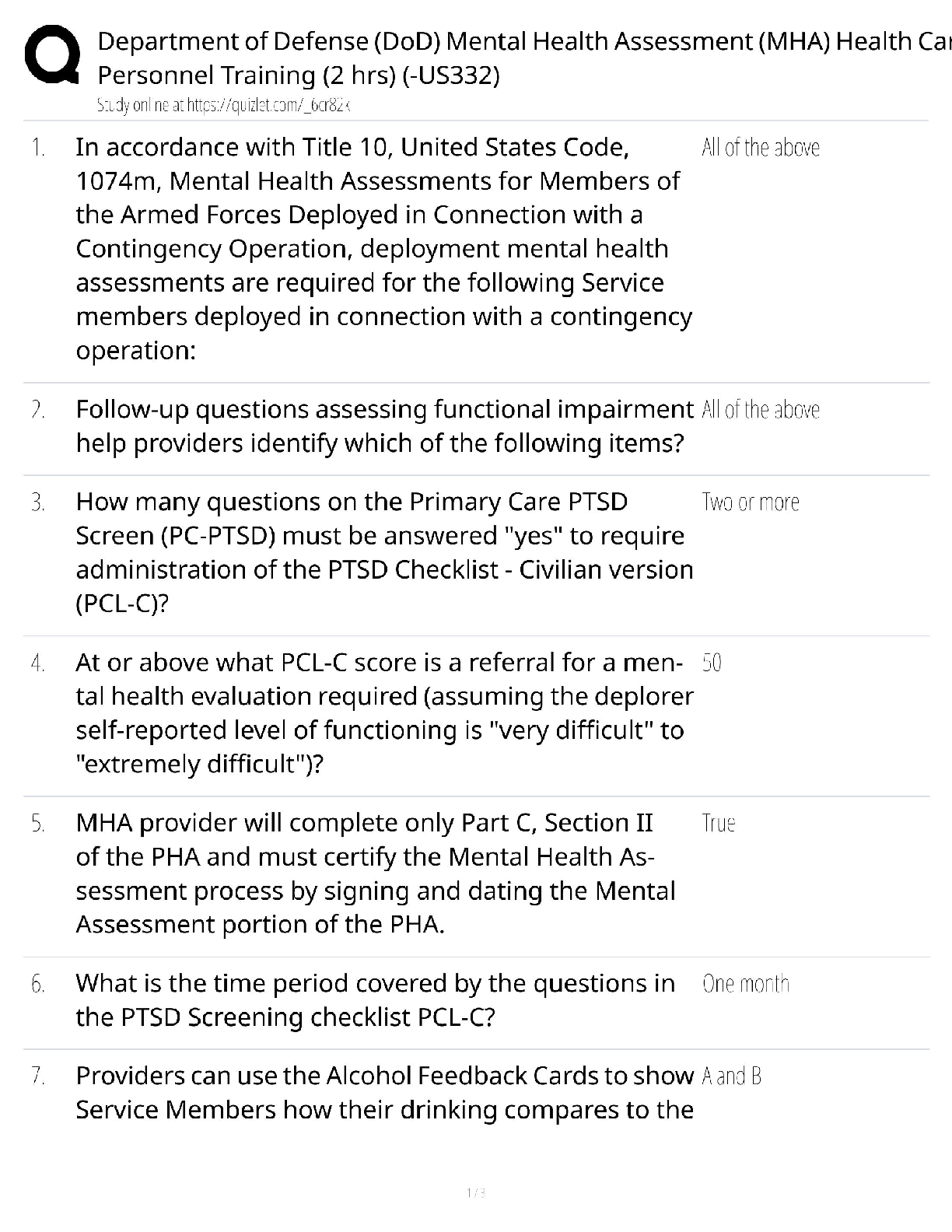
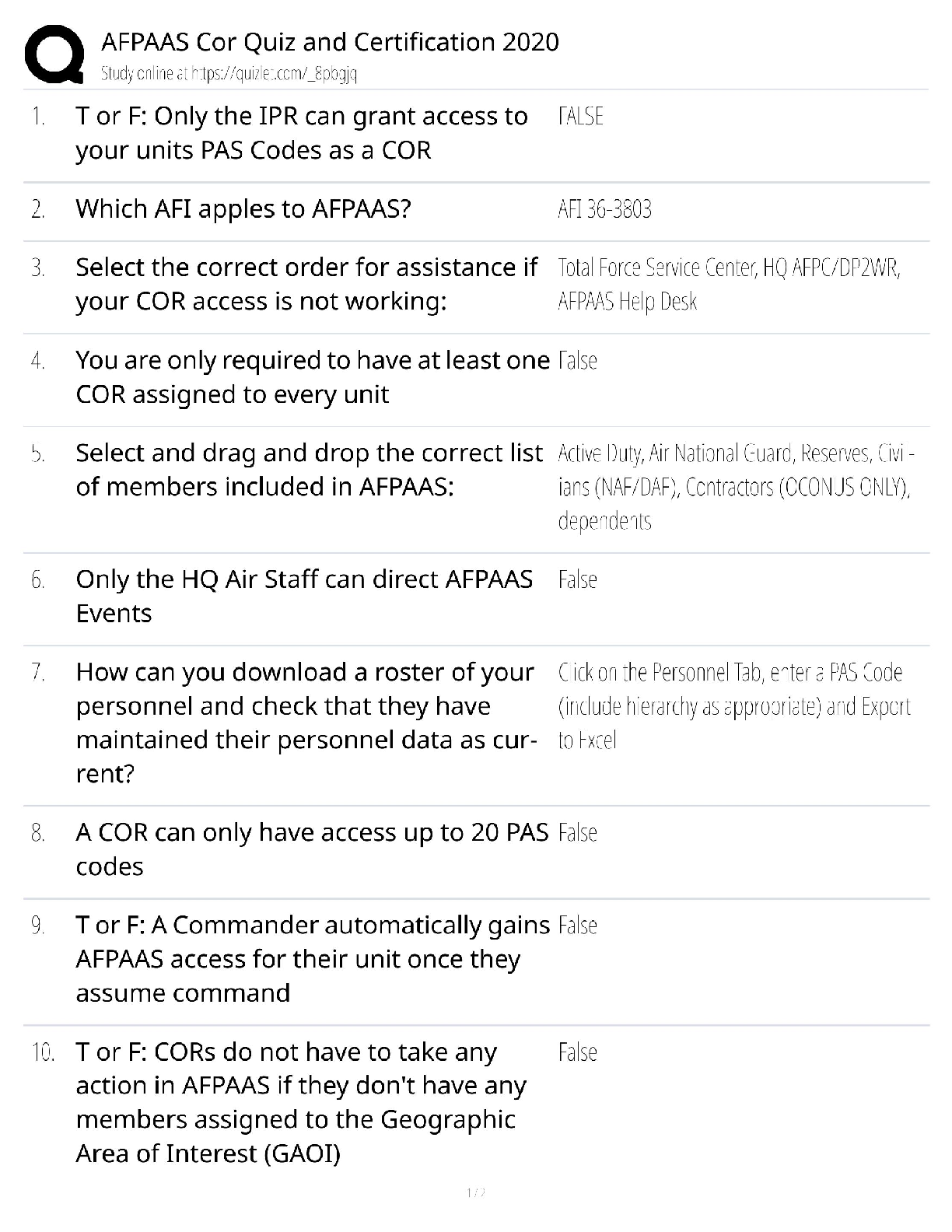
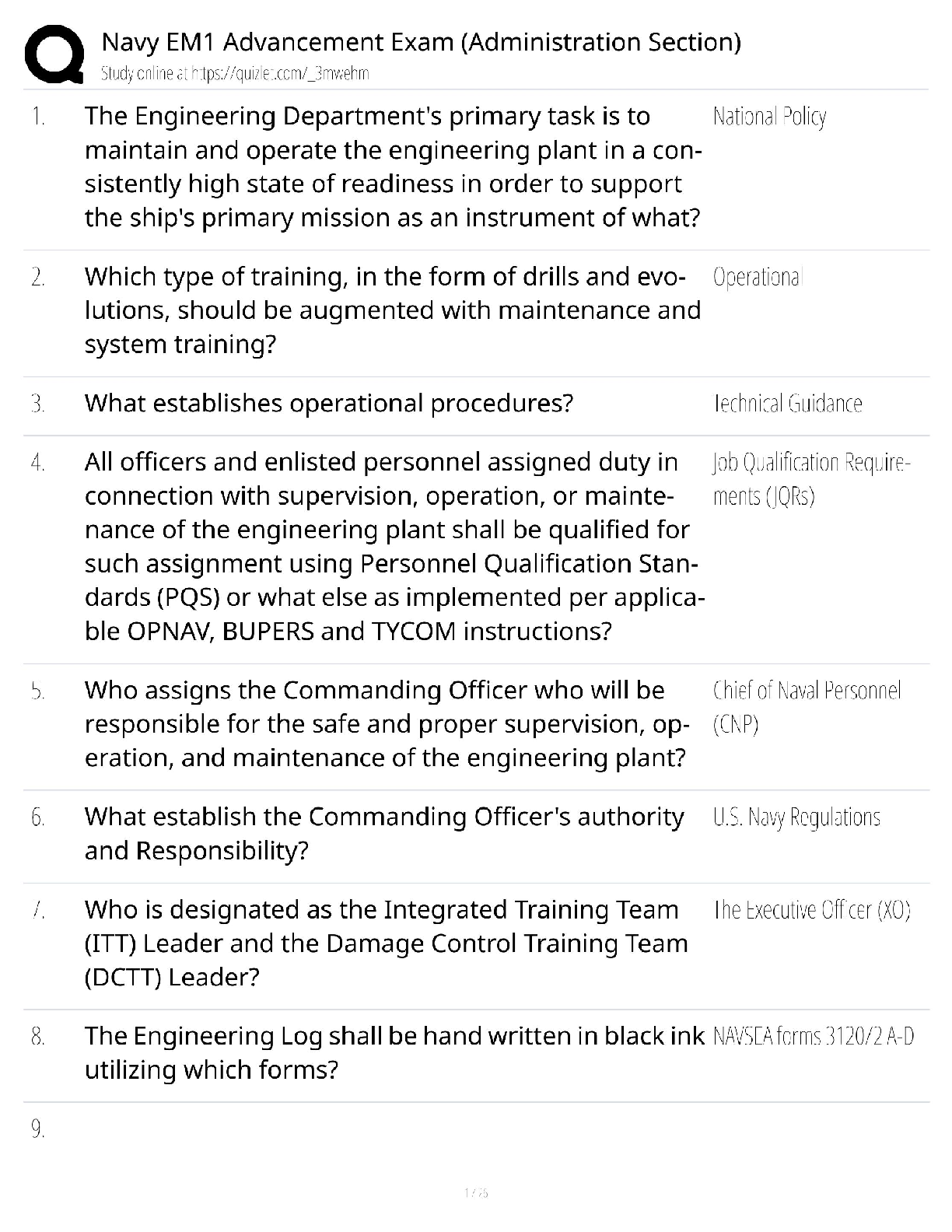
Navy EM1 Advancement Exam / Administration Section Study Guide...
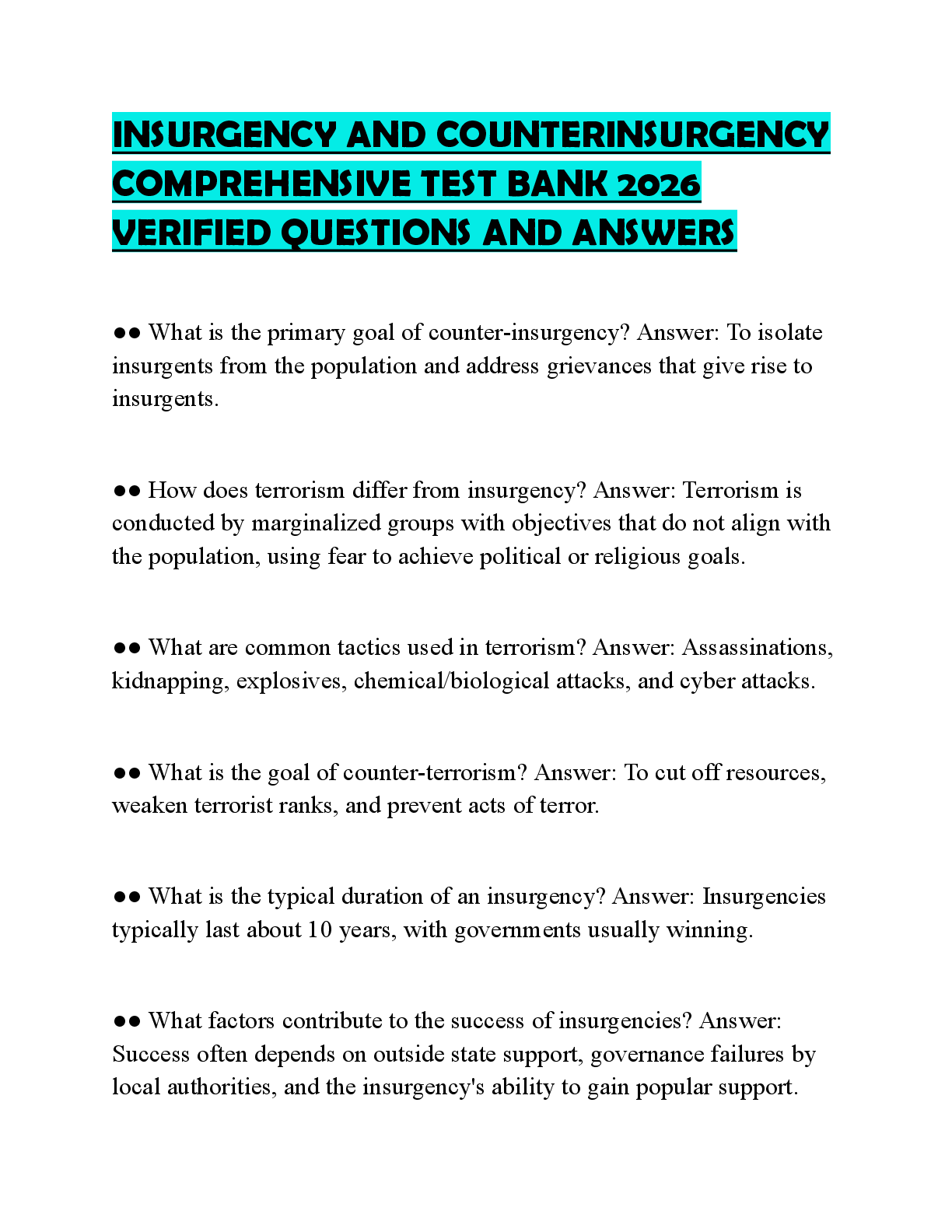
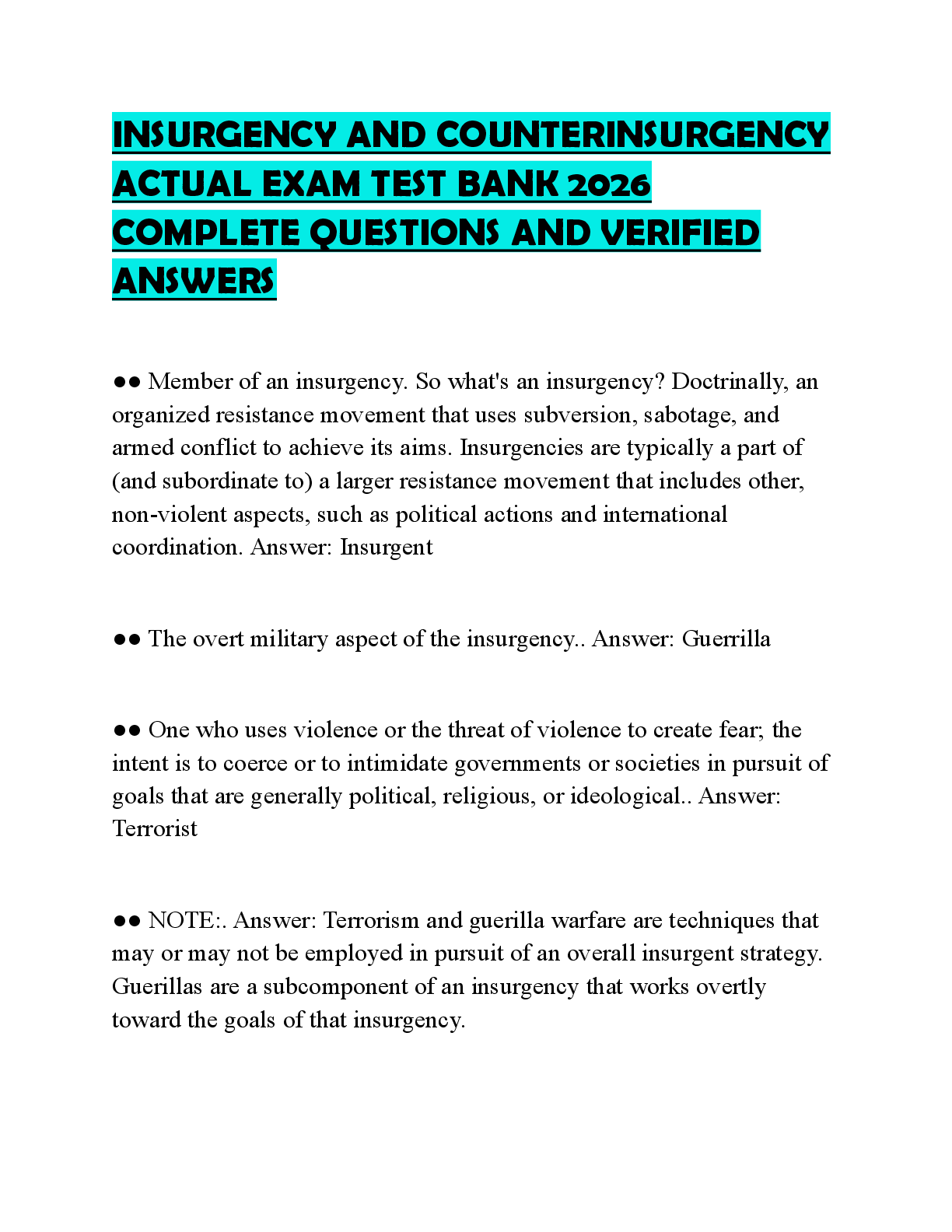
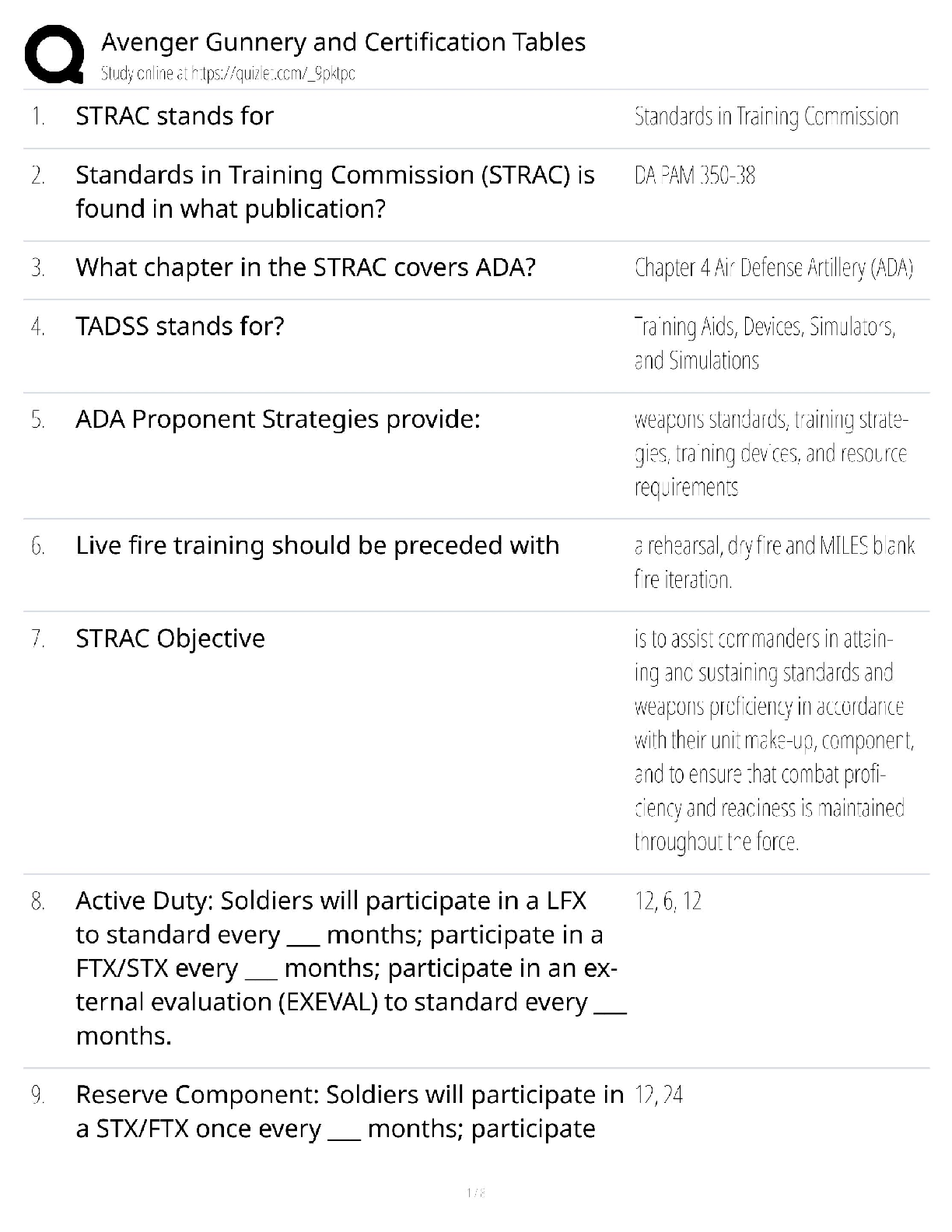
Avenger Gunnery & Certification Tables / Military Weapon Syste...
.png)
TEST BANK Primary Professional Military Education BLOCK 2,3,4,...

.png)
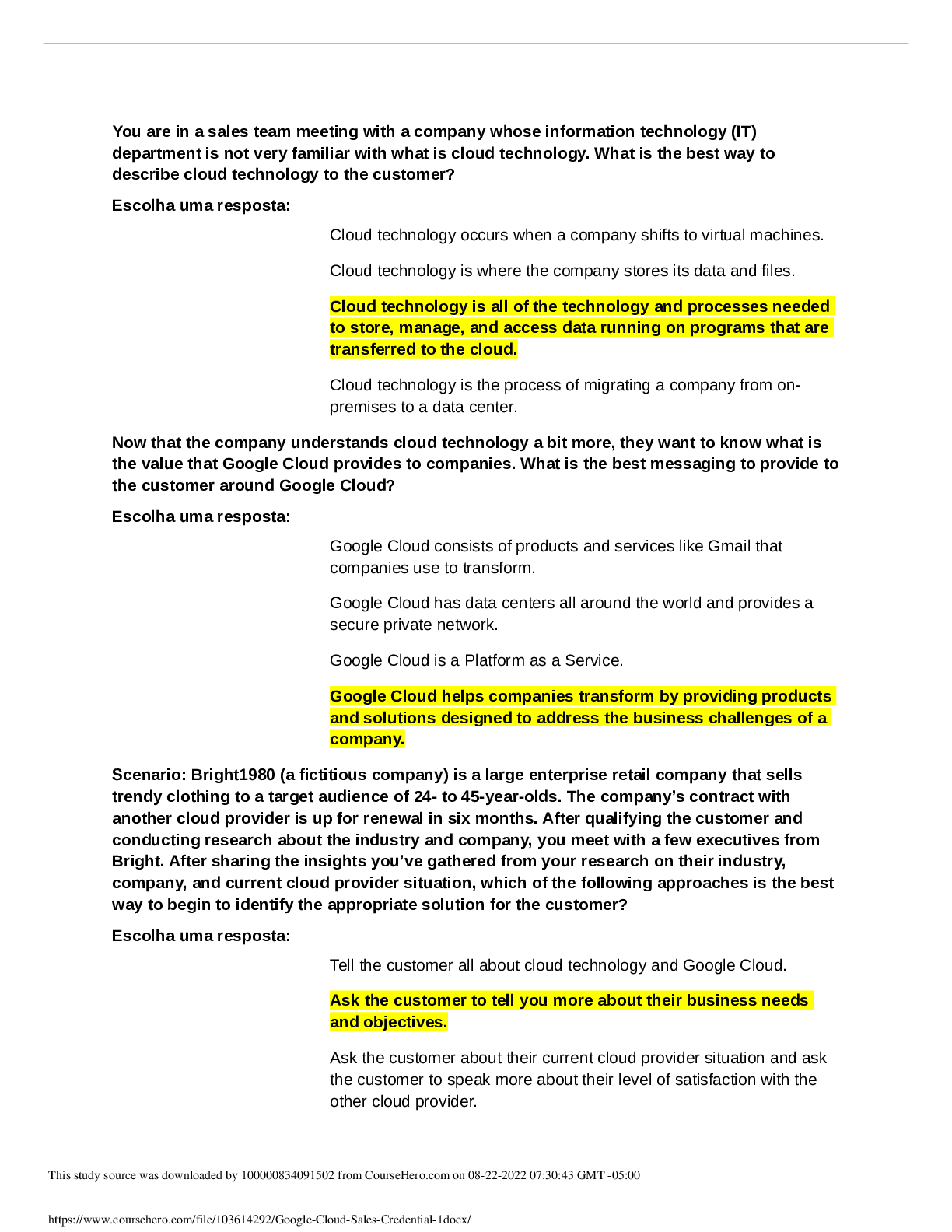
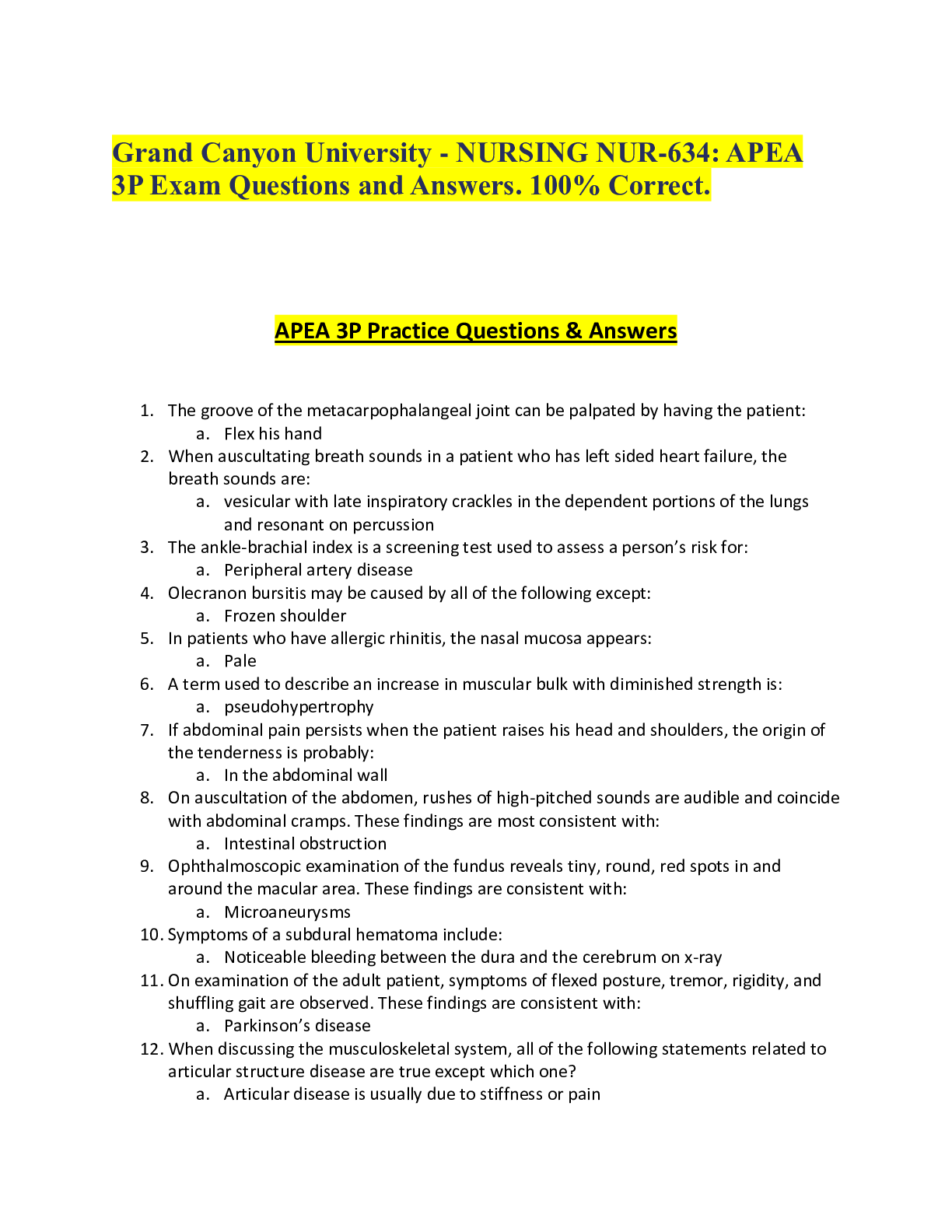

.png)
.png)
.png)
.png)
.png)
.png)

