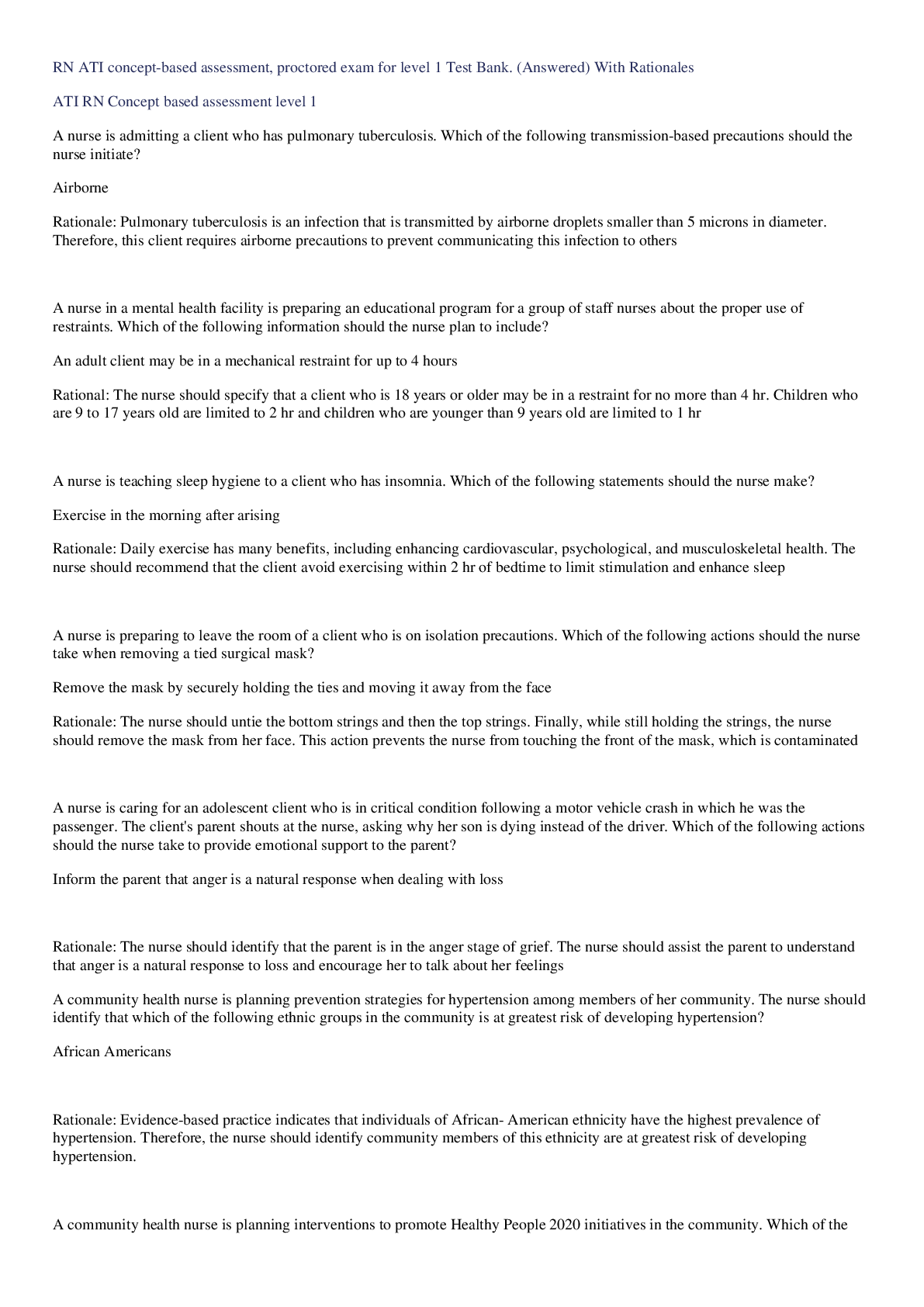
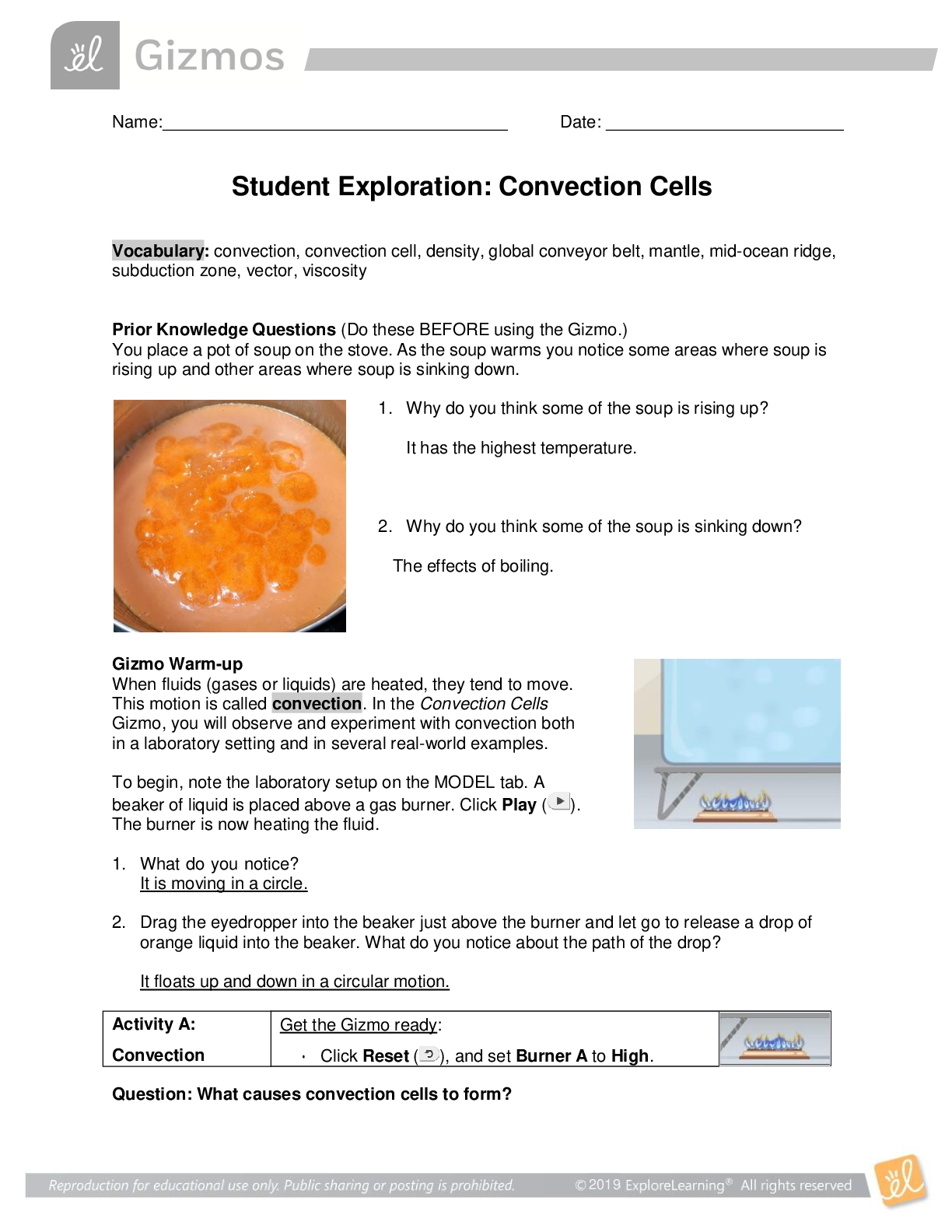
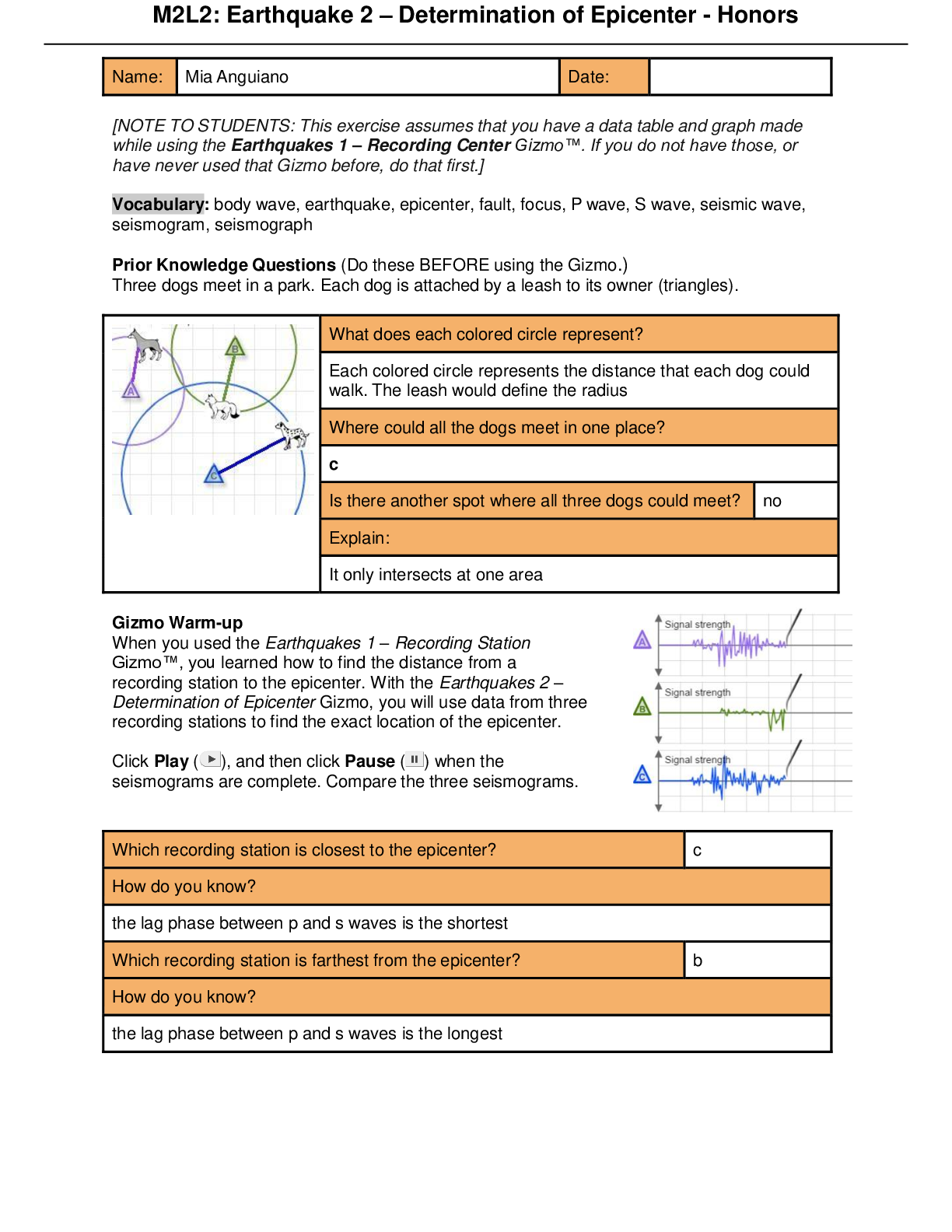
Reaction Energy GIZMO ( VERIFIED 100% CORRECT )
Document Content and Description Below
Student Exploration: Reaction Energy
Vocabulary: calorimeter, chemical bond, endothermic, enthalpy, exothermic, Hess’s law
Prior Knowledge Questions (Do these BEFORE using the Gizmo.)
1. Two magnets are stuck together
...
[Show More]
Last updated: 7 months ago
Preview 1 out of 13 pages
Instant download

Buy this Document to get the Full Access Instantly
Provided by Students Who Aced it
We Verify Document Content to Gurantee Accuracy
Reviews( 0 )
Document information
Connected school, study & course
About the document
Uploaded On
Jun 12, 2021
Number of pages
13
Written in
All

Additional information
This document has been written for:
Uploaded
Jun 12, 2021
Downloads
0
Views
279
Topic Tags
Recommended For You
Get more on GIZMOS »
$18
20 Pages
Apea Women’s Health Test bank (Answered) Verified 100% correct...
$19.5
172 Pages
Surgical Tech Practice CST Exam Test bank | 2025/2026 | Solved...

$11
64 Pages
BSBMGT517 - Manage Operational Plan - Assessment ( MCQ QUESTIO...
$14
2 Pages
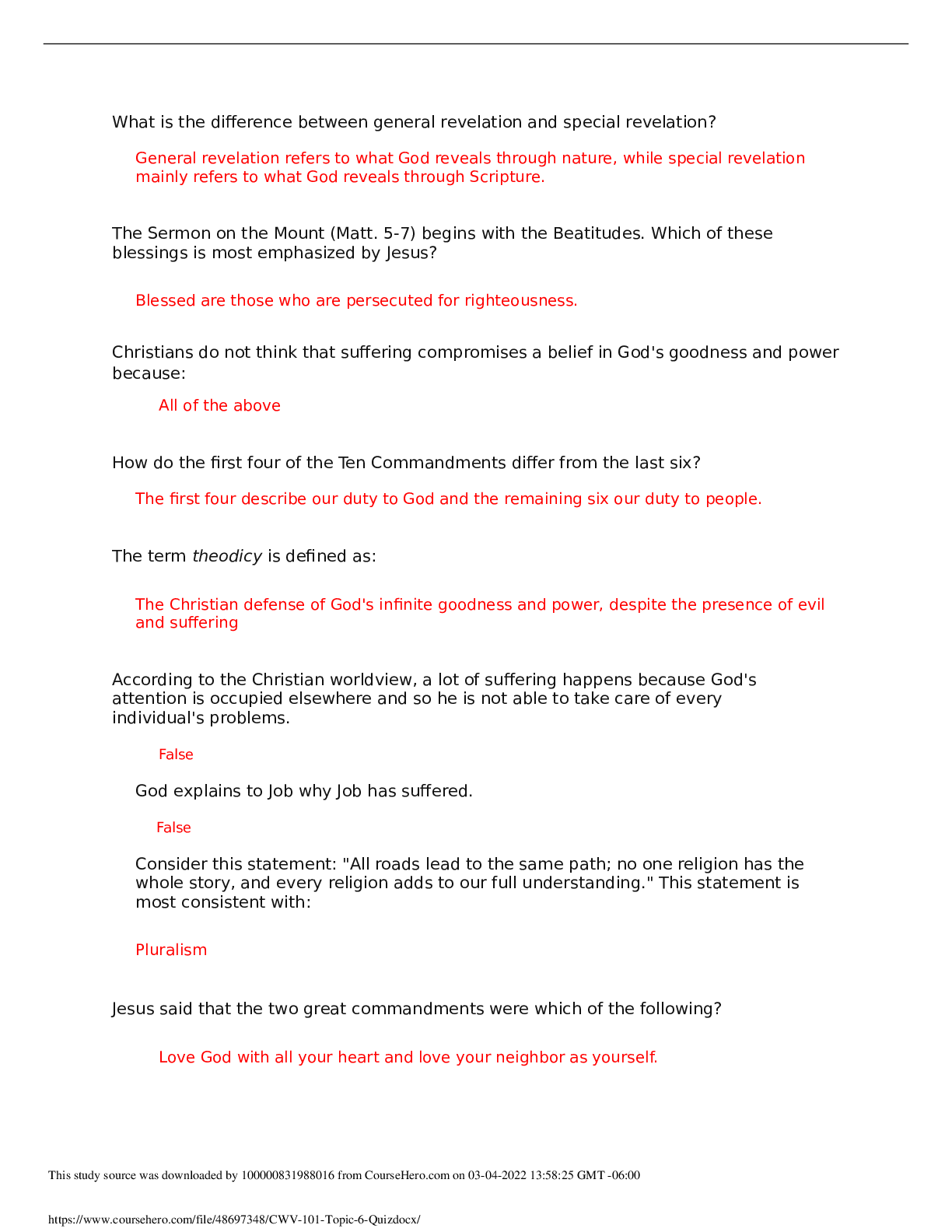
Grand Canyon University - CWV 101 - Topic 6 Quiz LATEST- Answe...
$11.5
22 Pages
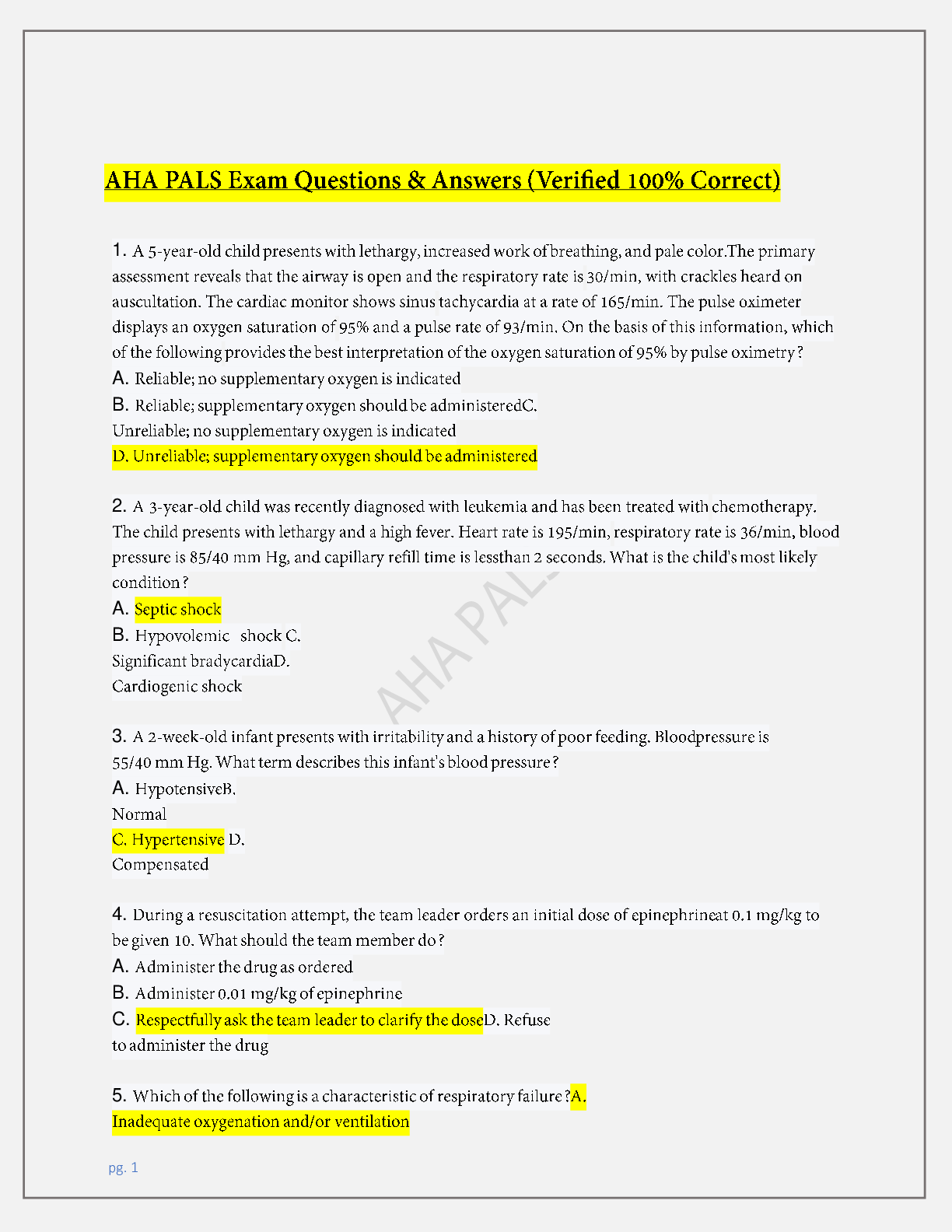
AHA PALS Exam Questions & Answers (Verified 100% Correct) 202...
$30.5
41 Pages
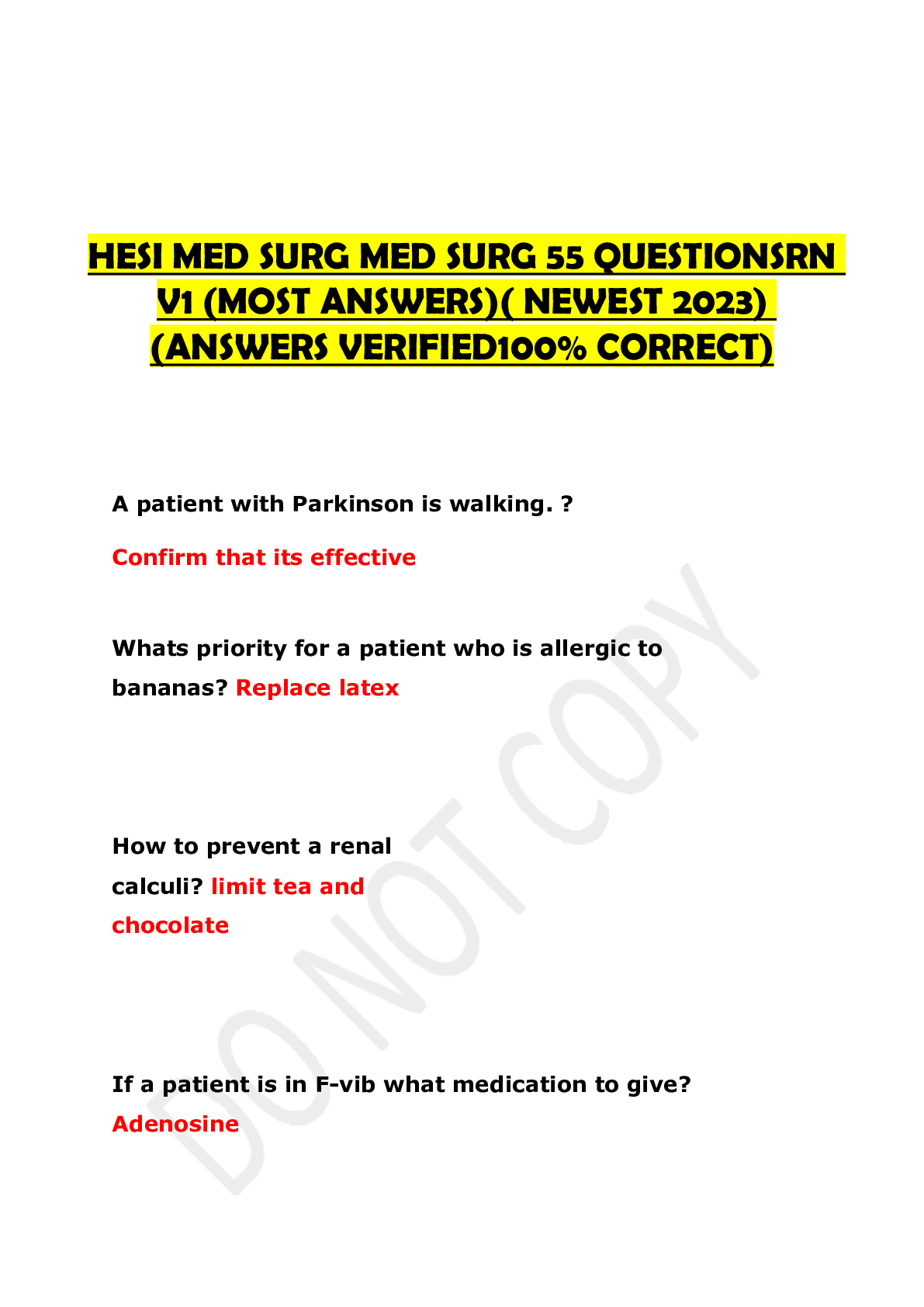
HESI MED SURG MED SURG 55 QUESTIONS RN V1 (MOST ANSWERS)( NEWE...

$15
18 Pages
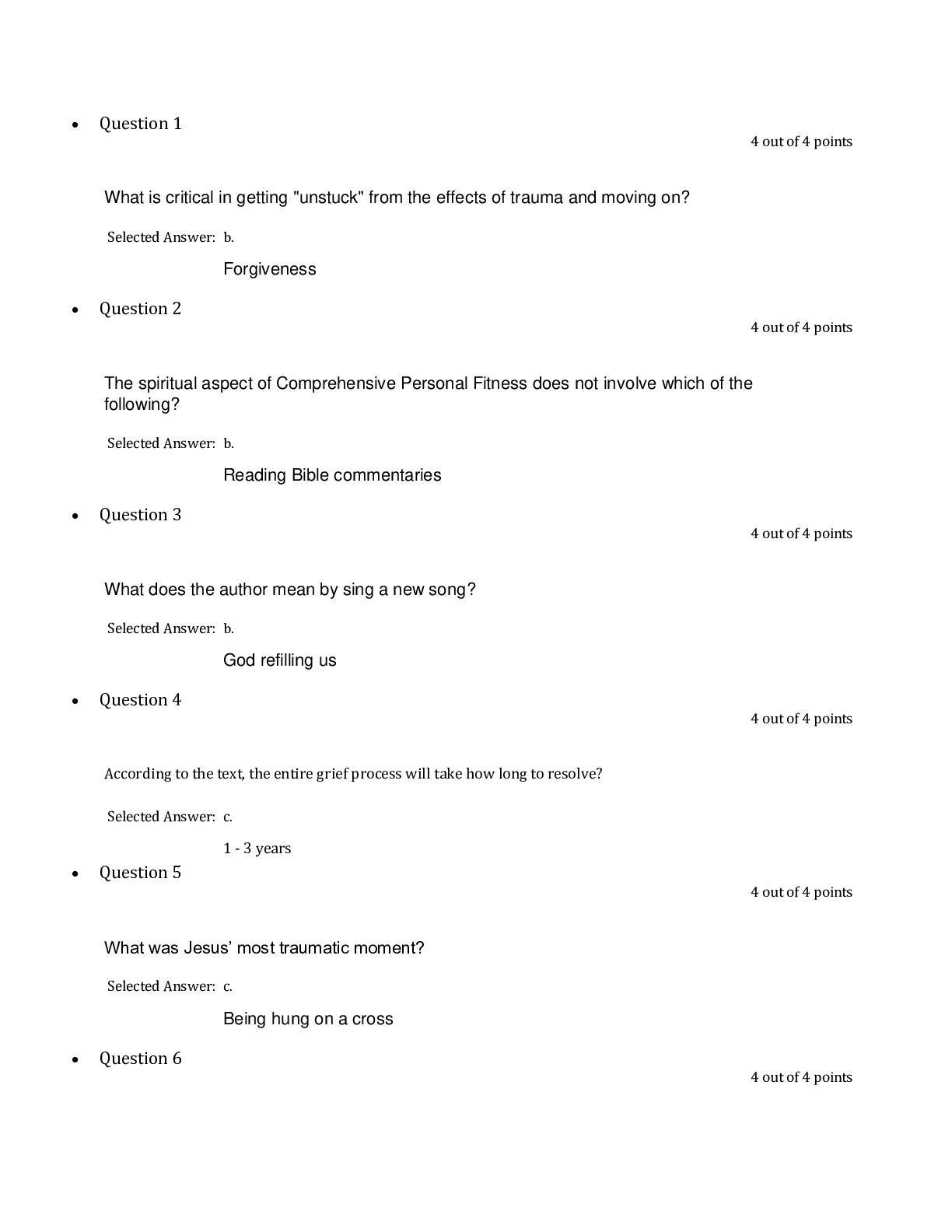
HESI MED SURG MED SURG 55 QUESTIONS RN V1 (MOST ANSWERS) ( NEW...
$15
5 Pages
MILT 275 Exam 4, Latest 2020 complete questions & answers, Ver...
$15
9 Pages
NR 507 - Week 4 Midterm Study Guide, Possible Questions & Answ...

$20
237 Pages
Physical Chemistry Thermodynamics Statistical Mechanics and Ki...
$15
1104 Pages
Solutions Manual for Organic Chemistry Student Study Guide 3rd...
$19
389 Pages
General Organic and Biological Chemistry 1st Edition by Kalyn...
More related documents below

.png)