Information Technology > QUESTIONS & ANSWERS > Georgia Tech ISYE6501 Week 2 HW, 100% pass rate, (All)
Georgia Tech ISYE6501 Week 2 HW, 100% pass rate,
Document Content and Description Below
Last updated: 4 years ago
Preview 1 out of 10 pages
Instant download
Buy this Document to get the Full Access Instantly
Provided by Students Who Aced it
We Verify Document Content to Gurantee Accuracy
Also available in bundle (1)
Click Below to Access Bundle(s)
GEORGIA TECH BUNDLE, ALL ISYE 6501 EXAMS, HOMEWORKS, QUESTIONS AND ANSWERS, NOTES AND SUMMARIIES, ALL YOU NEED
GEORGIA TECH BUNDLE, ALL ISYE 6501 EXAMS, HOMEWORKS, QUESTIONS AND ANSWERS, NOTES AND SUMMARIIES, ALL YOU NEED
By bundleHub Solution guider 4 years ago
$60
59
Reviews( 0 )
Document information
Connected school, study & course
About the document
Uploaded On
Sep 03, 2022
Number of pages
10
Written in
All
Seller

Reviews Received
Additional information
This document has been written for:
Uploaded
Sep 03, 2022
Downloads
0
Views
183
Topic Tags
Related Subjects & Courses
Explore similar study resources and related concepts.
Recommended For You
Get more on QUESTIONS & ANSWERS »
Georgia Institute Of TechnologyISYE 6501GT Students _ Final Qu...
Georgia Institute Of Technology - ISYE 6501GT Students _ Final...

Georgia Institute Of TechnologyGeorgia Institute Of Technology...
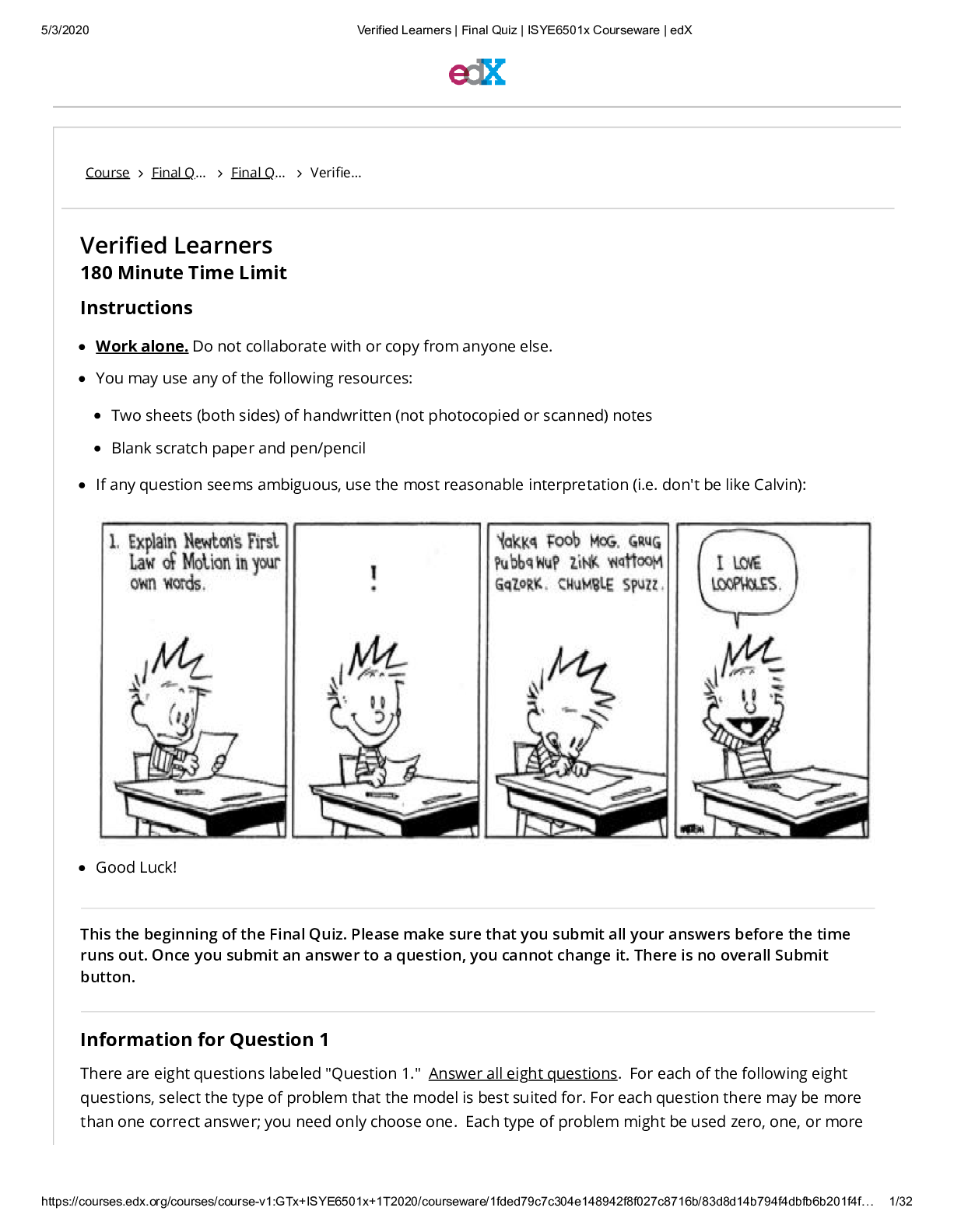
Georgia Institute Of Technology - ISYE 6501XVerified Learners...
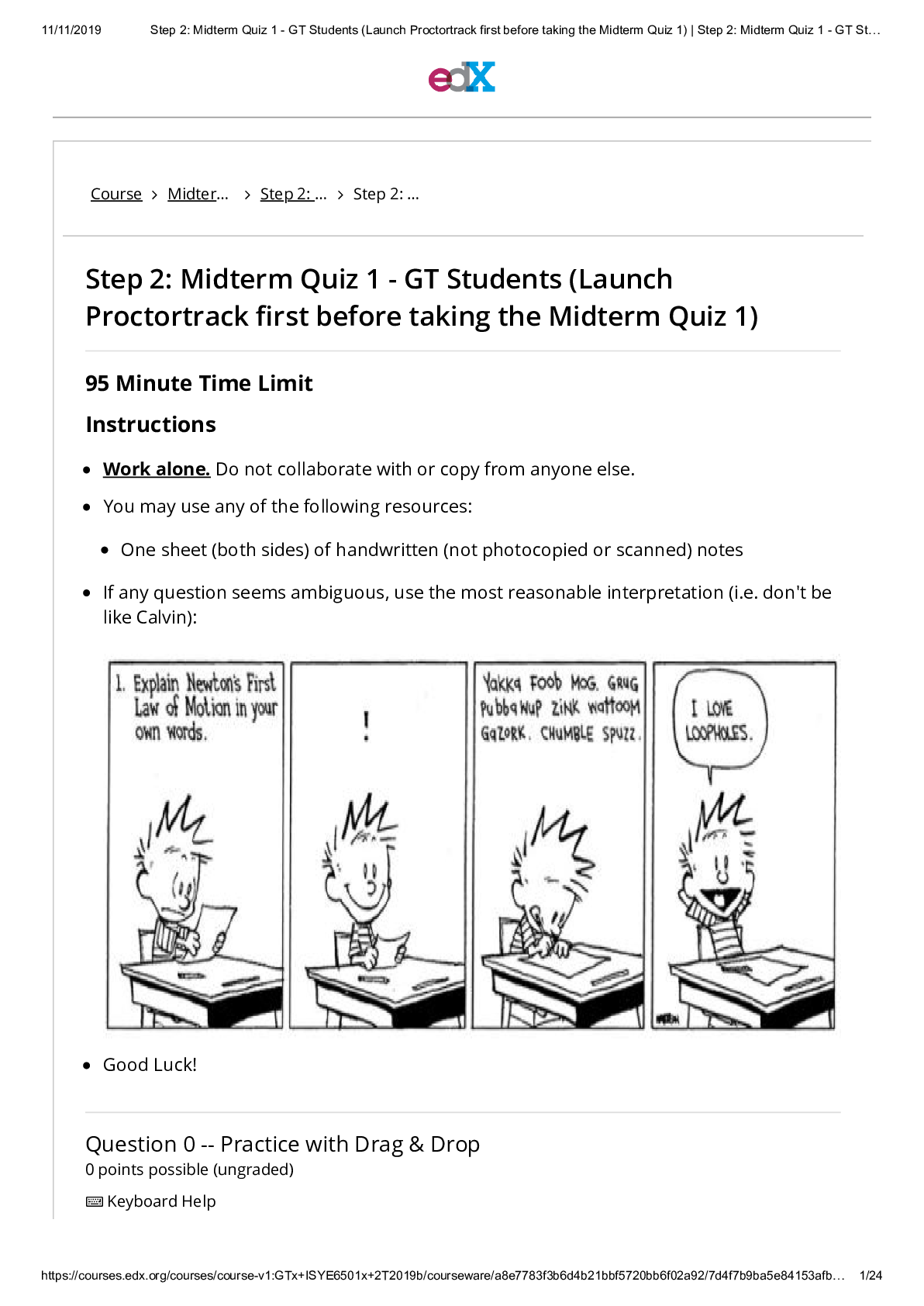
Georgia Institute Of TechnologyISYE 6501Midterm Quiz 1 with Co...
Georgia Institute Of TechnologyISYE 6501XVerified Learners _ F...

Information Technology for Management Digital Strategies for I...
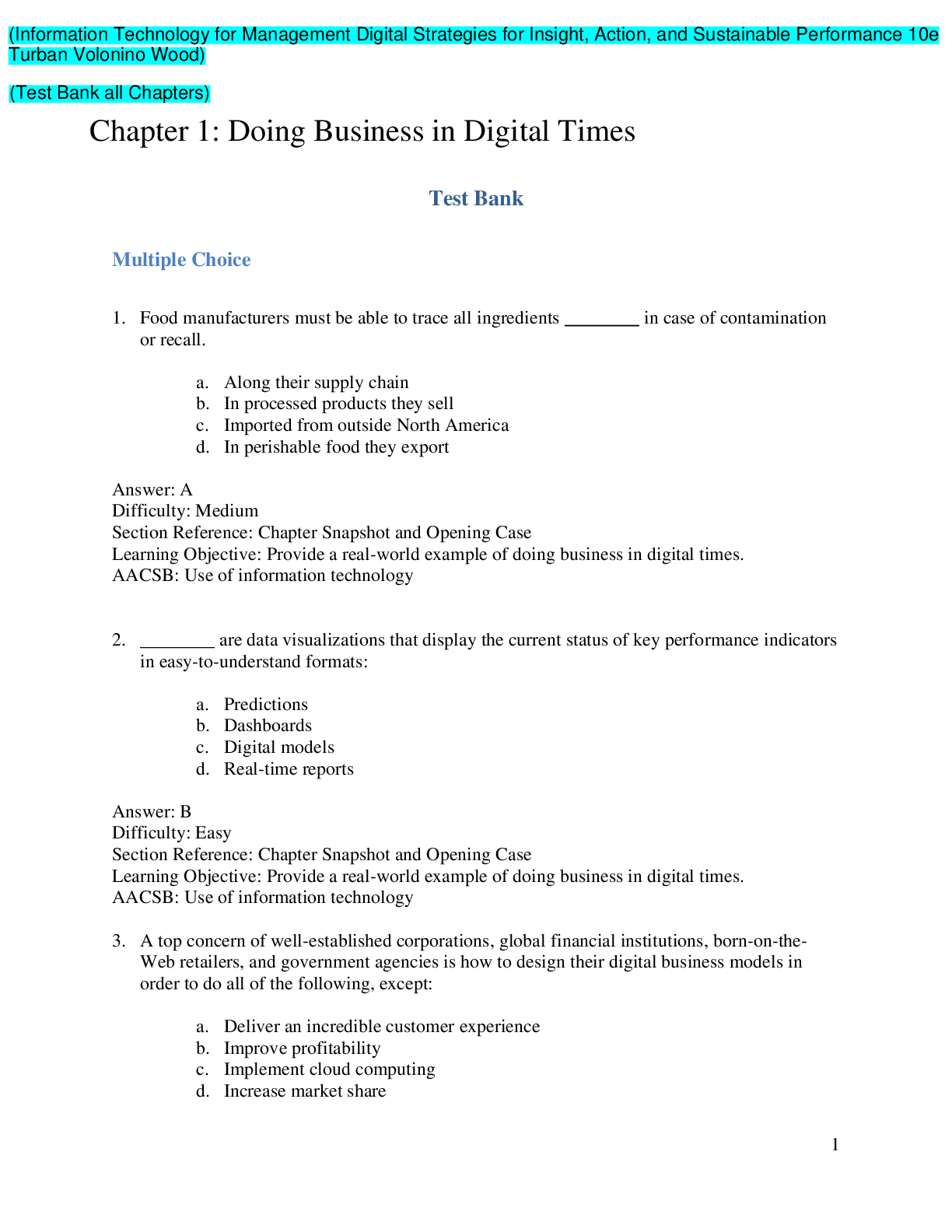
Information Technology for Management Digital Strategies for I...