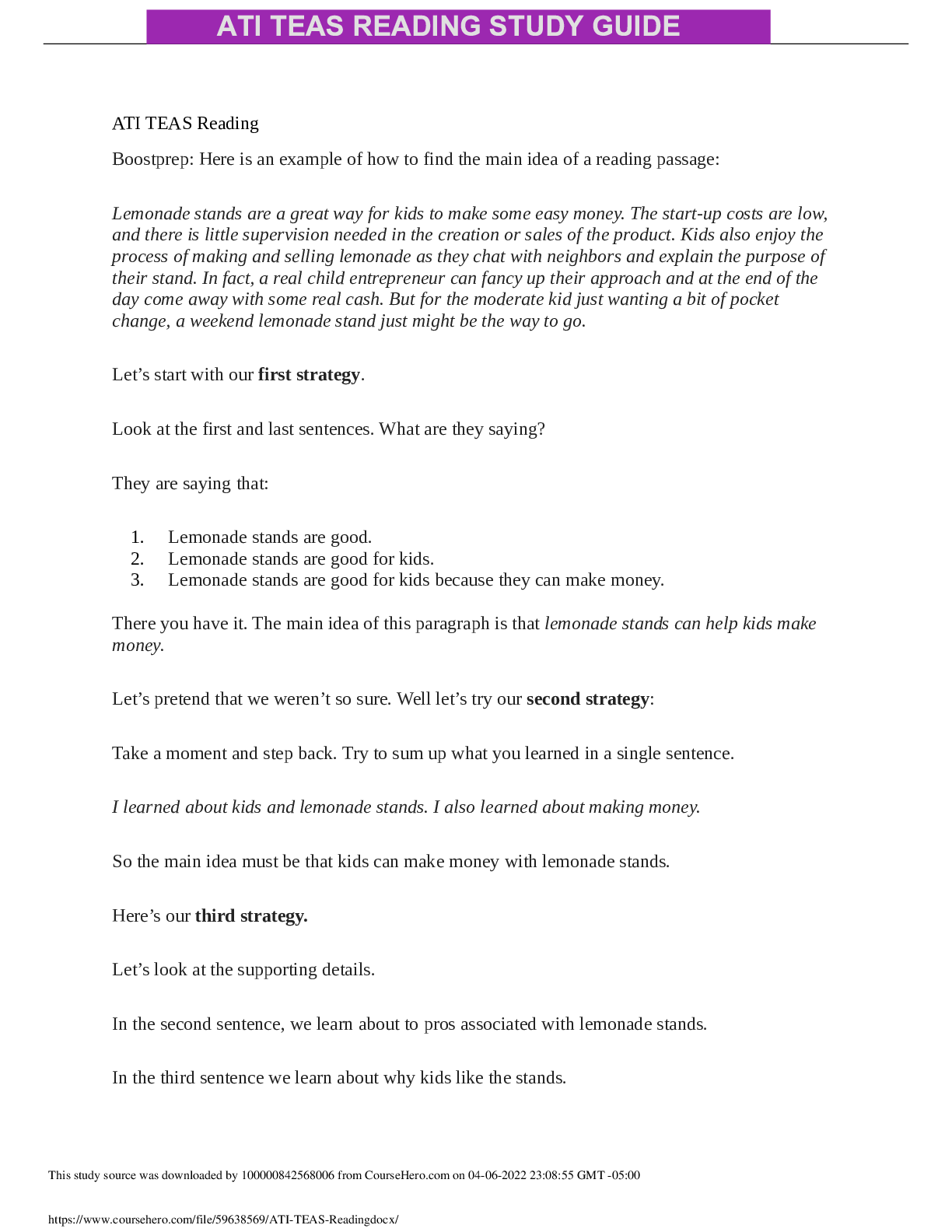
ATI TEAS 6: Reading with correct answers and their explanation
Document Content and Description Below
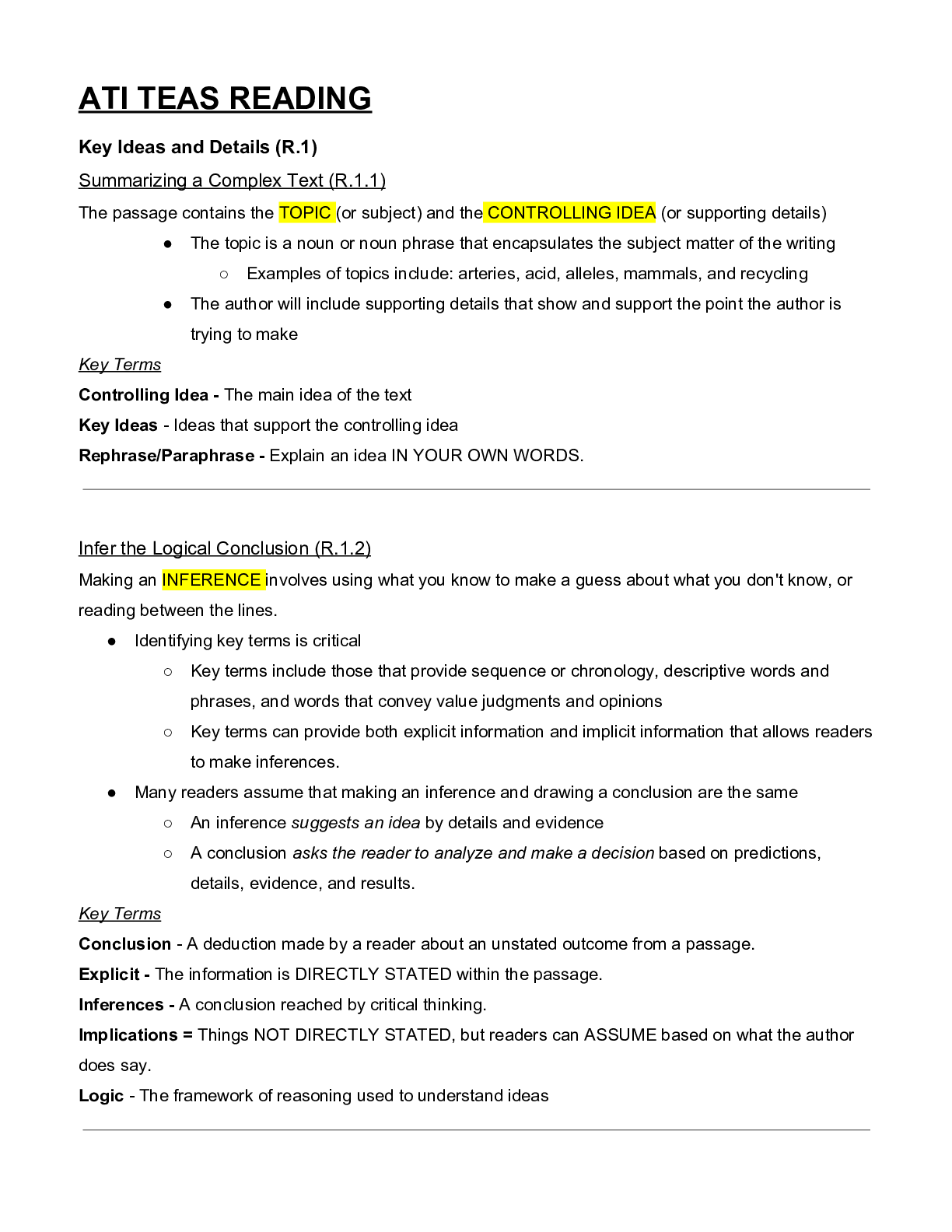
Main Idea - ANSWER--what the author wants to say about the topic
i.e. ask yourself how the author feels about that topic
NOTE: most of the time fiction will have a theme, and nonfiction will have a main idea
Topic - A
...
[Show More]
Last updated: 4 years ago
Preview 1 out of 5 pages
Instant download

Buy this Document to get the Full Access Instantly
Provided by Students Who Aced it
We Verify Document Content to Gurantee Accuracy
Reviews( 0 )
Document information
Connected school, study & course
About the document
Uploaded On
Sep 22, 2022
Number of pages
5
Written in
All

Additional information
This document has been written for:
Uploaded
Sep 22, 2022
Downloads
0
Views
153
Topic Tags
Recommended For You
Get more on EXAM »
$6
15 Pages
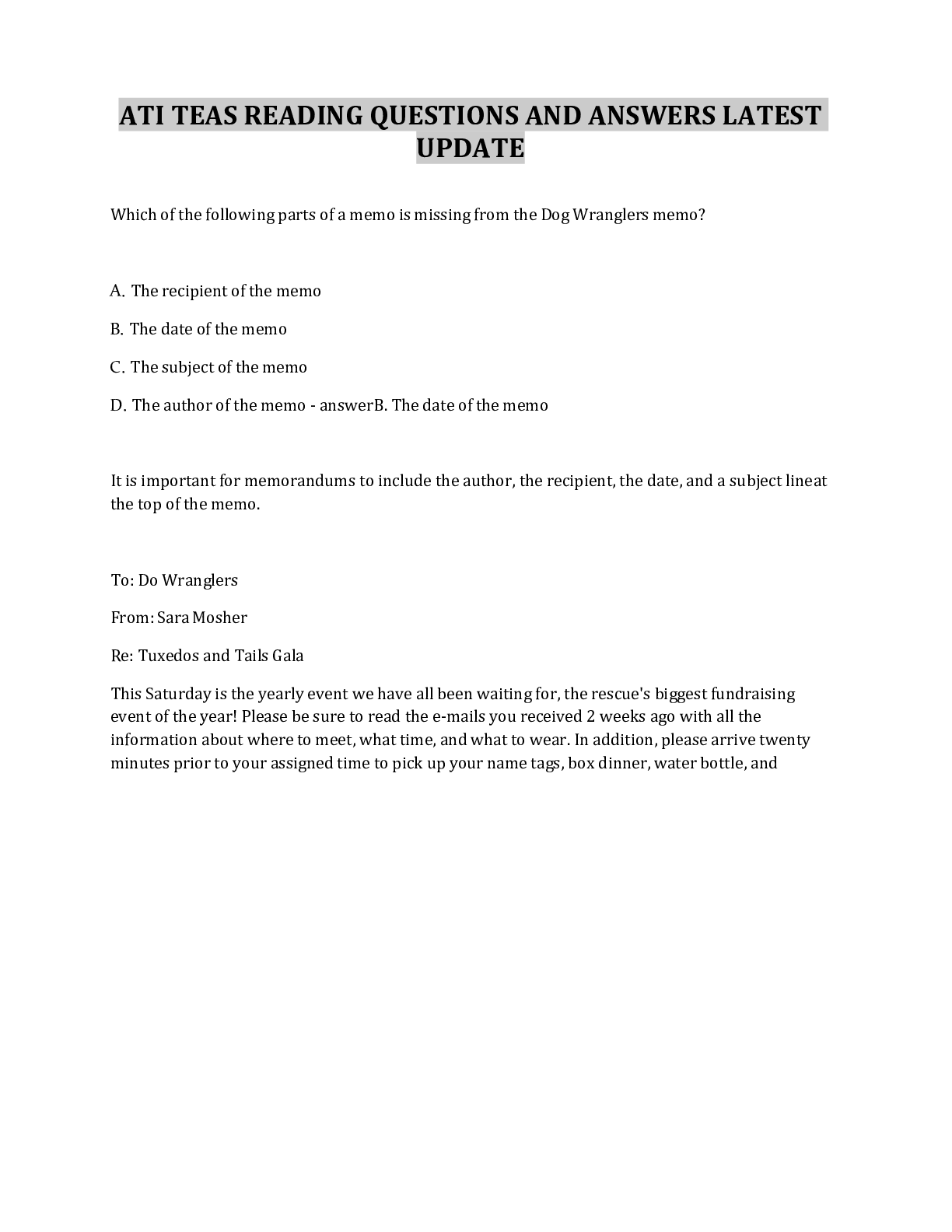
ATI TEAS READING ENGLISH EXAM GUARANTEEED PASS 100% WELL ENLI...
$67.5
99 Pages
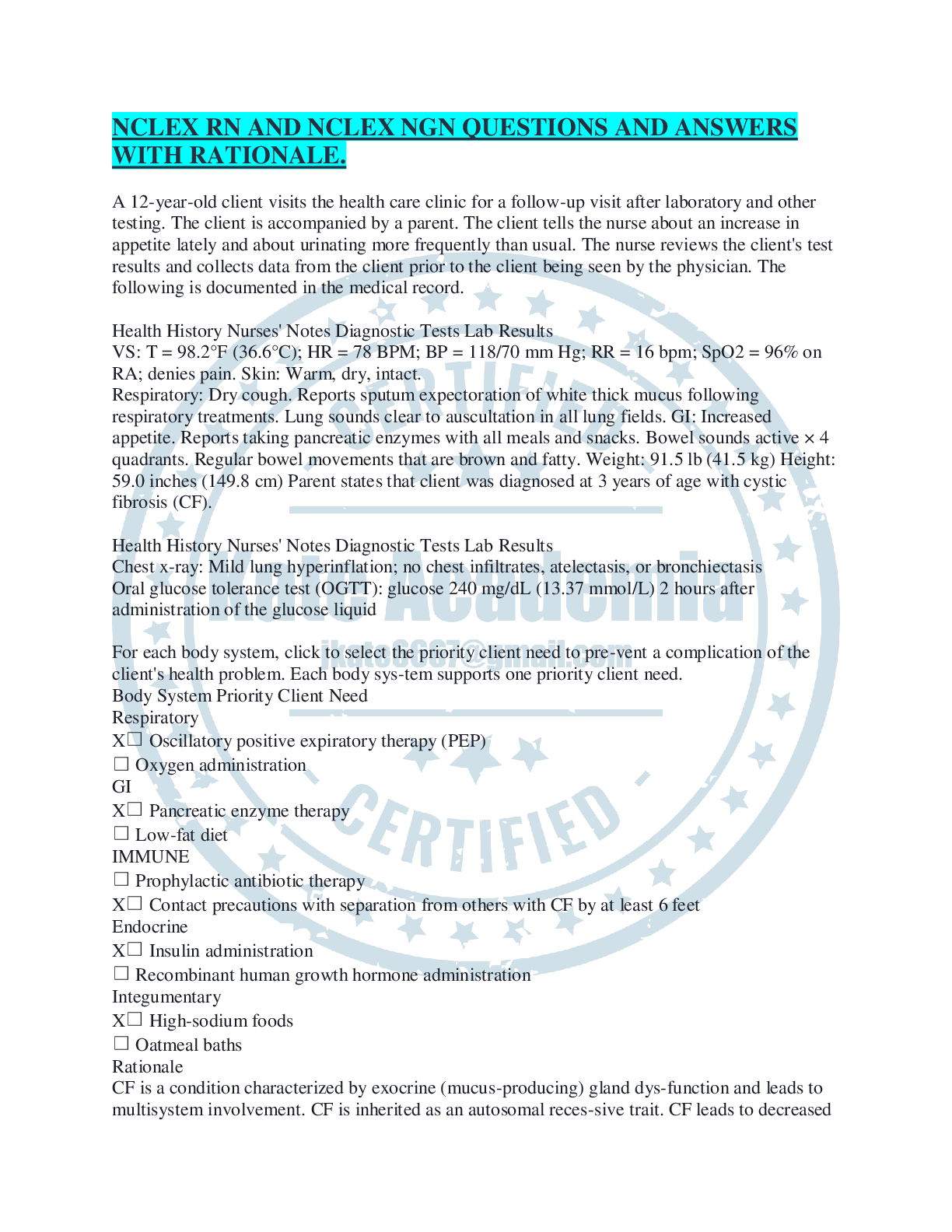
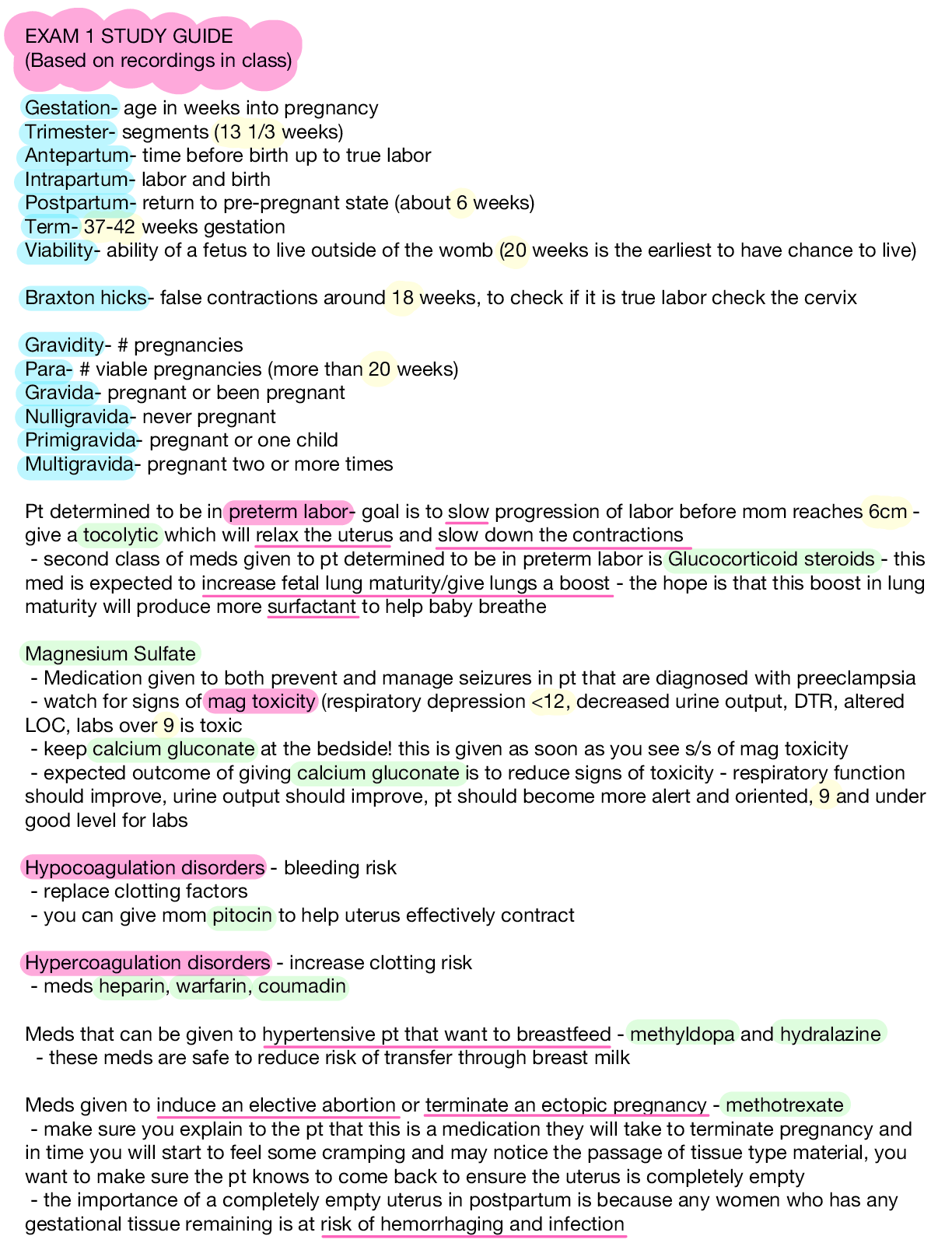
NCLEX RN AND NCLEX NGN QUESTIONS AND ANSWERS WITH RATIONALE.
.png)

$14
14 Pages
2023 ATI TEAS READING SECTION COMPLETE 100% WITH ALL THE ANSWE...


$15
143 Pages
ATI TEAS Reading Test Bank with Correct Answers and Explanatio...


$20
79 Pages
ATI TEAS Reading, Latest Questions and Answers with Explanatio...
More related documents below


.png)

.png)


