NURSING > QUESTIONS & ANSWERS > South University - NURSING NSG 6020 Week 8 Quiz(with correct answers) (All)
South University - NURSING NSG 6020 Week 8 Quiz(with correct answers)
Document Content and Description Below
Last updated: 4 years ago
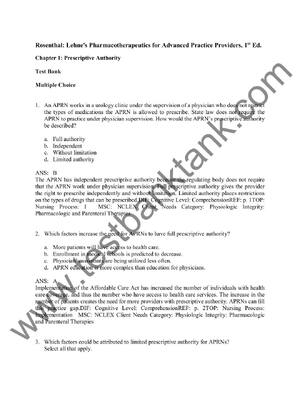
Preview 1 out of 5 pages
Instant download
.png)
Buy this Document to get the Full Access Instantly
Provided by Students Who Aced it
We Verify Document Content to Gurantee Accuracy
Reviews( 0 )
Document information
Connected school, study & course
About the document
Uploaded On
Jan 04, 2021
Number of pages
5
Written in
All

Additional information
This document has been written for:
Uploaded
Jan 04, 2021
Downloads
0
Views
132
Topic Tags
Recommended For You
Get more on QUESTIONS & ANSWERS »
2026 NSG6020 NSG 6020 Week 3 Quiz Exam Actual Questions & Ans...
2026 NSG6020 NSG 6020 Week 2 Quiz Exam Actual Questions & Ans...
NSG 6020 Midterm Exam Latest AlreadyGraded A Health Assessment...

NSG 6020 MIDTERM EXAM Help 2 – QUESTION AND ANSWERS (answered)
NSG 6020 (NSG6020) Week 9 Questions with Verified Answers Stud...
TEST BANK for Maternity Newborn and Women’s Health Nursing A C...
Test Bank for Primary Care Interprofessional Collaborative Pra...
Test Bank for Pharmacotherapeutics for Advanced Practice Nurse...
TEST BANK Cellular and Molecular Immunology 10th Edition By Ab...
Chapter 18 Critical Appraisal of Nursing Studies | Burns and G...