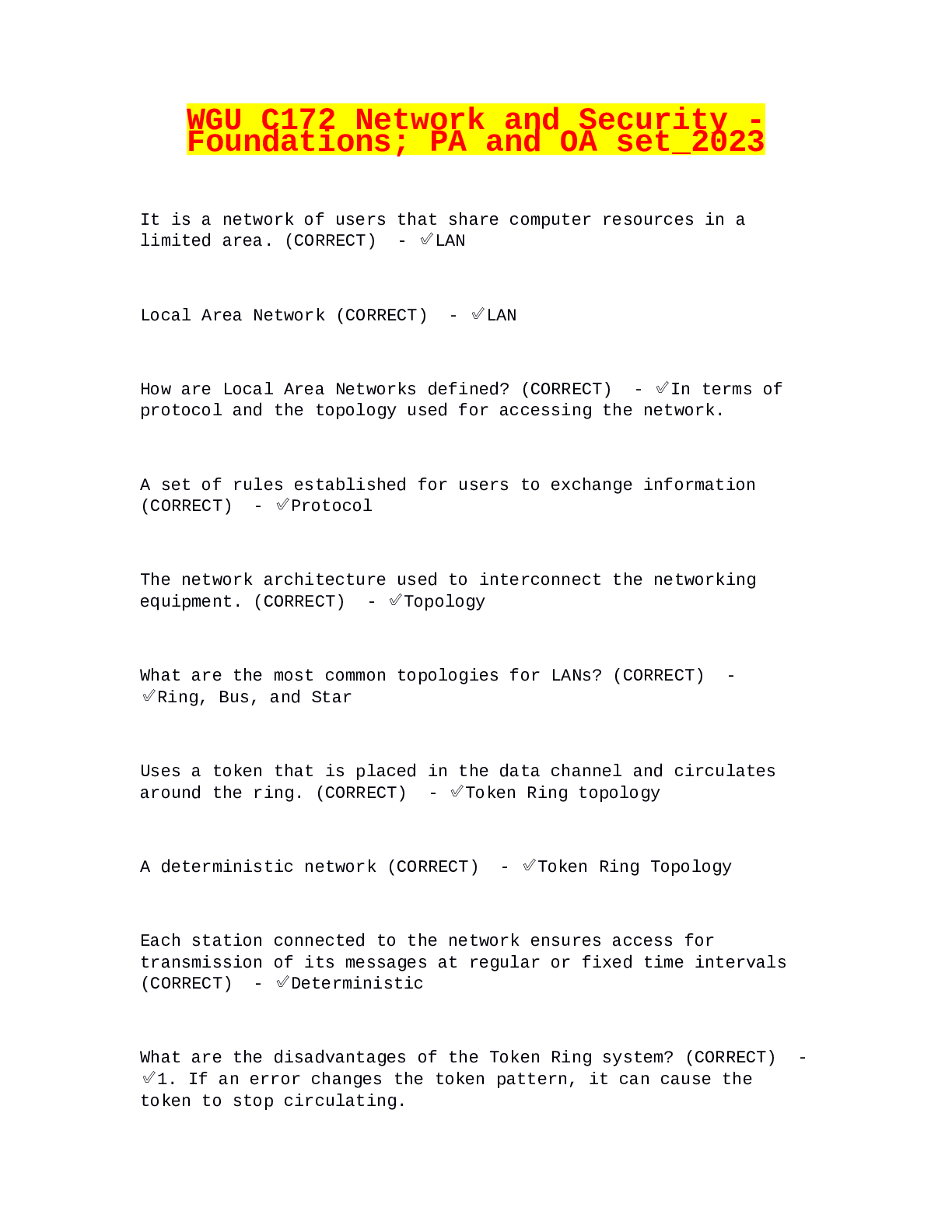
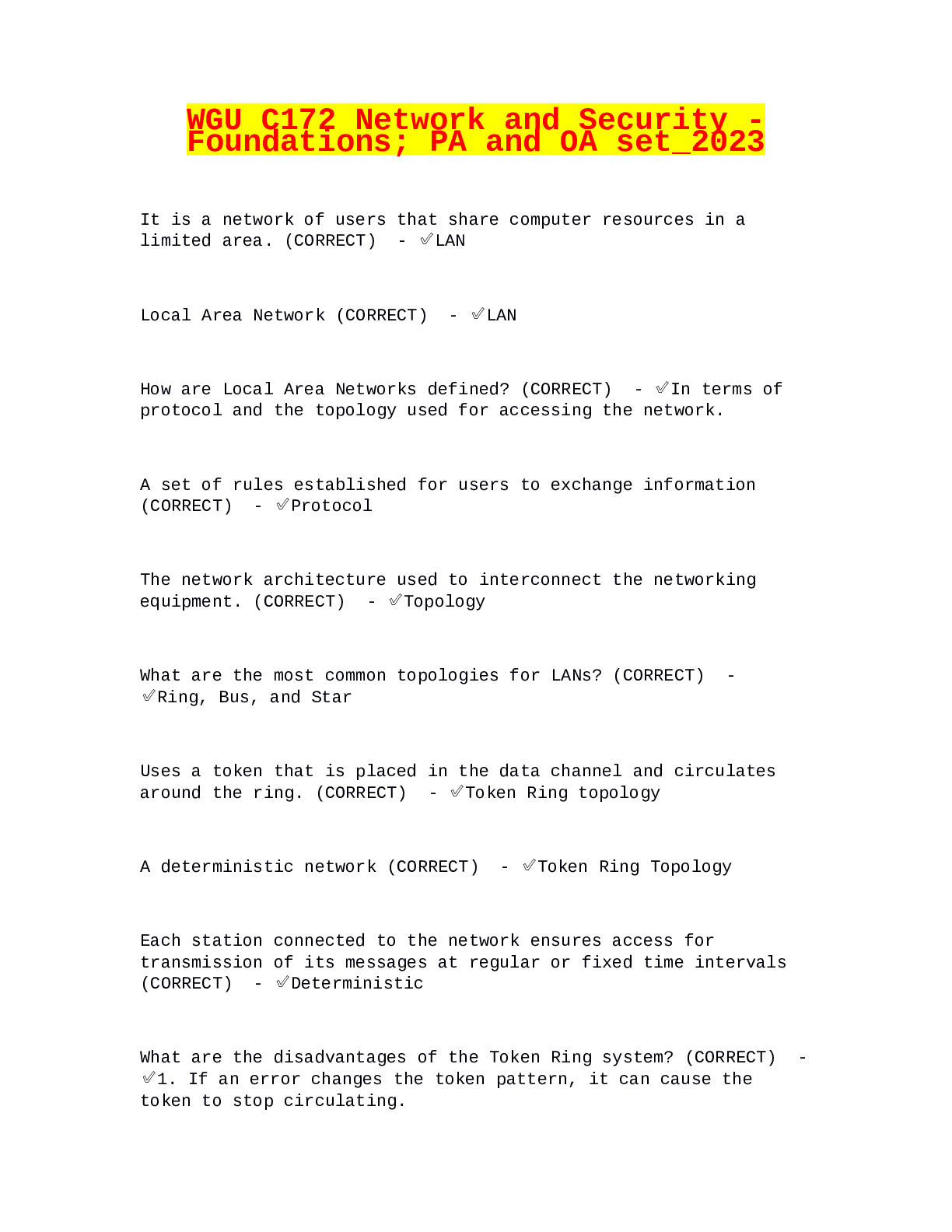
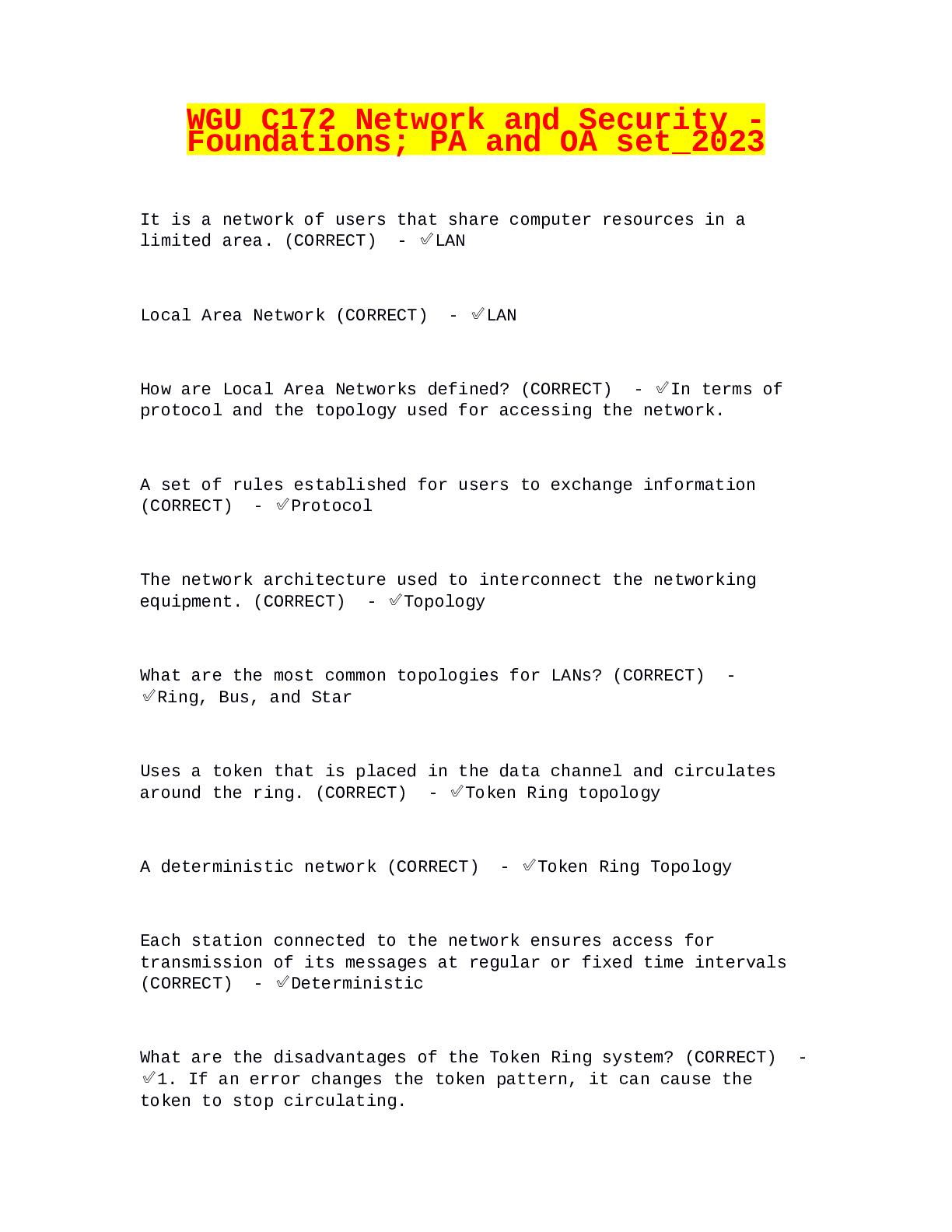
History > QUESTIONS & ANSWERS > UGBA C172 Final Exam 2022 with complete solution (All)
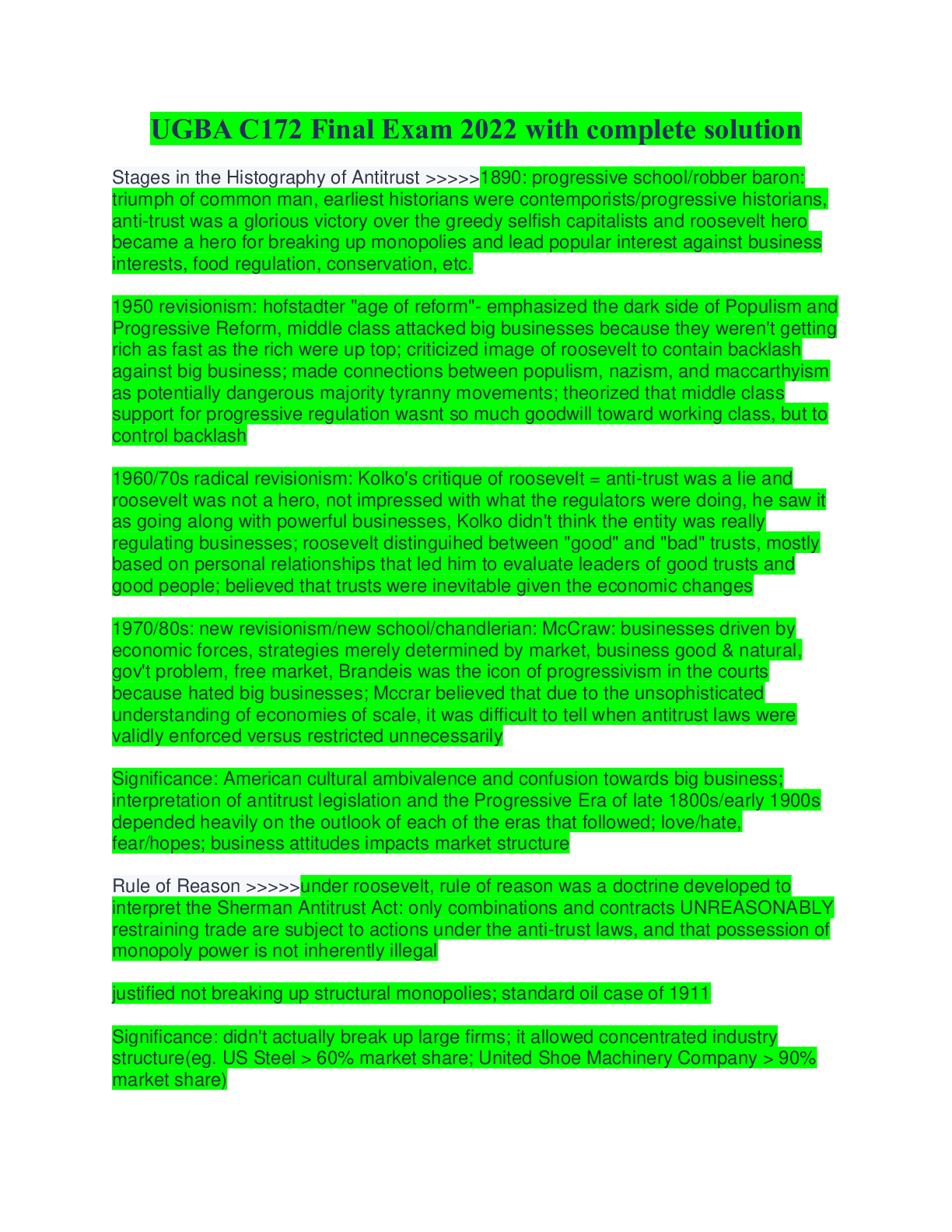
UGBA C172 Final Exam 2022 with complete solution Stages in the Histography of Antitrust >>>>>1890: progressive school/robber baron: triumph of common man, earliest historians were contemporists/prog ... ressive historians, anti-trust was a glorious victory over the greedy selfish capitalists and roosevelt hero became a hero for breaking up monopolies and lead popular interest against business interests, food regulation, conservation, etc. 1950 revisionism: hofstadter "age of reform"- emphasized the dark side of Populism and Progressive Reform, middle class attacked big businesses because they weren't getting rich as fast as the rich were up top; criticized image of roosevelt to contain backlash against big business; made connections between populism, nazism, and maccarthyism as potentially dangerous majority tyranny movements; theorized that middle class support for progressive regulation wasnt so much goodwill toward working class, but to control backlash 1960/70s radical revisionism: Kolko's critique of roosevelt = anti-trust was a lie and roosevelt was not a hero, not impressed with what the regulators were doing, he saw it as going along with powerful businesses, Kolko didn't think the entity was really regulating businesses; roosevelt distinguihed between "good" and "bad" trusts, mostly based on personal relationships that led him to evaluate leaders of good trusts and good people; believed that trusts were inevitable given the economic changes 1970/80s: new revisionism/new school/chandlerian: McCraw: businesses driven by economic forces, strategies merely determined by market, business good & natural, gov't problem, free market, Brandeis was the icon of progressivism in the courts because hated big businesses; Mccrar believed that due to the unsophisticated understanding of economies of scale, it was difficult to tell when antitrust laws were validly enforced versus restricted unnecessarily Significance: American cultural ambivalence and confusion towards big business; interpretation of antitrust legislation and the Progressive Era of late 1800s/early 1900s depended heavily on the outlook of each of the eras that followed; love/hate, fear/hopes; business attitudes impacts market structure Rule of Reason >>>>>under roosevelt, rule of reason was a doctrine developed to interpret the Sherman Antitrust Act: only combinations and contracts UNREASONABLY restraining trade are subject to actions under the anti-trust laws, and that possession of monopoly power is not inherently illegal justified not breaking up structural monopolies; standard oil case of 1911 Significance: didn't actually break up large firms; it allowed concentrated industry structure(eg. US Steel > 60% market share; United Shoe Machinery Company > 90% market share) [Show More]
Last updated: 3 years ago
Preview 1 out of 27 pages
Buy this document to get the full access instantly
Instant Download Access after purchase
Buy NowInstant download
We Accept:
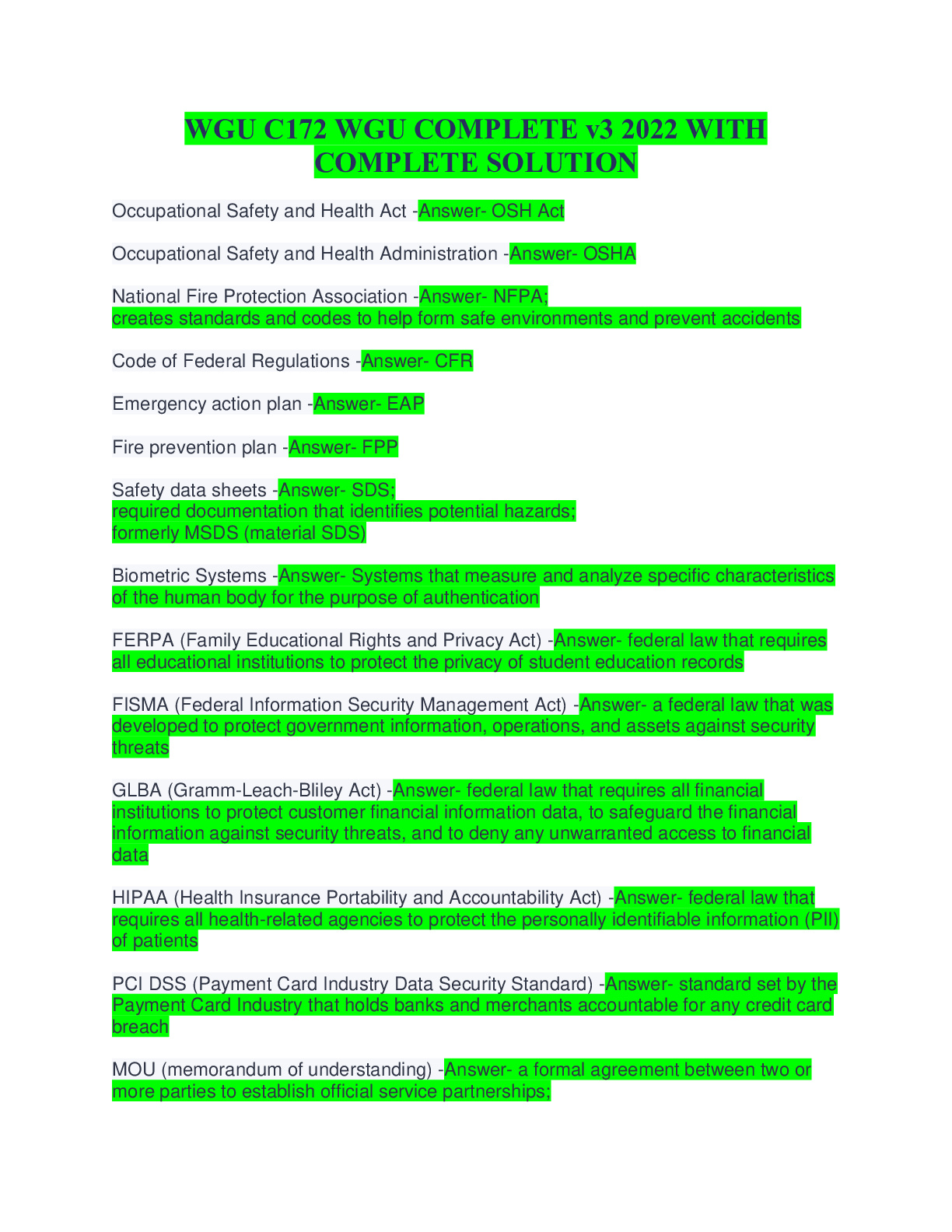
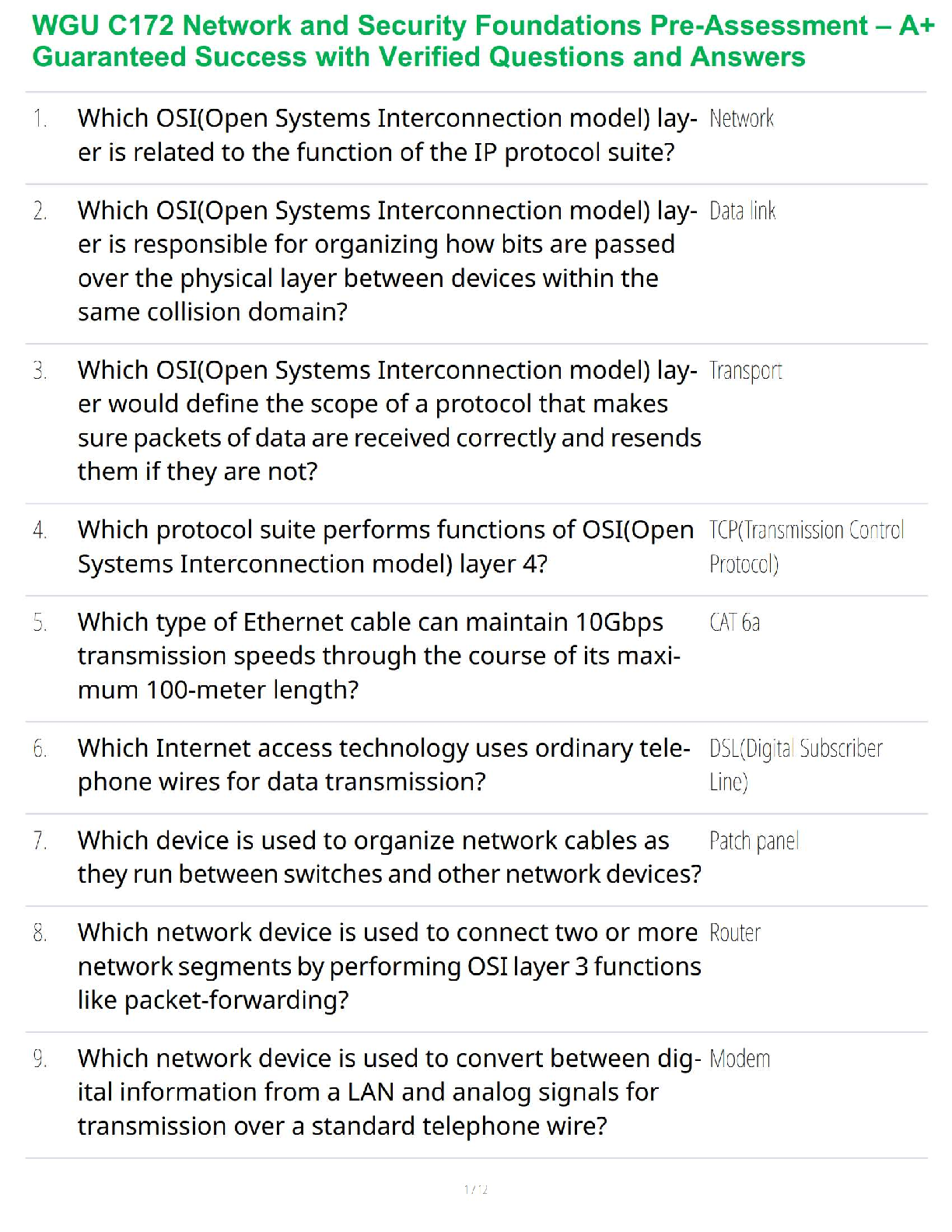
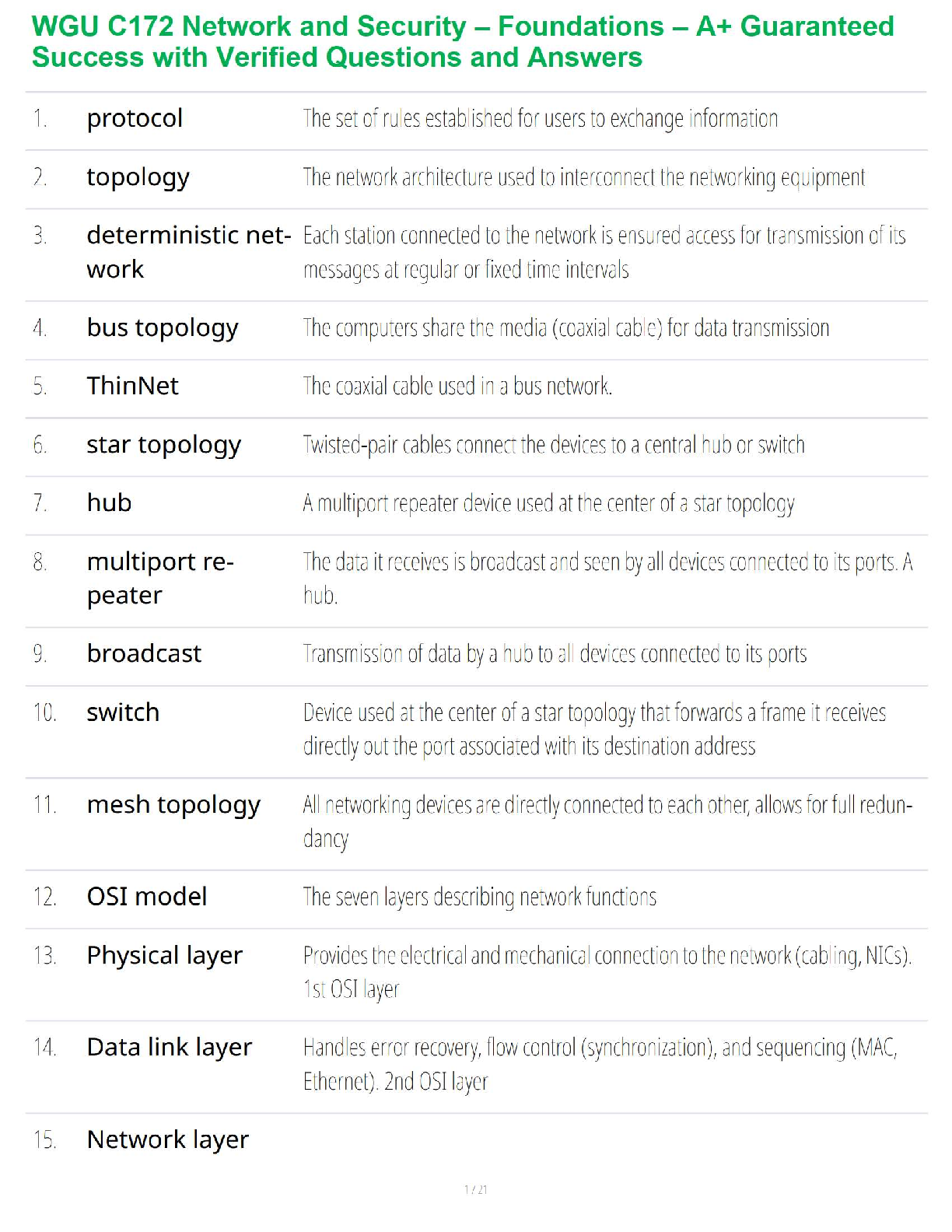
WGU C172 WGU COMPLETE v3 2022 WITH COMPLETE SOLUTION WGU C172 Pre-Assessment 2022 with complete solution UGBA C172 Final Exam 2022 with complete solution UGBA C172 Final Exam 2022 with comple...
By Excel 3 years ago
$14
6
Can't find what you want? Try our AI powered Search
Connected school, study & course
About the document
Uploaded On
Sep 26, 2022
Number of pages
27
Written in
All
This document has been written for:
Uploaded
Sep 26, 2022
Downloads
0
Views
149
Scholarfriends.com Online Platform by Browsegrades Inc. 651N South Broad St, Middletown DE. United States.
We're available through e-mail, Twitter, Facebook, and live chat.
FAQ
Questions? Leave a message!
Copyright © Scholarfriends · High quality services·