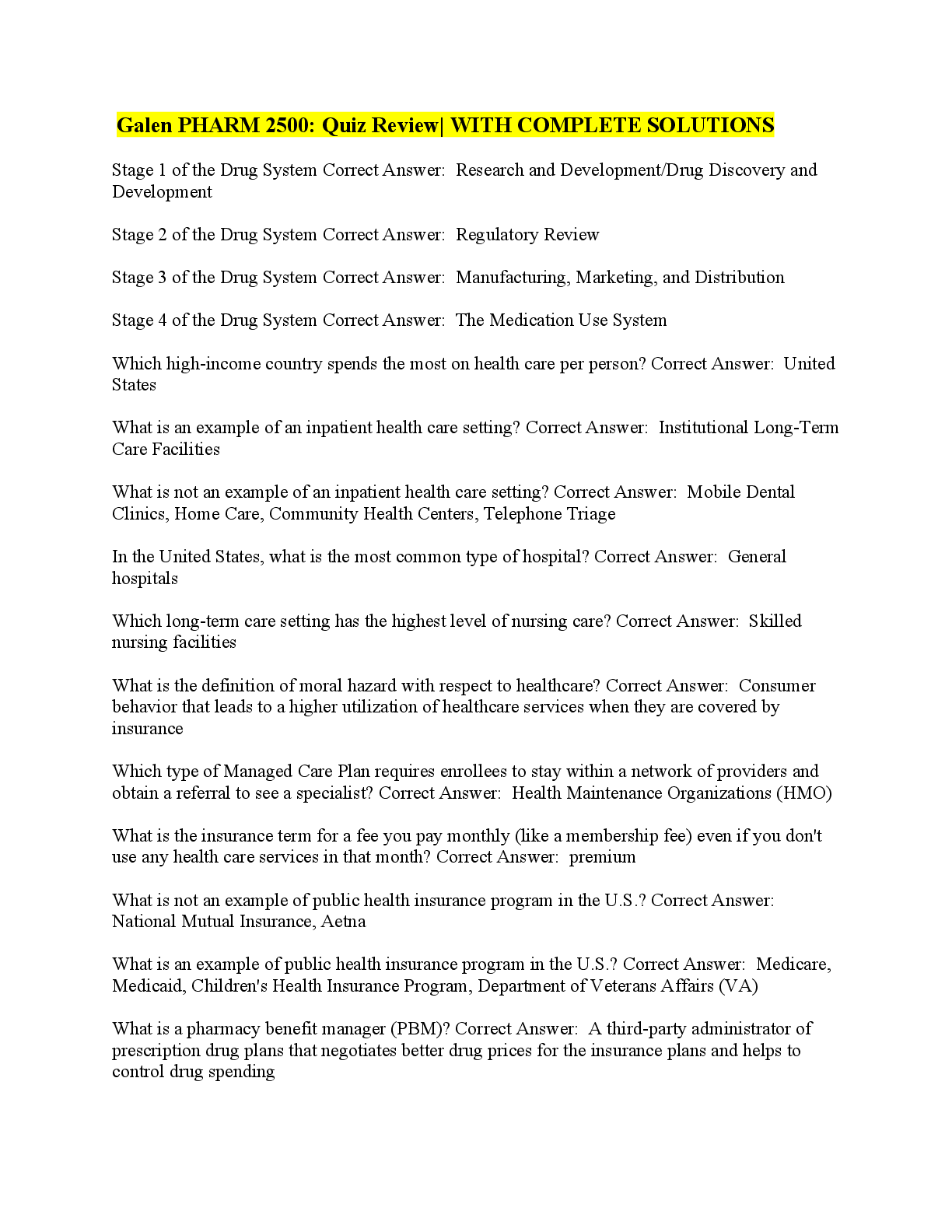
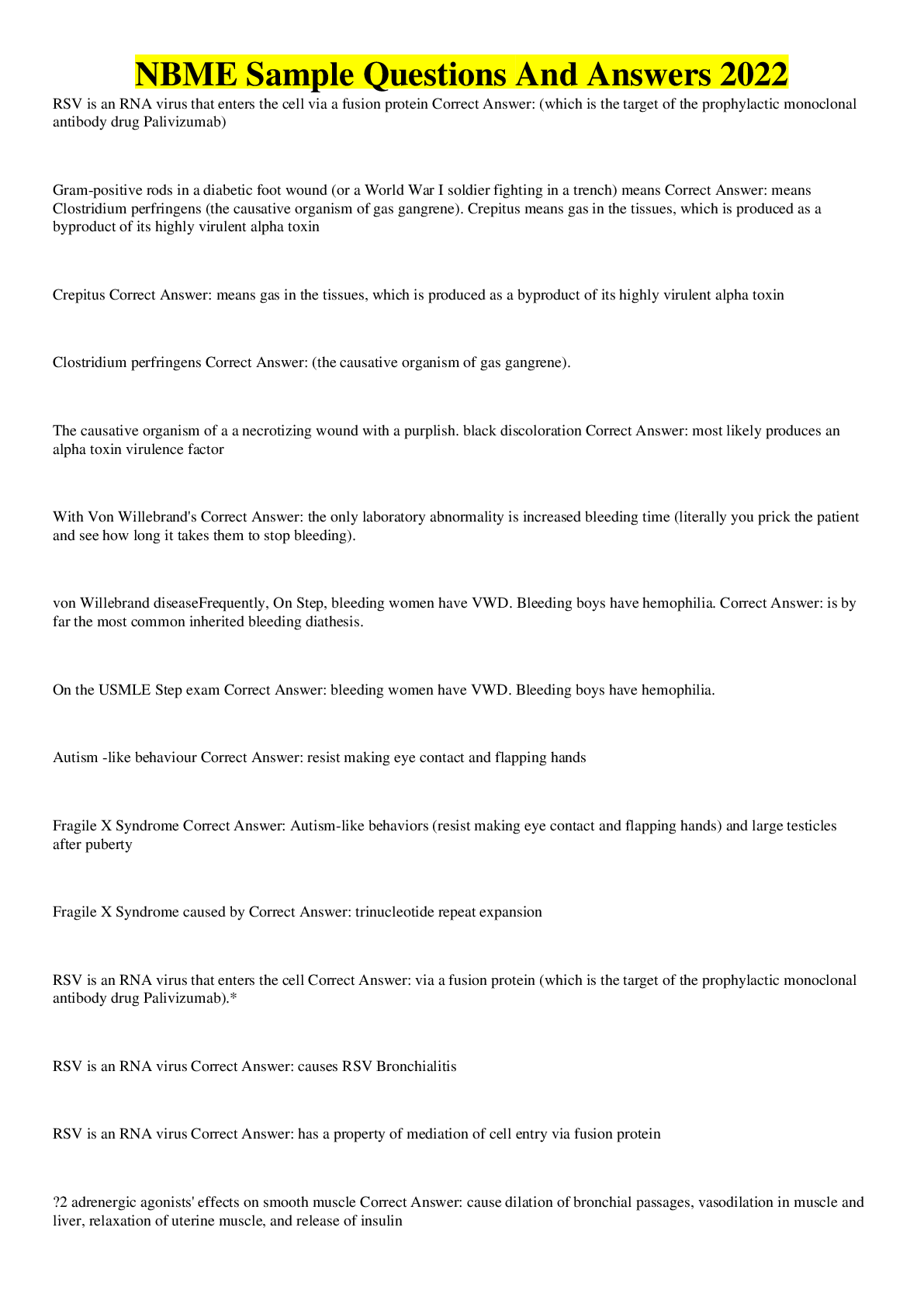
MGMT 200 Exam 3| 170 QUESTIONS (WITH ANSWERS)| Purdue University
Document Content and Description Below
Woodcrest, Inc. borrowed $50,000 from a local bank and signed a promissory note. What entry should Woodcrest record?
a) debit Cash, $50,000; credit Notes Receivable, $50,000
b) debit Notes Receivable, $50,000; credit
...
[Show More]
Last updated: 4 years ago
Preview 1 out of 26 pages
Instant download

Buy this Document to get the Full Access Instantly
Provided by Students Who Aced it
We Verify Document Content to Gurantee Accuracy
Reviews( 0 )
Document information
Connected school, study & course
About the document
Uploaded On
Sep 30, 2022
Number of pages
26
Written in
All

Additional information
This document has been written for:
Uploaded
Sep 30, 2022
Downloads
0
Views
115
Topic Tags
Recommended For You
Get more on EXAM »
$10
13 Pages
MGMT 200- Purdue University (Exam 1)| 120 QUESTIONS| WITH COMP...

$10
24 Pages
MGMT 200 (Purdue) Exam 1| 150 QUESTIONS| WITH COMPLETE SOLUTIO...

$10
26 Pages
MGMT 200 Exam 2 | 200 questions| with complete solution (Purdu...


$10
5 Pages
mgmt200 Week 5 Paper.docx MGMT200 Corporate Social Resp...

$10
4 Pages
mgmt200 Week 1 Paper.docx MGMT200 Ethical Values and Un...

$10.5
43 Pages
Midterm 1 Bergstrom MGMT 200 UW (2022/2023) (Verified Answers)

$7
11 Pages
MGMT 200 Business Law Practice Midterm 100% Correct Answers,...
$20
566 Pages
Pearson’s Federal Taxation 2023 Individuals, 36e Timothy Ruper...
$20
643 Pages
McGraw-Hill's Taxation of Business Entities 2023 Edition, 14e...
$22
374 Pages
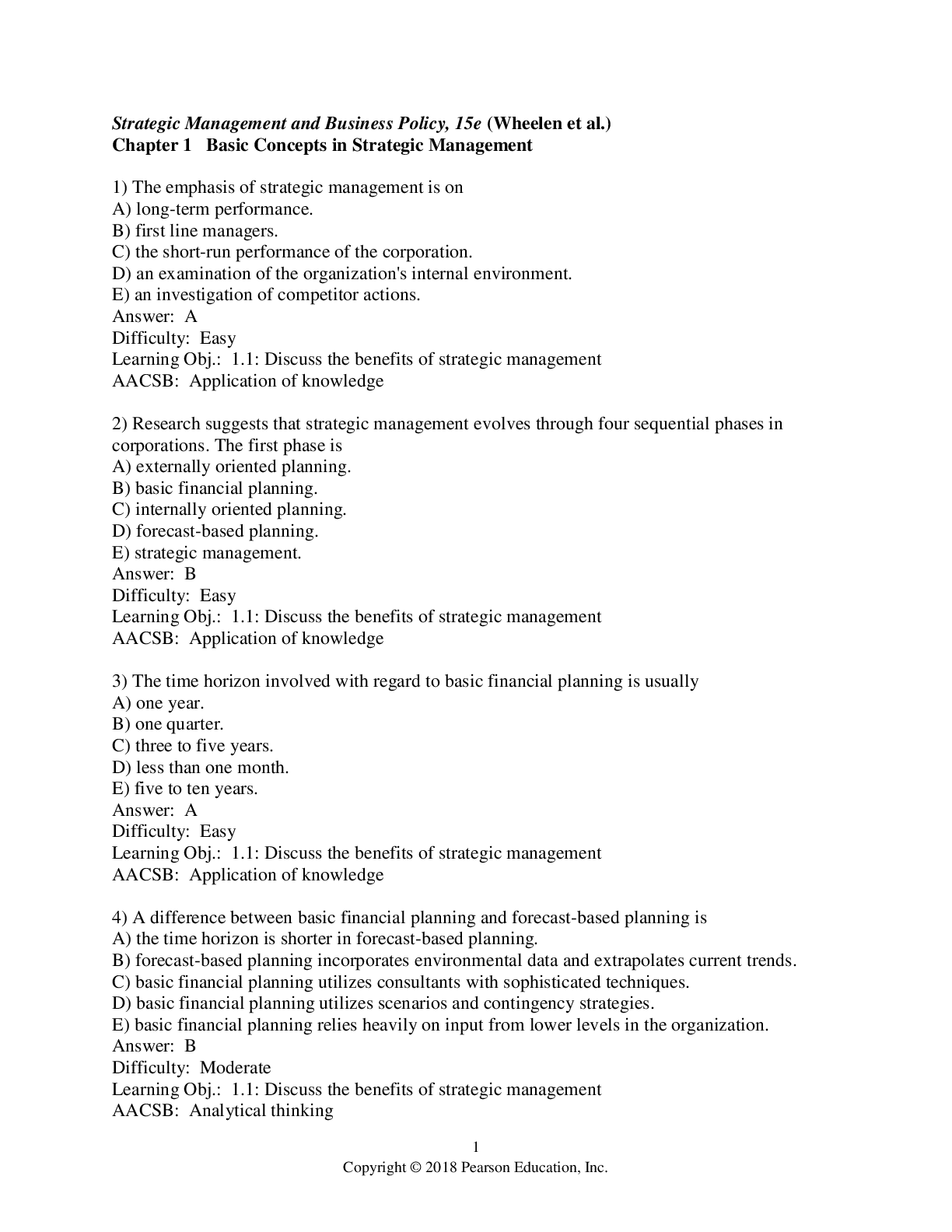
Concepts in Strategic Management and Business Policy Globaliza...

$32
2186 Pages
Business Law 17th Edition Langvardt Test Bank.Answers and chea...
$25
61 Pages
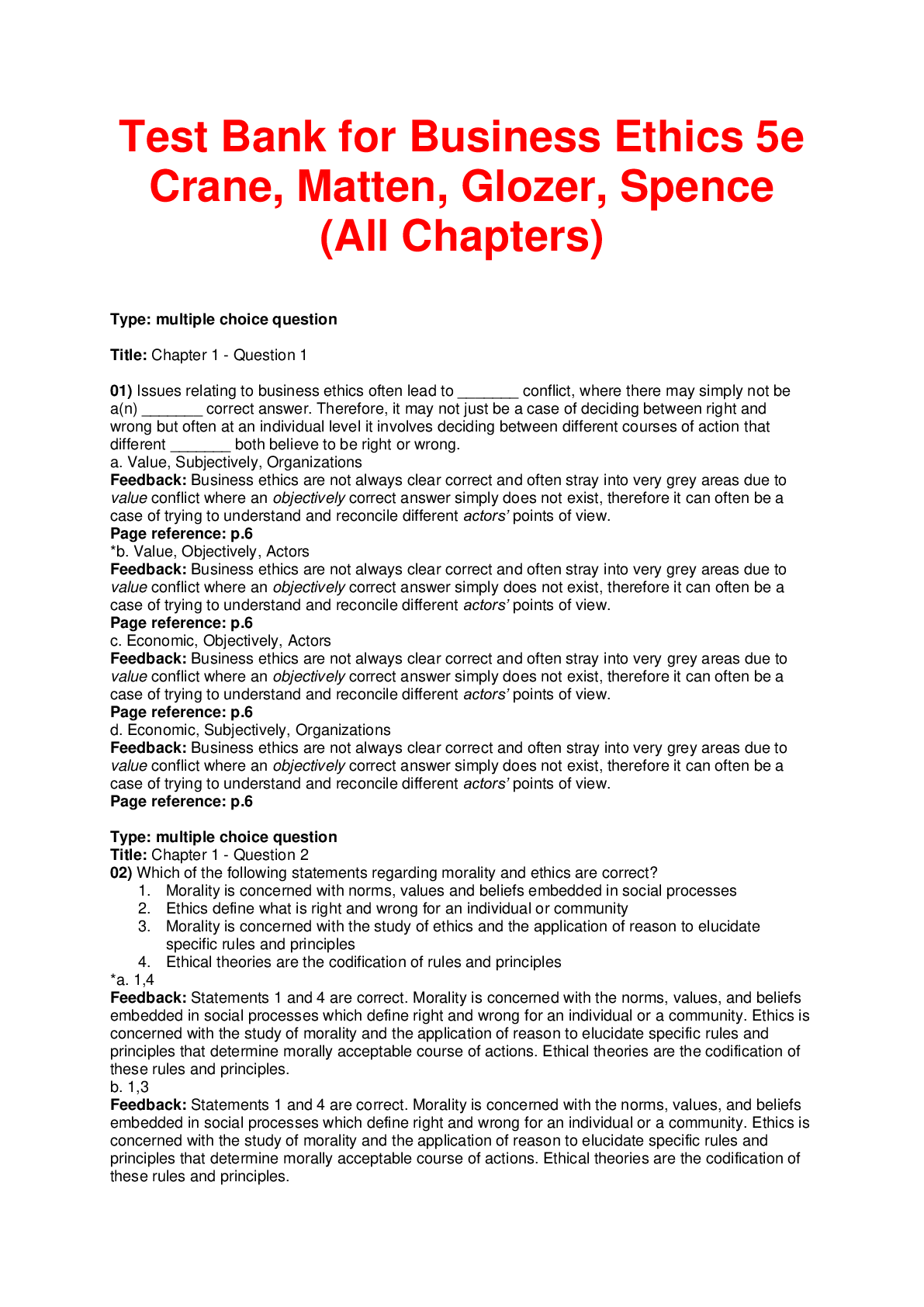
Business Ethics 5th Edition Crane, Matten, Glozer, Spence | Te...

$20
334 Pages
Test Bank for Business Analytics 3rd Edition Evans | All Chapt...

More related documents below