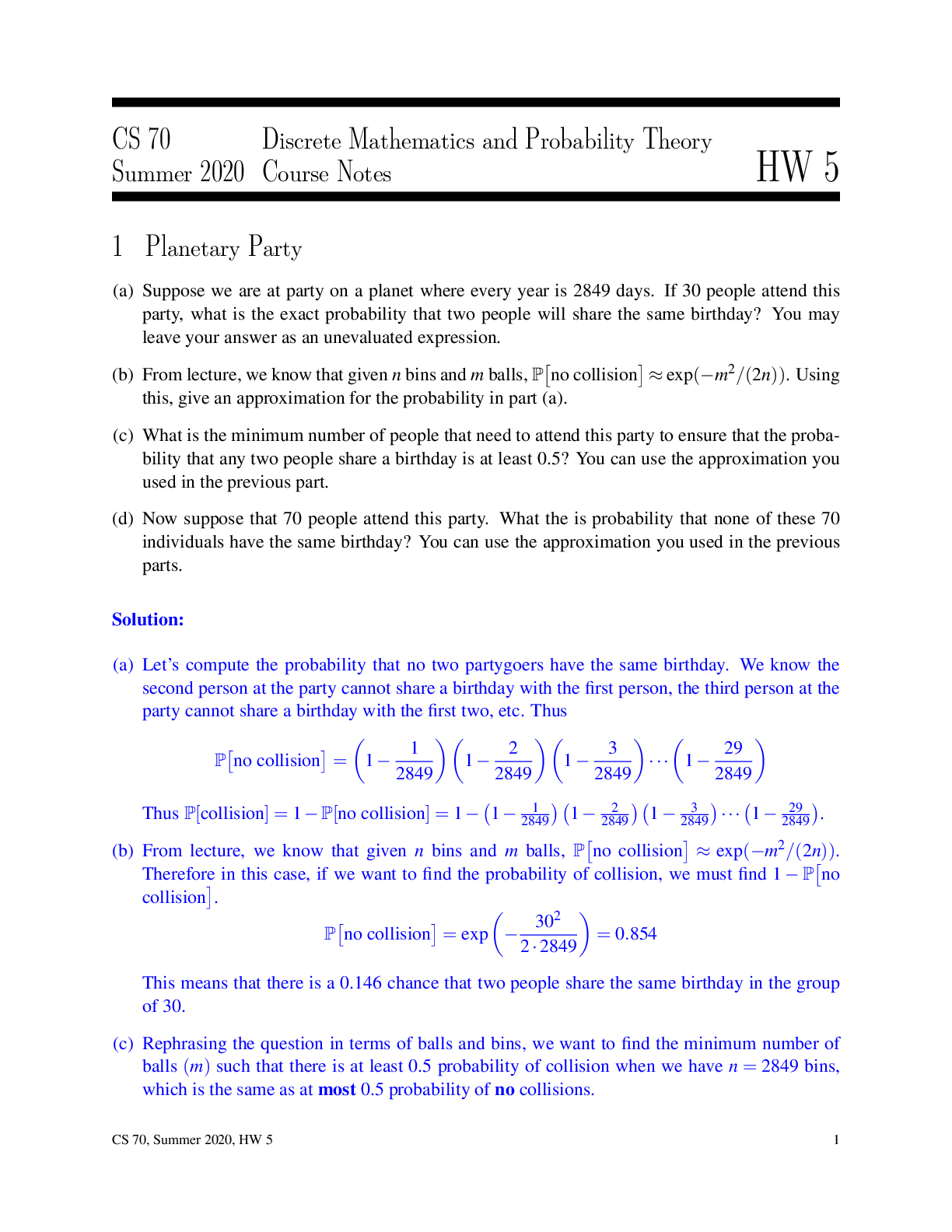
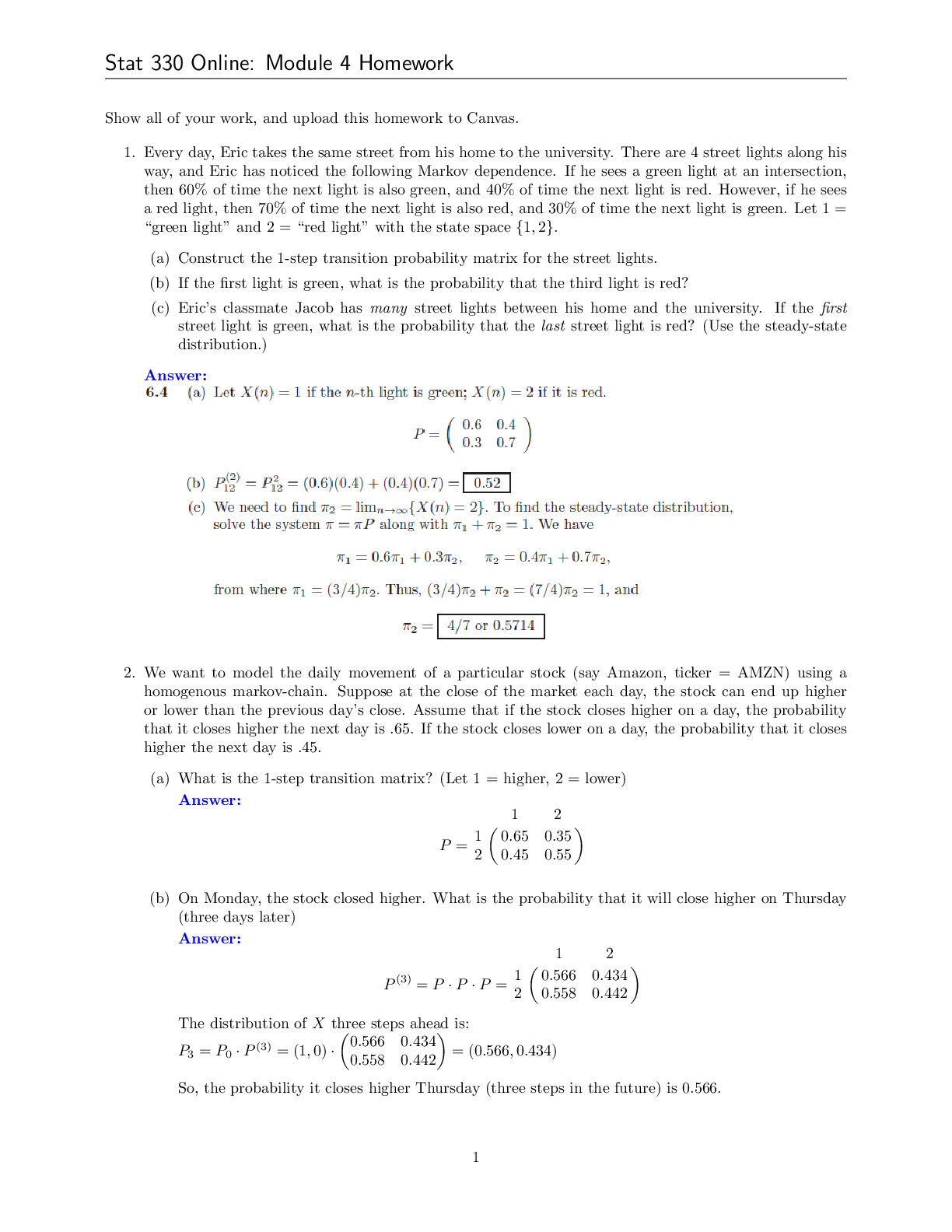
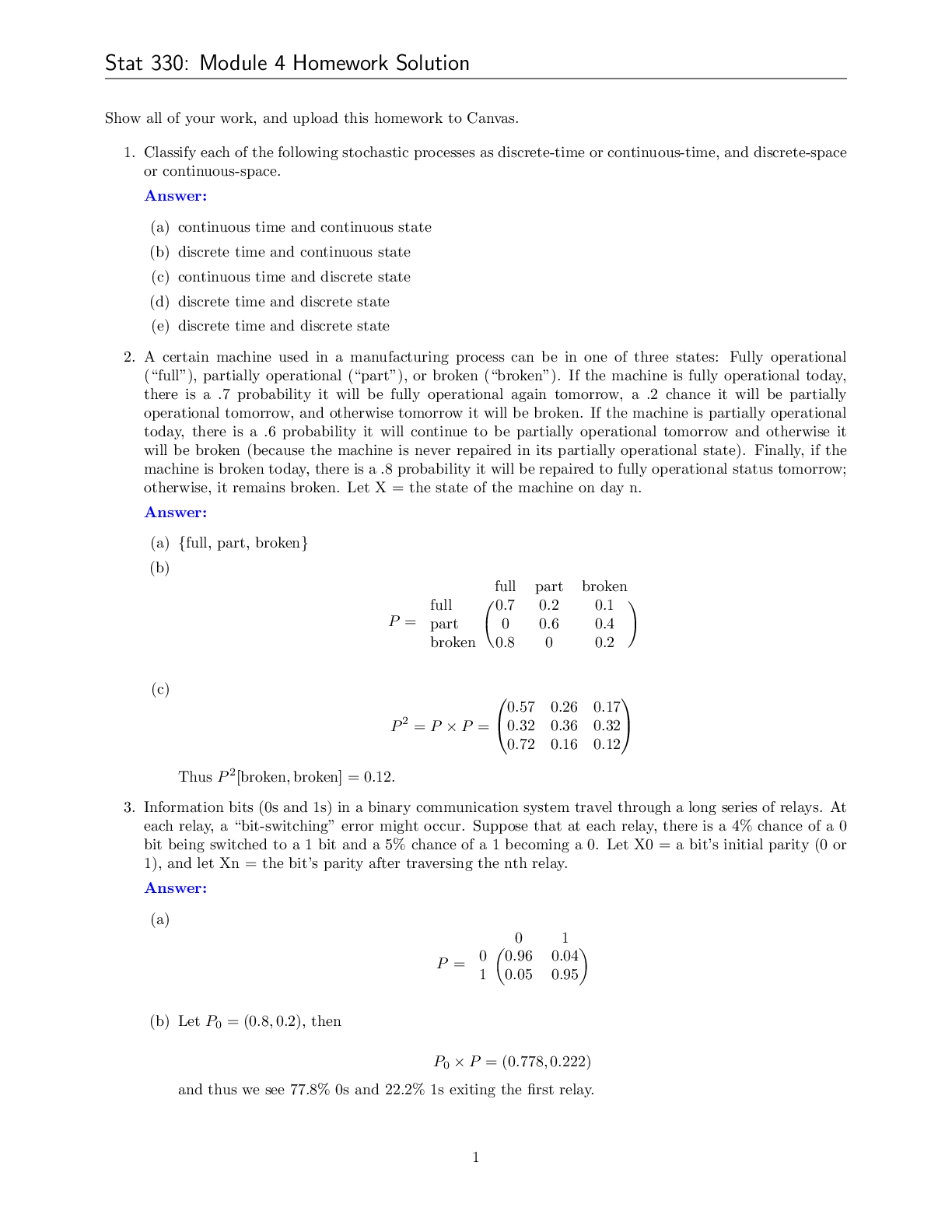
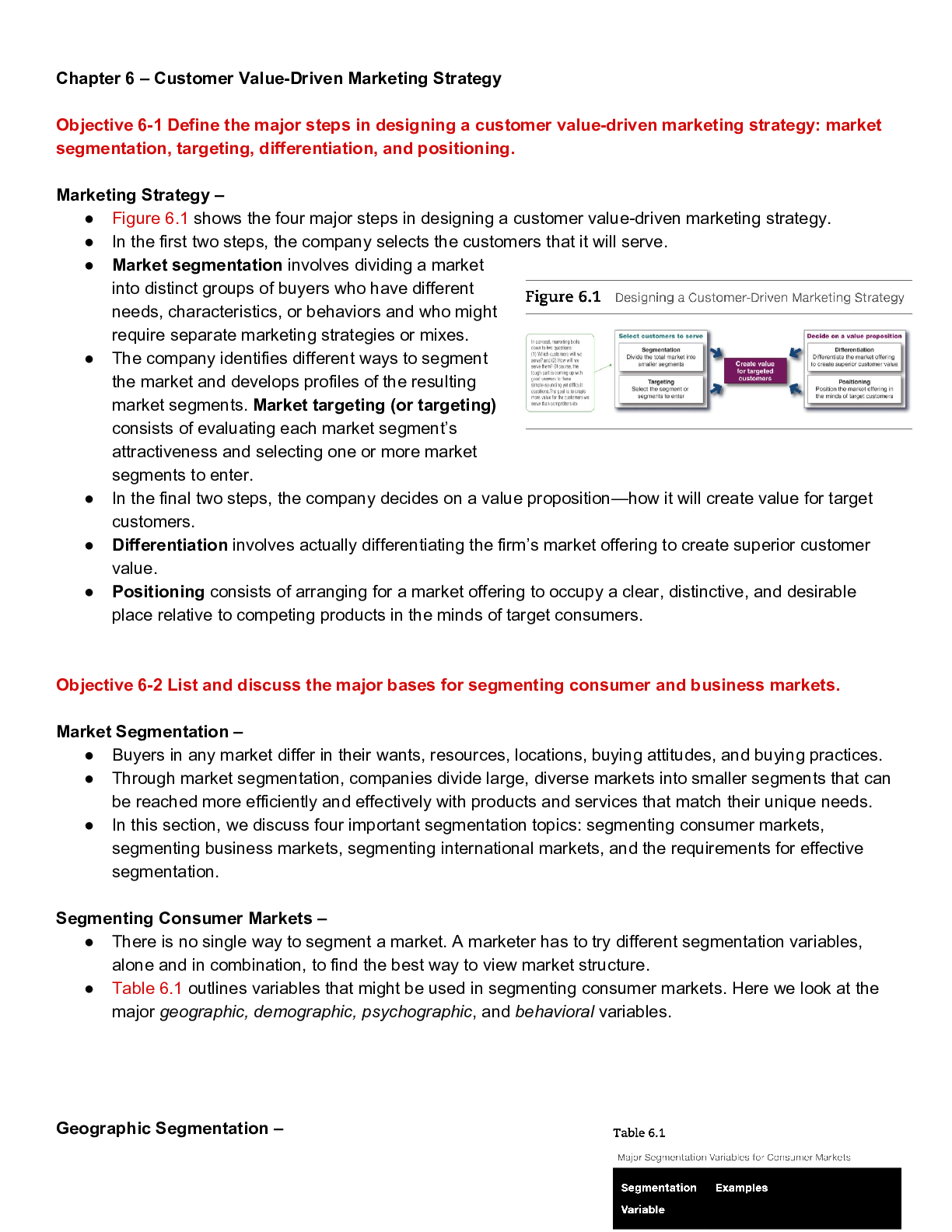
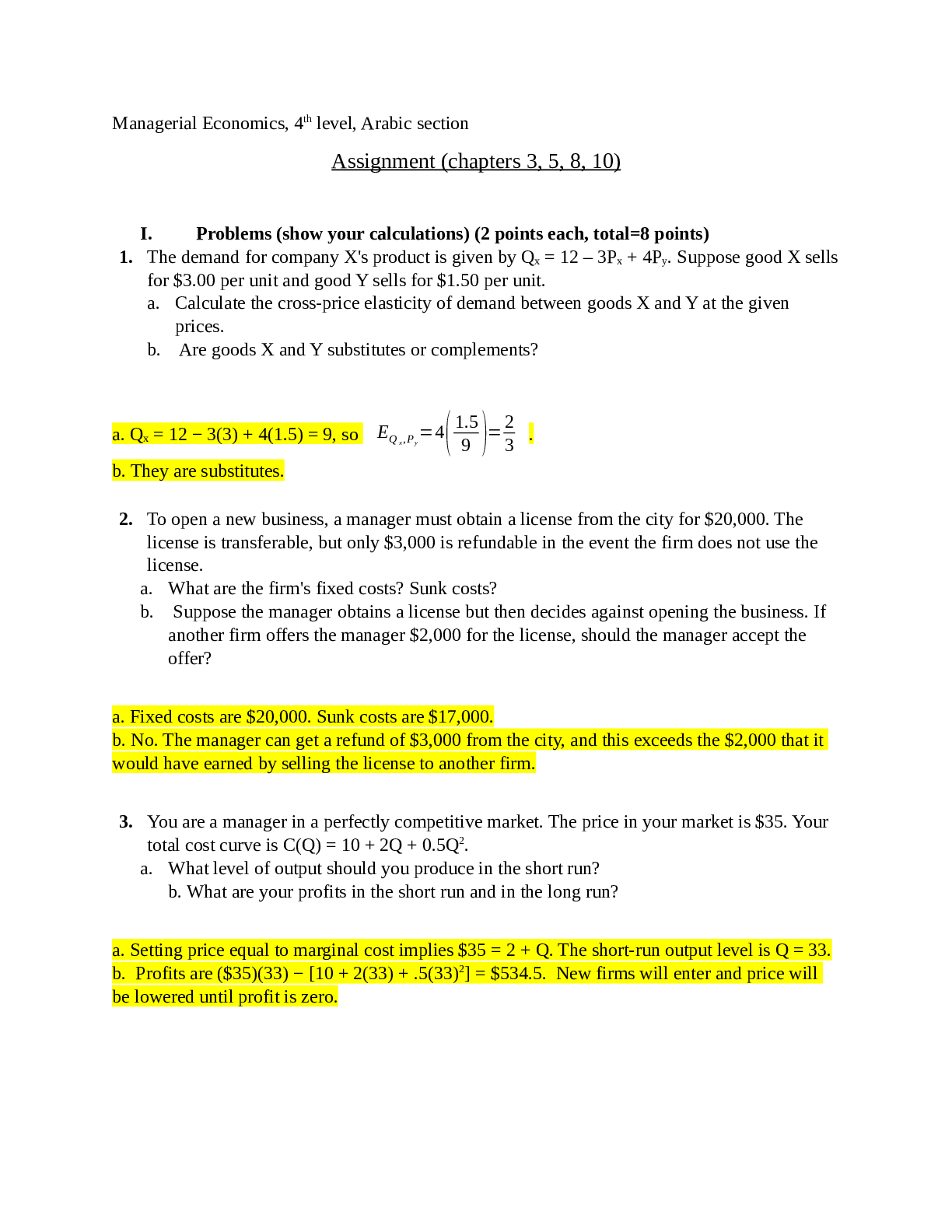
Managerial Economics > QUESTIONS & ANSWERS > Managerial Economics, 4th level, Arabic section Assignment (chapters 3, 5, 8, 10) | DOWNLOAD FOR QUA (All)
Managerial Economics, 4th level, Arabic section Assignment (chapters 3, 5, 8, 10) | DOWNLOAD FOR QUALITY SCORES
Document Content and Description Below
Last updated: 4 years ago
Preview 1 out of 11 pages
Instant download
Buy this Document to get the Full Access Instantly
Provided by Students Who Aced it
We Verify Document Content to Gurantee Accuracy
Also available in bundle (1)
Click Below to Access Bundle(s)

MANAGERIAL ECONOMICS
A bundle of solved and unsolved exam papers to help with your revision. Download for quality grades. Thank you.
By Wanjiku 4 years ago
$45
5
Reviews( 0 )
Document information
Connected school, study & course
About the document
Uploaded On
Oct 28, 2022
Number of pages
11
Written in
All

Additional information
This document has been written for:
Uploaded
Oct 28, 2022
Downloads
0
Views
205
Topic Tags
Recommended For You
Get more on QUESTIONS & ANSWERS »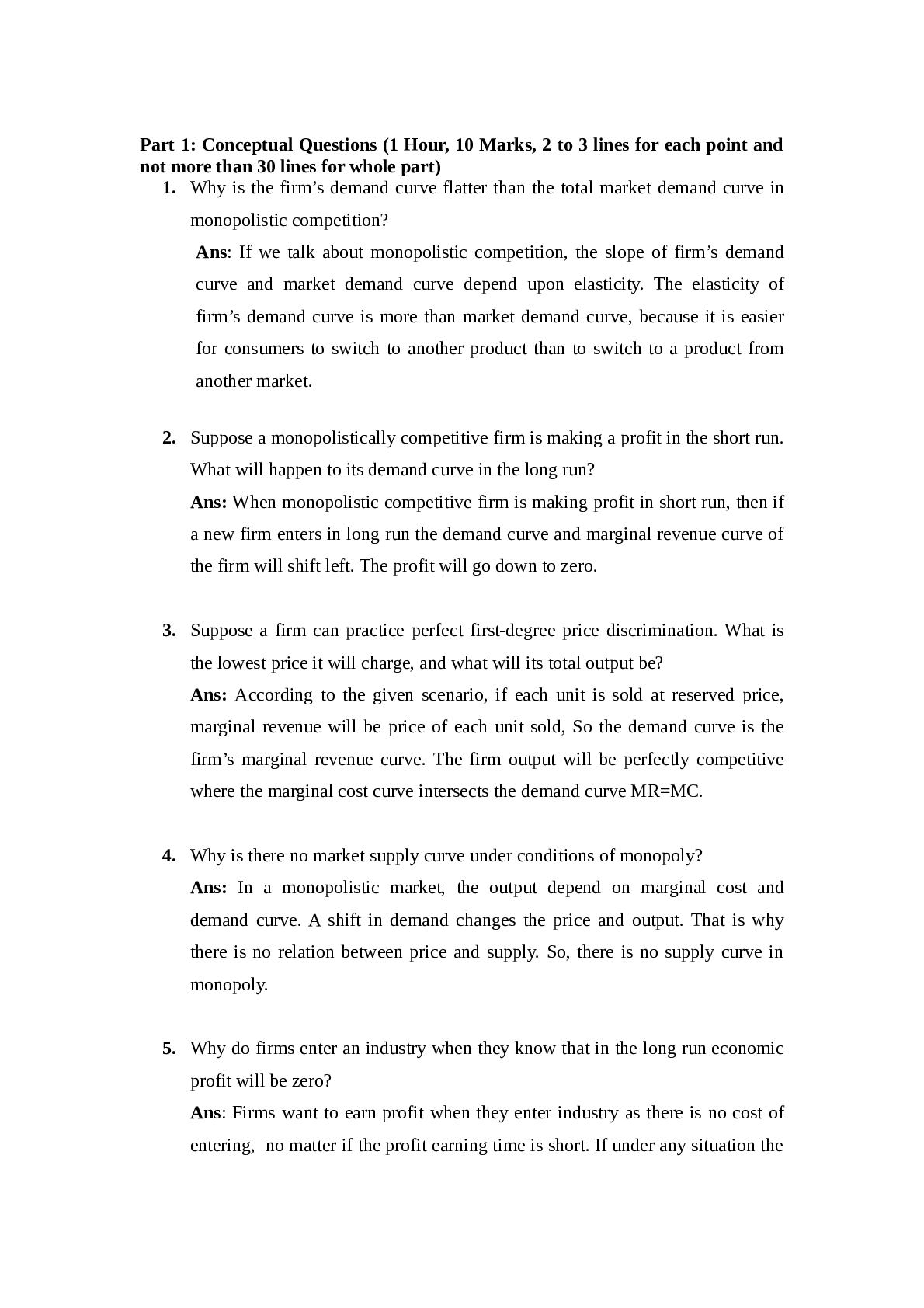
.png)
Managerial Economics Theory, Applications, and Cases 8e Bruce...

Managerial Economics Theory, Applications, and Cases 8e Bruce...

Solution Manual For Managerial Economics, 10th Edition William...
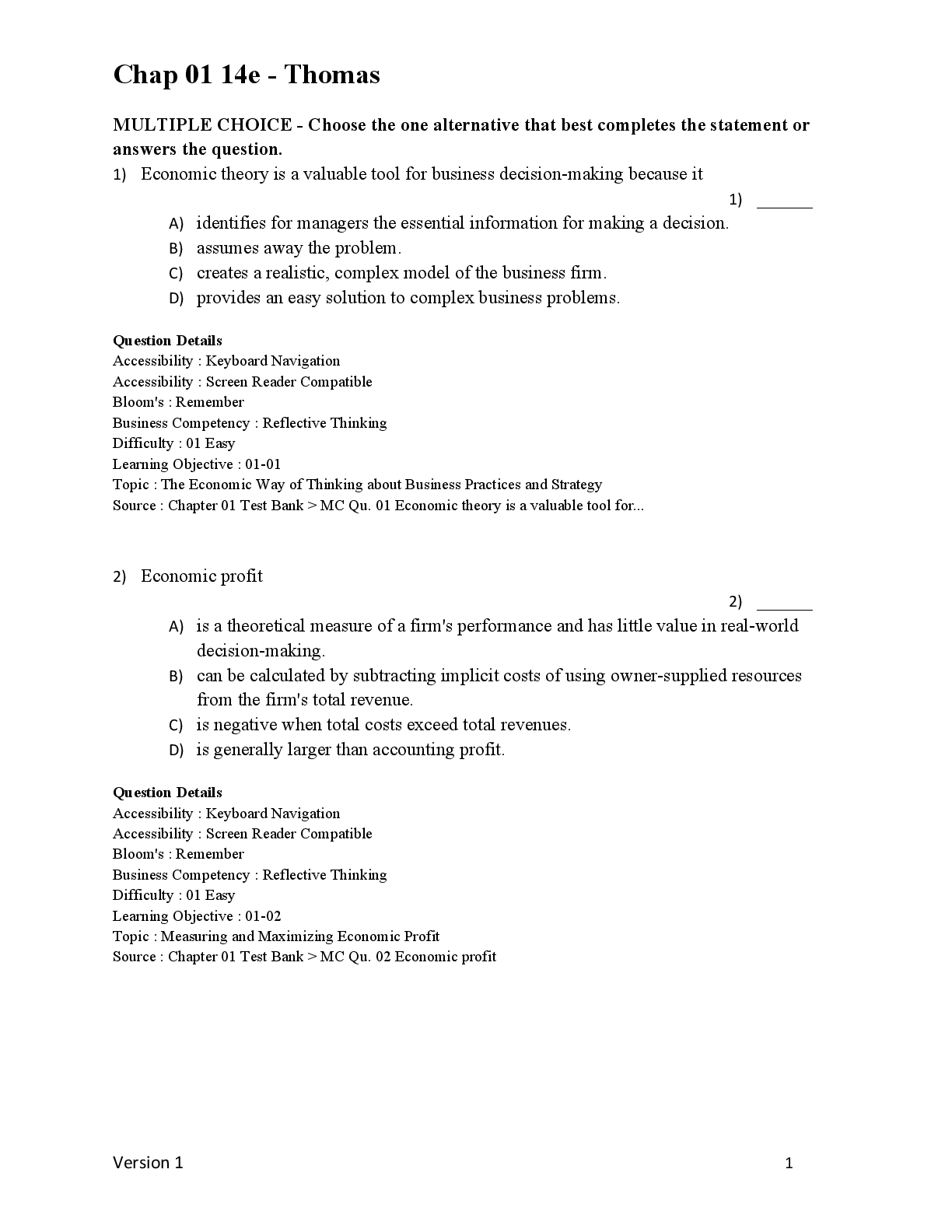
Test Bank for Managerial Economics: Foundations of Business An...
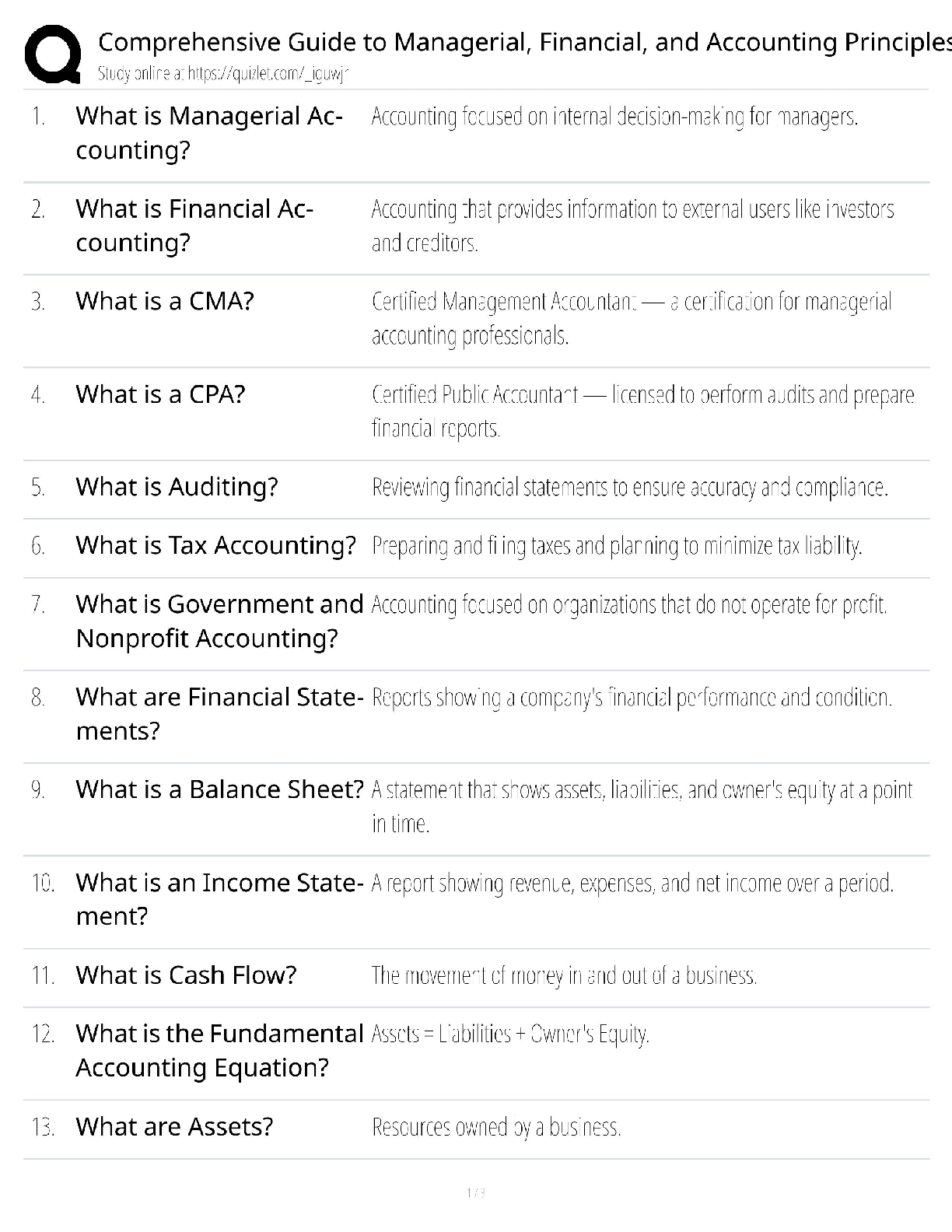
Managerial Financial & Accounting Principles / Score 100% / Ne...
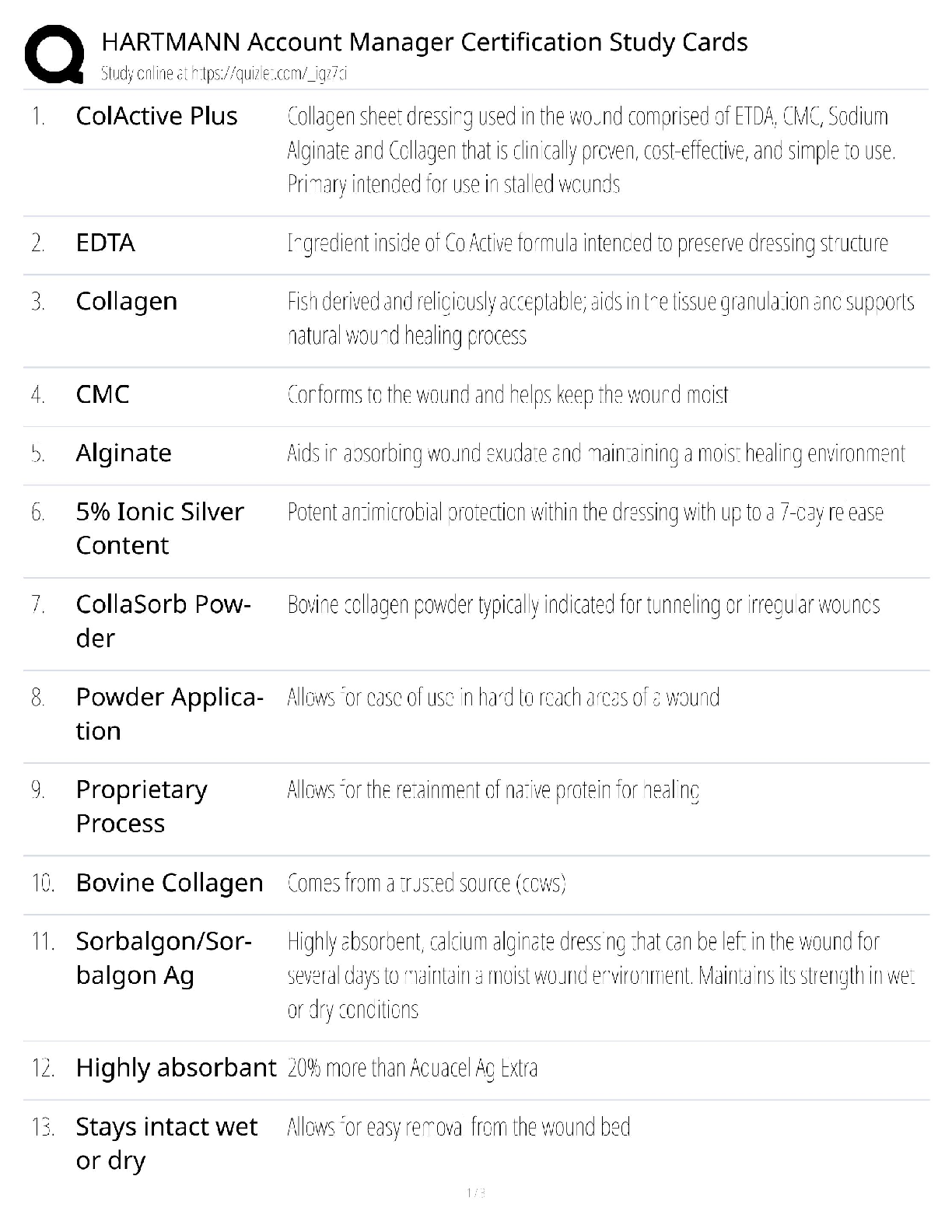
HARTMANN Account Manager Certification Study Cards / Score 100...

Managerial Economics Theory, Applications, and Cases 8th Editi...

Managerial Economics Exam by Dr. Kareem Moussa |DOWNLOAD QUAL...
Solutions Manual For Managerial Economics and Strategy 3rd Edi...

Test Bank For Managerial Economics and Strategy 3rd Edition By...

Managerial Accounting_Assignment Chapters 1 & 17 Questions and...

MBA 6140 MBA Managerial Economics (questions with 100% verifie...

CMGT 410 - Week 5 - Apply: Post-Test Spring 2022(100% Verified...
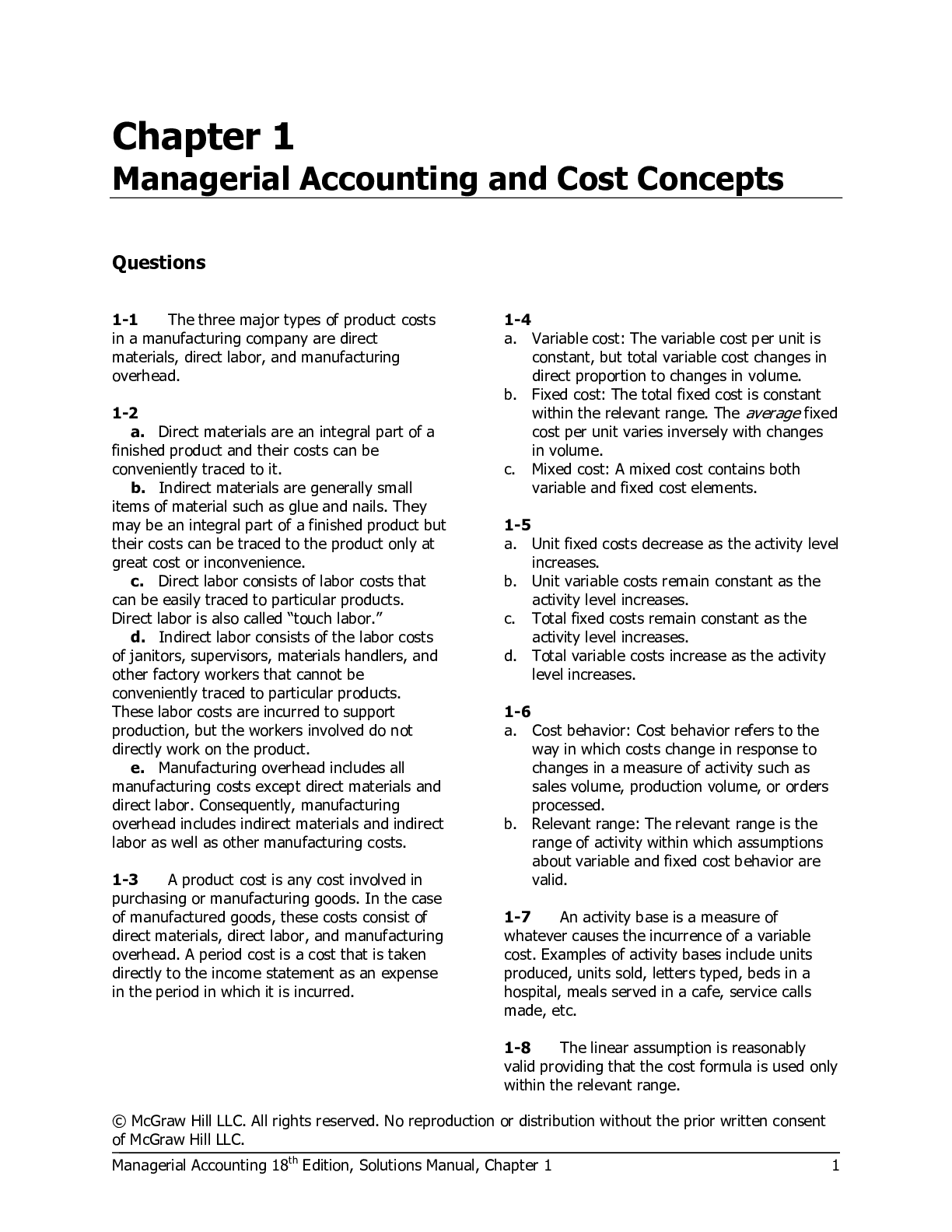
Managerial Accounting 18th Edition By Ray Garrison, Noreen and...
.png)
1. Question : (TCO A) The distinguishing feature of a corporat...

Solution Manual for Introduction to Managerial Accounting 7th...