Auditing > QUESTIONS & ANSWERS > Semester: 172 (4th Level)Course Title: Auditing Assignment # 1 | Download for quality grades | (All)
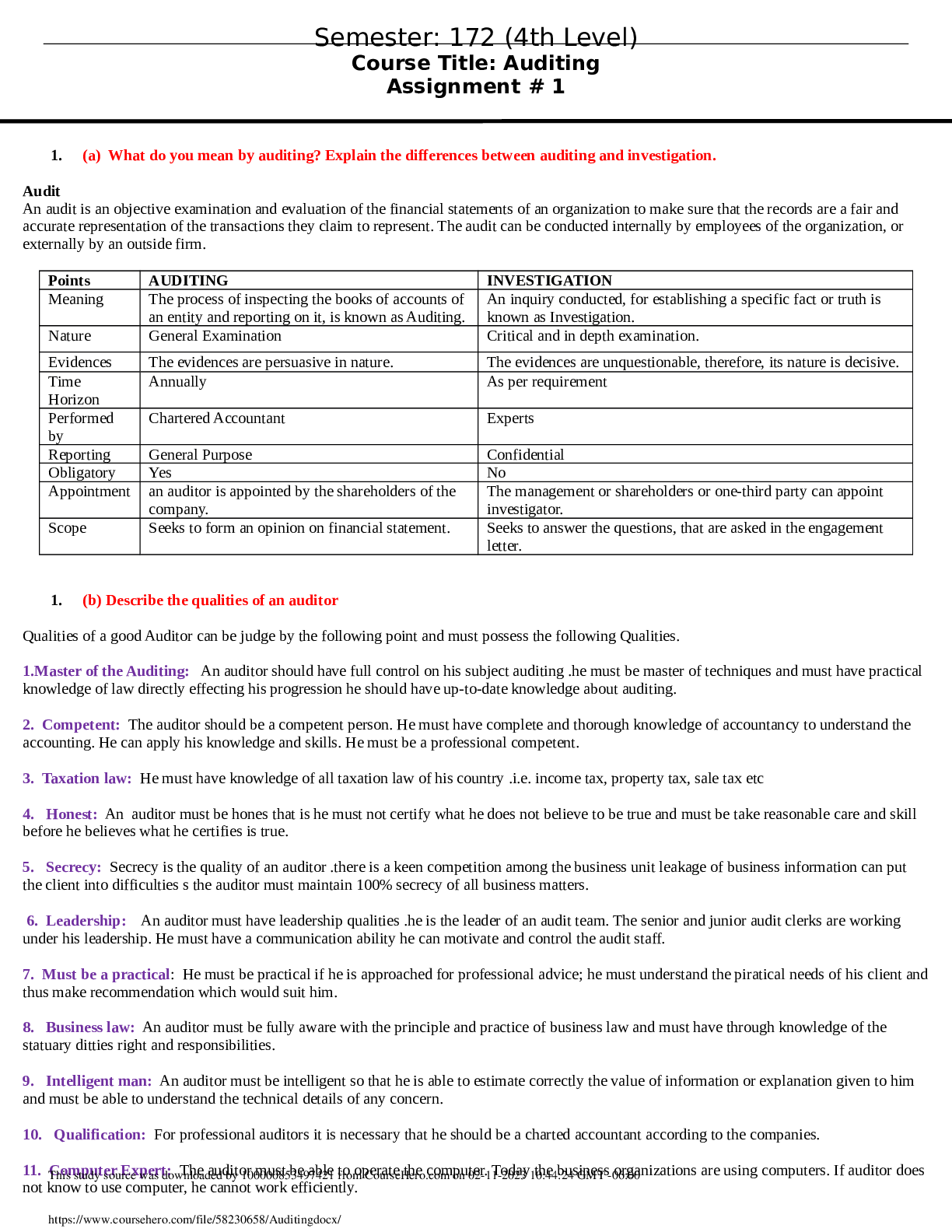
Semester: 172 (4th Level)Course Title: Auditing Assignment # 1 | Download for quality grades |
Document Content and Description Below
Last updated: 3 years ago
Preview 1 out of 3 pages
Instant download
Buy this Document to get the Full Access Instantly
Provided by Students Who Aced it
We Verify Document Content to Gurantee Accuracy
Reviews( 0 )
Document information
Connected school, study & course
About the document
Uploaded On
Feb 11, 2023
Number of pages
3
Written in
All

Additional information
This document has been written for:
Uploaded
Feb 11, 2023
Downloads
0
Views
187
Topic Tags
Recommended For You
Get more on QUESTIONS & ANSWERS »
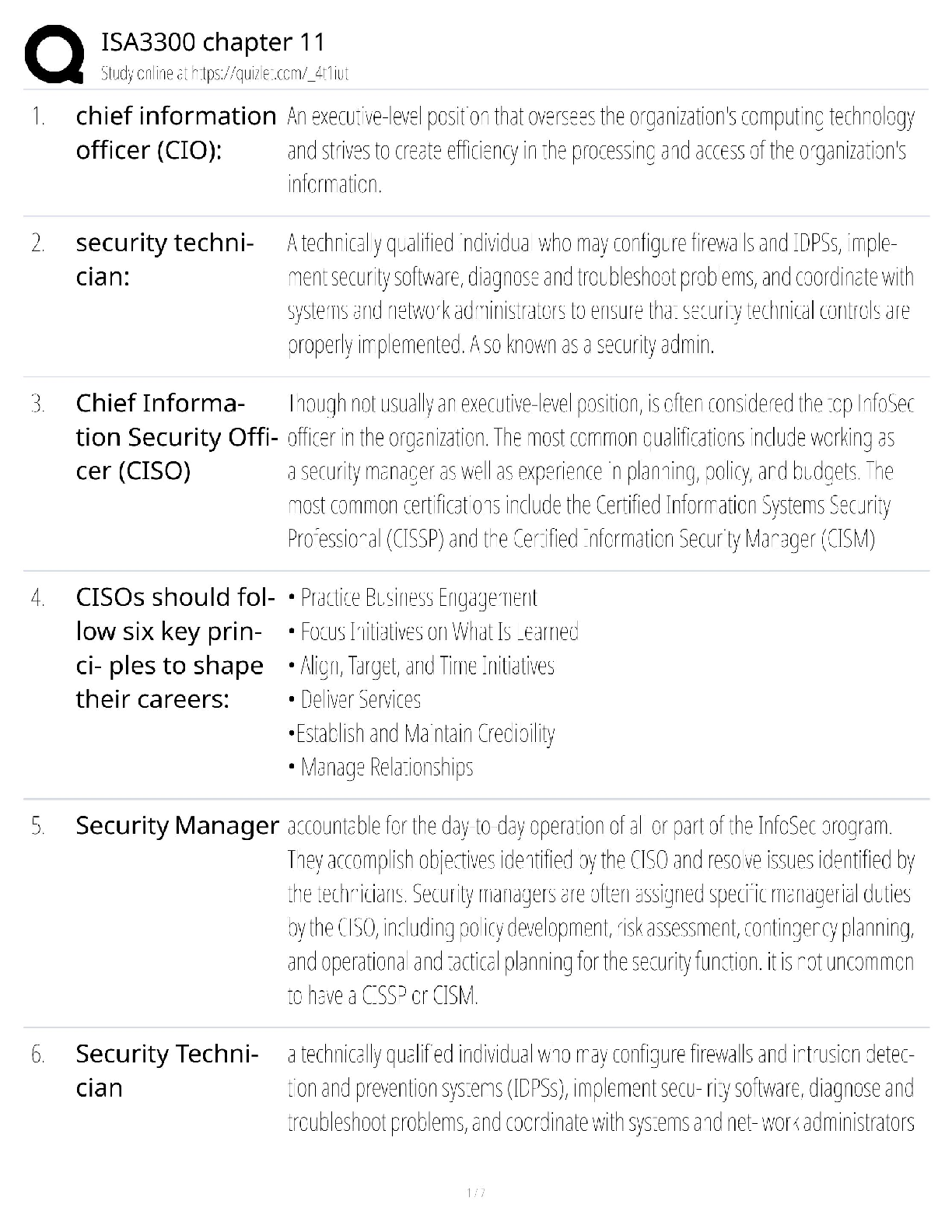
ISA 3300 Chapter 11 / Study Guide & Test Bank / Score 100% / 2...
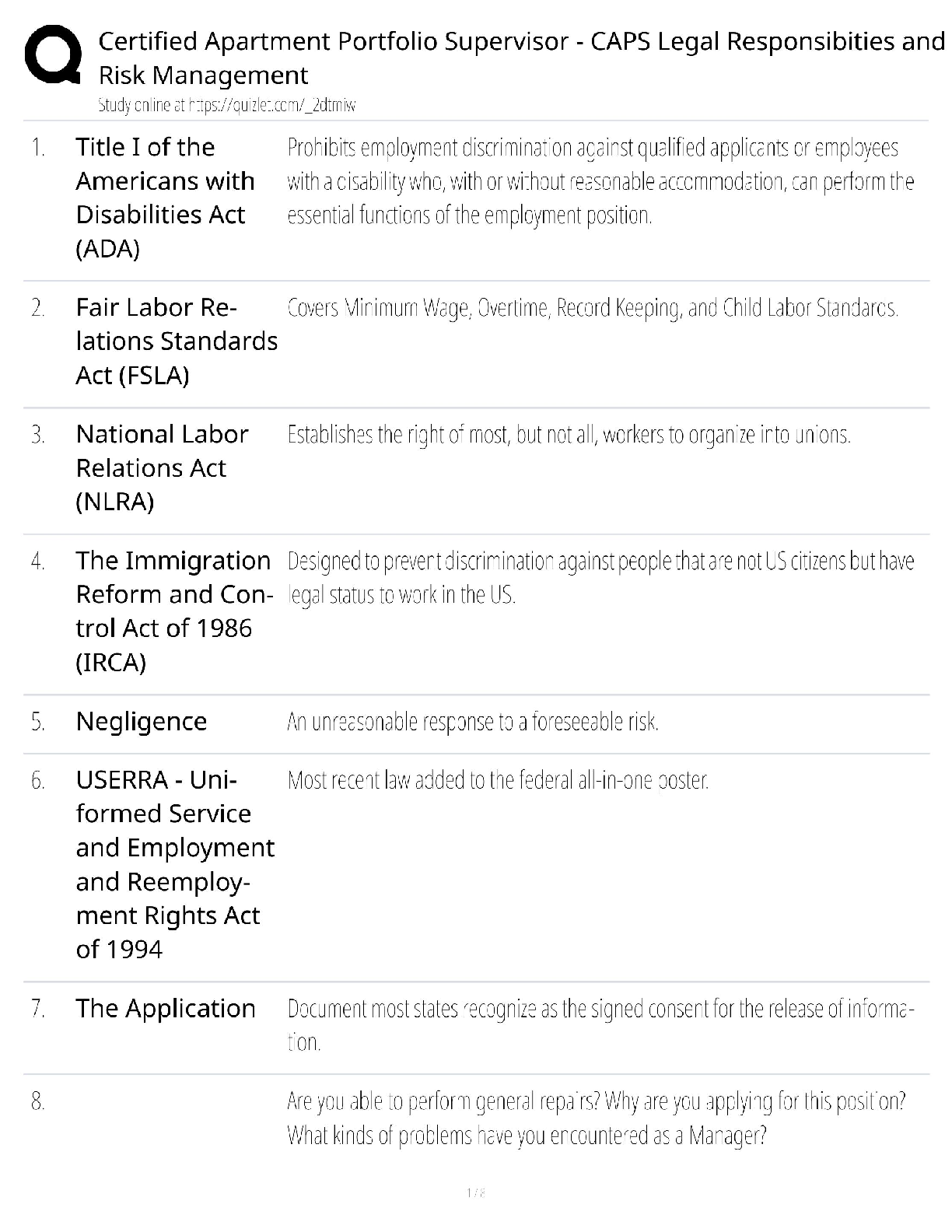
CPB Certification Chapter 2 / Score 100% / New 2025 Update / C...

Auditing A Risk-Based Approach to Conducting a Quality Audit,...

Solution Manual for Principles of Auditing & Other Assurance S...
.png)
Cloud 9 Ltd II An Audit Case Study, 1st Canadian Edition, 1e...

Auditing & Assurance Services, 9e Louwers, Bagley, Blay, Straw...

Auditing and Assurance Services 18th Edition By Alvin Arens, R...
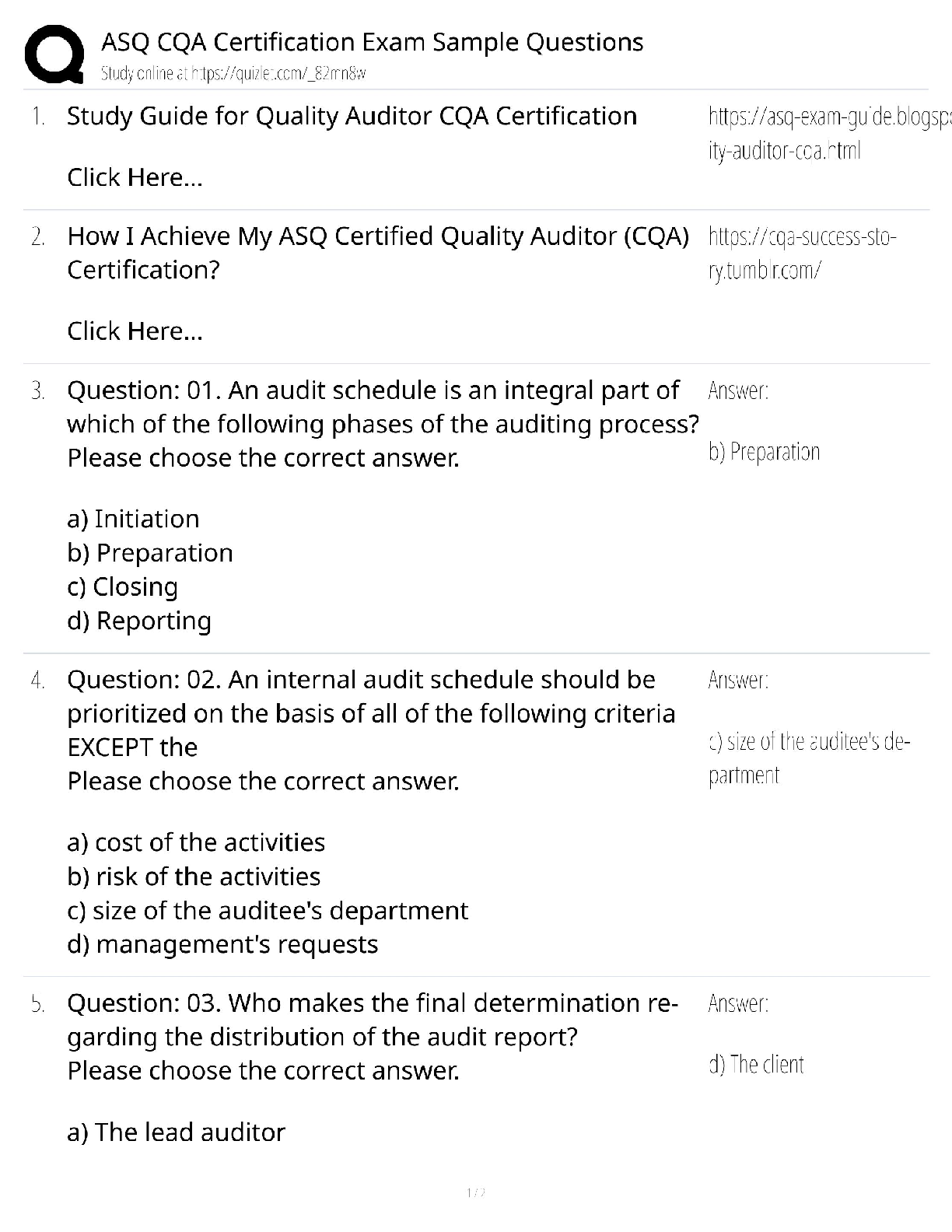
ASQ CQA Certification Exam / Score 100% / 2025 Official Practi...
SOLUTIONS MANUAL for Auditing: The Art and Science of Assuranc...
SOLUTIONS MANUAL for Auditing & Assurance Services 9th Editio...
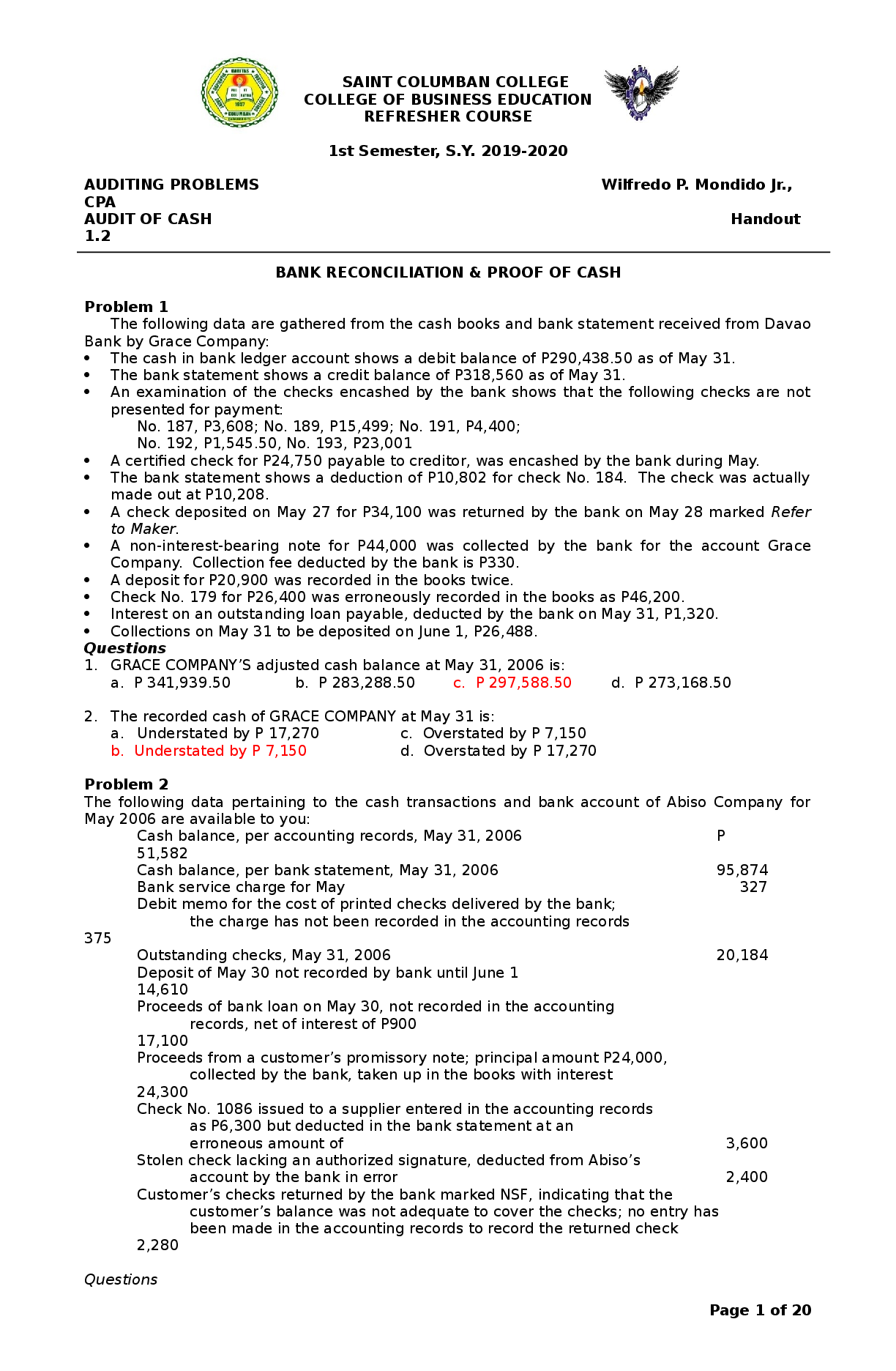
BANK RECONCILIATION & PROOF OF CASH - AUDITING PROBLEMS CPA; A...
AUDIT AND ASSURANCE- Electronic Question Bank From Exam 1 to E...


![Preview of Problem 06: Getting a Date in the American Southwest (Using Dendrochronology): [18FA]](https://browseimages.nyc3.digitaloceanspaces.com/paper-images/2023/Apr/03/xdPF5U4X2023-04-03-11-40642a90e71aae8.png)

