NURSING > QUESTIONS & ANSWERS > RRT TMC Exam 160 QUESTIONS WITH COMPLETE SOLUTIONS (All)
RRT TMC Exam 160 QUESTIONS WITH COMPLETE SOLUTIONS
Document Content and Description Below
Last updated: 3 years ago
Preview 1 out of 16 pages
Instant download

Buy this Document to get the Full Access Instantly
Provided by Students Who Aced it
We Verify Document Content to Gurantee Accuracy
Also available in bundle (1)
Click Below to Access Bundle(s)

TMC Exam FULL SOLUTION PACK(ALL TMC Exams AND STUDY QUESTIONS ARE HERE ,ALL ANSWERED CORRECTLY)
TMC Exam A Questions with Correct Answers NBRC Mock TMC Exam Review Questions with Correct Answers Kettering TMC practice exam 100 Questions with Complete Solutions (iii) TMC E 90 QUESTIONS W...
By Alphascore 3 years ago
$16
10
Reviews( 0 )
Document information
Connected school, study & course
About the document
Uploaded On
Oct 31, 2022
Number of pages
16
Written in
All

Additional information
This document has been written for:
Uploaded
Oct 31, 2022
Downloads
0
Views
216
Topic Tags
Recommended For You
Get more on QUESTIONS & ANSWERS »
2020/2021 RN EXIT V2 EXAM 160 C0RRECTLY ANSWERED QUESTIONS

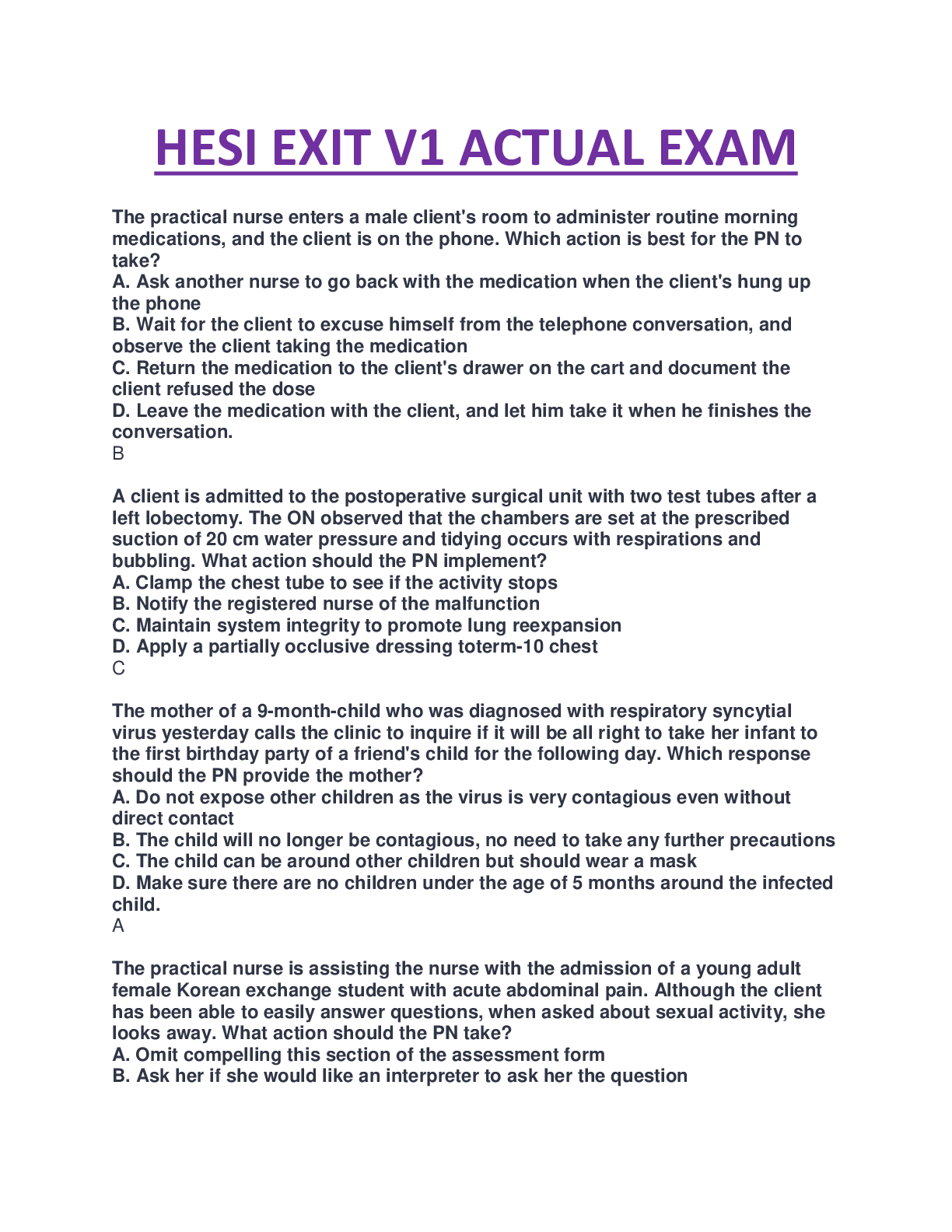
2020/2021 HESI EXIT V1 EXAM 160 C0RRECTLY ANSWERED QUESTIONS
![Preview of [eBook] [PDF] Clinical Nursing Calculations 3rd Edition By Susan Sienkiewicz, Sandra Meg](https://browseimages.nyc3.digitaloceanspaces.com/paper-images/2025/Jul/04/4jF14r9I2025-07-04-05-586867ec3011731.png)
[eBook] [PDF] Clinical Nursing Calculations 3rd Edition By S...
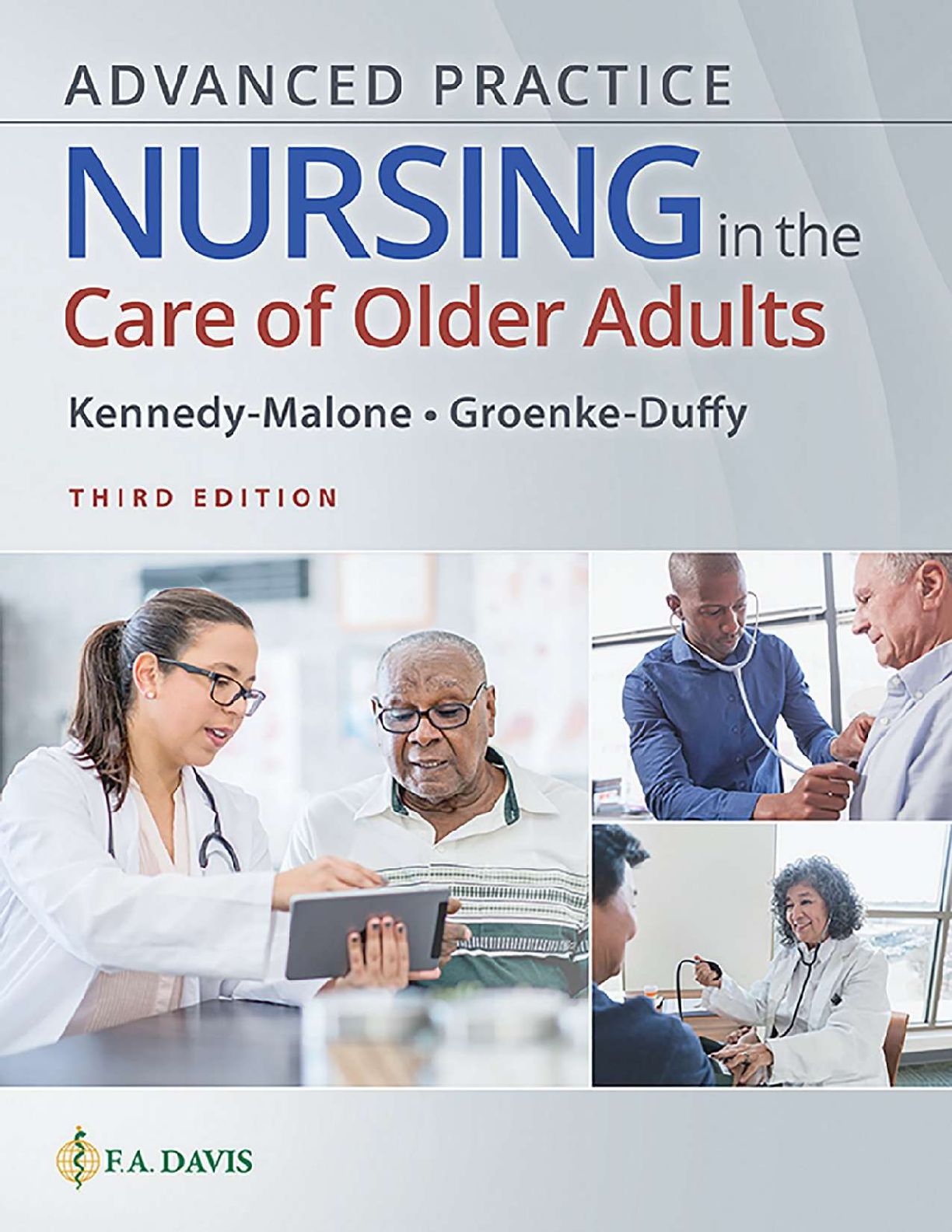
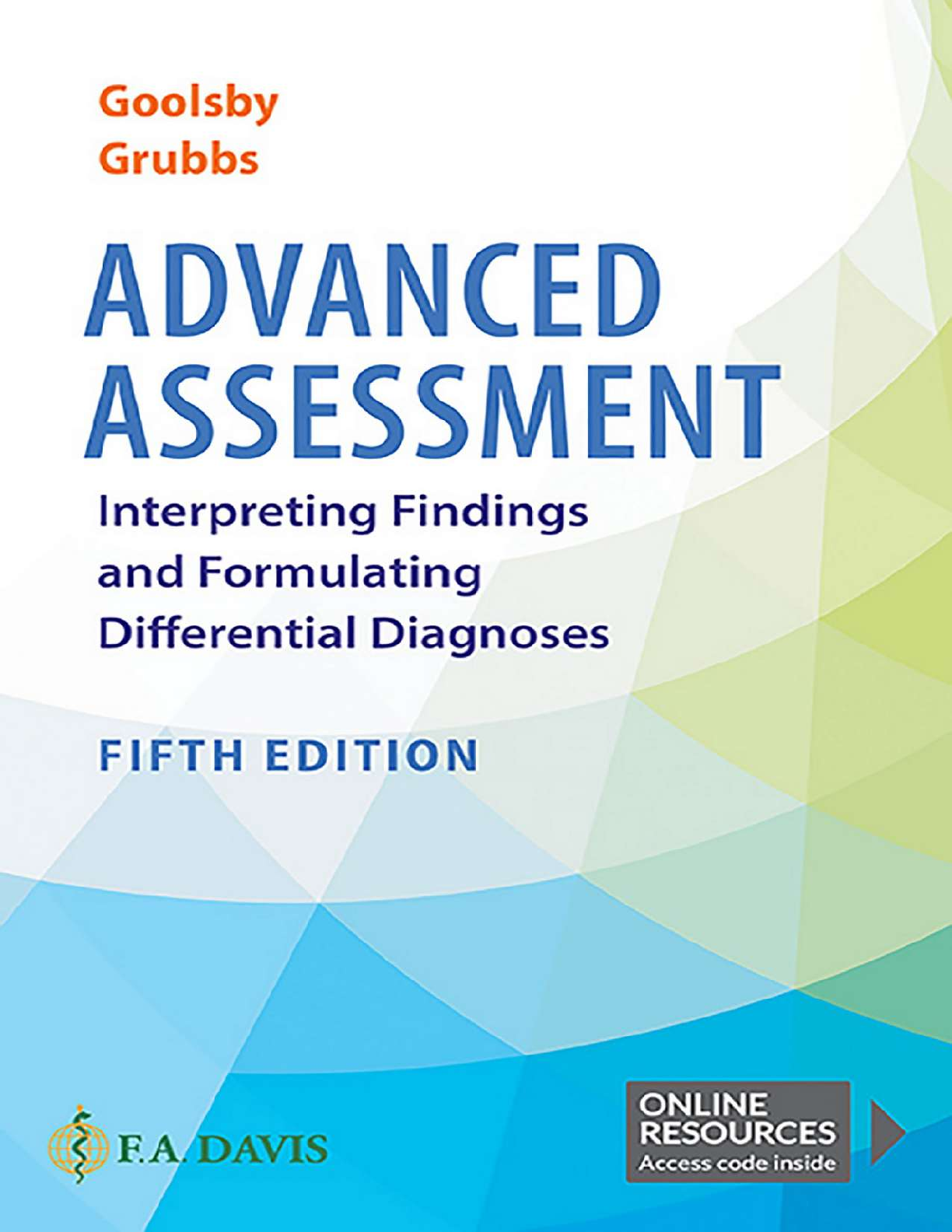
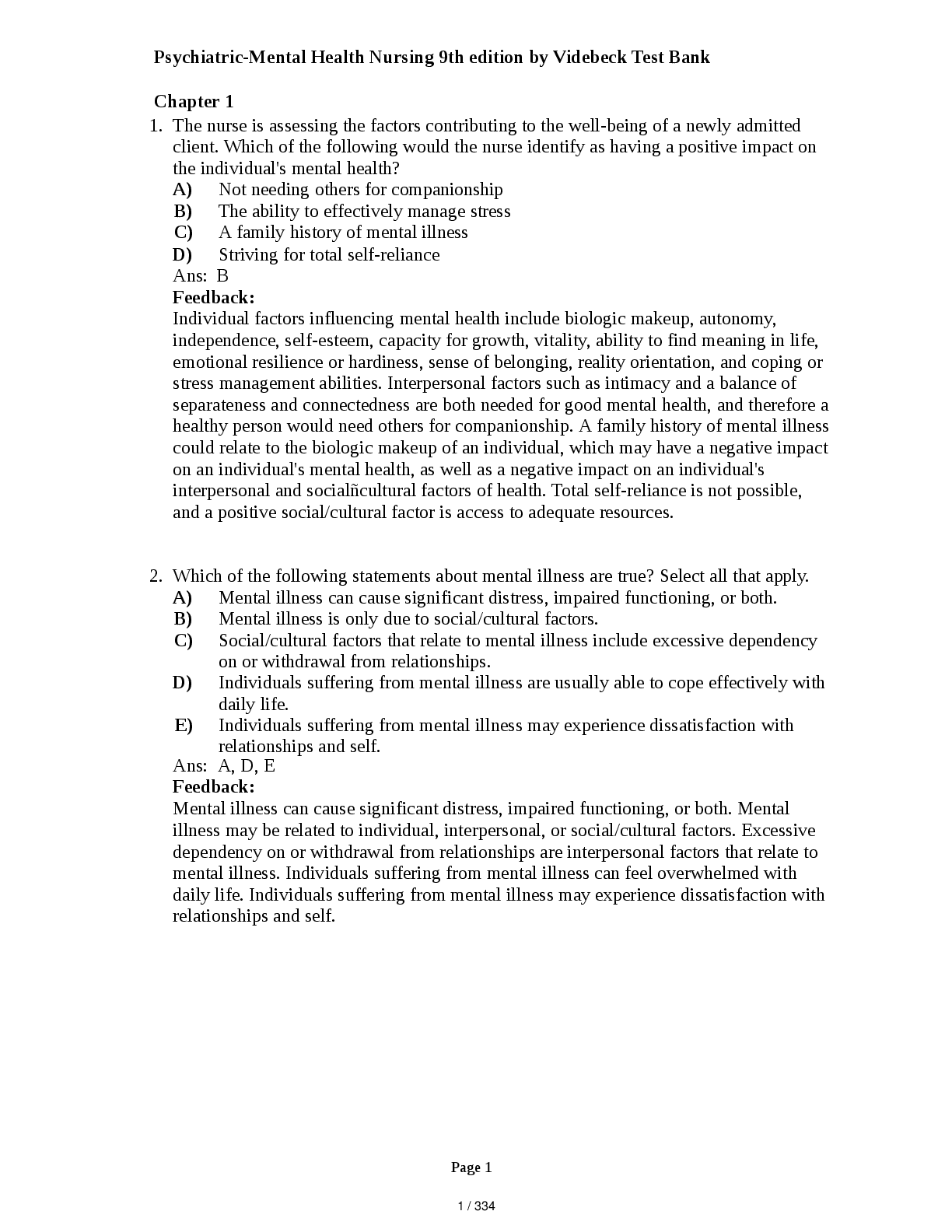

 with Complete Solution.png)
 Career Information with Complete Solution.png)


 for E-6 Career Information_watermark.png)