Literary Studies > QUESTIONS & ANSWERS > LETRS Phonics Training Units 1 - 4 | 130 Questions with 100% Correct Answers | Verified (All)
LETRS Phonics Training Units 1 - 4 | 130 Questions with 100% Correct Answers | Verified
Document Content and Description Below
Last updated: 4 years ago
Preview 1 out of 10 pages
Instant download

Buy this Document to get the Full Access Instantly
Provided by Students Who Aced it
We Verify Document Content to Gurantee Accuracy
Reviews( 0 )
Document information
Connected school, study & course
About the document
Uploaded On
Nov 04, 2022
Number of pages
10
Written in
All

Additional information
This document has been written for:
Uploaded
Nov 04, 2022
Downloads
0
Views
114
Topic Tags
Recommended For You
Get more on QUESTIONS & ANSWERS »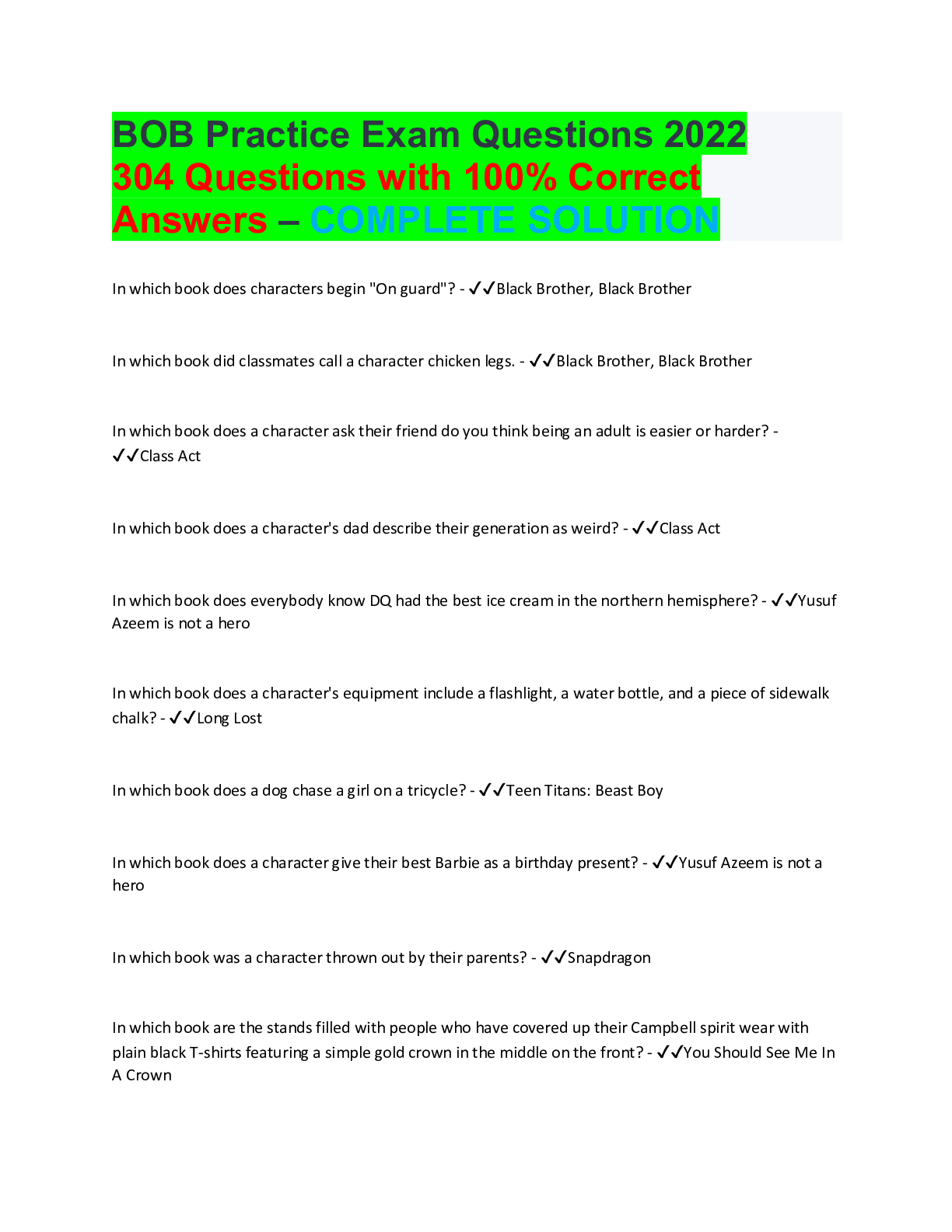
BOB Practice Exam Questions 2022 304 Questions with 100% Corre...
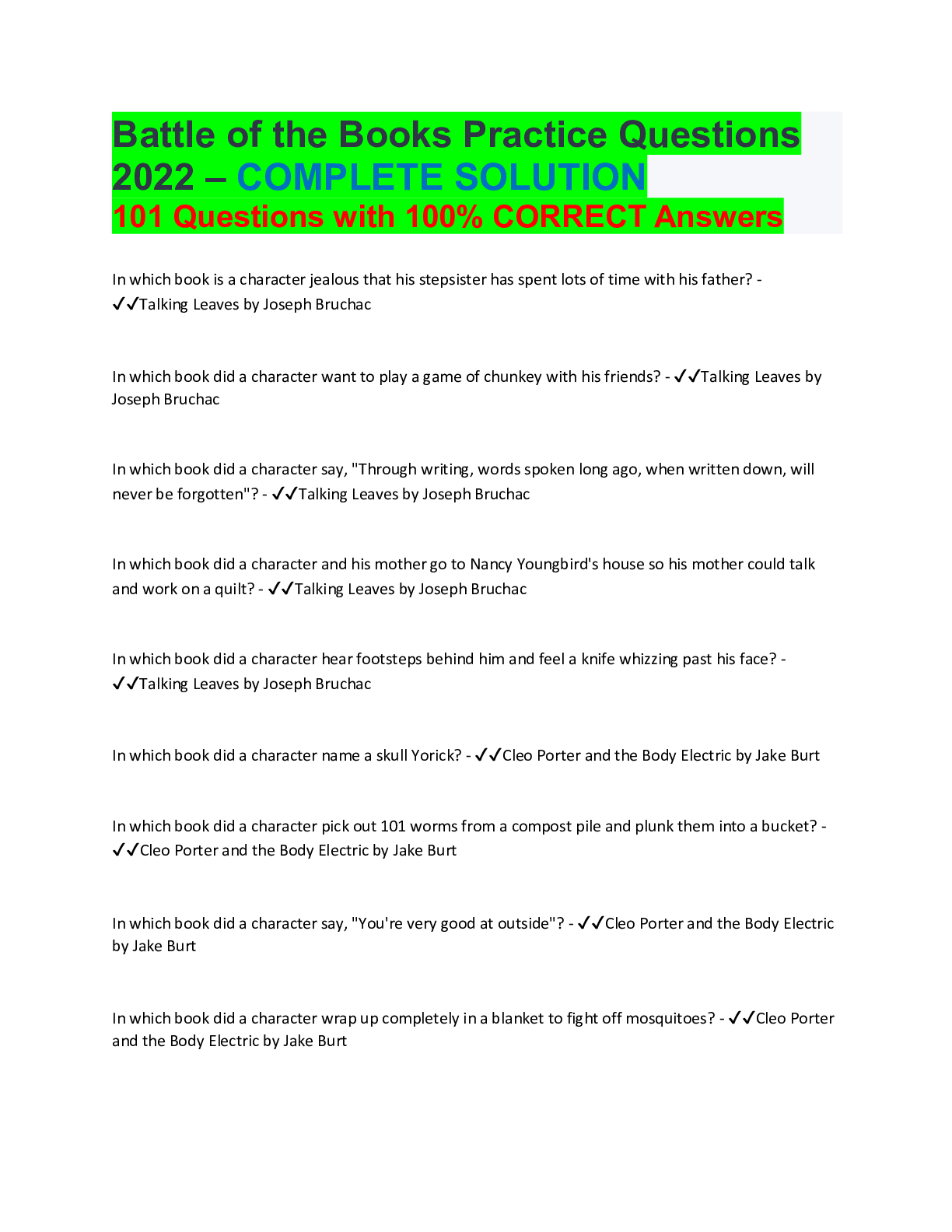
Battle of the Books Practice Questions 2022 – COMPLETE SOLUTIO...
Battle of the Books Practice Questions 2022 – COMPLETE SOLUTIO...
 By Eric Foner (Test Bank).png)
Test Bank for Give Me Liberty! An American History 5th Edition...
Southern New Hampshire UniversityLIT 200 X14544_4 Midterm Lite...
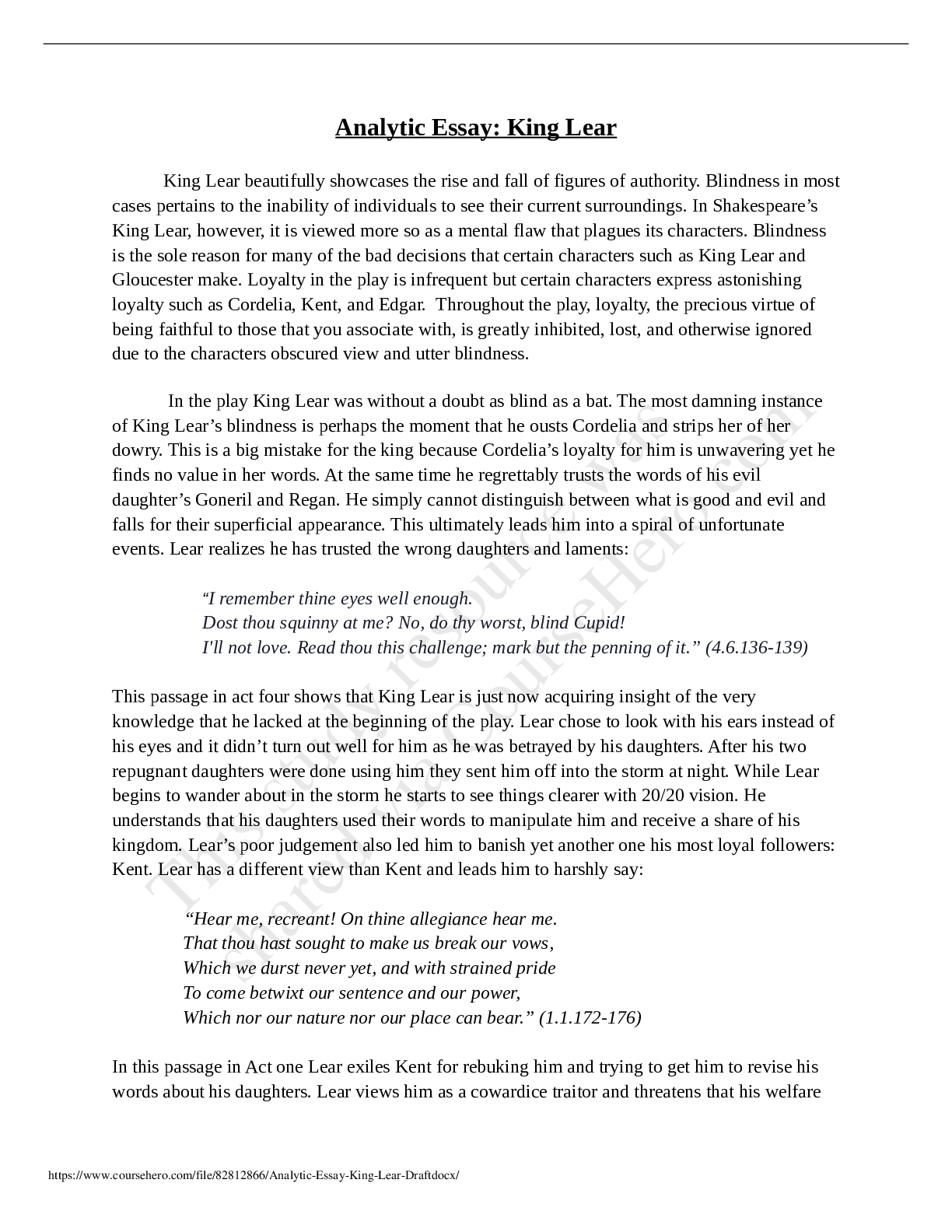
Compass High School - ENGLISH 101Analytic Essay_ King Lear Dra...



 with Complete Solution.png)
 Career Information with Complete Solution.png)


 for E-6 Career Information_watermark.png)