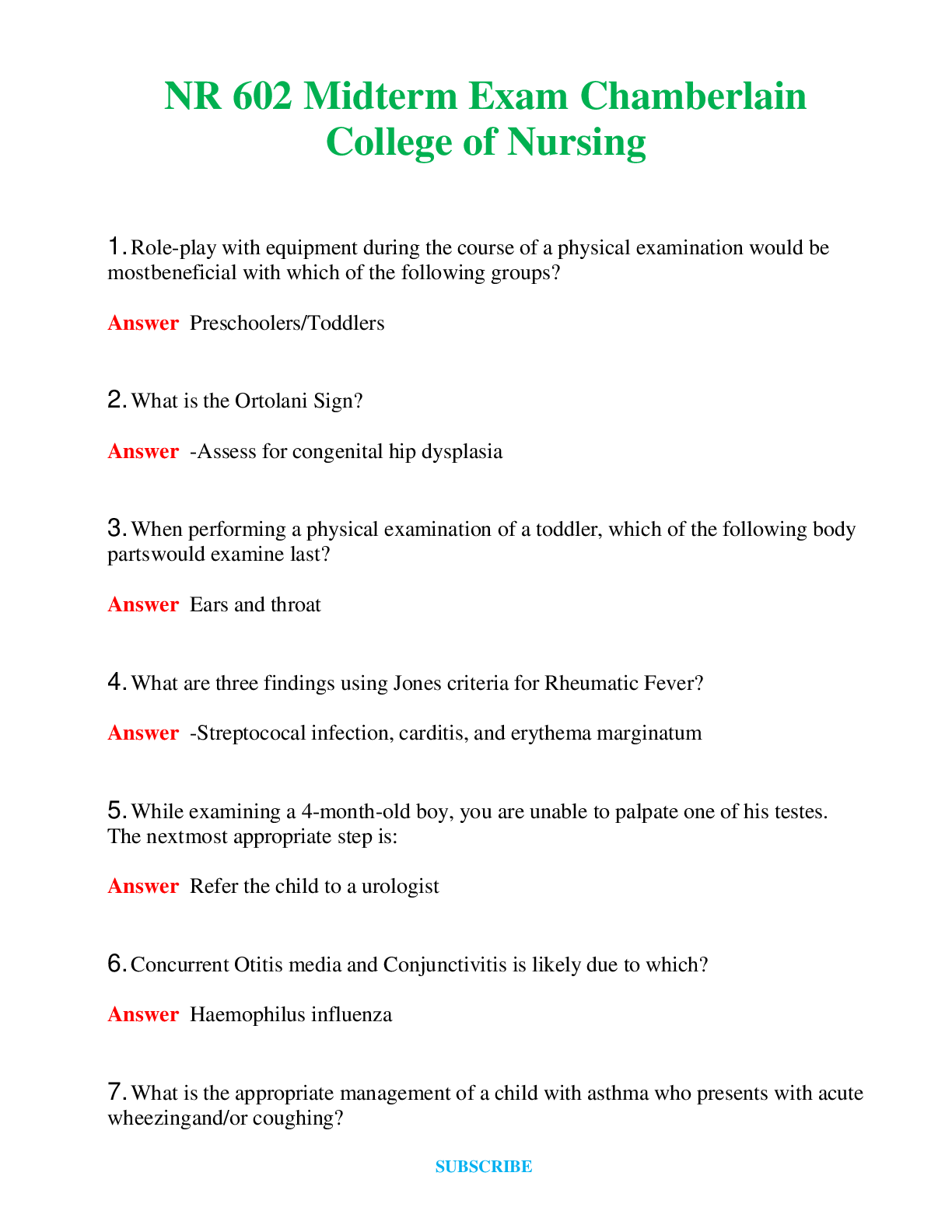
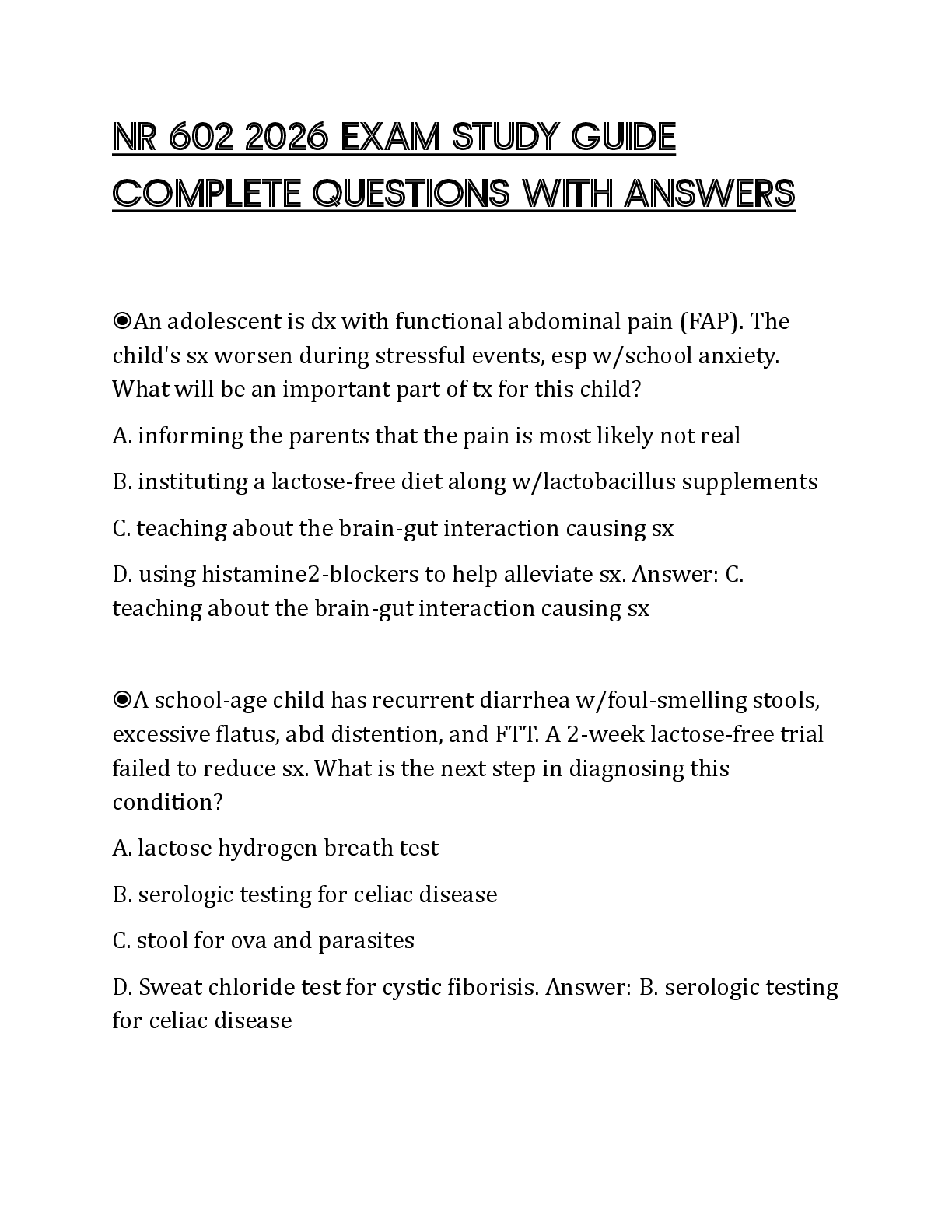
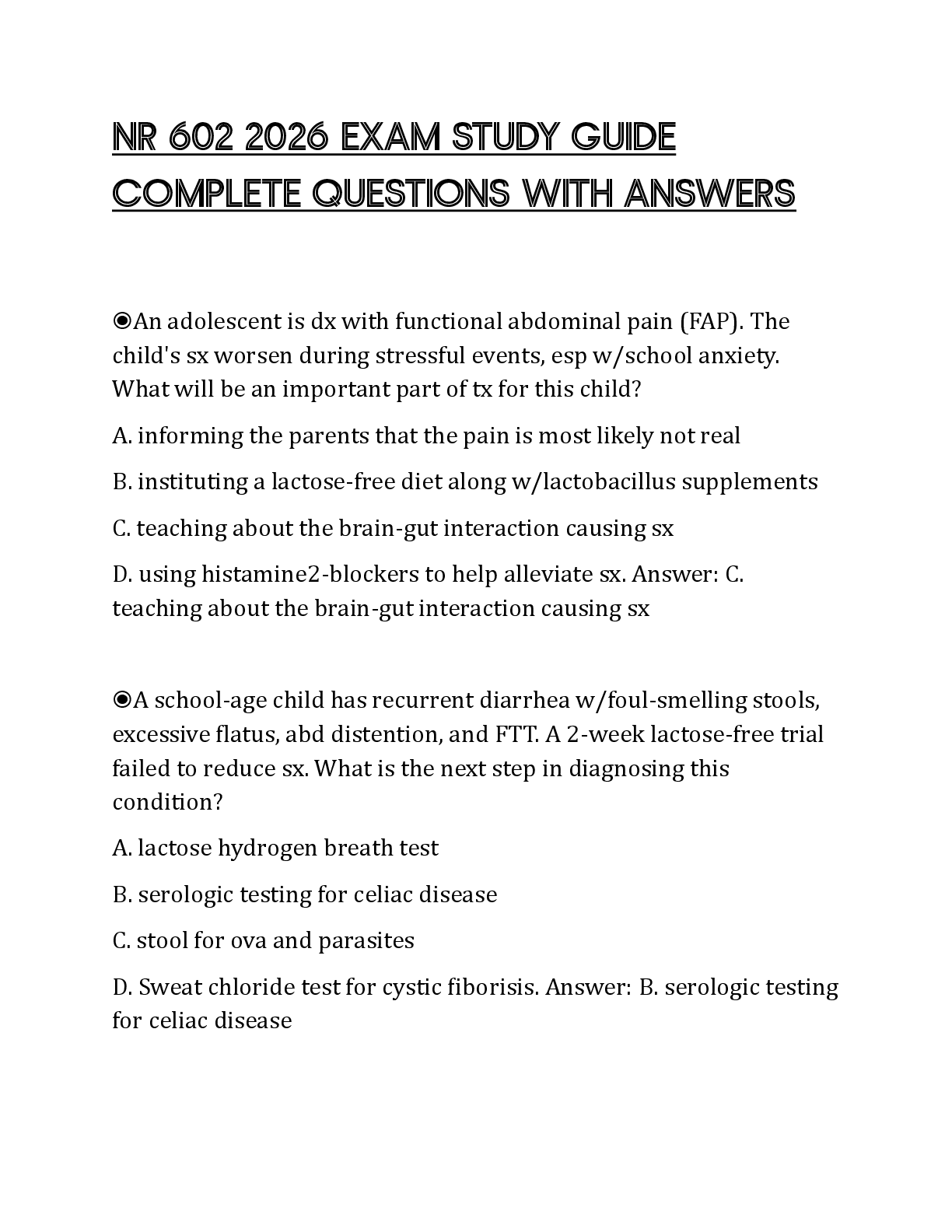
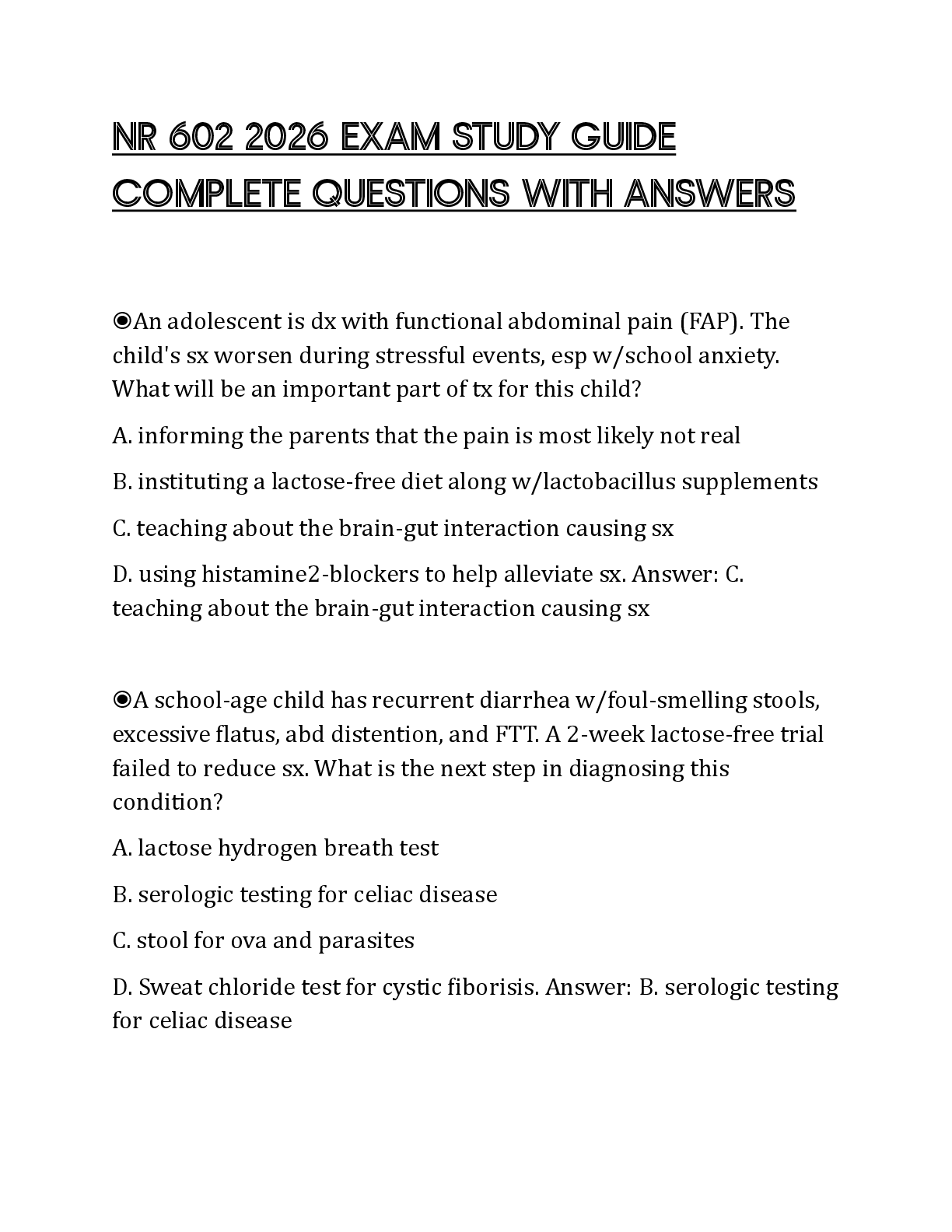
NR 602 midterm points.
A Bethesda System Pap smear report that reads LSIL is most consistent with which
classification
CIN 1
A single Pap smear reading of ASCUS in a patient negative for HPV infection should
have
...
NR 602 midterm points.
A Bethesda System Pap smear report that reads LSIL is most consistent with which
classification
CIN 1
A single Pap smear reading of ASCUS in a patient negative for HPV infection should
have what as follow-up?
Routine screening
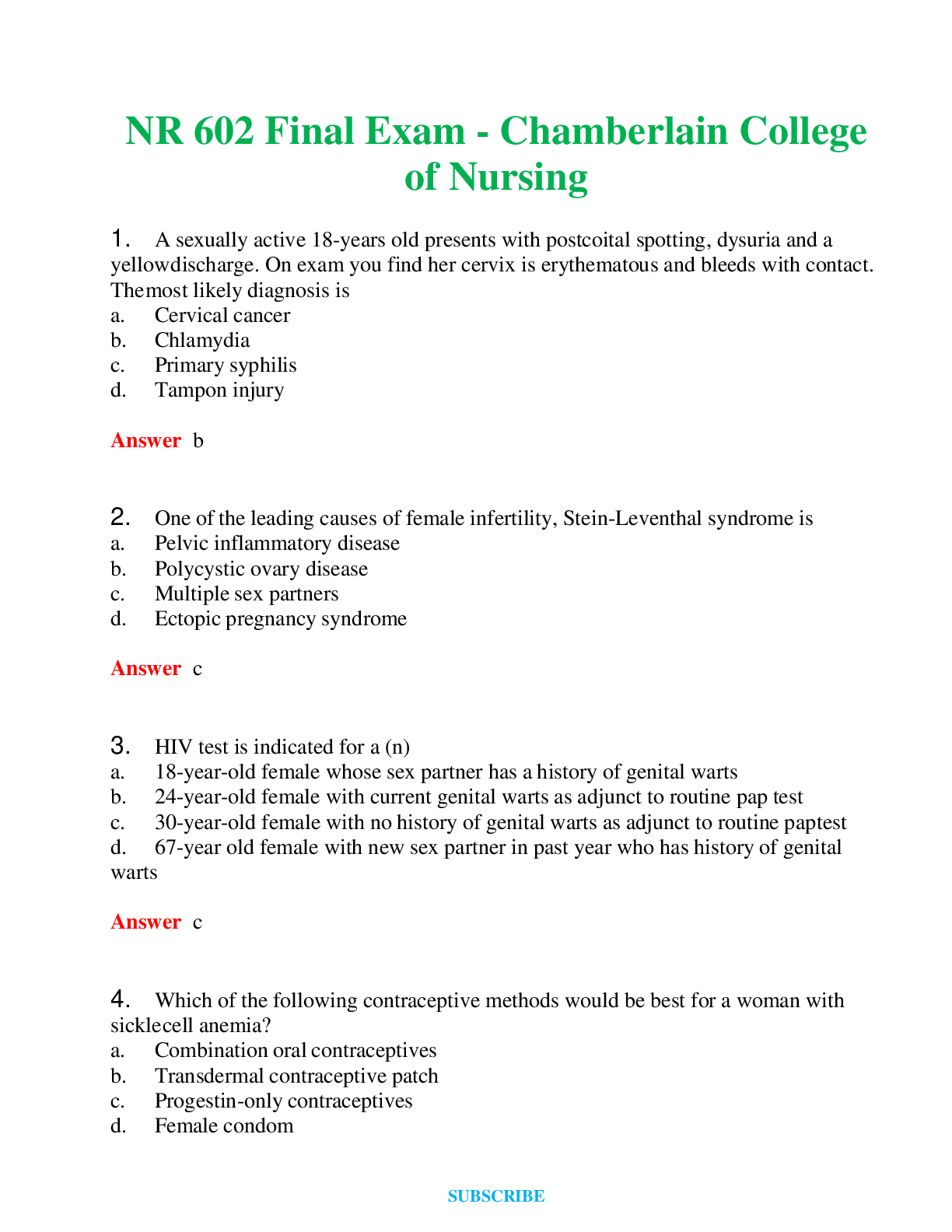
A female patent is 35 years old. She has never had an abnormal Pap smear and has had regular
screening since age 18. If she has a normal Pap smear with HPV testng today, when should she have the
next cervical cancer screening 5 years
Lab results on your 26-year-old patient show a negative Pap smear with a positive HPV
screen. Which procedure will be required next
Repeat Pap and HPV screen
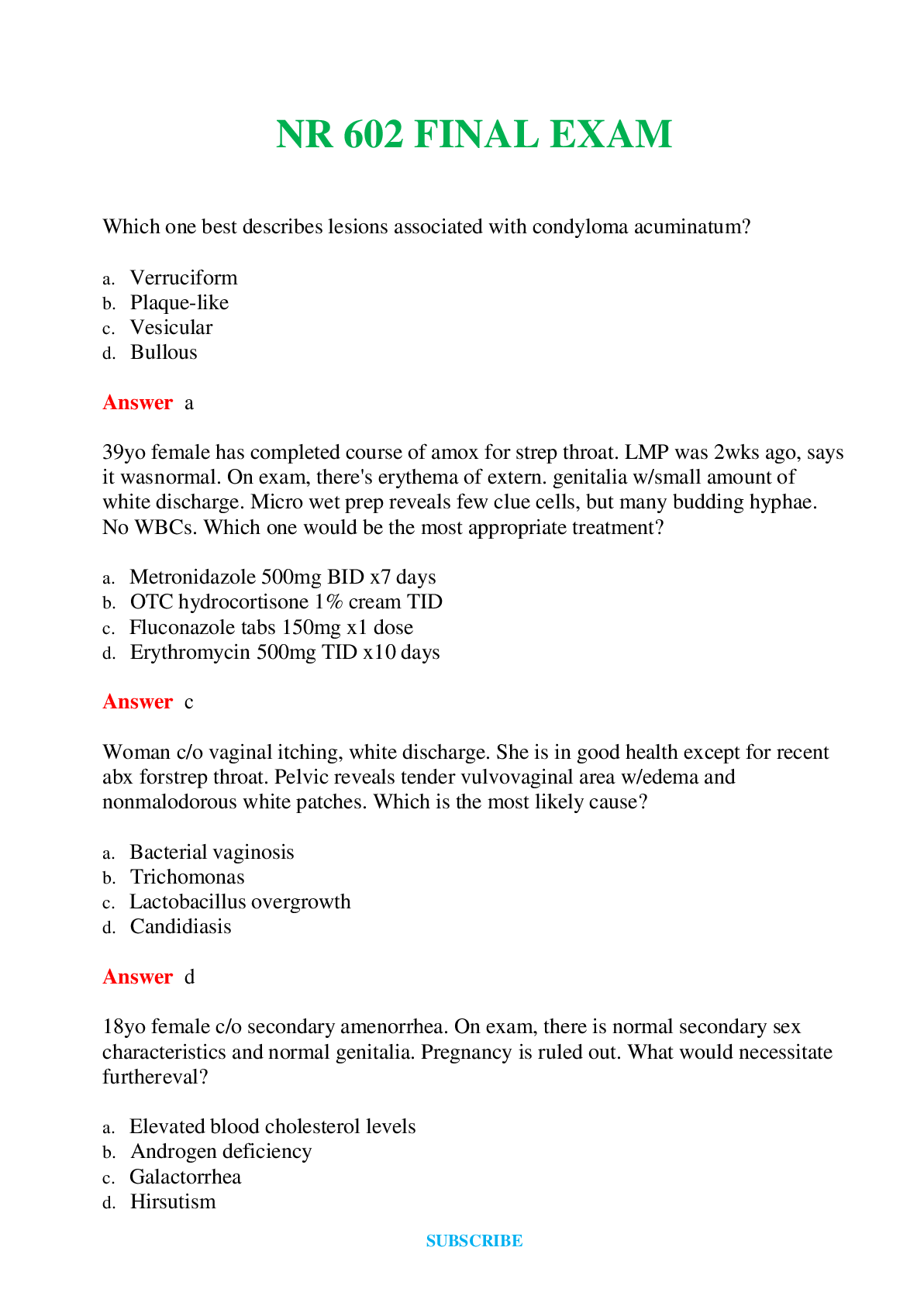
9yo female has completed course of amox for strep throat. LMP was 2wks ago, says it
was normal. On exam, there's erythema of extern. genitalia w/small amount of white
discharge. Micro wet prep reveals few clue cells, but many budding hyphae. No WBCs.
Which one would be the most appropriate treatment?
a. Metronidazole 500mg BID x7 days
b. OTC hydrocortisone 1% cream TID
c. Fluconazole tabs 150mg x1 dose
d. Erythromycin 500mg TID x10 days
Woman c/o vaginal itching, white discharge. She is in good health except for recent abx for strep throat.
Pelvic reveals tender vulvovaginal area w/edema and nonmalodorous white patches. Which is the most
likely cause?
a. Bacterial vaginosis
b. Trichomonas
c. Lactobacillus overgrowth
d. Candidiasis
18yo female c/o secondary amenorrhea. On exam, there is normal secondary sex characteristcs and
normal genitalia. Pregnancy is ruled out. What would necessitate further eval?
a. Elevated blood cholesterol levels
b. Androgen defciency
c. Galactorrhea
d. Hirsutsm
Primary amenorrhea is best described as:
a. Cessaton of menstruaton x6mo
b. Failure of menstruaton to occur by 17ho
c. Failure of menstruaton to occur by 13yo
25yo female c/o vaginal irritaton and discharge. On exam, cervix is easily friable and erythematous. No
adnexal tenderness. Wet prep reveals mobile protozoa on NS slide. This most likely represents:a. Trichomonas
Treatment optons for condyloma acuminatum include:
a. Imiquimod (Aldera)
49yo female c/o dark, watery brown vaginal discharge. Which best describes what might be seen on
physical exam in pt's with cervical cancer?
a. Ulcerated frm cervix
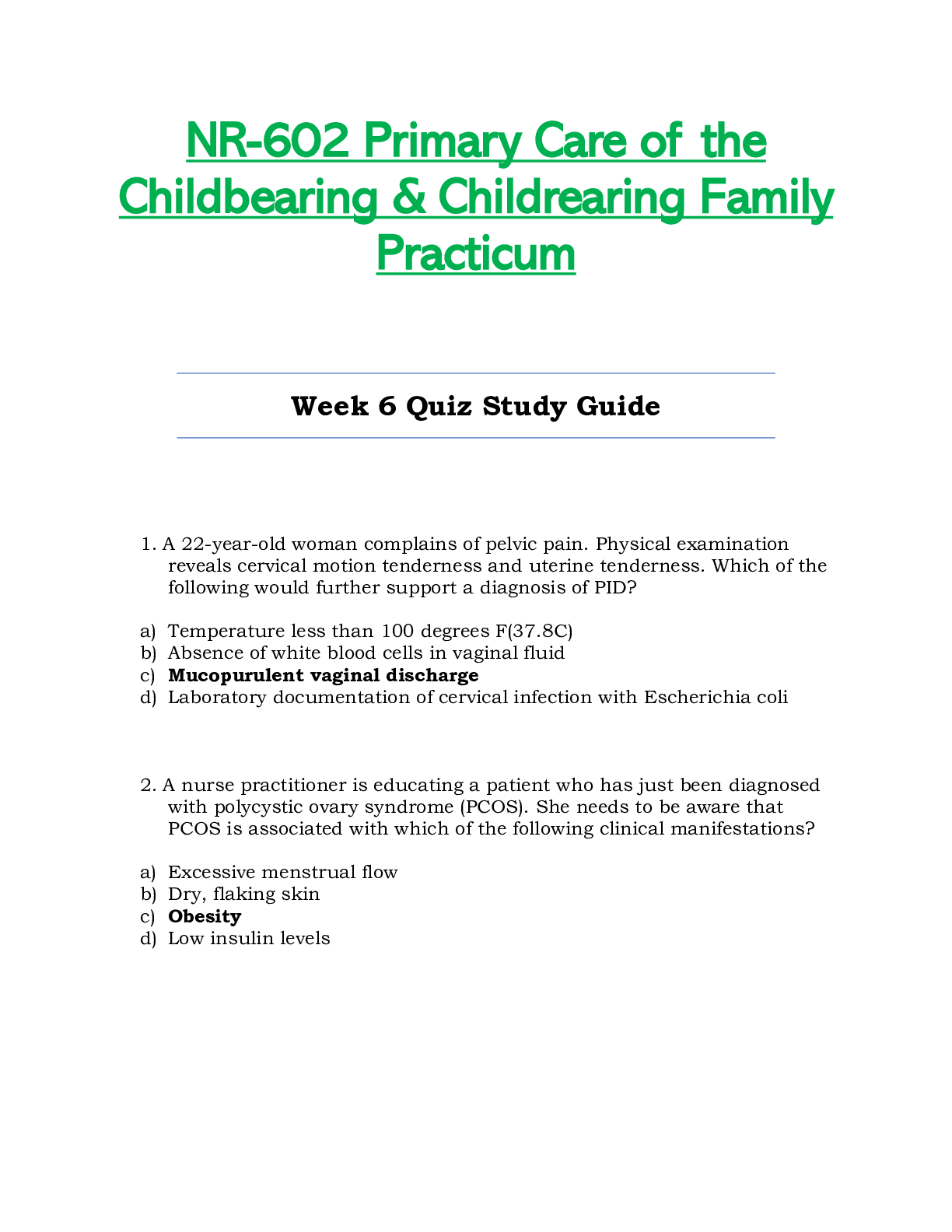
22yo female c/o pelvic pain. Exam reveals cervical moton and uterine tenderness. Which supports PID
dx?
a. Temp <100F
b. Absence of WBCs in vag fluid
c. Mucopurulent vag discharge
When a patin is diagnosed with PMS, which intervention would be recommended to
help alleviate the symptoms?
B. Eating a diet low in simple sugars and high in proteins.
(Decrease caffeine, take diuretics but continue to consume fluids, regular exercise, and
analgesics).
______ is the condition in which functional endometrial tissue is found in ectopic sites
outside the uterus.
Endometriosis
_______ is the condition in which endometrial glands and stoma are found within the
myometrium, interspersed between the smooth muscle fibers.
Adenomyosis
Uterine ______ are benign neoplasms of smooth muscle origin.
Leiomyomas
________ are firm, rubbery, sharply defined round masses in breast tissue.
Fibroadenomas
Endometriosis is the condition where endometrial tissue is found growing outside of the
uterus in the pelvic cavity. What are risk factors for endometriosis?
D. Periods longer than 7 days and increased menstrual pain.
An 18 yr old woman presents at the clinic complaining new-onset breakthrough
bleeding, even though she is on contraceptive. What contraceptive use, along with new
onset-onset breakthrough bleeding, has been associated with pelvic inflammatory
disease?
B. Depo-ProveraA woman with lobular carcinoma in situ has a relative risk of developing invasive breast
cancer of
8.0
Pap smear results of atypical squamous cells of undetermined significance require
which procedure next
Follow-up Pap smear
A 23-year-old woman comes to the clinic for a Pap smear. After the examination, the
client confides that her mother had died of endometrial cancer one year ago and says
that she is afraid that she would die of the same cancer. Which risk factor stated by the
client after an education session on wrist factors indicate that brother teaching is
needed
Late onset menarche
The frequency for cervical screening depends on the patient and her age. What is the
longest recommended time interval between cervical screens for patients who are 65
years old or younger
Five years
Jenna was evaluated and diagnosed with condyloma acuminatum. Treatment options
for Jenna will include all of the following except
Topical acyclovir
I can roll over grasp a rattly, and reach for things and have begun feeding myself finger
foods, but i can't wave bye-bye yet. How old am I?
6 months
I can walk well on tiptoes, my speech is 50% understandable, I know six body parts, but
can't balance on one foot for 2 seconds. I am:
2 1/2 years old
Most children can independently dress themselves by age
4 years
A 35-year-old smoker is being evaluated for birth control choices. Patient has a history
of pelvic inflammatory disease along with an embolic episode after her last pregnancy.
Which of the following methods of birth control would you recommend
Condoms and the vaginal sponge
A 20-year-old woman visiting the clinic says that she wishes to begin using Depot
Medroxyprogesterone acetate (Depo-Provera) as a form of birth control what important
information said the nurse include when teaching the client about Depo-Provera
Calcium intake and exercise should be increased because of the possible loss of bone
mineral density with increasing duration of use
A client seeking advice about contraception asked the nurse about how an Intrauterine
device prevent pregnancy how should the nurse respond
It produces a spermicidal intrauterine environmentA nurse is teaching a group of women about the side effects of different types of
contraceptives. What frequent side effect associated with the use of an IUD should the
nurse discussed during the teaching session
Excessive menstrual flow
A nurse is teaching a female client about the side effects of estrogen in an oral
contraceptive. Which common side effect identified by the client indicates to the nurse
at the teaching was effective
Nausea
A nurse is canceling a female client with type one diabetes to request a contraceptive
information. What contraceptive method should the nurse recommend
Diaphragm with spermicide
The client asked the nurse about the use of an IUD for contraception. What information
should the nurse include in the response
Explosion of the device, occasional dyspareunia, risk for perforation of the uterus
Sylvia is 44-year-old woman with dysfunctional uterine bleeding and is an able to use
oral contraceptives. Which of the following medications can be use for management of
DUB
Medroxyprogesterone
Which is not a common cause of irregular menstrual bleeding
Anovulation
a na, 25-year-old, presents with dysmenorrhea. She states that her sister and mother
have endometriosis, so she would like to be evaluated for it. Which of the following is
consistent with a diagnosis of endometriosis
Pelvic pain and dyspareunia
A 16-year-old female is diagnosed with primary dysmenorrhea. She has taken over the
counter ibuprofen 800 mg increments every eight hours during mentors for the past
three months with minimal relief of symptoms. What intervention will provide greatest
relief of dysmenorrhea symptoms
Combined oral contraceptives
My 24-year-old female presents to the practice with a painless 2 cm lobular mass in the
right breast that is freely mobile and firm. This has noted on self breast examination,
and she reports it has been unchanged for the past three months. The best course of
action by the nurse practitioner would be to
Order a diagnostic ultrasound or diagnostic mammogram
A nurse is caring for a client who has contracted a trichomonal infection. Which oral
drug should the nurse anticipate that the healthcare provider will most likely prescribe
Metronidazole (Flagyl)
For the patient with chronic bacterial vaginosis, the nurse practitioner will prescribe
Metronidazole gel .75% vaginally 1-2 times a week for 4-6 months
Women with a history of P ID have an increased risk for all of the following except
Ovarian cystWhich of the following is the best method to diagnose a vaginal trichomonas infection
Wet smear with microscopy
A 30-year-old woman who is sexually active complains of a large amount of milk like
vaginal discharge for several weeks. A micro scopic slide reveals a large number of
cells that have blurred margins. Very few white blood cells are seen. The vaginal pH is
at six. What is most likely
Bacterial vaginosis
A 25-year-old woman complains of dysuria, severe vaginal up your ride is, and a
malodorous vaginal discharge. Pelvic examination reveals a strawberry colored cervix
and frothy yellow discharge. Microscopic examination of the discharge reveals multiple
organisms that have flagella. The correct pharmacological therapy for the condition is
Oral Flagyl
You are completing a pelvic exam on 32-year-old and Nancy. You detect a left adnexal
mass on the bimanual exam. With an adnexal mass, the practitioner much always
suspect
Malignancy until proven otherwise
A young woman presents to your practice with vaginal itching and white discharge. She
denied sexual activity or douching. She has been in good health except for recurrent
strep throat. Pelvic examination reveals a tender vulvovaginal area with edema and
white patches, no odor is detected. Which of the following is the most likely cause of this
problem
Candidiasis after antibiotic treatment
A 24-year-old female presents to the office with a complaint of vaginal itching in addition
to thick mucoid discharge. She also has some mild urinary discomfort. The wet mount
preparation using potassium hydroxide reveals a negative whiff test and few clue cells.
There was no trichomonas visualized but the WBCs were too numerous to count. Which
of the following would be the most likely diagnosis in the patient
Chlamydia
A 25-year-old woman comes to clinic complaining of increased vaginal discharge, milky
gray in color with a fishy odor that both she and her husband have noticed. I wet smear
is performed and the presence of clue cells confirmed. Which type of infection does the
nurse suspect
Bacterial vaginosis
Which of the following statements is accurate regarding the usefulness of mammo in screening
and detection of breast cancer?
a. Mammo shouldn't be done if there is any breast pain or nipple retraction
b. All women >40yo should have mammo on annual basis
PMS occurs with greatest frequency and severity in the:
a. Late luteal phase28yo female c/o breast tenderness, fatigue, abd bloating, fluid retention, irritability 1wk before
her menses onset. What is most important info to obtain from this pt to determine if the pt has
PMS?
a. Severity of symptoms
b. Occurrence of symptoms in menstrual cycle
What phase of menstrual cycle begins with menses cessaton and ends w/ovulaton?
a. Ovulatory phase
b. Follicular phase
What phase of menstrual cycle begins with ovulaton and ends w/menstruaton?
a. Ovulatory phase
b. Follicular phase
c. Proliferatve phase
2. While the vital signs of a pregnant client in her third trimester are being assessed, the
client complains of feeling faint, dizzy, and agitat ed. Which nursing intervention
is
appropriate?
a. Have the client stand up and retake her blood pressure.
b. Have the client sit down and hold her arm in a dependent position.
c. Have the client turn to her left side and recheck her blood pressure in 5 minutes.
d. Have the client lie supine for 5 minutes and recheck her blood pressure on both
arms.
A pregnant client has come to the emergency department with complaints of
nasal
congestion and epistaxis. Which is the correct inter pretation of these symptoms
by the
health care provider?
Estrogen causes increased blood supply to the mucous membranes and can
result in congestion and
d.
nosebleeds.
6. What is the reason for vascular volume increasing by 40% to 60% during
pregnancy?
a. Prevents maternal and fetal dehydration
b. Eliminates metabolic wastes of the mother
c. Provides adequate perfusion of the placenta
d. Compensates for decreased renal plasma flow
7. Physiologic anemia often occurs during pregnancy because of:
a. inadequate intake of iron.
b. the fetus establishing iron stores.
c. dilution of hemoglobin concentration.12. A client in her first trimester complains of nausea and vomiting. She asks,
Why does
this happen? What is the nurses best response?
a. It is due to an increase in gastric motility.
b. It may be due to changes in hormones.
10. What is the most common symptom of
vulvovaginal candidiasis?
a. Fishy odor
b. Fever
c. Thin, grayish
-
white discharge
d. Vulvar pruritis
Chancroid treatment
Tx- Abx azithromycin 1 g PO one time, ceftriaxone 250 mg IM 1 x, cipro 500 mg PO BID
x3 days
Syphilis treatment
Penicillin G
Trich treatment
Tx-Metronidazole 2g PO single dose
Candida treatment
Tx- topical azole drugs or PO fluconazole
bacterial vaginosis treatment
Tx- metronidazole 500 mg PO x7 days, metronidazole gel 0.75 %x5 days, clinda cream
2% x3 nights
PID treatment
Tx- empirically with presumptive dx. Rocephin 250 IM +doxycycline 100 mg BID x14 +
metronidazole 500 mg BID x14
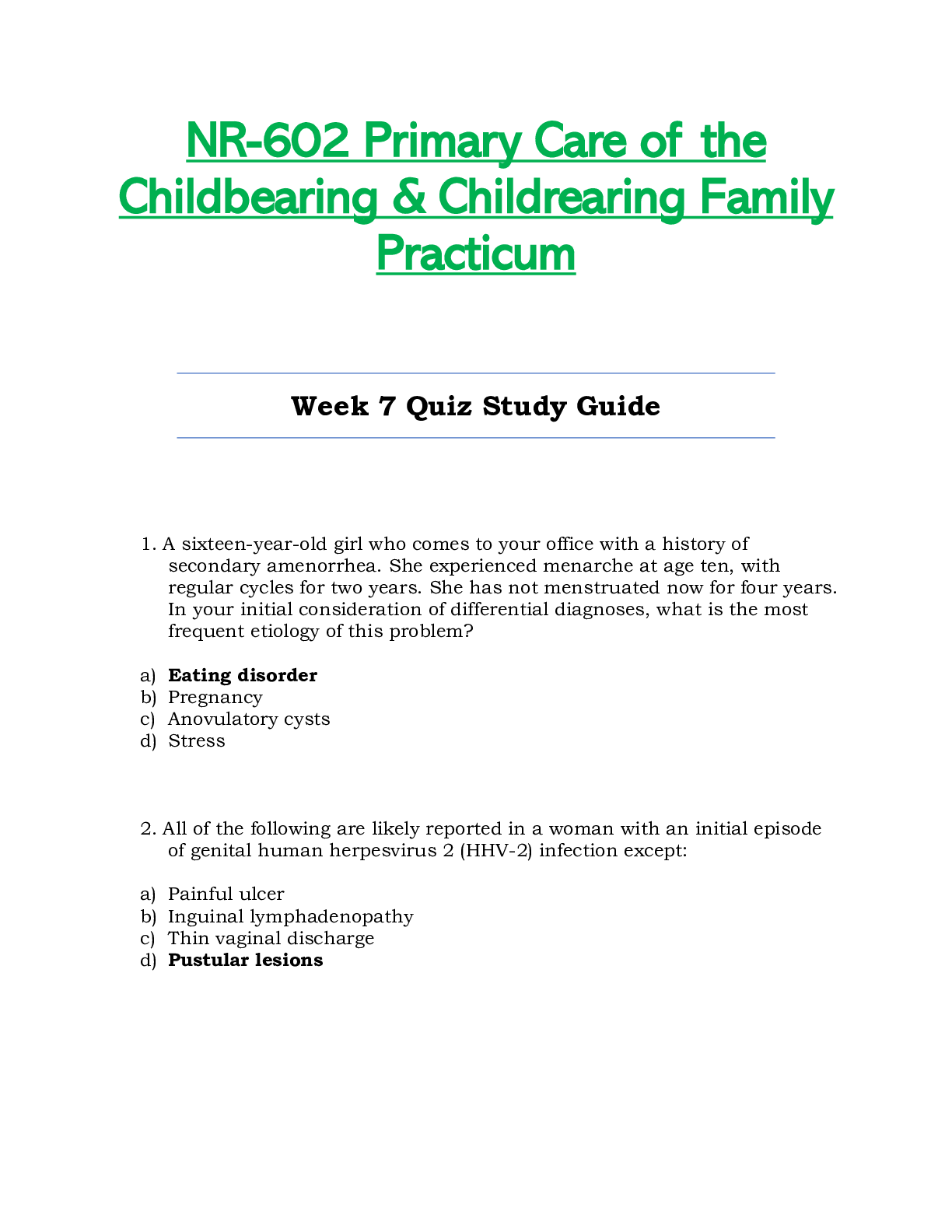
Amenorrhea Primary
Primary (no menses by 13 w/o 2ndary sex characteristics OR 15 w/ secondary sex;
Amenorrhea Primary Causes
causes- chromosomal defect, anatomic anomalies, hormone imbalance, tumor,
trauma)
Amenorrhea Secondary
No menses x6 mo, pelvic pathology, most common cause=pregnancy --- eating disorder
most frequent etiology
no menses for 3 or more cycles OR 6 consecutive months in previous menstruation.
Amenorrhea Secondary causes
Causes- pregnancy (most common), hypothalamic amenorrhea, pit amenorrhea,
androgen disorders (PCOS, adult onset adrenal hyperplasia), galactorrhea- amenorrhea
syndrome.---female athlete triad (anorexia, amenorrhea, osteoporosis)Vulvar Carcinoma symptoms
Sx- vulvar itching, mass, vulvar bleeding/pain and tumor found incidentally during pelvic
-Chlamydia: purulent discharge, red, congested cervix, urethritis, salpingitis, UTI sx,(Tx:
azithromycin). NAAT test
-Trich: Foamy, greenish-white discharge, strawberry-like appearance covers the endocervix and
may extend to vaginal mucosa, double hairpin capillaries, flagellated organisms , friable, red
cervix. protozoa (Tx: metronidazole)
-Ghon: thick, creamy discharge, inflamed cervix, urethritis, UTI sx, ( Tx: Cefixime, or
ceftriaxone)
- Bac. vaginosis: gray or white d/c, "clue cells", fishy odor, pH >4.5, gram stain for dx, (Txmetronidazole)
- Syphilis: Trep. pallidum, painless sore (indurated, papule or ulcer with raised borders) then 6
weeks later more appear, painless regional lymphadenopathy. spirochetes (Tx-penicillin
parenterally) Jarisch-herxheimer reaction
Tier 2 Birth Control
Fail rate 2-3%; OCP, COC's, transdermals, cervical ring.
Tier 1 Birth Control
Fail rate <1%; IUD, DMPA (Depo), Progestin implant, sterilization
Follicular Phase
The first phase of the ovarian cycle, during which a follicle (an oocyte and its
surroudning cells) enlarges and matures. This phase is under the control of FSH from
the anterior pituitary, and typically lasts from day 1 to day 14 of the menstrual cycle. The
follicle secretes estrogen during this time period.
Ovulatory Phase
The second stage of the general menstrual cycle, when the mature ovum is released.
Approximately 10 to 12 hours after the LH peak
Luteal Phase
The third phase of the ovarian cycle, during which a corpus luteum is formed from the
remnants of the follicle that has ovulated its oocyte. The corpus luteum secretes
progestrone and estrogen during this time period, which typically lasts from day 15 to
day 28 of the menstrual cycle. Formation of the corpul luteum is triggered by the same
LH surge that triggers ovulation, however in the absence of LH (levels quickly decline
after the surge) the corpus luteum begins to degenerate.
Pelvic mass
- Benign: unilateral, mobile, cystic, smooth, < 10cm, calcification, gravity dependent
layering of cyst contents
- Malignant: bilateral, fixed, solid/firm, nodular, multiple septations <2mm, ascites
- enlarging mass or with pain= immediate evaluation
- ascites or upper abd mass, abd distention= ovarian CA
- Ultrasound= benign or malignant, color flow doppler studies= vascular pattern, surgery
is needed for malignancy histology
PID
-Tx: Ceftriaxone 250mg IM single dose, plus Doxycycline 100mg PO BID x 14 days,
with or without Metronidazole 500mg PO BID x 14 days
-met for recent gyn. instrumentation or BVAmenorrhea simply means absence of menses and is part of the spectrum of ovulatory disorders
classifed as AUB-O. The most common causes of amenorrhea are pregnancy, hypothalamic amenorrhea,
and PCOS
No menses by age 14 in the absence of growth or development of secondary sexual characteristcs
No menses by age 16 regardless of the presence of normal growth and development of secondary sexual
characteristcs
In women who have menstruated previously, no menses for an interval of tme equivalent to a total of at
least three previous cycles, or 6 months
Secondary amenorrhea is defned as 3 months without a menses once menses has been established.
The queston “Have you had any bleeding from the vagina?” can assist in determining primary,
secondary, and potental causes.
exercise-induced amenorrhea is complex and most likely due to the combinaton of low body fat and
diminished secreton of GnRH. Lower GnRH levels result in fewer luteinizing hormone (LH) and folliclestmulatng hormone (FSH) pulses, which in turn decreases the amount of estrogen produced by the
ovaries. Treat= All women with anovulation require management of this condition: If left untreated,
endometrial cancer can occur, regardless of the woman’s age. Typically treatment consists of
inducing menses using a progestogen such as medroxyprogesterone acetate 5 to 10 mg daily
for the first 12 to 14 days of the cycle or OC to induce menstrual cycle.
primary dysmenorrhea is a diagnosis of EXCLUSION, in other words, secondary causes must be ruled out
before rendering the diagnosis.
Primary dysmenorrhea is likely based on history as well as an unremarkable physical exam and a
negatve pregnancy test.
The most common MISDIAGNOSIS of primary dysmenorrhea is secondary dysmenorrhea due to
endometriosis.
Like endometriosis, fbroids can be associated with menorrhagia, infertlity and bowel and bladder
complaints. Uterine fbroids are the most common indicaton for hysterectomy in the United States.
The most common symptom is post-menopausal bleeding. Therefore, providers should
assume that ALL women with post-menopausal bleeding OR women ≥ 45 years with
AUB have endometrial cancer UNTIL proven otherwise with endometrial biopsy
AUB are based on the cause and may include pharmacologic measures such as
contraceptives, GnRHs, NSAIDs and antifibrinolytics. Non-pharmacological
interventions typically include surgical methods such as endometrial ablation, thermal
endometrium destruction, uterine artery embolization and hysterectomy. Referral isindicated for an unidentified cause of AUB, complicated cases, refractory treatment, and
surgery.
Biopsy is required to definitively ascertain whether a mass is solid versus cystic, and
benign versus malignant. A fine-needle aspiration (FNA) biopsy is a minimally invasive
way to differentiate solid and cystic masses, and provides for cytologic evaluation of a
palpable mass.
VC characteristic pseudohyphae may be seen on a wet smear done with normal saline,
Gnorrhea The first stage is characterized by bacteremia with chills, fever, and skin lesions; it is
followed by the second stage during which the patient experiences acute septic arthritis with
characteristic effusions, most commonly in the wrists, knees, and ankles
Many functional cysts will resolve within 3 months Asymptomatic simple ovarian cysts less than
10 cm in diameter, including functional cysts and benign neoplasms, have a low probability of
malignancy and can be followed with serial imaging. There is little evidence-based guidance for
timing of repeat ultrasounds, but they are generally obtained at 3-or 6-month intervals to
establish stability hormonal contraceptives can be used to control repeated episodes of
symptomatic functional cysts.
Tests appropriately ordered in primary care while specialist consultation is pending
include cancer antigen 125 (CA-125), alpha fetoprotein (AFP), lactate dehydrogenase
(LDH), and human chorionic gonadotropin (hCG)
Natonally reportable infectons chancroid, chlamydia, gonorrhea, hepatitis, HIV, and syphilis
Atypical Squamous Cells of Undetermined Significance (ASCUS)
o Reflex testing for HPV on abnormal PAP results and repeat testing is based on those
results
Atypical Glandular Cells (AGCs)
o More common in older women (ages 40-69 years)
o 1/3 of cases are associated with pre-malignancy or malignancy
o Risk of cancer increases with age
o Refer for Endometrial Biopsy
Low-Grade Squamous Intraepithelial Lesions (LSIL)
o Cervical cells are mildly abnormal
o Usually caused by a low risk HPV infectiono Appropriateness of repeat screening vs. referral for diagnostic testing is largely
dependent upon whether or not the woman is HPV + and age
High-Grade Squamous Intraepithelial Lesions (HSIL)
o Abnormal cervical cells which are more likely to be associated with premalignancy and
malignancy.
o Refer immediately for cervical biopsy and treatment (Colposcopy or LEEP procedure)
PID experience vary widely. Historically, the abrupt onset of acute lower abdominal pain
following menses
). Substantial clinical improvement should occur within 72 hours of beginning treatment.
Women who do not respond within this time frame should be reevaluated to confirm the
diagnosis of PID; ceftrianone 250 im, doxy 100 mg 14 days, flagyl 500 mg bid x 14 day
An increased risk of PID is seen in the first 21 days after IUD insertion
Infant length increases an average of 2.5 cm (1 inch) a month during the first 6 months
the infant should be going to the breast 8 to 12 times (or every 2 to 3 hours) in 24 hours for
approximately 20 to 45 minutes at each feeding. 6 wet diapers in 24 hours
Head circumference: Head Circumference
Like the rest of the growing infant, head circumference growth is rapid. During the first 6 months of life, head
circumference increases approximately 1.5 cm (0.6 inches) per month. During the second 6 months of age, head
circumference slows to only 0.5 cm (0.2 inches) per month. On average, the head circumference is 43 cm (17 inches) at 6
months and increases to 46 cm (18 inches) by 12 months, which represents a 33% increase from birth. During this time,
the cranial sutures close. The posterior fontanel closes between 6 and 8 weeks of age while the anterior fontanel closes
around 14 months, with a range between 12 and 18 months of age. During the first 12 months of life, the brain size
increases by 2.5 times. Developmental milestone achievement illustrates brain growth and differentiation.
Smiling at you: By 3 months, the infant has a social smile, and smiles in response to their
parent’s voice.
4-5 months Infants spontaneously smile and visually follow their parent by turning their head.
Throwing ball: 12 months – rolls a ball, 24 months kicks ball,s 36 months – catches a ball 48
months- throws ball underhand
Gun safety- knowing friends Teaching about gun safety is always critical. Working to strengthen
the developmental competencies of youth includes educating youths at an early age about
violence and its prevention, teaching anger management and strategies for preventing a fght
(role-playing), and promoting self-defense strategies, such as learning a martial art and
discussing ways to manage difcult or potentially violent situations Suggest discussions with
friends about ways to handle potential situations in which a gun or knife might be brandished.
Breast cancer screening guidelines Mammogram every 2 years for women aged 50–74 (grade: B).
Decisions regarding biennial screening for women aged 40–49 should be made on an individual
basis (grade: C).Insufficient evidence to recommend for or against screening after age 74 (I Statement).
Recommends against teaching self-breast examination (grade: D).
Hpv infections:
Mom passing immunity and vaccination of child: Maternal immunoglobulin G (IgG) antibodies
provide the fetus with passive immunity. Promote exclusive breastfeeding for the frst 6 months
of life to promote passive immunity and guard against exposure to contaminated food and water.
which provides immunity for approximately 3 months postdelivery. Between 1 and 3 months,
infants begin to synthesize IgG that reaches 40% of adult levels by 1 year of age. At birth, the
newborn produces signifcant amounts of immunoglobulin M (IgM), which reaches adult levels
by 9 months of age. Secretory IgA is absent at birth but is present in saliva and tears by 5
weeks. During infancy, the function and quality of T-lymphocytes, lymphokines, interferon-γ,
interleukins, tumor necrosis factor and complement are reduced resulting in the infant’s
inability to optimally respond to infectious bacteria and viruses. The levels of IgA, IgD, and IgE
are reduced and do not mature until after infancy.
Chlamydia slide: The USPSTF recommends using nucleic acid amplification tests (NAATs) to
diagnose chlamydia and gonorrhea infections, both of which can be tested using the same
specimen. Increased numbers of white blood cells in addition to the presence of clue cells
suggest a concurrent vaginitis or coinfection with trichomoniasis, chlamydia, or candidiasis.
Yeast infection slide: VC < 4.5 (usually) With KOH: pseudohyphae with yeast buds Thick or thin,
white, curd-like (“cottage cheese”), adherent Yes, swelling, excoriation, redness, may have
skin cracking in servere cases. Vaginal itching, burning, and/or discharge
BV slide: Immediately after obtaining the vaginal secretions (whether by clinician collection or a
woman’s self-swab as described in Appendix 6-B), mix one sample with normal saline
solution, and a second sample with a 10% solution of potassium hydroxide (KOH). Candida
albicans, Trichomonas vaginalis, clue cells (epithelial cells with indistinct borders due to
adherent bacteria) associated with bacterial vaginosis, and white blood cells can be seen in
normal saline solution. Microscopy has poor sensitivity for T. vaginalis detection; NAAT testing is
recommended if trichomoniasis is suspected (see Appendix 6-B and Chapter 19) (CDC,
2015). Potassium hydroxide lyses trichomonads, white blood cells, and most bacteria, making
visualization of Candida species easier. The presence of an amine or fishy odor with the
addition of KOH to the vaginal secretions should be noted (whiff test), and is associated with,
but not diagnostic for, bacterial vaginosis and trichomoniasis.
With saline solution: positive for clue cells, decreased lactobacilli Thin, homogenous, grayishwhite, adherent, fshy odor, Mild itching, if present at all,vaginal odor is often worse after
intercourse.
Bartholiins: 25yo female c/o tender area near her introitus and to the L of her perineum. Very
painful sex was first sign. Initially bump was very small, but now is ping-pong ball size. On
exam, abscess is present on L medial side of labia minora and there's edema extending into
perineum. What is dx?
a. Lipoma
b. Dermoid cyst
c. Bartholin's cyst
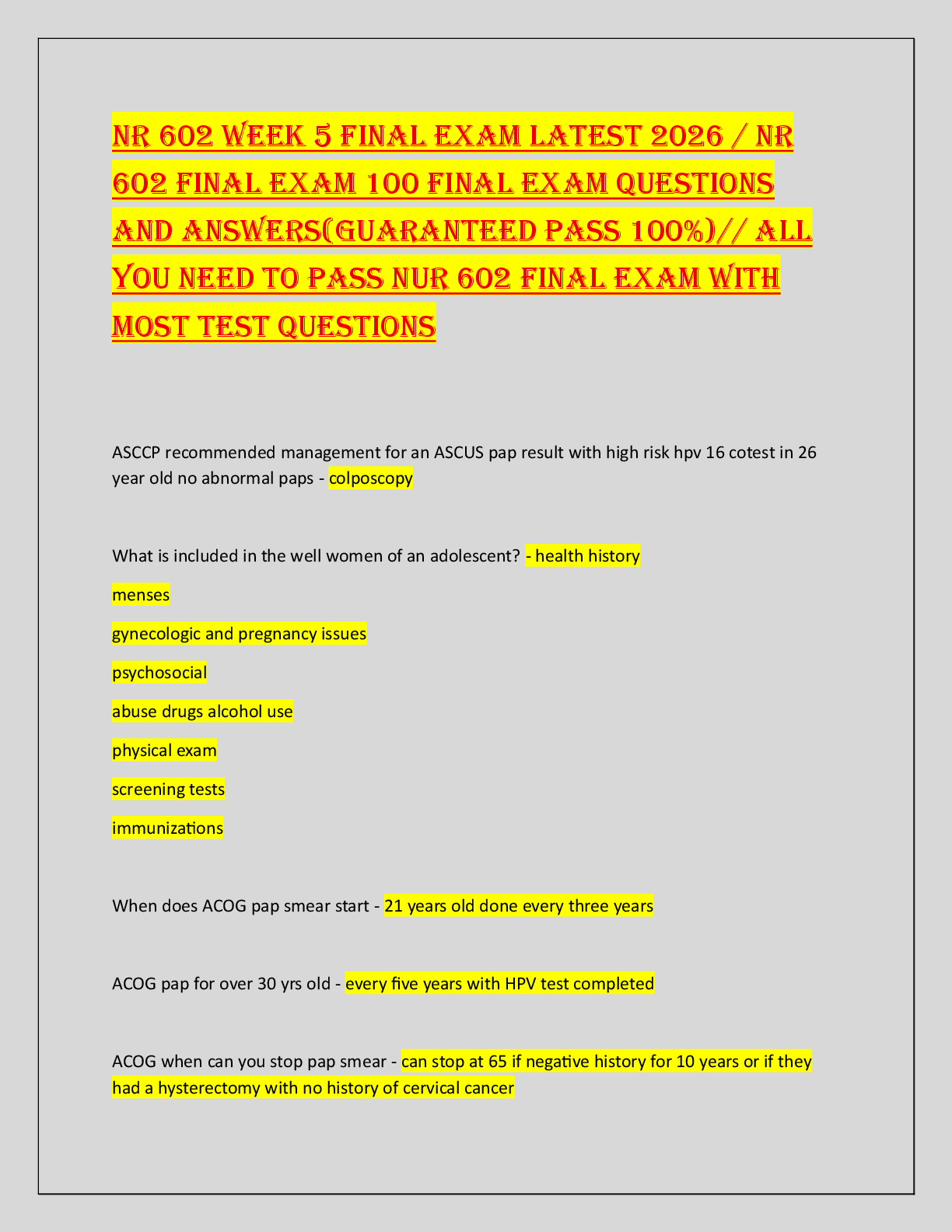
d. Skene's duct cystCervical ca screen: Pap test every 3 years for all women aged 21–65 (grade: A). Co-testing
with Pap test and HPV testing for women aged 30–65 who wish to extend the screening
interval (grade: A). Recommends against screening women younger than age 21.
Recommends against screening women older than age 65 if they have had adequate
prior screening and are otherwise not at risk for cervical cancer. Recommends against
screening women who have had a total hysterectomy for benign disease. Recommends
against screening women younger than age 30 with HPV testing alone or with Pap test.
[Show More]








![Preview of WEEK **5 [Chamberlain university]NR 602 IHUMAN Case Week #5 Deborah Arnaudin 54 Year Old](https://browseimages.nyc3.digitaloceanspaces.com/paper-images/2026/03/31/zbQKePwt2026-03-31-11-4669cc328fcad96.png)