Literary Studies > QUESTIONS & ANSWERS > AP Euro: Industrial Revolution Already Passed (All)
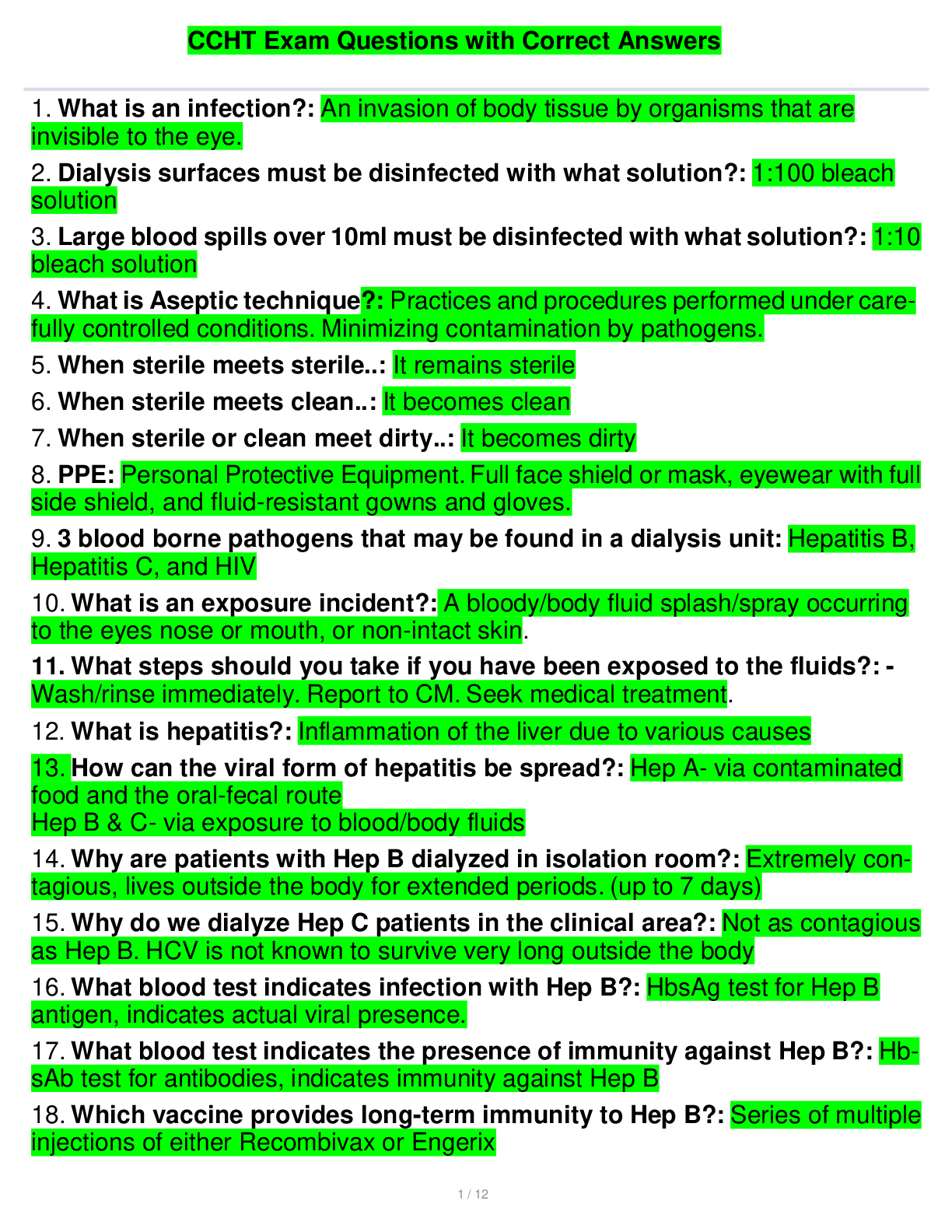
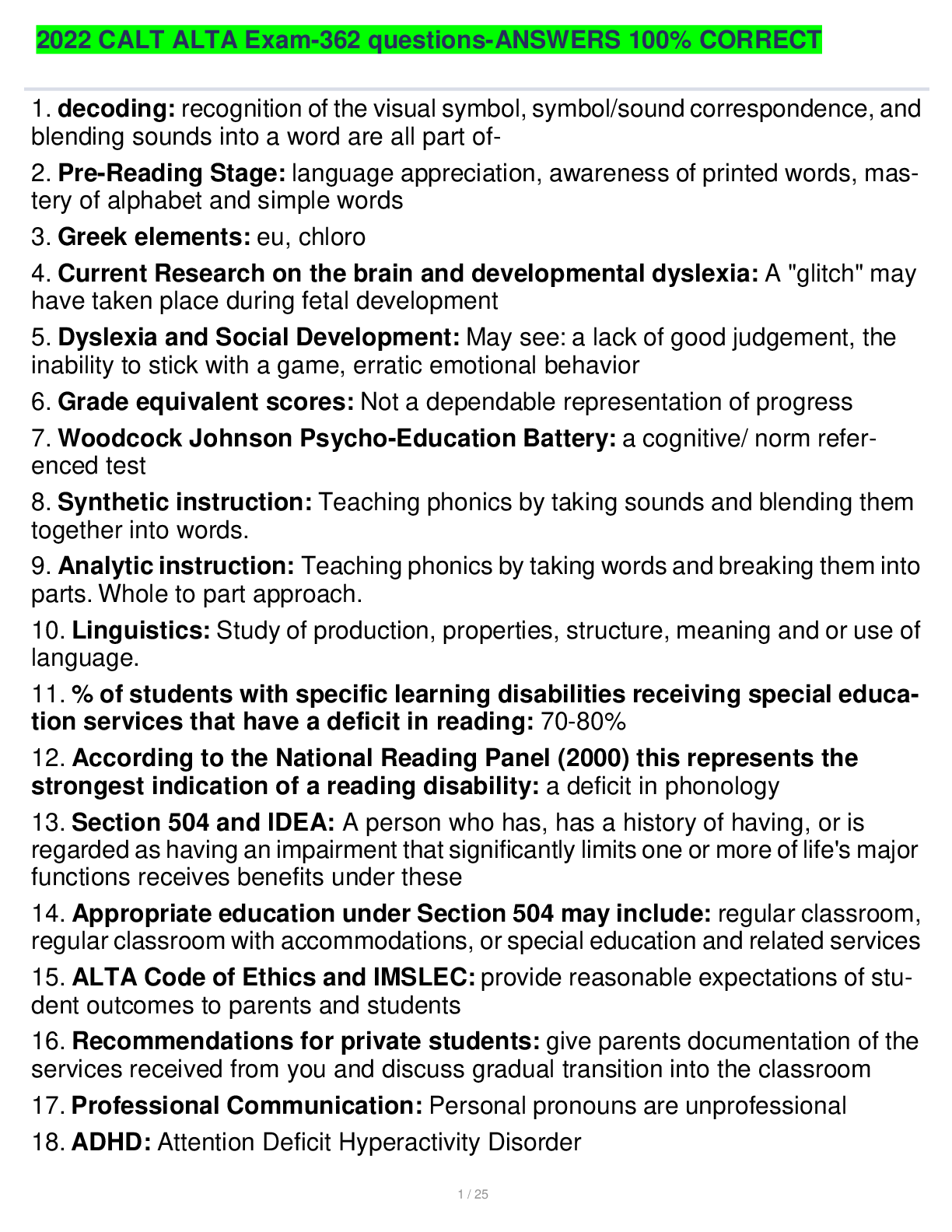
AP Euro: Industrial Revolution Already Passed
Document Content and Description Below
Last updated: 3 years ago
Preview 1 out of 5 pages
Instant download

Buy this Document to get the Full Access Instantly
Provided by Students Who Aced it
We Verify Document Content to Gurantee Accuracy
Also available in bundle (1)
Click Below to Access Bundle(s)
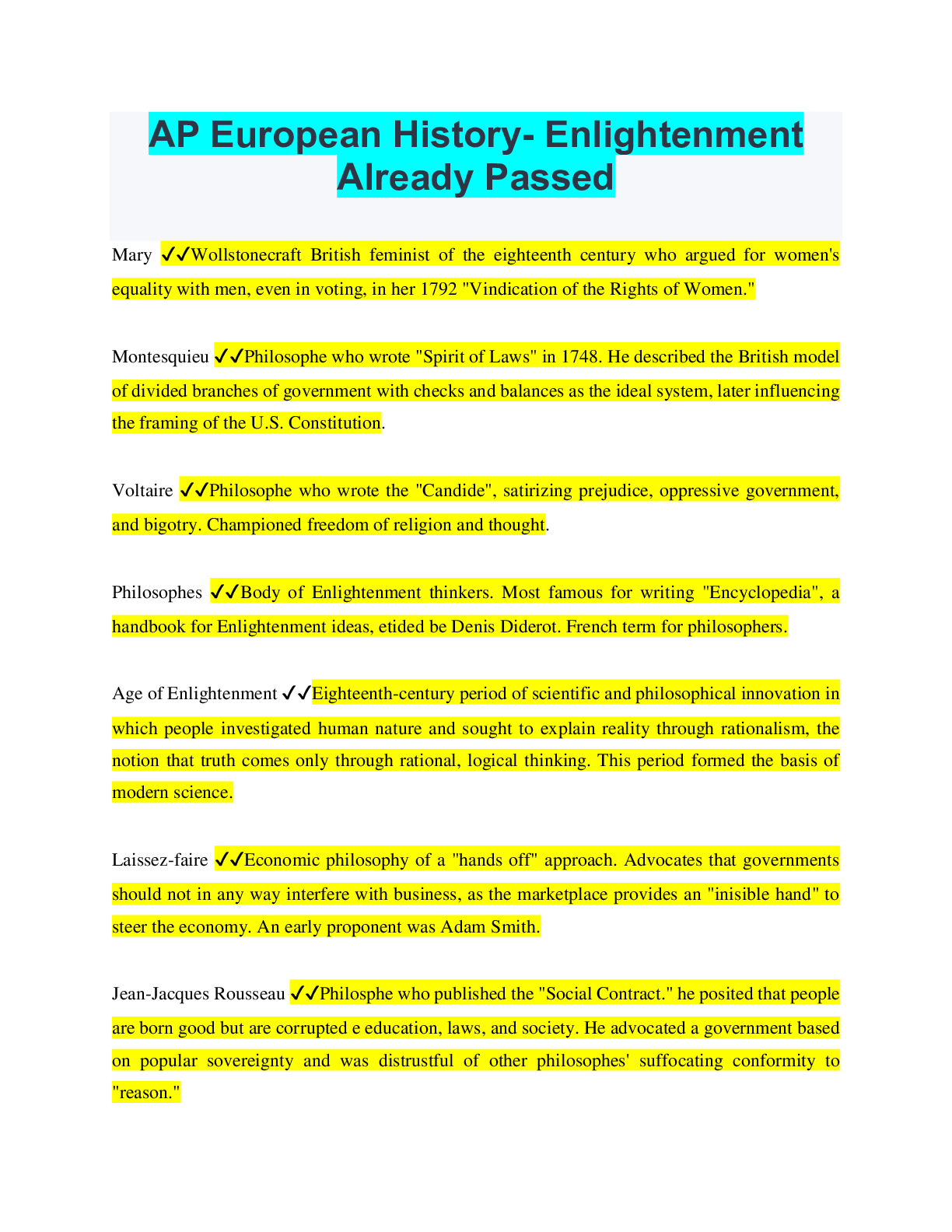
AP European History Exam FULL SOLUTION PACK(ALL AP European History Exams AND STUDY QUESTIONS ARE HERE ,ALL ANSWERED CORRECTLY)
AP European History- Enlightenment Already Passed AP European History- French Revolution Questions and Answers Graded A+ AP European History – Renaissance Already Passed AP European History E...
By Alphascore 3 years ago
$15
20
Reviews( 0 )
Document information
Connected school, study & course
About the document
Uploaded On
Nov 14, 2022
Number of pages
5
Written in
All

Additional information
This document has been written for:
Uploaded
Nov 14, 2022
Downloads
0
Views
255
Topic Tags
Related Subjects & Courses
Explore similar study resources and related concepts.
Recommended For You
Get more on QUESTIONS & ANSWERS »
 By Eric Foner (Test Bank).png)
Test Bank for Give Me Liberty! An American History 5th Edition...
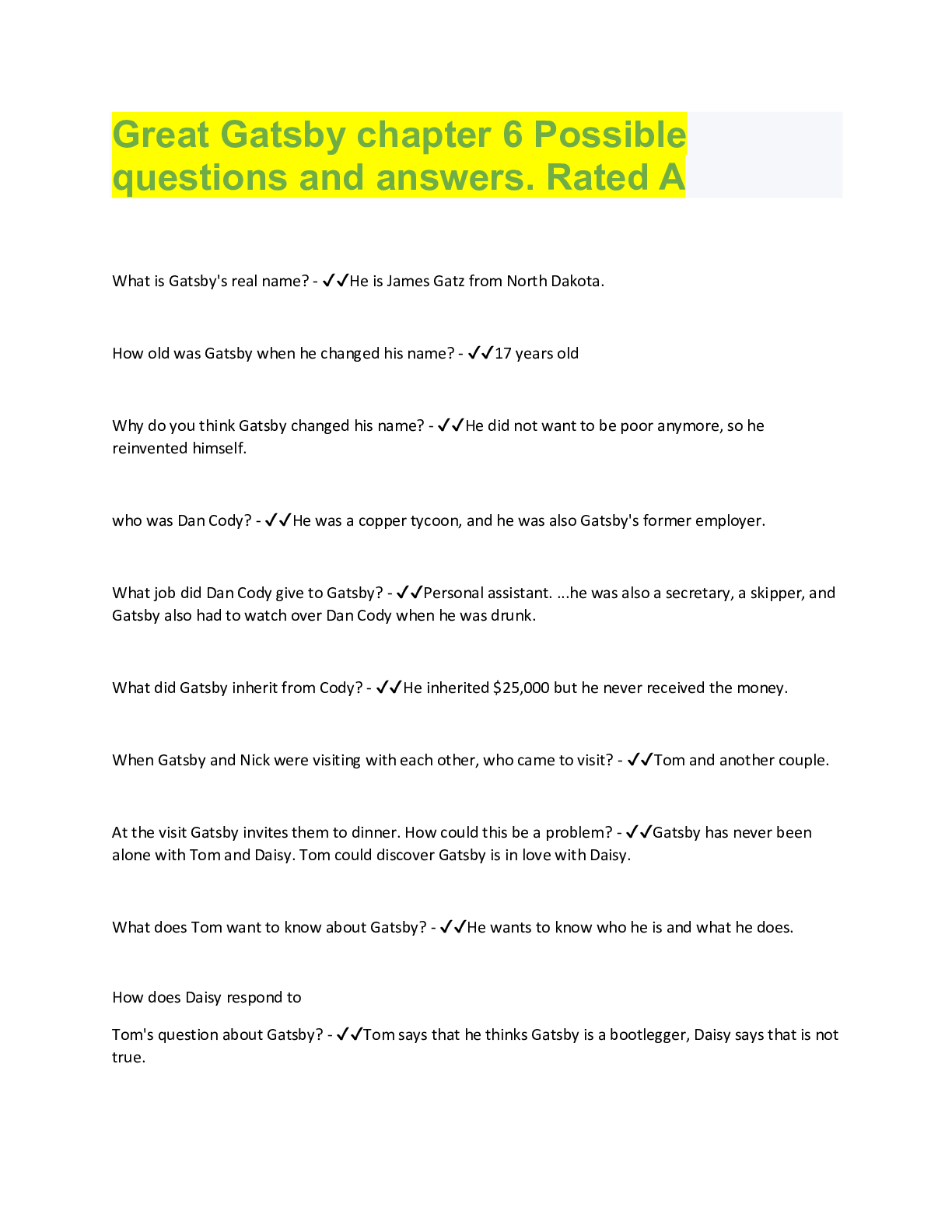
Great Gatsby chapter 6 Possible questions and answers. Rated...
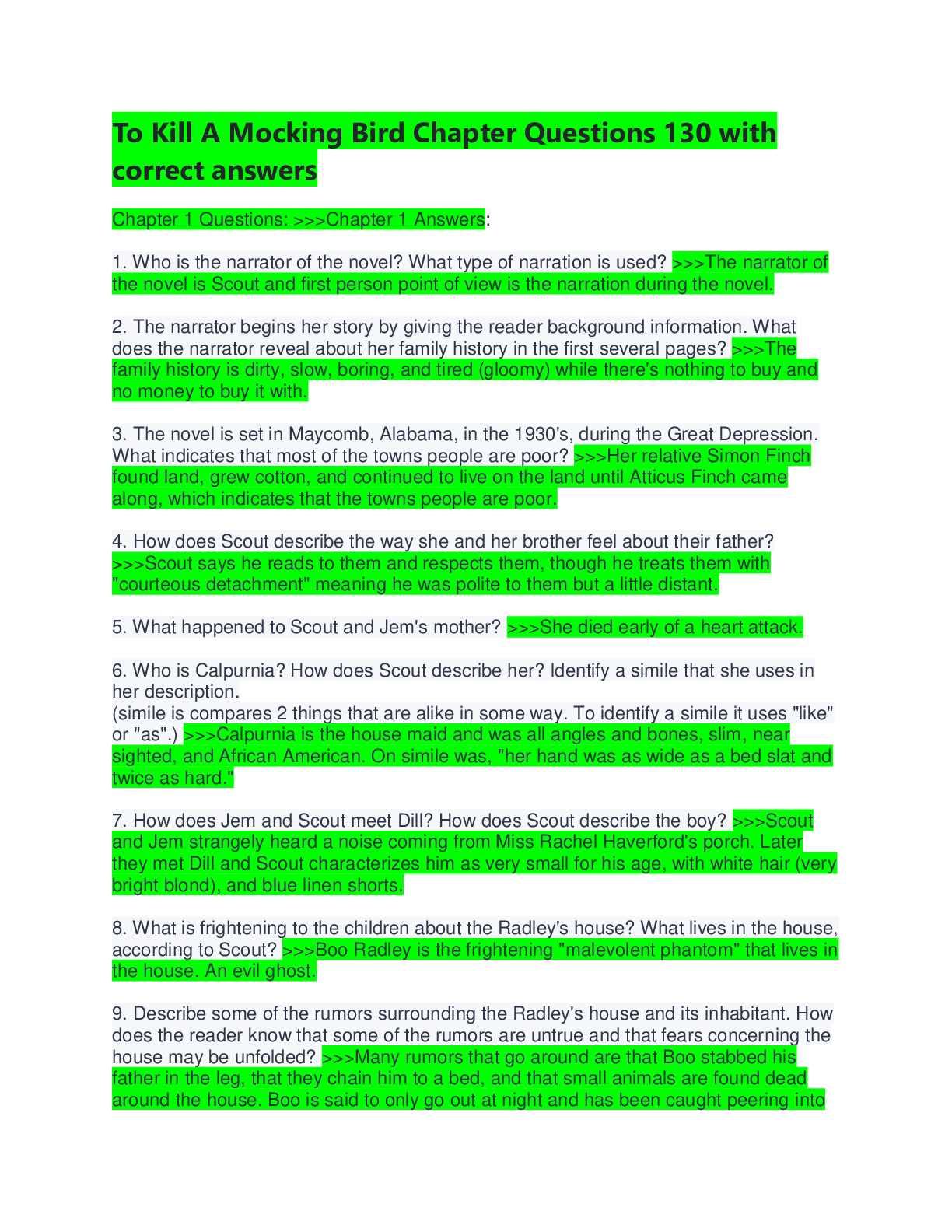
To Kill A Mocking Bird Chapter Questions 130 with correct answ...

eBook Callum (The O'Reilly Brotherhood Series Book 2)by Tracie...
eBook Medieval Mobilities Gendered Bodies, Spaces, and Movemen...

eBook (EPUB) Sleeping Children 1st Edition By Anthony Passeron...
![Preview of [eBook][PDF] QUANTITATIVE LITERACY Thinking Between the Lines, 2nd Edition By Bruce Craude](https://browseimages.nyc3.digitaloceanspaces.com/paper-images/2023/Sep/15/omLSNHex2023-09-15-06-546503d55d1e463.png)
[eBook][PDF] QUANTITATIVE LITERACY Thinking Between the Lines,...
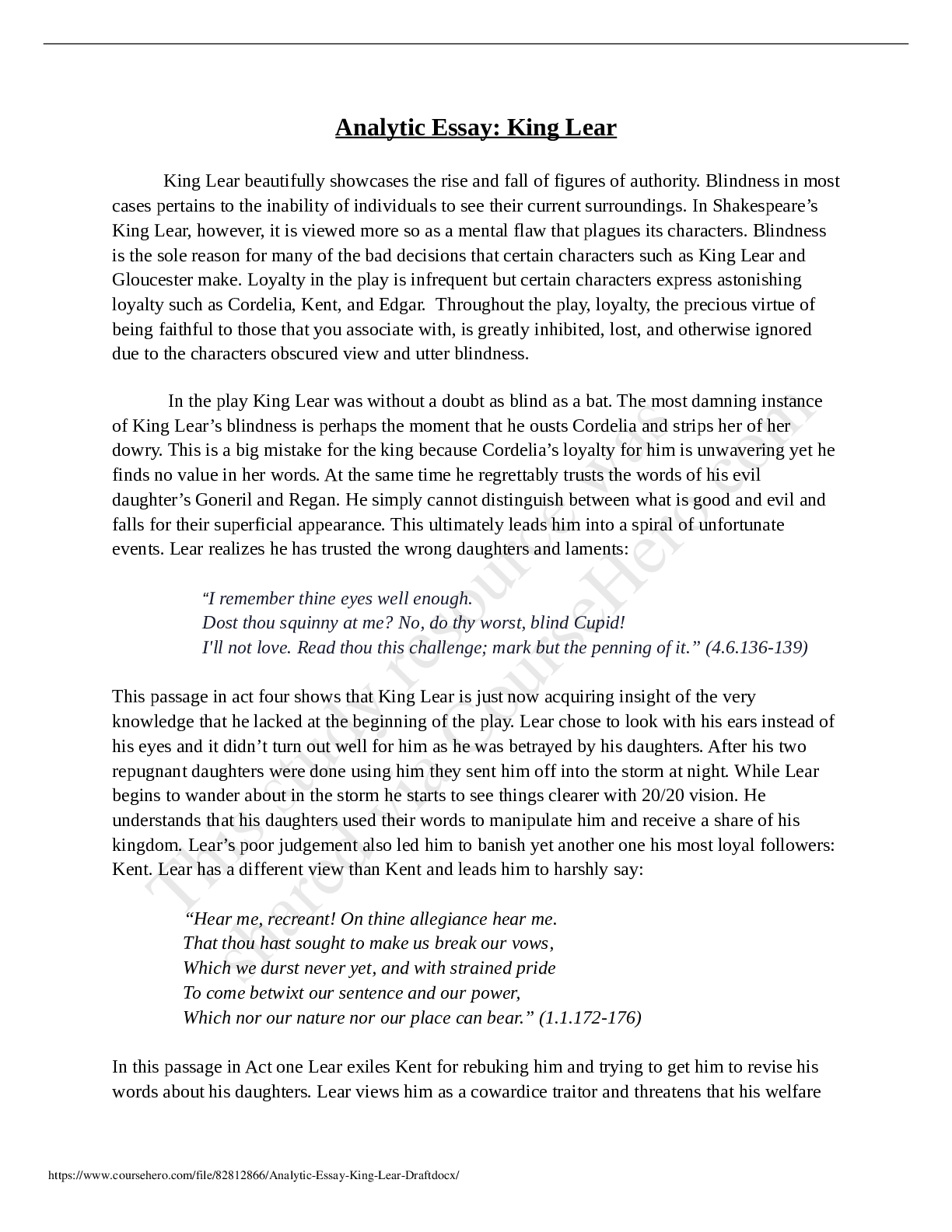
Compass High School - ENGLISH 101Analytic Essay_ King Lear Dra...



 with Complete Solution.png)
 Career Information with Complete Solution.png)


 for E-6 Career Information_watermark.png)