Literary Studies > QUESTIONS & ANSWERS > AP European History- Enlightenment Already Passed (All)
AP European History- Enlightenment Already Passed
Document Content and Description Below
Last updated: 3 years ago
Preview 1 out of 6 pages
Instant download
Buy this Document to get the Full Access Instantly
Provided by Students Who Aced it
We Verify Document Content to Gurantee Accuracy
Also available in bundle (1)
Click Below to Access Bundle(s)
AP European History Exam FULL SOLUTION PACK(ALL AP European History Exams AND STUDY QUESTIONS ARE HERE ,ALL ANSWERED CORRECTLY)
AP European History- Enlightenment Already Passed AP European History- French Revolution Questions and Answers Graded A+ AP European History – Renaissance Already Passed AP European History E...
By Alphascore 3 years ago
$15
20
Reviews( 0 )
Document information
Connected school, study & course
About the document
Uploaded On
Nov 14, 2022
Number of pages
6
Written in
All

Additional information
This document has been written for:
Uploaded
Nov 14, 2022
Downloads
0
Views
180
Topic Tags
Recommended For You
Get more on QUESTIONS & ANSWERS »
 By Eric Foner (Test Bank).png)
Test Bank for Give Me Liberty! An American History 5th Edition...
.png)
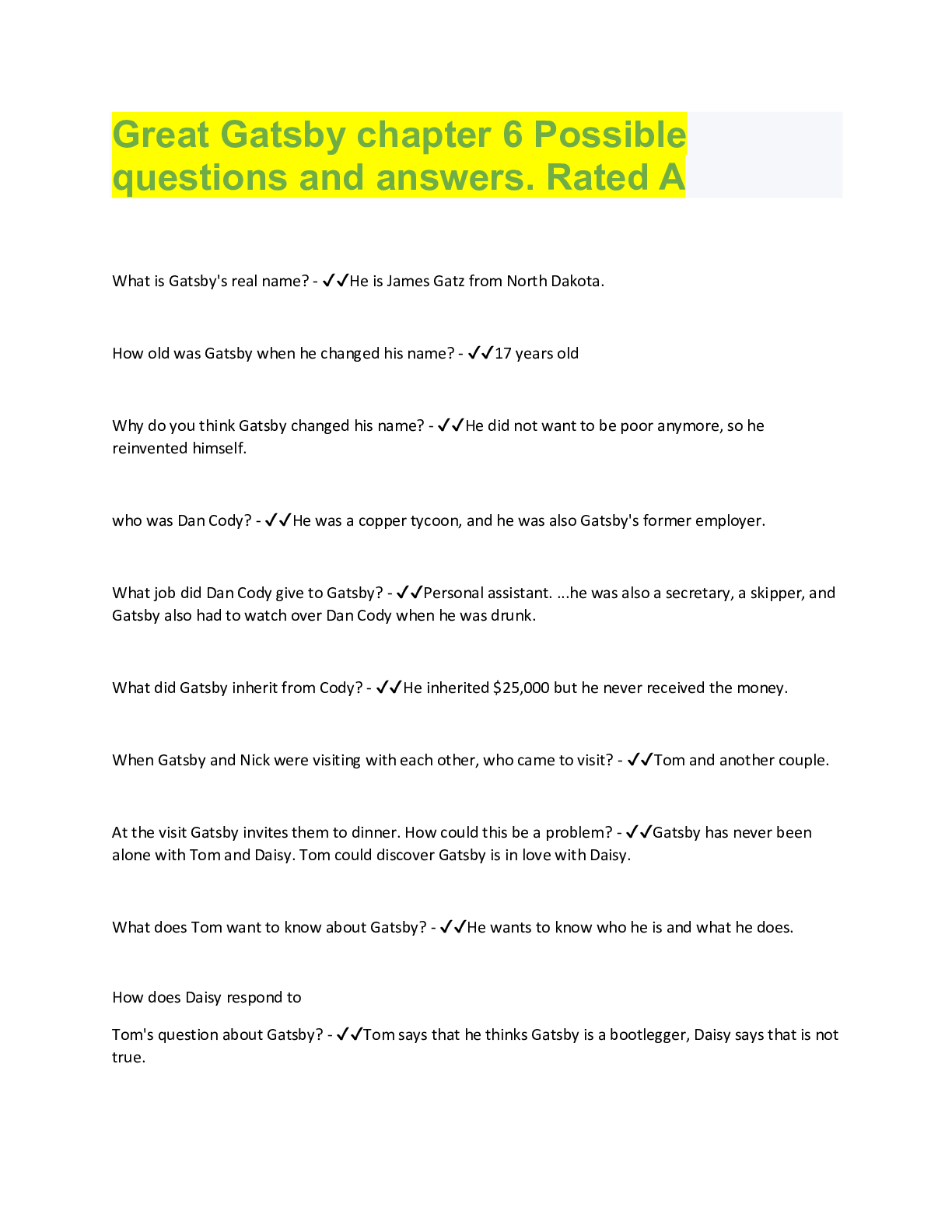
Great Gatsby chapter 6 Possible questions and answers. Rated...
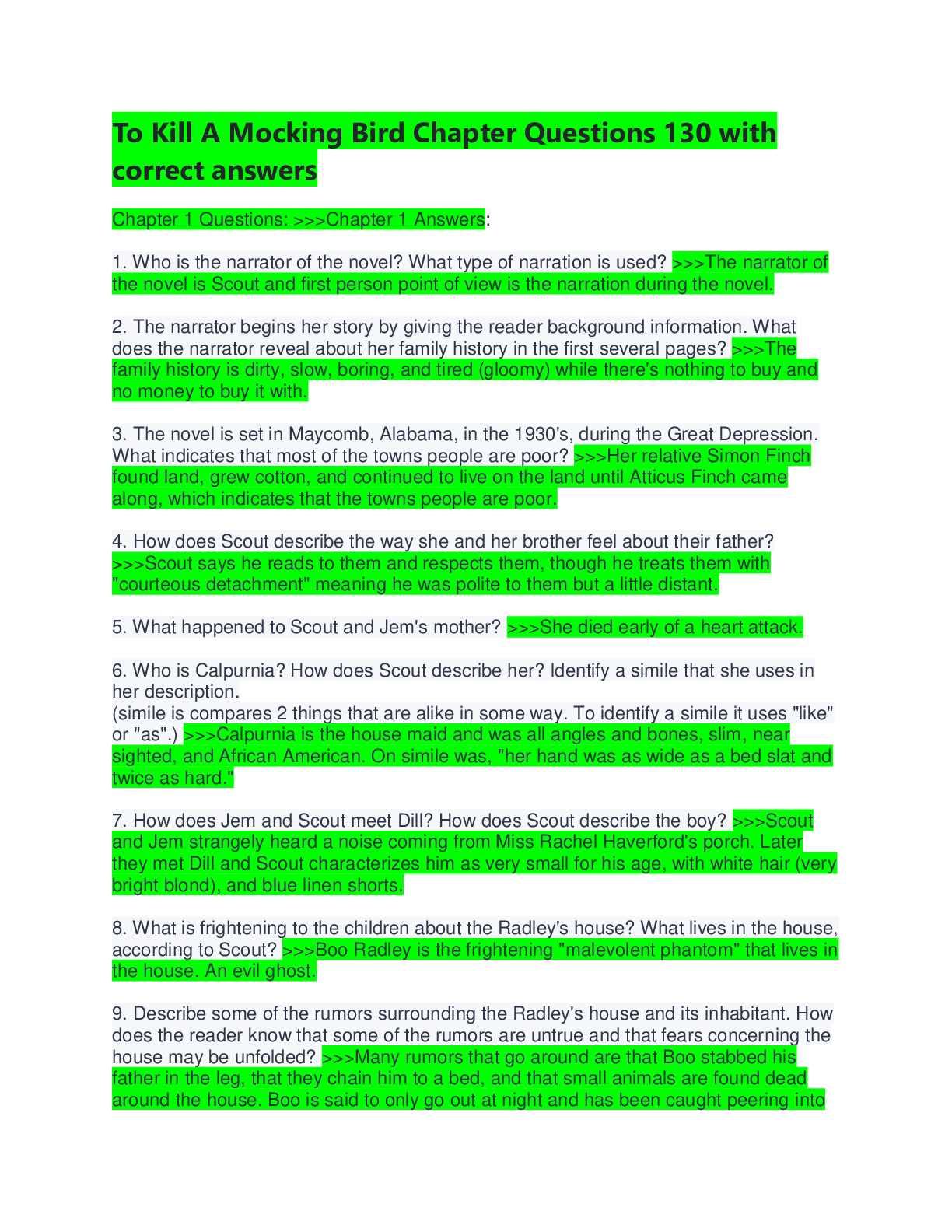
To Kill A Mocking Bird Chapter Questions 130 with correct answ...
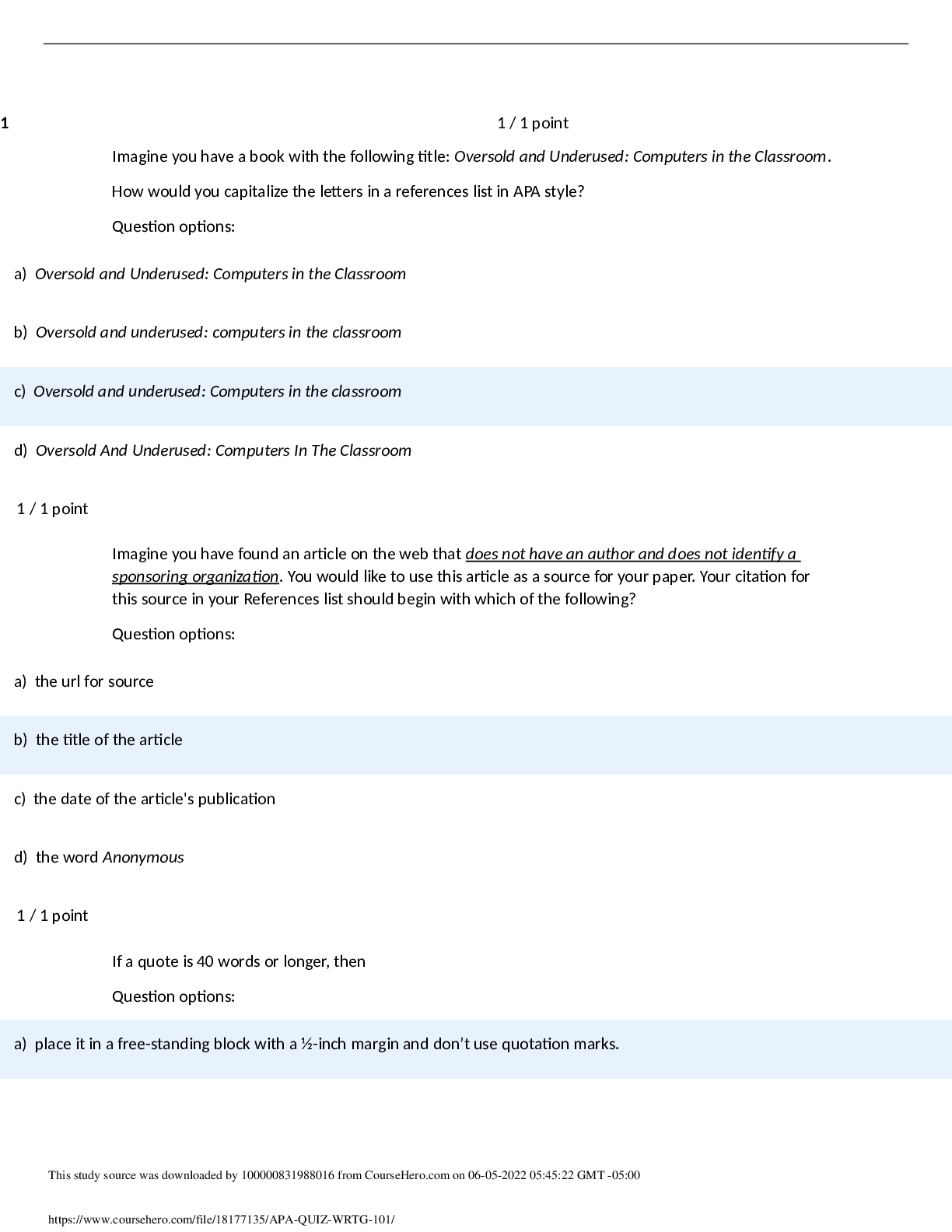
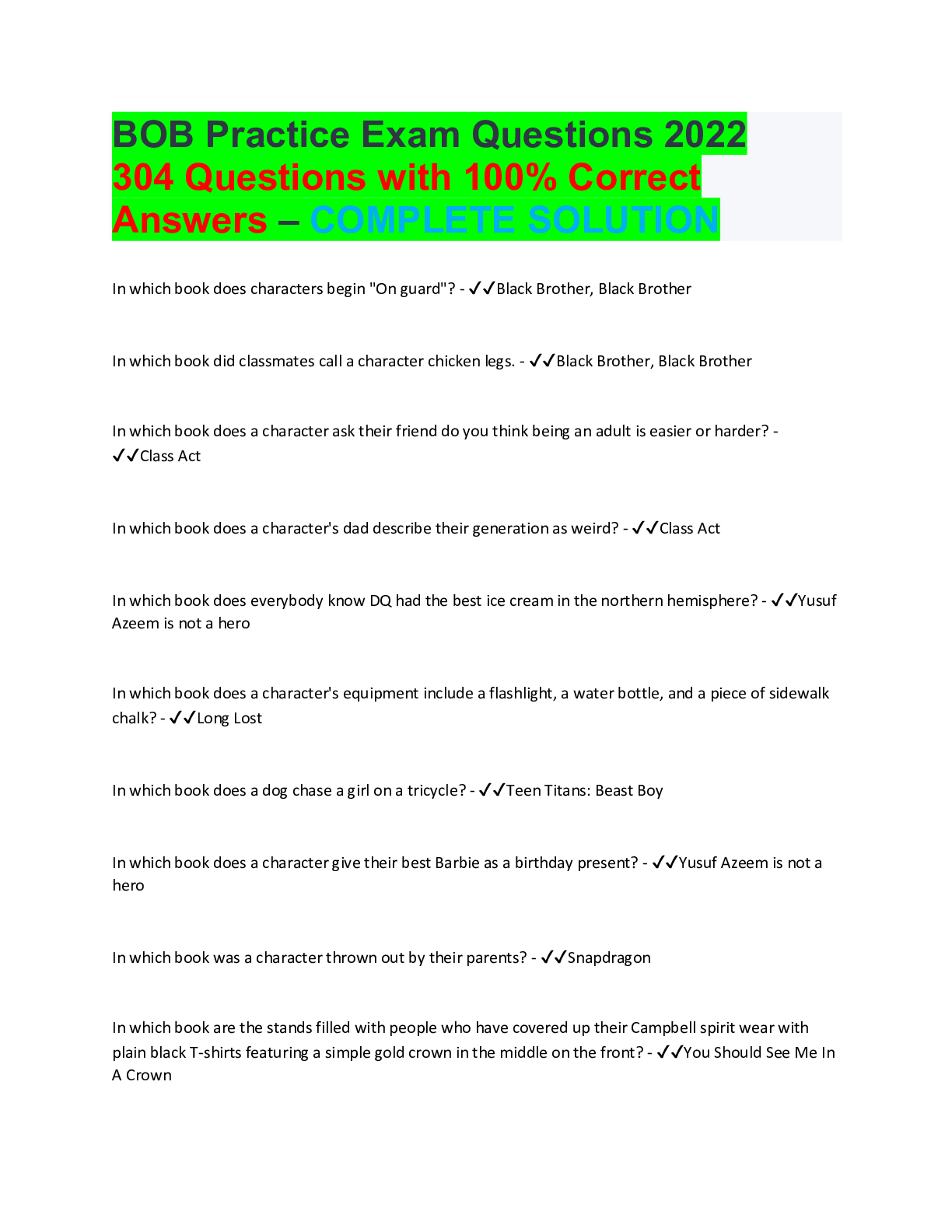
BOB Practice Exam Questions 2022 304 Questions with 100% Corre...
Battle of the Books Practice Questions 2022 – COMPLETE SOLUTIO...

.png)
3/8/2022 Reading Olympics Practice Questions – COMPLETE SOLUTI...


Answer Key for AP English Literature and Composition Practice...

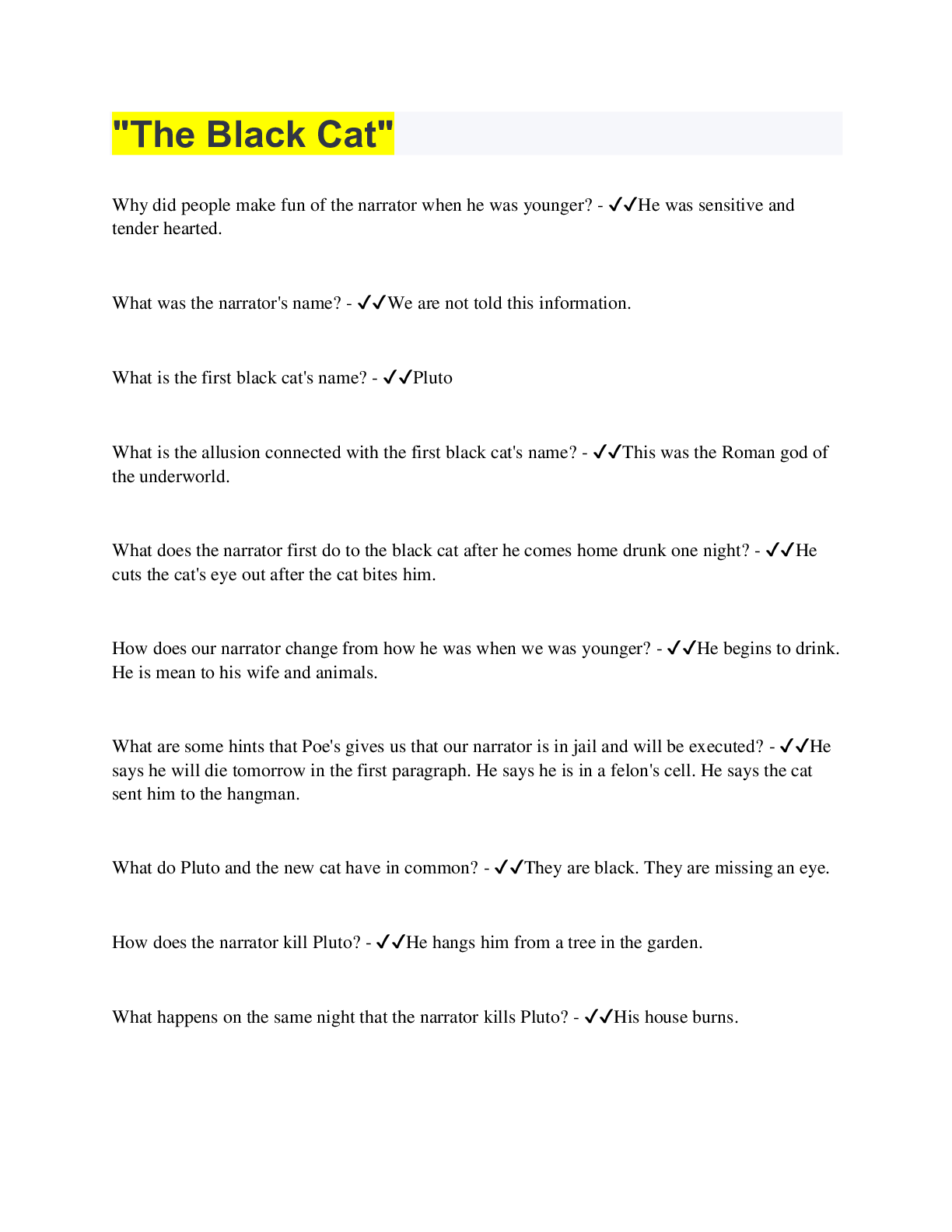

Southern New Hampshire UniversityLIT 200 X14544_4 Midterm Lite...
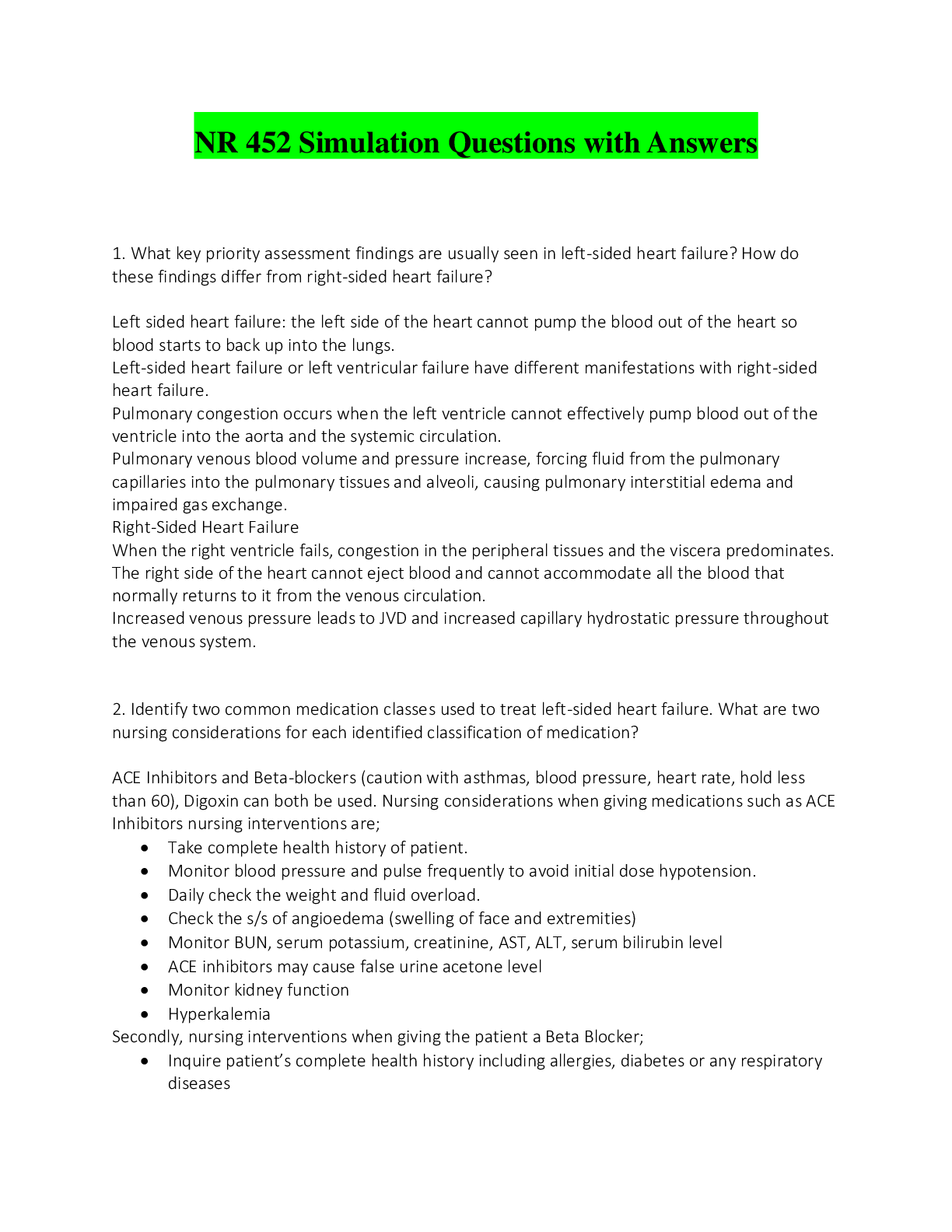
NR 452 Simulation Questions with Answers Latest Complete Solut...

 with Complete Solution.png)
 Career Information with Complete Solution.png)


 for E-6 Career Information_watermark.png)