Macroeconomics > EXAM > MULTIPLE CHOICE. Choose the one alternative that best completes the statement or answers the questio (All)
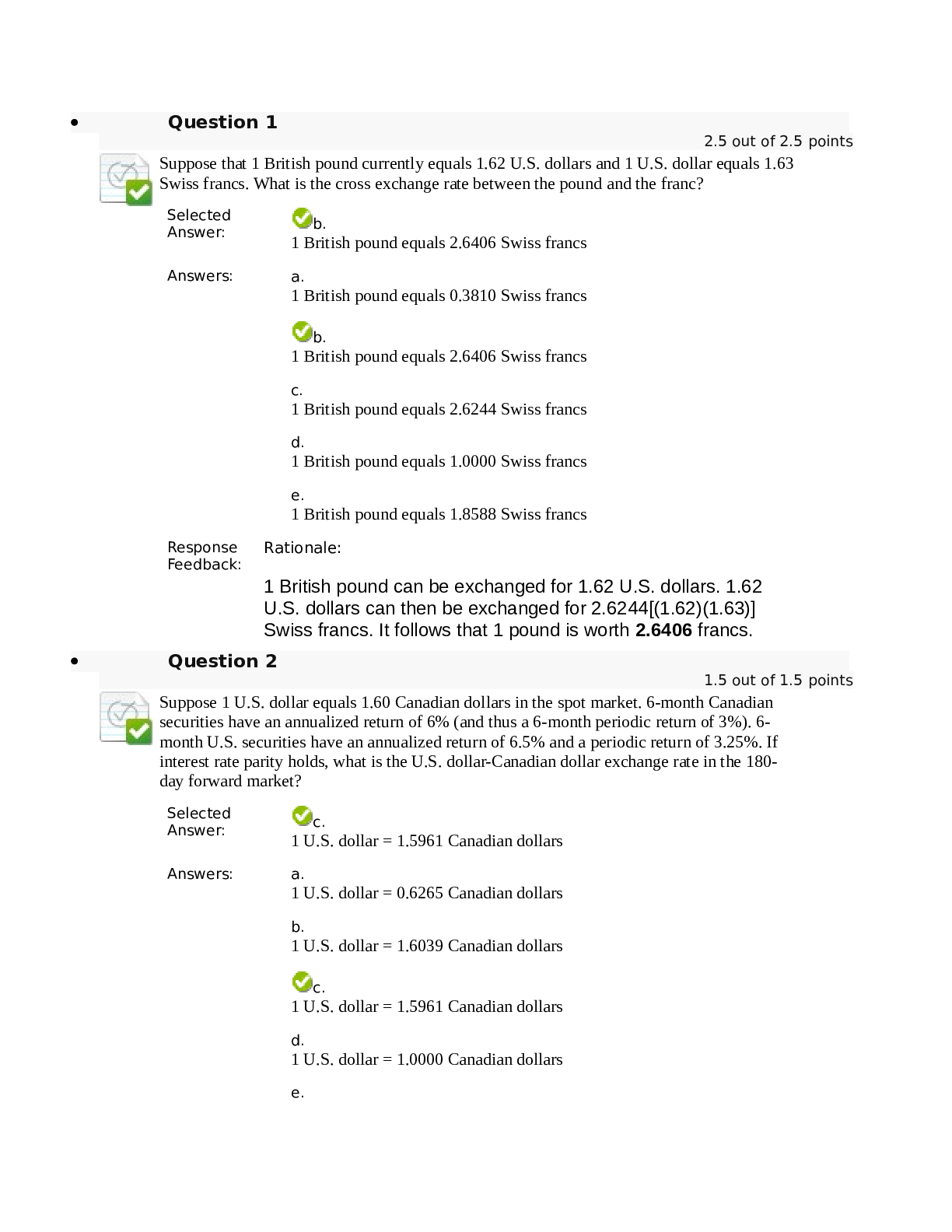
MULTIPLE CHOICE. Choose the one alternative that best completes the statement or answers the question. | Attached mark scheme at the end of the document
Document Content and Description Below
Last updated: 3 years ago
Preview 1 out of 14 pages
Instant download

Buy this Document to get the Full Access Instantly
Provided by Students Who Aced it
We Verify Document Content to Gurantee Accuracy
Reviews( 0 )
Document information
Connected school, study & course
About the document
Uploaded On
Nov 30, 2022
Number of pages
14
Written in
All

Additional information
This document has been written for:
Uploaded
Nov 30, 2022
Downloads
0
Views
131
Topic Tags
Recommended For You
Get more on EXAM »
ECON 1002: Microeconomics Final Exam (3) Complete Answers (spr...
ECON 1002: Microeconomics Exam 2_Latest Spring 2020 Complete A...

.png)
MACRO FTC1 Unit 7 Study Guide The World Economy Introduction-...
.png)
Macro FTC1 Unit 3 Study Guide- Introduction to Macroeconomics...

Macro FTC1 Unit 5 Study Guide Money, Financial Markets, and Mo...

Intermediate Microeconomics A Modern Approach 8th Edition By H...
Macroeconomics 4th Edition By Charles Jones (Test Bank All Cha...

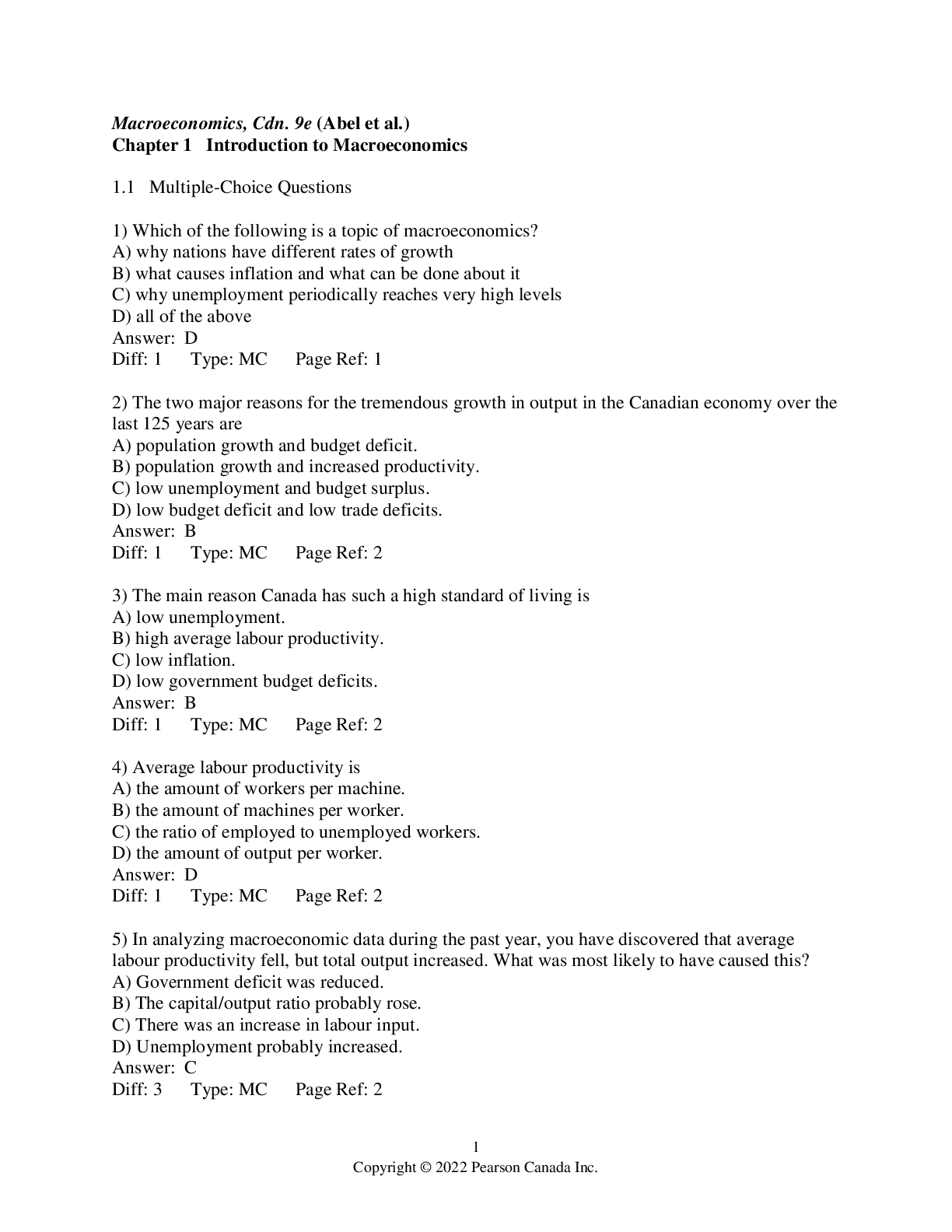
Macroeconomics, 9th Canadian Edition, by Andrew, Abel, Bernank...
Instructor Manual For Macroeconomics 2025 9th Edition by Olivi...

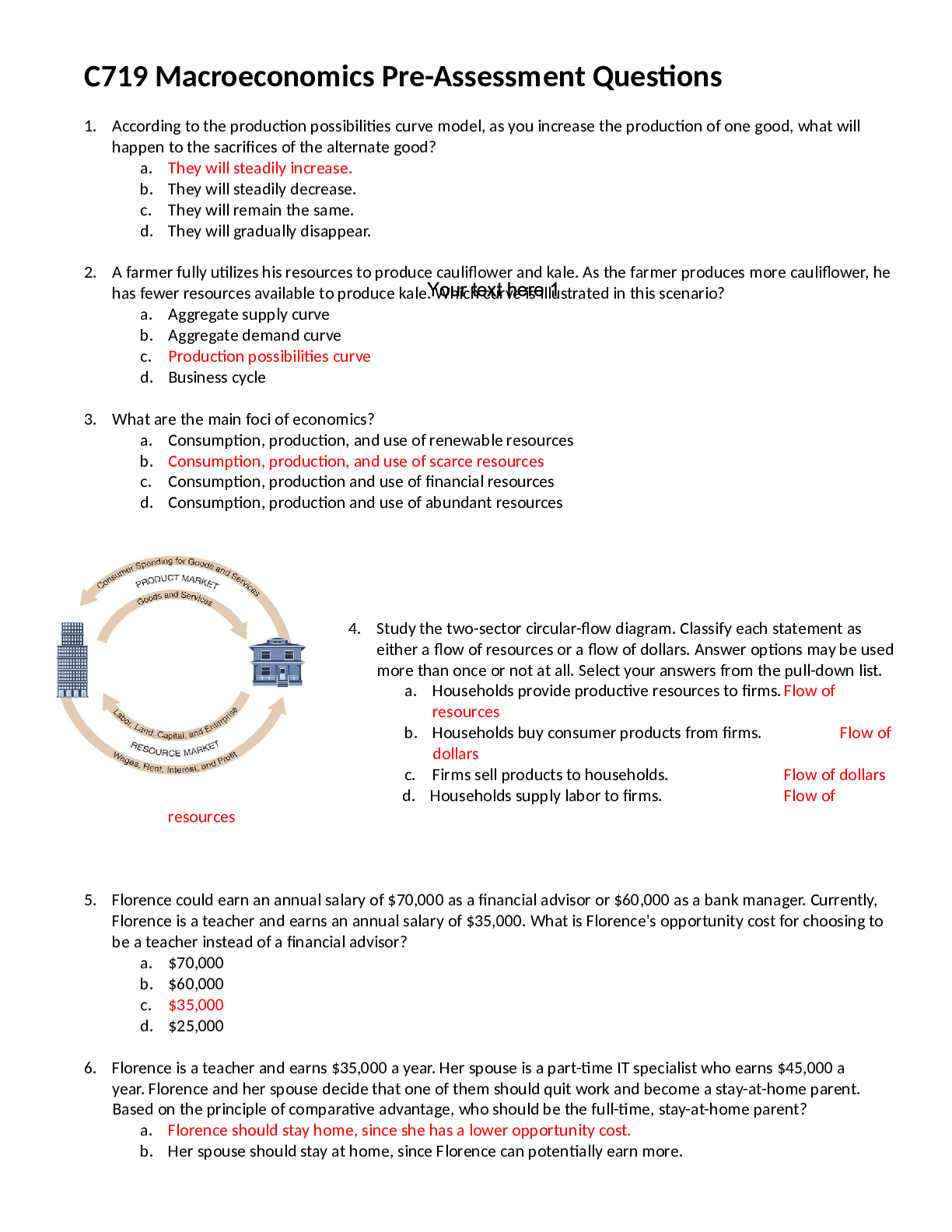
C719 MACROECONOMICS PRE-ASSESSMENT QUESTIONS AND ANSWERS - Wes...
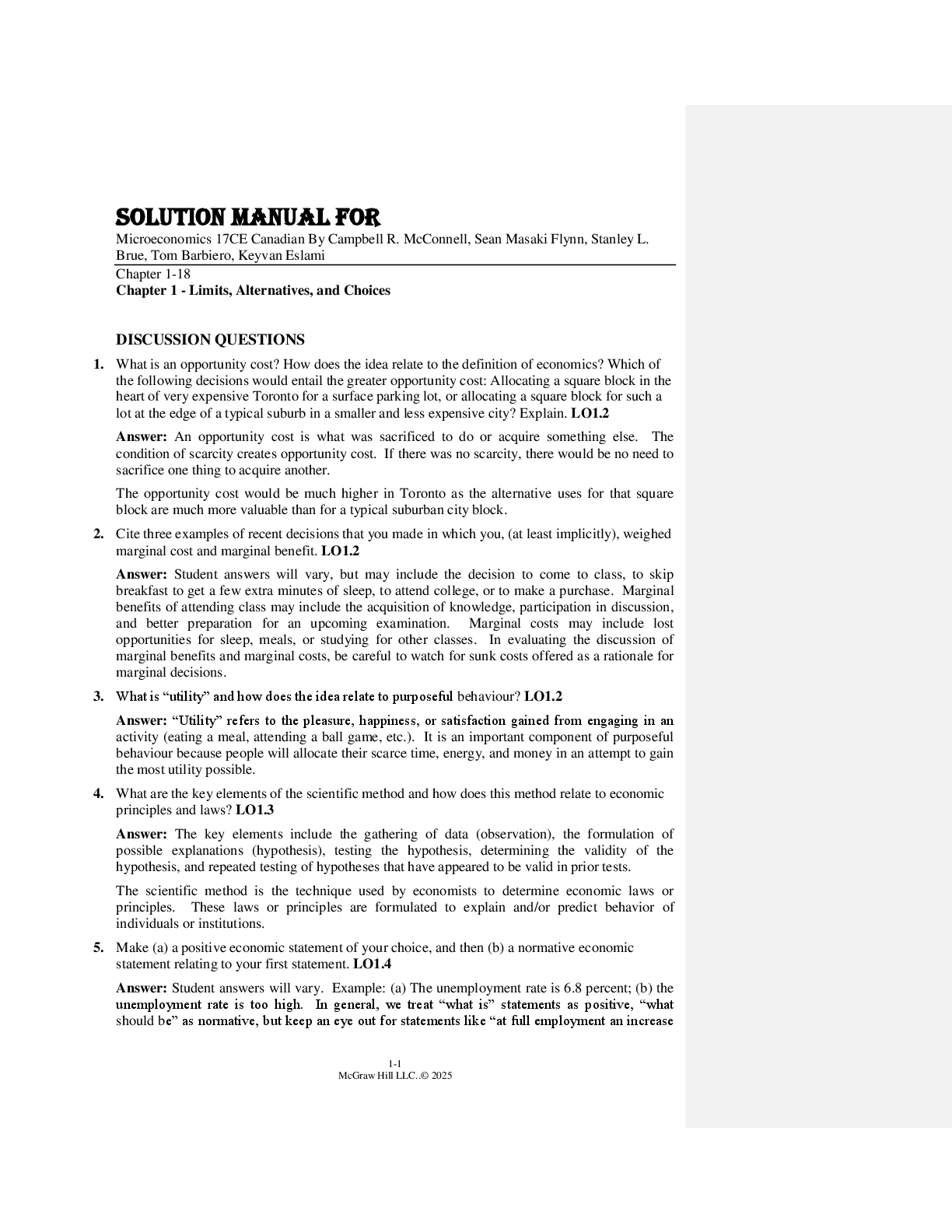
Solution Manual For Microeconomics 17CE Canadian By Campbell R...

Solution Manual For Macroeconomics 17CE Canadian By Campbell R...